2027 Game Programming Degree Enrollment Trends by Age Group: Traditional Students vs Adult Learners

Co-Founder and Chief Data Scientist
Game programming degree programs reveal distinct enrollment disparities tied to age, shaped by industry demands and skill requisites. Traditional students, typically aged 18-24, comprise 68% of enrollments, driven by streamlined transitions from secondary education into technical curricula emphasizing algorithmic foundations and software development tools. Conversely, adult learners often face access hurdles due to the intensive time investment required to build demonstrable portfolios and meet high employer expectations for practical experience.
Industry projections cite a 12% growth in game developer jobs through 2030, intensifying competition and credential inflation that disproportionately challenge non-traditional entrants. This age stratification signals evolving workforce dynamics, where educational accessibility and continuous skill adaptation increasingly define career trajectories in game programming.
Key Things to Know About Game Programming Degree Enrollment Trends by Age Group
- Enrollment among adult learners in game programming often involves balancing career shifts and family, leading to longer completion times; this tradeoff impacts ability to engage in internships critical for employability.
- Employers increasingly expect foundational coding skills from traditional-age enrollees, while valuing practical experience in older students; this bifurcated demand influences hiring patterns across age groups.
- Rising tuition costs disproportionately affect younger students with less financial stability, constraining timely program access; older students may leverage savings or employer support, shaping enrollment demographics.
- Key Things to Know About Game Programming Degree Enrollment Trends by Age Group Key Things to Know About Game Programming Degree Enrollment Trends by Age Group
- Which Age Groups Represent the Largest Share of Game Programming Students? Students by Age Group
- Why Do Traditional Students Choose Game Programming Degree Programs? Traditional Students
- Why Do Adult Learners Return to School for a Game Programming Degree? Adult Learners
- How Do Academic Goals Vary Between Younger and Older Game Programming Students? Academic Goals by Age Group
- How Do Financial Concerns Differ Between Traditional Students and Adult Learners? Financial Concerns by Age Group
- What Challenges Do Adult Learners and Traditional Students Face While Earning a Game Programming Degree? Student Challenges by Age Group
- How Does Age Affect Game Programming Degree Student Retention? Age and Student Retention
- Which Game Programming Specializations Are Most Popular Among Adult Learners? Top Specializations for Adult Learners
- How Does Age Affect Job Opportunities for Game Programming Graduates? Impact of Age in Job Opportunities
- What Do Current Game Programming Enrollment Trends Reveal About Future Demand? What Do Current Game Programming Enrollment Trends Reveal About Future Demand?
Which Age Groups Represent the Largest Share of Game Programming Students?
Game programming programs enroll students at various stages of life, but participation typically clusters among certain age groups shaped by career timing, financial readiness, and educational access. These enrollment patterns mirror broader workforce and higher education dynamics rather than simply reflecting academic interest. Understanding which age demographics dominate can clarify practical tradeoffs between full-time foundational study and flexible, targeted learning pathways.
- Ages 18-24: This group represents the largest share of game programming students, consistent with traditional college-age enrollment patterns. Students often enter programs shortly after high school, engaging full time with structured, campus-centered curricula designed for immersive skill-building and peer collaboration. Their enrollment aligns with the typical timing for entering technology careers and benefits from extensive institutional supports.
- Ages 25-34: Early-career adults form a sizable but smaller portion of enrollment, frequently drawn to game programming programs to pivot or deepen technical competencies. Many seek flexible formats like part-time or online learning to balance work demands. This age group's motivation is often driven by labor market shifts and upskilling needs rather than continuous academic progression.
- Ages 35 and older: Adult learners beyond their mid-30s generally enroll less often, reflecting challenges in juggling career, family, and studies along with financial and time constraints. When they do enroll, it's typically for certificates or modular programs targeting specific industry skills rather than full degrees. These programs accommodate workforce transitions but may limit access to the comprehensive resources older students can leverage less frequently.
Age demographics in game programming degree enrollment illustrate the divide between foundational education for younger students and targeted skill acquisition among adults. Employer expectations reward not only technical mastery but also contemporary workflow familiarity, which younger full-timers often gain through immersion. However, adult learners bring real-world problem-solving acumen, underscoring differing but complementary pathways into the workforce.
Data from the U.S. Department of Education and the National Center for Education Statistics confirm that STEM fields, including game programming, continue to attract mainly traditional students, while adult learners increasingly pursue shorter, adaptable credentials. This fragmentation informs program design and affects how accessibility is managed across age segments.
Prospective students evaluating their options may also consider alternative degree models-such as an accelerated psychology bachelor's degree-to understand how pacing and format impact both educational outcomes and labor market integration relative to their age and career stage.
Why Do Traditional Students Choose Game Programming Degree Programs?
Traditional students often choose game programming degree programs driven by a blend of academic curiosity and strategic career signaling. Early engagement with coding or digital arts ignites focused interests which these programs validate through structured curricula, enhancing their value as credible credentials. For many, the decision aligns with exploratory career frameworks that allow them to integrate creativity and technical skills before entering competitive labor markets. According to the National Center for Education Statistics 2024 dataset, about 68% of traditional students select game programming programs primarily for their promising career prospects, emphasizing practical skill development and employer-aligned competencies.
These enrollment choices are further shaped by institutional recruitment pathways and the influence of academic advisors, who often steer students toward programs perceived as stable and growth-oriented within STEM disciplines. Exposure to game programming concepts in secondary education or introductory college courses creates early familiarity, reinforcing student confidence in their aptitude and fit for the field. Peer group interest and guidance counseling contribute to enrollment patterns that reflect labor market visibility and perceived demand in digital entertainment sectors. Some students may also explore alternatives such as the easiest MSW program to enhance career flexibility, but those drawn to game programming frequently prioritize pathways that promise direct alignment with evolving industry expectations.
Why Do Adult Learners Return to School for a Game Programming Degree?
Adult learners pursuing a game programming degree often do so to navigate significant career shifts, whether by entering a new sector or advancing within software development roles. The desire for wage growth and job stability in a competitive labor market drives many to formalize their credentials, particularly as employers increasingly require proof of relevant technical skills. According to the National Center for Education Statistics 2024 report, over a third of postsecondary students are aged 25 or older, with many focusing on technology programs to capitalize on industry demand and career mobility. This demographic tends to prioritize credentials that address skill gaps and provide tangible evidence of competence to overcome hiring biases against nontraditional pathways.
Factors like employer-funded tuition assistance and the expansion of online learning options reduce barriers for adults balancing work and family commitments, enhancing access to game programming education. The fast-evolving nature of the game development field means that updating technical expertise is critical, so programs that emphasize hands-on experience and portfolio-building align well with employer expectations. The increasing prevalence of flexible scheduling options reflects recognition of adult learners' time constraints, while credential inflation in tech fields makes formal education a strategic necessity for mid-career professionals adapting to shifting job qualifications.
The influx of adult learners influences program design by pushing institutions to offer more adaptable formats and relevant, applied curricula that support lifelong learning and skills resilience. Their presence diversifies peer interactions and fosters collaborative learning environments that integrate real-world work experience with academic theory. This growing segment drives the online education market for game programming, reshaping classroom demographics and educational delivery models to better accommodate the practical realities of workforce-reentry and continuous technical upskilling.
How Do Academic Goals Vary Between Younger and Older Game Programming Students?
Younger students pursuing game programming degrees often engage with their studies through a broad, exploratory lens aimed at establishing foundational technical and creative skills. Their academic goals typically emphasize hands-on experiences such as internships and collaborative projects that facilitate entry into industry roles or graduate education. This phase aligns with their position as emerging professionals who seek to absorb a wide knowledge base while building networks and practical portfolios. Data from the National Center for Education Statistics in 2024 shows approximately 68% of traditional students prioritize experiential learning opportunities that connect to entry-level employment.
In contrast, older learners generally approach game programming education with a strategic intent centered on targeted skill acquisition and credentialing aimed at immediate workplace relevance. Many are career changers or incumbent professionals who balance education with external responsibilities, focusing on flexible scheduling and program elements directly linked to job stability, promotions, or entrepreneurial undertakings. Research from the EDUCAUSE Institute (2024) highlights that 72% of adult students prioritize securing or advancing positions within the gaming field, underscoring their pragmatic alignment between learning outcomes and labor market demands. Their participation often reflects a clear calculus of educational investment versus tangible career impact.
An adult learner recently described returning to school after years in a non-technical role, weighing the timing of applications during rolling admissions. They recalled uncertainty over whether to commit early without knowing how program pacing would fit their family obligations or wait longer at the risk of losing a spot. The student ultimately chose a middle path, submitting initial documents promptly but delaying final enrollment steps until securing clearer work schedule flexibility. This nuanced decision-making process illustrates how adult learners must constantly balance educational ambitions against personal and professional rhythms, shaping academic goals that differ markedly from traditional-aged peers.
How Do Financial Concerns Differ Between Traditional Students and Adult Learners?
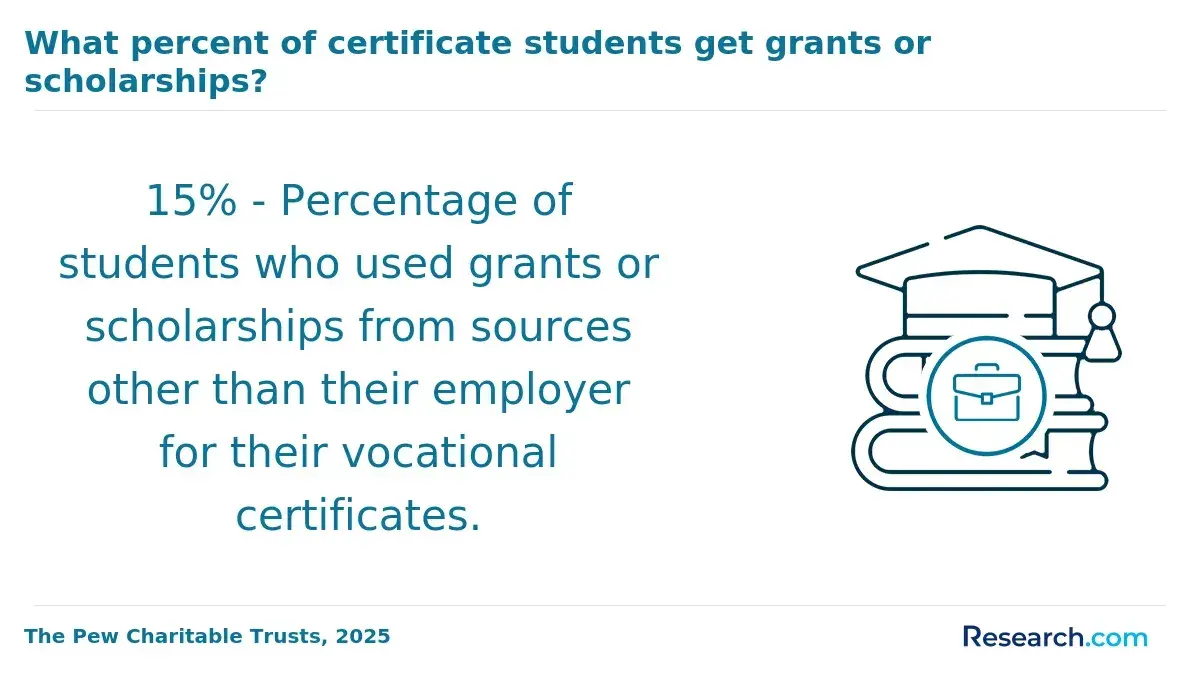
Traditional students pursuing a game programming degree predominantly depend on family support, scholarships, or federal student loans. Their financial challenges revolve around managing tuition costs alongside living expenses and part-time work schedules, which largely dictate their funding choices. According to a 2024 report from the National Center for Education Statistics, about 70% of traditional undergraduates rely on federal financial aid, underscoring their dependence on subsidized support. These students often accept deferred financial burdens, focusing on degree completion timelines despite the prospect of accumulating substantial debt, reflecting limited concern for immediate return on investment compared to longer-term career trajectories.
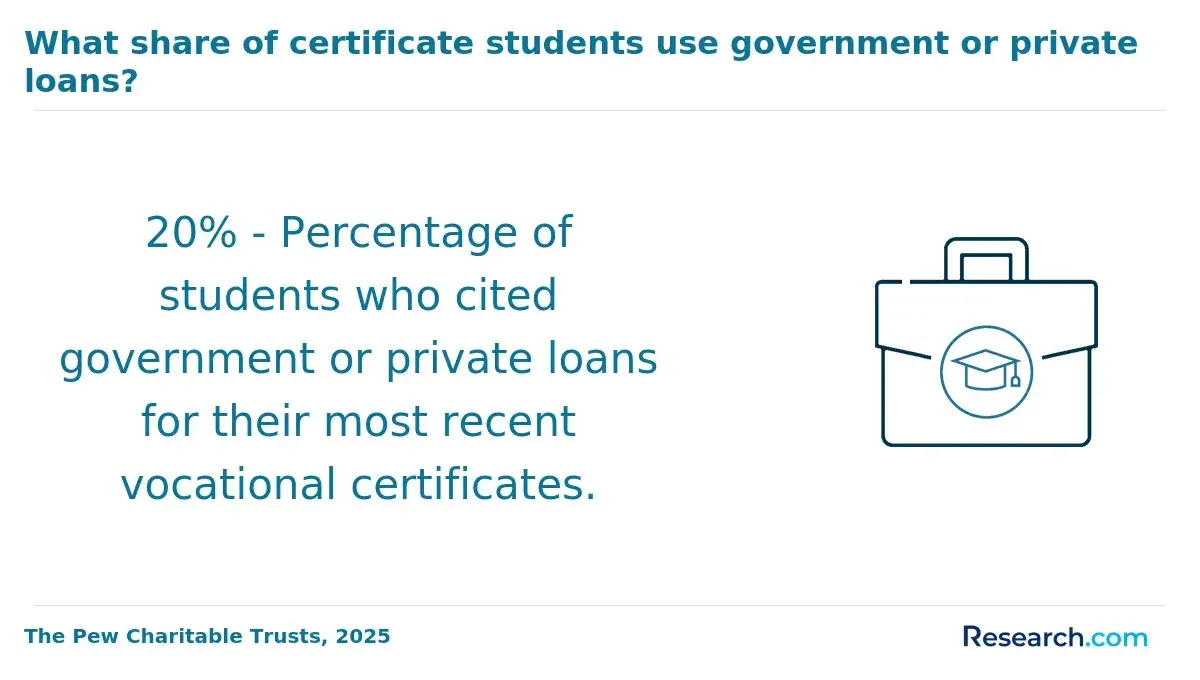
Adult learners, facing distinct financial challenges, typically juggle household expenses, mortgages, and dependents while returning to education. Unlike younger peers, they are less likely to rely on parental aid and more inclined to use personal savings or employer tuition assistance, as found by the National Student Clearinghouse Research Center in 2024, with nearly 55% funding education through these channels. The opportunity cost of reduced or paused full-time employment is a critical factor shaping their decision-making, intensifying the tradeoff between current income and educational investment. These pressures lead adult learners to carefully evaluate the ROI and often prioritize programs offering clear career benefits, which include weighing options such as online versus on-campus formats to accommodate their complex financial and family obligations. This analysis is particularly relevant when assessing tuition cost concerns among adult learners and traditional students in game programming fields.
These financial dynamics influence enrollment patterns and program accessibility, with adult learners frequently seeking flexible pathways and employer-aligned credentials to mitigate opportunity costs. Meanwhile, traditional students may prioritize more conventional academic environments and shorter completion windows despite higher debt exposure. Understanding these differences is crucial not only for selecting a program but also for assessing the long-term fiscal impacts of educational choices within gaming and tech sectors, where demonstrated skills often weigh as heavily as formal credentials. For those evaluating whether a project management degree worth it frames similar cost-benefit questions, the nuanced financial behaviors discussed here provide insight into how lifecycle responsibilities shape enrollment decisions and education funding strategies.
What Challenges Do Adult Learners and Traditional Students Face While Earning a Game Programming Degree?
Traditional students pursuing a game programming degree often confront challenges rooted in their relative lack of professional experience and a transition from general education to highly specialized, technical coursework. Many enter programs directly after high school with limited exposure to rigorous math and computer science fundamentals, which can lead to steep learning curves in mastering programming languages and real-time system design. Time management also becomes a critical skill as these students navigate campus schedules and academic expectations, frequently balancing course loads without significant external obligations. Their degree progress relies heavily on adjusting to structured academic environments that emphasize foundational skill-building and peer collaboration.
In contrast, adult learners typically juggle full-time employment and family responsibilities alongside their studies, creating persistent tension between professional, personal, and academic demands. Returning to formal education after a gap complicates reacclimating to fast-paced curricula, particularly when prior knowledge requires refreshing to meet current industry standards. Financially, adult students often self-fund their education while managing ongoing expenses such as mortgages and caregiving, contributing to a 25% higher risk of withdrawal due to economic strain as highlighted by the Georgetown University Center on Education's 2024 analysis. Their time constraints frequently limit access to campus resources and group learning opportunities, necessitating reliance on flexible or remote learning formats that may not provide equivalent hands-on experience.
These divergent challenges require institutions to implement differentiated support strategies, ranging from bridging courses that strengthen foundational skills for traditional students to flexible scheduling, targeted advising, and financial counseling tailored to adult learners. As game programming programs expand, integrating adaptive delivery models and comprehensive support services becomes essential to accommodate the distinct lifecycle demands and workload pressures inherent to each student demographic, ultimately influencing retention and successful degree completion. This dynamic underscores the importance of evaluating program accessibility and student experience beyond conventional academic difficulty metrics.
How Does Age Affect Game Programming Degree Student Retention?
Younger students pursuing game programming degrees often struggle with retention primarily due to the transitional challenges inherent in moving from high school to college. This group frequently faces difficulties in adapting to rigorous academic expectations and managing self-directed learning early in their studies. Motivation can fluctuate as they navigate uncertain career goals alongside social integration pressures. These factors contribute to retention rates for traditional students around 65%, according to the Education and Technology Analytics Institute (2024), reflecting a consistency challenge in maintaining early engagement and academic momentum.
In contrast, adult learners in game programming programs tend to demonstrate higher retention rates, averaging about 78% after the first year, driven largely by goal clarity and prior experience. Their retention is shaped less by academic adjustment and more by the need to balance competing demands such as work schedules and family responsibilities. While external obligations impose constraints, this cohort's commitment to skill applicability often sustains persistence when flexible or hybrid learning options are available. Institutional support systems that accommodate these realities can better assist these learners in overcoming time-related barriers, optimizing their educational outcomes.
A graduate recalled applying to a game programming program during a rolling admissions cycle and hesitating to submit materials because they underestimated how competitive the timing was. As an adult learner returning after years in the workforce, they felt uncertain about juggling study commitments with personal responsibilities but recognized the urgency once the application window neared closing. The experience highlighted how timing, preparation, and strategic decision-making during admissions can significantly impact enrollment and retention, especially for nontraditional students managing multiple life factors simultaneously.
Which Game Programming Specializations Are Most Popular Among Adult Learners?
Adult learners pursuing game programming specializations often prioritize tracks that offer direct applicability to existing skill sets and clearer pathways to employment or career shifts. Unlike traditional students more likely to explore graphics-heavy or AI-centered specialties, adults typically select areas where their prior work experience can accelerate skill acquisition and job readiness. This pragmatic orientation reflects their need for salary advancement, career mobility, and relevancy in industries adjacent to entertainment technology.
Data from the 2024 National Center for Education Statistics (NCES) shows that about 47% of adult learners in game programming fields gravitate toward specializations related to systems programming, tools development, or engine customization, reflecting a preference for concrete, technically rigorous skills that also transfer well beyond gaming. These choices support career reinvention and upskilling for professionals seeking roles in software services or tech firms that value scalability and software architecture over niche creative techniques.
- Software Development and Game Engine Architecture: Adult learners often build on prior programming expertise to delve into engine frameworks and development workflows that offer both depth and broad market applicability, enhancing prospects in software industries outside traditional gaming alone.
- Mobile and Casual Game Development: This specialization appeals due to its focus on rapid iteration, cross-platform competency, and widely used languages like Unity and C#, enabling swift application of skills to freelance or entrepreneurial ventures-a key factor for adults balancing career flexibility.
- Tools Programming and Systems Integration: Adults choose these paths for their emphasis on creating internal software solutions, automation, and systems interoperability, aligning with workplace automation trends and allowing smoother transitions into software maintenance or integration roles.
- Specialized Middleware and Engine Customization: Often selected by learners with existing coding backgrounds, this specialization emphasizes customization and optimization of game engines, appealing to those wanting to refine high-demand technical skills that can translate into advanced developer or technical consultant positions.
This distribution highlights how adult learners in game programming specializations actively target areas promising employability and skill relevance rather than purely creative or experimental tracks. Their choices reflect a strategic assessment of the job market, the need to update technical proficiencies, and the practical realities of balancing reskilling with ongoing professional obligations. For those seeking additional guidance or exploring complementary fields such as counseling, reviewing masters in therapy programs can offer insights into diverse career pathways.
Game programming specializations preferred by adult learners distinctly differ from traditional students, emphasizing immediate workforce impact and pragmatic skill application rather than academic exploration alone.
How Does Age Affect Job Opportunities for Game Programming Graduates?
Younger game programming graduates, typically those aged 18 to 24, often find more straightforward access to entry-level positions due to employer preferences for candidates perceived as adaptable and long-term investments. These graduates benefit from structured internship pipelines and networking opportunities embedded within traditional college settings, which align with fast-evolving technological skills highly valued by the industry. According to the U.S. Bureau of Labor Statistics (2024), this demographic secures initial programming roles at a notably higher rate, reflecting employer confidence in their cultural fit and early career scalability. This dynamic underscores how age intersects with institutional access and workforce segmentation to influence early hiring outcomes for game programming graduates in the United States.
Conversely, adult learners pursuing game programming later in life encounter more complex labor market realities shaped by prior work experience and career transition objectives. While transferable skills can position these graduates for mid-level or specialized roles, age bias remains an obstacle, with 35% of employers expressing reservations about candidates over 30 regarding adaptability and current technical knowledge, as reported by the International Game Developers Association in 2024. Nonetheless, adult learners who engage in ongoing education and robust industry networking can mitigate these barriers, enhancing their employment prospects beyond entry-level constraints. For individuals evaluating enrollment options, including those considering online universities with multiple start dates, understanding these age-related hiring structures is crucial when assessing realistic job opportunities and career advancement prospects for adult game programming learners.
What Do Current Game Programming Enrollment Trends Reveal About Future Demand?
Shifts in enrollment patterns in game programming degree programs reveal nuanced changes in student priorities and perceptions of career viability. While traditional college-age students remain dominant, a notable rise in adult learners points to increasing recognition of game programming as a flexible, lifelong skill adaptable to mid-career transitions. This trend is reinforced by a 15% enrollment increase among students aged 25 and older between 2022 and 2024, according to the National Center for Education Statistics. Such data reflect growing confidence in the field's relevance beyond entry-level roles, signaling that students are responding both to evolving educational delivery models and expanding specialization options tailored to diverse career stages.
These enrollment dynamics mirror broader workforce signals where employers seek candidates capable of navigating rapid technological advances and interdisciplinary challenges within the gaming industry. Rising adult participation suggests demand for professionals who blend formal education with prior experience, aligning with industry preferences for adaptable, practical skill sets. Concurrently, the emergence of flexible online and part-time offerings indicates programs are responding to labor market shortages and expanding needs for specialized knowledge, which may drive further program diversification and growth. Future demand for game programming expertise will likely be shaped by how effectively educational pathways incorporate applied learning that matches the velocity of industry innovation and employer expectations.
References
- U.S. video game users by age 2025| Statista https://www.statista.com/forecasts/1277856/video-game-users-age-market-usa/
- Exploring Artificial Intelligence and Video Games: Exciting Career Opportunities with a Degree in Game Programming https://www.shawnee.edu/blog/careers-in-ai-game-programming-graduates
- Top 50 Game Design Schools and Colleges in the U.S. - 2023 Rankings | Animation Career Review https://www.animationcareerreview.com/articles/top-50-game-design-schools-and-colleges-us-2023-rankings
- Annual ESA Study Reveals Video Games’ Universal Appeal Across Generations https://www.theesa.com/annual-esa-study-reveals-video-games-universal-appeal-across-generations/
- Adult Education in 2025: Challenges, Opportunities, and the Vital Role of NGOs https://instituteofscb.pl/blog/adult-education-in-2025-challenges-opportunities-and-the-vital-role-of-ngos
- Adult Postsecondary Learners: Reviewing the Data and Evidence https://www.jff.org/idea/adult-learners/
- The Benefits of College for Adult Learners - ReUp Education https://reupeducation.com/blog/the-benefits-of-college-for-adult-learners/
- The Gaming Industry in 2025–2026: Current State and Key Trends https://gamestudio.n-ix.com/the-gaming-industry-trends/
- AI vs Gen Z: How AI has changed the career pathway for junior developers https://stackoverflow.blog/2025/12/26/ai-vs-gen-z/
- Essential Game Programming Skills Every Developer Needs - Champlain College https://www.champlain.edu/blog/stories/game-programming-skills-tools/
Other Things You Should Know About Game Programming
Adult learners often prioritize flexible schedules due to work and family commitments, which can push them toward online or part-time programs. While these formats offer accessibility, they frequently provide fewer hands-on collaboration and networking opportunities compared to traditional on-campus programs favored by younger students. For adult learners, the key is to balance flexibility with access to meaningful peer and faculty interaction, as networking substantially affects job placements in the game programming industry. Prioritizing programs that integrate live sessions, mentorship, or industry projects-even if less conventional-can better position adult learners for career advancement.
Traditional students generally adapt more easily to fast-paced, semester-based curricula, often benefiting from a structured environment and campus resources. Adult learners, however, may find such intensity challenging due to external responsibilities and may require self-paced or modular courses to manage workload effectively. This discrepancy affects not only academic success but also skill mastery critical in game programming. Institutions and students alike should consider whether the program's pacing aligns with personal commitments and learning speed, as mismatches can lead to burnout or skill gaps impacting readiness for technical roles.
Employers typically value demonstrated technical proficiency and relevant project experience over age or traditional academic timelines. However, unconscious biases may still influence assumptions about adaptability or current technical knowledge when hiring older graduates. Adult learners might face skepticism regarding their familiarity with the latest game engines or coding languages. To counter this, showcasing continuous learning, active participation in industry communities, and practical, updated portfolios is crucial for all age groups but especially for adult learners to improve employment outcomes in a competitive market.