2027 Game Programming Affordability by State: Where Students Pay the Most and Least

Co-Founder and Chief Data Scientist
Choosing between a state university with $15,000 annual tuition and a private college charging $40,000 can pose a critical dilemma for aspiring game programming students. Beyond tuition, living costs vary dramatically across states, often eroding apparent savings. For example, a 2024 National Center for Education Statistics report shows average total attendance expenses differ by over 30% between the least and most expensive states, reflecting diverse policy choices and economic conditions.
This disparity influences borrowing needs and long-term financial stability, pressing students to weigh more than sticker price when selecting programs. This article examines state-by-state costs to reveal where game programming degrees are truly affordable and where they impose the greatest financial burden.
Key Things to Know About Game Programming Affordability by State
- States with low listed tuition often have higher total costs due to housing and fees, meaning the cheapest state represents a tradeoff between nominal tuition and real out-of-pocket expenses for game programming students.
- Employers increasingly value internship experience, which correlates with campus location; states offering strong local tech industries yield better job placement, influencing affordability beyond tuition alone.
- Rising state budget cuts post-2023 have increased out-of-state tuition premiums, delaying enrollment for budget-conscious game programming students considering cross-state mobility and online options for cost savings.
- Key Things to Know About Game Programming Affordability by State Key Things to Know About Game Programming Affordability by State
- Which States Have the Most Affordable Game Programming Degree Programs? Most Affordable State Programs
- Which States Have the Highest Game Programming Degree Costs? Highest State Tuition Costs
- How Much Does a Game Programming Degree Cost by State? Degree Costs by State
- Why Does Game Programming Affordability Vary So Much Between States? State Affordability Variations
- How Do In-State and Out-of-State Tuition Rates Affect Game Programming Affordability? In-State vs. Out-of-State Rates
- How Does the Cost of Living Impact Overall Game Programming Affordability by State? Living Costs and Affordability
- Which States Offer the Best Value for a Game Programming Degree? Best Value State Degrees
- What Financial Aid and Scholarship Opportunities Can Reduce Game Programming Costs? What Financial Aid and Scholarship Opportunities Can Reduce Game Programming Costs?
- Are Online Game Programming Degree Programs More Affordable Than On-Campus Options? Are Online Game Programming Degree Programs More Affordable Than On-Campus Options?
- Is a Game Programming Degree Worth the Cost Based on Career Outcomes and ROI? Degree ROI and Outcomes
Which States Have the Most Affordable Game Programming Degree Programs?
Affordability in game programming degree programs often hinges on a state's approach to public funding, tuition policies, and the broader economic environment that impacts cost of living. States like Wyoming and New Mexico consistently maintain lower in-state tuition through strategic investments in public higher education and financial aid structures that prioritize access for resident students. This creates a practical advantage for learners who qualify for residency, as the combination of modest tuition and reduced living expenses can significantly diminish overall educational costs compared to states with higher public university fees and expensive housing markets. For example, a student choosing to enroll in a game programming program in New Mexico benefits not only from state-funded grants targeted at STEM-related fields but also from a cost of living that is approximately 25% lower than in coastal urban centers, effectively stretching limited budgets further.
However, affordability varies considerably depending on individual circumstances such as residency status, part-time versus full-time enrollment, and access to online offerings that reduce relocation expenses. States with tuition freezes and expanded online curricula, like North Carolina and Kentucky, introduce flexible pathways that can ease financial pressures for non-traditional students or those balancing work and study. These factors mean that the most affordable game programming degree programs by state cannot be solely determined by tuition rates but must also consider living costs, state financial aid, and how educational infrastructure supports diverse student needs.
For students weighing these variables, recognizing the hidden costs and policy-driven price structures is essential to planning efficient degree completion and optimizing long-term value in a field where practical skills and timely graduation are often prioritized by employers. Exploring easy online college courses can also supplement budgeting strategies for some learners seeking flexible, affordable educational options.
Which States Have the Highest Game Programming Degree Costs?
Higher costs for game programming degrees are largely tied to regional economic conditions and state policy choices, creating substantial disparities that affect student decision-making. States with elevated living expenses and constrained public funding, such as those on the East and West Coasts, often see total cost of attendance soaring beyond tuition alone-sometimes exceeding $35,000 annually when including housing and fees, according to the College Board's 2024 trends data. These financial burdens are amplified by residency rules that can double tuition for out-of-state students, pushing those without local ties to consider either expensive private programs or relocating to more affordable states. Such factors force students to evaluate whether the premium paid aligns with local job market advantages or if alternative states with lower overall costs might offer better net returns on educational investment.
The clustering of private institutions in high-cost states further inflates average price figures, making these areas less accessible for budget-conscious learners unless significant financial aid offsets are secured. Students facing this reality weigh tradeoffs between attending prestigious programs with higher sticker prices versus pursuing degrees in states with stronger public funding or online offerings that can reduce living costs. Ultimately, the challenge lies in balancing upfront financial outlays with employment prospects in competitive tech hubs, where starting salaries may or may not justify steep educational expenses. Those navigating these decisions must scrutinize local cost structures, institutional pricing strategies, and residency qualifications to optimize their long-term career and financial outcomes.
One recent graduate recalled comparing programs in a high-cost coastal state versus a midwestern public university. With no immediate residency and limited aid options, the expense differences were stark, prompting them to prioritize in-state education paired with online coursework to mitigate living costs. They noted that while the coastal institution boasted stronger industry connections, uncertainty about recouping the higher price tag made them hesitant to commit. Their experience reflects how nuanced assessments of cost, location, and program reputation are crucial for students aiming to enter game programming without accumulating unmanageable debt or compromising future employment flexibility.
How Much Does a Game Programming Degree Cost by State?
The financial landscape for earning a game programming degree differs substantially depending on the state of enrollment, with public institutions typically offering the most variability in tuition costs. A 2024 overview from the National Center for Education Statistics reveals that annual in-state tuition at public four-year colleges ranges roughly between $7,000 and $15,000, but out-of-state students can face two to three times that amount. For instance, a student domiciled in California might pay about $9,500 if in-state, yet non-residents often incur fees exceeding $40,000 per year, forcing many to weigh the benefits of relocation or seek out-of-state financial aid solutions. This stark tuition differential not only influences upfront expenses but also shapes long-term debt exposure and repayment timelines, especially given the accelerated borrowing that can accompany private university enrollment where yearly tuition often surpasses $30,000 nationwide.
Beyond sticker price, regional economic factors such as cost of living play a critical role in the net investment required, with states like Massachusetts and New York driving overall expenses higher due to housing and transportation costs adding an estimated 30% or more to students' financial burdens. Conversely, states such as Texas and Florida present more attractive combined scenarios for game programming candidates by balancing moderate tuition rates with lower living costs, thereby enhancing educational access without sacrificing program quality. Additionally, localized financial aid policies and scholarship availability introduce another layer of complexity, as differential funding for STEM and technology-related degrees impacts out-of-pocket expenses and enrollment decisions. As a result, prospective students must carefully assess whether pursuing a degree locally, relocating, or enrolling in online options optimizes both educational outcomes and financial sustainability.
Why Does Game Programming Affordability Vary So Much Between States?
Variations in game programming degree cost differences by state largely reflect divergent state funding priorities and local economic conditions rather than institutional pricing alone. For example, states like Wyoming and New Mexico allocate higher per-student funding to public universities, resulting in tuition rates nearly 20% below the national average for game programming programs, according to 2024 NCES data. In contrast, states grappling with constrained education budgets or higher operational costs, such as California and New York with their expensive urban centers, impose higher tuition to compensate, creating a challenging tradeoff between affordability and institutional quality for students who must weigh these geographic cost disparities when selecting a program.
The mix of public and private institutions further distorts average costs, as states with a significant private college presence often exhibit elevated tuition figures that skew affordability data upward. Additionally, residency policies and targeted financial aid aimed at STEM fields can significantly alter net costs, influencing enrollment patterns and encouraging students to consider options like in-state versus out-of-state attendance or online alternatives. These affordability dynamics directly affect long-term educational planning, transfer decisions, and even the pursuit of cheap online degrees, making it critical for prospective students and families to analyze these intertwined factors beyond simple sticker prices before committing to a program.
How Do In-State and Out-of-State Tuition Rates Affect Game Programming Affordability?
In-state and out-of-state tuition differentials heavily influence where prospective game programming students realistically invest their time and money. Public universities rely on state funding that enables lower tuition for residents, making the average in-state cost approximately $10,000 annually at four-year institutions, while out-of-state rates often triple that figure, according to 2024 data from the National Center for Education Statistics. This gap not only drives enrollment decisions but also forces budget-conscious students to weigh the benefits of relocating, pursuing residency reclassification, or seeking online programs that offer uniform pricing regardless of location. Moreover, interstate reciprocity agreements can blur these lines, especially in regions where states collaborate to allow out-of-state students to access in-state tuition rates for niche specializations, providing a strategic alternative to high out-of-state fees.
The financial realities of these tuition structures intersect with regional cost-of-living differences and institutional types, with private colleges typically charging flat, higher rates that often surpass public in-state tuition by two to three times. Therefore, students must balance lower upfront tuition against program quality, networking potential, and long-term career positioning within the gaming industry. Access to scholarships and other financial aid varies widely by residency status and institutional policy, further complicating straightforward cost comparisons. For many learners, attending an in-state public program remains financially optimal, but candidates who lack local options must carefully analyze whether the out-of-state expense and potential relocation costs ultimately align with their educational and employment goals.
A recent graduate shared how moving to a neighboring state presented unexpected financial challenges: initially expecting to benefit from a regional tuition reciprocity program, they discovered that their chosen game programming specialization wasn't covered. With out-of-state tuition nearly triple the in-state rate, the student hesitated to accept the cost, debating whether the program's reputation justified the premium. Ultimately, the graduate navigated residency reclassification rules, delaying enrollment for a year to establish domicile and qualify for lower tuition. This experience illuminated how opaque residency policies and tuition complexities can significantly affect educational planning and affordability for game programming students seeking both value and access.
How Does the Cost of Living Impact Overall Game Programming Affordability by State?
Housing costs represent one of the most significant factors distorting the apparent affordability of pursuing a game programming degree across states. For example, students attending programs in California or New York face housing expenses frequently consuming over 30% of their budgets, significantly inflating total education costs beyond tuition. Such heightened housing prices can force students into extensive part-time work or increased borrowing, affecting their academic focus and long-term financial health. This interplay between rent and local living costs illustrates why evaluating program expenses purely by tuition without considering regional cost of living and game programming degree expenses by state misses critical financial realities.
Transportation, food, healthcare, and utilities also shape the true price of attendance and influence student decision-making about where and how to study. Students in densely populated urban centers may pay more for public transit or parking while balancing higher grocery and insurance costs, as observed in states like Massachusetts and New Jersey. Contrastingly, a student in Texas can often find more reasonable living expenses, reducing the total financial burden despite similar tuition rates to places like Oregon. These regional living costs affecting game programming affordability in the U.S. also impact enrollment patterns, with some opting for online coursework or longer commutes to capitalize on lower-cost areas. Budget-conscious students must therefore factor in these non-tuition expenses and potential inflation risks when planning degree completion and repayment strategies.
Prospective students looking for insights on managing these tradeoffs effectively might explore resources such as top online MBA schools for models of flexible education that reduce geographic cost disparities. Ultimately, financial planning for a game programming degree requires a holistic view of local economic conditions, helping learners navigate the complex balance between direct educational costs and the broader costs influencing career sustainability and debt exposure.
Which States Offer the Best Value for a Game Programming Degree?
Determining the best value for a game programming degree requires weighing more than just tuition costs; factors like in-state tuition eligibility, financial aid availability, and the local job market substantially shape net affordability and potential return on investment. For instance, while Texas offers public institutions with average annual in-state tuition around $10,000-a figure below the national average-it also benefits from comparatively low living expenses and graduation rates near 60% for game-related fields. This combination reduces overall financial strain and enhances career prospects within its growing tech hubs, a critical consideration for students who may need to stay local to manage costs effectively.
In contrast, Florida's moderately priced tuition, approximately $6,500 yearly for residents, is partly offset by regional cost-of-living variations and the strength of internship pipelines within established video game companies. However, affordability here is nuanced; students must evaluate if campus or regional job opportunities align with their career goals, as discounted tuition without strong local industry presence can necessitate relocation, increasing total expenses. North Carolina presents a balance of manageable tuition near $9,000 and a robust job market buoyed by the Research Triangle's tech industry. Its graduates experience median student debt about 15% below the national average, reflecting a tangible financial advantage derived from state funding priorities and the density of game development employers.
Given these dynamics, prospective students should consider how residency policies influence tuition eligibility and whether public or private options deliver better graduation and employment outcomes. While states with the lowest sticker prices might appear attractive at first glance, incomplete alignment with workforce demand or insufficient financial aid can undermine long-term affordability. Strategic decisions about where to enroll, relocate, or study remotely hinge on balancing direct costs against practical career pathways and realistic living expenses, underscoring the importance of evaluating state-level educational ecosystems rather than singular price tags alone.
What Financial Aid and Scholarship Opportunities Can Reduce Game Programming Costs?
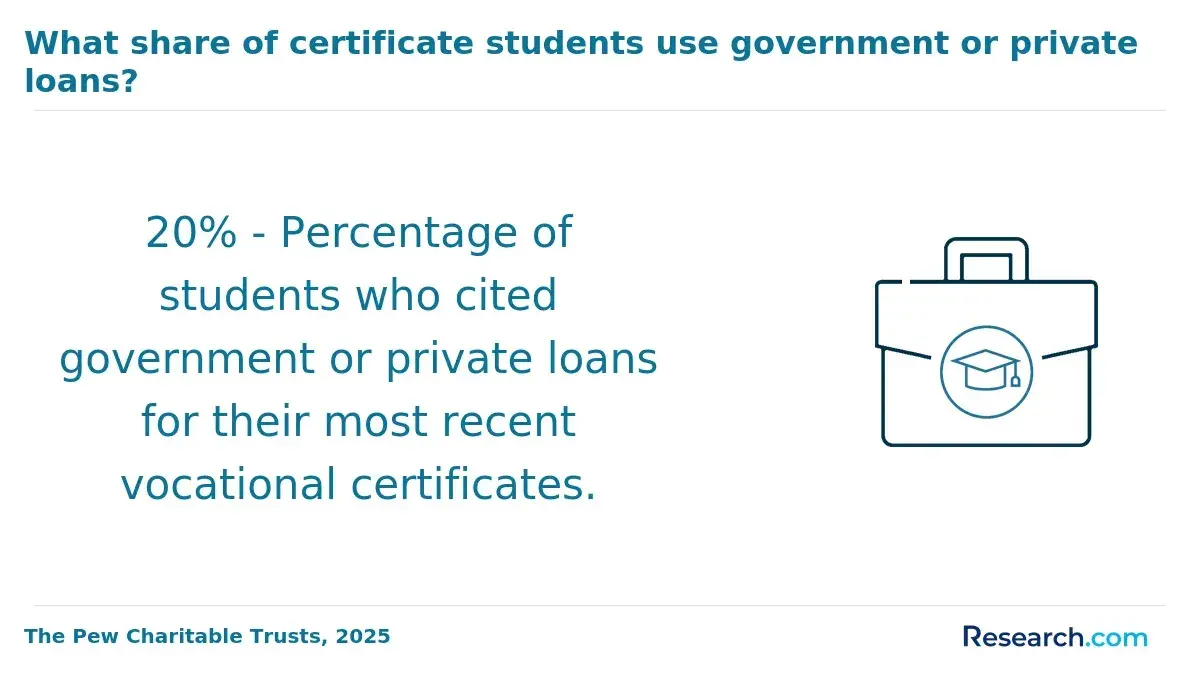
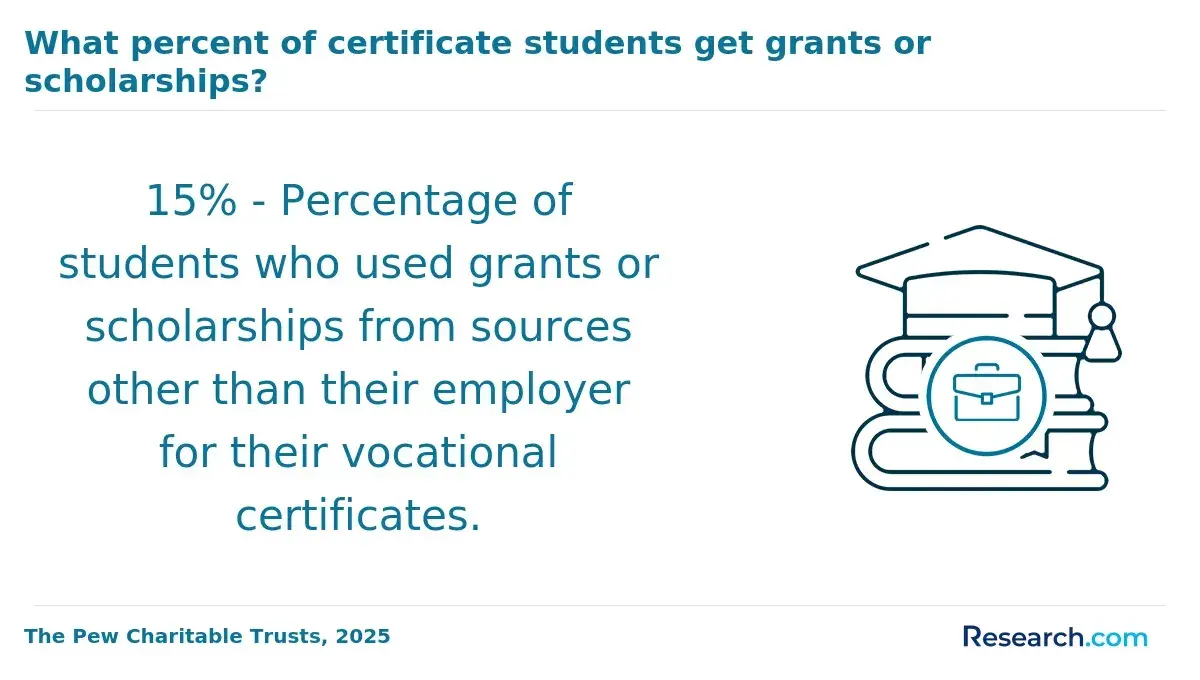
Financial aid significantly shapes the practical affordability of earning a game programming degree, especially given the stark tuition variations across states. Federal Pell Grants, awarded to nearly 30% of undergraduates in 2024 according to the U.S. Department of Education, remain a central pillar of need-based aid that substantially reduces costs in high-tuition states. Yet, Pell Grants alone rarely cover the full price of attendance, making the interplay of merit scholarships-which are often institution-specific and merit-based on portfolio or academic achievement-critical for students aiming to offset financial burdens. Given that merit aid availability frequently aligns with states housing strong digital arts programs or tech sectors, geographic location can be a decisive factor in qualifying for sizable awards.
State grants and tuition reciprocity programs further differentiate affordability by enforcing residency requirements that can exclude out-of-state students, who often encounter premium tuition rates. This means a student's state of domicile may grant access to meaningful discounts not available elsewhere, posing a strategic consideration for students weighing cross-border enrollment. Additionally, employer-sponsored tuition assistance represents a conditional avenue for some working professionals already in game development roles, but access to such benefits varies widely between firms and often hinges on employment status and job relevance. Renewal conditions, stacking limitations of aid types, and application timing-particularly for competitive scholarships-add layers of complexity requiring proactive planning to maximize funding and minimize reliance on long-term loans, which bear significant debt implications for early-career game programmers.
Are Online Game Programming Degree Programs More Affordable Than On-Campus Options?
Online game programming degree affordability in the United States is shaped by nuanced factors that extend beyond tuition rates alone. While a 2024 NCES analysis shows fully online undergraduate programs often have 20-40% lower tuition than on-campus equivalents, this does not necessarily ensure a substantially cheaper total cost of attendance. For example, students residing out-of-state may face similar or even higher tuition rates for online programs if schools apply non-resident pricing, narrowing the anticipated savings. Additionally, the necessity of investing in specialized technology-for instance, high-performance computers and software licenses required for game programming projects-adds costs that can offset housing or commuting savings typically associated with online study.
Examining cost comparison of on-campus versus online game programming programs by state reveals significant variation influenced by residency policies and financial aid availability. Some states maintain reciprocal tuition agreements or offer state-supported online options, enabling more uniform, affordable tuition regardless of physical location. Conversely, lack of such arrangements in high-tuition states like California and New York often erodes the cost advantage for online learners. Furthermore, financial aid tends to favor on-campus students with more robust merit-based scholarships, potentially increasing campus affordability despite higher list prices. This dynamic requires students to carefully analyze how aid packages and program duration-often extended in self-paced or less structured online formats-impact overall expenses and timelines.
Prospective students who weigh these practical considerations, including technology investments, residency rules, and financial aid differences, will better position themselves to navigate online affordability tradeoffs. Those prioritizing cost efficiency should investigate detailed state-specific pricing and financial aid policies, while also considering the demands of self-directed study in online game programming paths. For guidance on choosing institutions that balance quality and value, exploring a non profit university may offer a resource for evaluating credible options.
Is a Game Programming Degree Worth the Cost Based on Career Outcomes and ROI?
Assessing the game programming degree ROI in US states requires more than comparing tuition figures; it demands attention to how local cost variations translate into debt load and earning potential. For instance, a graduate from a high-tuition state facing substantial debt might struggle with financial flexibility despite a similar nominal starting salary to peers in a low-cost state. Career outcomes for game programming graduates by state reveal that market demand and employer presence significantly impact salary ranges, often with major tech hubs offering the highest compensation but also the highest living expenses, complicating straightforward ROI calculations.
Students must evaluate opportunity costs, geographic mobility, and program completion rates alongside tuition affordability to get a realistic sense of value. Lower completion rates increase total educational costs without corresponding income gains, undermining returns, while robust internship opportunities and employer networks in some states can accelerate workforce entry and improve long-term career trajectories. Those comparing educational pathways should also consider how advanced education options or co-op programs factor into the decision, recognizing that a low sticker price alone does not guarantee a worthwhile investment.
Budget-conscious learners may benefit from considering alternatives like an animal science degree online model of affordability and flexibility when researching degrees generally, though applicability varies by field. Ultimately, meaningful evaluation incorporates a blend of financial, professional, and personal factors shaped by state-level economic environments and regional industry ecosystems.
References
- Game Dev Financing: Explore Different Financial Aid Options https://www.m3dsacademy.com/game-dev-financing-explore-different-financial-aid-options/
- The College Affordability Gap: Insights and Impact on Families https://encoura.org/resources/wake-up-call/the-college-affordability-gap-insights-and-impact-on-families
- Indie Game Development Cost: A Detailed Budget Guide https://www.juegostudio.com/blog/indie-game-development-cost
- Importance of Cost of Living | Goldwater Institute https://www.goldwaterinstitute.org/cost-of-living/
- The College Affordability Gap: Insights and Impact on Families https://www.encoura.org/resources/wake-up-call/the-college-affordability-gap-insights-and-impact-on-families/
- Are Online Game Design Degrees Worth It? | University of the People | https://www.uopeople.edu/blog/are-online-game-design-degrees-worth-it/
- This map shows how cost of living varies by state https://finance.yahoo.com/personal-finance/banking/article/cost-of-living-by-state-map-164246259.html
- Top 5 Scholarships for Gamers (2025) and How to Apply https://www.gameindustrycareerguide.com/top-scholarships-for-gamers/
- Game Schools Ranking | by GAMEducation https://www.gameschools.com/
- Game Development Degree ROI: Is It Worth the Investment? https://hakia.com/degrees/game-development/salary-roi/
Other Things You Should Know About Game Programming
While affordability is important, program quality-especially mentorship and hands-on project experience-can significantly impact career readiness. Some states with lower tuition might offer fewer industry connections or less access to experienced instructors, which can limit practical learning. Students should consider whether a slightly higher tuition in a state with strong internship programs and active industry partnerships might lead to better job placement and skill development.
Yes, curriculum focus often varies by state, reflecting local industry demands. For example, states with larger game development hubs may offer programs emphasizing the latest engines and tools, while others might lean more on foundational programming. Choosing a state whose programs align with current employer expectations can reduce the need for costly retraining or self-study after graduation, affecting both early career success and earning potential.
Some states' game programming programs require more credit hours or mandatory summer courses, increasing overall tuition and living expenses despite lower per-credit costs. Others bundle technical certifications or portfolio development into the curriculum, which may lengthen time to degree but enhance employability. Budget-conscious students should assess total program duration and course intensity alongside tuition to gauge real affordability.
Prioritizing states near active game development centers can justify higher tuition costs through improved internship availability and networking possibilities. Employers often prefer candidates with local experience or connections, which can accelerate job placement. For students who can afford it, attending a program in such states may offer better return on investment by shortening job search times and increasing starting salaries.