2027 Game Programming ROI by Institution Type: Public vs Private vs Nonprofit Online Programs

Co-Founder and Chief Data Scientist
Consider a student weighing online game programming degrees that appear nearly identical in curriculum and duration yet vary drastically in tuition and debt burden. Recent data from the 2024 National Postsecondary ROI Report highlights that graduates from certain private online institutions carry nearly double the loan debt compared to their public counterparts, with graduation rates often lagging behind nonprofit options. This disparity signals deeper differences in institutional support, career preparation, and employer recognition that can affect long-term earnings and job stability. For students prioritizing career readiness and manageable debt, these factors directly shape their financial and professional futures.
This article examines game programming ROI by institution type-public, private, and nonprofit online programs-clarifying key distinctions in cost, outcomes, and value to guide smarter enrollment decisions.
Key Things to Know About Game Programming ROI by Institution Type
- Private institutions often entail higher costs but offer stronger alumni networks, which can enhance employer recognition and career mobility; this tradeoff favors those prioritizing long-term positioning despite upfront debt.
- Public programs typically provide lower tuition and state subsidies reducing debt exposure, yet may show slower graduation rates, impacting timely workforce entry and potential income acceleration.
- Nonprofit online programs balance flexible pacing with moderate costs, supporting working adults' schedules; however, varied accreditation can affect employer perception, demanding careful verification of program legitimacy.
- Key Things to Know About Game Programming ROI by Institution Type Key Things to Know About Game Programming ROI by Institution Type
- What Does ROI Mean for a Game Programming Program and How Is It Measured? Understanding Game Programming Program ROI
- How Do Public, Private, and Nonprofit Online Game Programming Programs Differ in Overall Value? Value by Institution Type
- How Do Tuition Costs Affect the ROI of a Game Programming Program Across Institution Types? Tuition Costs and ROI
- How Do Graduation Rates Influence Game Programming Program ROI? Graduation Rates Impact ROI
- What Role Do Career Outcomes Play in the ROI of a Game Programming Degree? Career Outcomes and ROI
- How Does Student Debt Impact the Long-Term ROI of a Game Programming Program? Debt vs. Long-Term ROI
- How Do Flexibility and Adult Learner Support Affect Game Programming Program Value? Flexibility and Program Value
- How Do Accreditation and Institutional Reputation Influence Game Programming ROI? How Do Accreditation and Institutional Reputation Influence Game Programming ROI?
- How Does Time-to-Degree Affect the ROI of Public, Private, and Nonprofit Game Programming Programs? How Does Time-to-Degree Affect the ROI of Public, Private, and Nonprofit Game Programming Programs?
- How Can You Choose the Best Game Programming Program Based on Your ROI Goals? Choosing Programs by ROI
What Does ROI Mean for a Game Programming Program and How Is It Measured?
Return on investment for a game programming program hinges on balancing upfront and ongoing costs against realistic career and financial outcomes. For example, a public online bachelor's degree with lower tuition and higher average completion rates around 55% can minimize wasted time and debt, but may offer less specialized support than private nonprofit programs, which report around 65% completion yet often carry higher price tags. Students must weigh total educational expenses-including opportunity costs from time spent studying-against prospects like industry partnerships and curriculum relevance, which strongly influence employability and long-term earnings.
Measuring the financial ROI for game programming degrees requires nuanced consideration of individual goals and circumstances beyond sticker price alone. A working professional prioritizing quick credential completion might favor a public program for affordability and faster degree attainment, while a career changer seeking robust learner support and networking might justify a higher-cost nonprofit option. According to a recent report by the National Center for Education Statistics, program completion rates significantly impact value, underscoring that a lower-cost option does not always yield the strongest long-term outcomes. Those evaluating programs should also consider the burden of student debt and whether flexible payment plans or scholarships alter the calculation.
Diverse student priorities mean ROI assessments benefit from an evidence-based approach accounting for institutional reputation, graduation metrics, and job placement realities rather than simplistic formulas. This practical perspective helps prospective students, especially transfer students and adults balancing work, to make decisions aligned with their resources, timelines, and career ambitions. For those exploring pathways with good earning potential and completion prospects, reviewing quick degrees that pay well can provide additional context useful for understanding which game programming program return on investment metrics are most relevant.
How Do Public, Private, and Nonprofit Online Game Programming Programs Differ in Overall Value?
Choosing between public, private, and nonprofit online game programming programs requires assessing how tuition, support, and outcomes intersect with personal financial and career goals rather than assuming inherent superiority of one institution type. Public programs often appeal for their lower in-state tuition rates and robust accreditation aligned with regional workforce needs, which can reduce student debt and improve graduation likelihood. In contrast, private institutions may offer smaller classes and personalized mentorship that some students find valuable, though typically at a higher cost and potentially greater debt burden. Nonprofit programs tend to emphasize reinvestment in student services and flexible learning formats, with research indicating higher post-graduation employment rates compared to for-profit counterparts, reinforcing that gains in career readiness depend heavily on program design and regional market factors.
A 2024 analysis by the National Center for Education Statistics highlights these distinctions, noting that public online programs often provide career-relevant experiential learning opportunities rivaling private schools while maintaining affordability. Employers generally prioritize portfolios and practical skills over institutional prestige, so differences in reputation may weigh less than completion rates and hands-on experience. Balancing these elements, working adults and career changers must consider debt tolerance, access to support, and learning flexibility to find programs that minimize financial strain without sacrificing job market fit or earning potential. Tradeoffs become visible when a student values personalized mentorship but must question if additional loans for a private degree realistically offset the long-term ROI over a well-supported public or nonprofit option.
One prospective student deliberated extensively, comparing a public university's low tuition and strong academic reputation with a nonprofit program offering flexible scheduling and extensive career advising. She hesitated about the private option due to its premium price despite its perceived prestige, uncertain if that justified the higher debt. Ultimately, the decision hinged on which program balanced affordable financing, supportive resources, and credible accreditation most effectively, underscoring how individualized prioritization of cost, flexibility, and outcome certainty shapes meaningful value in online game programming education.
How Do Tuition Costs Affect the ROI of a Game Programming Program Across Institution Types?
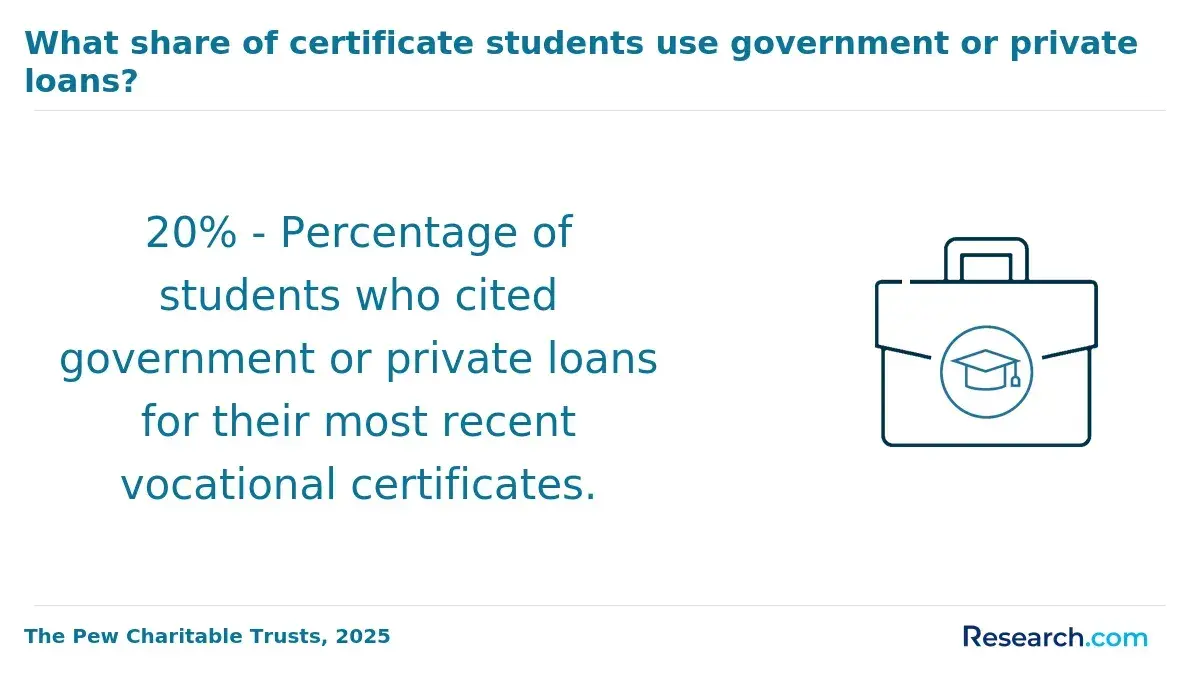
Tuition differences among public, private, and nonprofit online Game Programming programs significantly shape the financial outcomes students face, yet lower sticker prices do not automatically mean a better return on investment. For example, public programs average around $5,400 per year, substantially less than private nonprofit institutions charging about $14,200, according to 2024 NCES data. However, private programs often offset these higher costs with more substantial institutional aid, complicating direct tuition comparisons and affecting net price and eventual debt. Students who graduate from public online programs typically carry less debt-about $21,000 compared to $32,000 for private nonprofit graduates in tech fields-faster debt repayment can improve financial breakeven points but must be weighed against program quality and career preparation.
How Do Graduation Rates Influence Game Programming Program ROI?
Graduation rates significantly influence the return on investment for game programming programs by indicating how efficiently students complete their studies and enter the workforce. Public institutions often maintain lower tuition costs but face challenges like part-time enrollment and limited academic support, which can suppress graduation rates and extend time-to-degree. Conversely, private and nonprofit online programs may achieve higher graduation success through tailored mentorship and flexible scheduling, improving completion speed and reducing ancillary costs, though often at the expense of higher tuition and variable institutional prestige. According to the National Center for Education Statistics 2024 report, students finishing within 150% of normal program time tend to incur less debt and benefit from earlier workforce entry, underscoring how graduation outcomes directly affect overall ROI.
While graduation rates reflect important dimensions of institutional support and student persistence, they do not alone capture employment success or salary progression, which remain critical for assessing the true ROI of game programming programs. Adult learners and transfer students-frequent in this field-may follow nonlinear paths that depress conventional graduation metrics without necessarily undermining their investment value. Given these nuances, prospective students weighing graduation success and return on investment for game programming programs should also evaluate program flexibility, affordability, and alignment with career goals. For those keen on comparing online education options broadly, resources like MSW programs online offer insight into institutional effectiveness and completion patterns relevant across disciplines.
What Role Do Career Outcomes Play in the ROI of a Game Programming Degree?
Career outcomes are a decisive factor shaping the ROI of online game programming degrees, reflecting not just immediate employment prospects but long-term career adaptability. For instance, graduates from nonprofit online institutions demonstrate a 12% higher rate of direct tech-sector employment within six months versus those from public programs, indicating that quicker job placement can offset moderate tuition differences. Yet, public institutions often provide broader state-backed pipelines and transfer opportunities, which may enhance upward mobility over time, especially for students seeking flexible educational pathways or geographic relocation. Private programs typically command higher costs but frequently offer specialized mentorship and project-based learning that can accelerate portfolio development and employer engagement, factors critical in a field where practical skills weigh more heavily than institutional prestige in hiring decisions.
When evaluating ROI, prospective students should weigh how career support aligns with their personal circumstances, including debt tolerance, time-to-degree, and access to internships or professional networks that bolster industry-readiness. While nonprofit programs balance affordability with strong foundations, the relative lack of extensive employer connections can slow early advancement, complicating return calculations for those prioritizing swift income recovery. Conversely, private options may inflate upfront debt yet deliver faster industry mentoring and project experiences, appealing to those targeting competitive entry points or niche roles. Ultimately, ROI in game programming hinges on these tradeoffs: how effectively a program converts tuition and time investment into sustained employment momentum and relevant technical credentials amid evolving workforce demands.
One graduate, reflecting on their nonprofit online game programming degree, recalled weighing uncertainties about post-graduation job placement speed versus manageable tuition expenses. Early on, they doubted whether the credential alone would translate into tangible employer recognition beyond a basic technical qualification. Over time, however, internships secured through the program's limited but targeted partnerships enabled meaningful portfolio work that strengthened their candidacy for promotions within a mid-sized studio. This experience underscored that career outcomes, while not always immediate or linear, critically influence the perceived value of investment by combining educational quality with practical, ongoing employer engagement.
How Does Student Debt Impact the Long-Term ROI of a Game Programming Program?
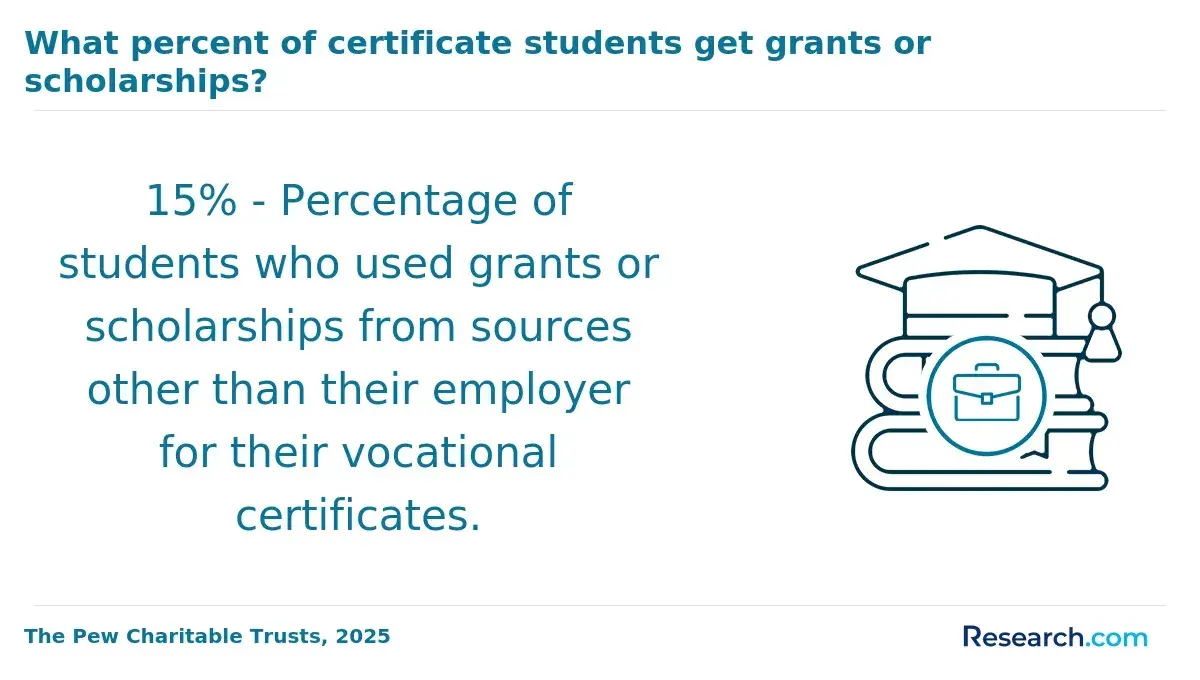
Higher debt levels among graduates of private game programming programs often undermine the long-term ROI, as these students face repayment burdens that outpace median starting salaries in the field. For example, a graduate from a private institution with $35,000 in debt may struggle to prioritize loan repayment while navigating entry-level roles with limited earning potential, delaying critical financial milestones like homeownership or further specialization.
In contrast, public institutions typically feature lower average debt, around $20,000, which aligns more reasonably with expected earnings and reduces financial strain-an important consideration for working adults weighing the practical value of borrowing against realistic career income.
For insights tailored to degree comparisons and affordability, resources such as masters in psychology online offer additional context relevant to those balancing educational quality, debt burden, and career advancement.
How Do Flexibility and Adult Learner Support Affect Game Programming Program Value?
Programs that effectively integrate flexible scheduling and adult learner support notably improve return on investment by accommodating the complex realities of working adults balancing employment and family commitments. For example, institutions offering asynchronous courses and part-time enrollment options-evidenced by a 20% higher completion rate reported by the National Center for Education Statistics in 2024-help students maintain steady progress without sacrificing income or caregiving duties. Public schools often capitalize on scale to provide these flexible formats at lower tuition rates, making affordability a key factor in minimizing opportunity costs and long-term debt, though their larger cohorts may limit personalized advising.
Conversely, nonprofit and private providers tend to emphasize tailored support services like dedicated academic advising, career counseling for mid-career transitions, and transfer credit facilitation, which drive persistence and shorten time-to-degree, but frequently at a higher cost. This tradeoff can benefit learners prioritizing close faculty mentorship and career networking, as these resources better align with employer expectations for portfolios and hands-on skills, accelerating workforce entry. Still, the premium pricing of such programs necessitates careful evaluation of net value, especially when career outcomes depend as much on demonstrated competencies and project experience as on institutional prestige.
Adult learner-friendly features such as technology access, flexible pacing, and wraparound supports materially impact student retention and successful degree completion, ultimately influencing ROI beyond sticker price alone. Private programs often excel in career services linked directly to industry partnerships, advancing employment prospects but requiring acceptance of higher tuition debt. These distinctions underscore the importance for prospective students to weigh how institutional flexibility, support intensity, and cost converge with their personal circumstances and career timelines when selecting a game programming program.
How Do Accreditation and Institutional Reputation Influence Game Programming ROI?
Employer demand for accredited game programming credentials clearly drives the practical return on investment, as many hiring managers prioritize institutional accreditation over brand prestige when evaluating candidates. Graduates from accredited programs experience notably higher employment rates within their field, according to a 2024 report by the Council for Higher Education Accreditation (CHEA). This emphasis on accreditation not only impacts immediate job placement but also affects eligibility for federal financial aid, transferability of credits, and acceptance by graduate schools-critical factors for cost-conscious adult learners balancing tuition costs and potential debt.
However, institutional reputation continues to influence opportunities for leadership roles and industry networking, especially in competitive segments of game programming. Public institutions often provide affordable tuition and regional recognition that align well with economic constraints and pragmatic transfer goals, whereas private schools may offer specialized prestige at a higher price, increasing debt burdens which can weigh on long-term ROI. Nonprofit institutions tend to strike a middle ground, but students must rigorously evaluate if their curriculum aligns with industry standards and hiring expectations, as accreditation alone does not guarantee employer recognition or salary outcomes.
Ultimately, meaningful ROI evaluation involves assessing how accreditation status, institutional credibility, and program quality interact with financial realities and career aspirations. Employer surveys by the National Association of Colleges and Employers (NACE) show that 68% of technical role recruiters factor accreditation most heavily, but reputation can still open doors in nuanced hiring scenarios. Prospective students should weigh these tradeoffs carefully, prioritizing accredited programs that demonstrate strong support services, relevant curricula, and real-world outcomes within their target sectors and geographic job markets.
How Does Time-to-Degree Affect the ROI of Public, Private, and Nonprofit Game Programming Programs?
Time-to-degree directly shapes the financial and career tradeoffs students encounter when pursuing online game programming programs across public, private, and nonprofit sectors. Public institutions typically offer more standardized four-year paths with higher graduation rates around 55-60%, benefiting from broader transfer credit acceptance, which can shorten completion times for transfer students. In contrast, private and nonprofit programs often promote accelerated or flexible schedules attractive to working adults but may compress curriculum depth or correlate with graduation rates closer to 45-50%, potentially affecting long-term skill mastery and employability. A working professional enrolling part-time, for example, might extend their timeline but balance affordability and sustained income without incurring heavy debt.\
Balancing enrollment intensity and program length is critical, as faster completion limits tuition costs and opportunity costs but can risk less comprehensive preparation for the evolving demands of game programming careers. Part-time study and flexible nonprofit programs support adult learners juggling family and jobs, yet slower progression delays workforce re-entry and credential realization. In comparing time-to-completion and ROI for online game programming degrees, adult learners must weigh these complexities against personal circumstances, prioritizing institutional policies on transfer credits, support services, and curriculum rigor. Navigating these variables is parallel to decisions made in SLP bridge programs, where flexibility and program design profoundly influence educational and financial returns.
How Can You Choose the Best Game Programming Program Based on Your ROI Goals?
Choosing the highest ROI for a game programming program hinges less on institutional category and more on how tuition costs, financial aid availability, and graduation rates fit individual circumstances. Public universities often offer lower costs and reduced debt risk for in-state students, reflected in data showing graduates from public online programs carry approximately 20% less student loan debt. However, private and nonprofit online providers frequently deliver stronger learner support and more adaptable scheduling, which can be vital for working professionals or those balancing family responsibilities-factors that substantially affect time-to-degree and the overall return on educational investment. This nuanced evaluation moves beyond simple price or prestige considerations toward practical affordability aligned with career timing and commitments.
Factors such as accreditation status, institutional reputation, and career outcomes vary widely and materially influence long-term value and employability in the game programming field. Some private nonprofits emphasize personalized instruction that improves retention and readiness for entry-level roles, while public institutions typically post higher graduation rates which employers may value. Job market realities require candidates to weigh these tradeoffs, especially when rapid workforce entry or stackable credentials matter. For cost-conscious students focused on outcomes, how program characteristics intersect with personal workforce goals strongly shapes ROI, making it crucial to analyze these elements contextually rather than defaulting to type-based assumptions. Exploring related pathways such as an accredited online masters degree in human resource management can also inform broader career and financial planning strategies.
References
- Is a Game Development Degree Worth it? https://www.gamedeveloper.com/programming/is-a-game-development-degree-worth-it-
- 4 Mistakes Killing Your Software ROI (And How to Fix Them) https://enji.ai/blog/how-to-measure-software-development-roi/
- Choosing the Best Game Development Software in 2024 - Keywords Studios Limited https://www.keywordsstudios.com/en/about-us/news-events/news/choosing-the-best-game-development-software-in-2024/
- What it is and how to calculate ROI or Return on Investment - Esade https://www.esade.edu/beyond/en/what-is-roi-and-how-to-calculate-return-on-investment/
- Career pathways in game development: from programming to design https://www.law.ac.uk/resources/blog/career-pathways-in-game-development/
- Top Colleges for Game Development/Design or Animation https://discussions.unity.com/t/top-colleges-for-game-development-design-or-animation/612982
- Best Game Development Degree Programs 2026 https://hakia.com/degrees/game-development/
- Why Gamified Learning Works for Adults https://kwiga.com/blog/why-adults-love-gamified-learning-more-than-you-think
- The Rookies - Global School Rankings 2025 - Game Design & Development https://www.therookies.co/schools/rankings/2025/game-design-and-development
- How Student Loan Debt Impacts Your College ROI https://www.lendkey.com/blog/student-loans/how-student-loan-debt-impacts-your-college-roi/
Other Things You Should Know About Game Programming
Employers often weigh the depth and rigor of practical experience over institution type alone, but program format influences this. Public institutions may emphasize standardized curricula with broad foundational skills, while private programs sometimes offer more specialized, industry-aligned projects. Nonprofit online programs vary widely, so graduates should scrutinize how closely coursework and portfolio-building reflect current industry demands. For students prioritizing immediate employer recognition, private programs with strong industry ties often provide more relevant hands-on learning, though public schools can still deliver solid outcomes with cost efficiency.
Private online programs may demand a more intensive, faster-paced workload intended to simulate professional environments, which can benefit those seeking rapid career entry but might strain working adults balancing job and study. Public and nonprofit programs often offer more flexible pacing, with asynchronous options tailored to part-time students but sometimes at the cost of slower skill accumulation. Adults must match program intensity with their time resources; prioritizing flexibility in nonprofits or publics may reduce stress but extend time to career advancement, whereas private institutions require greater time investment upfront for quicker skill deployment.
Private online programs frequently invest in cutting-edge technology and niche electives like VR or advanced AI applied in game design, enhancing skill relevance for emerging job markets. Public and nonprofit institutions may offer broader curricular coverage but less frequent updates in specialized tools due to funding constraints. For students aiming at high-tech specializations, private programs offer clearer ROI through advanced resources, whereas publics and nonprofits suit those focusing on core competencies or supplementing with external certifications.
The rapidly changing nature of game programming requires adaptable skill sets and continuous learning. Private programs often provide quicker curriculum refresh cycles and stronger networks for ongoing professional development, benefiting early-career professionals. Public and nonprofit schools may offer more stable foundational training but slower adaptation to industry shifts. Adults planning lifelong career growth and agility should weigh private institutions more heavily for their potential in delivering timely, relevant skills, while those needing budget-conscious, steady education may lean toward publics or nonprofits with supplementary self-directed learning.