2027 Construction Management Degree Completion Time Report: How Long Students Actually Take to Graduate

Co-Founder and Chief Data Scientist
Degree completion timelines in construction management often diverge from published program lengths due to complex real-world factors. Students balancing part-time work, family obligations, and variable course availability frequently extend their studies beyond standard durations. According to the National Center for Education Statistics (2024), a growing share of construction management students enroll part-time, contributing to slower academic progression. Transfer credits, prerequisite sequencing, and co-op or internship demands further affect how quickly students accumulate required credits. These intertwined elements create varied graduation trajectories across institutions and student profiles, necessitating nuanced expectations. This report explores these patterns to clarify how long construction management students actually take to graduate and why.
Key Things To Know About Construction Management Degree Completion Time
- Mapping out your exact graduation timeline ensures you can seamlessly transition into high-demand leadership roles like construction manager, project estimator, or site supervisor. Knowing when you will finish allows you to strategically coordinate your job applications with major bidding seasons and the start of peak regional building cycles.
- Understanding how long it takes to graduate allows you to build an accurate financial plan against the construction management field's strong median annual salary of $106,980. This clear timeline helps you map out an explicit return on investment and calculate exactly when your post-graduation earnings will offset your educational costs.
- Factoring completion time into your educational search highlights the efficiency of online construction management programs, which frequently offer accelerated structures or asynchronous coursework. This flexible setup allows you to master complex structural planning and budgeting methodologies much faster while keeping your active schedule open to gain hands-on site experience in real time.
- What Is the Average Graduation Time for Construction Management Students? Average Graduation Timeline
- What Factors Have the Biggest Impact on Graduation Speed? Graduation Timeline Factors
- How Does Full-Time Versus Part-Time Enrollment Affect Graduation Timelines? Full-Time vs. Part-Time Graduation Timeline
- Do Online Construction Management Students Graduate Faster Than Campus-Based Students? Do Online Construction Management Students Graduate Faster Than Campus-Based Students?
- How Many Months or Years Can Transfer Credits Save? How Many Months or Years Can Transfer Credits Save?
- Do Accelerated Construction Management Programs Significantly Reduce Completion Time? Accelerated Program Timeline
- Which Construction Management Program Requirements Most Often Extend Graduation Timelines? Factors Extending Graduation Timeline
- Does Taking Longer to Graduate Increase the Cost of a Construction Management Degree? Impact on Program Cost
- Does Graduating Faster Improve Career Prospects? Impact on Career Prospects
- Which Scheduling Mistakes Commonly Delay Graduation? Mistakes to Avoid
What Is the Average Graduation Time for Construction Management Students?
Bachelor's degree programs in construction management are generally structured to be completed within four years of uninterrupted full-time study. However, the average time to graduate construction management degree programs often extends beyond this, commonly landing between four and six years, due to diverse enrollment patterns. Part-time attendance is prevalent among working adults who balance employment or family commitments, slowing academic progress. Consequently, the typical graduation timeline for construction management students reflects a spectrum rather than a fixed period, shaped significantly by individual circumstances and program demands.
Several factors contribute to this variability, including credit loads, transfer of previously earned credits, and participation in internships or cooperative education experiences that add practical skills but lengthen the academic timeline. Online and hybrid program formats introduce additional flexibility but tend to increase total study duration, as asynchronous learning supports those who cannot commit to traditional full-time schedules. Transfer students often require extra time to complete prerequisite or foundational courses, further influencing completion rates. These elements combine to create a complex progression pathway distinct from the four-year ideal, necessitating realistic planning around course sequencing and workload.
Graduation timing carries implications beyond academic scheduling, affecting financial investment, eligibility for licensure, and entry into the workforce. Employers emphasize practical competencies such as project management and safety proficiency, which may be better developed when students allow additional time for applied training rather than accelerating completion. Understanding these dynamics enables prospective students and education planners to align expectations with the realities of the construction management field. For those exploring varying pathways, resources that detail alternative pacing or related masters degrees can provide additional context on balancing study duration with career goals.
What Factors Have the Biggest Impact on Graduation Speed?
Graduation speed in construction management degree programs is shaped by a complex interplay of academic planning, enrollment strategies, and personal circumstances rather than a single dominant factor. Navigating this landscape requires understanding how institutional policies, curriculum design, and student workload interact to either accelerate or delay completion. Grasping these dynamics can better inform decisions about course load, enrollment status, and program format to align with individual goals and constraints.
- Enrollment Intensity and Status: Whether a student enrolls full-time or part-time drastically affects course progression. Full-time enrollment typically leads to completion within four and a half years on average, as reported by the National Center for Education Statistics in 2024, while part-time students often extend beyond six years. The necessity to balance work or family commitments often pushes students toward part-time study, elongating their timelines and complicating sequencing of prerequisite courses.
- Transfer Credits and Academic Background: Students who enter with transferable credits or associate degrees can shorten their path to graduation significantly, sometimes finishing in as little as two to three years. Conversely, those starting without prior postsecondary credits face the full program length. Institutions' policies on credit acceptance and evaluation timelines shape how effectively prior learning accelerates degree completion.
- Employment and Workload Demands: Many students in construction management programs juggle employment, with nearly 40% working over 30 hours per week during enrollment, according to a 2024 American Council on Education survey. The pressure of professional responsibilities often constrains time for coursework and leads to reduced enrollment intensity, which delays graduation and requires strategic course planning.
- Program Format and Curriculum Complexity: Traditional, campus-based curricula with fixed course sequences limit flexibility and extend completion times. In contrast, online or hybrid programs, competency-based education, and accelerated courses offer faster pathways but demand disciplined self-management. Additional requirements such as internships, capstone projects, and practicum commitments introduce time-bound milestones that must be factored into individual timelines.
- Financial Stability and Institutional Support: Interruptions caused by funding shortages can extend the time to degree completion. Effective financial aid, advising, and institutional support structures are critical in maintaining continuous enrollment and on-time graduation. Delays often occur when students pause their studies due to financial constraints or navigate complex aid processes.
For students evaluating options, considering enrollment status effects on construction management degree completion is crucial given the real-world prevalence of working adults in these programs. Additionally, comparing online vs traditional construction management program graduation timelines reveals tradeoffs between flexibility and structured progression. Those interested in maximizing efficiency should also explore pathways linked to accredited counseling programs as a point of reference for integrated support services that help reduce time to degree in allied fields.
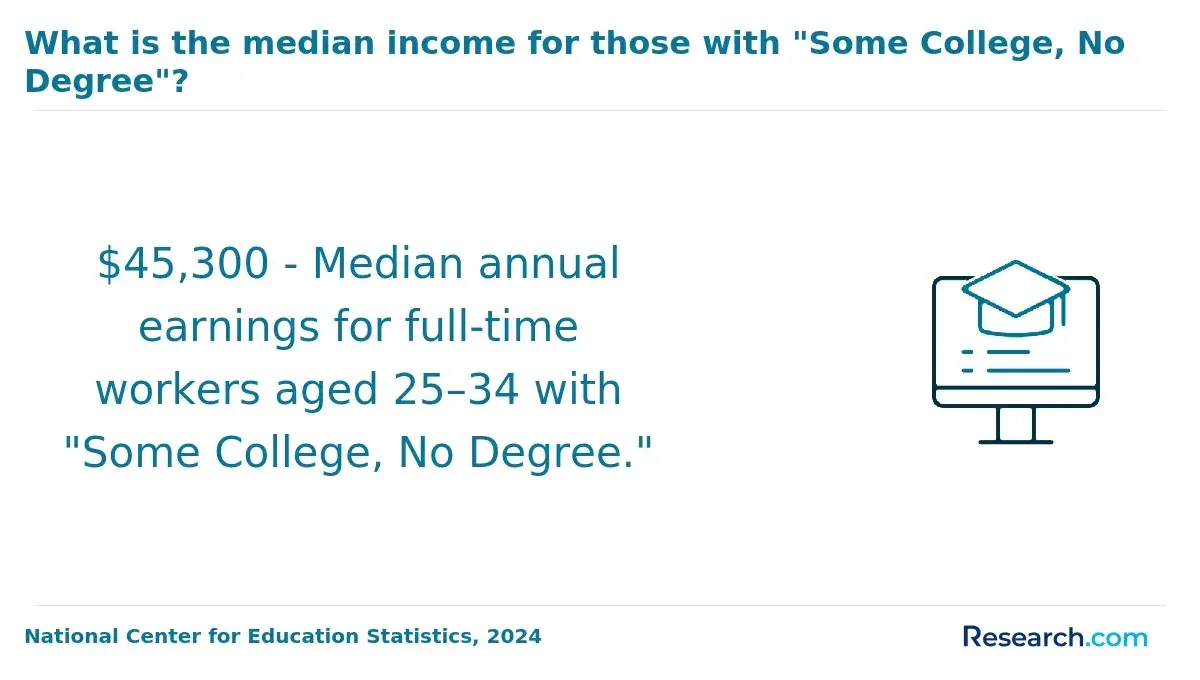
How Does Full-Time Versus Part-Time Enrollment Affect Graduation Timelines?
Graduation timelines for a construction management degree significantly diverge based on whether students enroll full-time or part-time. Full-time enrollment typically permits completion within the standard four-year timeframe, as students maintain a full credit load each semester, enabling steady progression through required courses. In contrast, part-time students often take between 1.5 to 2 times longer to graduate, a trend supported by 2024 data from recent higher education workforce analyses. This slower pace reflects fewer credits per term and interruptions that extend the academic journey beyond traditional timelines.
The interplay of program design and personal circumstances shapes these differing paths. Full-time students benefit from structured course sequencing that facilitates continuous enrollment and on-time graduation, often within traditional semester schedules. Meanwhile, part-time students face challenges such as limited course availability, asynchronous class offerings, or prerequisite chains that lengthen completion. External factors-including work commitments, family responsibilities, and financial constraints-further complicate part-time attendance, requiring flexible pacing that accommodates competing obligations but delays degree attainment.
Enrollment choices influence more than just time to graduate; they also affect financial planning and workforce entry. Full-time study often aligns with greater financial aid access and concentrated academic effort, accelerating professional qualification and reducing opportunity costs. Conversely, part-time paths provide necessary flexibility for working adults but can increase overall tuition expenses and postpone integration into construction management roles. Understanding these dynamics helps students balance immediate needs against longer-term academic and career outcomes within this specialized field.
Do Online Construction Management Students Graduate Faster Than Campus-Based Students?
It is a common assumption that online construction management students might complete their degrees faster than their campus-based peers due to the perceived flexibility of remote learning. However, recent data from the National Center for Education Statistics in 2024 reveals that the average time to degree completion between these groups is quite similar, with campus students finishing in about 4.5 years and online students taking around 4.7 years. This near parity challenges the notion that online formats inherently accelerate graduation, highlighting the complexity behind educational outcomes that depend on more than just location or delivery mode.
Key factors shaping graduation timelines in both online and on-campus settings include course availability, pacing options, and student enrollment status. While many online programs offer accelerated courses and eliminate commute times-potentially enabling faster progress-they also often attract adult learners balancing work, family, and prior academic credits, which can slow pace. Conversely, campus-based students may have more structured schedules and face-to-face support but might be constrained by rigid semester timelines and credit load limits. Moreover, components like internships, which are commonly required in construction management curricula, can variably extend time to degree, influenced by individual work placement opportunities and availability.
The choice between online and campus modalities also shapes demands on time management and academic discipline, critical elements influencing graduation speed. Online students generally need greater self-motivation to navigate flexible, often asynchronous coursework, while campus learners benefit from a more regimented environment but may sacrifice scheduling flexibility. Consequently, these dynamics affect not only degree completion timing but also readiness to enter the workforce, suggesting that modality choice should be aligned with a student's personal circumstances and learning preferences rather than expectations of faster graduation alone.
A recent graduate in construction management recalled their decision-making during the program's rolling admissions period, feeling hesitant about committing without clarity on course start dates and workload expectations. Balancing freelance engineering work simultaneously, they delayed application submission until confirming part-time enrollment options would fit their schedule. This cautious approach extended their overall timeline but ultimately allowed integration of professional experience with academic progress, illustrating how admissions timing and personal workload considerations can influence actual graduation speed beyond modality type.
How Many Months or Years Can Transfer Credits Save?
Transfer credits can meaningfully reduce the overall time required to complete a construction management degree, with savings typically ranging from several months to over a year depending on the amount and relevance of credits accepted. Construction management programs usually require around 120 to 130 credit hours, and transfer credits from accredited institutions or equivalent coursework often allow students to bypass foundational or general education classes. Data from recent higher education studies in 2024 suggest that students transferring between 30 and 60 credits may shorten their time to graduation by one to two academic years. However, this variability illustrates why the question of how many months or years transfer credits save construction management students cannot be answered with a single figure.
The degree to which transfer credits accelerate completion depends heavily on institutional policies and curriculum alignment. Key factors include accreditation compatibility between the sending and receiving institutions, strict course equivalency evaluations, limits on maximum transferable credits, and residency requirements mandating the completion of core technical courses within the degree-granting program. Since many construction management programs require essential industry-specific content to be completed on campus or through approved modalities, not all credits transfer equally. Consequently, students may find that credits covering general education or introductory subjects transfer more easily than specialized courses, impacting their progression timeline. This interplay between credit acceptance and program structure underlines why the impact of transfer credits on construction management degree completion time differs widely among transfer students.
Beyond time savings, transfer credits influence academic planning and financial considerations, requiring careful sequencing of remaining coursework to meet graduation requirements and employer expectations for up-to-date skills. Rapid degree completion through transferred credits should not come at the cost of sacrificing practical competencies essential for workforce readiness. Working adults balancing education and employment must weigh these factors alongside institutional transfer policies to chart efficient, realistic graduation pathways. For those exploring flexible degree pathways, examining options such as accredited online MFT programs accredited illustrates broader trends in program structures that prioritize credit transfer and expedited progress across fields.
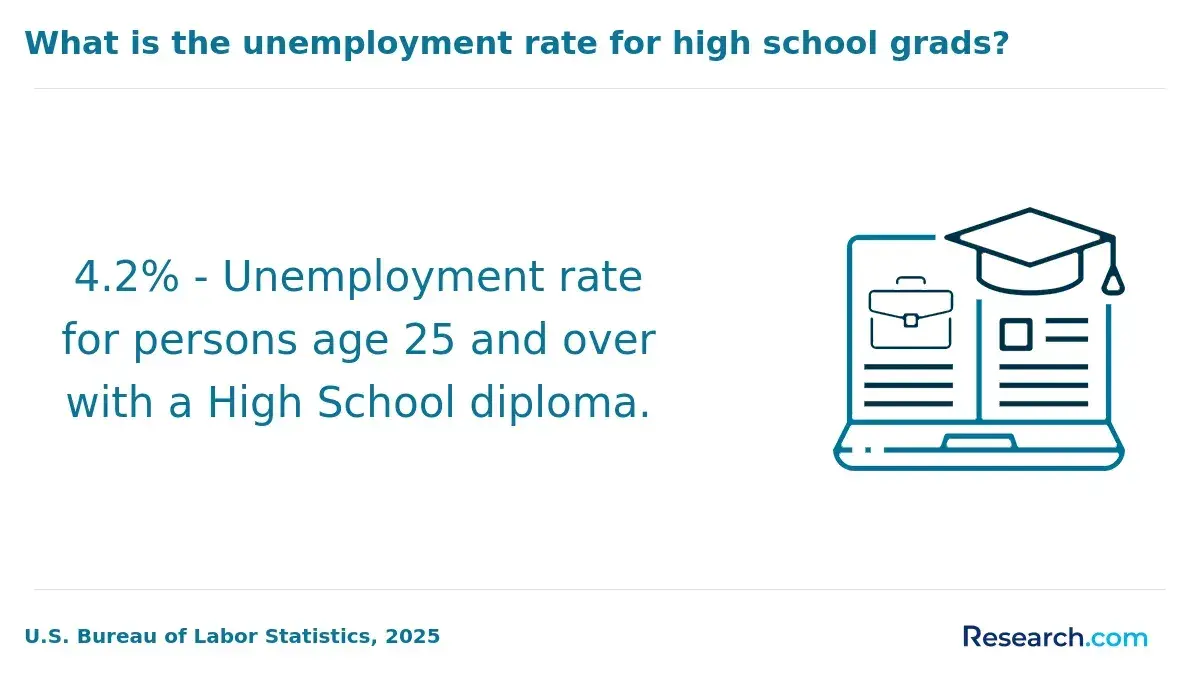
Do Accelerated Construction Management Programs Significantly Reduce Completion Time?
Accelerated construction management programs aim to compress the traditional degree timeline, often offering completion within two to three years rather than four or more. These programs typically increase course load density per term and reduce breaks between academic sessions to expedite progress. However, the actual reduction in time to degree depends heavily on how institutions structure the curriculum, including whether prerequisite sequencing is streamlined and if experiential components like internships or capstone projects are similarly accelerated or maintained at a standard pace.
Whether accelerated formats deliver meaningful time savings hinges on several interrelated factors. A significant pacing intensity is required for students to handle the increased credit load without sacrificing understanding. If prerequisite courses remain rigidly scheduled or certain program milestones-such as industry internships-cannot be shortened, the overall time compression diminishes. Additionally, transfer students who enter with relevant credits stand to benefit more from acceleration than those beginning from scratch, but the intensity of consecutive terms can limit flexibility, especially for working professionals balancing employment and study.
These structural choices create trade-offs between faster completion and workload sustainability. Accelerated programs often demand heightened discipline and limit opportunities for deep experiential learning or networking due to time constraints. Scheduling rigidity may reduce adaptability for students with external commitments, potentially increasing stress or impairing knowledge retention. Thus, the benefits of shortened duration must be weighed against the possibility of diminished educational depth and practical exposure, factors valued by many employers in the construction management field.
One graduate recalled navigating the rolling admissions cycle for an accelerated construction management program where timing was crucial. Initially hesitant to apply without full clarity on prerequisite waivers, this individual delayed submitting materials, hoping prior coursework would count. The uncertainty around transfer credit evaluations and course start dates created tension, as late decisions risked missing enrollment windows. Ultimately, the graduate chose to accept partial credit recognition and intensified course loads, reflecting a pragmatic approach to balancing admission timing with the desire to expedite degree completion. This experience underscored how administrative factors and strategic timing can influence whether accelerated pathways fulfill their promise of reduced completion time.
Which Construction Management Program Requirements Most Often Extend Graduation Timelines?
Extended graduation timelines in construction management programs often stem less from total credit hours and more from specific curriculum components designed to ensure workforce readiness. These embedded requirements serve to align academic progress with industry expectations, yet their complexity and sequencing can create bottlenecks that slow degree completion. Understanding how these elements interact with scheduling constraints and student workloads clarifies why timely progression can be challenging.
- Internships and Cooperative Education: These experiential placements provide essential real-world exposure but frequently require coordination outside typical class terms, limiting when students can enroll. A 2024 workforce report by Lightcast found that nearly 40% of students cited internship timing conflicts as a cause for extending their program by at least one semester.
- Specialized Technical Electives: Advanced courses in areas such as structural analysis or sustainable construction often have limited availability and prerequisites. Students balancing employment or other commitments may struggle with scheduling, delaying progression and increasing time-to-degree.
- Comprehensive Capstone Projects: These culminating assessments demand extensive cross-disciplinary integration and collaboration with industry partners, often spanning multiple months. The intensive workload, combined with coordination challenges, can slow completion, particularly for transfer or non-traditionally prepared students.
- Remedial or Prerequisite Coursework: Students entering without a strong math or science foundation may face additional semesters devoted to foundational classes. This preparatory work, while critical to mastering advanced material, adds sequential steps that extend program duration.
- Curricular Sequencing Constraints: Required courses that must be taken in a specific order reduce flexibility. When earlier courses are unavailable or unsuccessful attempts occur, subsequent classes are delayed, creating a cascading effect on the overall timeline.
Does Taking Longer to Graduate Increase the Cost of a Construction Management Degree?
Extended completion timelines for a construction management degree often lead to increased total tuition and associated costs, largely because many institutions charge students per term or credit hour rather than a flat rate for the entire program. When students take longer than the standard four years, they may face additional semesters of tuition, fees, and non-tuition expenses such as housing and textbooks. Moreover, prolonged study can reduce eligibility for certain financial aid programs designed with defined completion windows, amplifying out-of-pocket expenses. These financial effects are compounded by the opportunity costs of delayed entry into the workforce, as later graduation postpones potential earnings and professional experience accumulation, which is particularly critical given the practical emphasis in construction management. This dynamic influences the construction management degree completion cost impact more heavily for students who take full-time courses without acceleration or for those who must repeat courses.
Conversely, the financial impact of extended timelines is less pronounced in programs with flat-rate tuition models or where part-time enrollment rates apply, as these can decouple total cost accumulation from the total number of terms attended. Employer tuition assistance, flexible institutional policies allowing credit transfers, and course pacing options also moderate cost increases. Adjusting course loads to fewer credits per term can indirectly influence total costs by extending enrollment periods but might spread expenses in a manageable way without drastically increasing the overall sum. For prospective students weighing financial and scheduling decisions, understanding how enrollment behavior interacts with institutional pricing policies is essential. Students interested in job market outcomes and salary expectations-often informed by resources like the U.S. Bureau of Labor Statistics or Lightcast-should consider these financial tradeoffs when planning their path. For additional insight into related workforce earnings, see artificial intelligence degree salary.
Does Graduating Faster Improve Career Prospects?
Graduating faster from a construction management degree can position candidates to enter the workforce sooner, potentially reducing financial strain and accelerating access to entry-level roles. However, employers rarely assess graduation speed in isolation. Hiring decisions tend to emphasize demonstrated competencies, relevant work experience, and the ability to handle real-world challenges over merely how quickly a degree was completed. As a result, the direct impact of early degree completion on hiring competitiveness is often limited when not accompanied by substantive practical achievements.
Whether graduating early improves career prospects largely depends on factors like internship involvement, portfolio quality, and mastery of project management skills. Employers prioritize candidates who have developed a well-rounded experience profile, including time spent networking within the industry and gaining exposure to diverse construction scenarios. Students who graduate quickly without accruing these elements may find their academic speed has little influence compared to peers with robust practical backgrounds. This dynamic illustrates why the graduation speed impact on construction management careers is nuanced and context-dependent.
There are trade-offs inherent in accelerating degree completion, notably the potential sacrifice of experiential depth and professional relationship building that typically occurs over a standard timeline. Those aiming to optimize long-term employability should weigh the benefits of expedited graduation against opportunities for internships and industry engagement during their studies. For a pragmatic approach to career readiness, balancing curriculum pace with meaningful exposure remains essential. For students exploring viable career paths connected to educational timelines and labor market demands, insights from fields like AI trainers careers can also offer useful parallels in understanding how skills and experience weigh heavily alongside formal credentials.
Which Scheduling Mistakes Commonly Delay Graduation?
Delays in graduation from construction management programs often result not from academic difficulty but from avoidable errors in enrollment and course planning. These scheduling mistakes affect students across certificates, associate, bachelor's, and graduate levels, as well as those balancing work or transferring credits. Understanding how inconsistent enrollment patterns disrupt the curriculum's structured flow is key to maintaining steady academic progress and minimizing extended time to degree.
- Irregular Enrollment Patterns: Skipping semesters or taking fewer credits than recommended breaks the continuity essential for meeting sequential course demands. Construction management programs rely on steady progress to ensure prerequisites are completed on time; inconsistent enrollment frequently forces students to wait months or longer before registering for critical courses.
- Poor Prerequisite Sequencing: Many programs enforce strict course order because advanced topics build on foundational knowledge. Failing to plan early course sequences leads to bottlenecks, especially for transfer students whose prior credits may not align perfectly, delaying course eligibility and graduation.
- Postponing Capstone and Internship Courses: Students often view hands-on components as flexible or optional. However, these are typically required and offered only in specific terms-delaying them can extend degree completion substantially and reduce timely employer readiness.
- Overloading Early Terms Without Balancing Later Ones: Front-loading credits may seem efficient but can cause burnout or scheduling conflicts in subsequent semesters, forcing reduced enrollment later and lengthening the overall timeline.
According to a 2024 National Student Clearinghouse report, about 38% of students who extended their graduation cited inconsistent enrollment as a primary cause. Proactive academic advising that accounts for course availability, program sequencing, and personal schedules is critical to avoid these common pitfalls in construction management degree pathways.
Other Things You Should Know About Construction Management
In 2027, factors such as course load choices, availability of classes, institutional policies, and personal commitments significantly influence how long students require to complete a Construction Management degree. Understanding these helps in planning an effective path to timely graduation.
Choosing between a heavier course load and a flexible schedule depends on personal circumstances and career urgency. A heavier load may shorten time to degree but risks burnout and lower grades, which can impact internship opportunities and employer perceptions. Conversely, a flexible schedule offers balance but extends graduation, which might delay workforce entry and earning potential. Students aiming for rapid completion should cautiously increase course intensity while maintaining academic performance; those balancing work or family should accept longer timelines for better long-term outcomes.
Many employers in construction management value practical experience and competence over accelerated graduation timelines. Consequently, rushing through a program at the cost of hands-on learning or mastery can undermine job readiness. The ideal pace integrates sufficient time for applied projects and networking, often recommending slightly longer programs with robust experiential learning. Students focused on high-demand specializations or leadership roles should view deliberate pacing as an investment rather than a delay.
Transfer students frequently face balancing credit acceptance with curriculum coherence, impacting both time to graduate and educational quality. Opting for maximum credit recognition may speed up completion but risks gaps in foundational skills critical to the field. Conversely, replicating coursework for consistency extends time but strengthens technical competence and employer credibility. Transfer students should prioritize programs with transparent articulation agreements, enabling a timeline-conscious yet comprehensive education aligned with industry standards.