2027 Political Communication Degree Growth by State: Where Interest Is Rising the Fastest

Co-Founder and Chief Data Scientist
Certain states are witnessing a notable surge in political communication degree enrollment, influenced by factors such as expanding media markets, shifts in political landscapes, and evolving workforce demands. For example, flexibility in admissions and the rapid expansion of online program options have contributed to a 15% increase in graduate enrollments nationwide over the past year, according to the National Center for Education Statistics.
This trend reflects growing demand for adaptable learning models that accommodate working professionals and geographically mobile students. Understanding these dynamics helps prospective students evaluate how regional conditions shape both educational access and career trajectories in political communication.
Key Things to Know About the State Where Political Communication Degree Interest Is Rising the Fastest
- States with rapid political communication enrollment growth like Texas reflect booming urban economies but face regulatory uncertainties, requiring students to weigh program prestige against variable state policy environments affecting career entry timing.
- In Florida, expanding online political communication programs meet workforce demands in government and media sectors, signaling employers' increasing preference for digitally adaptable graduates amid hybrid communication roles.
- Arizona's demographic shifts and rising adult learner enrollment reveal a cost-access tradeoff, where accelerated degree paths improve market reentry speed but may limit comprehensive experiential learning valued by traditional employers.
- Which States Are Seeing the Fastest Growth in Political Communication Degree Enrollment? States Seeing the Fastest Growth in Enrollment
- What Does Enrollment Growth in Political Communication Programs Actually Tell Prospective Students? Interpreting Enrollment Growth
- How Do Regional Job Market Conditions Drive Political Communication Degree Demand by State? Role of Regional Job Market Conditions
- Which States Have Added the Most New Political Communication Degree Programs in the Last Five Years? States That Have Added the Most Programs
- How Has the Rise of Online Education Changed Which States Lead in Political Communication Program Interest? Role of Online Education in Increased Program Interest
- What Demographic Trends Are Fueling Political Communication Degree Growth in Specific States? Demographic Trends Fueling Growth
- How Do State Funding Levels for Political Communication Services Influence Degree Program Growth? Role of State Funding Levels
- Which States Are Emerging as Unexpected Leaders in Political Communication Degree Interest? States Emerging as Unexpected Leaders in Growth
- How Does State Population Size Affect the Interpretation of Political Communication Degree Growth Data? Role of State Population Size
- What Role Do State Licensing Requirements Play in Driving or Suppressing Political Communication Enrollment? Role of State Licensing Requirements
Which States Are Seeing the Fastest Growth in Political Communication Degree Enrollment?
Enrollment growth in political communication degree programs nationwide reflects shifting employer demands and the evolving complexity of media-driven political strategy. Decision-makers seeking to align graduate education with market opportunities must recognize that the states seeing the fastest political communication degree enrollment are not confined to a single region but represent diverse economic and political ecosystems influencing workforce needs.
Real-world hiring emphasizes practical skills in digital messaging, data analytics, and cross-cultural communication, areas where these expanding programs tailor curricula to local market demands, affecting how graduates are positioned within state and national labor pools. The following states illustrate markedly increasing interest informed by specific regional dynamics.
- Texas: Rapid economic expansion combined with a competitive political environment has driven both undergraduate and graduate political communication enrollment, as universities respond to employer demand for well-rounded communicators skilled in navigating complex urban constituencies and leveraging media platforms across ideological divides.
- Florida: Reflecting its pivotal role in national elections and a growing multilingual electorate, Florida's programs emphasize cross-border communication strategies and adaptive messaging, attracting students intent on careers in campaign operations and public affairs in a multilingual, multicultural context.
- Illinois: Concentrated around Chicago's media and political hubs, enrollment growth matches the presence of substantial internship and employment opportunities, underscoring the advantage of location for access to political consultancy, lobbying, and advocacy roles, which value experiential learning alongside academic achievement.
- Colorado: A hub for digital campaign innovation, the state's increasing enrollment corresponds with demand for graduates adept in data-driven decision-making and technology-enabled outreach, reflecting shifting campaign strategies nationally and inviting students aiming at digital and tech-centric political roles.
- Virginia: Proximity to federal institutions has pushed enrollment growth particularly in graduate-level programs focused on policy communication and government relations, aligning degree trajectories with career paths in lobbying, regulatory affairs, and federal public affairs where specialized knowledge and networks are critical.
This distributed pattern of political communication degree enrollment growth highlights how local economies, demographic shifts, and institutional strengths combine to shape student choice and labor market outcomes. As subsequent sections will detail, factors such as economic opportunity, program design, and state-level regulation distinctly influence program expansion and graduate employability.
These enrollment trends serve as early indicators for prospective students assessing where their educational investments may translate into meaningful career progress within the evolving intersection of media and politics, particularly when choosing from among the top 10 best majors for the future.
What Does Enrollment Growth in Political Communication Programs Actually Tell Prospective Students?
Enrollment growth in political communication programs can signal rising interest but does not inherently indicate program quality or graduate success. For example, a surge in enrollment fueled by lowered admission standards may produce graduates less prepared for demanding careers, negatively affecting employability despite higher student numbers.
Raw enrollment data offers a useful starting point but lacks the nuance needed to assess program strength. Prospective students should consider additional factors to discern whether growth results from genuine academic rigor and labor market alignment or from recruitment-driven expansion that may compromise outcomes.
- Retention Rates: High retention suggests the program supports student success and engagement; low retention can highlight difficulties with curriculum or institutional resources hidden behind enrollment statistics.
- Graduation Rates: Sustained growth with poor completion rates points to challenges in guiding students to degree attainment, diminishing the program's practical value.
- Job Placement Outcomes: The ability to connect graduates to relevant political communication roles reflects true program relevance amid evolving employer expectations.
- Admission Standards and Recruitment Practices: Growth due primarily to relaxed admissions or aggressive marketing risks inflating numbers without enhancing graduate readiness for competitive job markets.
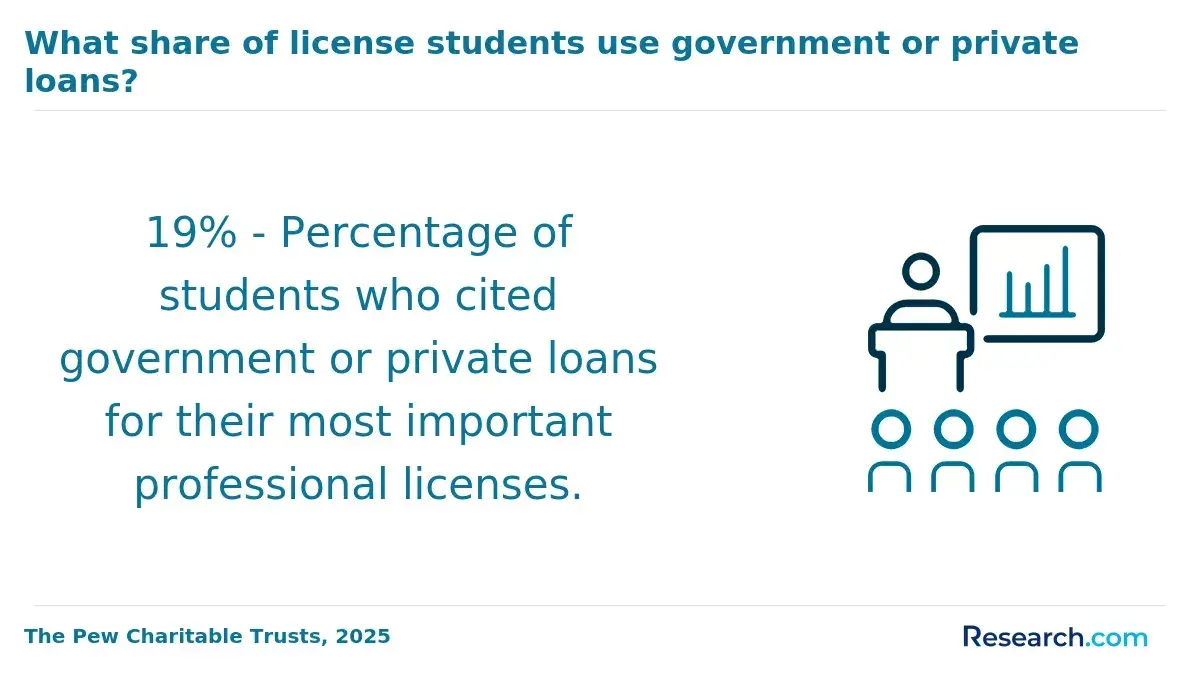
- Licensure and Certification Pass Rates: Where applicable, these rates reveal program effectiveness in preparing students for credentialing essential to certain career paths.
- Direct Outreach: Engaging with current students and alumni offers critical qualitative insight into program culture, real-world applicability, and network strength not visible in quantitative data alone.
How Do Regional Job Market Conditions Drive Political Communication Degree Demand by State?
Variations in state-specific labor markets critically shape demand for political communication degree holders, with key regional factors driving hiring patterns and graduate program enrollment rather than uniform nationwide trends. States where public sector staffing, healthcare communication needs, and educational institution expansions are simultaneously growing tend to offer the most fertile environments for political communication graduates.
For example, robust employer incentives such as tuition reimbursement or workforce grants can significantly tilt the scales in favor of increased credential pursuit, aligning student investment with local hiring realities. Deciding to study in a state without a corresponding demand risks limited practicum opportunities and constrained post-degree incomes, underscoring the importance of integrating labor market data into graduate program selection.
- California: A combination of dynamic public sector agencies expanding due to environmental and regulatory policy initiatives, alongside a large healthcare advocacy network, is sustaining strong job openings for political communication professionals focused on policy and institutional messaging.
- Texas: Population surges and aggressive school district hiring amplify the need for political communication expertise in community engagement, supported further by state employers offering education incentives in public administration and healthcare sectors.
- New York: The diversity of public sector roles, spanning city management and nonprofit spheres, coupled with rising healthcare communication demands, drives steady openings for graduates. Workforce development programs further underpin enrollment.
- Florida: Expanding retirement populations necessitate targeted policy communication addressing elder healthcare and public health challenges, complemented by urban planning and education sector expansions boosting demand for political communication skills.
- Illinois: Ongoing government restructuring paired with growth in urban school districts creates a rising trajectory of job openings, with employer tuition assistance programs incentivizing related graduate training.
Evaluating political communication degree job market trends by state requires leveraging sources such as the Bureau of Labor Statistics' occupational projections and local workforce reports to anticipate where practical opportunities will arise. States with stronger regional job markets offer improved access to meaningful practicum placements and internships, which are critical for developing real-world competence and strengthening salary negotiation leverage after graduation.
Prospective students should prioritize such data to avoid investing in programs disconnected from viable employment pathways. For those navigating this complex landscape, consulting listings like affordable online master's programs can also provide cost-effective options aligned with their geographic and career goals.
Which States Have Added the Most New Political Communication Degree Programs in the Last Five Years?
States driving the recent expansion of accredited political communication degree programs reveal nuanced dynamics shaped by local labor markets, institutional priorities, and student demographics. Growth is not uniform; rather, it hinges on how states leverage funding incentives, workforce demands, and institutional competition to diversify or scale offerings.
For students, this variation means that increased program numbers can create pockets of specialized curricula but also intensify competition for scholarships and admission spots, particularly in politically vibrant regions.
- California: Expansion here is propelled by robust demand for political consultants and media professionals, with many universities launching new programs and boosting online options. Institutional rivalry and state grants rewarding educational innovation further stimulate growth.
- Texas: The state focuses strongly on enlarging enrollment capacity within political communication, driven by workforce shortage designations in public affairs sectors. Specialized tracks respond to the needs of a heterogeneous population, supported by targeted funding.
- New York: The competitive media and political ecosystem encourages fresh programs and scholarship competitiveness aimed at drawing diverse applicants. The crowded academic landscape pressures institutions to adjust tuition and curricular offerings strategically.
- Florida: Growth is concentrated on augmenting established programs with flexible online tracks, catering to working professionals. Accreditation-linked funding tied to online education quality has accelerated these enhancements.
- Illinois: Programs emphasize applied, career-relevant training aligned with state efforts to close skill gaps in public affairs jobs, especially in urban centers like Chicago, supported by state financial resources.
For prospective students, the presence of numerous program options within these states presents a double-edged sword: greater curricular diversity and potential for tailored specialization coexist with fiercer competition for limited scholarships and admission slots. Evaluating programs side-by-side at the state level allows candidates to gauge differences in tuition policies, financial aid availability, and delivery formats, enabling better alignment with individual career objectives and risk tolerance regarding funding uncertainty.
A recent graduate recalled navigating the admissions cycle amid this expanding landscape. Applying late in the fall, they found programs in key states rolling decisions at varied paces, creating uncertainty that complicated timing for work transitions. Their hesitation to commit early was influenced by fluctuating scholarship offers and last-minute program launches, illustrating the practical complexity students face when balancing application strategies against unpredictable institutional timelines and financial aid outcomes.
How Has the Rise of Online Education Changed Which States Lead in Political Communication Program Interest?
The emergence of fully online political communication graduate programs has reshaped enrollment patterns by removing geographic barriers that once confined students to local or regionally accessible schools. Today, students prioritize program quality, affordability, and accreditation over proximity, enabling states with strong online offerings to draw a national cohort of learners.
This broadens access for individuals facing relocation challenges or lacking competitive in-state options, while simultaneously positioning hosting states as influential education hubs with wider economic and reputational impacts.
- Disruption: The conventional model tethering enrollment to state or commuter regions has weakened, allowing universities with robust online platforms to capture a nationwide applicant pool and diversify political communication talent pipelines.
- Program Magnetism: Institutions in states that invest in recognized curricula and online infrastructure become magnets for out-of-state students, regardless of their regional political communication legacy or population density.
- Student Access: Working professionals and career changers benefit from this expansion, gaining entry to top-tier degrees without the financial or personal burdens of moving.
- Licensure Considerations: Despite convenient access, students must verify that state-specific licensure, certification, or employment eligibility requirements align with their chosen online program, as these remain jurisdictionally enforced and may limit post-graduation practice options.
- Economic Implications: States hosting prominent online political communication programs act as de facto national providers, reinforcing their educational influence and gaining economic advantages through a broader, more diverse enrollment base.
What Demographic Trends Are Fueling Political Communication Degree Growth in Specific States?
Political communication degree enrollment growth reflects how deeply demographic shifts reshape localized workforce needs, often in ways obscured by aggregate national data. Recognizing where and why demand rises enables prospective students to target states with durable, context-driven opportunities rather than transient surges. For example, states facing rapid population aging generate specialized roles in policy advocacy related to healthcare and social services, requiring communication professionals prepared to address complex, sensitive constituencies.
Conversely, states with booming immigrant populations demand expertise in multicultural engagement and multilingual messaging, directly influencing program expansion. Such differentiation points to a strategic tradeoff: graduates who align with the demographic realities of a particular state may find steadier employment paths than those relying on a one-size-fits-all approach to program selection or geographic relocation.
- Population Aging: Midwest and Northeast states with growing elderly populations see political communication needs tied to elder care policies and advocacy, where program growth supports these policy-intensive roles.
- Immigration Patterns: California, Texas, and Florida's diverse demographics enhance demand for political communicators skilled in cultural and linguistic nuances critical for effective policymaking and outreach.
- Urbanization: Expanding urban centers in Sun Belt states create dense political activity hubs, favoring graduates seeking careers intersecting with media, campaigns, and nonprofit sectors in vibrant metros.
- K-12 Enrollment Growth: Rising youth populations in some Southern and Western states fuel debate on education-related policies, indirectly boosting political communication roles aligned with public education advocacy.
- Mental Health Diagnoses: Increasing mental health awareness and resources shift policy and communication priorities, necessitating professionals trained to convey complex health policies responsibly.
Since these demographic trends correlate with labor market and institutional responsiveness, prospective students evaluating political communication degree enrollment demographic trends in US states should weigh long-term stability over short-term hype. States with sustained growth in targeted populations offer more reliable career pipelines than those dependent on fleeting political or economic cycles.
For working professionals or career changers, integrating such demographic insight refines decisions about program location, contributing to better alignment with local demand and reducing geographic employment friction. Those considering hybrid or related fields might also explore the broader landscape of project management degree jobs to understand cross-sector skill applicability and workforce versatility.
How Do State Funding Levels for Political Communication Services Influence Degree Program Growth?
State funding levels for political communication services directly affect the viability and expansion of graduate degree programs in this area by shaping local employment landscapes. States that allocate sufficient Medicaid reimbursements, maintain or increase block grants, and fund school-based mental health and community health centers tend to foster sustainable job markets, drawing both students and educators into politically communicative roles.
This creates a reinforcing cycle where steady public investment signals reliable career paths, encouraging enrollment growth and program development. In contrast, states with inconsistent or insufficient funding often witness graduates relocating to better-funded regions, hindering local program growth and weakening employment pipelines.
Prospective students evaluating graduate programs should closely analyze their target states' legislative funding history, as it provides crucial insight into future job availability and market stability. Understanding how state public health and social support policies correlate with workforce demand can help identify programs likely to offer relevant training aligned with employer expectations.
- Funding Stability: Consistent or increasing state financial support underpins stronger academic infrastructures and higher enrollment by fostering confidence in local job markets.
- Graduate Retention: Limited financial backing drives graduates to out-migrate, reducing local talent pools and undermining program reputations.
- Workforce Alignment: Funding that responds to tangible community service needs creates practical learning environments valued by employers.
- Legislative Indicators: Reviewing recent political communication-related funding legislation helps predict the sustainability of career prospects post-graduation.
- Program Transparency: Inquiring about graduate in-state employment rates after five years offers a concrete measure of a program's market impact and stability.
A graduate shared that during their application process, uncertainty about their state's funding trajectory for political communication programs caused hesitation in submitting materials. The rolling admissions timeline felt daunting as they waited for legislative budget decisions impacting program capacity and funding stability.
Ultimately, their decision to enroll followed careful monitoring of state budget announcements, which clarified employment prospects and reassured them about the program's longevity. This patience, combined with direct communication with program administrators regarding graduate job placement statistics, proved critical to navigating the complex interplay between state funding and educational opportunity.
Which States Are Emerging as Unexpected Leaders in Political Communication Degree Interest?
Identifying states that are unexpectedly gaining traction in political communication degree enrollment reveals nuanced workforce dynamics and program development strategies often overlooked by applicants prioritizing traditional educational hubs. This shift reflects broader regional economic realignments affecting employability and program sustainability, underlining the importance of evaluating not just current growth but also the institutional and policy contexts that sustain it over time.
- Indiana: With a history of limited visibility in political communication education, Indiana's growth stems in part from federal pandemic recovery funds, but more critically from its integration into interstate academic compacts and state investments targeting media and public affairs curricula focused on regional governance. Employers in Midwest policy sectors increasingly seek graduates familiar with both local and broader political communication landscapes, making Indiana a viable choice despite potential fluctuations in federal funding.
- Nebraska: Nebraska's expansion is driven by coordinated workforce development policies that tie students directly to political offices through state-sponsored internships and new accredited programs at flagship universities, reducing out-of-state student leakage. This model offers robust practical experience, essential given employer preferences for candidates with embedded networks, though cautious optimism is warranted due to ongoing fiscal constraints that could impact program longevity.
- Arkansas: Emerging as a cost-effective alternative, Arkansas attracts students with less competitive admissions and state-backed post-graduate incentives aimed at boosting communication roles within rural and small urban areas. However, dependence on one-time legislative funding necessitates careful consideration of program durability and long-term labor market shifts affecting regional political communication employment.
- West Virginia: Historically underrepresented, West Virginia's recent accreditation of graduate programs and partnerships with regional political and media institutions underscore a strategic vocational pipeline. While stable state investments support growth, broader economic challenges may constrain scalability, impacting the long-term career prospects of graduates within and beyond local markets.
- Alaska: Alaska's focus on indigenous and public affairs communication, underpinned by regional policy initiatives, positions it uniquely within political communication education. Though program scales remain modest, strong institutional commitments and community engagement suggest a sustainable foundation, despite geographic isolation that may limit widespread employer recognition or graduate mobility.
States traditionally known for established political communication programs, such as California and New York, have long dominated graduate enrollment in this field. However, recent data reveals surprising shifts, with several less-expected states now showing notable growth in political communication degree interest.
This is driven by a mix of policy initiatives, the rollout of new accredited programs, and strategic workforce investments that make these regions increasingly attractive to prospective students. Evaluating these states helps prospective enrollees understand unique opportunity landscapes that balance growth potential against the risks tied to less proven academic markets.
For students and professionals considering graduate programs, aligning program selection with employment realities and sustainability is critical. Some increasingly popular programs, especially in emerging states, can offer immediate benefits such as lower tuition or less competitive admissions but may lack the extensive alumni networks or employer recognition afforded by established institutions.
Evaluating pathways such as the SLPa to SLP bridge program model highlights the value of hybrid or pathway approaches to credentialing that respond dynamically to workforce needs, illustrating practical innovation relevant also to political communication fields.
Political communication degree enrollment growth by state often reflects underlying demographic trends and policymaker priorities rather than short-term spikes. The decision to enroll in programs within emerging states should be informed by a critical understanding of how state-specific educational policies interact with labor market demand to shape sustainable career trajectories.
Rising political communication program interest in emerging states signals evolving workforce landscapes where targeted public investment and academic innovation intersect. Prospective students must weigh these developments against long-term employability risks and the varying degrees of institutional stability to make informed educational and professional choices.
How Does State Population Size Affect the Interpretation of Political Communication Degree Growth Data?
Interpreting political communication degree growth data without accounting for state population size risks creating misleading conclusions about actual market demand. For instance, a large state adding 2,000 new political communication graduates annually might seem dominant in raw numbers, yet relative to its population, this represents a modest growth rate.
Conversely, a much smaller state with just 300 new graduates may be experiencing a sharp per-capita increase, signaling a rapidly expanding opportunity in a less saturated market. This distinction between absolute and per-capita growth is critical for evaluating genuine market expansion versus superficial headline figures.
States with low ratios of political communication professionals per capita, compared to the national average, tend to offer stronger early-career job prospects due to less competition and higher employer demand. Prospective students and career changers must consider workforce saturation alongside enrollment trends to identify underserved regions with realistic opportunities. This approach aligns with analysis of political communication degree growth relative to state population, helping to avoid pitfalls in overvaluing large-volume states whose markets may already be saturated.
Population size directly impacts how enrollment trends translate to job market realities, emphasizing the need for nuanced evaluation. This analytical lens also intersects with regulatory and economic factors, which vary widely across states and further moderate employment conditions for graduates.
- Regulatory Variability: Some states impose stringent certification or licensure requirements for political communication professionals, complicating entry despite degree growth.
- Population Density: Higher population states may show large absolute growth but lower per-capita increases, signaling mature markets nearing saturation.
- Early-Career Demand: Underserved states with fewer existing professionals often provide faster hiring opportunities for graduates.
- Economic Factors: Local market dynamics and industry presence heavily influence whether degree growth translates into job growth.
- Data Interpretation: Distinguishing between absolute and proportional growth is essential to assess genuine market expansion accurately.
For those evaluating graduate programs or considering geographic mobility, alternative credentials remain worth exploring. In particular, shorter and intense options like year long MBA programs can complement communication skills with management expertise relevant in many political communication roles.
What Role Do State Licensing Requirements Play in Driving or Suppressing Political Communication Enrollment?
The complexity and transparency of state licensing requirements significantly influence enrollment patterns in political communication graduate programs. In practical terms, a state with clear, stable licensing pathways tends to draw more students because employers in that region often require or prefer licensed professionals, directly shaping hiring preferences.
For example, a candidate in a state with rigorous but well-defined licensure can anticipate smoother entry into the workforce and salary premiums compared to peers in states where licensure rules are ambiguous or unstable. This clarity reduces the risk students face, making investment in graduate education more strategically sound.
Licensing boards indirectly drive enrollment by setting the professional standards employers rely on, linking academic programs to labor market expectations. Conversely, states with shifting or opaque licensure frameworks risk suppressing demand as prospective students weigh the uncertainty of post-graduation certification delays against alternative programs elsewhere.
This dynamic creates a feedback loop: robust licensure structures encourage higher enrollment, which builds institutional capacity and advocacy for sustained or improved regulatory clarity-critical in a field where salary ranges for licensed professionals can exceed non-licensed counterparts by a substantial margin.
Students should therefore conduct thorough due diligence on not only degree curricula but the entire licensure process in their target state-examining timelines, costs, and regulatory stability-and compare these factors across states if geographic mobility is anticipated. Choosing a program aligned with manageable licensure requirements may significantly improve long-term employability and financial outcomes.
- Transparency: Clear, consistent licensure processes reduce confusion and perceived risk, attracting more graduate candidates.
- Employer Influence: Well-defined licensing standards shape hiring criteria, encouraging enrollment in compliant programs.
- Regulatory Feedback Loop: Strong licensure systems support program growth and regulatory advocacy, reinforcing enrollment trends.
- Barrier Effect: Complex or frequently changing license rules deter candidates due to increased uncertainty and administrative burdens.
- Decision Criterion: Prospective students must evaluate licensure demands beyond academic requirements and compare cross-state licensure manageability before committing.
References
- The Growth of Online Education Increases Opportunities https://changinghighered.com/growth-of-online-education/
- Political Communication https://ecpr.eu/Events/Event/SectionDetails/817
- ::Welcome to Employment News ::| Govt. Jobs, Jobs in India, Vacancy in Govt. Sector, Career in Govt. Sector https://employmentnews.gov.in/Career_Political_Communication.asp
- Master's in Communication Programs: Advice on Applying, Personal Statements https://www.mastersincommunications.com/features/advice-for-applying-to-graduate-programs
- Nearly 9 in 10 Colleges Plan to Expand Online Programs as Student Demand Soars, New Report Finds https://encoura.org/resources/press-room/Nearly-9-in-10-Colleges-Plan-to-Expand-Online-Programs-as-Student-Demand-Soars-New-Report-Finds
- Boosting Student Enrollment in Higher Education With Public Relations https://www.hoytorg.com/boosting-student-enrollment-in-higher-education-with-public-relations/
- Politics Are Shaping Gen Z’s College Choices | EAB https://eab.com/about/newsroom/press/politics-shaping-gen-z-college-choices/
- PCR 30: Letter from the Editor https://politicalcommunication.org/issue/fall-2024-issue-30/
- Contemporary Trends in Political Communication and Public Relations: A Global Bibliometric Analysis of Research Patterns in Political Discourse (2020-2024) https://www.redfame.com/journal/index.php/smc/article/view/7602
- Politics & Communication study programme https://mundusjournalism.com/the-mundus-journalism-ma-degree/the-mundus-journalism-ma-programme/year-2-specialisation-in-amsterdam/politics-communication-study-programme-1
Other Things You Should Know About Political Communication
Employers in states seeing the fastest program growth often prioritize candidates who combine communication skills with digital media expertise and data analysis abilities. This means programs that emphasize practical training in campaign strategy, social media management, and voter analytics tend to place graduates more successfully. Students should seek programs aligned with employer expectations in these regions to avoid mismatches between academic preparation and job market needs.
States with rapidly increasing enrollment may attract students by balancing tuition costs with affordable living expenses, making graduate education more accessible. However, some high-growth states feature premium urban markets where higher costs are offset by more abundant internship and networking opportunities. Prospective students must weigh the tradeoff between investing more upfront in these competitive environments versus saving money in lower-cost states but potentially facing fewer local job openings.
Rising enrollment often signals expanding industry connections, improved local hiring, and innovative program offerings reflecting market demands. However, growth can also mean greater cohort sizes-potentially reducing personalized attention and increasing competition for internships. Students should consider whether growth reflects deeper institutional quality or simply popularity, prioritizing programs with strong employer partnerships over those with less transparent outcomes.
Some rural and underserved states are launching focused political communication programs to fill workforce gaps but often face challenges like limited faculty expertise and fewer local employers. These programs can offer unique chances to specialize in community-focused communication, yet graduates might need to relocate for broader career opportunities. Students should weigh the benefit of small, community-oriented programs against the potential relocation necessary for long-term career development.