2027 Political Communication Affordability by State: Where Students Pay the Most and Least

Co-Founder and Chief Data Scientist
Choosing between an in-state public program costing $12,000 annually and a private out-of-state option charging over $35,000 can reshape a political communication student's financial future. The decision extends beyond tuition; a 2024 National Student Clearinghouse report reveals rising student debt correlates with expensive out-of-state enrollments, underscoring how costlier programs often drive heavier borrowing.
Additionally, living expenses can eclipse advertised savings, especially in high-cost states, forcing students to balance immediate affordability against long-term debt. This article analyzes state-by-state tuition and cost variations for political communication degrees to help students pinpoint where education expenses impose the greatest and least financial burdens.
Key Things to Know About Political Communication Affordability by State
- States with low published tuition often have higher living costs or limited financial aid, shifting affordability; students must weigh total expenses, not just sticker price, influencing enrollment decisions toward hidden-cost states.
- Out-of-state tuition premiums and reduced access to in-state scholarships in some states create employer network disparities, affecting graduate placement in regional political sectors and narrowing job market entry points.
- Growth in hybrid and online political communication programs impacts timing and cost but requires scrutiny of technology fees and accreditation, which can delay graduation timelines and increase debt despite apparent savings.
- Key Things to Know About Political Communication Affordability by State Key Things to Know About Political Communication Affordability by State
- Which States Have the Most Affordable Political Communication Degree Programs? Most Affordable State Programs
- Which States Have the Highest Political Communication Degree Costs? Highest State Tuition Costs
- How Much Does a Political Communication Degree Cost by State? Degree Costs by State
- Why Does Political Communication Affordability Vary So Much Between States? State Affordability Variations
- How Do In-State and Out-of-State Tuition Rates Affect Political Communication Affordability? In-State vs. Out-of-State Rates
- How Does the Cost of Living Impact Overall Political Communication Affordability by State? Living Costs and Affordability
- Which States Offer the Best Value for a Political Communication Degree? Best Value State Degrees
- What Financial Aid and Scholarship Opportunities Can Reduce Political Communication Costs? What Financial Aid and Scholarship Opportunities Can Reduce Political Communication Costs?
- Are Online Political Communication Degree Programs More Affordable Than On-Campus Options? Are Online Political Communication Degree Programs More Affordable Than On-Campus Options?
- Is a Political Communication Degree Worth the Cost Based on Career Outcomes and ROI? Degree ROI and Outcomes
Which States Have the Most Affordable Political Communication Degree Programs?
State-level funding and tuition policies critically shape which regions provide the most affordable political communication degree programs. States like Wyoming and New Mexico demonstrate how sustained public investment lowers financial barriers for residents, with average in-state tuition and fees substantially below the national average. These savings become vital for students balancing degree costs against debt concerns, as lower sticker prices often correlate with reduced borrowing, directly impacting long-term financial stability. For example, a student from Florida might choose an in-state public university or an online program to minimize living expenses, leveraging competitive state financial aid and density of affordable online options to reduce total cost without sacrificing access or credential value.
Affordability varies considerably depending on individual residency status and program delivery format, making it essential to weigh in-state tuition advantages alongside regional cost-of-living differences. Southern and Mountain West states typically offer lower overall expenses, but non-residents face higher fees, which can erode savings if mobility or scholarship opportunities are constrained. This dynamic influences both enrollment decisions and degree completion planning, as students must calculate tradeoffs between staying local at lower cost or potentially paying more for perceived prestige or specialized program features elsewhere. Moreover, access to flexible learning options, including the growing availability of online 1 year masters programs in political communication, introduces further complexity by reducing housing and commuting costs, broadening affordability for those balancing education with professional or family commitments.
Which States Have the Highest Political Communication Degree Costs?
States with the highest costs for political communication degrees often reflect deeper economic and policy dynamics rather than mere tuition differences. For example, in California, out-of-state tuition regularly surpasses $14,000 annually at public universities, with total attendance costs-including housing and transportation-exceeding $32,000, as reported by the College Board in 2024. This disparity is partly driven by a high cost of living in urban centers and reduced state subsidies, forces that compel universities to increase tuition to balance budgets. Students must carefully assess whether the added financial burden, especially when private institution fees can double or triple public rates, aligns with potential local networking and internship opportunities critical to political communication careers.
The concentration of private universities and residency restrictions further complicate affordability. States with fewer in-state enrollment options or stringent residency policies often price out many aspirants from more economical public education tiers, pushing them to consider online courses or out-of-state alternatives. This tradeoff also influences financial aid strategies, where relying on need-based or merit aid becomes essential but uncertain. Ultimately, evaluating political communication programs requires weighing these cost patterns against program quality and their alignment with employer expectations, especially since proximity to political hubs can significantly enhance practical experience.
One recent graduate shared how they hesitated to commit to a well-regarded program in a high-cost state due to out-of-state tuition and living expenses. Initially considering relocating, they compared online offerings and in-state schools before recognizing that shifting residency status involved a lengthy process with no guarantee of reduced fees. Financial aid packages alleviated some concerns, but unexpected costs like local transportation and materials pushed the budget tighter than anticipated. Their experience underscores the importance of diligent cost-benefit analysis beyond sticker price, especially highlighting how policy differences across states can materially affect the affordability and practical choice of where to pursue political communication studies.
How Much Does a Political Communication Degree Cost by State?
Variations in the cost of earning a political communication degree across U.S. states stem from distinct funding structures and residency policies that directly affect student financial planning. For instance, in-state tuition at public universities can range from roughly $6,000 annually in states like Wyoming to over $15,000 in California, according to 2024 National Center for Education Statistics data. Out-of-state fees often multiply these costs two to three times, creating a significant barrier for non-resident students who must weigh the benefits of program quality or networking against inflated expenses. This pricing dichotomy forces many learners to consider relocation, online alternatives, or more affordable institutions to manage debt and maximize educational value.
Private colleges add another dimension, typically charging uniform, higher tuition independent of residency, affecting states with many private providers such as New York or Massachusetts. Beyond tuition, living expenses in high-cost regions notably amplify the total financial burden, influencing choices about where to study given the interconnected impact on housing, transportation, and daily costs. State-specific financial aid policies and scholarship availability partially offset these disparities but vary widely, requiring students to critically assess both sticker prices and net costs. Ultimately, this uneven landscape compels prospective political communication students to balance in-state advantages, program reputation, and economic conditions against practical constraints like borrowing limits and long-term career objectives.
Why Does Political Communication Affordability Vary So Much Between States?
State differences in political communication degree cost reflect fundamental policy choices and economic conditions rather than arbitrary pricing. For instance, states investing over half of their public university budgets through state funding, per National Center for Education Statistics 2024 data, reduce tuition burdens significantly for in-state students, offering more accessible paths to this field. Conversely, in states with stagnant or shrinking appropriations, institutions compensate with higher tuition, particularly when private colleges dominate the market, skewing average costs upward. These financial realities shape where students choose to enroll, often prompting transfer decisions or pursuit of in-state and online alternatives to mitigate escalating expenses.
Beyond funding, local cost-of-living factors compound affordability disparities. Urban hubs like New York and California impose higher operational expenses on universities, which translate to elevated fees for political communication students. Meanwhile, lower-cost states provide more economically manageable education but may lack wide program availability, affecting enrollment size and economies of scale. Financial aid distribution also varies widely, meaning even sticker price differences don't always predict net costs. Budget-conscious learners must weigh how these intertwined state factors affecting political communication tuition affordability influence their educational planning and long-term capacity to manage debt.
Prospective students evaluating program value should consider practical tradeoffs including the prevalence of public institutions versus private options, residency policies, and the evolving landscape of online education. For those balancing costs and career readiness, it may be worthwhile to explore adjacent fields where degree affordability intersects with local employer demand, such as the increasing availability of programs like a game design degree online, which can offer alternative but complementary skill sets in related communication realms.
How Do In-State and Out-of-State Tuition Rates Affect Political Communication Affordability?
Residency-based tuition policies heavily shape the financial decisions of students pursuing political communication degrees, often dictating program accessibility and long-term costs. Public universities typically offer substantially lower rates for in-state students-averaging about $10,900 annually at four-year institutions in 2024 per National Center for Education Statistics data-compared to approximately $28,600 for out-of-state attendees, which forces many to weigh residency status against educational goals.
This disparity influences not only the choice of school but also geographic mobility, especially when students consider qualifying for in-state status or regional tuition reciprocity programs like the Western Undergraduate Exchange, which can alleviate some out-of-state expenses but remain limited in reach. Additionally, private institutions and growing online programs usually do not differentiate by residency, introducing a trade-off between flat tuition fees and potential loss of state-based financial support, complicating budget planning for cost-conscious students.
The interaction between tuition differentials and financial aid illustrates further nuance: in-state students commonly have access to state-funded grants and scholarships unavailable to out-of-state peers, which can markedly affect net education costs and post-graduation debt levels. For example, students who relocate without meeting residency criteria might confront unexpectedly higher bills and reduced aid opportunities, challenging their initial enrollment assumptions. Balancing these factors requires careful evaluation of institutional policies, potential residency reclassification timelines, and the value of program features beyond sticker price, such as networking and experiential learning, that may be less prominent in online or nonresident pathways.
An individual pursuing a political communication degree recalled hesitating to commit to an out-of-state large public university despite its strong program reputation, as the near tripling of tuition strained their financial plan. After months consulting with admissions and financial aid offices, they explored establishing residency but faced complex criteria delaying in-state status. Ultimately, they enrolled while paying out-of-state rates but felt apprehensive about whether the investment matched career prospects, highlighting how residency rules can introduce uncertainty and force tough choices that extend beyond initial tuition comparisons.
How Does the Cost of Living Impact Overall Political Communication Affordability by State?
Housing remains the dominant factor driving the total investment required for a political communication degree, often outweighing tuition differences across states. For example, despite lower tuition fees in some Midwestern states, the elevated costs of vehicle ownership-insurance, maintenance, and fuel-can incrementally raise the expense burden for students without reliable public transit. This uneven distribution of regional living expenses impacts not only budgeting but also decisions about whether to pursue in-person programs or consider online alternatives such as AACSB accredited online MBA programs, which can mitigate some of these overheads.
Food and healthcare inflation further compound financial challenges, especially in states already grappling with high living costs like California or New York. These factors contribute to diverging experiences for students focusing on political communication education costs, highlighting how elevated daily expenses increase reliance on loans and part-time employment. Crucially, the tradeoff between working more hours and maintaining academic performance becomes a practical concern that shapes degree completion rates and long-term career prospects.
Moreover, these cost variations extend beyond personal finances to affect access to internships, networking, and job opportunities foundational to political communication programs. Students in higher-cost states may find themselves excluded from vital experiential learning due to supplementary costs, thereby intensifying inequities across socioeconomic groups. Recognizing the influence of cost of living and political communication degree affordability by state helps prospective learners make more nuanced choices regarding where and how to invest in their education.
Which States Offer the Best Value for a Political Communication Degree?
Evaluating the value of a political communication degree requires more than comparing sticker prices; students must consider how state residency rules, graduation rates, and local labor markets interact to affect overall return on investment. For instance, Texas offers relatively affordable in-state tuition-averaging around $11,500 annually at public institutions-with completion rates above 50%, which can reduce time-to-degree and minimize debt. This contrasts with states like California, where higher tuition and steep living expenses often overshadow strong employment prospects, making total costs less manageable despite potential salary advantages.
Financial aid availability and state education funding also shape affordability in meaningful ways. Florida's public universities provide debt levels about 15% below the national norm for political communication graduates, helped by targeted state initiatives, while Ohio balances moderate tuition near $12,000 and favorable post-graduation employment exceeding 60%, underscoring the importance of region-specific policies and economic conditions. Students weighing options should factor in whether they can access in-state tuition through residency or online pathways, as well as how efficiently programs support timely graduation, since the cheapest upfront price rarely aligns with the strongest financial outcome over time.
What Financial Aid and Scholarship Opportunities Can Reduce Political Communication Costs?
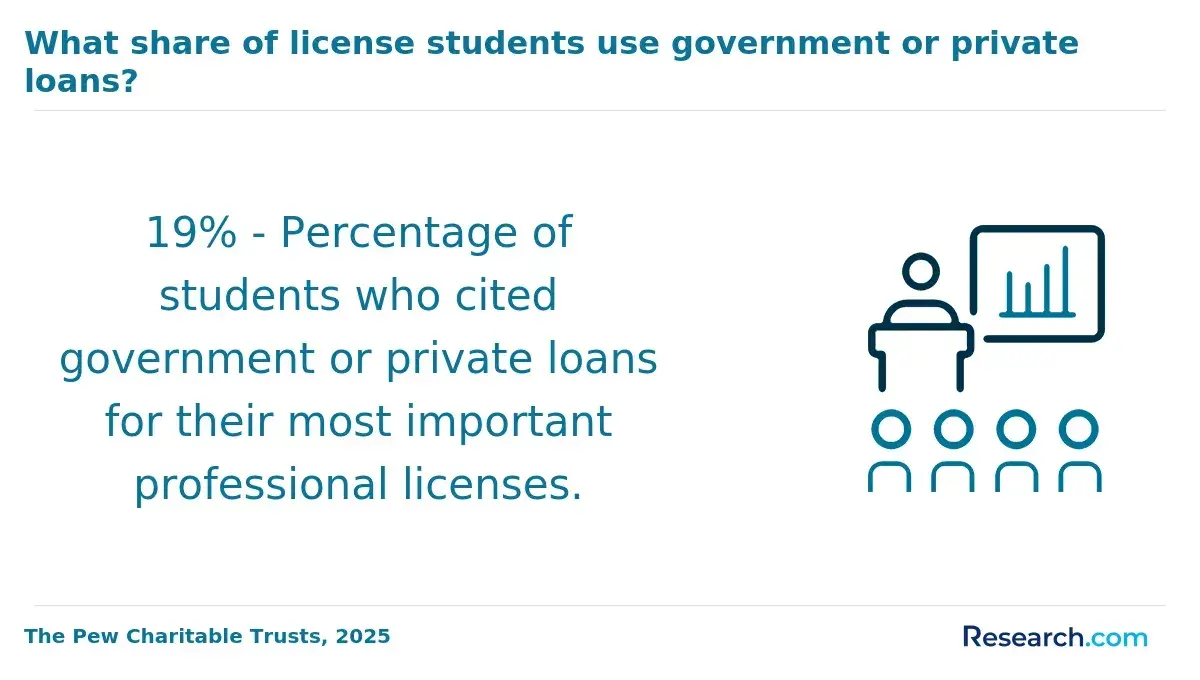
Federal aid programs, including the Pell Grant, remain critical levers in reducing the cost of a political communication degree, but their impact hinges on stringent eligibility criteria tied to family income, enrollment status, and FAFSA timing. Approximately 85% of undergraduates receive some form of financial assistance, according to the National Center for Education Statistics 2024 data, underscoring how widespread-but varied-such support is. Yet, students enrolled part-time or those who are independent may find fewer opportunities, making their net costs disproportionately higher even before tuition differences are considered. One practical consequence is that out-of-state or non-traditional students often face a tradeoff between institution selection and aid accessibility, especially in states without tuition reciprocity or expansive state grant programs.
State-specific grants and institutional scholarships significantly influence affordability but come with limitations that affect long-term financial planning. States like California and New York tend to offer robust grant packages that align with their higher tuition rates, whereas others provide minimal aid, forcing students either to incur greater debt or limit choice. Additionally, many institutional merit awards have maintenance conditions such as GPA thresholds and are often capped to prevent stacking with federal aid, requiring students to navigate complex rules or risk losing support mid-program.
Employer-sponsored tuition benefits and loan forgiveness programs introduce another dimension but remain unevenly distributed across industries, complicating financial strategies for working students. Ultimately, comparison across states and institutions must consider not only sticker prices but also the layering of aid restrictions, renewal requirements, and eligibility nuances that shape the real cost and feasibility of completing a political communication degree.
Are Online Political Communication Degree Programs More Affordable Than On-Campus Options?
Online political communication degree programs can offer a measurable affordability advantage, but this often depends on nuanced cost factors beyond headline tuition. While the National Center for Education Statistics reports online undergraduate tuition rates as approximately 15-20% lower than comparable on-campus programs, this difference narrows when factoring in technology expenses such as reliable internet and up-to-date hardware. Moreover, state residency policies and differential tuition frequently apply, potentially increasing costs for out-of-state online students to levels similar to on-campus peers. For budget-conscious learners, these issues highlight the importance of scrutinizing state-specific tuition models and program structures when comparing costs.
On-campus students typically face significant additional expenses-including housing, transportation, and meal plans-that online students generally avoid, often amounting to $10,000 or more annually. However, the practical savings rely heavily on individual circumstances such as existing technology resources and access to financial aid, which is largely comparable between formats but sometimes favors campus-based students due to grant eligibility criteria. When comparing cost differences between online and on-campus political communication degrees by state, students must weigh these tradeoffs carefully, considering how factors like local living costs and institutional fees influence the overall investment required.
This dynamic cost landscape means prospective students should also consider how program outcomes relate to their educational and career goals, factoring in real-world demands and employer expectations for skills gained through Political Communication curricula. For those exploring options aligned with evolving technology trends, examining pathways linked to fields such as an artificial intelligence degree may be beneficial, especially where interdisciplinary competence increases employability. Overall, affordability comparisons demand a strategic view that integrates financial realities with long-term professional value.
Is a Political Communication Degree Worth the Cost Based on Career Outcomes and ROI?
Affordability differences across states significantly shape the practical value of a political communication degree, particularly when considering long-term career outcomes and return on investment. For example, a student attending a public university in California may face tuition and fees exceeding $15,000 annually, compared to institutions in Wyoming or Mississippi where costs are substantially lower but local economies may offer salaries that fall below national averages. Beyond tuition, graduates must weigh the impact of an average debt burden near $28,000, completion rates varying widely by state, and the potential need for advanced certifications to improve employability and salary prospects.
Prospective students looking at political communication degree return on investment in the United States should prioritize geographic mobility and alignment with career goals since urban centers typically provide more robust hiring opportunities and higher wages for public relations specialists. Employment growth for these roles remains modest (3%-6% nationally), underscoring the importance of internships and complementary digital skills to stand out in the job market. Opportunities to pursue graduate education or credentials-similar to those found in specialized fields like cyber security courses-can be critical for expanding career paths and improving earnings potential.
Evaluating ROI means looking beyond tuition alone to factors such as opportunity costs, program completion timelines, and state-specific job market conditions. Students from states with lower tuition but prolonged degree completion or weaker job markets may face tradeoffs that affect their net financial outcomes. Therefore, comparing career outcomes and earning potential for political communication graduates by state offers a necessary framework for students balancing educational investments with realistic workforce demands and mobility considerations.
References
- All Master’s in Political Communication Programs (2025 Update) https://www.mastersincommunications.com/specializations/political-public-communication
- Financial Aid for Undergraduate International Students https://www.nafsa.org/about/about-international-education/financial-aid-undergraduate-international-students
- The Relationship Between Media Consumption and Public Opinion, Using the Patient Protection and Affordable Care Act as a Case Study https://pines.bemidjistate.edu/capstone-polisci/63/
- Client Challenge https://www.lemonde.fr/en/economy/article/2026/01/21/affordability-has-become-a-dominant-political-issue-in-the-us_6749639_19.html
- Where Communications Majors Earn the Most (and Least) https://www.mastersincommunications.org/where-communications-majors-earn-most-least/
- Importance of Cost of Living | Goldwater Institute https://www.goldwaterinstitute.org/cost-of-living/
- Making College Affordable: Providing Low-Income Students with the Knowledge and Resources Needed to Pay for College - Jack Kent Cooke Foundation https://www.jkcf.org/research/making-college-affordable-providing-low-income-students-with-the-knowledge-and-resources-needed-to-pay-for-college/
- Digital Political Communication: Strategies, Impact, and Challenges - Software for political leaders https://polapp.co/blog/digital-political-communication/
- THE WASHINGTON POST: Why everyone is talking about 'affordability' now - Economic Security Project https://economicsecurityproject.org/news/why-everyone-is-talking-about-affordability-now/
- New Rankings Reinforce Connecticut’s Decades-Long Affordability Problem https://www.yankeeinstitute.org/2026/03/02/if-cost-of-living-is-the-top-concern-why-are-lawmakers-raising-costs/
Other Things You Should Know About Political Communication
More affordable states often host programs with broader communication curricula rather than deeply specialized political communication tracks. Students prioritizing cost savings may face fewer opportunities for intensive, practical training in political messaging, campaign tactics, or policy communication. It's important to recognize that paying more for a state with specialized faculty and resources can provide stronger hands-on experience that employers in politics and advocacy sectors value. Budget-conscious students should carefully assess whether a program's lower price point compromises access to skills and networking essential for competitive political communication roles.
Higher tuition in pricier states does not guarantee superior employment outcomes in political communication. Job markets in these states may be saturated, increasing competition despite stronger institutional reputations. Students must evaluate local political ecosystems, internship availability, and alumni networks rather than assuming costlier programs inherently yield better career returns. Prioritizing program connections to government agencies, advocacy groups, and media outlets matters more for employability than tuition fees alone.
States with more affordable programs sometimes offer less rigorous curricula or fewer course options, potentially reducing workload but also limiting depth of learning. Conversely, higher-cost programs often demand a heavier course load and more practical assignments to simulate real-world political environments. Students should anticipate that lower tuition might mean less exposure to complex projects and networking, affecting readiness for demanding political communication roles. Those able to manage greater academic intensity may find costlier programs better align with professional expectations.
While affordability anchors many decisions, students must consider how state choice affects geographic flexibility post-graduation. Political communication careers often benefit from regional expertise and local connections, making study in target job markets valuable despite higher costs. However, if budget constraints limit options, selecting a lower-cost state with steadily growing political sectors can balance economics and career opportunity. Experienced analysts recommend prioritizing programs that foster networks in regions where students intend to live and work, ensuring investment in education translates into tangible market advantages.