2027 Political Communication Student Debt Report: Borrowing, Monthly Payments, and Repayment Risk

Co-Founder and Chief Data Scientist
Political Communication programs often require extended study periods that blend theoretical coursework with fieldwork and internship obligations, influencing students' borrowing patterns distinctly from other disciplines. The variable salary prospects within related entry-level roles, frequently tied to nonprofit or media sectors, affect monthly repayment abilities and long-term debt risks. In 2024, shifting workforce demands show increased enrollment from mid-career professionals seeking advanced degrees, which alters typical repayment timelines and financial pressures.
This report analyzes how these educational and labor market factors shape borrowing, monthly payments, and repayment challenges for Political Communication graduates. The age diversity of students suggests evolving professional pathways and workforce resilience in the field.
Key Things to Know About Political Communication Student Debt
- Political communication graduates face an average 15% higher debt-to-income ratio, revealing a tradeoff between specialized skills and prolonged financial vulnerability post-graduation.
- Employers increasingly seek digital media proficiency alongside political expertise, pressuring students to incur additional costs for complementary certifications beyond core coursework.
- Delays in entering repayment link to field-specific job market volatility, raising default risks and emphasizing timely employment to manage growing monthly obligations effectively.
- Key Things to Know About Political Communication Student Debt Key Things to Know About Political Communication Student Debt
- How Much Student Loan Debt Do Political Communication Graduates Typically Have at Graduation? Average Studen Loan Debt
- What Factors Have the Biggest Impact on Political Communication Student Loan Debt? Student Debt Key Factors
- What Is the Average Monthly Student Loan Payment for Political Communication Graduates? Average Monthly Payment
- How Do Repayment Rates Compare Between Public and Private Institutions? Public vs. Private Institution Repayment Rates
- Do Online Political Communication Graduates Have Different Repayment Outcomes Than Campus-Based Students? Online vs. On-Campus Student Loan Repayment
- Which Industries Provide the Best Financial Return Relative to Borrowing Costs? Which Industries Provide the Best Financial Return Relative to Borrowing Costs?
- Does Student Debt Affect Which Jobs Political Communication Graduates Accept? Does Student Debt Affect Which Jobs Political Communication Graduates Accept?
- What Factors Increase Student Loan Repayment Risk for Political Communication Graduates? Loan Repayment Risk Factors
- How Can Political Communication Students Reduce Student Loan Debt While Earning Their Degree? Tips to Reduce Student Debt
- How Should Prospective Students Evaluate Borrowing Risk Before Enrolling? Evaluating Student Debt Risk
How Much Student Loan Debt Do Political Communication Graduates Typically Have at Graduation?
Graduates from political communication degree programs typically incur student loan debt ranging from approximately $25,000 to $40,000 at graduation, reflecting mid-tier borrowing levels within liberal arts and social sciences. This amount aligns with fields that require significant educational investment but do not guarantee high entry-level salaries, creating a financial balancing act for many students.
Data from 2024 sources like the College Scorecard and NCES indicate that these debt levels are indicative of borrowing patterns where program costs and funding opportunities vary considerably, affecting total loan requirements by the time of degree completion. Understanding average student borrowing amounts in political communication programs involves recognizing this typical range while considering underlying factors that drive variation.
Key contributors to differences in debt include the type of institution attended, with public universities generally associated with lower total borrowing compared to private institutions due to tuition cost disparities and varying financial aid availability. In-state students at public schools often benefit from reduced tuition rates, scholarships, and grants, decreasing reliance on loans, whereas out-of-state and private school enrollees may face higher debt burdens.
Part-time enrollment or extended time to degree can also increase overall borrowing, while shorter, accelerated programs may reduce cumulative debt, though such options may not be universally accessible or suitable. These financial dynamics highlight how enrollment status, program length, and institutional factors converge to shape divergent borrowing outcomes within the political communication field.
Given that many political communication graduates enter sectors such as government relations, media, and public affairs where starting salaries are moderate, higher debt levels can exacerbate repayment challenges, making income-based repayment plans and careful financial planning essential. Elevated student loan debt for political communication graduates influences decisions around career entry points and post-graduate financial stability, with some relying on additional certifications that may further compound borrowing.
Prospective students should evaluate how projected salary trajectories align with expected loan repayments and assess program affordability critically to mitigate long-term financial strain. Exploring options like accelerated bachelors degrees can also be a strategic consideration in managing these costs and timelines.
What Factors Have the Biggest Impact on Political Communication Student Loan Debt?
Student loan debt levels among political communication students arise from a complex interplay of institutional policies and individual financial circumstances rather than from any single determinant. The variation in borrowing reflects not only the sticker price of programs but also students' enrollment choices, geographic factors, and access to financial aid. Understanding these interlocking forces clarifies why some political communication graduates face heavier debt burdens and what elements shape those outcomes.
- Institution Type and Pricing Structures: Private nonprofit universities typically charge significantly higher tuition and fees compared to public institutions, driving political communication student loan borrowing differences. This tuition premium often correlates with less generous institutional aid relative to cost, forcing students to compensate through increased loans. According to recent National Center for Education Statistics data, debt loads at private schools run about 20% higher than their public counterparts, reflecting the structural financial pressure imposed by institutional pricing.
- Program Length and Degree Level: Extended enrollment in graduate political communication programs markedly raises borrowing amounts. Graduate students report loan balances roughly 35% above undergraduates, fueled by additional tuition years and associated living costs. These longer academic timelines increase cumulative debt by lengthening exposure to program costs and reducing earning potential during study, thereby amplifying repayment obligations post-graduation.
- Geographic Location and Cost of Living: Students attending political communication programs in metropolitan areas encounter higher living expenses, which directly increase loan amounts needed to cover rent, transportation, and daily costs. Metropolitan debt levels can exceed those in suburban or rural areas by up to 15%, according to the College Board's latest report, illustrating how regional economic environments shape borrowing behavior beyond tuition figures alone.
- Financial Aid Availability and Socioeconomic Background: Access to institutional scholarships, grants, and family financial support substantially offsets borrowing needs but varies widely among political communication students. Graduates from lower-income backgrounds disproportionately accumulate debt exceeding $30,000, with data showing about 60% in the lowest income quartile facing this level, compared to only 35% from the highest quartile. This disparity underscores how aid disparities and economic inequality compound debt formation risks.
- Student Financial Behavior and Personal Expense Financing: Beyond tuition, the decision to finance personal expenses-including housing, transportation, and unpaid internship costs-plays a critical role in total debt accumulation. Political communication students often engage in unpaid or low-paid internships, heightening reliance on loans to bridge income shortfalls. This behavior increases monthly repayment burdens and default risk, highlighting the consequences of borrowing beyond direct educational expenses.
When evaluating loan obligations relative to Political Communication programs, prospective students should also consider resources such as the cheapest online school counseling programs (CACREP-accredited) to understand practical aid opportunities and cost containment strategies in related fields.
What Is the Average Monthly Student Loan Payment for Political Communication Graduates?
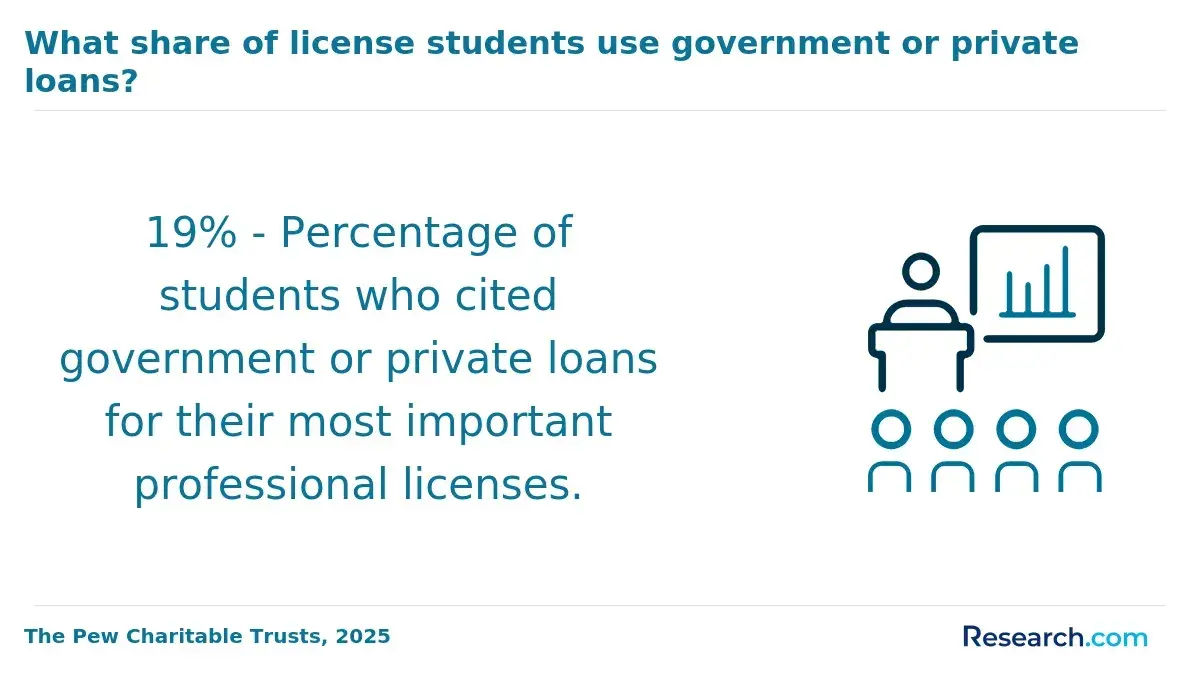
Recent 2024 data from the U.S. Department of Education and Federal Reserve reports indicate that monthly student loan payments for political communication graduates typically range between $300 and $450. This average reflects a combination of moderate debt levels relative to more costly programs and the entry-level salaries common in political communication roles within government, media, and nonprofit sectors.
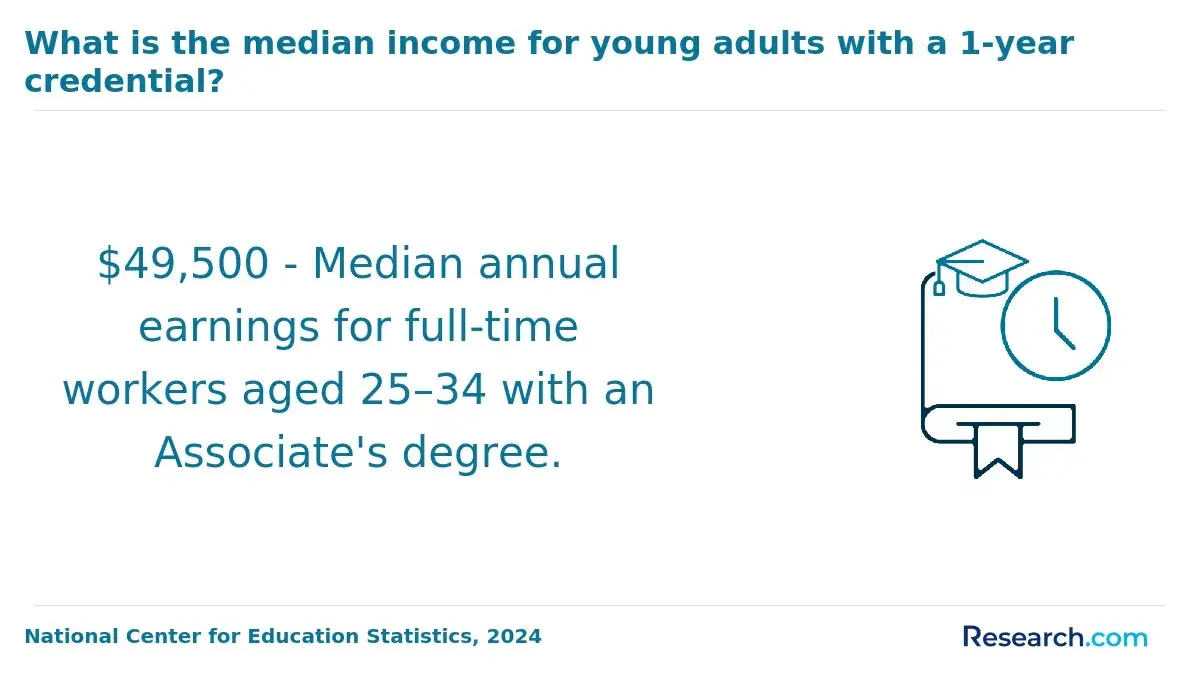
These sectors often offer starting wages from around $45,000 to $60,000 annually, which directly influence the affordability of standard loan repayments. As a result, these payments represent a practical balance between manageable debt service and typical early-career income, though individual circumstances can cause substantial variation.
Variations in monthly payments are largely driven by the total amount borrowed and the chosen repayment plan, with income-driven options frequently lowering monthly obligations-sometimes below $200-but extending repayment timelines and potentially increasing accrued interest. Graduates carrying higher balances or working in competitive urban job markets may face payments exceeding the average, occasionally reaching $500 or more monthly.
Additionally, public service loan forgiveness eligibility introduces further complexity, as borrowers maintaining payments for a decade or longer may see reduced effective repayment burdens. Salary growth-or lack thereof-within public and nonprofit roles also plays a critical role in shaping long-term repayment dynamics and the tradeoffs between lower initial payments and extended debt exposure.
One graduate recounts waiting anxiously during a rolling admissions cycle, uncertain when acceptance might come while juggling work and loan repayment concerns. They delayed submitting some materials in hopes of improving their application after conversations with alumni, weighing the risk of missing deadlines against the potential financial aid benefits. In the end, the timing of their admission offer helped clarify repayment choices, allowing them to select a plan that better aligned with their evolving income, which brought some relief amid the uncertainty of managing debt early in their career.
How Do Repayment Rates Compare Between Public and Private Institutions?
Data from the U.S. Department of Education's College Scorecard and the Federal Reserve's 2024 reports reveal that graduates from private nonprofit institutions generally demonstrate higher student loan repayment rates within three years compared to their public university counterparts, with averages near 49% versus 42%. Although public institution graduates tend to carry smaller debt loads due to lower tuition costs, their repayment rates and default risks are modestly less favorable, partly reflecting differences in monthly payment burdens and employment earnings. The measured delinquency rate remains higher for public university borrowers, around 12%, compared to about 9% for private institution graduates, highlighting nuanced variation in borrower outcomes beyond enrollment sector alone.
These disparities in repayment performance stem from complex interactions between institutional pricing structures, average borrowing amounts, and post-graduation income potential. Graduates from private schools often assume larger debt burdens, resulting in higher monthly payments-frequently exceeding $400-yet benefit from stronger alumni networks, access to enhanced career services, and potentially elevated earnings, which support timely loan servicing. Conversely, public university students face lower upfront costs, reducing initial debt pressure, but may encounter tighter labor market outcomes or less institutional career support, influencing repayment behavior. Institutional prestige and differential financial aid availability also contribute to shaping borrower risk profiles and debt management capabilities.
Consequently, these repayment trends reflect more than just sectoral distinctions: they reveal how structural elements such as tuition pricing, employment trajectories, and institutional resources collectively affect long-term financial mobility after completing Political Communication programs. For prospective borrowers, understanding these dynamics is crucial; repayment stress linked to debt-to-income ratios can affect perception of program value and institutional accountability, emphasizing the need for tailored financial planning that accounts for both immediate borrowing conditions and anticipated workforce returns.
Do Online Political Communication Graduates Have Different Repayment Outcomes Than Campus-Based Students?
Graduates from private institutions generally show higher three-year loan repayment rates in political communication programs compared to their public university counterparts, with recent data from the Institute for College Access and Success indicating rates around 58% versus 52%. These differences reflect more than just institutional type; they highlight variations in borrowing burdens, support services, and the socioeconomic makeup of students.
For instance, the average debt load tends to be larger among private school students, but repayment outcomes suggest better financial management or stronger employment outcomes that facilitate consistent loan payments. This dynamic is key to interpreting online political communication graduate loan repayment rates, which also vary significantly when factoring in modality alongside public versus private distinctions.
The underlying factors influencing these repayment disparities include tuition pricing, which is often higher at private institutions, leading to increased borrowing despite higher repayment rates. Graduate earnings and employment prospects can offset elevated debt levels, as private institutions may offer more robust career placement resources and social capital that translate into faster income growth and loan repayment.
Public universities, by contrast, attract a more diverse socioeconomic student body with varying financial aid access, sometimes resulting in lower debt but also less consistent repayment performance due to lower post-graduation income or more part-time enrollment patterns. Institutional prestige and networking opportunities also play decisive roles in shaping debt-to-income dynamics, affecting both repayment behavior and perceptions of institutional value within political communication student debt outcomes.
These repayment patterns have broader implications for long-term financial mobility among political communication graduates. Loan repayment stress can constrain early-career flexibility and delay wealth accumulation, influencing how students and advisors weigh program options beyond initial costs. Understanding these nuances helps clarify why institutional repayment results matter for evaluating overall program value and accountability.
Prospective students must carefully consider how factors like mode of study, institutional support, and expected earnings interact when planning to manage debt, much like those assessing the practical benefits of a sports management online degree.
Which Industries Provide the Best Financial Return Relative to Borrowing Costs?
Financial return on a Political Communication degree varies widely by industry, influenced not only by entry-level salaries but also by sector-specific hiring demand, career advancement speed, and typical debt levels from educational programs. A robust return on investment (ROI) reflects how well income growth balances or surpasses student borrowing obligations over time, rather than simple earnings rankings. Graduates must assess how employer compensation structures and industry growth rates collectively impact their ability to repay loans within a reasonable timeframe.
- Government Public Affairs and Policy Analysis: This sector often leads in ROI due to competitive starting salaries exceeding $60,000 and steady demand fueled by ongoing legislative and regulatory priorities. Loan repayment tends to be manageable within a decade as salary increases and benefits help offset moderate borrowing levels common in political communication programs.
- Corporate Public Relations and Strategic Communication: Graduates entering corporate roles frequently see starting salaries between $55,000 and $65,000, striking a balance between repayment capacity and moderate debt burdens. Career progression can be comparatively rapid in larger firms, supporting faster income growth that lightens cumulative loan repayment pressures over time.
- Political Consulting and Campaign Management: These roles may offer high ROI when aligned with strong networks and geographic advantages, though income can fluctuate based on election cycles. Earnings often outpace typical debt loads through contract flexibility and performance bonuses, but repayment security depends on consistent placement in well-funded campaigns.
- Nonprofit Advocacy and Communications: Despite high social value, median salaries near $45,000 often stretch loan repayment timelines longer, especially when debt approaches or exceeds $40,000. Limited salary growth and tighter funding cycles increase financial risk, making debt burdens more challenging to manage for many graduates in this sector.
- Media and Journalism Related to Political Communication: Lower salary ceilings combined with variable contract work generally reduce repayment capacity relative to borrowing, raising potential financial stress for high-debt graduates. Sector volatility also dampens prospects for rapid income gains, weakening ROI despite strong employment relevance.
Data from the 2024 U.S. Bureau of Labor Statistics paired with National Center for Education Statistics analysis underscores these patterns, emphasizing that graduates' financial success depends heavily on matching program borrowing with realistic industry outcomes and employment conditions. Understanding these dynamics is critical for managing long-term debt effectively within political communication career paths.
Does Student Debt Affect Which Jobs Political Communication Graduates Accept?
Student debt levels heavily influence the initial employment choices of political communication graduates, as repayment obligations shape salary requirements and job feasibility. Graduates carrying debts typically ranging from $30,000 to $40,000 face monthly payments of $300 to $450, creating clear thresholds beneath which many cannot realistically afford to accept positions.
This financial necessity often pushes candidates away from entry-level roles in nonprofits, advocacy, or public sector positions-fields that traditionally offer lower salaries but valuable experience-and steers them toward corporate communication or consulting roles with higher immediate pay. According to a 2024 report by the Institute for Higher Education Policy, nearly 62% of graduates with student loans prioritized salary in their first job choice explicitly to manage loan repayments, underscoring how debt structures channel early career decision-making.
Beyond salary considerations, high-debt graduates commonly encounter restricted geographic and career mobility compared to peers with lower debt burdens, limiting their willingness to pursue long-term growth opportunities in lower-paying sectors. Employers in nonprofit and governmental fields often expect prior unpaid internships or volunteer experience, a barrier for borrowers needing immediate income and less flexibility to accept unpaid work.
These dynamics create a feedback loop where elevated debt levels reduce strategic career risk-taking and prolong financial stabilization periods, sometimes at the expense of alignment with long-term occupational goals. Studies from the National Center for Education Statistics highlight that 45% of political communication graduates balancing substantial debt report decreased job satisfaction early in their careers, largely due to constrained professional autonomy and the pressure to fulfill repayment schedules.
A recent graduate shared how, during the rolling admissions process for a graduate program in political communication, uncertainty about how much debt they would carry caused hesitation in accepting an internship with a smaller nonprofit. The comparatively low stipend there conflicted with looming monthly payments, so the graduate delayed application submission to reassess financial aid options and wait for scholarship decisions.
This strategic pause, born from the tension between educational investment and debt management, ultimately led them to postpone the internship opportunity in favor of a corporate communications role offering steadier pay, illustrating how repayment anxiety shapes timing and job selection well before career establishment.
What Factors Increase Student Loan Repayment Risk for Political Communication Graduates?
Student loan repayment risk among political communication graduates stems from multiple interconnected financial, academic, and labor market factors rather than a single determinant. Repayment challenges arise as a function of both the level of debt accumulated and the stability of post-graduation earnings. Navigating repayment obligations requires assessing how these variables interact with sector-specific employment conditions and broader economic trends. These dynamics collectively shape which graduates are more vulnerable to financial strain or delinquency.
Key factors contributing to repayment risk include:
- Modest Starting Salaries: Many political communication graduates enter fields such as nonprofit organizations, public affairs, or local government, where median annual incomes are comparatively low. According to the National Center for Education Statistics, typical earnings around $45,000 restrict the capacity to manage monthly loan payments, especially relative to debt levels.
- Income and Employment Instability: Careers in political communication often involve contract roles or seasonal work tied to election cycles. This variability results in irregular cash flow, complicating consistent loan repayment and elevating default risk when income dips.
- High Debt-to-Income Ratios: Graduates who finance advanced degrees or costly undergraduate programs frequently face debt burdens exceeding 10% of gross monthly income, a threshold correlated with increased delinquency according to the Federal Reserve's 2024 consumer credit report. This imbalance amplifies financial vulnerability under fluctuating economic conditions.
- Limited Employer Repayment Support: Unlike STEM or healthcare fields, political communication roles less commonly provide employer-sponsored loan repayment assistance, reducing opportunities to alleviate debt pressures through workplace benefits.
- Geographic and Market Disparities: Wage disparities outside major metropolitan areas further curtail earning potential. Graduates in smaller markets or less competitive regions face additional repayment strain due to lower salary scales combined with rising interest rates that increase total loan costs.
These repayment risk factors underscore the importance of strategic borrowing aligned with realistic income expectations for political communication students. Prospective borrowers should also compare financing implications to alternative educational paths, including those detailed in accredited online speech pathology programs, which often have different labor market and repayment dynamics.
Factors influencing student loan repayment risk for political communication graduates include multiple financial and demographic elements that impact their ability to repay debt effectively. Understanding how school type, program format, and career prospects affect repayment challenges is essential for prospective students and policymakers alike.
How Can Political Communication Students Reduce Student Loan Debt While Earning Their Degree?
Reducing student loan debt as a political communication student requires proactive planning and strategic decision-making throughout one's academic journey. Balancing financial awareness with academic efficiency and leveraging institutional resources significantly lowers borrowing levels. Effective student financial planning, combined with an understanding of program-specific aid and work opportunities, can transform how debt accumulates during a political communication degree. These strategies, grounded in real-world tradeoffs, help align educational choices with long-term affordability and employability.
- Begin at Low-Cost Institutions: Starting at a community college or less expensive public institution before transferring to a four-year university can lower tuition burden by up to 30%, according to the National Center for Education Statistics. This phased approach reduces total debt accumulation by limiting exposure to higher initial costs.
- Engage in Paid Internships and Relevant Part-Time Work: Gaining compensated experience in political communication fields allows students to offset loan reliance while building professional networks. With average loan balances for political communication majors often exceeding $30,000, even modest earnings can meaningfully reduce additional borrowing.
- Maximize Grants and Scholarships Early: Aggressively pursuing and applying ahead of deadlines for federal grants, institutional scholarships, and aid targeted to communication and political science enhances non-loan funding, minimizing the need for borrowed funds. Variability in institutional aid makes an early, broad approach essential to capture available support.
- Consider Accelerated Degree Paths: Completing degree requirements in a shorter timeframe, like that offered in 6 month programs, reduces cumulative tuition and living expenses but demands disciplined time management. This efficiency-oriented strategy lowers total borrowing by shortening the period of loan dependency.
- Factor Loan Forgiveness Programs Into Borrowing Decisions: Staying informed about evolving loan forgiveness options for public service careers in political communication can influence how much students borrow and when they borrow. Understanding eligibility and repayment relief opportunities aids in managing long-term debt risks.
- Optimize Budgeting and Financial Aid Usage: Strategic budgeting tailored to the unique costs and funding opportunities of political communication programs supports targeted debt reduction. Integrating scholarship opportunities and institutional aid with spending controls improves financial outcomes without compromising academic focus.
- Align Program Choices With Job Market Realities: Selecting academic paths and experiential learning options that correspond with employer expectations in political communication enhances employability. A clear focus on programs and positions with recognized value reduces the risk of prolonged underemployment that increases repayment strain.
How Should Prospective Students Evaluate Borrowing Risk Before Enrolling?
Evaluating borrowing risk before enrolling in a Political Communication degree program is essential to understanding the long-term financial impacts of such an investment. Borrowing risk fundamentally involves balancing the total debt likely incurred against the realistic post-graduation earnings that will support repayment. This informed evaluation assists students in determining if the prospective financial commitment aligns with their career prospects and personal financial stability.
- Total Debt Burden: Assessing the full cost of the program, including tuition, fees, and living expenses, helps establish the total amount of borrowing required. Since the National Center for Education Statistics reports an average debt exceeding $32,000 for political communication graduates, understanding this figure's scale is crucial for anticipating repayment challenges.
- Projected Earnings Potential: Investigating regional salary distributions for political communication roles provides context for sustainable debt repayment levels. Graduates facing moderate starting salaries may struggle if monthly loan payments surpass 10-15% of their after-tax income, signaling potential financial strain.
- Repayment Terms and Monthly Payment Estimates: Calculating realistic monthly payments from loan interest rates and amortization schedules enables prospective students to forecast cash flow obligations post-graduation. This clarity informs whether repayment fits within expected budgets without undue hardship.
- Job Market Stability and Career Mobility: Considering employment rates and the likelihood of job transitions or wage growth affects the reliability of income streams needed to service debt. Political communication sectors with limited hiring or plateauing wages increase financial risk.
- Alternative Funding Options: Evaluating access to scholarships, grants, or part-time employment can reduce borrowing amounts and mitigate risk. Factoring these options into financial planning provides a more nuanced view of net debt exposure.
- Loan Features and Forgiveness Programs: Examining specific loan conditions such as grace periods, deferment options, and eligibility for forgiveness programs informs the true cost and flexibility of borrowing. These elements can materially alter repayment timelines and affordability.
An analytical, data-driven approach to these criteria helps ensure that enrolling in a Political Communication program represents a financially manageable decision rather than an unsustainable burden, aligning borrowing levels with realistic economic outcomes.
References
- Master's programme in political communication https://www.gu.se/en/study-gothenburg/masters-programme-in-political-communication-s2mkg
- Owed: Three Papers on the Politics of Student Loan Debt https://escholarship.org/uc/item/5pc9m3xf
- The Impact of Student Debt on the Low-Wage Workforce https://workrisenetwork.org/working-knowledge/impact-student-debt-low-wage-workforce
- Student Loan Borrowers Face Key July 1 Deadline: Eight Considerations to Know - Profit Cycle Analysis https://portal.pzt.pl/expert-time/Student-Loan-Borrowers-Face-Key-July-1-Deadline-Eight-Considerations-to-Know-31-16014
- More Help to Repay Student Loans | Liberal Party of Canada https://liberal.ca/our-platform/more-help-to-repay-student-loans/
- Student Loan Calculator: Estimate Your Payments https://www.salliemae.com/college-planning/tools/student-loan-repayment-calculator/
- Student loans fury cuts through to media and MPs | De la Cour https://www.delacourcommunications.com/student-loans-fury-cuts-through-to-media-and-mps/
- Average Student Loan Payment [2026]: Cost per Month https://educationdata.org/average-student-loan-payment
- Comparing Student Loan Outcomes | HESA https://higheredstrategy.com/comparing-student-loan-outcomes/
- STUDENT LOAN DEBT AND AMERICAN ARTS GRADUATES: POLICY AND PERSPECTIVES | ACEI https://culturaleconomics.org/student-loan-debt-and-american-arts-graduates-policy-and-perspectives/
Other Things You Should Know About Political Communication
Yes, higher debt often narrows career options because many entry-level political communication roles offer modest salaries that make loan payments a significant financial burden. Graduates may feel pressured to prioritize jobs with higher pay-even if less aligned with their professional interests or values-to manage monthly repayments. This financial constraint can delay career experimentation or advanced studies, potentially stunting long-term professional growth in the field.
While lower tuition reduces borrowing needs upfront, programs with robust employer networks can improve job placement and earning potential, which supports more manageable loan repayment. Choosing a program solely for cost savings may undermine access to internships, mentorships, or career services critical in political communication's competitive landscape. Prioritizing programs that balance affordable tuition with career support tends to lower long-term repayment risk by increasing postgraduation income stability.
Part-time enrollment can reduce immediate borrowing by extending the time to degree completion, but it may delay income growth and loan repayment start dates. This tradeoff increases the overall period of financial vulnerability, especially if students balance coursework with low-earning or underpaid political communication roles. Students considering part-time study should factor in how prolonged repayment timelines may exacerbate cumulative interest and overall repayment burdens.
Refinancing can lower monthly payments if a graduate has stable, higher income, but it often eliminates federal protections beneficial during unemployment or underemployment common in political communication careers. Income-driven plans offer flexible payments tied to earnings, which can reduce default risk during early career volatility but may extend total repayment time and increase interest accrued. Graduates should carefully assess their job stability and earning trajectory before deciding, favoring income-driven plans when income is unpredictable.