2027 Political Communication Degree Enrollment Trends by Age Group: Traditional Students vs Adult Learners

Co-Founder and Chief Data Scientist
The divergence in enrollment between traditional-age students and adult learners in political communication programs reflects distinct professional pressures and industry dynamics. Traditional students often enter amid rising credential inflation and growing emphasis on technical skill mastery, including digital media analytics and campaign data tools, driving a 12% annual increase in bachelor's degree completions.
Adult learners, conversely, respond to midcareer transitions and workforce shortages in public affairs roles, yet face barriers like practicum schedules and employer demand for recent, specialized training. This age distribution reveals an evolving field balancing foundational academic preparation with accelerated, career-focused credentials to meet shifting labor market and employer expectations.
Key Things to Know About Political Communication Degree Enrollment Trends by Age Group
- Young adults dominate Political Communication enrollment, comprising over 70% as of 2024, reflecting traditional degree paths but limiting networking exposure to diverse professional experiences.
- Adult learners face tradeoffs balancing work and study, often extending program duration, which impacts cost and delays entry into sector-specific roles employers prioritize.
- Employers increasingly favor candidates with real-world political experience; younger students benefit from internships, while older enrollees must strategically leverage professional history to offset fewer campus-based opportunities.
- Key Things to Know About Political Communication Degree Enrollment Trends by Age Group Key Things to Know About Political Communication Degree Enrollment Trends by Age Group
- Which Age Groups Represent the Largest Share of Political Communication Students? Students by Age Group
- Why Do Traditional Students Choose Political Communication Degree Programs? Traditional Students
- Why Do Adult Learners Return to School for a Political Communication Degree? Adult Learners
- How Do Academic Goals Vary Between Younger and Older Political Communication Students? Academic Goals by Age Group
- How Do Financial Concerns Differ Between Traditional Students and Adult Learners? Financial Concerns by Age Group
- What Challenges Do Adult Learners and Traditional Students Face While Earning a Political Communication Degree? Student Challenges by Age Group
- How Does Age Affect Political Communication Degree Student Retention? Age and Student Retention
- Which Political Communication Specializations Are Most Popular Among Adult Learners? Top Specializations for Adult Learners
- How Does Age Affect Job Opportunities for Political Communication Graduates? Impact of Age in Job Opportunities
- What Do Current Political Communication Enrollment Trends Reveal About Future Demand? What Do Current Political Communication Enrollment Trends Reveal About Future Demand?
Which Age Groups Represent the Largest Share of Political Communication Students?
Political communication programs attract learners at various stages of life but typically see concentrated enrollment within distinct age groups shaped by career timing, financial capacity, and educational choices. These patterns align less with academic preference and more with structural workforce and access realities influencing who pursues political communication degrees.
Differences in when students enter the labor market, navigate career transitions, or seek further credentials shape the age distribution within these programs.
- Ages 18-24: This cohort represents the largest share of political communication degree enrollment, reflecting a traditional pathway where students enter higher education directly after high school. Their motivation often centers on gaining practical skills for entry-level roles in journalism, campaign management, or government affairs, aligning with broader trends in political communication degree enrollment by age group. This age group benefits from the financial support structures available to recent high school graduates and typically engages in full-time study focused on early career entry.
- Ages 25-34: Adult learners in this range are increasingly prominent, driven by career shifts or the need for advanced competencies relevant to managerial or specialized communication positions. Many balance part-time or online study modes to accommodate work and family commitments. Employers tend to value the experiential knowledge these students bring, which complements academic credentials and supports advancement in complex policy or advocacy roles.
- Ages 35-44: Representing a smaller but significant portion, this group often pursues political communication studies to recalibrate or deepen expertise amid evolving job market demands. Their enrollment frequently reflects strategic upskilling rather than initial qualification. Access challenges and costs can be barriers, but program flexibility and immediate applicability of skills sustain participation.
- Ages 45 and above: This segment constitutes the smallest share, often limited by time constraints, financial considerations, and less direct alignment of political communication degree outcomes with late-stage career objectives. Nonetheless, some professionals pursue targeted credentials or certifications, frequently through flexible online offerings to maintain relevance in shifting organizational landscapes.
These demographic distinctions highlight practical tradeoffs in political communication degree enrollment by age group, showing how younger students prioritize early workforce engagement, while older cohorts emphasize educational pathways that mesh with career management and work-life integration.
Program accessibility, scheduling options, and evolving labor market expectations all contribute to shaping enrollment patterns. For adult learners, the appeal of flexible study avenues like those found in many MBA programs parallels trends in political communication education, reflecting broader shifts in how higher education accommodates lifelong career development.
Why Do Traditional Students Choose Political Communication Degree Programs?
Traditional students often select political communication degree programs driven by a combination of academic interest and early career exploration that aligns closely with their long-term ambitions in public affairs fields. The degree's ability to signal critical communication and political acumen to employers serves as a practical credential, making it attractive for those seeking defined pathways into campaign management, public relations, or policy advocacy roles.
Approximately 38% of these undergraduates identify career alignment and job prospects as key factors in their enrollment decisions, reflecting a pragmatism that balances intellectual curiosity with tangible professional outcomes within this competitive labor market. This dynamic also intersects with program offerings designed to integrate theory and applied skills, positioning students to engage with realistic political communication challenges early in their educational trajectory.
Deeper influences shaping traditional student motivations include university recruitment strategies and guidance counseling that emphasize political communication's relevance to contemporary civic engagement and social impact careers. Exposure to political communication subjects through advanced secondary education or introductory college coursework often seeds enrollment interest by providing clearer pathways and contextual understanding of the field's role across government, media, and nonprofit sectors.
Perceptions of job market stability, bolstered by programs emphasizing internships near political hubs, reinforce this appeal among younger learners compared to their adult counterparts, who may prioritize flexibility.
Educational advising and institutional marketing frequently funnel students into political communication as a distinctive option amid a broader landscape of social science disciplines, influencing enrollment behavior in ways that highlight the evolving factors influencing political communication enrollment among young adults.
Within this context, students may also weigh decisions about program format and specialization in light of early labor market signals and personal networking opportunities, further illustrating the complex nature of traditional student motivations for political communication degrees.
States with more political communication programs often reflect regional concentrations of political activity, media industries, and higher education infrastructure. For example, states with large urban centers and significant media markets tend to offer more programs due to higher local demand for communication skills tailored to political and public affairs contexts.
Additionally, states with strong public university systems may have greater capacity to develop specialized programs aligned with labor market needs in political consulting, public relations, and journalism. This creates a reinforcing cycle where students seeking practical experience and networking opportunities gravitate toward states with established political ecosystems.
Another factor is funding availability and institutional priorities. Universities in some states allocate resources differently-programs emphasizing interdisciplinary studies combining communication, political science, and media may flourish where strategic investments align with regional political engagement patterns.
Some states prioritize cultivating political communication graduates to fill roles in government agencies, advocacy groups, and media outlets, influencing the breadth of program options offered.
Demographics and student interest variability also explain disparities. Traditional college-age students in states with more robust civic education or political engagement at the high school level may show higher enrollment in political communication programs, encouraging institutions to expand offerings. Conversely, in states with less political activity or fewer media hubs, program numbers tend to be more limited.
Regarding the motivations of traditional students choosing political communication degrees, recent data from the National Center for Education Statistics (NCES, 2024) highlights that approximately 38% of enrolled undergraduates cite career alignment and job prospects as their primary reason.
Many are attracted by the combination of communication skills and political acumen that can translate into roles in campaign management, political consultancy, and public affairs.
Moreover, traditional students often value the opportunity to participate in internships and experiential learning tied to political cycles, which are more accessible in programs located near government centers and media industries.
This practical emphasis, coupled with a growing interest in civic engagement and social impact careers, drives enrollment trends distinct from those of adult learners who may prioritize flexibility or professional advancement over in-person networking opportunities.
Programs vary widely in cost and format, so prospective students frequently compare specialized degrees in fields related to political communication with alternatives such as an online business degree when weighing affordability against career outcomes.
Why Do Adult Learners Return to School for a Political Communication Degree?
Adult learners pursuing a political communication degree typically do so with clear objectives related to career mobility, wage enhancement, or transitioning into new sectors where advanced communication skills are essential. Unlike traditional students, these individuals are often navigating mid-career recalibrations that demand credentials recognized by employers as evidence of both expertise and adaptability.
According to recent data from the National Center for Education Statistics, nearly half of political communication students aged 25 and older cite career change or upskilling as their main drivers, reflecting a broader pattern of labor market fluidity and credential inflation across professional fields.
Beyond career motives, practical considerations heavily influence adult enrollment decisions. Employer-supported tuition assistance programs and the proliferation of flexible delivery modes-especially online and evening classes-make it feasible for working adults to integrate education with existing obligations.
The evolving nature of political communication work, incorporating digital media strategy, data analytics, and stakeholder management, intensifies demand for updated technical skills that many earlier degrees or experiences do not provide. This convergence of accessibility and relevancy underscores why programs emphasizing applied learning and credential legitimacy attract adult learners aiming for demonstrable results in competitive job markets.
The significant presence of adult learners also reshapes political communication program offerings and campus environments. Their participation has accelerated the expansion of distance education models and part-time curricula tailored to nontraditional students.
This demographic shift influences peer interactions and enriches classroom dynamics by mixing diverse professional perspectives and real-world insights, which in turn better prepare all students for collaborative and interdisciplinary political communication roles. These ongoing adaptations reflect the education sector's response to labor market demands while highlighting the critical role of lifelong learning in sustaining career resilience over time.
How Do Academic Goals Vary Between Younger and Older Political Communication Students?
Younger students pursuing a political communication degree often approach their education with an exploratory mindset focused on building foundational knowledge and gaining hands-on experience. Many enter programs aiming to prepare for entry-level positions or to secure internships that provide practical exposure to campaign operations, media relations, or political consulting.
Their academic goals typically include testing various subfields within political communication to refine interests and build networks before committing to specific career trajectories. The 2024 National Center for Education Statistics report notes that approximately 60% of these traditional-age students prioritize such career exploration and readiness during their studies.
Conversely, adult learners in political communication generally enroll with clear, outcome-driven objectives shaped by established work histories and professional responsibilities. Their educational pursuits are often tied to advancing within their current roles, transitioning into new sectors like government affairs or strategic communications, or acquiring specialized skills that directly impact job performance.
Rather than broad exploration, these students prioritize flexible study options that accommodate work-life balance and focus on credentials that signal expertise to employers. Data from the same 2024 NCES report underscores that nearly 70% of adult students seek degree completion as a strategic step connected explicitly to career progression or role change.
One adult learner shared how returning to school involved careful timing and uncertainty during the rolling admissions process. She initially hesitated to apply, concerned about balancing family obligations and work while waiting for acceptance.
When the opportunity finally aligned mid-semester, she felt relief but also urgency to adapt quickly to course demands, emphasizing how her goals were framed less by exploration and more by immediate relevance to her job in public affairs. This experience highlighted the distinct pressures adult students face, often navigating more complex life factors while pursuing targeted academic outcomes.
How Do Financial Concerns Differ Between Traditional Students and Adult Learners?
Traditional students pursuing a political communication degree often depend on a combination of family support, federal grants, and student loans, with about 70% of full-time enrollees carrying student debt according to the National Center for Education Statistics. Their financial concerns largely revolve around tuition costs and managing long-term repayment plans, as their longer future earning potential provides a buffer for loan servicing.
Such students typically qualify for more substantial federal aid since parental income factors into their eligibility, reducing immediate financial pressure despite accruing debt. This financial dynamic shapes their decision-making by balancing current cost against anticipated ROI over an extended career horizon, with many opting to defer the financial impact as part of their broader life stage calculus, reflecting common financial challenges faced by traditional and adult learners.
Adult learners, by contrast, face more immediate and complex financial pressures when enrolling in political communication programs. Many juggle full-time jobs and family responsibilities, making lost wages from reduced work hours an essential factor in the opportunity cost of returning to school.
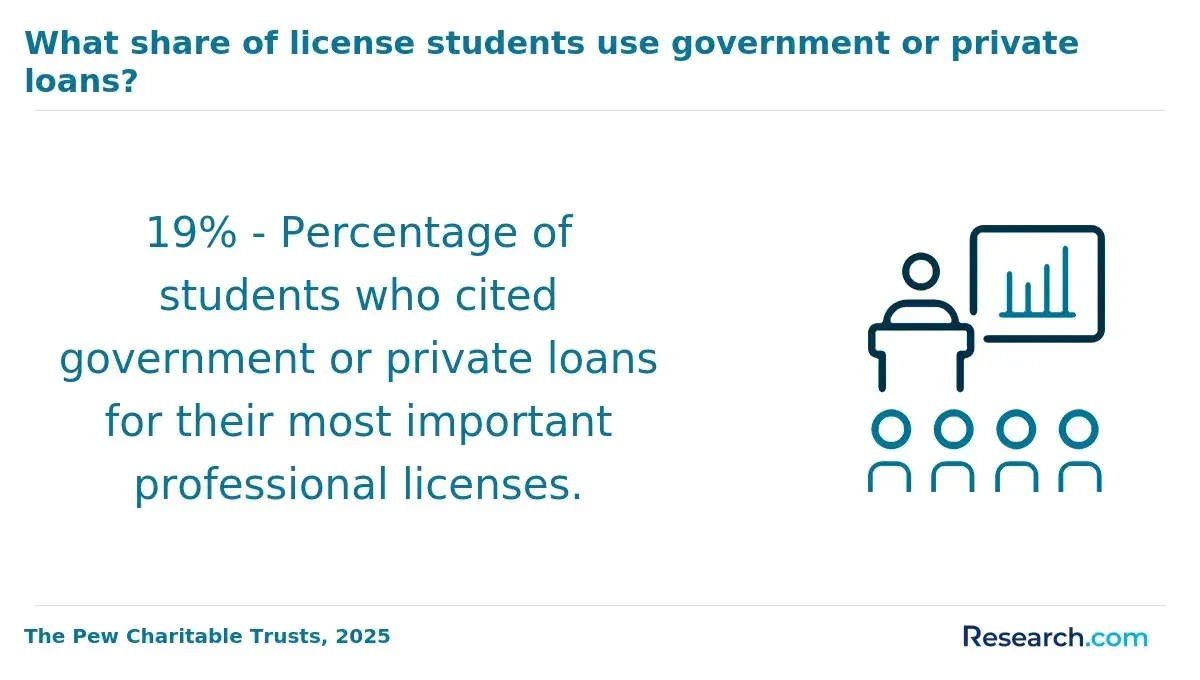
According to the Lumina Foundation, nearly 60% of adult learners cite affordability and cost as key barriers, compounded by inherently lower eligibility for federal grants since they typically file as independent. Employer tuition assistance partially offsets expenses but varies widely, pushing many toward private financing options.
These layered financial obligations necessitate a pragmatic weighing of program flexibility, relevance, and timing, influencing both enrollment patterns and program selection, such as online or part-time tracks, while underscoring the cost differences in political communication degree enrollment by age.
These financial distinctions critically affect how students prioritize and commit to their education. Adult learners often demand a clearer short-term ROI and programs aligned with upskilling or mid-career transitions, highlighting the importance of practical career outcomes and flexible scheduling. Meanwhile, traditional students can lean more heavily on anticipated lifetime earnings to justify upfront financial burdens.
This divergence also impacts the broader ecosystem of political communication education, encouraging schools and policymakers to recognize nuanced education financing behavior and lifecycle economic decision-making that reflect the differing economic realities across age groups.
For those exploring options in related fields, programs like the MBA in entrepreneurship illustrate similar financial tradeoffs between tuition costs, opportunity costs, and career applicability.
What Challenges Do Adult Learners and Traditional Students Face While Earning a Political Communication Degree?
Traditional students pursuing a political communication degree often face challenges rooted in adapting to a structured academic environment while balancing the intensity of coursework and campus social dynamics. Their primary obstacles include managing heavy study loads, building professional networks, and bridging theoretical knowledge with real-world application despite limited prior experience.
Navigating these demands can strain time management and requires developing foundational discipline to meet both academic and career preparation expectations, especially as many seek internships to enhance employability soon after graduation.
Adult learners encounter a distinct set of challenges shaped by external responsibilities such as full-time employment and caregiving, which directly compete with academic commitments. According to the National Center for Education Statistics in 2024, nearly 42% of adult learners juggle full-time work alongside their studies, while 57% report financial stress that impacts persistence, outpacing the 33% financial strain reported by traditional students.
This demographic must often stretch limited available time and adapt to re-entering academic environments after gaps, making it more difficult to engage fully with campus resources or maintain accelerated progression through their degree.
How Does Age Affect Political Communication Degree Student Retention?
Retention among younger political communication students often hinges on their capacity to adjust to college-level demands and maintain motivation amid transitional life phases. Struggling with academic preparedness and the challenge of connecting coursework to tangible career outcomes can dampen engagement, especially when institutional environments lack sufficient integration support.
These students typically benefit from structured, in-person settings but may falter when early academic and social responsibilities conflict with their evolving sense of purpose. The National Student Clearinghouse Research Center's 2024 data highlights that traditional-aged students consistently show lower persistence rates compared to older peers, underscoring the difficulties this group faces during initial enrollment.
Older students pursuing political communication degrees encounter different retention dynamics shaped by clearer professional objectives but limited by competing work schedules and family duties. While their defined goals often foster stronger commitment, balancing external obligations demands flexible program structures and tailored institutional support to prevent dropout.
Career-aligned curricula and accessible advising services can significantly enhance their persistence, as adult learners rely on applying experience directly to academic content. Although adult students typically maintain about a 10% higher retention rate than younger students, their success remains contingent on institutions accommodating their multifaceted responsibilities during the educational lifecycle.
A political communication graduate recalled grappling with timing during the rolling admissions process after several years working in advocacy. Hesitant to submit an application immediately due to uncertainties about balancing job demands and family, they waited until a critical project ended before finalizing enrollment paperwork.
This delay introduced stress about program capacity, yet ultimately allowed a better focus on both academic and professional priorities. The experience illustrated how age-related commitments can complicate admission decisions, highlighting the strategic considerations adult learners often weigh before starting or resuming their education.
Which Political Communication Specializations Are Most Popular Among Adult Learners?
Adult learners in political communication degree programs gravitate toward specializations that offer clear pathways to career mobility and practical skill application. Their choices often reflect the necessity to integrate education with ongoing work responsibilities, emphasizing areas that enhance immediate salary advancement or facilitate transitions across sectors.
Unlike traditional students who may prioritize theoretical underpinnings, adult learners prefer fields aligned with workplace demands and measurable employability outcomes.
According to a 2024 study by the National Center for Education Statistics (NCES), nearly 45% of adult learners concentrate in specializations tied directly to strategic campaign roles and digital media management, underscoring the value of applied expertise in modern political communication careers.
- Strategic Communication: This track appeals to professionals targeting leadership roles in campaign design and crisis response, where practical experience combined with advanced communication tactics can lead to higher responsibilities and pay scales.
- Digital Media and Analytics: Adult learners prioritize this specialization for its focus on social media strategy and data-driven audience engagement, essential skills for adapting to fast-evolving platforms and increasing demand for digital fluency in political advocacy.
- Public Affairs and Government Relations: Often chosen by those with prior public sector experience, this specialization supports smooth transitions into policy liaison or advocacy roles, rewarding knowledge of stakeholder communication and regulatory environments.
- Political Consulting and Campaign Management: This area attracts professionals aiming to leverage hands-on campaign insights and project management skills to enhance influence within political firms or nonprofit organizations.
- Media Strategy and Content Development: Adult learners value this for developing targeted messaging expertise that translates into improved public relations tactics, crucial for organizations navigating complex media ecosystems.
These specialization trends among adult learners reveal purposeful upskilling behavior, balancing technical skill updates with employment demands. This focus on workforce-relevant capabilities also explains why many learners opt for flexible delivery formats or programs with applied curricula.
Meanwhile, students less concerned with immediate labor market outcomes tend to prefer theory-focused specializations like political theory or rhetoric.
Employers increasingly seek candidates proficient in digital content creation and stakeholder engagement, making these specializations especially valuable for adult learners managing career reinvention or sector-switching goals.
For those exploring cross-disciplinary development, programs related to clinical psychology masters programs sometimes overlap with political communication in areas like public opinion research and behavioral analysis, providing additional pathways for advanced study within adjacent fields.
How Does Age Affect Job Opportunities for Political Communication Graduates?
Younger political communication graduates, typically traditional students aged 18 to 24, often find more streamlined access to entry-level roles and internships due to established recruitment pipelines targeting recent graduates. Employers frequently prioritize this group for early-career positions based on assumptions about adaptability, longer potential tenure, and up-to-date academic training, which align with the evolving demands of political communication roles.
According to a 2024 report from the U.S. Bureau of Labor Statistics, candidates under 25 are roughly 20% more likely to secure internships and communications job openings than their older counterparts. This dynamic underlines how age impacts political communication graduate employment by channeling younger candidates into foundational experiences that influence long-term career trajectories.
Conversely, adult learners aged 25 and above navigating job prospects for adult learners in political communication face a different landscape shaped by prior work experience and the need to balance transferable skills with sector-specific competencies. Hiring managers may recognize the professional maturity and broader perspectives these graduates bring, yet often expect demonstrable recent experience relevant to political communication, which can limit access to entry-level internships or roles.
Age bias, while rarely overt, may also shape recruiter perceptions around technological fluency or cultural fit. These factors push older graduates to emphasize targeted networking and continuous skill development to overcome segmentation in the labor market. Practical understanding of such structural dynamics is as critical as knowledge of salary norms, like insights found in FBI criminal profiler salary data, which help frame realistic employment outcomes for career planning.
What Do Current Political Communication Enrollment Trends Reveal About Future Demand?
Shifts in enrollment trends for political communication degree programs reveal evolving student priorities and perceptions of career utility. Traditional college-age students still dominate enrollment, but a slowing growth rate suggests saturation in that demographic.
Conversely, the notable increase in adult learners-up 12% year-over-year in related social sciences according to the Educational Policy Institute-reflects rising demand from mid-career professionals pursuing roles requiring advanced communication and policy skills.
These patterns highlight a growing recognition of political communication's relevance beyond entry-level positions, emphasizing specialized knowledge in digital advocacy and policy environments.
Enrollment growth among adult learners and the demand for flexible, hybrid learning models point to broader labor market signals emphasizing practical, hands-on digital communication competencies intertwined with policy understanding. Employers increasingly prioritize graduates who combine theoretical insight with operational proficiency, especially amid expanding public affairs, consulting, and policy analysis sectors.
This alignment suggests future program expansions and evolving specializations driven less by traditional academic interest and more by workforce shortages and technological shifts, forecasting a sustained but changing demand for political communication expertise over the next decade.
References
- Going Back to School as an Adult: What Adult Learners Should Consider https://www.aiuniv.edu/blog/2015/june/going-back-to-college-at-40
- Meeting the Needs of Adult Students | Insight Into Academia https://insightintoacademia.com/meeting-the-needs-of-adult-students/
- Political communication in the age of artificial intelligence: an overview of deepfakes and their implications https://pressto.amu.edu.pl/index.php/sr/article/view/42182
- Political Communication Major https://www.mymajors.com/colleges/political-communication-major/
- 5 Reasons to Return to Education as an Adult https://ucr.rotherham.ac.uk/blog/5-reasons-to-return-to-education-as-an-adult/
- Traditional Vs. Non-Traditional Students in Higher Education https://moderncampus.com/blog/traditional-vs-non-traditional-students-in-higher-education.html
- Going Back to School as an Adult: a Step-by-Step Guide https://insights.ehl.edu/going-back-to-school-as-an-adult
- Adult Postsecondary Learners: Reviewing the Data and Evidence https://www.jff.org/idea/adult-learners/
- Making sure you're not a bot! https://www.jsse.org/index.php/jsse/article/view/8460
- So, You Want to be a Political Science Major - Online Education Courses For Youth And Non Traditional Students Coral Sands Academy https://coralsandsacademy.com/so-you-want-to-be-a-political-science-major/
Other Things You Should Know About Political Communication
In 2027, traditional students continue to pursue political communication degrees consistently, while adult learners show increased enrollment. Flexibility and availability of online courses have made it easier for adult learners to balance studies with personal and professional obligations, contributing to this growth.
Adult learners frequently juggle professional and personal commitments alongside their studies, making program intensity a critical factor. Programs demanding frequent synchronous sessions or heavy group projects scheduled during standard work hours can create significant stress and diminish academic performance. Adult learners should prioritize programs with asynchronous content delivery or flexible deadlines to maintain a sustainable workload and fully benefit from the curriculum.
Employers often value practical experience alongside academic credentials in political communication roles. Traditional students may be perceived as more adaptable to internship rotations or entry-level positions that emphasize skill development, while adult learners may bring more direct professional experience but need to demonstrate up-to-date theoretical knowledge. Adult learners should highlight relevant career achievements and how their studies enhance these, whereas traditional students might prioritize gaining diverse practical experiences during their programs to meet employer expectations.
Prioritizing accessibility and tailored support services becomes essential when balancing non-academic demands or re-entering education after a long hiatus, a situation common among adult learners. These services-including academic advising, career counseling, and technology support-directly affect persistence and success rates. Prospective students juggling complex schedules or unfamiliarity with current academic technologies should favor programs with robust, easily accessible support designed to accommodate diverse student needs.