2027 Construction Management Admissions Trends Report: Acceptance Rates, GPA Expectations, and Test Policy Changes

Co-Founder and Chief Data Scientist
Shifting workforce demands and evolving regulatory frameworks are reshaping the admissions landscape for construction management programs. Increasing emphasis on specialized prerequisite coursework and accreditation standards reflects efforts to align academic preparation with industry competencies and licensure requirements. Enrollment capacities often intersect with labor market trends, prompting adjustments in acceptance rates and GPA benchmarks that highlight institutional responses to both skilled labor shortages and expanding applicant pools.
Testing policy adaptations also signal changing priorities around applicant evaluation, influenced by accessibility concerns and shifting academic readiness indicators. The age distribution of students further suggests growing access for mid-career professionals balancing educational advancement with workforce engagement.
Key Things to Know About Construction Management Admissions Trends
- Acceptance rates for construction management programs tightened to an average of 45% in 2024, reflecting increased applicant volume but also more selective criteria that prioritize industry-relevant experience over sheer enrollment growth.
- Average GPA expectations have risen to around 3.3, signaling a shift towards academic rigor that aligns with demanding project management roles; this tradeoff may extend time-to-degree for students balancing work and studies.
- Test-optional policies expanded post-2023, reducing financial and timing barriers but creating inconsistent applicant evaluation metrics that employers may view skeptically, emphasizing the need for robust portfolios or internships.
- Key Things to Know About Construction Management Admissions Trends Key Things to Know About Construction Management Admissions Trends
- What Are the Current Acceptance Rates for Construction Management Degree Programs? Current Acceptance Rates
- What Is the Average GPA of Accepted Construction Management Students? GPA Requirement
- Are SAT or ACT Scores Still Required for Construction Management Degree Programs? SAT/ACT Requirement
- How Many Construction Management Programs Have Adopted Test-Optional Admissions Policies? Test-Optional Programs
- What Non-Academic Factors Do Construction Management Admissions Committees Consider? Non-Academic Factors
- Which Types of Schools Are the Most Selective for Construction Management Applicants? Most Selective Schools
- How Do Admissions Standards Differ Across States and Regions? Admission Standards by State
- How Do Admissions Requirements Compare Between Online and Campus Programs? Online vs On-Campus Admissions
- Is There a Relationship Between Admissions Standards and Student Success? Admission Standards & Student Success
- How Can Students Strengthen a Construction Management Program Application? Program Application Preparation
What Are the Current Acceptance Rates for Construction Management Degree Programs?
Recent data from the U.S. Department of Education's College Scorecard and various institutional admissions reports indicate that acceptance rates for construction management degree programs in the United States typically range from around 40% to 70%, depending on the institution's profile and program level. More selective universities, often those integrating engineering or architecture disciplines, may admit between 30% and 50% of applicants, reflecting tighter cohort limits and stringent academic prerequisites.
Conversely, less selective or smaller programs can exhibit acceptance rates exceeding 70%, prioritizing accessibility to respond to regional workforce demands. This variability highlights how enrollment thresholds and institutional capacity intersect with the average acceptance statistics for North American construction management courses. Differences in acceptance rates often stem from institutional prestige, applicant pool strength, and program size rather than a straightforward measure of quality.
Programs with stronger reputations and limited seats tend to have higher GPA benchmarks-commonly around 3.0 or above-and may emphasize comprehensive academic and experiential backgrounds. Post-2020 shifts in standardized testing policies, including a reduced reliance on SAT or ACT scores, further complicate admission landscapes as schools increasingly value course rigor, class rank, and relevant work experience. Transfer applicants with completed prerequisites in math, physics, or project management often navigate these admissions more successfully within articulation agreements that align with labor market needs.
For prospective students weighing program options, understanding acceptance rates requires situating them within broader selection dynamics and career outcomes. Rates alone do not dictate a program's practical value but signal the balance between demand, capacity, and selectivity. Candidates may also consider how admission competitiveness interfaces with actual employability given evolving industry expectations. Those evaluating pathways might find it instructive to compare admission scenarios alongside other flexible educational opportunities, such as an accelerated psychology bachelor's degree online, to assess what models best align with their academic and professional goals.
What Is the Average GPA of Accepted Construction Management Students?
Recent admissions data for construction management programs indicate that the average GPA of accepted students typically falls between 3.0 and 3.5 on a 4.0 scale, based on information from university fact books and institutional profiles updated through 2024. This band represents a balance between academic readiness and the profession's applied focus, as programs often weigh project management skills and practical experience alongside GPA.
Construction management's typical GPA benchmarks for accepted students underscore a moderate selectivity level, where strong performance in quantitative and technical courses enhances an applicant's competitiveness, particularly in schools emphasizing STEM foundations. Transfer applicants and prospective students aiming to meet average gpa requirements for construction management programs should consider that graduate-level programs generally expect higher thresholds, reflecting a more rigorous academic and research environment.
GPA expectations in construction management admissions are shaped by several factors including institutional selectivity, program demand, and grading standards that vary across public, private, and online institutions. More competitive programs, often housed within research universities or private colleges, tend to admit students with GPAs closer to or exceeding 3.5, reflecting their emphasis on academic rigor as a proxy for mastery in core mathematics and engineering principles.
Conversely, programs with a workforce-oriented curriculum may accept applicants with lower GPAs, sometimes near 2.7, recognizing practical skills and relevant industry experience as compensatory indicators of potential. These differences highlight how GPA functions not only as an academic benchmark but also as an admissions signal calibrated to institutional priorities, program structure, and market demand.
Applicants often interpret these GPA thresholds as an index of program competitiveness and cultivate preparation strategies that prioritize performance in technical coursework alongside internships or applied learning. Construction management programs adjusting their admissions criteria to reduced emphasis on standardized tests place renewed importance on maintaining a solid GPA, especially in quantitative subjects that forecast success in the field.
For students weighing their options, understanding how average GPA requirements for construction management programs reflect both academic benchmarking and employability imperatives can guide more informed application decisions. Those exploring adjacent fields might also consider interdisciplinary pathways, such as cybersecurity degrees, where GPA and skills alignment similarly influence admissions and career prospects.
Are SAT or ACT Scores Still Required for Construction Management Degree Programs?
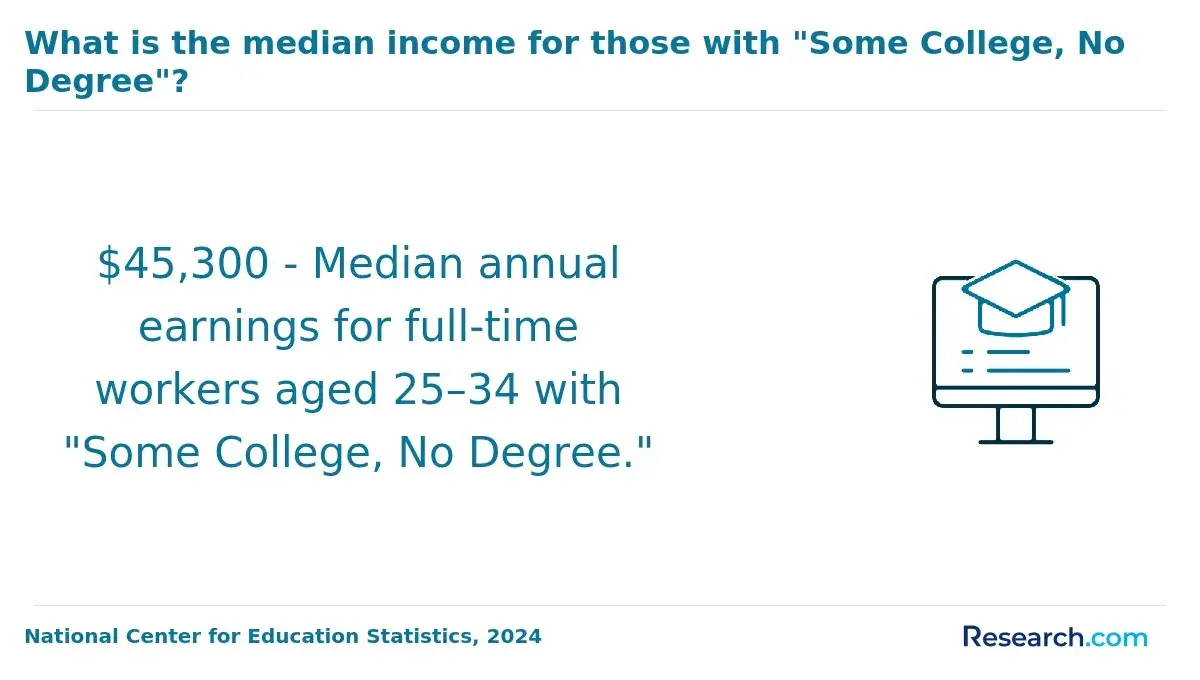
Recent data from the College Board and the National Center for Education Statistics confirm a clear shift among construction management degree programs toward test-optional policies, with many institutions no longer requiring SAT or ACT scores as part of admissions. Instead, these programs increasingly emphasize high school GPA, coursework rigor, and relevant hands-on experience, reflecting the industry's focus on practical skills.
Nevertheless, certain competitive or highly selective schools continue to recommend or mandate standardized tests to differentiate applicants, especially when GPAs do not offer sufficient separation. Transfer applicants and those from nontraditional backgrounds might face conditional or optional test submissions, as admissions offices balance assessment flexibility with evaluative consistency.
Driving this evolution are equity concerns and institutional strategies responding to critiques of standardized testing's predictive limitations, particularly for applied technical disciplines like construction management. Public universities and less selective programs tend to adopt relaxed testing policies to broaden access, while private and selective institutions maintain some reliance on scores for comparative rigor.
Additionally, employers' prioritization of certifications and project experience over test scores influences schools to recalibrate admissions criteria toward professional readiness. These dynamics underscore a nuanced landscape where test requirements vary not just by institution type but also by an applicant's profile and timing within the admissions cycle.
How Many Construction Management Programs Have Adopted Test-Optional Admissions Policies?
Recent data from FairTest, the National Center for Education Statistics, and the College Board indicate that between 40% and 50% of four-year institutions offering construction management programs have embraced test-optional policies as of 2024. This represents a significant shift from previous admission models that heavily weighed standardized tests like the SAT or ACT. The data suggest that this change is not uniform across all institutions but is prominent enough to mark a turning point where a substantial portion of programs prioritize alternative criteria.
These trends reflect the evolving admissions landscape, where reliance on test scores is decreasing but remains a factor in more selective programs or when institutional priorities shift. The move toward test-optional policies in construction management is driven by multiple factors, including efforts to address equity and access concerns that have intensified over recent years. The shift gained momentum during the pandemic when many schools reevaluated standardized testing amid disruptions and growing awareness of the limitations those scores impose on underrepresented or nontraditional applicants.
Institutions are responding both to social equity pressures and changes in applicant expectations by placing greater emphasis on GPA, recommendation letters, and personal statements. Increased competition for diverse, well-rounded cohorts also motivates schools to adopt more flexible assessments that go beyond score thresholds. Adopting test-optional policies can influence application volumes, often leading to larger or more diverse applicant pools, yet it may also complicate admissions decisions as evaluators weigh multiple qualitative factors.
For prospective students, this trend requires a more holistic approach to application preparation that highlights academic performance and personal qualities over standardized test performance alone. While test-optional policies can reduce barriers, they necessitate increased transparency about GPA standards and the evaluative weight of other materials, as these aspects become more decisive in admissions outcomes and alignment with industry expectations.
What Non-Academic Factors Do Construction Management Admissions Committees Consider?
Admissions decisions in construction management programs increasingly rely on a combination of academic metrics and non-academic criteria, shaping a holistic review process that assesses an applicant's broader potential. Beyond GPA and test scores, committees examine attributes that reflect the demands of a multidisciplinary, field-oriented profession.
This approach helps identify candidates equipped not only with theoretical knowledge but also with the practical and interpersonal skills necessary for success in complex project environments.
- Practical Experience: Admissions committees often prioritize construction management admissions extracurricular activities such as internships, trade work, or site supervision roles. These experiences demonstrate applied skills and familiarity with day-to-day challenges, marking candidates as better prepared for rigorous program demands and employer expectations.
- Soft Skills and Leadership: Effective communication, teamwork, and leadership are critical in coordinating diverse trades and stakeholders. Committees evaluate evidence of these qualities through recommendation letters and personal statements, recognizing that technical aptitude alone does not guarantee project success.
- Portfolio and Problem-Solving Abilities: Review of project portfolios or documented site involvements reveals a candidate's capacity to address real-world issues and adapt under pressure. This factor reflects a practical mindset valued highly by both admissions committees and future employers.
- Commitment and Passion: Demonstrated perseverance and genuine interest in the construction industry are weighted alongside academic records. According to a report by the National Association of Colleges and Employers, about 55% of hiring managers rate passion for the profession as equally important as technical qualifications, signaling this trait's relevance during admissions.
- Diversity and Unique Backgrounds: Candidates offering varied perspectives-such as veterans, community leaders, or those with experience in underserved regions-may enhance cohort dynamics. This diversity contributes to richer classroom discussions and better prepares graduates for the varied environments encountered in the field.
- Logistical Flexibility: Availability for daytime or evening classes is a practical consideration, particularly for working students. Admissions committees assess a candidate's ability to balance academic and professional commitments, which correlates with retention and completion rates.
These non-academic criteria for construction management programs complement academic evaluations, ensuring that admitted students possess traits aligned with real-world industry challenges. For those researching degree options, it is also beneficial to consider related fields; for instance, programs like the online communications degree exemplify how interdisciplinary skills can further enhance construction management competencies and career adaptability.
Which Types of Schools Are the Most Selective for Construction Management Applicants?
Admissions competitiveness for construction management degree programs reflects a complex interplay of institutional priorities, resource constraints, and regional labor market needs. Programs housed in different types of schools experience varied demand pressures and applicant quality expectations, which shape the degree of selectivity.
This variability is not merely a factor of institutional prestige but also linked to program capacity, funding models, and local industry connections.
- Private Research Universities: These institutions typically draw from a larger, highly qualified applicant pool, often resulting in acceptance rates below 30%. The limited seats coupled with expectations for strong academic records and relevant preparation create a bottleneck that intensifies selectivity beyond mere applicant volume.
- Top-Tier Technical Institutes: Known for specialized expertise and robust industry ties, these schools usually maintain competitive admissions, emphasizing demonstrated academic achievement and practical experience. Their focused reputation and smaller cohort sizes raise barriers relative to more generalized programs.
- Public Regional Universities: While generally less selective than private research or elite technical schools, many public regional universities exhibit moderate admissions competition driven by regional demand and workforce alignment. Acceptance rates vary widely but often reflect a balance between access and program resource limits.
- Community Colleges and Open-Access Institutions: These entities traditionally prioritize accessibility, accepting a substantial majority of applicants. While offering important entry points into construction management careers, their less restrictive admissions standards correspond with lower GPA thresholds and a broader range of student preparedness.
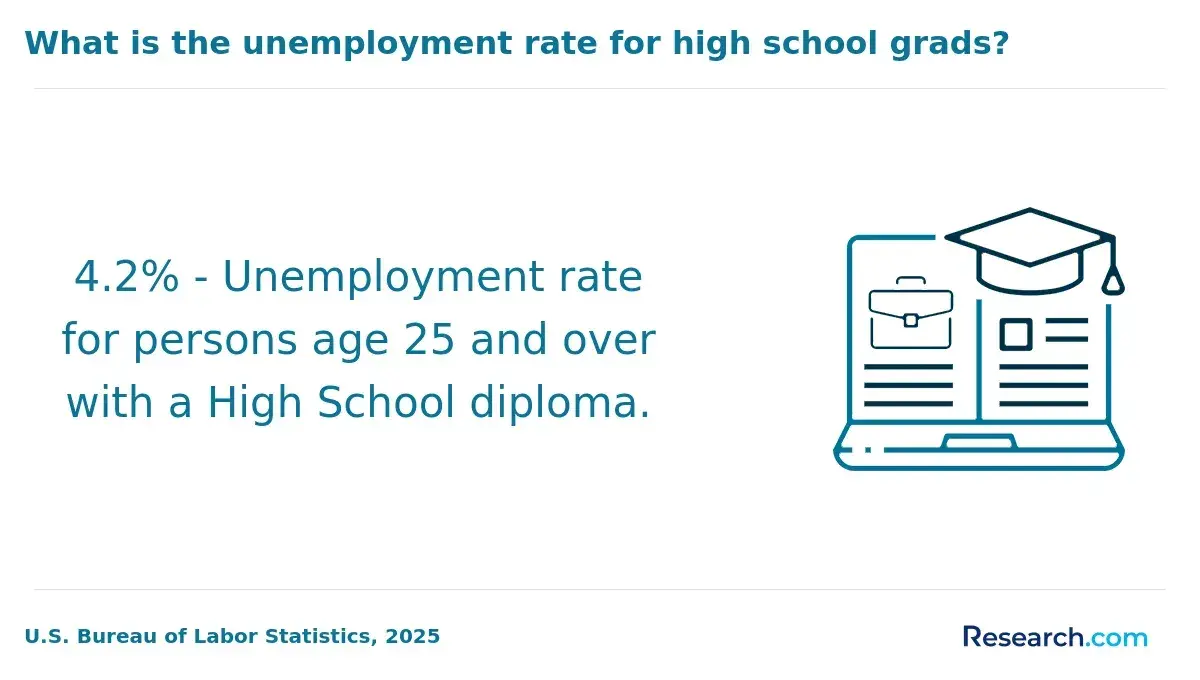
Data from the 2024 National Center for Education Statistics highlight that private research and top-tier technical institutions tend to have acceptance rates below 30%, contrasting with open-access schools where rates frequently exceed 60%. This divergence illustrates selective programs' role in filtering for academic readiness and competitive positioning, but also signals the tradeoffs students face when weighing program desirability against admission feasibility and cost considerations.
How Do Admissions Standards Differ Across States and Regions?
Admissions standards for construction management programs differ significantly across U.S. states and regions, reflecting a variety of systemic and local influences. Recent data from the National Center for Education Statistics and state university systems shows that regions with concentrated construction industries, such as the Northeast and West Coast, generally enforce stricter academic criteria, including higher GPA thresholds and more rigorous coursework evaluation.
Test policies have also evolved, with many programs adopting test-optional or test-flexible approaches since 2023, yet still often requiring standardized scores for certain applicants like transfer students or scholarship candidates. Conversely, states in the South and Midwest tend to accept lower GPAs and place greater emphasis on practical experience, balancing academic entry requirements with regional workforce needs and offering broader access through more flexible admissions frameworks.
The divergence in admissions standards largely stems from structural factors including differing levels of public funding for higher education, regional labor market demands, and institutional selectivity shaped by applicant volume and program capacity. Urban areas with larger populations and higher construction sector specialization, supported by greater institutional resources, often sustain more competitive admissions to maintain program quality and alignment with employer expectations.
In contrast, rural or less densely populated regions may prioritize enrollment volume and workforce responsiveness, sometimes accepting students with diverse academic backgrounds to address immediate local labor shortages. These variations underscore how policy environments and educational infrastructure influence admissions outcomes, underscoring that construction management program accessibility is as much a function of community context and state-level priorities as it is of applicant qualifications.
How Do Admissions Requirements Compare Between Online and Campus Programs?
Admissions requirements for online and campus-based construction management programs diverge significantly due to differing institutional priorities and student demographics. Campus programs generally impose stricter criteria, often requiring minimum GPAs in the 3.0-3.5 range and standardized test scores such as the SAT or ACT, consistent with data from recent institutional disclosures and NCES reports. In contrast, online programs frequently adopt more flexible standards, occasionally accepting GPAs as low as 2.5 or offering provisional admission pathways.
This shift reflects test-optional or test-blind trends seen since 2023, recognizing the diverse backgrounds of remote learners, including career changers and working professionals, and acknowledging a growing share of programs that emphasize professional experience or portfolios over traditional academics. Such contrasts illustrate how comparative acceptance rates for campus versus online construction management degrees hinge not solely on selectivity but also on accommodating varied student readiness profiles.
These differences are driven largely by goals around accessibility and program scalability. Online programs aim to widen enrollment by lowering barriers, catering to non-traditional students balancing employment and other commitments, which influences segmented admissions policies. Campus-based programs, meanwhile, often focus on maintaining cohesive cohort experiences and ensuring hands-on practical training, necessitating higher academic thresholds and consistent preparation.
Academic support structures also differ; online learners may rely more on digital resources and asynchronous instruction, reducing some gatekeeping elements tied to in-person attendance. Such institutional frameworks shape the admissions flexibility exhibited across modality, demonstrating how enrollment demand, delivery model constraints, and target demographics interplay to define admissions landscapes for construction management education.
Understanding how these admissions distinctions translate into student outcomes matters for applicants weighing program rigor against accessibility. Many employers still perceive campus graduates as having more robust foundational academic preparation and networking opportunities, affecting long-term employability assumptions. Conversely, online graduates often gain strengths in self-discipline and adaptability, traits valued in dynamic field settings.
For those researching pathways aligned with practical experience and varied entry routes, resources outlining the real-world tradeoffs-including admissions policies and program design-are crucial. Prospective students interested in interdisciplinary finance options or further specialization might consider exploring the best online masters in finance as part of their broader educational planning.
Is There a Relationship Between Admissions Standards and Student Success?
Data from the National Center for Education Statistics (NCES) in 2024 reveals a nuanced correlation between stricter admissions standards and student academic performance in construction management programs. Programs with minimum GPA requirements around 3.0 often report on-time graduation rates near 75%, higher than the roughly 62% observed in less selective programs. However, these figures reflect averages and do not capture the full complexity of student outcomes, particularly given the growing adoption of test-optional admissions policies.
Such policies have diversified applicant pools without causing significant shifts in overall program retention or graduation metrics, suggesting that admissions selectivity is only one factor influencing success in construction management education. The relationship between admissions criteria and student retention is influenced by variables beyond initial acceptance requirements. Institutional resources, availability of academic support services, and program design often have greater impact on student persistence and degree completion.
Additionally, student demographics and prior experiential learning-such as relevant work history-play critical roles, particularly in a field where practical skills weigh heavily in employer evaluations. Strict admissions standards can unintentionally exclude capable applicants with nontraditional backgrounds who might thrive if given adequate support. For prospective students assessing admissions rigor, understanding these complexities is vital to recognizing that selectivity alone is not a reliable proxy for educational quality or career readiness.
Given these dynamics, those exploring construction management pathways should prioritize programs that balance foundational academic expectations with robust support structures and experiential learning opportunities. This approach better aligns with employer preferences, which emphasize hands-on project management skills along with academic preparation. For individuals interested in similar workforce intersections between academic requirements and practical skill sets, exploring career paths like forensic science careers can offer parallel insights into how admissions standards interact with diverse student success outcomes and long-term employment prospects.
How Can Students Strengthen a Construction Management Program Application?
Strong construction management program applications are shaped by a combination of targeted academic preparation, relevant practical experience, and clear alignment with program objectives and industry trends. Admissions committees assess not just minimum qualifications but evidence that applicants comprehend the demands and complexities of construction management careers.
Demonstrating readiness and fit involves presenting coherent signals across multiple facets of the application, distinguishing candidates in a competitive and evolving admissions environment.
- Focused Academic Foundation: Prioritizing coursework in mathematics, business, and engineering fundamentals signals to admissions that the applicant has the quantitative and technical skills essential to navigate rigorous CM curricula. This foundation is often weighted heavily, as programs seek students likely to succeed and persist.
- Real-World Experience: Internships, co-ops, or part-time roles within construction or project coordination provide concrete proof of applicants' applied skills and industry commitment. Admissions evaluators interpret this experience as an indicator of practical readiness and motivation beyond classroom metrics.
- Technical Software Proficiency: Familiarity with project management tools and design software such as CAD or BIM shows engagement with current industry workflows. This proficiency reassures committees of the applicant's capacity to integrate smoothly into both academic projects and professional settings.
- Letters of Recommendation Highlighting Practical and Leadership Qualities: Strong endorsements from industry professionals or educators carry weight in holistic reviews by corroborating claims of skills and leadership potential, thereby deepening an applicant's narrative of fit.
- Strategic Handling of Standardized Testing: With many programs adopting test-optional policies, well-chosen test scores-particularly in math and critical reasoning-can reinforce academic preparedness. Admissions committees often regard such scores as supplementary data points that enhance, but do not solely determine, application strength.
This nuanced, evidence-based layering of academic signals, experiential proof, technical readiness, and endorsement quality forms the scaffold on which competitive applications build, reflecting a comprehensive assessment approach that aligns with 2024 admissions trends reported by the National Center for Education Statistics.
References:
- Best Online Construction Management Degrees https://www.affordablecollegesonline.org/degrees/construction-management-programs/
- Best Master’s in Construction Management Online Degree [currentyear] | NEIT https://www.neit.edu/blog/best-masters-in-construction-management-online-degrees
- Why Construction Manager Education is Essential for Success https://aic-builds.org/why-construction-manager-education-is-essential/
- Construction Management, A.A.S. https://vermontstate.edu/academic-programs/construction-management-aas/
- Identifying Predictor Variables of Student Success in a Construction Management Program http://ascpro0.ascweb.org/archives/cd/2004/2004pro/2003/Orth04.htm
- Certified Construction Manager | Construction Management Association of America https://www.cmaanet.org/certification/ccm
- ACT/SAT Optional List for Fall 2025 - Fairtest https://fairtest.org/test-optional-list/
- Best Colleges For Construction Management https://schoolauthority.org/l/best-colleges-for-construction-management
- Construction Management, B.S. https://www.park.edu/academics/explore-programs/construction-management-b-s/
- Study Construction Management in USA and Get a Good Job Opportunity https://www.studies-overseas.com/blogs/study-ms-in-construction-management-in-usa
Other Things You Should Know About Construction Management
While GPA remains a significant indicator of academic readiness, many construction management programs increasingly recognize the value of hands-on experience. Applicants with slightly lower GPAs but robust internships or work history in construction-related roles may still be competitive, especially in programs balancing technical knowledge with field skills. Prioritizing practical experience alongside academic performance often yields better preparedness for the workflow dynamics and problem-solving demands of the industry.
Removing standardized test requirements complicates admissions projections since tests historically contributed to gauging quantitative skills critical in construction management. Programs relying on holistic review must compensate with stronger emphasis on coursework rigor, recommendations, or portfolios, which may introduce more variability in admitted cohorts. Students should consider that test-optional policies shift the focus to sustained academic and experiential indicators, affecting how programs assess readiness for demanding project management tasks.
Lower acceptance rates do not always equate to better preparation or job placement in construction management. Some highly selective programs may prioritize theoretical knowledge over practical exposure, which can influence graduate employability in certain sectors. Applicants should evaluate selectivity alongside curriculum relevance and industry connections rather than relying solely on acceptance statistics to ensure alignment with career goals.
Higher GPA requirements often indicate rigorous coursework demanding strong time management and analytic capabilities, which are essential for success in construction management roles involving complex project coordination. However, applicants must weigh whether the increased academic stress aligns with their learning style and support systems. For many students, selecting a slightly less demanding program with solid practical training may better balance workload and skills development, improving long-term retention and job readiness.