2027 Is Grand Canyon University's Online MS in Clinical Mental Health Counseling - Christian Counseling Worth It? What Students Should Know

Co-Founder and Chief Data Scientist
Choosing an online MS in Clinical Mental Health Counseling - Christian Counseling program requires balancing flexibility, faith integration, and licensure alignment. With the Bureau of Labor Statistics projecting a 22% growth in mental health counseling jobs, the stakes for picking a program that meets evolving workforce demands are high.
For those committed to combining clinical skills with Christian perspectives, assessing how curriculum rigor and online delivery impact readiness is critical. This decision shapes not only academic fulfillment but licensure prospects and professional credibility. This article explores whether Grand Canyon University's program fits these complex needs and guides readers through its practical value and career implications.
Key Points About Grand Canyon University's Online MS in Clinical Mental Health Counseling - Christian Counseling Program
- Grand Canyon University's online MS in Clinical Mental Health Counseling - Christian Counseling has a 60% acceptance rate, balancing selectivity with accessibility for applicants who meet qualifications.
- The total tuition cost of $37,212 combined with a median graduate salary of $42,186 yields a 1.91x earnings to debt ratio, suggesting moderate financial return relative to investment.
- Faculty expertise and Christian-centered training contribute to positive employer regard, supporting alumni success in mental health roles within faith-based and broader counseling settings.
What makes Grand Canyon University's online MS in Clinical Mental Health Counseling - Christian Counseling program stand out?
The scale and resources of Grand Canyon University give its online MS in Clinical Mental Health Counseling - Christian Counseling program a distinct operational advantage. With 107,563 students and 7,773 staff members, the institution supports a broad spectrum of learners, including working professionals seeking flexibility.
Such a large infrastructure enables delivery of interactive coursework and virtual collaboration tools, accommodating those balancing job and family obligations while maintaining academic rigor.
This program's integration of clinical mental health counseling with Christian counseling principles addresses a niche need in counseling services where spiritual and ethical dimensions influence client care. For students aiming to practice in faith-oriented communities, this focus equips them with specialized skills not always emphasized in secular counseling degrees.
However, a 43% average graduation rate hints at a challenging curriculum that demands commitment and resilience, reflecting real-world expectations of competence and dedication in mental health professions.
Is it difficult to get admitted to Grand Canyon University's online MS in Clinical Mental Health Counseling - Christian Counseling program?
Admission to an MS in Clinical Mental Health Counseling - Christian Counseling program generally involves moderate competition, reflecting the field's growing demand for counselors versed in both clinical and faith-based approaches. Programs balancing rigorous clinical preparation with a spiritual framework often attract applicants with diverse backgrounds, making admissions neither trivial nor highly restrictive but requiring candidates to present credible academic and standardized test credentials.
Grand Canyon University's online MS in Clinical Mental Health Counseling - Christian Counseling program exemplifies this balanced selectivity with a 60% acceptance rate. Out of nearly 48,000 applicants annually, about 29,000 are admitted, indicating a moderate hurdle for prospective students. The admissions landscape demands SAT verbal scores roughly between 540 and 620, math scores from 518 to 555, or an ACT composite score somewhere in the range of 19 to 65, which suggests entry is feasible for many but not guaranteed without meeting these baseline competences.
For applicants weighing options, this means careful timing and preparation are crucial. While the acceptance rate reduces some barriers, the volume of applications implies that incomplete or marginal applications face deferral or denial, emphasizing the importance of a strong academic profile and alignment with the program's focus on integrating counseling with Christian values.
"I applied during a competitive admissions cycle and remember waiting anxiously after submitting my test scores and transcripts. It wasn't just about meeting the basic criteria; I had to clearly articulate how my personal faith and clinical interests aligned with what the program emphasized.
The wait felt longer than usual, and I even considered applying elsewhere as a backup until finally receiving the acceptance. That uncertainty shaped how I approached my preparations for graduate-level work," a recent graduate recalled, underlining how careful application strategy complements meeting numeric thresholds.
How does the curriculum of Grand Canyon University's online MS in Clinical Mental Health Counseling - Christian Counseling program stay aligned with current industry trends?
Choosing a graduate counseling program means finding one that reflects current clinical practices while preparing students for evolving mental health needs. Understanding how Grand Canyon University's online MS in Clinical Mental Health Counseling – Christian Counseling program aligns its curriculum with industry trends can help prospective students determine whether it offers relevant, evidence-based, and faith-integrated training.
Evidence-Based Therapies: The curriculum emphasizes foundational counseling theories alongside advanced techniques that mirror evidence-based practices widely recognized by employers. This inclusion is crucial for graduates navigating diverse clinical environments where measurable outcomes and adherence to ethical standards are non-negotiable.
Cultural Competency: Multicultural counseling courses enable students to engage effectively with varied populations, a critical skill given the increasing diversity clinicians encounter. This focus aligns the program with sector trends, emphasizing cultural awareness as integral to mental health treatment efficacy.
Christian Counseling Integration: By embedding faith-informed approaches within clinical training, the program addresses a specific niche that appeals to organizations or communities seeking counselors versed in spiritual resources. However, this integration may present tradeoffs when applied in strictly secular or evidence-predominant settings.
These curricular elements illustrate how Grand Canyon University's Christian counseling program aligns with current mental health counseling education trends while balancing the specialized demands of faith-based counseling roles. The inclusion of extensive practicum and internships further ensures students can translate theory into practical settings, an essential element given the profession's hands-on nature.
Given the rise in demand for mental health professionals familiar with integrated approaches, students might also explore comparative affordability and program structure elsewhere. For those interested in cost-effective doctoral pathways post-master's degree, resources like the cheapest PhD programs online list provide additional context to weigh financial and educational investment decisions.
For students whose career goals encompass both secular and Christian counseling, evaluating this program requires considering how well the curriculum's dual focus matches targeted employer expectations and long-term career pathways.
How much does Grand Canyon University's online MS in Clinical Mental Health Counseling - Christian Counseling program cost?
The tuition for Grand Canyon University's online MS in Clinical Mental Health Counseling - Christian Counseling program is set at a flat rate of $17,450, a structure that enhances cost predictability compared to many programs that charge different rates for in-state and out-of-state students. However, the total annual cost rises significantly to around $37,212 when factoring in additional expenses such as fees, books, room, and board.
For students without stable housing or other means, this total cost can create financial strain, especially in the absence of substantial living assistance.
Although GCU does not impose extra technology fees on online learners-a notable difference from other institutions-the program's additional estimated cost for books and supplies adds roughly $1,100 annually. Financial aid is broadly available, with nearly all undergraduates receiving some form of assistance, and graduate students often having options through institutional aid or corporate tuition reimbursement. These factors can critically affect the net cost and, by extension, a student's return on investment in this degree.
The base tuition of $17,450 aligns with national norms, as similar MS in Clinical Mental Health Counseling or Christian Counseling programs typically charge between $15,000 and $25,000 annually for tuition alone. However, GCU's overall expenses, including living costs and fees, tend to run higher than average. Prospective students should compare these figures carefully against their funding options since the anticipated debt load impacts career choices post-graduation, especially in mental health counseling fields where starting salaries may not immediately offset higher educational debt.
Choosing whether to pursue Grand Canyon University's online MS in Clinical Mental Health Counseling - Christian Counseling involves weighing these financial commitments against broader career goals. For students seeking flexibility and cost consistency, GCU's flat tuition model can be attractive. Those exploring alternative routes might consult data on bachelor degrees that pay well to assess the comparative value of foundational versus graduate credentials in health and counseling professions.
What are the admission requirements for Grand Canyon University's online MS in Clinical Mental Health Counseling - Christian Counseling program?
Admission to Grand Canyon University's online MS in Clinical Mental Health Counseling - Christian Counseling program involves a selective process that reflects its emphasis on both academic credentials and contextual factors like professional readiness. Prospective students should be clear that this is not an open-access program, and meeting minimum academic standards does not guarantee acceptance, especially given the program's expectation for comprehensive applicant profiles.
Understanding these requirements helps candidates assess their competitiveness before applying. Key components of the admission process include the following:
- Academic Background: Applicants must have completed high school or hold a GED certificate, with submission of their secondary school GPA and records. While additional academic markers such as school rank or completion of college-preparatory courses can strengthen an application, they are optional rather than compulsory.
- English Proficiency: Non-native English speakers are required to provide TOEFL scores to demonstrate adequate communication skills essential for graduate-level coursework and client interaction in counseling roles.
- Transfer Credits: The program accepts transfer credits evaluated through recognized bodies such as ACE, Excelsior, CLEP, and DSST exams. This flexibility can shorten time to degree but is subject to unspecified limits on eligibility and transfer timing across semesters.
- Standardized Testing: The program considers SAT verbal and math score ranges as well as ACT scores within certain thresholds, contributing to a multi-dimensional review of academic preparedness but not representing sole admission criteria.
- Supplemental Materials: Letters of recommendation, personal statements, and professional resumes are encouraged to provide context beyond grades and tests, enabling reviewers to gauge applicants' motivation and relevant experience.
What is the ROI of attending Grand Canyon University's online MS in Clinical Mental Health Counseling - Christian Counseling program?
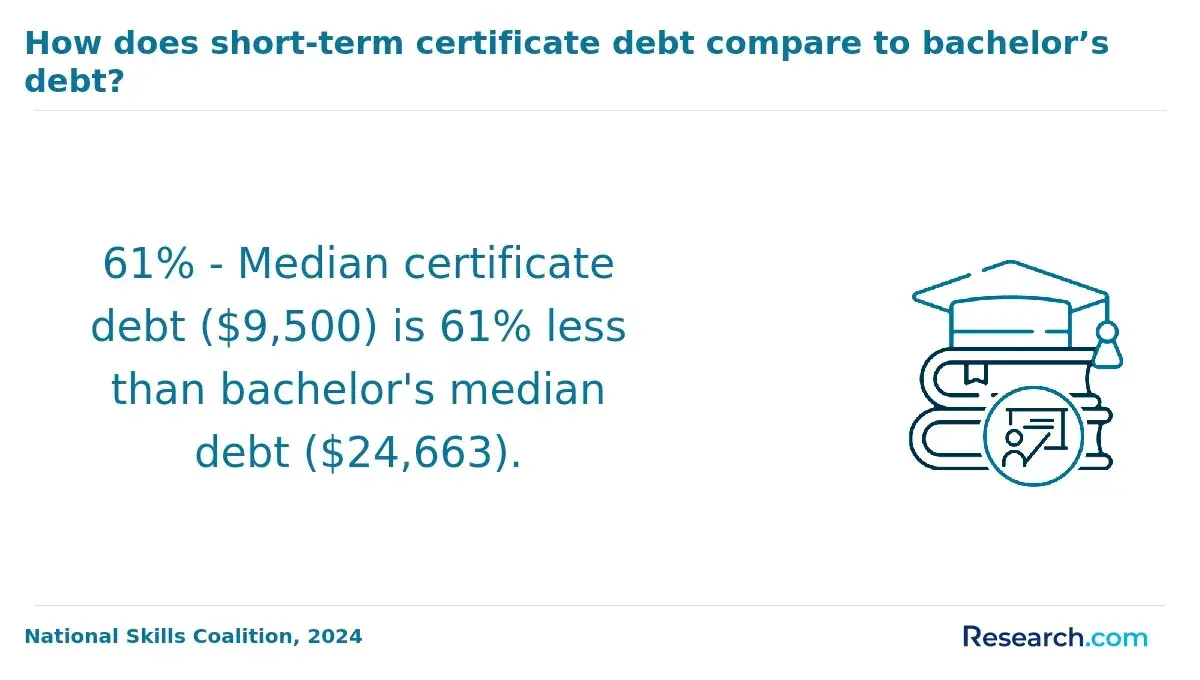
The return on investment for attending Grand Canyon University's online MS in Clinical Mental Health Counseling - Christian Counseling program hinges on balancing relatively high tuition against modest but stable salary prospects. With an annual cost of $37,212, the program exceeds the federal estimate for similar in-state, on-campus options, yet graduates enter the workforce earning a median salary of about $42,186. This close alignment between cost and starting income limits immediate financial upside, especially compared to other master's degrees with higher earning potential.
Graduates' median student debt of $22,114 creates a debt-to-earnings ratio near 1.9x, indicating manageable repayment pressure but a restrained salary growth trajectory. Many employers within nonprofit and faith-based sectors value this credential, yet these settings typically offer slower wage advancement, affecting long-term ROI. Securing scholarships or grants during enrollment can notably impact net costs and improve financial outcomes, a critical consideration for prospective students weighing overall affordability. Similarly, candidates able to leverage internships or licensure credentials that open doors to higher-paying clinical roles will enhance their ROI beyond these baseline figures.
For students focused on Christian counseling in community-oriented environments, the program delivers a reasonable financial tradeoff but lacks the salary growth seen in more competitive clinical or corporate healthcare settings. Consequently, evaluating personal financial aid eligibility and career goals is essential before investing in this degree.
Is there a high student satisfaction for Grand Canyon University's online MS in Clinical Mental Health Counseling - Christian Counseling program?
Student satisfaction in Grand Canyon University's online MS in Clinical Mental Health Counseling - Christian Counseling program tends to hinge on navigating significant tradeoffs between program rigor and the support infrastructure available. The program's below-average graduation rate suggests that many students struggle with the self-directed nature of online learning and the demands of graduate-level counseling coursework.
While GCU provides resources such as student-led clubs and mentoring that help foster community, these supports may not fully offset the challenges of managing complex content alongside personal and professional obligations.
The Christian counseling emphasis appeals to students seeking alignment between their faith and career, which can enhance motivation and satisfaction for a specific subset of learners. However, mixed reviews indicate some students face difficulties staying engaged without stronger institutional support, particularly in workload management and retention structures tailored to online learners. The school's large faculty and staff base does not necessarily translate to personalized attention, which can impact how students experience the program's intensity and pacing.
One graduate recalled feeling overwhelmed balancing part-time work and family responsibilities early in the program. "I appreciated the faith-based approach, but at times I wished there were more proactive check-ins or tailored guidance," they noted. Despite initial hesitation, connecting with peers through online club activities and finding mentors ultimately helped sustain their commitment and progress. Their experience highlights that satisfaction often depends on proactive self-management combined with selectively leveraged support rather than broad institutional promises of engagement.
How does Grand Canyon University help online MS in Clinical Mental Health Counseling - Christian Counseling graduates secure employment?
Schools influence job placement by providing direct access to networking and specialized employment resources that many candidates lack when entering the clinical mental health counseling field. For example, students connected through Grand Canyon University's career ecosystem often benefit from personalized mentorship, which can be decisive given how many roles prioritize trusted referrals over generic applications.
Research shows that about 85% of healthcare and counseling professionals credit their initial employment to educational institution referrals or targeted career supports, highlighting how structured access impacts outcomes. This context is crucial for weighing the real-world value of a program like the online MS in Clinical Mental Health Counseling - Christian Counseling at Grand Canyon University. Below are key employment support mechanisms GCU offers to graduates that affect their job prospects directly.
- Virtual Job Fairs: These events link students with potential employers nationwide, enabling early professional connections that can lead to interviews or job offers before graduation.
- Resume Workshops: Specialized coaching helps students tailor resumes specifically for clinical and Christian counseling roles, addressing employer expectations more effectively than generic templates.
- Dedicated Job Portal: An exclusive employment platform posts counseling-specific openings updated in real time, narrowing job search scope and reducing time spent sifting through unrelated listings.
- Alumni Mentorship: Experienced graduates engage with students through structured mentorships, providing personalized career guidance and expanding networks in a field where relationships often lead to job opportunities.
Employment support for Grand Canyon University Christian Counseling graduates is reinforced by this multilayered approach, which can be pivotal for licensure-required fields that prioritize practical experience and community ties over credentials alone. Students considering an 6 month masters degree online or longer should assess how integrated career services influence their post-degree trajectory.
Realistically, schools that provide targeted industry connections reduce the risk of delayed employment and skill misalignment common in counseling professions.
What are the career outcomes for recent graduates of Grand Canyon University's online MS in Clinical Mental Health Counseling - Christian Counseling?
Career outcomes for recent graduates of Grand Canyon University's online MS in Clinical Mental Health Counseling - Christian Counseling reflect a niche blend of clinical proficiency and faith-based counseling that serves specific employer needs. This specialization tends to position graduates in roles where counseling integrates psychological and spiritual support, an approach valued by religious organizations and community health settings in Arizona.
However, prospective students should weigh these opportunities against salary expectations, which generally align with mid-level earnings rather than the higher pay found in comparable healthcare or homeland security sectors. Given these factors, understanding typical career paths is crucial when considering whether this degree aligns with your professional aims and financial needs.
Below are key career roles related to this program:
- Licensed Professional Counselor: This role involves diagnosing and treating mental health disorders through therapy and crisis intervention. Such professionals frequently work in private practices, community health centers, or faith-based agencies, earning average annual salaries near $34,000.
- Clinical Mental Health Counselor: These counselors blend psychological assessment with treatment plans, often supporting clients facing emotional or behavioral challenges. Employment spans public and private sectors, including mental health clinics aligned with Christian counseling values.
- Christian Counselor: Focused on integrating spiritual guidance with mental health care, this career serves populations seeking support that respects religious frameworks. This specialization enhances employability within faith-based mental health services but may limit broader clinical opportunities.
Career decisions influenced by the clinical mental health counseling christian counseling program graduate job prospects reflect a pragmatic tradeoff between meaningful service in faith-centered roles and moderate compensation. For individuals prioritizing impact within Christian communities, this pathway offers distinct advantages.
With many employers in health and social services seeking candidates who understand both mental health and spirituality, completing this master's can open doors, especially in Arizona. For students comparing online degrees, it is helpful to consider how this program's positioning compares against other degrees from a not for profit online university in terms of career viability and alignment with workforce demands.
How do I know if Grand Canyon University's online MS in Clinical Mental Health Counseling - Christian Counseling program is the right fit for my goals?
Choosing the right graduate counseling program starts with evaluating how well its curriculum, learning format, and values align with your career aspirations. Understanding whether Grand Canyon University's online MS in Clinical Mental Health Counseling – Christian Counseling program matches your professional goals, licensure plans, and personal approach to counseling can help you make a confident, informed decision.
Career Alignment: Is Grand Canyon University's online Christian counseling master's program aligned with my career objectives? Analyzing whether the program's faith-based approach complements your counseling philosophy and prospective employer expectations is crucial for sustained professional satisfaction and effectiveness.
Licensure Preparation: Confirm the program thoroughly addresses licensing requirements in your target state, including clinical hours and exam readiness. These elements directly influence your eligibility to practice as a licensed mental health counselor and affect post-graduation employment opportunities.
Program Structure: Evaluating the fit of Grand Canyon University's online MS in Clinical Mental Health Counseling for my professional growth involves reviewing the flexibility, asynchronous learning options, and support systems. Adequate faculty access and peer engagement contribute significantly to successful online learning outcomes.
Practicum and Experience: Examine the quality and availability of clinical practicum and internship placements. Field experience under competent supervision is indispensable for skill development and meeting licensure criteria, with placement variety often reflecting potential career pathways.
Cost versus Value: Weigh tuition relative to financial aid offerings and expected return on investment. Affordability balanced with program benefits and future earning potential critically shapes whether the commitment is justified.
Students seeking flexibility often consult lists of degree programs for working adults to balance career demands with education. Understanding these factors holistically helps decide if this master's program matches your specific academic and professional goals.
What Graduates Say About Grand Canyon University's Online MS in Clinical Mental Health Counseling - Christian Counseling Program
- Nora: "Studying the MS in Clinical Mental Health Counseling - Christian Counseling program at Grand Canyon University gave me a comprehensive understanding of both clinical techniques and faith-based counseling approaches. While I initially expected licensure alone to open all doors, I quickly learned that many employers place equal importance on practical experience and internships I completed through the program. This awareness shaped my strategy to focus on building a strong portfolio alongside my degree, allowing me to secure a role in a faith-oriented counseling center within a year of graduating."
- Rosalie: "The flexibility of Grand Canyon University's online program allowed me to continue working full-time while advancing my education, which was crucial as I navigated a career pivot. Earning my MS in Clinical Mental Health Counseling - Christian Counseling helped me transition from a volunteer position to a paid counselor role, though I found that salary growth remains modest without full licensure. This was a pragmatic, steady step forward, but I'm planning to pursue additional certifications to enhance my qualifications and expand opportunities."
- Vivian: "Grand Canyon University's MS in Clinical Mental Health Counseling - Christian Counseling program enriched my approach to integrating spiritual care and clinical practice, a combination that appeals to many employers in my region. However, I discovered the hiring landscape is highly competitive, and while the program accelerated my entry into the workforce, many agencies prioritize licensed candidates or those with specific certifications. The experience made me more reflective about how I present my qualifications and continuously seek out relevant training to stay marketable."
Other Things You Should Know About Degrees
The clinical practicum is a mandatory part of the program requiring a significant time commitment, typically around 100 hours of supervised experience. For online students, securing a qualified local supervisor can be challenging, and the university provides limited direct placement assistance. This means prospective students should prioritize early planning and local networking to ensure smooth practicum completion without disrupting other responsibilities.
The program's integration of Christian principles may limit its appeal or direct applicability in some secular workplaces or regions with diverse religious populations. Graduates seeking roles in strictly secular agencies should assess whether the faith-based approach aligns with employer expectations or if additional training might be necessary. Prioritizing alignment between one's personal counseling philosophy and potential work environments is essential to maximize job placement and professional growth.
Graduates typically pursue the National Counselor Examination (NCE) or the National Clinical Mental Health Counseling Examination (NCMHCE), depending on their state licensure board. State boards set the exact exam requirement, and most require supervised post-degree clinical hours before full LPC or LMHC licensure.
References
- Master's in Clinical Mental Health Counseling https://www.cornerstone.edu/programs/ms-clinical-mental-health-counseling/
- MA in Clinical Mental Health Counseling (MACMHC) | Houston Christian University https://hc.edu/college-of-education-and-behavioral-sciences/degrees/macmhc/
- Clinical Mental Health Counseling - CACREP https://www.cacrep.org/program/auto-draft-495/
- Master of Science in Clinical Mental Health Counseling (Online) - Evangel University https://www.evangel.edu/programs/master-of-science-in-clinical-mental-health-counseling-grad/
- MACC | MA in Christian Counseling - Gordon Conwell https://www.gordonconwell.edu/degrees/counseling/macc/
- Grand Canyon University Reviews https://www.gradreports.com/colleges/grand-canyon-university
- Best Online Master's in Christian Counseling in 2025 https://www.onlinemastersdegrees.org/best-programs/counseling/christian-counseling/
- Clinical Mental Health Counseling Master’s Degree https://georgian.edu/academics/graduate-programs/clinical-mental-health-counseling/
- Counseling Master's Degrees Tuition https://www.ccu.edu/ccu/counseling/masters-tuition/