2027 AI Bachelor's Degree Programs With the Best Career Coaching

Co-Founder and Chief Data Scientist
Transitioning into the artificial intelligence field can be daunting without guidance on career pathways and industry connections. Many students struggle to find programs that not only offer rigorous technical education but also robust career coaching tailored to AI roles. This gap often leaves graduates unprepared for the competitive job market despite strong academic credentials. Identifying bachelor's degree programs that integrate expert career services with AI-focused curricula is essential for a smooth career pivot.
This article examines top AI bachelor's degree programs with the best career coaching, aiming to help prospective students choose options that effectively bridge education and employment in the AI industry.
Key Things You Should Know
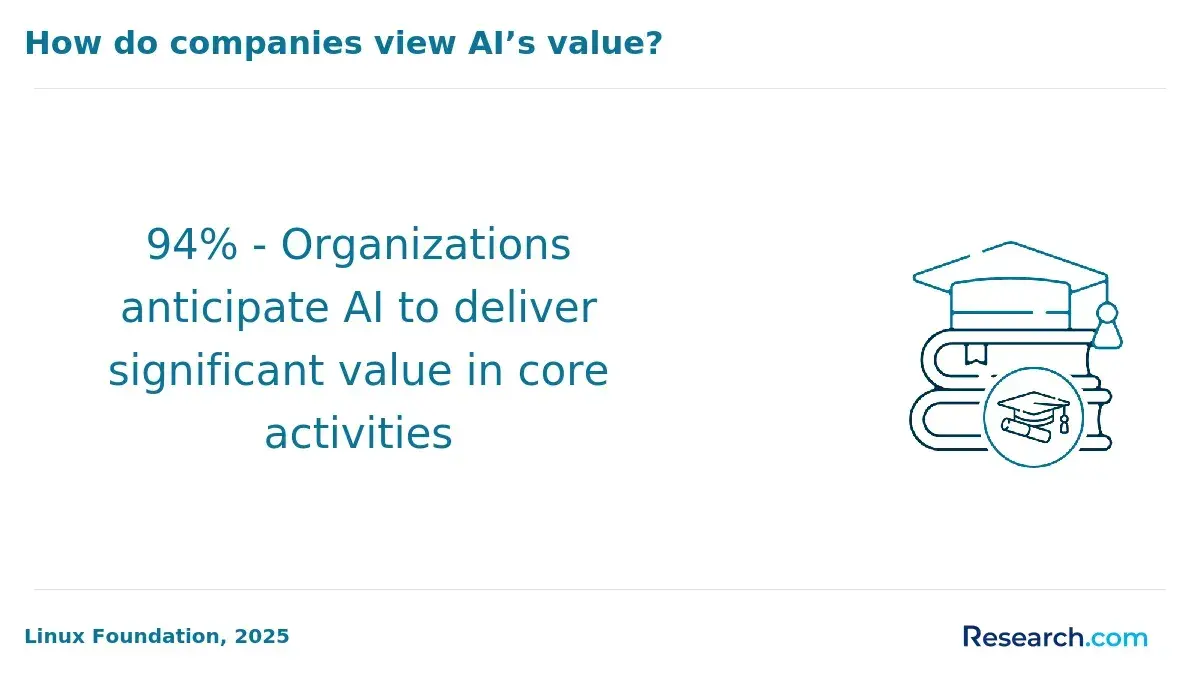
- In 2026, top AI bachelor's programs integrate personalized career coaching, boosting graduate employment rates by up to 25% within six months post-graduation, according to 2025 data.
- Programs emphasize combining technical AI skills with professional development, offering internships and mentorships that align with rapidly evolving industry demands.
- Students benefit from career services focused on emerging AI sectors like healthcare, finance, and autonomous systems, enhancing job placement in high-growth markets.
What is an AI bachelor's degree, and what careers does it prepare you for?
An AI bachelor's degree provides foundational knowledge in artificial intelligence, including machine learning, data analysis, algorithms, and computer programming. Students gain technical skills to design and implement AI systems used across industries. These programs blend coursework in computer science, mathematics, statistics, and ethics, offering a balanced view of both theoretical concepts and practical applications. What you learn in an AI bachelor's degree program includes programming languages like Python, statistical modeling, and AI frameworks such as TensorFlow, along with an understanding of ethical issues critical for responsible AI deployment.
Graduates with an AI bachelor's degree are prepared for a variety of roles, including data scientist, machine learning engineer, AI software developer, robotics engineer, and AI research analyst. Typical responsibilities range from analyzing complex datasets to developing models that enable machines to learn autonomously. AI bachelor's degree career opportunities in the United States are strong, especially in sectors like healthcare, finance, automotive, and technology, where AI drives process improvements and smarter decision-making.
The employment outlook for AI-related fields is exceptionally positive. The U.S. Bureau of Labor Statistics projects a 35% growth in data scientist jobs from 2022 to 2032, far exceeding average growth rates for most professions. This reflects sustained demand for AI expertise and the value this degree holds. For those wanting a deeper insight into potential paths, AI graduate programs offer detailed guidance.
Which accredited schools offer AI bachelor's programs with strong career coaching?
Several accredited schools offering artificial intelligence bachelor's degree with career coaching provide students with valuable career support integrated into their rigorous academic programs. Top United States universities for AI bachelor programs with career services, such as Carnegie Mellon University, the University of California Berkeley, and Georgia Institute of Technology, combine specialized AI curricula with dedicated career centers that emphasize personalized coaching, internship placements, and networking with employers.
These career services include tailored resume reviews, mock technical interviews, and alumni mentorship programs. For instance, Carnegie Mellon's Career and Professional Development Center collaborates with AI industry partners to secure internships that frequently lead to job offers. Meanwhile, Georgia Tech hosts workshops to help students translate AI skills into business value, addressing diverse employer expectations in this rapidly evolving field.
The National Association of Colleges and Employers (NACE) 2024 Student Survey reveals only 45% of seniors found career centers "very helpful," highlighting the competitive edge that comprehensive coaching offers. Prospective students should assess career center resources by inquiring about AI-specific placement rates, dedicated career advisors, and relationships with tech employers.
Choosing programs accredited by ABET or regional bodies with embedded career coaching enhances graduate employment outcomes and salary prospects. Such programs help students overcome challenges in marketing technical skills and accessing industry networks, increasing success in securing AI roles after graduation. For affordable options, consider exploring a data science degree as a related path.
How do you evaluate the quality of career coaching in AI bachelor's programs?
Evaluating career coaching effectiveness in AI bachelor's programs requires careful review of graduate outcome transparency. The NACE 2024 First-Destination Survey reports only a 56.1% "knowledge rate" for first-destination outcomes in the class of 2023, emphasizing that programs with comprehensive, audited data on graduate employment, job titles, employers, and salary ranges indicate stronger career support. Prospective students should prioritize programs publishing detailed placement reports to make informed decisions.
Effective career coaching in AI bachelor's programs goes beyond a single office by integrating services throughout the curriculum. This includes tailored resume workshops, interview preparation, AI-specific networking events, and personalized guidance. One-on-one mentorship from professionals familiar with AI industry demands is often a hallmark of quality career support.
Consider programs offering robust experiential learning linked to career coaching, such as internships, cooperative education, or applied projects with AI firms, which enhance job readiness. Strong career centers actively facilitate these opportunities, demonstrating a proactive model for student success.
Employer engagement and alumni networks also play critical roles. Programs that maintain active partnerships with AI companies and provide alumni mentorship expand access to recruitment events and job opportunities for graduates.
Career coaching staff using current labor market data and AI industry trends better prepare students to pursue sustainable growth roles rather than outdated niches. For students exploring further education options, reviewing the best online master's in artificial intelligence can offer additional pathways.
What concentrations or specializations are common in AI bachelor's degree programs?
Common concentrations in artificial intelligence bachelor's degrees include machine learning, natural language processing (NLP), computer vision, robotics, and data science. Machine learning focuses on algorithms that enable computers to learn from data, while NLP deals with interactions between computers and human language. Computer vision trains systems to interpret visual information, and robotics combines AI with hardware to build intelligent machines. Data science emphasizes data analysis, statistical modeling, and predictive analytics, supporting AI applications across various industries.
Popular specializations in artificial intelligence undergraduate programs also include emerging fields like generative AI and large language models (LLMs). These areas have seen a surge in employer demand, as reflected in job-posting analytics highlighting growing mentions of generative AI. Universities are responding by offering dedicated courses covering neural networks capable of generating text, images, or code.
Interdisciplinary options such as ethical AI, AI for healthcare, and AI in business analytics are increasingly common, preparing students to tackle ethical issues, domain-specific challenges, or leverage AI for decision-making in corporate environments.
Practical experience is vital, so students should seek programs that offer hands-on projects, internships, and access to advanced AI labs. Combining AI with software engineering or cloud computing boosts employability, as deploying AI solutions remains a top skill.
Graduates should monitor curriculum updates on generative AI and LLM advancements to stay aligned with the fast-evolving AI job market. For those considering continuing education, programs like a data science master online can complement undergraduate training and enhance career prospects.
What courses and projects are typical in an AI bachelor's curriculum?
Courses in an AI bachelor's degree blend foundational programming skills with advanced concepts critical for a career in this rapidly evolving field. Core topics cover programming fundamentals, data structures, algorithms, and machine learning (ML), frequently using Python, the most popular programming language on GitHub according to GitHub Octoverse 2024. Specialized subjects include neural networks, natural language processing, data mining, and computer vision. Mathematics courses emphasize linear algebra, probability, statistics, and calculus to build a strong algorithmic foundation.
Hands-on projects are key aspects of AI education, allowing students to apply theory to real datasets. Common projects include developing image recognition ML models, creating chatbots using natural language processing, and building recommendation systems. Many programs require a senior capstone or internship, focusing on real-world AI challenges like predictive analytics or autonomous systems.
The curriculum often features programming frameworks such as TensorFlow and PyTorch alongside data visualization tools to interpret results. Ethical AI concepts addressing bias and societal impact are increasingly integrated to ensure responsible AI deployment.
What are the admission requirements and prerequisites for AI bachelor's programs?
Admission into AI bachelor's degree programs often hinges on strong skills in mathematics and computer science. Applicants are usually required to have completed high school courses focused on algebra, geometry, and precalculus. Many institutions set minimum standardized test scores, such as a 600+ SAT Math or 26+ ACT Math score, to ensure readiness for advanced coursework.
Prior programming experience in languages like Python, Java, or C++ is commonly expected, whether gained through formal education or self-study. Without this background, students might need to complete prerequisite courses first. Proficiency in relevant sciences like physics or statistics is also frequently required to support understanding of algorithms and data analysis.
Placement exams often determine if incoming students start in standard calculus or remedial math courses. This step reflects the reality that only about 22% of ACT-tested graduates meet college readiness benchmarks in math, underscoring the importance of demonstrated competency before enrollment.
Competitive programs may require a GPA above 3.0 and evidence of problem-solving skills via standardized tests or portfolios. Some schools offer conditional admission linked to summer bridge programs that strengthen math and coding abilities. Personal statements and letters of recommendation highlighting motivation for AI studies usually complete the application process.
Transfer students or working professionals can often substitute college-level coursework in discrete mathematics, linear algebra, or data structures for traditional high school prerequisites.
How do online AI bachelor's programs compare with on-campus options for career support?
Online AI bachelor's programs have rapidly adapted to offer career support services comparable to or exceeding those of traditional on-campus options. Data from the National Center for Education Statistics (NCES) shows nearly 20% of undergraduates enrolled exclusively in distance education courses, driving universities to enhance virtual career counseling, remote internships, and employer networking opportunities designed specifically for online students. These digital services improve access for learners managing work, family, or geographic challenges.
Typical online programs provide virtual coaching sessions, resume critiques, and interview preparation via video platforms. Many also facilitate AI-focused remote internships and collaborative projects, replicating valuable experiential learning found on campus. Online job fairs and networking events maintain employer partnerships, enabling students to connect with recruiters nationwide without being physically present.
In contrast, on-campus programs deliver face-to-face mentorship and more immediate career center access, including in-person workshops, mock interviews, and job placement events. Proximity fosters rich engagement with alumni and faculty advisers specialized in AI careers, though students must navigate commuting and scheduling constraints.
Both formats emphasize graduate career outcomes, with online AI programs closing the gap through enhanced technology-enabled services aligned with today's evolving digital job market.
How long do AI bachelor's programs take, and what do they cost?
Most AI bachelor's degree programs in the U.S. are designed to be completed in four years of full-time study. This timeframe aligns with typical STEM degrees and includes core courses in computer science, mathematics, and specialized ai subjects such as machine learning and natural language processing. While a few schools offer accelerated three-year tracks or summer session integrations, these options often require heavier course loads and are less common.
Tuition costs vary widely by institution type and location. Public four-year colleges generally charge about $11,610 annually for in-state students, based on College Board Trends in College Pricing. Private universities with strong ai research programs typically exceed $40,000 per year. Additional costs-room and board, textbooks, and technology fees-can add $15,000 to $20,000 annually.
- Out-of-state public tuition is usually two to three times higher than in-state rates.
- Financial aid and STEM-focused scholarships may significantly reduce expenses.
- Some programs offer paid internships or cooperative education to offset costs while providing practical experience.
- Extending study beyond four years due to part-time enrollment or work commitments can increase total costs.
What AI jobs can graduates pursue, and what entry-level salaries are typical?
Graduates with a bachelor's degree in artificial intelligence often enter roles such as AI engineer, machine learning engineer, data scientist, AI research assistant, and software developer focused on AI applications. Opportunities also exist in natural language processing, computer vision, and robotics.
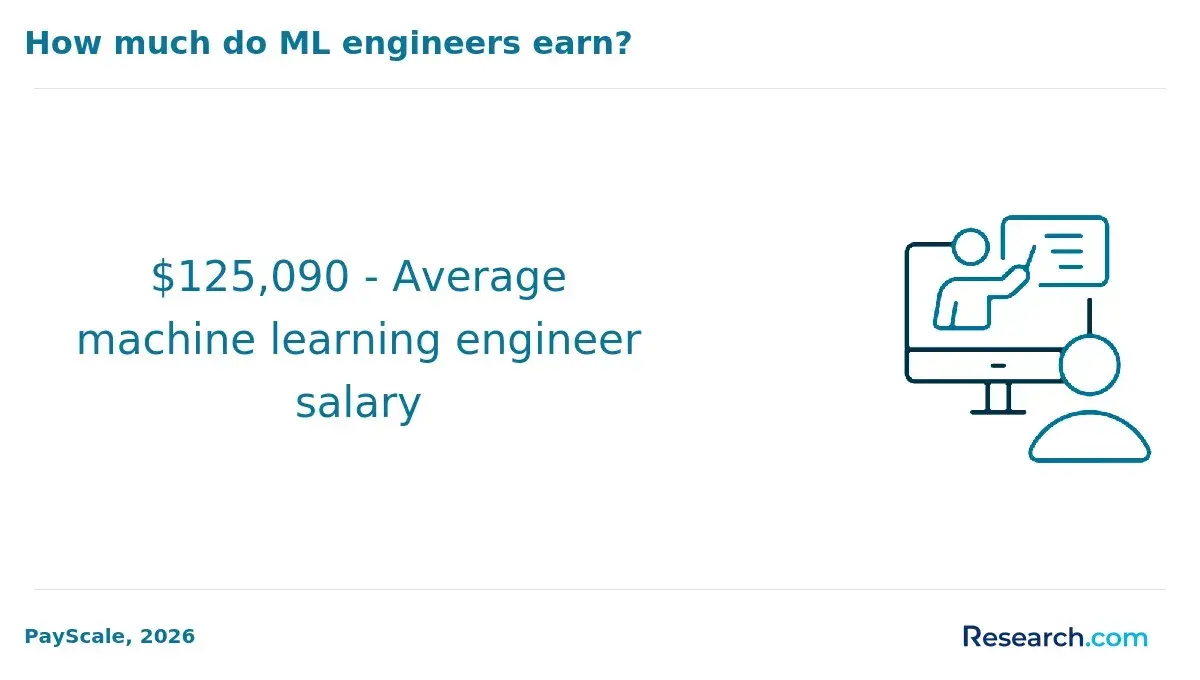
Starting salaries generally reflect data from the NACE 2024 Salary Survey, which indicates an average of about $76,000 for computer and information sciences graduates. However, variations occur depending on industry, location, and specialization.
- AI engineers usually earn between $70,000 and $85,000 based on company size and geography.
- Data scientists tend to start from $75,000 up to $90,000, especially in finance and healthcare sectors.
- Software developers with AI expertise often see salaries ranging from $65,000 to $80,000.
Building proficiency in programming languages like Python and frameworks such as TensorFlow significantly enhances employability and salary potential. Practical experience through internships or projects involving AI model development, data analysis, and automation is particularly valuable.
Additionally, career coaching tailored to the AI field provides benefits such as interview preparation, resume optimization, and networking strategies aligned with industry trends. These resources support graduates in transitioning effectively into the workforce.
Which certifications should AI bachelor's students earn to boost employability?
AI bachelor's students can greatly enhance their employability by earning certifications that combine core AI skills with essential cybersecurity knowledge. The ISACA 2024 State of Cybersecurity report reveals that 67% of organizations experience a shortage of cybersecurity professionals, highlighting the value of such interdisciplinary expertise.
Entry-level certifications like CompTIA Security+ and AWS Certified Cloud Practitioner provide foundational knowledge of security principles and cloud infrastructure, critical as AI increasingly relies on secure cloud environments. These certifications are widely recognized and accessible during undergraduate study.
More advanced credentials such as Certified Ethical Hacker (CEH) or (ISC)² Systems Security Certified Practitioner (SSCP) demonstrate the ability to safeguard AI systems against threats, which is highly sought after in many industries.
On the AI side, certifications like Microsoft Certified: Azure AI Engineer Associate and Google Professional Machine Learning Engineer validate practical skills in deploying AI solutions on major platforms. Pairing these with cybersecurity certificates positions graduates as versatile candidates.
Other Things You Should Know About Artificial Intelligence
Ethics education is increasingly a core component of AI bachelor's degree programs. Courses typically address issues such as algorithmic bias, data privacy, and the societal impact of AI technologies. This training prepares students to consider ethical implications in AI development and apply responsible design principles in their future careers.
Yes, graduates with an AI bachelor's degree can pursue careers beyond traditional tech companies. AI skills are in demand in sectors such as healthcare, finance, automotive, and manufacturing, where automation and data-driven decision-making play critical roles. This versatility expands job opportunities for AI graduates across various industries.
Research is an important aspect of many AI bachelor's programs, offering students hands-on experience with real-world problems and cutting-edge technologies. Opportunities may include faculty-led projects, internships, or capstone courses that emphasize experimentation and innovation. Engaging in research helps students develop critical thinking and technical skills valuable for advanced study or industry work.
AI bachelor's degree programs in 2027 offer tailored career services such as AI-centric internship placements, resume workshops focused on tech roles, and networking events with industry leaders. Additionally, some programs provide access to AI-specific mentorship, complementing pathways like a financial AI master’s degree for further specialization.
References
- What Are the Career Paths After a Bachelor of Science in AI https://tetr.com/blog/what-are-the-career-paths-after-a-bachelor-of-science-in-ai
- Best Online AI Degrees: 2025 Rankings & Program Directory - MastersInAI.org https://www.mastersinai.org/degrees/online-artificial-intelligence-degrees/
- Academic Programs | Maestro https://maestro.org/academic-programs
- Want to Use AI as a Career Coach? Use These Prompts. https://hbr.org/2025/04/want-to-use-ai-as-a-career-coach-use-these-prompts
- Online vs On-Campus Artificial Intelligence Degrees: Which Is Better? https://hakia.com/degrees/artificial-intelligence/online-vs-campus/
- University Degree vs AI Bootcamp: Which is Best Career Path? https://agilefever.com/university-degree-vs-ai-bootcamp-which-is-best/
- Best AI Bachelor's Degrees - AIDegreeProgams.org https://aidegreeprograms.org/rankings/best-ai-bachelor-degrees/
- AI career coaching: Can algorithms replace human insight? https://mytrudy.com/career/coaching/ai-coach
- International Bachelor of Science in AI https://psl.eu/en/education/international-bachelor-science-ai
- Artificial Intelligence Course Syllabus: Topics and Modules https://futurense.com/blog/artificial-intelligence-course-syllabus