2027 AI Bachelor's Degree Concentrations With the Best Career Outlook

Co-Founder and Chief Data Scientist
Transitioning into the field of artificial intelligence can be daunting without clear guidance on which bachelor's degree concentrations align with strong career prospects. Many prospective students struggle to identify programs that offer both relevant skills and promising job markets. This challenge often leads to wasted time, resources, and missed opportunities in a rapidly evolving industry.
Understanding which AI-related concentrations provide the best return on investment is crucial for informed decision-making. This article will explore key bachelor's degree concentrations in artificial intelligence with the most favorable career outlook, aiming to help readers select pathways that maximize employability and growth potential.
Key Things You Should Know
- The demand for AI bachelor's degree concentrations in data science, machine learning, and robotics is projected to grow by 35% from 2024 to 2034, outpacing many tech fields.
- Graduates with AI specializations earn median starting salaries between $75,000 and $90,000, with opportunities rising in healthcare, finance, and autonomous systems sectors.
- Programs integrating ethics, human-centered design, and AI policy provide competitive advantages in evolving jobs focused on responsible AI development and deployment.
What are the top AI bachelor's degree concentrations and what do they cover?
The top AI bachelor's degree specializations and career paths in 2026 emphasize generative AI and natural language processing (NLP), machine learning, and computer vision. These concentrations reflect both industry demand and funding trends, with generative AI/NLP focusing on transformer architectures and large language models. Students gain skills to create chatbots, automated content generators, and virtual assistants, valuable in sectors such as media and customer service.
Machine learning focuses on algorithms that enable systems to learn and improve from data without explicit programming. It covers supervised and unsupervised learning, reinforcement learning, and statistical modeling, with applications in finance, healthcare diagnostics, and predictive analytics.
Computer vision programs prepare students to interpret and analyze visual information through image processing, object recognition, and autonomous systems, opening opportunities in robotics, surveillance, and augmented reality. These fields align with investment trends, including $25.2 billion invested globally in generative AI alone, part of $66.2 billion overall AI investments in 2024.
Other relevant concentrations include robotics integration, ethical AI and fairness, and AI systems engineering, each training graduates for challenges like real-time deployment or bias mitigation.
Choosing the best AI undergraduate concentrations for job opportunities depends on career objectives and interests. Prospective students should examine program curricula and research options to align education with future markets. For insight into what jobs can you get with an AI degree, reviewing available career paths can help guide decisions.
Which AI concentration leads to the strongest job outlook and hiring demand?
Generative AI and natural language processing (NLP) present the strongest job outlook and hiring demand in the United States, with job postings requiring these skills growing nearly fourfold from 2023 to 2024. This surge is driven by expanding uses such as conversational agents, automated content creation, and language translation, making these fields critical concentrations for AI bachelor's degree concentrations with the strongest job outlook in the United States.
Students focusing on generative AI will find opportunities across many sectors, including technology firms building chatbots, financial organizations automating reporting, and healthcare providers enhancing diagnostics. Key skill areas include deep learning frameworks like TensorFlow and PyTorch, programming languages such as Python and Julia, and deployment platforms for scalable AI systems. Candidates able to build, fine-tune, and maintain generative models to solve real-world problems are highly sought after.
While other AI domains like computer vision and robotics remain relevant, their hiring growth is slower compared to generative AI roles. Prospective students should prioritize coursework and internships emphasizing generative models and language-focused AI development to align with high-demand AI bachelor's degree specializations for hiring growth.
Gaining practical experience working with datasets and contributing to open-source projects is crucial for skill validation. Additionally, understanding ethical issues and biases in generative AI models is increasingly important as employers stress responsible AI deployment. For those interested in pursuing an affordable pathway toward AI-related engineering fields, consider an online mechanical engineer degree.
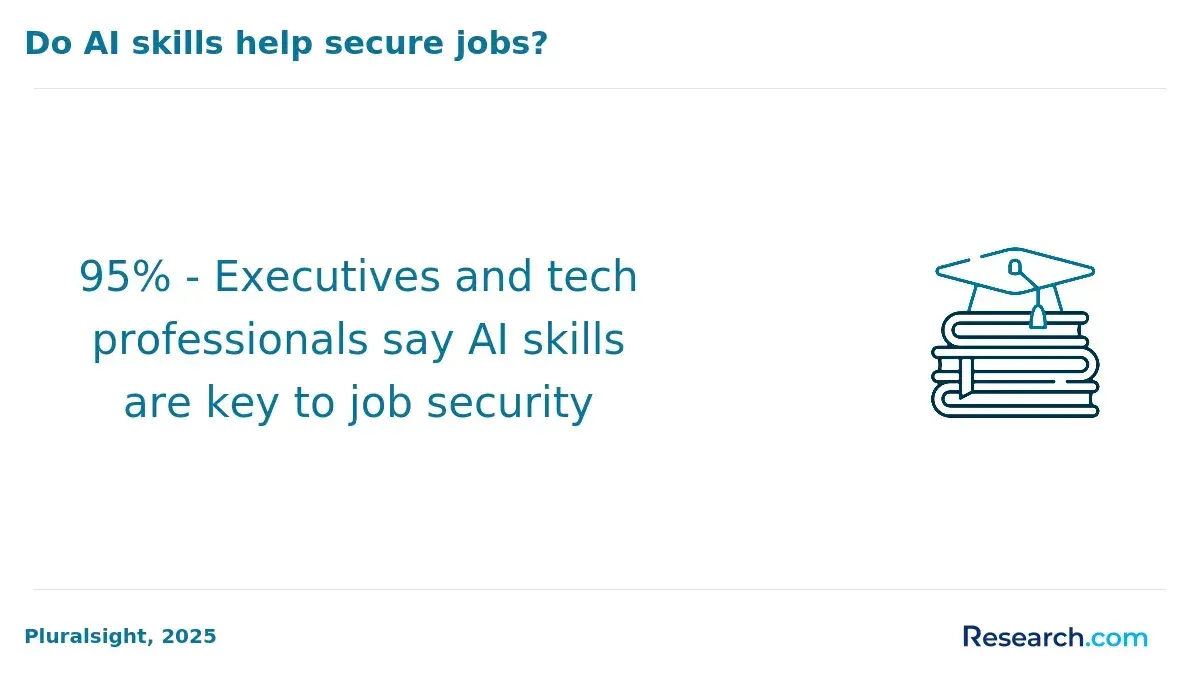
What careers can you get with different AI bachelor's concentrations?
Different AI bachelor's degree concentrations prepare students for distinct but often overlapping careers. A concentration in machine learning typically leads to roles such as machine learning engineers, data scientists, and AI software developers. These professionals create automated models that enhance decision-making in fields like finance, healthcare, and technology. The job outlook for artificial intelligence degree specialties is strong, with the U.S. Bureau of Labor Statistics projecting a 35% growth for data scientists between 2022 and 2032.
Those focusing on natural language processing (NLP) can pursue careers designing chatbots, voice assistants, and automated translation tools. Positions include NLP engineer, computational linguist, and AI research scientist. These roles are increasingly important as conversational AI and text analytics expand.
A concentration in robotics and autonomous systems prepares graduates to become robotics engineers, control system developers, or automation specialists in manufacturing, defense, or automotive sectors. Practical knowledge of hardware-software integration is essential in these roles.
Computer vision focuses on image recognition, autonomous vehicles, and security surveillance, with typical job titles like computer vision engineer and AI imaging specialist, requiring strong programming and deep learning expertise.
Applied AI or data analytics concentrations open paths to careers as data analysts, business intelligence specialists, or AI product managers, interpreting AI-generated data to improve business outcomes. Understanding statistics and domain-specific knowledge improves employability. Choosing a concentration aligned with specific job functions and industries offers a clear route to employment after graduation. Many students also explore opportunities through video game programs to broaden their skill set in AI applications.
What core courses and skills should an AI bachelor's program include?
Core courses in artificial intelligence bachelor's programs must focus on machine learning, data engineering, and statistics to build essential skills for artificial intelligence degree graduates. Key subjects include algorithms, programming languages like Python and R, linear algebra, probability, and data structures. These areas form the foundation for understanding AI models and managing data effectively.
Machine learning coursework should cover supervised and unsupervised learning, neural networks, and reinforcement learning, with hands-on practice using popular frameworks such as TensorFlow and PyTorch. Data engineering classes emphasize data cleaning, integration, and database management, preparing students to work with large data pipelines essential for AI development.
Statistics courses often include hypothesis testing, regression analysis, and Bayesian inference to enhance analytical reasoning for AI problem-solving. Ethics education addressing bias mitigation and responsible AI deployment is increasingly crucial and mandated in many programs.
The World Economic Forum's Future of Jobs Report 2025 highlights "AI and big data" as among the fastest-growing skills from 2025 to 2030, underlining the importance of these core courses to remain competitive. Practical project-based learning or internships provide valuable real-world experience, bridging academic preparation with industry needs. Prospective students may also explore related fields, such as a cybersecurity online degree, to complement their AI knowledge.
How do online AI bachelor's programs compare with on-campus programs?
Online ai bachelor's programs match on-campus offerings in academic rigor while delivering greater flexibility, ideal for working adults and nontraditional students. These programs often include asynchronous lectures, virtual labs, and digital collaboration tools that recreate much of the campus learning experience. To enhance engagement, many incorporate live video sessions, discussion boards, and group projects, although hands-on opportunities like internships or research assistantships usually require self-arrangement or local partnerships.
Employers are increasingly recognizing online degrees when earned from accredited and reputable institutions. A Wiley workplace survey notes that 43% of job applicants prefer positions offering remote or hybrid work, boosting the appeal of online ai programs tailored to tech roles that commonly support flexible work environments. Careers in data science, machine learning engineering, and ai software development are particularly well suited to this trend.
When choosing a program, students should consider curriculum depth, faculty expertise, and career support services. Online programs featuring virtual career fairs and industry mentorship generally improve job placement rates. Conversely, on-campus programs provide easier access to specialized facilities such as AI research centers and collaborative labs, valuable for those pursuing experimental or hardware-focused AI paths.
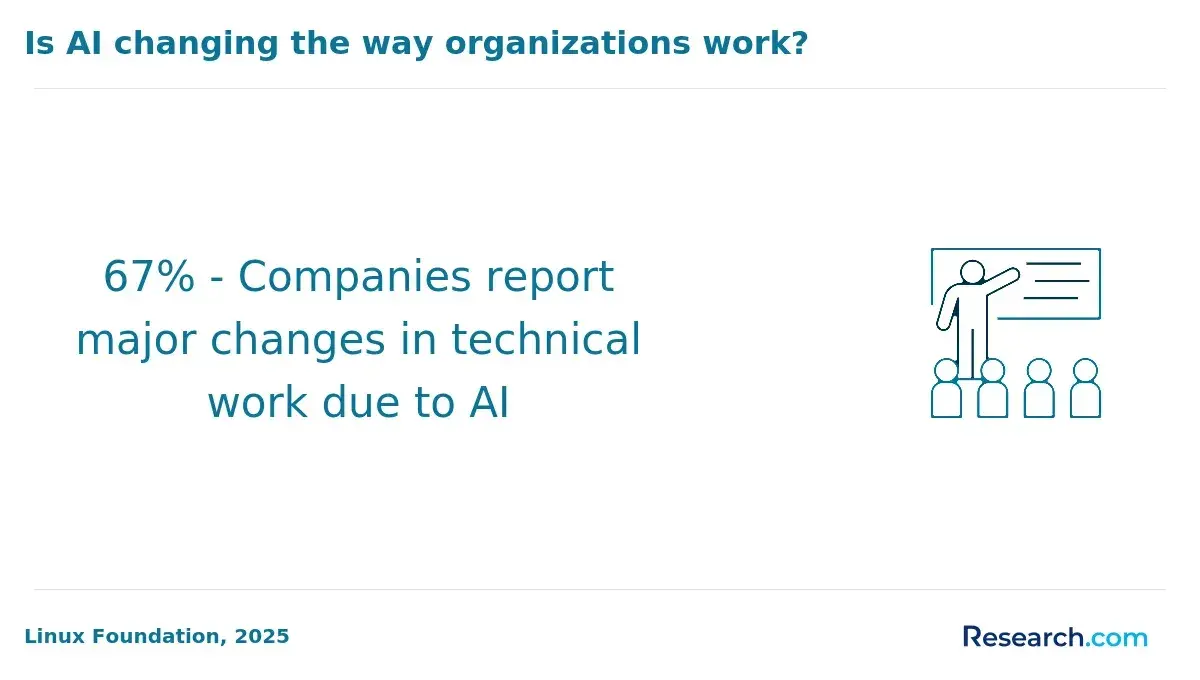
What accreditation should an AI bachelor's degree have in the United States?
An AI bachelor's degree in the United States should be offered by a university accredited by a recognized institutional agency approved by the U.S. Department of Education. Regional accreditors such as the Higher Learning Commission (HLC) and Middle States Commission on Higher Education (MSCHE) verify that institutions meet high academic standards. Programmatic accreditation, like that from ABET, is particularly important for technical and engineering-focused AI degrees, ensuring quality in STEM education.
Accreditation directly affects eligibility for federal financial aid. The National Center for Education Statistics (NCES) reports that most first-time, full-time undergraduates receive financial aid, but only if their institution and program are accredited. Thus, choosing an accredited AI degree program is essential not only for educational quality but also for qualifying for federal funding.
Employers and graduate schools often prefer candidates with degrees from accredited institutions. Enrollment in unaccredited programs may limit job and further education opportunities. Prospective students should verify accreditation status via the U.S. Department of Education's Database of Accredited Postsecondary Institutions and Programs.
Key steps for students include:
- Confirming regional institutional accreditation of the university
- Checking for ABET or relevant programmatic accreditation for technical rigor
- Ensuring the program qualifies for federal financial aid
- Considering accreditation status for career and graduate studies goals
What are the admission requirements and prerequisites for AI bachelor's programs?
Admission to AI bachelor's programs usually requires a high school diploma or equivalent, with a strong foundation in math and science. Core courses like Algebra II, geometry, and often pre-calculus or calculus are expected. Many programs also require knowledge of basic computer science concepts, demonstrated through coursework or standardized test scores.
Standardized tests such as the SAT or ACT remain important criteria for many institutions. The ACT's report on college readiness shows that students who meet benchmarks, especially in math, are more likely to succeed in first-year AI-related courses. This highlights why strong math skills are emphasized in admissions.
Applicants should provide transcripts reflecting solid performance in math and science. Letters of recommendation may be requested to confirm analytical abilities, problem-solving skills, and programming experience. Personal statements often explain the applicant's motivation for pursuing AI and related fields.
Prerequisites generally include introductory programming courses in languages like Python or Java and discrete mathematics. Some schools offer conditional admission, requiring foundational courses before full enrollment.
Competitive candidates typically have a STEM GPA of 3.0 or higher. Internships, projects, and relevant extracurricular activities further strengthen applications. International students often need to demonstrate English proficiency through exams like TOEFL or IELTS.
How long does an AI bachelor's degree take and what does it cost?
An AI bachelor's degree generally requires four years of full-time study, totaling around 120 to 130 credit hours. Some programs offer accelerated paths to finish in three years, while others may extend to five years if internships or cooperative education are included. Part-time enrollment or transfer credits can also affect this timeline.
Costs vary widely depending on the institution. Public universities typically charge about $11,610 per year for in-state tuition and fees, resulting in a total near $46,440 for four years. Private colleges often exceed $40,000 annually, pushing total expenses beyond $160,000. Beyond tuition, students should budget for textbooks, software licenses, and specialized technology essential for AI-focused studies.
- Some online AI degree options might reduce costs, though tuition rates often remain similar.
- Financial aid, scholarships, and employer tuition reimbursement can help offset expenses.
- Experiential learning components may extend program length and impact costs.
- Summer courses can shorten the timeline and lower overall expenses.
Working full-time while attending part-time may increase the time and tuition required but allows income continuity. Prospective students should carefully review their chosen program's curriculum and fee structures to plan effectively for both time and financial investment.
What salary can you expect from AI-related roles with a bachelor's degree?
Graduates holding a bachelor's degree in AI-related fields often find competitive salary opportunities in roles such as software developers, machine learning engineers, and applied AI software specialists. According to the U.S. Bureau of Labor Statistics (BLS) Occupational Employment and Wage Statistics, the median annual wage for software developers was $132,930. This is a common entry point for many AI-adjacent disciplines at the bachelor's level.
Salary ranges vary widely depending on specialization, location, and industry. For instance:
- Machine learning engineers generally start with salaries near or above the software developer median due to their specialized skills.
- Data analysts with AI knowledge typically begin between $65,000 and $85,000, with potential growth tied to experience and certifications.
- Industries like finance, healthcare, and autonomous systems often offer higher pay compared to academia or nonprofits.
Location plays a crucial role, with tech hubs such as San Francisco, Seattle, and New York offering salaries 15-35% above the national median. Gaining practical experience through internships or AI-focused projects further enhances salary potential and employability.
To stay competitive, graduates should continuously develop skills in AI frameworks, programming languages like Python, and cloud computing platforms.
What certifications can boost employability alongside an AI bachelor's degree?
Certifications enhance employability alongside an AI bachelor's degree by validating practical skills employers prioritize. CompTIA's 2025 IT Industry Outlook notes that AI skills and related tools are rapidly becoming essential in IT roles and hiring strategies. Vendor certifications in applied AI and cloud technologies play a crucial role in demonstrating this expertise.
Key certifications boosting career prospects include:
- Certified Artificial Intelligence Practitioner (CAIP) - emphasizes applied AI in business and data science integration.
- Microsoft Certified: Azure AI Engineer Associate - focuses on designing and implementing AI solutions on Microsoft's cloud platform.
- Google Professional Machine Learning Engineer - validates skills in building, deploying, and maintaining ML models on Google Cloud.
- IBM AI Engineering Professional Certificate - covers machine learning, deep learning, and AI lifecycle management.
- CompTIA Data+ and Network+ - complement AI knowledge with foundational data analytics and networking skills vital for AI deployment.
These certifications offer concrete proof of proficiency in AI frameworks, machine learning algorithms, and cloud deployment, helping to overcome concerns about practical readiness. Students should align certifications with their target industries, such as cloud platforms for enterprise AI roles or AI practitioner credentials for research fields. They also help offset limited work experience by showcasing technical competence and commitment to learning.
Employers increasingly demand verified skills in AI tool integration, ML problem-solving, and ethical AI deployment. Obtaining certifications during or after a bachelor's degree prepares graduates to meet evolving job market demands and enhances competitiveness for roles like AI developer, data scientist, or AI systems engineer.
Other Things You Should Know About Artificial Intelligence
Python is the most widely used programming language in artificial intelligence due to its simplicity and extensive libraries like TensorFlow and PyTorch. Other important languages include R for statistical analysis, Java for large-scale applications, and C++ for performance-intensive tasks. Having proficiency in these languages enhances your ability to develop and implement AI algorithms effectively.
Mathematics is fundamental in artificial intelligence education, with a strong emphasis on linear algebra, calculus, probability, and statistics. These areas are essential for understanding machine learning models, optimization techniques, and data analysis. Students who excel in math concepts typically find it easier to grasp AI theories and applications.
Ethics in artificial intelligence education focuses on responsible AI development, data privacy, bias reduction, and societal impact. Many programs include courses on algorithmic fairness, transparency, and the potential consequences of AI deployment. Understanding these issues prepares students to build AI systems that align with legal standards and ethical norms.
Industries like healthcare, finance, and autonomous vehicles are expected to have the highest demand for AI graduates in 2027. Specialized programs, such as an AI and finance master’s program, can further enhance job prospects in these sectors.
References
- AI Careers - Top AI Jobs with Education Requirements and Pay https://aidegreeprograms.org/ai-careers/
- Key Skills Gained from a Bachelor of Science in Artificial Intelligence https://tetr.com/blog/key-skills-gained-from-a-bachelor-of-science-in-artificial-intelligence
- Online vs On-Campus Artificial Intelligence Degrees: Which Is Better? https://hakia.com/degrees/artificial-intelligence/online-vs-campus/
- AI Degrees: All Schools with Artificial Intelligence Bachelor’s Degrees - MastersInAI.org https://www.mastersinai.org/degrees/artificial-intelligence-degrees/
- 16 Artificial Intelligence Career Paths https://www.calmu.edu/news/artificial-intelligence-career-paths
- 9 Must-Have AI Certifications for Boosting Your Career | Cake https://www.cake.me/resources/career-development/ai-certifications
- 20 High-Demand Jobs in the Field of Artificial Intelligence (AI) https://www.futuremarkacademy.com/blog/20-high-demand-jobs-in-the-field-of-artificial-intelligence-ai
- 7 Most In-Demand AI Jobs in 2026: Preparation Tips https://www.aistaffingninja.com/blog/most-in-demand-ai-jobs/
- Artificial Intelligence | Università degli Studi di Milano Statale https://www.unimi.it/en/education/bachelor/artificial-intelligence
- How Much is an AI Course? https://www.nobledesktop.com/learn/ai/how-much-is-a-ai-course