2027 AI Bachelor's Degrees for Students Interested in Smart Manufacturing

Co-Founder and Chief Data Scientist
Manufacturing industries seek to integrate advanced technologies to boost efficiency and reduce costs. Many students with unrelated degrees face the challenge of finding a clear, accessible path into the smart manufacturing sector. They need programs that blend core artificial intelligence skills with practical applications in industrial environments. Without targeted education, career transitions remain difficult and slow.
This article explores bachelor's degrees focused on artificial intelligence tailored for smart manufacturing, highlighting flexible, accredited programs suitable for career changers. It aims to guide readers toward informed decisions on education pathways that align with evolving industry demands and personal career goals.
Key Things You Should Know
- AI bachelor's degrees for smart manufacturing integrate machine learning, robotics, and data analytics to optimize production workflows and enhance efficiency through real-time decision-making.
- By 2028, smart manufacturing using AI is predicted to grow by 35%, driving demand for graduates skilled in AI-driven automation and predictive maintenance.
- Programs often combine interdisciplinary coursework in computer science, engineering, and industrial systems, equipping students to design and manage AI-enabled manufacturing solutions.
What is an AI bachelor's degree for smart manufacturing, and what do you learn?
An ai bachelor's degree programs for smart manufacturing equip students with the skills to integrate artificial intelligence technologies into industrial processes. Key areas of study include machine learning algorithms, data analytics, robotics, and automation systems designed for manufacturing environments. Students learn how to design and manage AI-driven systems that improve production efficiency, quality control, and supply chain operations.
The curriculum typically covers fundamentals such as predictive modeling, data science techniques for handling industrial sensor data, programming languages like Python and R, and robotics engineering. Industrial IoT and cyber-physical systems training prepare students for real-time decision-making on factory floors. Ethical considerations and safety standards for AI in manufacturing are also emphasized.
Deloitte reports 77% of manufacturers are increasing AI investments, highlighting the demand for these skills. Graduates often engage in projects such as predictive maintenance, defect detection, and autonomous production line control. Hands-on training and internships with AI-equipped manufacturers provide valuable industry exposure that facilitates workforce readiness.
For those interested in advancing within industrial AI fields, an ai bachelor's degree for manufacturing provides a solid foundation and practical experience. To explore broader options in AI-related careers, consider visiting artificial intelligence career paths.
Are AI bachelor's degrees for smart manufacturing accredited and ABET-aligned?
ABET-accredited AI bachelor's degrees for smart manufacturing programs ensure rigorous quality and industry relevance. These degrees typically cover essential competencies such as automation, robotics, data analytics, and AI-driven process optimization, aligning with professional standards. ABET accredits over 4,700 programs worldwide, reinforcing its role in certifying engineering and technology education that meets accreditation standards for AI bachelor's degrees in smart manufacturing.
Many programs may not explicitly mention smart manufacturing yet offer relevant concentrations within electrical engineering, computer science, or industrial engineering. ABET accreditation guarantees a solid technical foundation regardless of specialization. Prospective students should verify accreditation status via the ABET website or school disclosures and assess course offerings for topics like IoT integration, AI modeling, and production systems.
When researching options, look for programs with strong industry partnerships or capstone projects addressing real-world smart manufacturing challenges. Accredited degrees enhance employability and support pathways to professional certification and graduate study.
For those comparing institutions, reviewing rankings such as the top US colleges for data science can help identify schools that offer competitive programs focused on relevant AI applications in manufacturing.
What jobs can you get with an AI bachelor's in smart manufacturing?
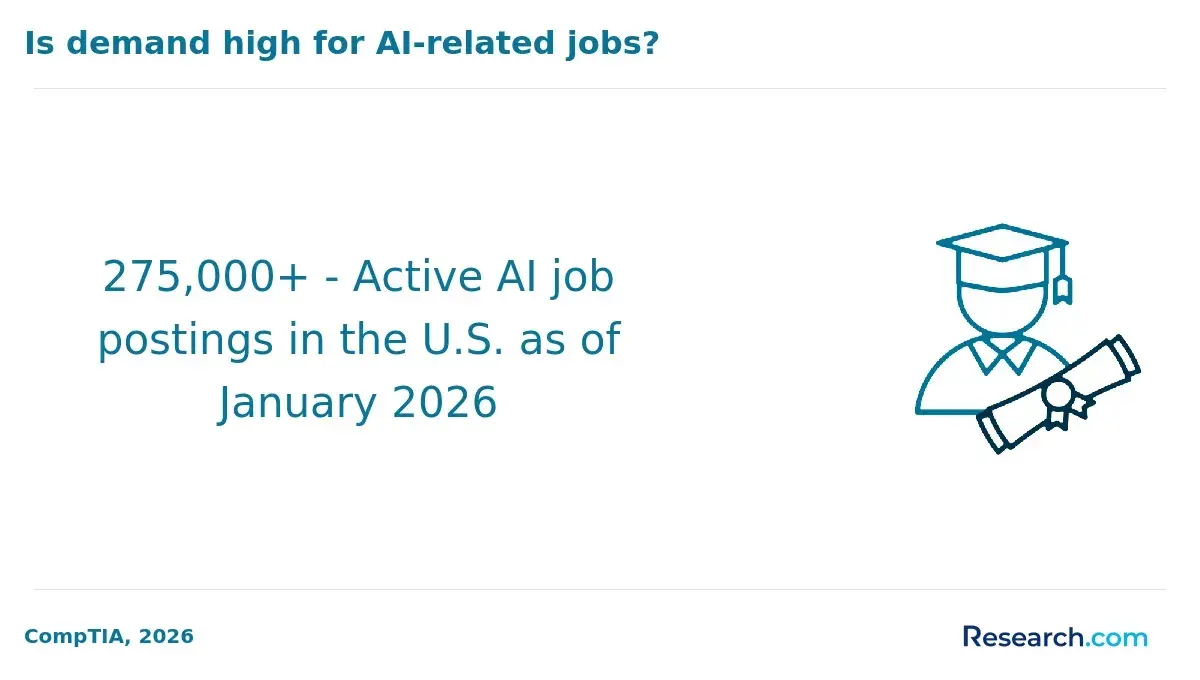
An AI bachelor's degree in smart manufacturing prepares graduates for technical roles integrating artificial intelligence with industrial production. Common jobs include machine learning engineer, data analyst, automation specialist, and AI systems developer. Machine learning engineers create algorithms to optimize workflows, improve quality control, and predict equipment failures. Data analysts interpret large datasets from sensors and production equipment to boost operational efficiency. These careers highlight ai applications in smart manufacturing.
According to Lightcast, "Machine Learning Engineer" job postings often require Python, SQL, and AWS, reflecting the core toolchains in this field. Skilled professionals develop scalable AI solutions on cloud platforms for real-time monitoring and automated manufacturing control. Automation specialists apply AI-powered robotics and control systems to reduce errors and increase throughput. AI systems developers integrate AI models with industrial software to ensure smooth machine-database communication.
Additional roles involve predictive maintenance engineers and production optimization consultants who use AI to anticipate equipment breakdowns and optimize resources, cutting downtime and costs. Graduates should expect to collaborate with engineers, software developers, and data scientists and gain experience with Internet of Things (IoT) devices and sensor networks common in manufacturing environments.
Students interested in jobs in smart manufacturing with an AI bachelor's degree must demonstrate proficiency in AI methodologies and practical manufacturing applications, embracing Industry 4.0 demands. Hands-on skills with AI tools and cloud infrastructure are vital. For those seeking affordable education options, exploring the cheapest online engineering degree programs can be a smart step toward these careers.
Can you earn an AI bachelor's for smart manufacturing online or in person?
Students pursuing AI bachelor's degrees available online for smart manufacturing benefit from flexible learning options tailored to diverse needs. Many universities offer fully online programs emphasizing AI applications in manufacturing, robotics, and automation, enabling working professionals or those with geographic limitations to advance without relocating. Data from NCES highlights that millions of U.S. students choose distance education, reflecting the strong presence of online degree pathways.
In-person artificial intelligence bachelor's programs for smart manufacturing students continue to provide valuable hands-on experiences with industrial equipment, labs, and collaborative projects. These settings foster direct mentorship, networking, and access to specialized tools vital for mastering smart manufacturing technologies. Hybrid programs blend online coursework with on-site sessions to combine convenience with practical skill development.
When selecting a program, prospective students should consider accreditation, curriculum focus-ranging from AI software development to mechanical engineering integration-and industry connections. These elements align with career interests in predictive maintenance, supply chain automation, or quality control enhanced by AI.
Factors like learning style, schedule flexibility, and finances influence the decision between formats. Online programs often offer asynchronous classes and extended timelines, while in-person formats follow fixed schedules. Those seeking affordable options might explore resources such as the cheapest online cyber security degree to compare costs and features.
What courses and labs are common in AI smart manufacturing programs?
AI smart manufacturing bachelor's programs focus on key courses like machine learning, computer vision, robotics, and data analytics. Students typically learn programming languages such as Python and C++ to develop algorithms for real-time industrial automation. Core coursework includes sensors and embedded systems, industrial IoT, predictive maintenance, and quality control using AI. Many programs emphasize GPU computing, essential for accelerating complex tasks like deep learning and computer vision.
Hands-on labs play a vital role, allowing students to integrate hardware and software. Typical projects involve autonomous robots, sensor networks, and digital twins of manufacturing processes. NVIDIA reported over 5 million developers use CUDA, underlining the importance of GPU-based parallel processing for simulation and neural network training. This practical experience prepares students to optimize AI models on industry-standard platforms.
Lab activities often cover defect detection systems using convolutional neural networks, AI-driven scheduling optimizations, and deploying edge AI on embedded devices. Students face challenges such as integrating AI with legacy equipment and managing noisy sensor data, often working on collaborative projects simulating factory floor environments with real-time decision systems and predictive analytics.
Cybersecurity within manufacturing AI systems is also covered, focusing on protecting industrial networks from cyber threats. Students learn to balance accuracy, latency, and resource constraints in embedded systems, gaining interdisciplinary skills crucial for deploying AI in modern production lines.
What admissions requirements and prerequisites do AI manufacturing programs expect?
Admissions for AI bachelor's degrees focused on smart manufacturing generally require a high school diploma or equivalent, with strong skills in STEM subjects. Applicants should be proficient in mathematics, particularly algebra and geometry, and have a foundation in science such as physics or chemistry. Many programs set minimum standardized test benchmarks near or above the 19.4 ACT Composite score reported by ACT in 2024, used as a baseline for academic readiness.
Some programs recommend or require knowledge of data structures, calculus, or statistics before enrollment. Students lacking these may need remedial classes. Competitive applicants often present a GPA of 3.0 or higher on a 4.0 scale, standardized test scores, letters of recommendation, and personal statements that highlight interest in AI and manufacturing technologies.
Hands-on experience through internships or projects in robotics, automation, or manufacturing can strengthen applications. Given the integration of AI with industrial systems, some schools assess analytical problem-solving skills or conduct interviews. It is important to check individual university guidelines, as policies on standardized tests and conditional admission vary.
How long do AI bachelor's programs take, and what do they cost?
Bachelor's degrees in artificial intelligence typically take four years of full-time study, aligning with standard U.S. undergraduate programs. Coursework covers computer science fundamentals, mathematics, and AI specializations like machine learning and robotics. Accelerated tracks may shorten this to three years for students with prior credits or motivation.
Tuition costs vary widely by institution type. Public four-year colleges charge around $11,260 for in-state students, while private universities often exceed $30,000 annually. Additional expenses such as textbooks, technology, and living costs add thousands per year. Financial aid and scholarships are vital to offset these expenses.
Program formats influence both duration and cost:
- Online programs offer flexible pacing, potentially extending completion time but saving on relocation and commuting.
- Part-time options allow working professionals to advance gradually, often taking five or more years.
- Dual-degree tracks combining bachelor's and master's studies extend time but can lower overall tuition by integrating graduate coursework.
Prospective students should compare programs carefully, balancing career goals with financial realities, especially those aiming for roles in smart manufacturing sectors that leverage artificial intelligence.
What salary can AI smart manufacturing graduates expect in the U.S.?
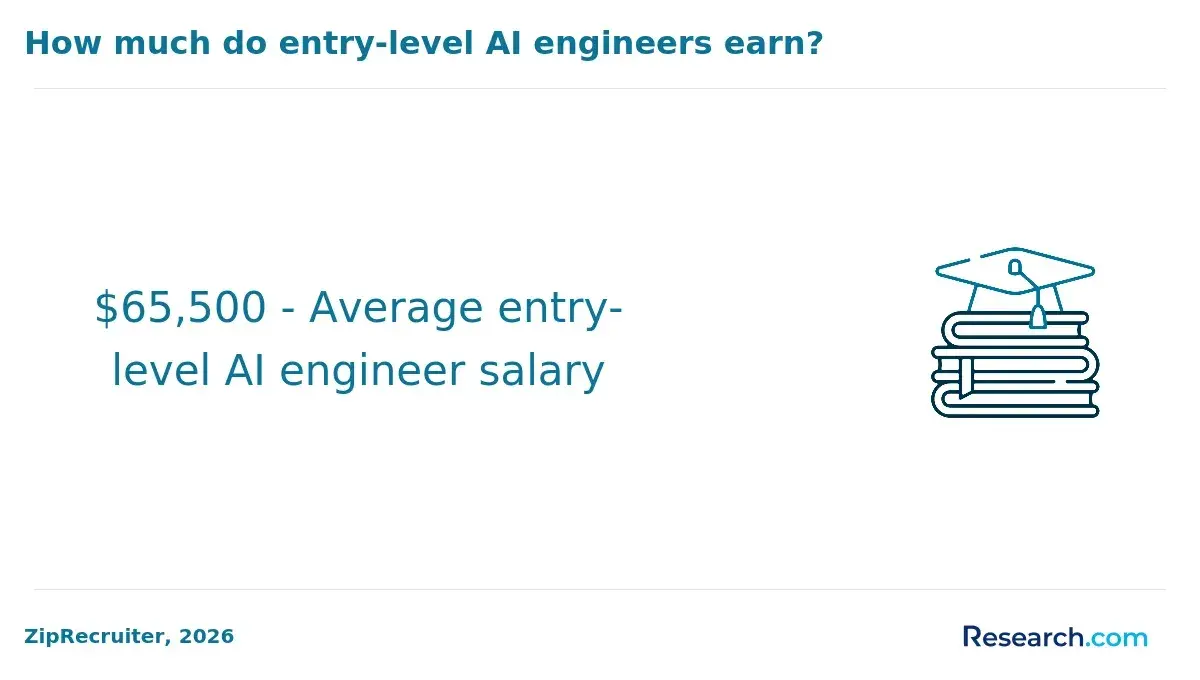
Graduates with a bachelor's degree specializing in AI applications in smart manufacturing can expect starting salaries between $70,000 and $90,000 annually in the U.S., depending on location, employer, and technical expertise. Mid-career professionals often earn from $100,000 to $130,000 as they gain experience integrating AI systems with manufacturing processes.
Advanced roles, such as AI research scientists or senior automation engineers, command higher salaries. The U.S. Bureau of Labor Statistics (2024) notes that the median annual pay for "Computer and Information Research Scientists" was $145,080, providing a solid benchmark for top-tier professionals in AI-driven smart manufacturing.
Several factors impact salary levels, including:
- Proficiency in machine learning frameworks and data analysis
- Knowledge of industrial internet of things (IIoT) platforms
- Geographic location, with cities like Detroit, Austin, and San Jose offering premium pay due to high manufacturing demand and living costs
- Certifications in robotics programming, cybersecurity, or cloud computing
- Applied experience from internships or cooperative education
Targeting roles in system optimization, predictive maintenance, or process automation provides robust compensation opportunities. Staying informed about industry trends and pursuing ongoing education helps maintain competitive salary growth in this dynamic field.
What is the job outlook for AI roles in smart manufacturing and Industry 4.0?
The demand for AI roles in smart manufacturing and Industry 4.0 is projected to grow significantly through 2030. According to the World Economic Forum (2025), AI and information processing technologies are among the main drivers behind a substantial increase in specialist roles globally. Manufacturers are increasingly adopting AI to improve automation, predictive maintenance, quality control, and supply chain optimization.
Students pursuing AI bachelor's degrees can explore careers as AI systems engineers, data scientists, automation specialists, and robotics programmers. Employers value candidates skilled in AI algorithms, industrial IoT integration, and real-time data analysis to enhance manufacturing efficiency and minimize downtime. For instance, AI-powered predictive analytics can foresee equipment failures, reducing costly production stoppages.
Opportunities are concentrated in U.S. manufacturing hubs like the Midwest and Southeast, due to their modernization efforts using AI solutions. Salaries for these roles typically start near $75,000 and can exceed $120,000 annually with experience, reflecting the growing need for specialized skills.
To stay competitive, students and professionals should deepen programming expertise alongside domain knowledge in manufacturing processes. Roles involving human-machine collaboration, including robotics and augmented reality, are expanding as factories adopt advanced technologies.
Graduates equipped with strong foundations in AI applications for Industry 4.0 will find sustained career pathways amid ongoing industrial digital transformation efforts.
Which certifications complement an AI bachelor's for smart manufacturing careers?
Certifications play a crucial role in advancing careers in smart manufacturing where cybersecurity, data management, and industrial IoT (IIoT) overlap. CompTIA Security+ is a foundational credential that prepares candidates to protect connected manufacturing systems, meeting the high demand emphasized in CompTIA's 2025 report. Professionals with this certification are positioned to safeguard smart factories against increasing cyber threats.
Other important certifications include:
- Certified Information Systems Security Professional (CISSP) - for advanced industrial cybersecurity skills.
- Certified Manufacturing Engineer (CMfgE) - focusing on smart manufacturing technologies and process improvements.
- Certified Internet of Things Practitioner (CIoTP) - emphasizing IoT device management and IIoT security.
- Machine Learning Certification from reputable providers - enhancing AI applications in predictive maintenance and quality control.
Employers seek professionals who integrate AI knowledge with strong cybersecurity expertise, especially as IIoT connectivity raises vulnerability risks. Additionally, project management certifications like PMP benefit those overseeing complex AI-driven manufacturing projects and multidisciplinary teams.
Students and graduates should align their certifications with their targeted roles: cybersecurity-focused credentials suit security analysts or system architects, while manufacturing-specific certifications support process engineers and automation specialists. This strategic approach enhances employability and success in smart manufacturing careers.
Other Things You Should Know About Artificial Intelligence
Graduates with AI bachelor's degrees for smart manufacturing often find opportunities in automotive, aerospace, electronics, and consumer goods industries. These sectors rely heavily on automation and advanced robotics, where AI drives efficiencies in production, quality control, and predictive maintenance.
AI works alongside technologies like the Internet of Things (IoT), big data analytics, and robotics to create interconnected manufacturing systems. This integration enables real-time monitoring, adaptive control processes, and the optimization of supply chains within smart factories.
Yes, many AI bachelor's programs include laboratory sessions and project-based learning using real or simulated industrial equipment. This practical exposure helps students develop skills in deploying AI algorithms directly within manufacturing systems.
In 2027, AI degrees for smart manufacturing address ethical issues like data privacy, algorithmic bias, and the societal impact of automation. These programs aim to ensure students understand the importance of responsible AI deployment in the manufacturing sector.
Graduates can explore roles such as AI specialists, robotics engineers, and supply chain analysts in industries like automotive, electronics, and aerospace. For interdisciplinary career paths, consider a master’s in artificial intelligence for non-engineers to enhance your skills.
References
- 23 Top AI Certifications to Know | Built In https://builtin.com/articles/ai-certification
- What Can Students Expect to Learn in AI Courses? | University of Bridgeport https://www.bridgeport.edu/news/ai-course-expectations/
- Bachelor of Technology in Artificial Intelligence in Manufacturing - Fees, Eligibility, Colleges, Career Options 2026 | CollegeManzil https://collegemanzil.com/courses/btech-ai-in-manufacturing
- AI Prerequisites https://www.nobledesktop.com/learn/ai/prerequisites
- AI Careers - Top AI Jobs with Education Requirements and Pay https://aidegreeprograms.org/ai-careers/
- B.Sc. in Artificial Intelligence https://www.studyinpoland.pl/en/programme
- What Is Smart Manufacturing? | AI in Manufacturing https://aiola.ai/glossary/smart-manufacturing/
- New Bachelor’s Degree in Artificial Intelligence Prepares Students for the Future of AI Innovation - University of New Haven https://www.newhaven.edu/news/releases/2026/bachelors-degree-in-artificial-intelligence.php
- What do you learn in a bachelor's in artificial intelligence? | edX https://www.edx.org/resources/what-do-you-learn-in-a-bachelors-in-artificial-intelligence
- ABET Accreditation and Artificial Intelligence - ABET https://www.abet.org/accreditation/ai-policy/