2027 Can You Get Into an AI Bachelor's Program With a Low GPA?

Co-Founder and Chief Data Scientist
Many prospective students face a significant hurdle when applying to an AI bachelor's program: a low GPA from prior studies in unrelated fields. This can feel like a closed door, especially in 2027, as universities increasingly seek highly competitive candidates. However, a low GPA does not automatically disqualify applicants from entering AI programs. Admissions often consider other factors such as work experience, relevant skills, and motivation.
This article explores strategies and alternatives for applicants with low GPAs, helping them understand how to improve their chances and find flexible, accredited paths into the AI industry.
Key Things You Should Know
- Many AI bachelor's programs in 2027 consider holistic admissions, evaluating experience, projects, and recommendation letters alongside GPA.
- Applicants with a GPA below 3.0 can improve chances by showcasing coding skills and participation in AI-related competitions or internships.
- Approximately 35% of U.S. AI program applicants with low GPAs gain admission through strong portfolios and relevant extracurricular achievements.
Can you get into an AI bachelor's program with a low GPA, and what are the typical admission standards?
It is possible to get into an AI bachelor's program with a low GPA, although admission competitiveness varies between institutions. According to the National Association for College Admission Counseling (NACAC), 73% of four-year colleges consider GPA a "considerable" or "very considerable" factor. However, many STEM-focused AI programs apply holistic reviews that also examine work experience, portfolios, recommendation letters, and standardized test scores. This approach allows a low GPA to be offset by strong practical skills and relevant projects.
Typical admission requirements for AI bachelor's degrees generally include at least a 3.0 GPA on a 4.0 scale, especially in math and science courses. Some selective programs may require a 3.5 GPA or higher. For applicants with lower GPAs, showcasing proficiency via coding bootcamps, internships, or programming contests can enhance admission chances. For instance, an applicant with a 2.7 GPA but multiple AI-related internships and a solid online portfolio may succeed where GPA alone falls short.
Applicants should ask if specific programs prioritize recent coursework or upward GPA trends. Supplemental materials like personal statements explaining academic challenges or recommendation letters can improve prospects. Community college pathways and transfer agreements are viable options for students initially rejected due to low GPA, allowing them to demonstrate capability before entering a four-year AI bachelor's program. Those exploring AI education options may also consider the best online computer science degree programs to find accelerated pathways.
What alternative pathways and prerequisite options exist for students who don't meet traditional GPA requirements?
Students who fall short of traditional GPA requirements for AI bachelor's programs have multiple alternative admission routes for AI bachelor's programs to enhance their eligibility. Conditional admission programs are increasingly common, requiring students to complete foundational courses in math, programming, or data science before full enrollment. These bridge courses help demonstrate readiness despite lower GPAs. Applicants may also present portfolios featuring AI-related projects, internships, or work experience as an alternative to strong academic records.
With 80% of U.S. four-year institutions adopting test-optional policies, students can apply without standardized test scores, reducing the impact of low GPA. This encourages holistic review processes emphasizing personal statements, recommendation letters, and extracurricular activities in AI and technology fields.
Post-baccalaureate and certificate programs in computer science or AI fundamentals offer additional pathways. Success in these credentials can meet prerequisite course requirements for low GPA students in AI degrees, while some schools permit enrolment as provisional or non-degree students to prove academic capability.
Direct contact with admissions offices is advisable to identify specific prerequisite courses such as calculus, linear algebra, or Python programming. Tailoring coursework and gaining relevant research or work experience further strengthens applications. For those considering advanced study, exploring the top data science master's programs in the US can provide valuable insight into affordable and reputable options.
Which accredited universities offer AI bachelor's programs with flexible or rolling admissions policies?
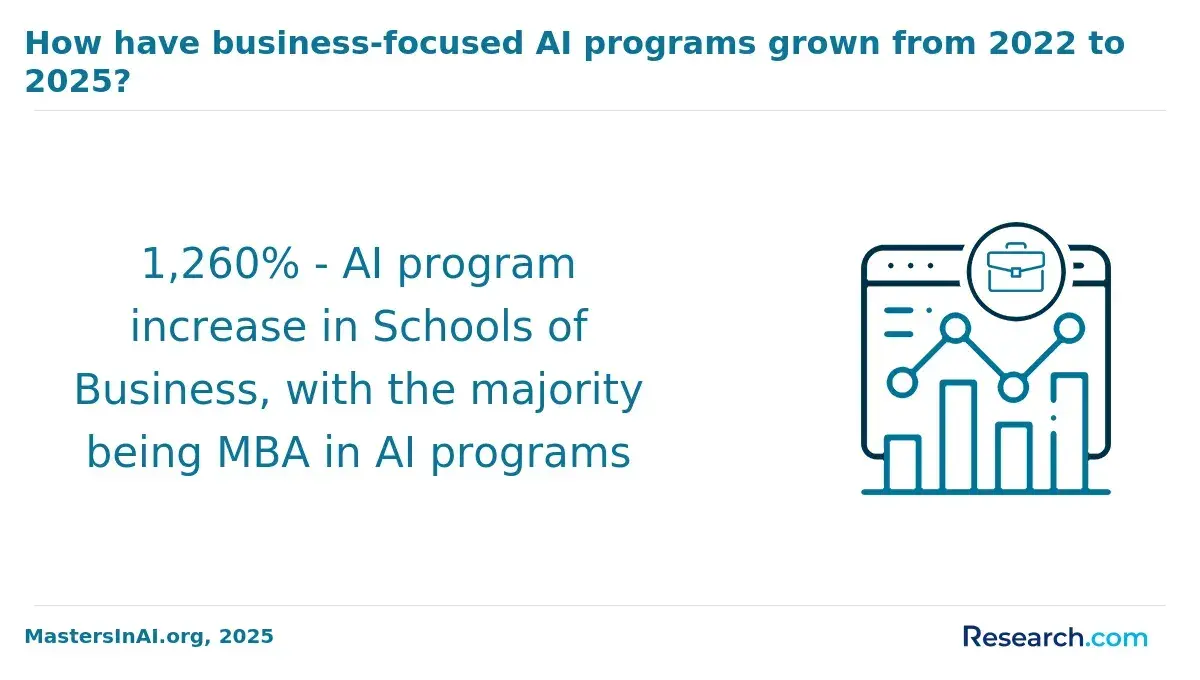
Several accredited universities offering AI bachelor's with flexible admissions have expanded significantly, growing from 50 programs in 2020 to over 400. This surge demonstrates a shift toward inclusivity for students who may struggle with traditional GPA requirements.
Rolling admissions AI bachelor's programs at accredited schools like Northeastern University and Arizona State University allow applicants to submit materials multiple times throughout the year, reducing pressure on those with lower GPAs. Similarly, institutions such as the University of Texas at Austin and the University of California, San Diego provide conditional admissions or holistic reviews, evaluating experience and alternate credentials alongside GPA.
Online programs from accredited universities, including Western Governors University, offer continuous enrollment with competency-based progression, easing GPA constraints further. Prospective students should carefully review each program's admissions criteria, often considering work experience, personal projects, or coding bootcamp completion to support applications.
Applicants interested in cost-effective options may explore the cheapest online masters in artificial intelligence for further educational advancement. Contacting admissions advisors can clarify how a low GPA impacts acceptance and identify supplemental materials that improve eligibility in this evolving admissions landscape.
Breakdown of Private Fully Online For-profit Schools

What are the core curriculum requirements and foundational coursework in AI bachelor's degree programs?
Core curriculum for artificial intelligence bachelor's degrees emphasize rigorous training in STEM fields, typically requiring 12-15 STEM courses. Mathematics and computer science form 40-50% of total credit hours, aligned with the ACM/IEEE Computer Science Curricula Guidelines. Essential math courses include calculus, linear algebra, probability, statistics, and discrete mathematics, which support algorithm design and data analysis in AI systems.
Foundational coursework required in ai bachelor's programs extensively covers programming, data structures, algorithms, and AI-focused topics such as machine learning, natural language processing, and robotics. These build strong coding skills and deepen understanding of computational models vital for AI applications.
Students also study cognitive science, ethics, and data ethics to address the broader societal impacts of AI technologies. Some programs offer interdisciplinary approaches blending AI with psychology or business to develop diverse analytical skills.
Applicants with low GPAs should be aware that these demanding requirements necessitate strong quantitative aptitude. Strengthening fundamentals through community college math/science classes or online coding bootcamps can improve readiness. Practical experience such as internships or research further enhances preparation.
Prospective students must prepare strategically by focusing on core math and programming skills early to succeed in AI programs. For those interested in advanced study options related to data science, exploring the cheapest masters in data science can be a valuable step forward.
How do online AI bachelor's programs compare to campus-based programs in terms of admission flexibility and cost?
Online AI bachelor's programs offer notably more flexible admission standards and lower costs compared to campus-based options. These online programs accept 15-20% more applicants from non-traditional backgrounds, including those with lower GPAs or limited prior experience, according to the U.S. News & World Report Education Database. This openness benefits working professionals and students seeking a second chance after academic struggles.
Conversely, campus-based AI degrees often enforce stricter admission criteria, requiring higher GPAs, standardized test scores, and prerequisite coursework. These traditional requirements tend to favor applicants with conventional academic records, potentially limiting access for those with unconventional educational histories.
Cost differences are significant: online AI bachelor's degrees typically cost between $15,000 and $35,000 in total tuition, while campus programs range from $60,000 to $120,000, excluding living expenses and fees. This price gap makes online education more affordable, reducing potential debt burdens and accommodating those balancing work and study.
Additionally, fully remote study options provide flexibility for diverse schedules and locations, advantages not matched by campus programs. Candidates with relevant work experience but past academic challenges may find online programs especially welcoming. Prospective students should evaluate admission leniency, affordability, program reputation, and networking opportunities when selecting between online and on-campus AI degrees.
What standardized test scores, math prerequisites, and technical skills do AI programs typically require?
Applicants to ai bachelor's programs typically need strong standardized test scores, with most requiring SAT scores of 1400+ or ACT scores of 33+. These benchmarks reflect the demanding nature of ai coursework and the analytical skills required (College Board Analysis of STEM Admissions Standards, 2024). Mathematics is foundational, with nearly 95% of programs mandating calculus and linear algebra before admission. Calculus aids understanding of continuous change essential for algorithms, while linear algebra covers matrix operations crucial for neural networks and data processing. Some programs also call for discrete mathematics or probability to build logical and statistical reasoning.
Technical programming skills are equally important. Proficiency in languages like Python, Java, or C++ is often necessary, with Python favored due to its prevalence in machine learning and data science applications. Knowledge of data structures, algorithms, and software development enhances competitiveness. Practical experience through coding projects, internships, or online courses can strengthen an application, demonstrating real-world skills.
Students with lower GPAs can improve their admission chances by excelling in standardized tests and highlighting mastery of math and programming. Focused study in STEM fields and advanced math courses signal readiness despite GPA challenges. These elements together indicate strong technical competence and preparedness for the rigor of ai programs.
How long does an AI bachelor's degree take to complete, and what is the average total cost?
A bachelor's degree in artificial intelligence generally takes four years of full-time study. Part-time students may require six to seven years due to lighter course loads and other life commitments. The curriculum typically covers foundational subjects such as computer science, mathematics, machine learning, ethics, and practical AI applications.
The cost of obtaining an AI bachelor's degree varies widely, averaging between $85,000 and $150,000. Public universities usually offer lower tuition, especially for in-state students, whereas private and out-of-state institutions tend to be more expensive. Additional costs like textbooks, technology fees, and living expenses should also be considered to understand the full financial commitment.
Working professionals often pursue part-time or online options to balance work and studies, which may prolong the duration of the degree but ease immediate financial strain. Despite the flexible formats, total expenses generally remain within the same range due to tuition and enrollment length.
Prospective students should seek accredited institutions that offer financial aid, scholarships, or payment plans to reduce upfront costs. Accreditation ensures program legitimacy and access to financial support. According to the National Center for Education Statistics, evaluating program duration and expenses helps students make informed decisions about advancing their careers in artificial intelligence.
What entry-level and mid-career job titles and salary ranges can graduates expect after earning an AI bachelor's degree?
Graduates holding a bachelor's degree in artificial intelligence often start their careers as machine learning engineers, AI analysts, data scientists, or AI software developers. Entry-level salaries in these roles typically range from $85,000 to $105,000 annually, reflecting strong demand for expertise in AI programming, model training, and data analysis.
With five or more years of experience, salaries increase substantially, often reaching between $140,000 and $180,000. Mid-career professionals may take on expanded responsibilities such as AI project management, research scientist positions, or senior AI systems architect roles, which combine technical skills with strategic leadership.
Other related positions including robotics engineer, computational linguist, and AI ethics specialist also leverage AI knowledge with comparable salary ranges. Specializing in subfields like natural language processing or computer vision can further enhance earning potential.
For graduates concerned that a low GPA might limit job opportunities, gaining practical experience through internships, certifications, or contributions to open-source AI projects can be crucial. Employers frequently emphasize demonstrated AI skills and relevant portfolios over academic records during hiring.
Continuing education, such as pursuing master's degrees or specialized AI certifications, is linked to faster career advancement and leadership roles. Early career professionals should seek positions that provide strong mentorship and real-world AI problem-solving challenges to build a solid foundation.
What professional certifications or supplementary credentials should AI bachelor's graduates pursue to improve employability?
Graduates holding a bachelor's degree in artificial intelligence increase their employability and salary potential by earning professional certifications. Credentials like the AWS Certified Machine Learning Specialist and Google Cloud Professional Data Engineer are highly valued in the industry. According to the LinkedIn Salary Report, 2024, those with both a degree and these certifications typically earn 18-25% more than peers without certifications. These credentials validate expertise in cloud platforms, data engineering, and deploying machine learning models, skills that employers prioritize.
Other certifications to consider include the Microsoft Azure AI Engineer Associate, which emphasizes AI solutions on Microsoft platforms, and the Certified Artificial Intelligence Practitioner (CAIP) by the Global Association for Quality Management, offering a broad AI overview.
Supplementary credentials in data science, such as Certified Data Scientist by DASCA, highlight proficiency in data analysis and modeling, integral to many AI roles. Candidates with lower GPAs can compensate by obtaining multiple certifications, showcasing practical skills and commitment to continual learning.
Additional industry-relevant certifications in tools like TensorFlow, PyTorch, and Kubernetes further strengthen candidates' profiles. Combining these certifications with a bachelor's degree helps bridge academic knowledge with real-world skills, aligning graduates closely with employer expectations.
What is the job outlook and hiring demand for AI bachelor's degree holders in the U.S. labor market?
The demand for bachelor's degree holders in artificial intelligence is rapidly expanding in the U.S. labor market. Job postings for AI-related positions requiring a bachelor's degree climbed 74% year-over-year, reflecting much faster growth than the average 3% increase across all occupations (LinkedIn Jobs on the Rise Report 2024). This surge highlights how employers highly value AI graduates compared to many other fields.
Employment opportunities in AI are expected to grow annually by 35% through 2030, driven by widespread adoption in industries like healthcare, finance, automotive, and technology services, according to the U.S. Bureau of Labor Statistics Occupational Outlook Handbook (2024). Graduates with AI degrees are qualified for roles such as machine learning engineer, data scientist, AI software developer, and AI research analyst, all seeing strong hiring trends.
Students with lower GPAs should note that practical skills and experience are increasingly important to employers. Internships, coding projects, and proficiency in programming languages like Python or AI frameworks can mitigate GPA concerns. Many firms offer entry-level roles and apprenticeships for motivated candidates aiming to grow within AI fields.
Building skills, earning certifications, and networking in AI communities also improve employment prospects. This dynamic market rewards a range of qualifications beyond academic performance alone.
Other Things You Should Know About Artificial Intelligence
Success in an artificial intelligence bachelor's program relies heavily on strong skills in mathematics, particularly in linear algebra, calculus, and statistics. Programming knowledge, especially in languages like Python and Java, is essential since coding forms the backbone of AI development. Critical thinking and problem-solving abilities are also vital for designing algorithms and interpreting complex data sets.
Yes, students without a computer science background can succeed, but they may need to complete prerequisite courses in programming and foundational computer science. Many AI programs offer introductory classes to build these skills. Persistence and dedication to learning technical concepts outside of classwork also improve chances of success.
Internships and practical experiences are highly recommended because they provide hands-on exposure to industry tools and workflows in artificial intelligence. These opportunities help students build professional networks and improve employability upon graduation. Some programs integrate internships as a required component to ensure practical skill development.
Yes, some universities offer alternative admission routes such as foundation year programs or consider professional experience and portfolios. Additionally, some students start with related courses and transition to AI bachelor's programs later. You might also explore AI master’s programs with foundation courses for future opportunities.
References
- What Are the Career Paths After a Bachelor of Science in AI https://tetr.com/blog/what-are-the-career-paths-after-a-bachelor-of-science-in-ai
- AI Certification Programs: Which Ones Matter for Your Career https://www.businessplusai.com/blog/ai-certification-programs-which-ones-matter-for-your-career
- Blog https://admissiongoals.com/post/ai-machine-learning-programs-europe-admission-guide-international-students
- How Long Do AI Courses Take? https://www.nobledesktop.com/learn/ai/how-long-do-ai-courses-take
- AI puts the squeeze on new grads — and the colleges that promised to make them employable https://www.cnbc.com/2025/11/15/ai-puts-the-squeeze-on-new-grads-looking-for-work.html
- What if I don’t meet the entry requirements for the University I am interested in? https://augstudy.com/guide/course-guide/dont-meet-entry-requirements/
- How Will AI Affect the US Labor Market? https://www.goldmansachs.com/insights/articles/how-will-ai-affect-the-us-labor-market
- College students are reconsidering their majors as AI reshapes jobs https://www.newsnationnow.com/business/your-money/college-students-majors-survey/
- What do you learn in a bachelor's in artificial intelligence? | edX https://www.edx.org/resources/what-do-you-learn-in-a-bachelors-in-artificial-intelligence
- A Complete 4-Year Course Plan for an Artificial Intelligence Undergraduate Degree https://www.mihaileric.com/posts/complete-artificial-intelligence-undergraduate-course-plan/