2027 AI Associate Degrees With Foundation Math Support

Co-Founder and Chief Data Scientist
Many professionals with non-technical backgrounds face challenges when transitioning into the artificial intelligence field due to gaps in foundational math skills. This gap often limits access to associate degree programs that support both AI fundamentals and necessary math concepts. Those seeking flexible, accredited pathways need options that build essential competencies without overwhelming prerequisites.
This article explores associate degree programs designed to integrate foundation math support with artificial intelligence coursework. It provides insight into how these programs enable learners from diverse fields to gain relevant skills and confidently pivot into AI careers.
Key Things You Should Know
- Associate degrees in artificial intelligence for 2027 commonly include foundation math courses like algebra and statistics to ensure student readiness for advanced AI concepts.
- About 45% of U.S. community colleges now offer AI-focused associate programs with integrated math support, responding to rising industry demand for AI technicians.
- Graduates with this education typically see entry-level salaries averaging $62,000 annually, highlighting practical career pathways combining AI skills and strong mathematical foundations.
What is an AI associate degree with foundation math support?
An ai associate degree with foundation math support is a two-year academic program that integrates essential math instruction with core AI coursework. This approach is tailored to students who need extra help in math, covering fundamentals like algebra, statistics, and discrete mathematics. These topics are crucial for grasping algorithms, data structures, and machine learning models. Programs offering an associate degree in AI with math support help students build the quantitative skills needed to succeed in AI studies.
About 28% of U.S. undergraduates take at least one developmental course, with math being the most common, highlighting the importance of foundation math support in ai associate degree programs with foundation math courses. This support prevents students from falling behind and boosts their chances of completing the program successfully.
Programs often include:
- Integrated remedial or co-requisite math classes alongside AI topics
- Practical math applications to real AI problems
- Flexible pacing for students with varying math skills
Graduates are prepared for roles such as AI technicians, data analysts, or entry-level machine learning assistants. These programs also appeal to working professionals transitioning into AI careers, providing critical math skills without the need for a four-year degree. For those seeking faster completion, an accelerated computer science degree can be a complementary option to build AI mastery efficiently.
Which colleges offer accredited AI associate degrees with math support?
Several U.S. colleges offer accredited AI associate degrees with foundation math support designed to ensure student success. Accreditation is crucial since about 85% of U.S. institutions providing federal student aid hold recognition from CHEA- or USDE-approved agencies. This guarantees quality and facilitates credit transferability.
Community colleges such as Northern Virginia Community College and Austin Community College provide AI associate programs with math tutoring embedded in their curriculum. These programs include foundational courses in algebra, statistics, and discrete math to strengthen computational reasoning and algorithmic thinking skills.
Other institutions, like Santa Monica College, adopt pathways combining AI coursework with co-requisite math support, allowing students to complete remediation and college-level math simultaneously. This integrated approach helps prevent common delays caused by prerequisite sequences.
Some programs go further by offering industry-aligned software training. For example, Delaware County Community College supplements math education with Python programming, bridging theory and practical skills to prepare students for technical roles.
Prospective students should prioritize accredited ai associate degrees with foundation math support that is mandatory rather than optional. Schools that provide mandatory math workshops, tutoring, or modular sequences demonstrate effective student support and improve career readiness within the AI field.
For a comprehensive view of affordable options and rankings, consider the data science major ranking.
What jobs can you get with an AI associate degree?
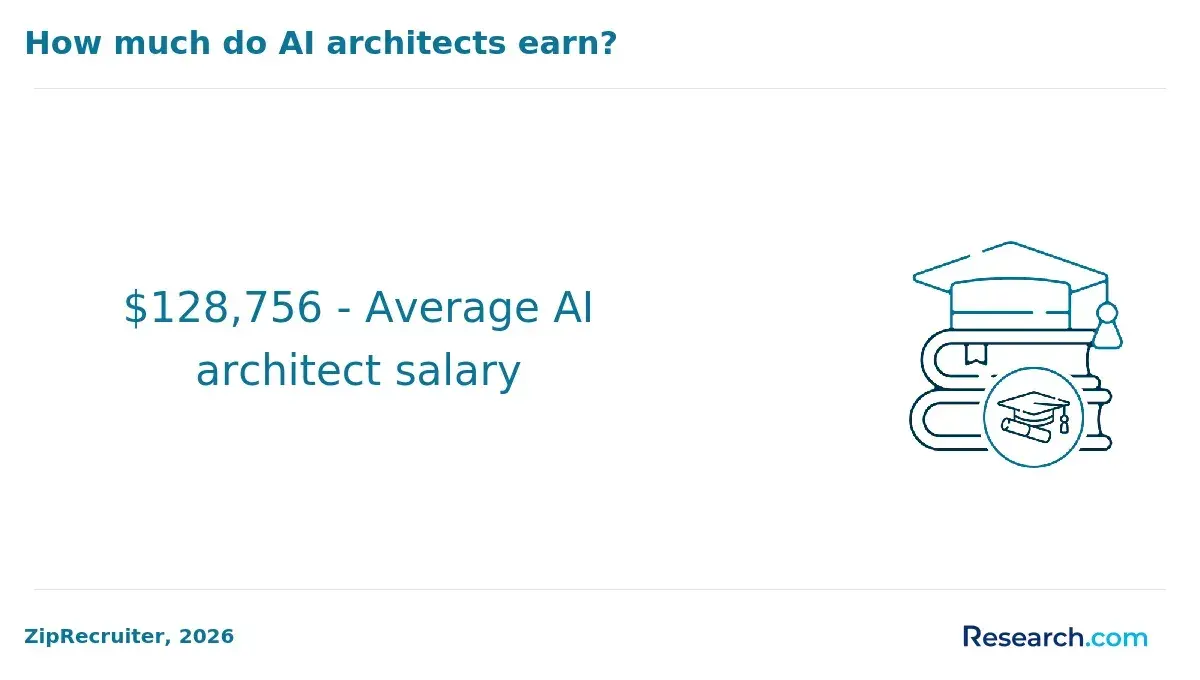
An ai associate degree with foundation math support enables graduates to access varied roles crucial to many industries. Common entry-level ai technician jobs in the United States include positions like AI technician, data analyst, junior data scientist, and machine learning support specialist. These roles rely on skills in programming, data analysis, statistics, and algorithm implementation to support AI systems and projects.
Entry-level roles for ai associate degree graduates often require abilities such as gathering, cleaning, and interpreting data using tools like Python, SQL, and Excel. AI technicians primarily focus on maintaining and troubleshooting AI hardware and software, ensuring continuous operation of AI technologies. Junior machine learning support specialists assist with model training and validation, which necessitate both coding skills and understanding of mathematical concepts like linear algebra and probability.
The U.S. Bureau of Labor Statistics projects a 36% increase in employment for data scientists between 2023 and 2033, well above average, highlighting strong demand for AI and data-related expertise. This growth offers not only immediate job opportunities but also a path toward advanced roles requiring deeper specialization. Candidates demonstrating strong technical skills along with foundational math aptitude are highly valued by employers adapting to rapidly evolving AI environments.
Graduates can boost employability by gaining practical experience through internships or building project portfolios. Familiarity with programming languages such as Python and R, databases, and cloud computing also broadens job prospects. Related fields like business intelligence, automation support, and quality assurance offer accessible career options for those holding an associate degree. For those exploring educational options, an online artificial intelligence degree may provide affordable pathways into these evolving technical careers.
How does foundation math support work in AI associate programs?
Foundation math tutoring in AI associate degree programs plays a crucial role in building the quantitative skills needed for complex artificial intelligence concepts. Instead of relying solely on traditional placement exams, many programs adopt multiple measures such as GPA, previous coursework, and guided self-placement to assess math proficiency. This multifaceted approach reflects broader trends in education, with a 2024 National Center for Education Statistics report showing 56% of U.S. colleges using composite placement methods that emphasize support.
Students who require foundational math help often begin with classes in algebra, statistics, and discrete math, which are essential to AI logic and data analysis. Co-requisite models enable learners to take math support courses alongside credit-bearing AI classes, accelerating progress without compromising comprehension. For example, an introductory statistics course might run concurrently with an AI programming class, allowing students to develop complementary skills.
Additional resources such as math labs, peer tutoring, and software tools enhance understanding by targeting challenging areas like variable manipulation and data modeling-skills vital for AI algorithms. Programs continuously monitor math readiness and adapt support based on student performance, increasing retention and success rates in artificial intelligence learning pathways.
Prospective students should explore how programs integrate foundation math tutoring in AI associate degree programs, especially those with hands-on applications tied to AI contexts. For those looking to advance further, the best online MS in data science can be a strategic next step that builds on this solid foundation.
What courses and skills are taught in AI associate degree curricula?
Associate degree programs in artificial intelligence combine foundational math skills with essential AI concepts to prepare students for technical roles. Coursework typically includes programming fundamentals in Python or Java, key to developing AI algorithms. Math classes focus on linear algebra, calculus, probability, and statistics, which are crucial for machine learning and data analysis.
Students also learn data structures and algorithms that support efficient AI system design. Applied machine learning and neural networks courses cover building models that enable computers to learn from data. Natural language processing (NLP) classes teach methods for interpreting and generating human language, a growing industry requirement. With a rise in generative AI job postings by over 100% year-over-year (Lightcast, 2025 AI skills/job-postings analysis), many programs emphasize generative models like GANs and transformers.
Ethics and data privacy are integrated to foster responsible AI development, ensuring awareness of social impact and regulatory compliance. Hands-on projects using real-world datasets focus on tasks such as image recognition, sentiment analysis, and predictive analytics. Additional topics often include automation, robotics basics, and AI deployment on cloud platforms.
Key skills gained include programming proficiency, mathematical reasoning, model training and evaluation, data manipulation, and ethical decision-making. Graduates are prepared for roles such as AI technician, data analyst, or junior machine learning engineer and are equipped for advanced studies or certifications in AI technologies.
What are the admission requirements and math placement expectations for these programs?
Admission requirements for ai associate degrees commonly include a high school diploma or GED equivalency. Many community colleges also require placement tests or reviewing prior coursework to evaluate readiness for specific math classes. However, due to evolving policies, applicants may face different evaluation methods depending on their state or institution.
By 2024, 27 states implemented policies to limit or replace standardized placement tests in subjects like math, opting instead for alternative placement strategies (Education Commission of the States, 2024). These policies affect how community colleges assess students' math skills for course placement. Many schools now use multiple measures, such as high school GPA, prior math grades, or diagnostic assessments rather than relying solely on traditional tests.
Math placement typically demands competency in algebra or intermediate algebra. Students who lack this foundation often take developmental or remedial math courses covering algebra, functions, and logic essential for ai study. Some colleges also offer co-requisite models, allowing students to enroll in foundational math alongside credit-bearing courses.
Applicants should be ready to demonstrate proficiency in math areas relevant to programming and data analysis, sometimes through on-site or online assessments. It's important to review the specific college's admissions page for updated math placement policies and available support resources to prepare effectively.
How long do AI associate programs take, and what do they cost?
AI associate degree programs usually take two years of full-time study. Part-time students or those needing extra math support may require additional semesters. Many programs include prerequisite or co-requisite math courses, such as college algebra or statistics, to build essential quantitative skills for AI coursework. These support classes can add one or two semesters but help strengthen understanding and success in core topics.
Tuition costs mainly depend on residency and the institution type. For in-district students attending U.S. public two-year colleges, the average published tuition and fees are about $4,050 per year, according to the College Board's Trends in College Pricing 2024. This brings the typical total tuition around $8,000 for the full two-year associate degree, with modest additional fees for math courses or specialized AI labs.
Students should also budget for textbooks, software, and required hardware, which may total several hundred dollars yearly. Part-time enrollment can extend program duration but helps spread out tuition expenses. Planning ahead for these factors supports realistic expectations for time and cost while pursuing an AI associate degree.
Are online AI associate degrees with math support credible and transfer-friendly?
Online AI associate degrees with foundation math support have gained credibility, especially when offered by institutions with recognized regional or national accreditation such as the Higher Learning Commission (HLC) or Middle States Commission on Higher Education (MSCHE). This accreditation guarantees academic rigor and eligibility for federal financial aid, which is critical for many students.
More than half of U.S. undergraduates take at least one distance-education course, making format-online, hybrid, or in-person-less significant in determining a program's credibility. Instead, transfer-friendliness and clear articulation agreements are essential. These agreements between community colleges and four-year universities help ensure that AI associate credits transfer fully, saving students time and expense when pursuing a bachelor's degree.
Foundation math courses tailored to AI, such as algebra and statistics, strengthen quantitative skills needed for advanced STEM study. Students are encouraged to verify articulation agreements and consult transfer advisors to confirm course equivalencies before enrolling. Programs that offer personalized advising and documented math support can ease transfer concerns and improve educational outcomes.
What certifications align with an AI associate degree for entry-level roles?
Certifications aligned with an AI associate degree emphasize foundational skills in machine learning, data analysis, and cloud-based AI services. The Microsoft Azure AI Fundamentals (AI-900) stands out, widely recognized across job markets. Its demand increased by over 30% year-over-year in AI-related entry-level job postings, validating knowledge in core AI concepts and Azure services. This certification is especially practical for graduates aiming for roles involving AI deployment and cloud integration.
Other valuable certifications include:
- IBM AI Engineering Professional Certificate, focusing on building and deploying AI models with an emphasis on Python and machine learning frameworks.
- Google Cloud Professional Data Engineer, which enhances skills in data flow and AI model operationalization critical for AI projects.
- DataCamp's Foundations of AI and Machine Learning, offering a solid math and programming foundation aligned with associate degree curricula.
Entry-level roles commonly require familiarity with Python, experience in supervised learning algorithms, and foundational math skills such as linear algebra and probability. Certifications that incorporate these components provide a competitive edge.
Associate degree holders should seek certifications with hands-on labs and applied projects to bridge academic knowledge and industry needs. Aligning credentials with cloud platforms employed by businesses ensures readiness for practical AI responsibilities.
How do you choose a reputable AI associate program with strong student support?
Choosing a reputable ai associate program with strong student support involves evaluating the academic structure and resources available. Prioritize programs offering corequisite math support, where foundation math courses are taken alongside credit-bearing ai or STEM classes. This approach has improved pass rates by 10-20+ percentage points compared to traditional prerequisite remediation, according to Complete College America's 2024 synthesis.
Consider whether the program provides tutoring, mentoring, and advising tailored specifically to ai studies. Proactive academic advising and regular progress monitoring help reduce dropout risk. Flexible scheduling options such as evening, weekend, or hybrid courses can accommodate working students and those with family responsibilities.
It's valuable to contact program representatives or current students to gauge responsiveness and support quality. Effective career services should include ai-specific internship placements, resume workshops, and employer networking opportunities essential for entering this competitive field.
Verify accreditation and faculty qualifications, especially when courses cover applied ai math concepts. Faculty with industry experience or advanced ai credentials often deliver more relevant education.
Finally, analyze program outcomes like graduation rates, job placement stats, and partnerships with technology companies. Transparency in these metrics reflects a program's commitment to student success beyond coursework.
Other Things You Should Know About Artificial Intelligence
While prior coding experience can be helpful, it is not always required before starting an AI associate degree. Many programs include introductory programming courses designed to build foundational skills in languages commonly used in artificial intelligence, such as Python. This approach enables students with little or no coding background to gain the necessary competencies alongside their AI coursework.
Foundation math support in AI associate degree programs provides students with essential skills in algebra and calculus. This support ensures that students can grasp complex AI concepts, boosting their confidence and academic performance. This skillset is crucial for understanding algorithms and data analysis, which are foundational elements in artificial intelligence.
Yes, graduates of AI associate degree programs often transfer credits toward bachelor's degrees in computer science, data science, or related AI fields. The foundational math and AI coursework provided by associate degrees support a smooth transition to more advanced study. Articulation agreements between community colleges and universities frequently facilitate this educational pathway.
Industries such as technology, healthcare, finance, and manufacturing frequently hire AI associate degree graduates for roles involving data analysis, machine learning support, and automation tasks. These sectors value the practical AI skills and math foundation these graduates offer, especially for roles that assist in developing or maintaining AI systems.
References
- Can I Work in AI if Math Isn’t my Strong Suit? - AI Degree Guide https://aidegreeguide.com/blog/can-i-work-in-ai-if-math-isnt-my-strong-suit/
- AI Certification Programs: Which Ones Matter for Your Career https://www.businessplusai.com/blog/ai-certification-programs-which-ones-matter-for-your-career
- Best AI Certifications to Boost Your Career in 2026 – Dataquest https://www.dataquest.io/blog/best-ai-certifications/
- Artificial Intelligence Course Syllabus: Topics and Modules https://futurense.com/blog/artificial-intelligence-course-syllabus
- Paris School of AI: Université PSL a leader in artificial intelligence and data science https://psl.eu/en/graduate-programs/paris-school-ai-universite-psl-leader-artificial-intelligence-and-data-science
- Top College Degrees for Securing the Highest-Paying AI Jobs in 2026 https://www.investopedia.com/top-college-degrees-for-securing-the-highest-paying-ai-jobs-in-2026-11946777
- Mathematics and Computing with Integrated Foundation Year | Brunel University of London https://www.brunel.ac.uk/study/courses/mathematics-and-computing-with-integrated-foundation-year
- Which measures are most effective at placing students in the appropriate college math course? - Utah System of Higher Education https://ushe.edu/student-placement-in-general-education-courses-at-ushe-institutions/
- Exploring foundation students' AI math tool preferences, duration of use, and confidence in mathematics problem-solving https://www.mathsciteacher.com/article/exploring-foundation-students-ai-math-tool-preferences-duration-of-use-and-confidence-in-mathematics-16869
- Computer Science (Artificial Intelligence) with a Foundation Year https://sheffield.ac.uk/undergraduate/courses/2027/computer-science-artificial-intelligence-foundation-year-mcomp