2027 How to Become a Licensed Pharmacist in Colorado

Co-Founder and Chief Data Scientist
Becoming a licensed pharmacist in Colorado requires more than earning a pharmacy degree. You need to choose an accredited Doctor of Pharmacy program, complete supervised practice experience, pass national and state law exams, apply through the Colorado State Board of Pharmacy, and keep your license active through renewal and continuing education.
This guide is for Colorado students, career changers, pharmacy technicians, healthcare workers, and out-of-state pharmacists who want a clear view of the licensure path. It explains the education route, exam process, expected timeline, costs, online study options, career settings, salary expectations, and alternatives if pharmacy is not the right fit.
Use this article as a decision tool. By the end, you should know whether becoming a pharmacist in Colorado matches your timeline, budget, academic strengths, and long-term career goals.
Quick Answer: How do you become a licensed pharmacist in Colorado?
To become a licensed pharmacist in Colorado, you generally need to earn a Doctor of Pharmacy degree from an accredited program, complete required supervised pharmacy practice experience, pass the North American Pharmacist Licensure Examination and the Multistate Pharmacy Jurisprudence Examination, submit a licensure application to the Colorado State Board of Pharmacy, complete fingerprinting and a background check, and maintain the license through renewal and continuing education.
| Step | What you need to do | Why it matters |
| Complete pharmacy education | Earn a Doctor of Pharmacy degree from an accredited pharmacy school. | Colorado licensure depends on professional pharmacy training that meets accepted standards. |
| Build supervised experience | Complete required internship or experiential practice hours, including at least 1,500 hours of supervised pharmacy practice. | Hands-on training prepares you to manage prescriptions, counsel patients, and work in clinical settings. |
| Pass required exams | Take and pass the NAPLEX and MPJE. | These exams test pharmacy practice knowledge and pharmacy law competency. |
| Apply for licensure | Submit your application, documentation, fees, fingerprints, and background check materials to the Colorado State Board of Pharmacy. | The Board verifies that you meet Colorado’s professional and public safety requirements. |
| Renew and stay compliant | Complete continuing education and renew on time. | An active license is required to practice legally in Colorado. |
Key Things You Should Know about Becoming a Licensed Pharmacist in Colorado
Before committing to pharmacy school, understand the major requirements and trade-offs:
- Degree requirement: The standard professional credential is a Doctor of Pharmacy, often written as Pharm.D. or PharmD.
- Licensure exams: You must pass the NAPLEX for pharmacy practice knowledge and the MPJE for pharmacy law and regulation.
- Background screening: Colorado applicants should expect fingerprinting and a criminal history review as part of the licensure process.
- Cost planning: Pharmacy school tuition, exam fees, application fees, books, supplies, and living costs can add up quickly.
- Ongoing responsibility: Licensure is not a one-time task. Pharmacists must keep up with renewal rules, continuing education, and regulatory changes.
- What is a licensed pharmacist?
- How long does it take to become a licensed pharmacist in Colorado?
- How do I get a pharmacy degree in Colorado?
- What are the requirements to become a licensed pharmacist in Colorado?
- How much does it cost to become a licensed pharmacist in Colorado?
- Can I get my pharmacist’s license online in Colorado?
- What is the job description of a licensed pharmacist in Colorado?
- What do I do if my pharmacist’s license expires in Colorado?
- How much do licensed pharmacists make in Colorado?
- What are the alternatives to becoming a licensed pharmacist in Colorado?
- What are the current regulatory challenges for licensed pharmacists in Colorado?
- What are the admission opportunities for diverse academic backgrounds in pharmacy education in Colorado?
- What additional interdisciplinary opportunities exist for licensed pharmacists in Colorado?
- What are the benefits of online education for aspiring pharmacists in Colorado?
- How is technology enhancing pharmacy practice in Colorado?
- What additional certifications can diversify a pharmacist’s career in Colorado?
- How can pharmacists and nurse practitioners collaborate to enhance patient care in Colorado?
- What is the job outlook for licensed pharmacists in Colorado?
- What is a licensed pharmacist’s career path in Colorado?
- Exploring Related Healthcare Pathways in Colorado
- What professional organizations and networks support licensed pharmacists in Colorado?
- Can Licensed Pharmacists Pursue Dual Careers in Pharmacy and Nursing in Colorado?
- How can pharmacists integrate nutritional and public health initiatives into their practice?
What is a licensed pharmacist?
A licensed pharmacist is a healthcare professional legally authorized to prepare, dispense, monitor, and advise on medication therapy. In Colorado, pharmacists do more than fill prescriptions. They review medication safety, identify drug interactions, counsel patients, support chronic disease management, collaborate with prescribers, and participate in public health services such as immunizations and screenings.
The license signals that the pharmacist has completed professional education, passed required exams, met supervised practice requirements, and satisfied state regulatory standards. It also means the pharmacist is accountable to the Colorado State Board of Pharmacy and must follow state and federal rules for medication dispensing, controlled substances, patient privacy, and professional conduct.
If you are comparing pharmacy education options, start by learning what a Pharm.D. program includes and whether online or hybrid study fits your needs. Research.com’s guide to online pharmacy doctorate program rankings can help you understand program formats and compare schools more carefully.
| Pharmacist function | What it involves | Example in practice |
| Medication safety | Checking prescriptions for dose, interaction, allergy, duplication, and appropriateness. | Calling a prescriber when a new medication could interact with a patient’s existing therapy. |
| Patient counseling | Explaining how and when to take medication, what side effects to watch for, and when to seek help. | Teaching a patient how to use an inhaler correctly. |
| Clinical collaboration | Working with physicians, nurses, nurse practitioners, and other providers to improve therapy plans. | Helping adjust medication therapy for a patient managing multiple chronic conditions. |
| Public health support | Providing immunizations, screenings, education, and community health services where permitted. | Participating in a vaccination clinic or medication adherence program. |
How long does it take to become a licensed pharmacist in Colorado?
The full path commonly takes six to eight years, depending on your undergraduate preparation, pharmacy school structure, exam timing, and application processing. Some students enter pharmacy school after completing prerequisite coursework, while others finish a bachelor’s degree first.
| Stage | Typical time involved | Decision point |
| Prerequisite or undergraduate coursework | Often two to four years before pharmacy school. | Decide whether to complete only required prerequisites or earn a bachelor’s degree before applying. |
| Doctor of Pharmacy program | Generally four years of full-time professional study. | Choose an accredited program with strong experiential rotations and licensure exam preparation. |
| Exam preparation and testing | Several months may be needed after graduation, depending on readiness and scheduling. | Plan dedicated preparation time for the NAPLEX and MPJE. |
| Licensure application | Timing varies based on documentation, background check, and Board processing. | Submit complete, accurate materials and monitor email communication from the Board. |
Students who need flexibility may want to review whether a pharmacy doctorate degree online or hybrid program can support their schedule. However, pharmacy education includes hands-on clinical and experiential requirements, so even online-oriented programs usually require in-person rotations or practice experiences.
The best way to avoid timeline delays is to map requirements early. Confirm prerequisite courses, internship hour expectations, exam eligibility, application deadlines, and Board communication procedures before your final year of pharmacy school.
How do I get a pharmacy degree in Colorado?
To become a pharmacist, you need a Doctor of Pharmacy degree from an accredited pharmacy program. In Colorado, many students look closely at the CU Skaggs School of Pharmacy and Pharmaceutical Sciences, which offers a PharmD curriculum that combines classroom learning, clinical preparation, research exposure, and healthcare teamwork.
You do not always need a bachelor’s degree before pharmacy school. Some programs allow applicants to apply while completing prerequisite courses, which can shorten the path for students who plan early. That said, admission remains competitive, and strong science preparation, clear motivation, and relevant healthcare experience can strengthen an application.
What to look for in a Colorado pharmacy degree program
- Accreditation: Verify that the program is accredited by the Accreditation Council for Pharmacy Education, because accreditation is central to licensure eligibility.
- Prerequisite flexibility: Ask whether you may apply while finishing required coursework or whether all prerequisites must be completed first.
- Clinical rotations: Review where students complete experiential learning, including community, hospital, ambulatory care, and specialty settings.
- Exam support: Look for structured preparation for the NAPLEX and MPJE.
- Interprofessional training: Pharmacy students benefit from learning alongside medical, nursing, public health, and allied health students.
- Student support: Advising, tutoring, career services, and residency guidance can affect your success.
Students comparing the pharmacy pathway with other healthcare programs can review Research.com’s guide on what degree is needed to become a pharmacist. It explains the degree sequence and helps clarify whether a PharmD is the right next academic step.
What are the requirements to become a licensed pharmacist in Colorado?
Colorado pharmacist licensure requires education, exams, supervised experience, background screening, and a formal application. Requirements can change, so applicants should always verify current instructions with the Colorado State Board of Pharmacy before submitting materials.
| Requirement | What it means | Applicant tip |
| Doctor of Pharmacy degree | Complete a Pharm.D. from an accredited pharmacy program. | Confirm ACPE accreditation before enrolling. |
| Supervised practice experience | Complete required internship or experiential hours, including a minimum of 1,500 hours of supervised practice. | Track hours carefully and keep documentation organized. |
| NAPLEX | Pass the North American Pharmacist Licensure Examination. | Use practice exams and focus on clinical decision-making, calculations, and medication safety. |
| MPJE | Pass the Multistate Pharmacy Jurisprudence Examination. | Study Colorado-specific pharmacy laws and federal pharmacy regulations. |
| Background check and fingerprinting | Complete required public safety screening. | Start early, since background processing can affect timing. |
| Licensure application | Submit all required forms, fees, exam records, and documentation to the Board. | Use a current email address and check messages regularly. |
| Continuing education and renewal | Maintain the license by meeting renewal and education requirements. | Do not wait until the end of the renewal period to complete CE. |
If you are not ready for a PharmD but want pharmacy-related experience, a technician role can be a practical starting point. Research.com’s overview of online pharmacy technician schools can help you explore lower-commitment entry options while you evaluate pharmacy school.
How much does it cost to become a licensed pharmacist in Colorado?
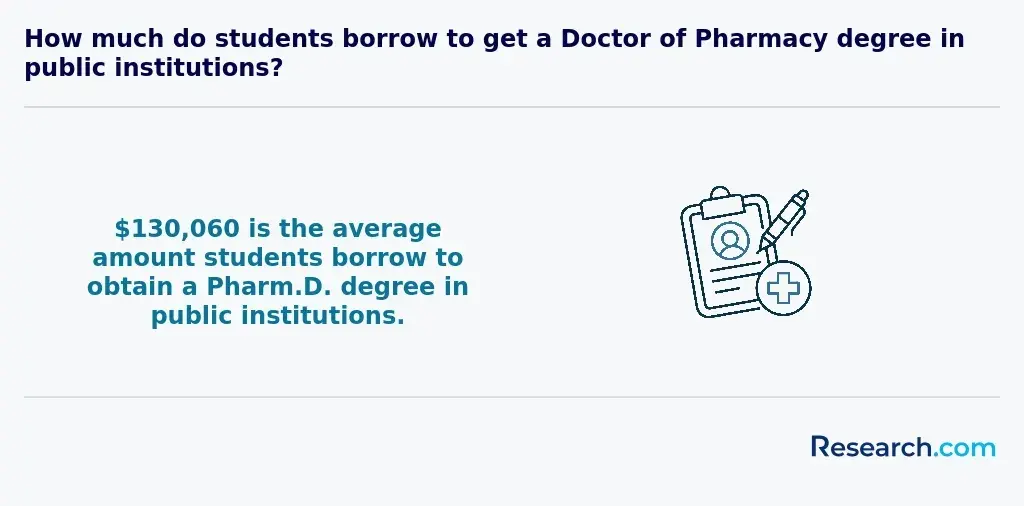
The largest cost is pharmacy school. Tuition for pharmacy programs can range from $20,000 to over $60,000 annually, depending on school type, residency status, and program format. Students should also budget for books, supplies, housing, transportation, insurance, licensing costs, and exam preparation.
| Cost category | Amount stated | What to consider |
| Pharm.D. tuition | $20,000 to over $60,000 annually | Compare total program cost, not just first-year tuition. |
| Licensure application | Around $150 | Confirm the current fee with the Colorado State Board of Pharmacy before applying. |
| NAPLEX | As of 2023, the fee is $485; another commonly cited estimate is approximately $300. | Because exam fees can change, verify the current fee during registration. |
| MPJE | About $150 | Budget for state law exam preparation materials as well. |
| Criminal history record check | May involve additional costs | Include fingerprinting and background screening in your licensing budget. |
| Continuing education | Costs vary by provider and course format. | Plan for CE expenses after licensure, not only during school. |
How to reduce pharmacy education costs
- Compare public and private pharmacy schools by total cost of attendance.
- Ask about scholarships, grants, assistantships, and employer tuition support.
- Complete prerequisites at a lower-cost accredited institution when transfer policies allow it.
- Minimize repeated coursework by confirming prerequisites before enrollment.
- Consider whether living costs near campus or rotation sites will affect your budget.
- Review loan repayment options and potential service-based programs before borrowing.
If your main goal is to enter healthcare quickly and you are not committed to a PharmD, compare pharmacy with short medical certification programs. Some healthcare credentials require less time and lower upfront cost, though they do not lead to pharmacist licensure.
Can I get my pharmacist’s license online in Colorado?
You cannot complete the entire pharmacist licensure process as a purely online credential if it avoids required hands-on pharmacy training. However, parts of the pathway may be completed online, depending on the school and the Board’s application systems. Some PharmD programs use online or hybrid coursework, but students still need experiential education in real pharmacy and clinical settings.
What can be online and what usually cannot?
| Part of the pathway | Can it be online? | Important caution |
| Prerequisite coursework | Often possible, depending on the institution. | Make sure the pharmacy school accepts the course and lab format. |
| PharmD didactic coursework | May be online or hybrid in some programs. | Only consider programs that meet accreditation and licensure expectations. |
| Clinical rotations and internships | Generally must involve in-person practice experiences. | Ask where rotations are located and whether Colorado placements are available. |
| Exam registration and application tasks | Often handled through online systems. | Keep records, receipts, and Board emails organized. |
| Continuing education | Many CE options are available online. | Confirm that courses meet Colorado renewal requirements. |
Online learning can be useful for students balancing work, family, and school. The key is to verify accreditation, experiential requirements, state eligibility, and rotation logistics before enrolling. Do not assume that a convenient online format automatically qualifies you for Colorado licensure.
What is the job description of a licensed pharmacist in Colorado?
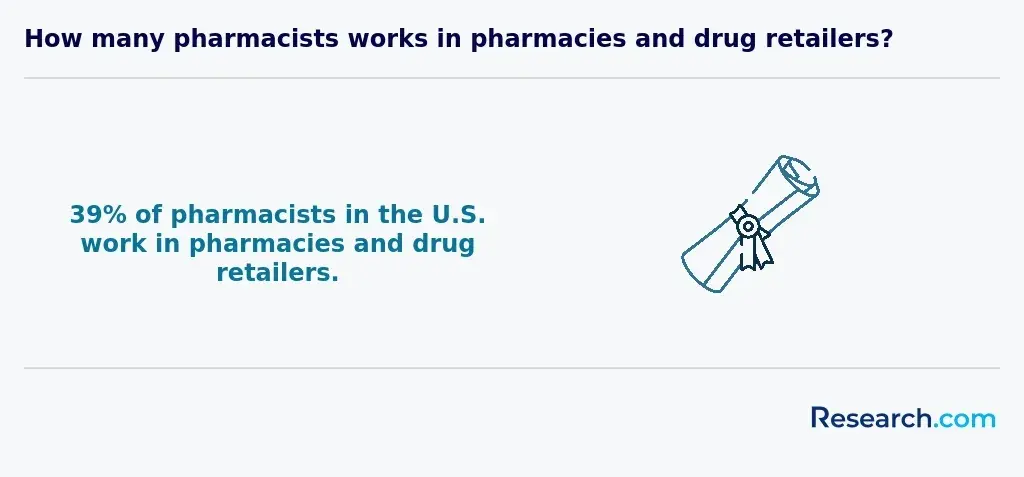
Colorado pharmacists work in community pharmacies, hospitals, clinics, long-term care, specialty pharmacy, managed care, academia, research, and regulatory settings. Their job duties vary by employer, but the core responsibility is consistent: help patients use medications safely and effectively.
| Responsibility | What pharmacists do | Why it matters |
| Prescription review | Check dose, route, frequency, interactions, allergies, duplicate therapy, and clinical appropriateness. | Prevents avoidable medication-related harm. |
| Dispensing and verification | Ensure medications are accurately prepared, labeled, and provided to the correct patient. | Supports medication accuracy and patient safety. |
| Patient counseling | Explain medication use, side effects, storage, adherence, and warning signs. | Helps patients understand and follow therapy plans. |
| Provider collaboration | Communicate with prescribers, nurses, and other clinicians about therapy questions. | Improves coordination of care. |
| Regulatory compliance | Follow state and federal pharmacy laws, controlled substance rules, documentation standards, and privacy requirements. | Protects patients and reduces professional risk. |
| Public health services | Support vaccination, health screening, prevention, and medication education initiatives. | Expands access to community-based care. |
| Pharmacy operations | Manage inventory, supervise staff, maintain records, and support workflow quality. | Keeps pharmacy services safe, efficient, and compliant. |
The job is detail-heavy and patient-facing. Strong pharmacists combine scientific knowledge with communication skills, ethical judgment, emotional patience, and the ability to work under pressure.
What do I do if my pharmacist’s license expires in Colorado?
Colorado pharmacist licenses expire on October 31 of odd-numbered years. If your license is nearing expiration or has expired, act quickly. Practicing with an expired license can create legal and employment problems.
Steps to take when your license is expired or close to expiring
- Check your license status: Confirm whether your license is active, expired, or subject to any additional requirements.
- Review Board instructions: Use the Colorado State Board of Pharmacy’s renewal or reinstatement guidance rather than relying on employer assumptions.
- Complete required continuing education: Make sure your CE records are accurate and available if requested.
- Submit the correct application: Renewal and reinstatement may involve different steps, so use the application that matches your status.
- Pay required fees: Budget for renewal or late-related costs, if applicable.
- Monitor email: Board communication is commonly handled by email, so keep your contact information current.
- Do not delay: The renewal period opens about six weeks before expiration, giving you time to fix missing documentation before the deadline.
The safest strategy is simple: set reminders months in advance, complete CE early, and verify your status before October 31 of an odd-numbered year.
How much do licensed pharmacists in Colorado make?
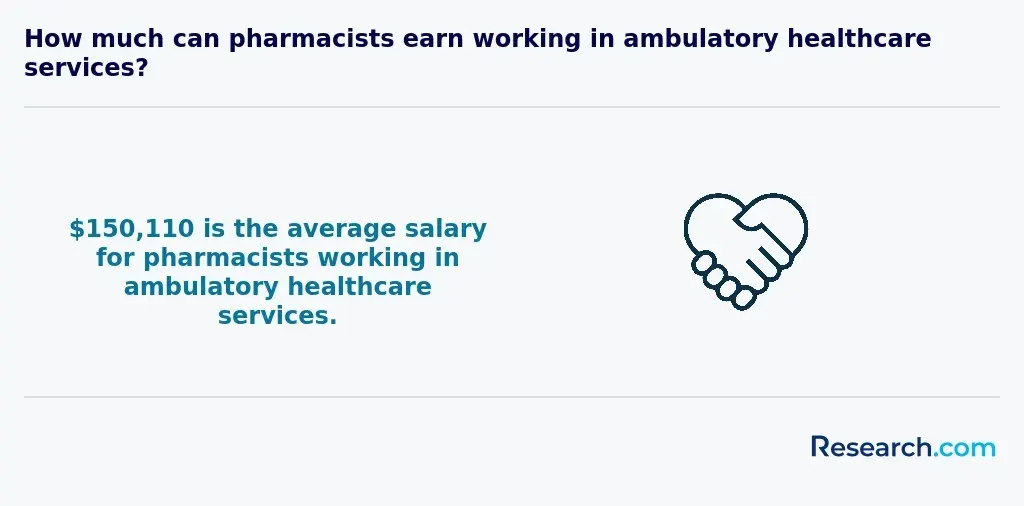
Licensed pharmacists in Colorado earn approximately $130,000 annually on average. Actual earnings can vary by work setting, city or region, years of experience, schedule, management responsibility, residency or specialty training, and employer type.
| Factor | How it may affect pay | What to ask before accepting a job |
| Practice setting | Community, hospital, clinical, managed care, specialty, and industry roles may offer different pay structures. | Is compensation hourly, salaried, bonus-based, or tied to management duties? |
| Experience level | New graduates, residents, staff pharmacists, clinical specialists, and pharmacy managers may have different salary ranges. | What advancement path is available after the first year? |
| Location | Pay may differ by local demand, cost of living, and employer competition. | Does the salary reflect local housing and commuting costs? |
| Schedule | Evening, overnight, weekend, and on-call work may affect total compensation. | Are shift differentials, overtime, or extra-duty pay available? |
| Benefits | Health insurance, retirement contributions, paid time off, tuition help, and CE support can change total value. | What is the full compensation package, not just base pay? |
Salary should not be viewed in isolation. A lower-paying role with strong mentorship, residency preparation, clinical exposure, or better work-life balance may be a better long-term choice than a higher salary with limited growth.
What are the alternatives to becoming a licensed pharmacist in Colorado?
If you want a healthcare career but are unsure about the time, cost, or science intensity of pharmacy school, compare related paths before enrolling. Some roles emphasize patient counseling, behavioral health, nursing care, healthcare administration, or technical support rather than medication therapy.
| Alternative path | Best fit for students who want... | Related guide |
| Licensed professional counseling | A patient-centered career focused on mental health, therapy, and behavioral support. | how to become a therapist in Colorado |
| Pharmacy technician | A faster entry into pharmacy operations without completing a PharmD. | online pharmacy technician training options |
| Nursing | Direct patient care, clinical assessment, bedside practice, and broad healthcare mobility. | how to become a registered nurse in Colorado |
| Medical billing and coding | Healthcare work that combines records, reimbursement, compliance, and administrative detail. | medical billing and coding in Colorado |
What are the current regulatory challenges for licensed pharmacists in Colorado?
Pharmacists in Colorado work under a regulatory environment that continues to evolve. Common pressure points include telepharmacy expectations, controlled substance compliance, prescription documentation, immunization authority, collaborative practice rules, technician supervision, and changing state-specific policies.
The practical challenge is not only knowing the rules at graduation. Pharmacists must build a habit of checking Board updates, employer policies, federal requirements, and continuing education opportunities. This is especially important for pharmacists who move between settings, manage staff, or take on expanded clinical services.
Healthcare professionals who are considering broader patient support careers can compare pharmacy with behavioral health pathways such as how to become a marriage and family therapist in Colorado.
What are the admission opportunities for diverse academic backgrounds in pharmacy education in Colorado?
Pharmacy schools may consider applicants from different academic routes, including students who completed science prerequisites without a bachelor’s degree, students with previous healthcare experience, and career changers with strong academic preparation. The important question is whether your coursework, grades, experience, and readiness match the admission expectations of the program you choose.
Applicants should not choose a school only because it appears easier to enter. Instead, evaluate whether the program is accredited, supports licensure preparation, offers strong experiential learning, and matches your financial situation. If you are comparing admission competitiveness, Research.com’s overview of the easiest pharmacy school to get into can be a starting point, but it should not replace careful program research.
What additional interdisciplinary opportunities exist for licensed pharmacists in Colorado?
Pharmacists increasingly work with professionals outside traditional pharmacy settings. Interdisciplinary practice may include coordination with mental health providers, addiction counselors, primary care clinicians, nurses, dietitians, and public health teams.
This collaboration is especially valuable when patients take multiple medications, manage chronic conditions, or face barriers such as substance use, mental health needs, food insecurity, or limited access to care. Pharmacists who understand referral pathways and community resources can help patients navigate treatment more effectively.
For example, learning more about how to become a substance abuse counselor in Colorado can help pharmacists better understand addiction care teams and build more effective referral relationships.
What are the benefits of online education for aspiring pharmacists in Colorado?
Online education can help aspiring pharmacists complete prerequisites, prepare for exams, access continuing education, and explore pharmacy career options without relocating immediately. It can also support working adults who need a more flexible academic schedule.
However, online convenience does not remove licensure requirements. Students must still confirm accreditation, clinical placement expectations, state eligibility, and whether the program supports NAPLEX and MPJE preparation. If your interest is specifically in remote pharmacy work, Research.com’s guide on how to become an online pharmacist explains how online-oriented pharmacy roles differ from the education path.
How is technology enhancing pharmacy practice in Colorado?
Technology is reshaping pharmacy work through electronic health records, e-prescribing systems, automated dispensing tools, telepharmacy platforms, clinical decision-support tools, and data-driven medication management. These tools can improve efficiency, but they also require pharmacists to understand documentation standards, privacy rules, workflow risks, and the limits of automation.
Pharmacists who are comfortable with technology may find opportunities in informatics, medication safety, telehealth support, clinical operations, and quality improvement. At the same time, technology does not replace clinical judgment. Pharmacists remain responsible for verifying medication appropriateness, counseling patients, and identifying risks that software may not fully capture.
If you are comparing technology-enabled healthcare roles, you may also want to review how to become a registered nurse in Colorado to understand how nursing and pharmacy use digital tools differently in patient care.
What additional certifications can diversify a pharmacist’s career in Colorado?
After licensure, pharmacists can broaden their career options through specialized training and certifications. Areas such as pharmacogenomics, clinical research, ambulatory care, medication therapy management, informatics, healthcare administration, and public health can support movement into advanced clinical, leadership, or nontraditional roles.
Some pharmacists also build administrative expertise to better understand reimbursement, documentation, and revenue cycle processes. Training related to medical billing and coding in Colorado may be useful for pharmacists interested in managed care, compliance, healthcare operations, or clinic-based pharmacy services.
How can pharmacists and nurse practitioners collaborate to enhance patient care in Colorado?
Pharmacists and nurse practitioners can complement each other well. Nurse practitioners often focus on assessment, diagnosis, treatment planning, and direct patient management, while pharmacists bring deep expertise in medication selection, dosing, interactions, monitoring, adherence, and patient education.
Collaboration can be especially valuable for patients with chronic conditions, complex medication regimens, high-risk therapies, or frequent care transitions. A coordinated team can reduce medication errors, improve follow-up, and help patients understand both their diagnoses and their prescriptions.
Students deciding between advanced nursing and pharmacy can compare the scope, training, and licensing expectations in Research.com’s guide on how to become a nurse practitioner in Colorado.
What is the job outlook for licensed pharmacists in Colorado?
The pharmacist job outlook in Colorado should be viewed as stable but competitive. The employment landscape includes traditional community pharmacy positions, hospital roles, ambulatory care, managed care, specialty pharmacy, long-term care, academic posts, public health work, and technology-supported pharmacy services.
The projected growth rate for pharmacists is 5% from 2023 to 2033. This pharmacist job outlook aligns with a steady need for medication experts across healthcare. Nationally, the outlook includes approximately 18,300 new pharmacist positions across the country over the next decade.
Where Colorado pharmacists may find opportunities
- Community pharmacies: Retail and independent pharmacies continue to need pharmacists for dispensing, counseling, immunization, and medication safety.
- Hospitals and health systems: Pharmacists support inpatient medication management, transitions of care, specialty therapies, and clinical teams.
- Clinics and ambulatory care: Pharmacists may help manage chronic diseases, medication adherence, and therapy optimization.
- Managed care and insurance: Roles can involve formulary management, prior authorization, medication utilization review, and population health.
- Specialty pharmacy: Pharmacists support complex therapies for conditions requiring close monitoring and patient education.
- Research, regulation, and industry: Some pharmacists move into pharmaceutical development, compliance, medical affairs, or policy-related work.
New graduates can improve employability by gaining strong rotation experiences, considering residency or fellowship training when relevant, networking with preceptors, and developing skills in patient communication, documentation, technology, and collaborative care.
What is a licensed pharmacist’s career path in Colorado?
A pharmacist’s career path usually starts with prerequisite coursework, continues through the PharmD, and then moves into licensure, entry-level practice, specialization, and possible leadership. The route you choose after licensure depends heavily on your preferred work setting.
| Career stage | Common focus | Possible next move |
| Pre-pharmacy student | Complete prerequisites, gain healthcare exposure, and prepare a competitive application. | Apply to an accredited PharmD program. |
| PharmD student | Study pharmacology, patient care, pharmacy law, therapeutics, and clinical practice. | Complete rotations and prepare for NAPLEX and MPJE. |
| Licensure candidate | Pass exams, document supervised hours, and submit the Colorado application. | Begin practice as a licensed pharmacist. |
| Entry-level pharmacist | Develop practical judgment, workflow skills, patient counseling ability, and clinical confidence. | Move into staff, clinical, specialty, or residency-supported roles. |
| Experienced pharmacist | Build expertise in a setting such as hospital, ambulatory care, community pharmacy, managed care, or specialty pharmacy. | Pursue board certification, management, teaching, research, informatics, or policy roles. |
| Pharmacy leader or specialist | Oversee teams, programs, clinical services, compliance, quality improvement, or strategic operations. | Advance into director, clinical coordinator, faculty, consultant, or industry roles. |
Common career settings include community pharmacies, hospitals and healthcare facilities, pharmaceutical research and development, regulatory affairs, and academic positions. The strongest path is the one that aligns with your strengths: direct patient care, scientific problem-solving, operations, teaching, leadership, technology, or policy.
Exploring Related Healthcare Pathways in Colorado
Pharmacy is one route into healthcare, but it is not the only one. If your main interest is patient counseling, behavioral support, chronic disease education, or whole-person care, another Colorado healthcare profession may fit better.
Mental health counseling is one example. Counselors help clients address emotional, psychological, and behavioral challenges, and they often work alongside medical professionals when patients need coordinated care. If that type of patient relationship appeals to you, compare the pharmacy route with Research.com’s guide on how to become a mental health counselor in Colorado.
Exploring adjacent professions before applying to pharmacy school can prevent costly misalignment. Ask yourself whether you prefer medication science, direct therapy, bedside care, public health, healthcare administration, or nutrition-focused practice.
What professional organizations and networks support licensed pharmacists in Colorado?
Professional networks can help pharmacists keep up with laws, continuing education, advocacy, job openings, mentorship, and practice innovations. Colorado pharmacists may benefit from organizations such as the Colorado Pharmacists Association and relevant national pharmacy groups tied to community pharmacy, hospital pharmacy, clinical pharmacy, managed care, and specialty practice.
Networking is not only for job hunting. It can help pharmacists understand regulatory changes, learn from peers, find preceptors or mentors, explore residency and fellowship options, and build collaborative relationships with other healthcare professions. Pharmacists interested in interprofessional work may also benefit from understanding nursing education pathways, including resources on top nursing schools in Colorado.
Can Licensed Pharmacists Pursue Dual Careers in Pharmacy and Nursing in Colorado?
Yes, a licensed pharmacist may pursue nursing education and credentials, but pharmacy licensure does not automatically qualify someone to practice as a nurse. A dual-career pathway requires meeting separate nursing education, clinical, examination, and licensure requirements.
This path may make sense for pharmacists who want broader direct patient care authority, stronger assessment training, or eligibility for nursing-based roles. It may not make sense if the added tuition, clinical time, and licensing obligations do not support a clear career goal.
Before pursuing both credentials, compare the requirements carefully using Research.com’s guide to Colorado nursing licensure requirements. A pharmacist considering nursing should ask whether the second license will open specific roles that cannot be reached through pharmacy specialization alone.
How can pharmacists integrate nutritional and public health initiatives into their practice?
Pharmacists can strengthen patient care by connecting medication therapy with nutrition education, preventive care, immunization, disease screening, smoking cessation, adherence support, and community wellness programs. This is especially relevant for patients managing chronic conditions where lifestyle factors and medications interact.
Pharmacists do not need to replace dietitians or public health professionals. The better model is collaboration: pharmacists can identify medication-related concerns, reinforce evidence-based lifestyle counseling, and refer patients to nutrition and public health specialists when appropriate.
If you are interested in the nutrition side of healthcare, compare pharmacy with how to become a registered dietician in Colorado. Dietetics may be a better fit for students whose primary interest is food, nutrition assessment, and lifestyle-based health intervention.
Common mistakes to avoid when pursuing pharmacist licensure in Colorado
| Mistake | Why it can hurt you | Better approach |
| Choosing a program without verifying accreditation | Licensure eligibility can be affected if the program does not meet required standards. | Confirm ACPE accreditation before applying or enrolling. |
| Looking only at tuition | Fees, books, supplies, housing, rotations, transportation, and exam costs can change the real price. | Compare total cost of attendance and expected borrowing. |
| Assuming online means fully remote | Pharmacy programs require hands-on experiential training. | Ask where rotations occur and whether placements fit your location. |
| Waiting too long to prepare for the MPJE | Pharmacy law is detailed and state-specific. | Study Colorado pharmacy law early and use targeted resources. |
| Ignoring license renewal deadlines | An expired license can interrupt employment and legal practice. | Track October 31 of odd-numbered years and complete CE early. |
| Assuming salary outcomes are guaranteed | Pay depends on role, location, experience, schedule, and employer. | Evaluate full compensation, career growth, and job fit. |
| Relying only on rankings | A highly ranked school may not be the most affordable, flexible, or supportive option for you. | Compare accreditation, outcomes, rotations, cost, support, and fit. |
Questions to ask before choosing a pharmacy program in Colorado
- Is the program accredited by the Accreditation Council for Pharmacy Education?
- What prerequisite courses are required, and can I apply before all are complete?
- Does the school require or recommend a bachelor’s degree before admission?
- Where do students complete rotations, and are Colorado placement options available?
- How does the program prepare students for the NAPLEX and MPJE?
- What is the total cost of attendance, including fees, supplies, housing, and rotation expenses?
- What scholarships, grants, or loan counseling services are available?
- How does the school support students who struggle academically?
- What career services, residency advising, or employer connections does the program offer?
- What percentage of graduates pursue community pharmacy, hospital pharmacy, residency, industry, or other roles?
Here’s What Pharmacists Have to Say About Becoming a Licensed Pharmacist in Colorado
“The Colorado licensure path pushed me to become more disciplined, especially during rotations and exam preparation. What helped most was seeing how pharmacists affect patient safety every day, not just behind the counter but as part of a healthcare team.” – Mary
“The process is demanding, but it has a clear purpose. Pharmacy law, clinical knowledge, and communication skills all matter because patients rely on us to catch problems before they become dangerous.” – Stacy
“I was nervous about the length of the pathway at first. Mentors, preceptors, and professional connections helped me understand where I could fit in the profession and gave me confidence to keep going.” – Kurt
Key Insights
- The required degree is the PharmD: Colorado pharmacist licensure generally begins with a Doctor of Pharmacy from an accredited program.
- Plan for a six-to-eight-year pathway: Most students spend two to four years on prerequisites or undergraduate work and about four years in pharmacy school.
- Licensure is exam-based and documentation-heavy: Candidates must pass the NAPLEX and MPJE, document supervised experience, complete fingerprinting and a background check, and apply through the Colorado State Board of Pharmacy.
- Cost varies widely: Pharmacy tuition can range from $20,000 to over $60,000 annually, before books, living costs, fees, exams, and licensing expenses.
- Online study can help, but it has limits: Some coursework and continuing education may be online, but experiential pharmacy training is still essential.
- Colorado licenses require ongoing attention: Pharmacist licenses expire on October 31 of odd-numbered years, and pharmacists must meet renewal and continuing education requirements.
- Career options are broader than retail pharmacy: Pharmacists may work in hospitals, clinics, managed care, specialty pharmacy, research, academia, public health, and regulatory roles.
- Compare before committing: If the time, cost, or science demands of pharmacy school do not fit your goals, consider related healthcare paths such as nursing, counseling, pharmacy technology, medical billing and coding, or dietetics.
Related Articles for Nearby States
- 2027 How to Become a Licensed Pharmacist in Wyoming
- 2027 How to Become a Licensed Pharmacist in Nebraska
- 2027 How to Become a Licensed Pharmacist in Kansas
- 2027 How to Become a Licensed Pharmacist in New Mexico
- 2027 How to Become a Licensed Pharmacist in Utah
- 2027 How to Become a Licensed Pharmacist in Oklahoma
- 2027 How to Become a Licensed Pharmacist in Arizona
- 2027 How to Become a Licensed Pharmacist in Texas
- 2027 How to Become a Licensed Pharmacist in South Dakota
- 2027 How to Become a Licensed Pharmacist in Nevada
References:
- Colorado Department of Regulatory Agencies. State Board of Pharmacy: Pharmacy Technician. https://dpo.colorado.gov/Pharmacy/Technician
- California State Board of Pharmacy. Frequently Asked Questions: Becoming Licensed as a Pharmacist in California. https://www.pharmacy.ca.gov/forms/exam_info_update.pdf
- CU Anschutz Skaggs School of Pharmacy and Pharmaceutical Sciences. PharmD program information. https://pharmacy.cuanschutz.edu/academics/pharmd
- U.S. Bureau of Labor Statistics. Pharmacists. https://www.bls.gov/ooh/healthcare/pharmacists.htm
Other Things You Should Know About Becoming a Licensed Pharmacist in Colorado
Applicants must complete a Colorado criminal background check, which includes submitting fingerprints for state and FBI review through the Colorado Bureau of Investigation. The Board of Pharmacy reviews the results before issuing a pharmacist license in Colorado.
International pharmacy graduates must meet specific criteria, including passing the Foreign Pharmacy Graduate Equivalency Examination (FPGEE), completing 1,500 internship hours, and passing the North American Pharmacist Licensure Examination (NAPLEX) and Multistate Pharmacy Jurisprudence Examination (MPJE) to become licensed pharmacists in Colorado in 2026.