2027 How to Become a Mental Health Counselor in Colorado

Co-Founder and Chief Data Scientist
Becoming a mental health counselor in Colorado means planning for graduate education, supervised clinical practice, examination requirements, and state licensure through the Colorado State Board of Professional Counselor Examiners. It is a meaningful career path, but it is not a casual decision: the route can take several years, requires careful program selection, and often involves significant tuition and supervision costs.
Colorado is also a state where mental health needs are visible. The National Alliance on Mental Illness (NAMI) reported that 924,000 adults in the state had a mental health condition as of 2021, and nearly 242,000 adults were living with serious mental health issues. For students, career changers, and helping professionals, this guide explains what counselors do in Colorado, how licensure works, where demand is strongest, what specializations may improve career flexibility, and what practical mistakes to avoid before investing in a counseling degree.
Quick Answer: How Do You Become a Mental Health Counselor in Colorado?
To become a licensed mental health counselor in Colorado, you generally need a bachelor’s degree, a graduate degree in professional counseling that includes a practicum or internship, supervised post-degree clinical experience, a passing score on the required counseling exam, and approval from the Colorado State Board of Licensed Professional Counselor Examiners. Colorado requires at least two years of supervised clinical experience for master’s graduates and at least one year for doctoral graduates.
Key Things You Should Know About Becoming a Mental Health Counselor in Colorado
- Colorado’s counseling job market is projected to grow strongly, with substance abuse, behavioral disorder, and mental health counselor employment expected to increase by 36% through 2030.
- The state has major mental health access needs, especially in communities where cost, distance, provider shortages, or stigma prevent people from receiving care.
- Colorado mental health counselors earn an average salary of around $62,000 annually, although actual income varies by setting, location, specialization, client base, and experience.
- Colorado employed 13,290 substance abuse, behavioral disorder, and mental health counselors as of 2023, according to the U.S. Bureau of Labor Statistics.
- Licensure planning matters. Choosing the wrong graduate program, delaying supervised hours, or misunderstanding exam and documentation rules can slow your path to practice.
- What does a mental health counselor do in Colorado?
- What are the steps to become a mental health counselor in Colorado?
- How should Colorado students prepare for counseling careers?
- Why does practicum and supervised experience matter?
- What counseling specializations are available in Colorado?
- Is Colorado a strong state for mental health counselors?
- How strong is the demand for mental health counselors in Colorado?
- Can counselors specialize in marriage and family therapy?
- How can substance abuse counseling expand a practice?
- What careers can counseling graduates pursue in Colorado?
- How can counselors advance faster in Colorado?
- What challenges should Colorado counselors expect?
- How can counselors work with school-based professionals?
- How can social work training support counseling practice?
- How can strong academic preparation affect a counseling career?
- What funding options can counseling students explore?
- How do insurance and billing affect counseling practice?
- How can LPCs build a sustainable private practice?
- What continuing education options are available?
- How do policy and advocacy affect counselors in Colorado?
- How is telehealth changing counseling in Colorado?
- What factors can speed up or delay licensure? Telehealth considerations Advocacy updates Continuing education Career challenges
What does a mental health counselor do in Colorado?
Mental health counselors help clients understand emotional, behavioral, relational, and psychological problems and develop healthier ways to manage them. In Colorado, counselors may support people dealing with anxiety, depression, trauma, substance use, grief, family conflict, school stress, workplace strain, or major life transitions.
The work is broader than talk therapy alone. Counselors assess client needs, create treatment plans, use evidence-informed interventions, document progress, coordinate referrals, and help clients build coping strategies. Depending on their setting and scope of practice, they may also provide crisis support, group counseling, family sessions, community outreach, prevention education, or telehealth services.
Colorado counselors commonly work in settings such as:
- Community mental health centers
- Private practices and group practices
- Hospitals and integrated healthcare clinics
- Schools, colleges, and universities
- Substance use treatment programs
- Correctional, nonprofit, and social service organizations
The state’s geography makes flexibility important. Counselors in Denver, Boulder, Colorado Springs, or Fort Collins may work in dense clinical networks, while those serving rural communities may need to coordinate care across longer distances and fewer local providers. Cultural responsiveness is also essential because counselors may serve clients from different racial, ethnic, socioeconomic, religious, linguistic, and regional backgrounds.
| Core responsibility | What it looks like in practice | Why it matters for Colorado clients |
| Assessment and treatment planning | Identifying symptoms, goals, risks, strengths, and appropriate interventions | Helps clients receive care that fits their situation rather than a generic treatment approach |
| Individual, group, or family counseling | Using therapeutic methods to support behavior change, emotional regulation, and healthier relationships | Addresses needs across age groups, family systems, workplaces, and communities |
| Crisis response and referral | Developing safety plans, coordinating higher levels of care, or connecting clients with emergency resources | Supports clients facing acute distress or safety concerns |
| Documentation and ethics | Maintaining records, informed consent, confidentiality, and professional boundaries | Protects clients and keeps counselors aligned with licensing standards |
| Collaboration | Working with physicians, school personnel, case managers, social workers, and family members when appropriate | Improves continuity of care, especially for clients with complex needs |
A Denver-based counselor described the early career transition as demanding because client need can feel constant. She also said the work becomes deeply motivating when clients begin to regain stability, rebuild relationships, or move toward goals they once thought were impossible. Her experience points to an important reality: counseling in Colorado can be emotionally intense, but it can also offer a strong sense of professional purpose.
What are the steps to become a mental health counselor in Colorado?
The standard licensure route in Colorado leads to the Licensed Professional Counselor (LPC) credential. The licensing process is overseen by the Colorado State Board of Professional Counselor Examiners, which operates under the Department of Regulatory Agencies.
Before choosing a school, confirm that the program is designed to meet Colorado’s professional counseling education requirements. A program that is convenient or inexpensive is not useful if it does not support licensure eligibility.
- Complete a bachelor’s degree. Many students major in psychology, counseling-related fields, human services, social work, sociology, or education. A specific undergraduate major may not always be required, but coursework in human development, abnormal psychology, research methods, and helping skills can prepare you for graduate study.
- Earn a qualifying graduate degree. Colorado requires a master’s or doctoral degree in professional counseling. The graduate program must include a practicum or internship focused on the principles and practice of professional counseling.
- Complete supervised clinical experience after graduation. Master’s graduates need at least two years of supervised experience. Doctoral graduates need at least one year. Colorado also mandates a minimum of 2,000 hours of supervised post-degree experience.
- Pass the required examination. Colorado typically requires the National Counselor Examination (NCE), which evaluates whether candidates have the knowledge base expected for professional counseling practice.
- Apply for Colorado licensure. Candidates submit documentation to the Colorado State Board of Licensed Professional Counselor Examiners, including education records, supervised experience verification, and exam results.
| Stage | Main decision | Practical advice |
| Bachelor’s degree | Choosing a major and building readiness for graduate school | Take psychology, human development, statistics, and research-oriented courses when available |
| Graduate counseling program | Selecting a licensure-aligned master’s or doctoral program | Ask the program directly whether it prepares graduates for Colorado LPC eligibility |
| Practicum or internship | Finding supervised clinical exposure during the degree | Choose placements that match your intended client population when possible |
| Post-degree supervision | Meeting the supervised experience requirement | Secure a qualified supervisor early and track hours carefully |
| Exam and application | Finishing the NCE and submitting complete documentation | Prepare for exam scheduling and avoid missing paperwork that can delay review |
Cost can be one of the biggest barriers. Students comparing programs should look beyond advertised tuition and include fees, books, travel to practicum sites, lost work time, exam costs, supervision costs, and licensure application expenses. If affordability is a top concern, compare affordable online counseling master’s programs alongside campus-based options, but verify that any online program can support Colorado licensure requirements.
How should Colorado students prepare for counseling careers?
Strong preparation starts before the first graduate counseling course. Students who plan early are more likely to choose the right program, secure useful field placements, control costs, and avoid licensure delays.
- Prioritize licensure alignment. Review whether each graduate program includes the counseling content, practicum, and internship structure needed for Colorado LPC eligibility. Programs accredited by the Council for Accreditation of Counseling and Related Educational Programs (CACREP) may make it easier to evaluate quality and licensure fit, but students should still confirm requirements with the state board and the school.
- Compare Colorado institutions carefully. Universities such as the University of Colorado Denver and Colorado State University offer relevant graduate-level training options. When evaluating programs, compare curriculum, faculty expertise, internship partnerships, cost, delivery format, graduation support, and licensure exam preparation.
- Build experience before applying. Volunteer work, peer support roles, crisis hotline work, behavioral health technician positions, research assistantships, or human services jobs can help students test whether counseling work fits their strengths.
- Join professional communities early. Organizations such as the Colorado Counseling Association can help students find networking events, workshops, policy updates, and mentorship opportunities.
- Track workforce trends without relying on them alone. Colorado employed 13,290 substance abuse, behavioral disorder, and mental health counselors as of 2023, according to the U.S. Bureau of Labor Statistics. Demand is encouraging, but individual outcomes depend on credentials, specialization, location, and job search strategy.
Students should also compare Colorado’s career outlook with other states if geographic mobility is possible. For example, reviewing Vermont LPC job growth can help candidates understand how state-by-state demand differs, but Colorado’s own employment base makes it a practical option for many counseling graduates.
The chart below shows states with the strongest projected job outlook for mental health counselors through 2030.
Why does practicum and supervised experience matter?
Practicum, internship, and supervised post-degree work are where counseling theory becomes clinical judgment. Colorado requires graduate-level practicum or internship experience as part of the professional counseling degree, and the state also requires a minimum of 2,000 hours of supervised post-degree experience.
This phase is not just a licensure checkbox. It is where emerging counselors learn how to sit with distress, manage risk, respond ethically, document care, receive feedback, and recognize when a client needs a different level of support.
- It develops real clinical skills. Students practice assessment, treatment planning, rapport-building, intervention selection, and termination planning with actual clients or closely supervised clinical scenarios.
- It builds professional confidence. New counselors learn how to handle difficult sessions, silence, emotional escalation, resistance, and crisis concerns with supervision rather than alone.
- It creates employment pathways. A strong practicum or internship can lead to references, job offers, supervision contacts, and specialty experience.
- It helps students identify their niche. Some discover they prefer adolescents, trauma work, addiction recovery, college counseling, couples work, or integrated care only after direct placement experience.
| Experience type | When it occurs | What students should look for |
| Practicum | During the graduate program | Close supervision, gradual skill development, exposure to intake and case documentation |
| Internship | During the graduate program | More client contact, structured feedback, and experience in a realistic counseling setting |
| Post-degree supervised experience | After completing the graduate degree | A qualified supervisor, clear hour tracking, ethical guidance, and varied clinical exposure |
One counselor who trained in Denver described practicum as both intimidating and formative. The first crisis case forced him to slow down, use supervision, and trust the clinical process. He later said the relationships he built with supervisors and peers continued to support his career long after graduation.
What counseling specializations are available in Colorado?
Specialization can shape your caseload, workplace options, income potential, and long-term career satisfaction. Colorado counselors may remain generalists, but many build expertise in a population, problem area, or treatment approach.
- Substance abuse counseling. This path focuses on clients affected by substance use disorders, relapse prevention, recovery planning, co-occurring mental health conditions, and family impact.
- Child and adolescent counseling. Counselors in this area support young people facing anxiety, depression, behavioral concerns, trauma, family disruption, identity development, school stress, or social difficulties.
- Trauma-informed counseling. This specialty emphasizes safety, stabilization, empowerment, and an understanding of how trauma affects the nervous system, relationships, behavior, and trust.
- Crisis intervention. Counselors trained in crisis work help clients during acute distress, assess safety concerns, create stabilization plans, and coordinate urgent referrals when needed.
- Career, educational, and guidance counseling. Professionals in this area help students and adults make academic, career, and transition decisions while addressing emotional or behavioral barriers.
- Rehabilitation counseling. This specialty supports clients with disabilities, injuries, chronic conditions, or mental health barriers as they work toward independence and employment goals.
Specialization can also improve portability and career flexibility. Training in trauma, addiction, family systems, or youth counseling may help counselors qualify for broader roles in Colorado and in other states. For comparison, students can review how licensed counselor roles in Florida may differ by specialization and state requirements.
| Colorado counseling occupation | 2023 average yearly salary in Colorado | Best fit for counselors interested in |
| Educational, Guidance, and Career Counselors and Advisors | $63,240 | Schools, colleges, career development, student support, and academic planning |
| Rehabilitation Counselors | $51,800 | Disability services, vocational support, independence, and community reintegration |
| Substance Abuse, Behavioral Disorder, and Mental Health Counselors | $62,380 | Therapy, addiction recovery, behavioral health, community care, and private practice pathways |
Is Colorado a strong state for mental health counselors?
Colorado can be a good place to build a counseling career, especially for professionals who want access to diverse clinical settings, strong outdoor quality-of-life advantages, and growing attention to mental health access. However, it is not automatically the right fit for every counselor. Cost of living, supervision availability, reimbursement rates, and local job competition should all be part of the decision.
- Salary potential is competitive. Mental health counselors in Colorado earn an average salary of around $62,000 per year, compared with a national average of approximately $60,000.
- Cost of living can change the value of that salary. Denver, Boulder, and other high-demand areas may be expensive, so counselors should compare pay against rent, commuting, insurance, student loan payments, and practice overhead.
- The Counseling Compact may improve mobility. Colorado has enacted legislation to participate in the Counseling Compact, which can make interstate practice easier for eligible licensed counselors once compact privileges apply.
- Public awareness efforts support help-seeking. State and community initiatives, including “Let’s Talk Colorado,” aim to reduce stigma and encourage more open conversations about mental health.
| Colorado may be a good fit if you... | Consider another path or location if you... |
| Want to work in community mental health, private practice, schools, addiction treatment, or integrated care | Need the lowest possible cost of living while completing graduate school and supervision |
| Value outdoor lifestyle, wellness culture, and access to urban and rural service environments | Prefer a state with lower housing costs in major employment areas |
| Are willing to plan carefully around licensure, supervision, and reimbursement | Want a career with fast entry and minimal graduate education requirements |
| May benefit from future interstate mobility through compact participation | Do not want to manage complex documentation, client risk, or continuing education obligations |
The Counseling Compact may also make Colorado more attractive for counselors educated elsewhere. Graduates from Illinois counseling degree programs and programs in other states should still verify Colorado’s current requirements before relocating or applying for practice privileges.
How strong is the demand for mental health counselors in Colorado?
Colorado’s demand for counselors is supported by both community need and employment projections. O*NET OnLine projects 1,260 annual openings for mental health counselors in Colorado through 2030. These openings reflect both new roles and replacement needs as workers leave positions or retire.
Counselors are hired across multiple sectors, including hospitals, community agencies, private practices, nonprofits, schools, universities, and treatment programs. This gives graduates several possible entry points, but applicants should expect hiring expectations to vary by role. Some jobs require an LPC, while others may accept candidates who are working toward licensure under supervision.
| Colorado occupation | O*NET projected employment growth, 2020-2030 | What this suggests |
| Substance Abuse, Behavioral Disorder, and Mental Health Counselors | 36% | Strong projected growth for counselors serving behavioral health and addiction-related needs |
| Educational, Guidance, and Career Counselors and Advisors | 23% | Continued need in schools, colleges, and career-support settings |
| Rehabilitation Counselors | 22% | Ongoing demand for professionals supporting disability, employment, and independence goals |
Demand projections should be used as planning tools, not guarantees. A graduate’s job search will still depend on licensure status, clinical hours, specialization, location, interview performance, supervision arrangements, and willingness to work in high-need settings.
Can counselors specialize in marriage and family therapy in Colorado?
Yes. Mental health counselors who want to work more deeply with couples, families, and relational systems may pursue additional training in marriage and family therapy. This area focuses on communication, conflict patterns, parenting issues, relationship stress, family transitions, and the way individual mental health concerns affect the larger family system.
If this path interests you, compare LPC preparation with MFT-specific requirements before choosing a graduate program. The training models and licensure pathways may differ. Research.com’s guide on how to become a marriage and family therapist in Colorado explains education, licensure, and career options for this specialized route.
How can substance abuse counseling expand your practice in Colorado?
Substance abuse counseling can make a mental health practice more responsive to clients with co-occurring concerns. Many clients do not present with only one issue; substance use, depression, anxiety, trauma, family stress, and legal or employment problems can overlap. Counselors with addiction-focused training are better positioned to identify these patterns and coordinate appropriate care.
This specialization can be especially useful in community clinics, treatment centers, integrated healthcare settings, private practice, and court-connected programs. Before marketing yourself as an addiction specialist, review the relevant training and credential expectations. Research.com’s guide on how to become a substance abuse counselor in Colorado can help you compare the substance abuse counseling route with the LPC pathway.
What careers can counseling graduates pursue in Colorado?
A graduate counseling degree can lead to several career directions, but the best option depends on licensure status, clinical interests, preferred setting, and tolerance for administrative or crisis work. New graduates often begin in supervised roles and later move into independent practice, leadership, specialty care, or private practice.
- Substance abuse counselor. These professionals support clients in recovery, relapse prevention, treatment planning, and co-occurring mental health care.
- Geriatric counselor. Counselors working with older adults may address grief, isolation, illness adjustment, caregiving stress, depression, and major life transitions.
- Rehabilitation counselor. These counselors help clients with disabilities or mental health barriers pursue independence, employment, and improved daily functioning.
- Employee assistance program counselor. EAP counselors support workers dealing with stress, family concerns, workplace conflict, substance use, grief, or short-term mental health needs.
- Community mental health counselor. These roles often involve high-need clients, diverse caseloads, care coordination, and opportunities to build broad clinical experience.
- Private practice counselor. Fully licensed counselors may build independent or group practices, although business planning, billing, marketing, and insurance contracting become part of the job.
When comparing roles, avoid choosing based only on job growth. Look at client population, schedule, supervision quality, documentation load, emotional intensity, salary, and advancement options. Counselors researching markets in other states can compare Colorado with data such as Wisconsin LPC job growth to understand regional differences.
| Career path | Typical work environment | Best fit for counselors who want... |
| Substance abuse counselor | Treatment centers, community agencies, outpatient clinics, private practices | Structured recovery work and integrated mental health-addiction care |
| Geriatric counselor | Healthcare settings, private practice, senior services, community programs | Work with aging, grief, caregiving, and life transition concerns |
| Rehabilitation counselor | Hospitals, nonprofits, vocational programs, disability services | Functional support, independence planning, and employment-related counseling |
| EAP counselor | Employer-supported programs, vendor organizations, telehealth platforms | Short-term counseling connected to workplace and personal stressors |
| Private practice counselor | Solo or group practice, hybrid or telehealth care | Clinical independence and business ownership after licensure |
A counselor in Denver described her early career as a process of narrowing focus. At first, the number of possible client populations felt overwhelming. After gaining experience with adolescents, she found a niche that matched her strengths and values. Her advice to new graduates was to stay open during training, because the right specialty often becomes clear through practice rather than theory.
How can mental health counselors advance faster in Colorado?
Career growth in counseling is rarely automatic. Licensure is the foundation, but advancement usually depends on supervision quality, specialization, professional reputation, continuing education, and the ability to serve complex client needs.
- Choose a high-value specialty. Training in trauma, addiction, family systems, crisis response, or child and adolescent counseling can open more targeted roles.
- Find strong mentors. A skilled supervisor or senior clinician can help you improve case conceptualization, ethics, documentation, and career strategy.
- Develop referral relationships. Counselors who build trust with physicians, schools, attorneys, social workers, and other clinicians may have stronger long-term career options.
- Track outcomes and skills. Keep a professional record of trainings, populations served, clinical methods used, and leadership responsibilities.
- Consider adjacent credentials carefully. If you want to work heavily with couples or families, review marriage counselor education requirements in Colorado before investing in additional coursework or certifications.
What challenges should Colorado counselors expect?
Counseling careers in Colorado can be rewarding, but candidates should understand the pressures before entering the field. These challenges affect students, associate-level professionals, fully licensed counselors, and private practice owners in different ways.
- Limited access to care in some communities. Rural and underserved areas may have fewer providers, longer wait times, and fewer specialized services. NAMI reported that 20% of adults in Colorado who had symptoms of anxiety and depression were unable to get the counseling or therapy they needed in 2021.
- Cost barriers for clients. NAMI reported that 37.3% of the 328,000 adults in Colorado who did not receive mental health care identified cost as the underlying reason.
- High cost of becoming licensed. Tuition, exam fees, application costs, supervision expenses, and reduced work hours during practicum can create financial strain.
- Emotional intensity and burnout risk. Counselors regularly work with trauma, grief, crisis, addiction, family conflict, and safety concerns. Without boundaries and consultation, burnout can develop quickly.
- Administrative workload. Documentation, treatment plans, insurance requirements, scheduling, supervision logs, and compliance tasks can consume significant time.
- Ongoing learning expectations. Counselors must keep up with ethics, clinical research, legal changes, technology, telehealth practice, and emerging treatment approaches.
| Common mistake | Why it creates problems | Better approach |
| Choosing a graduate program only because it is cheap or convenient | The program may not align well with Colorado licensure preparation | Confirm curriculum, practicum, internship, and licensure support before enrolling |
| Assuming online programs automatically meet Colorado requirements | State requirements can vary, and field placement support may be limited | Ask the school how it supports Colorado-based practicum, internship, and LPC eligibility |
| Waiting until graduation to find a supervisor | Delayed supervision can extend the licensure timeline | Network during graduate school and identify qualified supervisors early |
| Ignoring cost of living | A reasonable salary may feel tight in higher-cost areas | Compare salary offers with rent, transportation, student loan payments, and benefits |
| Relying only on job growth projections | Projected demand does not guarantee the right job, salary, or location | Evaluate local employers, supervision quality, licensing status, and specialty fit |
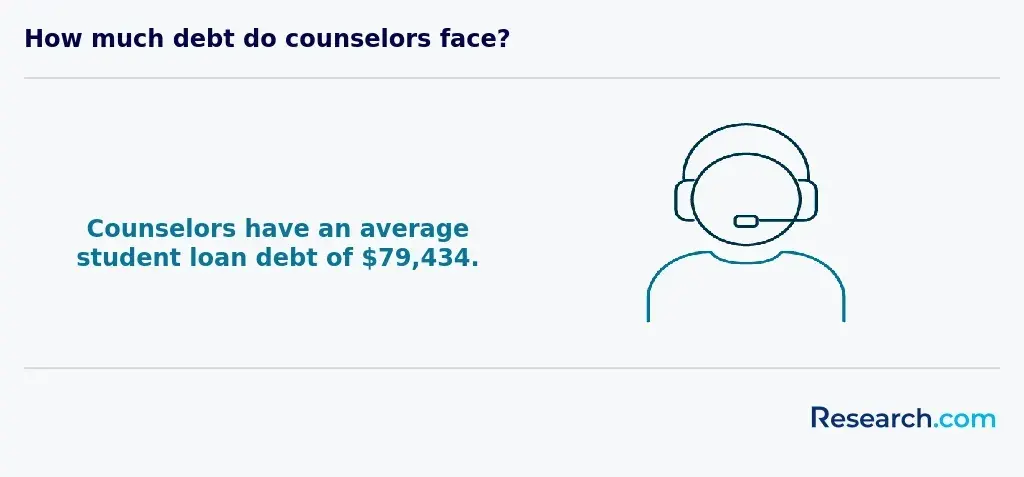
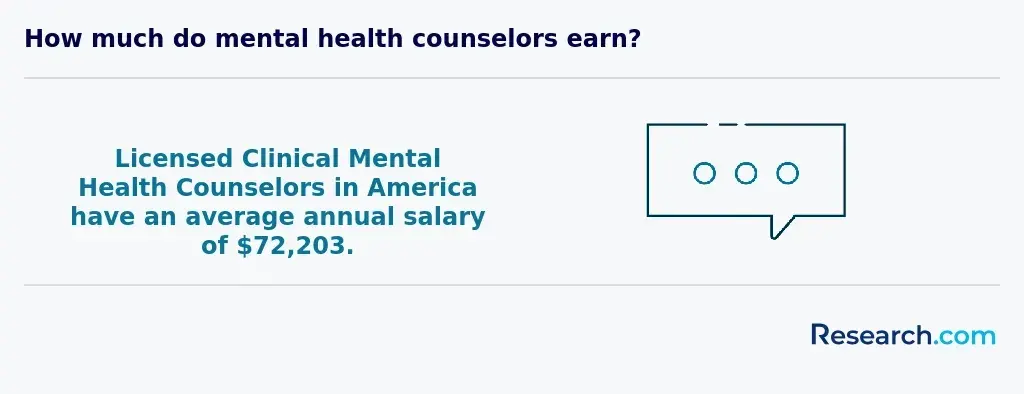
The chart below provides additional context on compensation and debt-related barriers that can affect counselors.
How can counselors work with school-based professionals in Colorado?
Mental health counselors can play an important role in school-connected care, especially when they collaborate with school psychologists, school counselors, social workers, teachers, nurses, and administrators. These teams can coordinate support for students experiencing anxiety, depression, trauma, family stress, behavioral concerns, bullying, grief, or academic disruption.
Effective collaboration requires clear boundaries. Mental health counselors should understand consent, confidentiality, mandatory reporting, school policies, crisis protocols, and referral procedures. They should also avoid duplicating the role of school psychologists or school counselors when those professionals are already assigned to assessment, academic planning, or special education support. To compare related education careers, review how long it takes to become a school psychologist in Colorado.
How can social work training support counseling practice in Colorado?
Social work training can complement counseling by strengthening a clinician’s understanding of systems, poverty, housing instability, healthcare access, family services, disability resources, public benefits, and community-based intervention. This broader view can be especially valuable when clients’ mental health concerns are shaped by social and economic barriers.
Counselors do not need to become social workers to use a systems-informed lens, but some professionals choose additional education or interdisciplinary collaboration to serve clients more effectively. If you are comparing helping professions, the guide to social worker education requirements in Colorado can clarify how the training paths differ.
How can strong academic preparation affect a counseling career?
The quality of academic preparation can influence clinical confidence, exam readiness, field placement options, research literacy, and access to faculty mentorship. Strong programs help students connect theory with supervised practice, understand ethical decision-making, and develop skills that employers value.
Students interested in the broader mental health education landscape can compare counseling programs with psychology departments and research-focused institutions. Research.com’s list of the best psychology schools in Colorado may help students identify universities with strong behavioral science resources, although psychology rankings should not be treated as a substitute for counseling licensure fit.
What funding options can counseling students explore?
Funding a counseling degree requires early planning. Tuition is only one part of the cost. Students should also estimate fees, books, transportation, technology, background checks, liability insurance, practicum-related expenses, exam fees, and potential income reduction during fieldwork.
- Institutional scholarships from colleges and universities
- Graduate assistantships or work-study options when available
- Professional association scholarships or training awards
- State-sponsored grants or workforce development programs
- Employer tuition assistance for students already working in healthcare, education, or human services
- Federal financial aid options for eligible students
Before applying, note deadlines, enrollment requirements, GPA rules, service commitments, and whether funding is renewable. Students trying to reduce both cost and time should also review the quickest path to becoming a counselor in Colorado while making sure accelerated options still meet licensure expectations.
How do insurance and billing affect counseling practice in Colorado?
Insurance and billing can determine whether a counseling practice is financially sustainable. Clinicians in private practice need to understand payer contracts, reimbursement timing, claim denials, documentation requirements, client copays, deductibles, billing codes, and whether they will accept insurance, private pay, or a mix of both.
This administrative side of counseling is often underestimated. A counselor with excellent clinical skills may still struggle if scheduling, collections, credentialing, and billing systems are weak. Counselors who prefer school-based roles can compare a different employment model in Research.com’s guide on how to become a school counselor in Colorado.
How can LPCs build a sustainable private practice in Colorado?
Launching a private practice requires more than clinical competence. First, confirm that you meet LPC license requirements in Colorado and are legally able to practice independently. Then plan the business side before accepting clients.
- Define your niche. Decide whether you will focus on adults, teens, couples, trauma, anxiety, addiction, grief, life transitions, or another specialty.
- Estimate startup and monthly costs. Include office space or telehealth tools, electronic health records, billing support, liability insurance, marketing, legal consultation, taxes, and continuing education.
- Choose a payment model. Decide whether to accept insurance, private pay, sliding scale clients, employee assistance referrals, or a hybrid model.
- Build referral relationships. Connect with physicians, schools, hospitals, social workers, attorneys, clergy, community agencies, and other therapists.
- Use secure systems. Telehealth, scheduling, consent forms, payment processing, documentation, and client communication should meet privacy and professional standards.
- Protect your workload. Set boundaries around caseload size, consultation, crisis availability, vacation, and administrative time.
| Question to ask before opening a practice | Why it matters |
| Do I have the correct license status for independent practice? | Practicing outside your authorization can create legal and ethical problems |
| Will I accept insurance or private pay? | This affects income predictability, documentation requirements, and client access |
| Who is my ideal client population? | A clear niche improves marketing, referrals, and clinical focus |
| How will I handle emergencies and after-hours contact? | Private practice requires clear crisis policies and client communication |
| What supervision or consultation will I use? | Even experienced counselors benefit from support for complex cases |
What continuing education options are available?
Continuing education helps Colorado counselors maintain licensure, stay current with ethical expectations, and improve clinical practice. It also supports specialization and career advancement.
- State-required continuing education. Licensed counselors must meet Colorado’s renewal expectations, which may include topics such as ethics, supervision, and current clinical issues.
- Workshops and seminars. Professional trainings can focus on modalities, diagnoses, populations, ethics, documentation, or specialized interventions.
- Online courses. Distance learning can help busy counselors complete training while managing caseloads and family responsibilities.
- Professional conferences. State and national events can provide continuing education credits, networking, and exposure to current research and practice trends.
- Specialty certifications. Counselors may pursue additional training in trauma-informed care, substance use treatment, marriage and family therapy, grief counseling, or other areas.
- Peer consultation groups. Ongoing case discussion with colleagues can strengthen ethical decision-making and reduce professional isolation.
Continuing education should be chosen strategically. A random collection of inexpensive credits may satisfy renewal rules, but targeted training can help you build a recognizable specialty, improve client outcomes, and qualify for more advanced roles.
How do policy and advocacy affect counselors in Colorado?
Colorado’s policy environment affects how counselors are licensed, where they can practice, how they document care, and how clients access services. The state’s participation in the Counseling Compact is especially important because it may allow eligible licensed counselors to practice across participating states without obtaining a separate license in each state.
State regulation also protects the public by setting education, supervision, examination, and ethical expectations for LPCs. For counselors, this creates a clear framework for professional practice, but it also requires careful compliance and documentation.
Professional advocacy groups, including the Colorado Counseling Association, can help counselors monitor policy changes, connect with peers, access training, and participate in discussions about workforce needs, reimbursement, burnout, and access to care. Students and new professionals who want a step-by-step overview can review Research.com’s guide on how to become a therapist in Colorado.
How is telehealth changing counseling in Colorado?
Telehealth has become a major part of mental health service delivery. For Colorado, it can be especially valuable because it allows counselors to reach clients who face transportation barriers, live far from providers, have limited mobility, or need more flexible scheduling.
Telehealth is not simply video calling. Counselors must consider privacy, emergency planning, client location, informed consent, technology reliability, documentation, and whether remote care is clinically appropriate. It can expand access, but it may not be the best format for every client or every presenting concern.
Counselors who want to build a telehealth-friendly niche may also pursue additional training in areas that translate well to remote care, such as grief support. Research.com’s guide on how to become a grief counselor explains one possible specialization pathway.
What factors can speed up or delay licensure?
The path to LPC licensure in Colorado can move more smoothly when students choose the right graduate program, secure timely field placements, pass exams on schedule, and maintain accurate supervision records. Delays often happen when candidates discover too late that coursework, practicum structure, supervision documentation, or application materials are incomplete.
| Licensure factor | How it can delay progress | How to manage it |
| Graduate program fit | A program may not include required counseling content or fieldwork structure | Confirm Colorado LPC preparation before enrolling |
| Practicum and internship placement | Limited placement availability can slow degree completion | Ask schools how placements are arranged and how early students apply |
| Supervised post-degree hours | Inconsistent supervision or poor tracking can create verification problems | Use a clear hour-tracking system and keep supervisor documentation current |
| Exam scheduling | Waiting too long to prepare or register can push back application timing | Create an exam preparation schedule before graduation or early in supervision |
| Application paperwork | Missing transcripts, forms, or signatures can slow board review | Review requirements carefully and submit complete documentation |
For a broader timeline perspective, see Research.com’s guide on how many years it takes to become a licensed counselor.
What Colorado counselors say about the career
- "Counseling in Colorado has challenged me to grow clinically and personally. The natural environment is restorative, but the real meaning of the work comes from helping clients find stability during difficult seasons." – James
- "I chose this field because I wanted work that mattered. Colorado’s communities are diverse, and that pushes me to keep learning, listen carefully, and adapt my approach to each client." – John
- "Being a mental health counselor here has shown me how powerful consistent support can be. When clients begin to trust themselves again, the work feels deeply worthwhile." – Mae
Key Insights
- Colorado’s LPC path requires graduate counseling education, practicum or internship experience, supervised post-degree clinical hours, an exam, and state board approval.
- Program choice is one of the most important decisions. Students should verify licensure alignment before enrolling, especially in online or out-of-state programs.
- Colorado shows strong demand indicators, including 1,260 projected annual openings through 2030 and 36% projected growth for substance abuse, behavioral disorder, and mental health counselors.
- Average pay is around $62,000 annually, but affordability depends heavily on location, debt, benefits, supervision costs, and whether you work in an agency, school, healthcare setting, or private practice.
- Specializations such as substance abuse counseling, trauma-informed care, child and adolescent counseling, crisis intervention, and family systems can improve career focus and marketability.
- Telehealth, the Counseling Compact, and mental health access initiatives may expand opportunities, but counselors still need strong ethics, documentation, privacy practices, and clinical judgment.
- The biggest mistakes are choosing a program without checking licensure fit, underestimating total cost, waiting too long to arrange supervision, and assuming job growth guarantees a specific salary or role.
Related Articles for Nearby States
- 2027 How to Become a Mental Health Counselor in Wyoming
- 2027 How to Become a Mental Health Counselor in Nebraska
- 2027 How to Become a Mental Health Counselor in Kansas
- 2027 How to Become a Mental Health Counselor in New Mexico
- 2027 How to Become a Mental Health Counselor in Utah
- 2027 How to Become a Mental Health Counselor in Oklahoma
- 2027 How to Become a Mental Health Counselor in Arizona
- 2027 How to Become a Mental Health Counselor in Texas
- 2027 How to Become a Mental Health Counselor in South Dakota
- 2027 How to Become a Mental Health Counselor in Nevada
References:
- Colorado Department of Regulatory Agencies (n.d.). Mental Health. https://docs.google.com/document/d/1Aa1O0eYqrO4lYNEZU9_F_vaQdfsT3CNNKQkqCrckTZ0/edit
- National Alliance on Mental Illness (2023). Mental Health in Colorado. https://www.nami.org/wp-content/uploads/2023/07/ColoradoStateFactSheet.pdf
- National Conference of State Legislatures (n.d.). Colorado - Scope of Practice Policy. https://www.ncsl.org/scope-of-practice-policy/state/colorado
- O*NET OnLine (n.d.). National Employment Trends: Mental Health Counselors. Retrieved from https://www.onetonline.org/link/localtrends/21-1014.00
- US BLS (2023). Occupational Employment and Wages, May 2023: Substance Abuse, Behavioral Disorder, and Mental Health Counselors. Retrieved from https://www.bls.gov/oes/current/oes211018.htm
- US BLS (2023). May 2023 State Occupational Employment and Wage Estimates, Colorado. https://www.bls.gov/oes/2023/may/oes_co.htm
- US BLS (2023). Occupational Employment and Wage Statistics Query System. Retrieved from https://data.bls.gov/oes
Other Things You Should Know About Becoming a Mental Health Counselor in Colorado
To become a licensed mental health counselor in Colorado in 2027, you must earn a master's degree in counseling or a related field, complete at least 2,000 hours of supervised experience, pass the National Counselor Examination (NCE), and apply for licensure through the Colorado State Board of Professional Counselor Examiners.
In 2027, to become a mental health counselor in Colorado, you must earn a master’s degree in counseling or a related field, complete 2,000 hours of post-degree supervised practice, and pass the National Counselor Examination (NCE). You must then apply for licensure through the Colorado State Board of Licensed Professional Counselor Examiners.