2027 How to Become a Licensed Therapist (LPC) in Pittsburgh, PA

Co-Founder and Chief Data Scientist
If you want to become a Licensed Professional Counselor (LPC) in Pittsburgh, the biggest point to understand is that Pittsburgh does not issue its own counselor license. You must qualify through Pennsylvania’s statewide LPC process, then build your career in Pittsburgh’s healthcare, community mental health, school, nonprofit, private practice, or substance use treatment settings.
This guide explains the education, supervised experience, exam, application process, local graduate programs, practicum options, salaries, employers, and career realities for aspiring LPCs in Pittsburgh. It is designed for students comparing counseling master’s programs, graduates preparing for licensure, and working mental health professionals deciding whether Pittsburgh is a strong place to practice.
Quick Answer: Becoming an LPC in Pittsburgh
- Pittsburgh LPCs follow Pennsylvania licensure rules, including a qualifying graduate degree, supervised post-master’s experience, board application, and required examination steps.
- The average salary for LPCs in Pittsburgh is approximately $55,000 to $65,000 annually, though pay depends heavily on setting, experience, specialization, and whether the counselor works in agency, hospital, managed care, or private practice.
- Major local employers and clinical training sites include UPMC, Allegheny Health Network, Western Psychiatric Institute and Clinic, Allegheny County Department of Human Services, and community behavioral health organizations.
- The strongest candidates usually choose programs with clear licensure alignment, documented practicum and internship support, and access to supervised clinical placements in the Pittsburgh area.
- Pittsburgh can be a good market for LPCs, but it is not automatic. Counselors who develop a niche, understand insurance systems, and build local referral networks are typically better positioned.
- Educational requirements for LPC licensure in Pittsburgh
- How to apply for counselor licensure in Pennsylvania
- Pittsburgh schools with LPC-aligned counseling programs
- Local practicum and internship options for counseling students
- LPC salary expectations in Pittsburgh
- Supervision requirements after graduate school
- Substance abuse counseling specialization options
- Marriage and family therapy transitions for LPCs
- Continuing education and professional development
- Moving from graduate training into LPC practice
- Whether Pittsburgh is a good city for LPC careers
- Job market competitiveness for LPCs
- Counseling associations and professional networks
- Common Pittsburgh employers for LPCs
- What local LPCs say about practicing in Pittsburgh
- Key insights before choosing this career path
What are the educational requirements to become an LPC in Pittsburgh?
To become an LPC in Pittsburgh, you need to meet Pennsylvania’s education requirements for professional counselor licensure. The city does not add a separate academic requirement, but your graduate program must prepare you for the state board’s expectations. This is why program selection matters: not every counseling-related master’s degree automatically creates a clean path to licensure.
In general, aspiring LPCs should look for a graduate program that provides counseling-specific coursework, supervised clinical training, and documented alignment with Pennsylvania licensure standards. A program may sound clinically focused but still leave gaps in required coursework or supervised experience, so applicants should verify details before enrolling.
| Requirement area | What Pittsburgh LPC candidates should confirm | Why it matters |
| Graduate degree | A master’s degree in counseling or a closely related field from an accredited institution | The degree is the academic foundation for Pennsylvania LPC eligibility. |
| Core coursework | Training in areas such as human development, counseling theories, ethics, assessment, and clinical practice | These subjects support exam preparation and competent client care. |
| Clinical training | Supervised practicum and internship built into the graduate program | Clinical placements help students apply counseling skills before post-master’s supervised practice. |
| Clinical hours during graduate training | Substantial clinical hours, typically between 600 and 700, under supervision | Students should confirm how these hours are tracked and whether they align with state expectations. |
| Licensure fit | Clear advising on Pennsylvania LPC requirements | Strong advising reduces the risk of graduating with missing coursework or insufficient clinical documentation. |
Programs at institutions such as Duquesne University and the University of Pittsburgh are often considered by students who want Pittsburgh-based clinical training. However, the better question is not simply whether a school is well known. Prospective students should ask whether the program’s curriculum, field placement system, faculty advising, and licensure documentation process match their specific goal of becoming an LPC.
- Ask whether the program is designed for Pennsylvania LPC eligibility.
- Request a written curriculum map showing how courses connect to licensure requirements.
- Confirm how practicum and internship placements are assigned, supervised, and documented.
- Find out whether graduates commonly pursue LPC licensure in Pennsylvania.
- Ask how the program supports students who want to specialize in areas such as trauma, substance use, children and adolescents, or community mental health.
The most common mistake is choosing a graduate program based only on reputation, convenience, or tuition. For LPC licensure, the practical question is whether the degree gives you the coursework, clinical experience, supervision pathway, and documentation you will need when you apply to the Pennsylvania board.
How do you apply for licensure as a counselor in Pittsburgh?
Because Pittsburgh is in Pennsylvania, LPC applicants apply through the Pennsylvania State Board of Social Workers, Marriage and Family Therapists, and Professional Counselors. The process is structured and document-heavy, so candidates should plan early, keep careful records, and avoid assuming that an employer or graduate program will manage every requirement for them.
The central post-graduate requirement is supervised counseling experience. Candidates generally complete at least 3,000 hours of supervised post-master’s counseling practice over a minimum of two years. Those hours must be supervised by an approved professional, and applicants must be able to document both the work experience and the supervisor’s qualifications.
Applicants must also submit a formal licensure application to the state board. The application typically includes education documentation, supervised experience records, examination information, and other materials required by the board. Missing signatures, unclear hour logs, incomplete transcripts, or supervisor eligibility problems can delay approval.
Another major step is passing the National Counselor Examination for Licensure and Certification (NCE). Pennsylvania may also require additional state-specific steps, such as demonstrating knowledge of counseling laws, professional ethics, or other board requirements. Candidates should review current board instructions before assuming the process is unchanged.
If you are exploring related counseling career paths, Research.com’s overview of the counseling psychology job market can help you compare roles, settings, and long-term options.
| Step | What to do | Decision point |
| 1. Finish a qualifying graduate degree | Complete a master’s program that supports Pennsylvania LPC eligibility. | Do not enroll until you verify licensure alignment. |
| 2. Complete supervised experience | Accumulate 3,000 hours of supervised post-master’s counseling experience over at least two years. | Choose roles with eligible supervision and clear hour tracking. |
| 3. Document supervision carefully | Maintain records of hours, supervisor credentials, supervision sessions, and job duties. | Documentation quality can affect application approval. |
| 4. Pass the required exam | Prepare for and pass the National Counselor Examination (NCE). | Build exam preparation into your post-graduate timeline. |
| 5. Submit the board application | Send required education, exam, experience, and background materials to the Pennsylvania board. | Check every form before submission to avoid delays. |
| 6. Wait for board review | Respond promptly if the board requests clarification or additional information. | Do not begin independent practice until your license status allows it. |
For counselors moving from another state, the process can be more complicated. Pennsylvania may evaluate supervised hours, supervisor qualifications, coursework, and exams differently from the state where the counselor trained. Anyone relocating to Pittsburgh should compare requirements before accepting a job that assumes immediate LPC eligibility.
Which schools in Pittsburgh offer programs for aspiring LPCs?
Pittsburgh has several graduate counseling options for students pursuing LPC licensure. The right choice depends on accreditation, curriculum design, clinical placement support, faculty expertise, schedule format, and how directly the program prepares students for Pennsylvania licensure.
| School | Program noted | Accreditation or licensure alignment noted | Best fit for students who want... |
| Duquesne University | Master of Arts in Clinical Mental Health Counseling | CACREP-accredited | A counseling program built around national counseling education standards and clinical mental health preparation. |
| University of Pittsburgh | Master’s in Counseling Psychology | Designed to meet Pennsylvania licensure standards, though not CACREP-accredited | A research-informed program with emphasis on psychological assessment, multicultural counseling, and evidence-based practice. |
| Carlow University | Master of Arts in Counseling | CACREP-accredited | Clinical mental health counseling preparation with training in individual counseling, group counseling, crisis response, and ethics. |
CACREP accreditation can make program evaluation easier because it signals that the curriculum meets national counseling education standards. However, accreditation should not be the only factor. Students should also compare field placement quality, faculty accessibility, graduation requirements, cost, schedule flexibility, and how well the program serves their intended specialty.
If you want to compare counseling programs beyond the Pittsburgh area, Research.com’s guide to popular masters programs in mental health counseling can help you evaluate broader options.
- Ask about licensure outcomes: How many graduates pursue Pennsylvania LPC licensure?
- Review clinical placement support: Does the school place students or require students to find their own sites?
- Compare supervision quality: Who supervises practicum and internship work, and how is feedback provided?
- Check schedule fit: Can you complete the program while working, caregiving, or commuting?
- Look beyond tuition: Include fees, transportation, required technology, books, insurance, and unpaid clinical hours in your cost estimate.
Are there internship or practicum opportunities for counseling students in Pittsburgh?
Yes. Pittsburgh counseling students can complete practicum and internship experiences in hospitals, community agencies, county systems, nonprofit organizations, crisis programs, and behavioral health clinics. These placements are important because they help students develop direct client skills before entering post-master’s supervised practice.
Practicum and internship sites differ substantially. Some emphasize short-term crisis work. Others focus on outpatient therapy, trauma services, psychiatric care, case management, group counseling, or integrated behavioral health. Students should choose placements based on the type of counselor they want to become, not only on convenience.
| Potential placement site | Common learning experiences | Good fit for students interested in... |
| Allegheny County Department of Human Services | Case coordination, client assessments, community resource navigation, and work with multidisciplinary teams | Public service, community mental health, family systems, and vulnerable populations |
| Western Psychiatric Institute and Clinic (WPIC) | Psychiatric assessment exposure, individual and group therapy, treatment planning, and crisis response | Hospital-based behavioral health, complex psychiatric care, and interdisciplinary clinical teams |
| Center for Victims | Trauma-informed support, advocacy, counseling services, and referral coordination | Trauma counseling, victim services, crisis work, and survivor advocacy |
Students should ask each potential site about client population, weekly hour expectations, documentation systems, supervision frequency, safety protocols, and the types of interventions they will be allowed to observe or provide. A prestigious placement is not always the best training environment if supervision is inconsistent or student duties are too limited.
One Pittsburgh therapist described the internship search as a process of “balancing eagerness with patience,” because placement availability, agency schedules, and supervision capacity can shift quickly. She said the work was demanding but formative: “Each client encounter deepened my understanding of trauma and resilience in ways textbooks never could.”
How much do LPCs make in Pittsburgh?
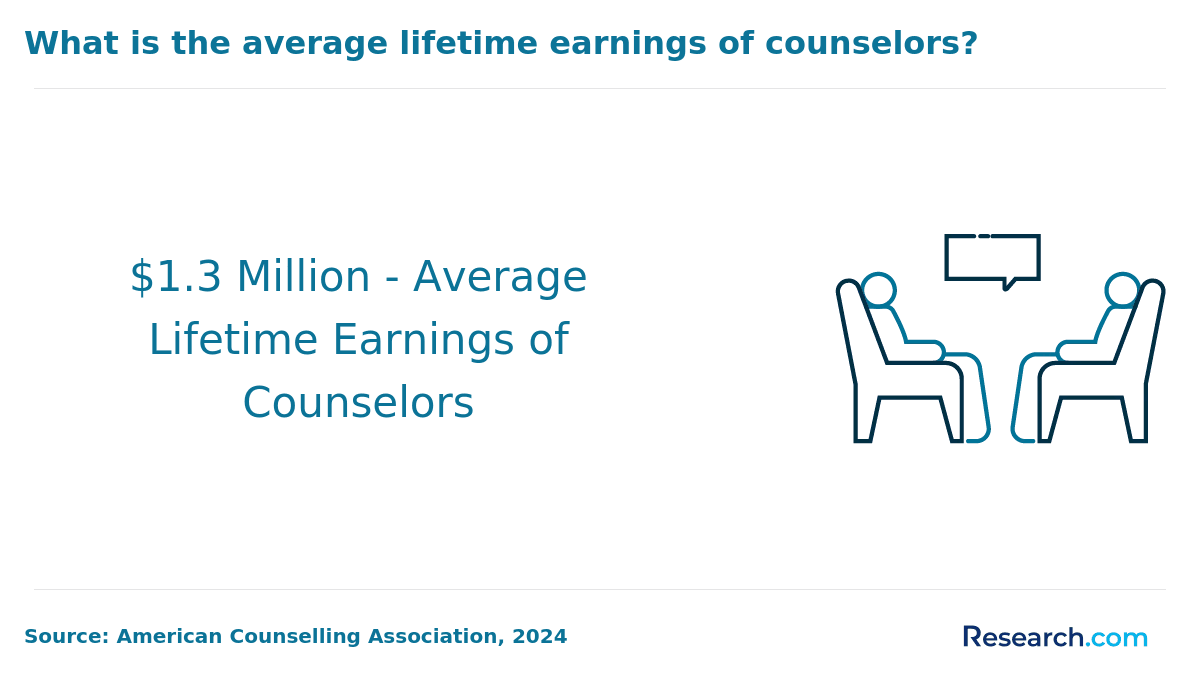
LPC compensation in Pittsburgh varies by employer, specialization, experience, caseload, insurance participation, and whether the counselor works in agency employment or private practice. Salary should be evaluated alongside benefits, supervision access, loan forgiveness eligibility, administrative workload, and long-term advancement options.
Licensed professional counselor salary Pittsburgh data shows that LPCs typically earn between $45,000 and $65,000 annually, with a median salary around $55,000. Entry-level counselors, especially those in smaller community clinics, often start toward the lower end. More experienced clinicians in hospitals, private practice, specialized treatment settings, or leadership roles may earn more.
| Work setting | Typical compensation pattern | Trade-offs to consider |
| Community mental health or nonprofit agency | Often lower base pay than hospitals or private practice | May offer strong mission alignment, broad clinical exposure, benefits, and possible loan forgiveness advantages. |
| Hospital or integrated healthcare system | Often more competitive compensation for experienced clinicians | May involve higher documentation demands, complex cases, interdisciplinary coordination, and structured productivity expectations. |
| Private practice | Income can rise with a stable caseload and payer mix | Counselors must manage referrals, billing, insurance, scheduling, cancellations, taxes, and business expenses. |
| Managed care or behavioral health organization | Can provide stable employment and benefits | Roles may include care coordination, utilization review, quality improvement, and less direct therapy than some clinicians expect. |
Compared with some related roles, such as social workers or marriage and family therapists, LPC earnings in Pittsburgh may be slightly higher in certain settings because of advanced licensure expectations and a broad counseling scope of practice. However, individual outcomes vary. Salary is not guaranteed by the license alone.
Counselors who want to expand into couples or family-focused work may compare LPC preparation with the best online masters in marriage and family counseling, especially if their long-term goal includes relational therapy, family systems, or a separate marriage and family therapy credential.
What are the supervision requirements for LPCs in Pittsburgh?
Supervision is the bridge between graduate education and independent LPC practice. In Pittsburgh, the requirement follows Pennsylvania standards: candidates must complete at least 3,000 hours of supervised clinical work after the master’s degree. These hours must occur over a minimum of two years and include no less than 100 hours of direct supervision.
Supervision must be provided by an LPC or another approved mental health professional. This detail is critical. If the supervisor is not eligible under board rules, hours may not count as expected. Before accepting a position, candidates should confirm that the employer can provide qualified supervision and that hour documentation will meet board requirements.
| Supervision element | Requirement stated | What candidates should do |
| Total supervised work | At least 3,000 hours | Track hours consistently from the start of post-master’s employment. |
| Minimum time period | Minimum of two years | Plan for a multi-year licensure timeline rather than expecting immediate independent practice. |
| Direct supervision | No less than 100 hours | Document dates, duration, format, supervisor name, and topics discussed. |
| Supervisor eligibility | LPC or another approved mental health professional | Verify credentials before counting hours toward licensure. |
| Common settings | Hospitals, community agencies, private practices, mental health clinics, and school counseling programs | Choose a setting that provides both client contact and appropriate supervision. |
Many candidates complete supervision while working in paid counseling positions. This can be efficient, but it also requires careful boundary-setting. New counselors should ask how often supervision occurs, whether it is individual or group-based, how crisis cases are reviewed, and whether supervisors help with professional development rather than simply signing forms.
Can LPCs specialize in substance abuse counseling in Pittsburgh?
Yes. LPCs in Pittsburgh can build a practice around substance abuse counseling, addiction treatment, co-occurring disorders, relapse prevention, trauma-informed care, and integrated behavioral health. This specialization can be especially useful for counselors who want to work in community programs, hospital systems, residential treatment, outpatient addiction services, or agencies serving clients with complex behavioral health needs.
Specializing in substance abuse counseling usually requires more than general LPC preparation. Counselors may need targeted coursework, supervised addiction treatment experience, continuing education, and possibly additional credentials depending on the role and employer. Training in motivational interviewing, harm reduction, group counseling, family involvement, and co-occurring mental health conditions can be valuable.
For a more focused pathway, review Research.com’s guide on how to become a drug counselor in Pittsburgh.
Can LPCs transition to marriage and family therapy roles in Pittsburgh?
LPCs can provide counseling that involves couples, families, and relational issues when they are properly trained and practicing within their competence. However, becoming a marriage and family therapist is a distinct professional path with its own education, supervision, and licensure expectations. An LPC should not assume that professional counselor licensure automatically qualifies them for every marriage and family therapy role.
This transition may make sense for counselors who consistently work with relationship distress, parenting concerns, family conflict, blended families, trauma across family systems, or couples affected by mental health and substance use issues. Additional coursework and supervised experience in family systems, couples therapy, relational assessment, and ethics may be necessary.
If you are comparing these paths, use Research.com’s guide on how to become a marriage and family therapist in Pittsburgh to understand the separate requirements.
What are the continuing education and professional development opportunities for LPCs in Pittsburgh?
Continuing education helps LPCs maintain competence, meet renewal expectations, and adapt to changes in clinical practice. In Pittsburgh, counselors can pursue professional development through online courses, local workshops, university-based trainings, agency seminars, supervision groups, and professional association events.
The strongest continuing education plan is not just a checklist for renewal. It should support the counselor’s client population and career goals. For example, a clinician working with trauma survivors may prioritize trauma-informed care and crisis response, while a counselor in private practice may need training in documentation, ethics, insurance, telehealth, and risk management.
| Professional development area | Why it matters for Pittsburgh LPCs | Useful for... |
| Ethics and legal updates | Supports compliant practice under Pennsylvania requirements and professional standards | All LPCs |
| Trauma-informed counseling | Helps clinicians work with survivors, crisis clients, and clients with complex histories | Community agencies, victim services, private practice, hospitals |
| Substance use and co-occurring disorders | Strengthens care for clients with addiction and mental health needs | Addiction treatment, outpatient care, integrated behavioral health |
| Telehealth practice | Supports remote counseling, documentation, privacy, and client access | Private practice, agencies, hybrid clinical roles |
| Interdisciplinary training | Helps LPCs work more effectively with educators, physicians, social workers, and case managers | Schools, hospitals, community systems |
Some clinicians also pursue adjacent credentials to broaden their work with schools, families, or educational systems. For example, understanding the cheapest way to become a teacher in Pittsburgh may be relevant for counselors who want to combine mental health expertise with educational practice.
What are the essential steps for transitioning from academic training to professional LPC practice in Pittsburgh?
The move from graduate student to practicing counselor is often the most challenging stage of the LPC pathway. New graduates must secure supervised employment, prepare for exams, track hours accurately, learn agency systems, build clinical confidence, and begin forming a professional identity.
- Confirm your licensure plan before graduation. Review Pennsylvania requirements and identify any missing coursework, forms, or supervision questions.
- Target jobs that provide eligible supervision. A counseling job is not enough if the supervisor does not meet board expectations.
- Create a documentation system immediately. Track hours, supervision meetings, client contact, job duties, and supervisor information.
- Prepare for the NCE early. Waiting until you are overloaded with clinical work can make exam preparation harder.
- Find mentors beyond your workplace. Local associations, alumni networks, and peer consultation groups can help you navigate ethical, clinical, and career decisions.
- Build a specialty gradually. Early-career counselors benefit from broad exposure, but long-term competitiveness often improves when you develop expertise in a defined client population or treatment area.
For a broader step-by-step pathway, see Research.com’s guide on how to become a mental health counselor in Pittsburgh.
Is Pittsburgh a good place to work as an LPC?
Pittsburgh can be a strong city for LPCs, especially for counselors interested in healthcare systems, community mental health, trauma services, substance use counseling, university-adjacent clinical work, and nonprofit service. The city has major medical institutions, graduate counseling programs, and a broad network of behavioral health providers. At the same time, the market requires realistic expectations about pay, competition, insurance complexity, and client affordability.
| Factor | Why it helps LPCs | Potential challenge |
| Demand for mental health services | Growing recognition of mental health needs supports employment across healthcare and community settings. | Demand does not guarantee high pay in every setting. |
| Healthcare infrastructure | Major systems and behavioral health providers create clinical and interdisciplinary opportunities. | Hospital and specialized roles can be competitive. |
| Economic diversity | Counselors can serve varied populations with different needs and backgrounds. | Some clients may face financial barriers to private therapy. |
| Insurance and Medicaid environment | Expanded Medicaid coverage in Pennsylvania can improve access to mental health services. | Reimbursement rates, authorization rules, and billing administration can be difficult for private practitioners. |
| Professional community | Universities, agencies, and associations can support networking and continuing education. | New graduates may need to differentiate themselves in a steady pipeline of counseling professionals. |
One Pittsburgh therapist said that serving clients across income levels while dealing with insurance systems “requires both patience and creativity.” He added, “While the competition can feel intense, it pushed me to develop a niche and build meaningful connections in the local mental health community.”
How competitive is the job market for LPCs in Pittsburgh?
The LPC job market in Pittsburgh is moderately competitive. Demand for counseling services is increasing as mental health awareness grows and healthcare organizations expand behavioral health access. Pittsburgh is smaller than larger metropolitan markets, but it also has a steady supply of graduates from local universities.
Licensed counselors generally have stronger employment options than unlicensed candidates because many employers and insurers prefer or require licensure for clinical roles, reimbursement, and regulatory compliance. Specialized roles in hospitals, schools, addiction treatment, trauma services, and integrated care can be more competitive, particularly when employers want clinicians with experience, certifications, or advanced training.
If you are still choosing your degree pathway, an online counseling degree may be worth considering if it is affordable, accredited, clinically appropriate, and aligned with Pennsylvania licensure requirements.
- Demand is supported by broader mental health awareness and behavioral healthcare growth.
- Pittsburgh may be less saturated than larger cities, but local graduate programs add competition.
- Licensed candidates usually have an advantage over unlicensed applicants.
- Specialization can improve competitiveness, especially in trauma, substance use, crisis care, or integrated health settings.
- The field sees considerable growth in job vacancies in the coming years.
Common mistakes that weaken LPC job prospects
| Mistake | Why it creates problems | Better approach |
| Choosing a program without checking licensure alignment | You may graduate missing required coursework or clinical preparation. | Ask for written confirmation of Pennsylvania LPC preparation. |
| Accepting a job without eligible supervision | Your hours may not count toward licensure as expected. | Verify supervisor credentials before starting the role. |
| Tracking hours casually | Poor records can delay or complicate the board application. | Maintain organized, signed, and dated documentation. |
| Focusing only on salary | A higher-paying role may lack supervision, mentorship, or manageable caseloads. | Compare pay, benefits, supervision, workload, and growth potential together. |
| Assuming private practice is immediately profitable | Referral building, insurance contracting, billing, and cancellations affect income. | Develop a business plan and build clinical experience first. |
Are there counseling associations in Pittsburgh?
Yes. Pittsburgh LPCs can benefit from professional associations that offer continuing education, advocacy, networking, ethics resources, and peer connection. Local and statewide involvement can be especially helpful for students, supervisees, and early-career counselors who are still learning the professional landscape.
- Pennsylvania Counseling Association (PCA): This statewide association supports professional counselors through advocacy, networking, continuing education, and updates related to counseling standards and licensure issues in Pennsylvania.
- Pittsburgh Psychological Association (PPA): Although its primary audience is psychologists, the organization can be useful for counseling professionals who want interdisciplinary learning, ethical practice resources, and exposure to broader mental health policy and research conversations in the Pittsburgh region.
- National Association of Social Workers (NASW) Pennsylvania Chapter: NASW serves social workers, including professionals in counseling-related roles. LPCs who work in interdisciplinary agencies, community systems, or social service settings may find its workshops and policy advocacy relevant.
Associations are useful, but they should not be the only source of professional growth. Counselors may also benefit from university alumni networks, clinical supervision groups, online specialty communities, national conferences, and employer-based training. If you are comparing long-term counseling career outcomes, Research.com’s guide to the highest paying jobs with psychology counseling degree can help you think beyond the first job after graduation.
Which are the most popular employers of LPCs in Pittsburgh?
LPCs in Pittsburgh work in a wide range of settings. Some roles are therapy-heavy, while others combine counseling with assessment, case coordination, crisis work, managed care, program development, or interdisciplinary treatment planning. Before applying, candidates should read job descriptions carefully to understand how much direct counseling is actually involved.
| Employer or organization | Common LPC role | What the work may involve |
| Western Psychiatric Institute and Clinic (WPIC) | Mental health therapist or behavioral health clinician | Individual and group counseling, assessments, treatment planning, psychiatric team collaboration, and work with clients who have complex behavioral health needs. |
| Allegheny County Department of Human Services | Community-based counselor, crisis worker, or program clinician | Services for children, families, people affected by substance use disorders, and other vulnerable populations; may include crisis response, case management, and therapeutic programming. |
| Community Care Behavioral Health Organization | Outpatient counselor, care coordinator, or behavioral health professional | Counseling, care coordination, work with serious mental illness populations, provider collaboration, and quality improvement responsibilities. |
Other Pittsburgh LPC opportunities may appear in hospitals, outpatient clinics, university counseling centers, schools, private group practices, addiction treatment programs, crisis centers, and nonprofit agencies. The best employer depends on whether you want intensive clinical experience, stable benefits, a path to supervision, private practice preparation, or specialized work with a defined population.
What LPCs in Pittsburgh say about their careers
- Practicing as an LPC in Pittsburgh has given me the chance to serve a broad community that takes mental health seriously. After completing counseling training at the University of Pittsburgh, I found meaningful work with underserved clients, and that has made the career deeply personal for me. The collaborative culture here keeps me learning and growing. — Stan
- Pittsburgh has made it easier than I expected to balance counseling work with family life. In my role at a community health center, I value the city’s manageable cost of living, professional support systems, and mix of urban life and outdoor access. It feels like a place where I can develop professionally without losing personal stability. — Mary
- After almost twenty years in practice, I continue to appreciate the professional development available through local organizations and universities. Pittsburgh’s mental health needs keep changing, and that challenges me to keep improving. Being part of this LPC community has strengthened my sense of purpose and professionalism. — Liam
Key insights before becoming an LPC in Pittsburgh
- Pittsburgh follows Pennsylvania licensure rules. There is no separate city license, so your main task is meeting state education, supervision, exam, and application requirements.
- Program choice affects your entire timeline. Select a counseling graduate program that clearly supports Pennsylvania LPC eligibility, not just a degree with a counseling-related title.
- Supervision is a major career stage. Expect at least 3,000 hours of supervised post-master’s work over a minimum of two years, including no less than 100 hours of direct supervision.
- Salary varies by setting. LPCs in Pittsburgh typically earn between $45,000 and $65,000 annually, with a median salary around $55,000, but employer type and specialization matter.
- Clinical placements should be chosen strategically. Practicum and internship sites shape your skills, references, and early professional direction.
- Licensure improves employability. Many employers and insurers prefer or require licensed counselors, making the LPC credential important for long-term stability.
- Specialization can help you stand out. Substance use counseling, trauma, crisis care, couples and family work, and integrated behavioral health can create stronger career options when supported by proper training.
- Do not rely only on rankings or reputation. Ask schools and employers detailed questions about accreditation, licensure fit, supervision, documentation, costs, and real clinical responsibilities.
Related Articles for Nearby Cities
- 2027 How to Become a Licensed Therapist (LPC) in Cleveland, OH
- 2027 How to Become a Licensed Therapist (LPC) in Columbus, OH
- 2027 How to Become a Licensed Therapist (LP) in Buffalo, NY
- 2027 How to Become a Licensed Therapist (LPC) in Washington, DC: Counselor License Requirements
- 2027 How to Become a Licensed Therapist (LPC) in Baltimore, MD: Counselor License Requirements
- 2027 How to Become a Licensed Therapist (LPC) in Toledo, OH
- 2027 How to Become a Licensed Therapist (LPC) in Detroit, MI
- 2027 How to Become a Licensed Therapist (LPC) in Richmond, VA
- 2027 How to Become a Licensed Therapist (LPC) in Cincinnati, OH
- 2027 How to Become a Licensed Therapist (LPC) in Philadelphia, PA: Counselor License Requirements
References:
- AFCPE. Licensed Professional Counselor (LPC) Salary (May 2025). AFCPE.
- Carlow University. Master's in Mental Health Counseling. Carlow University.
- Commonwealth of Pennsylvania. Professional Counselor Licensure Snapshot | Department of State. Commonwealth of Pennsylvania.
- Lancaster Bible College. 4 Steps to Becoming a Licensed Professional Counselor in PA. Lancaster Bible College.
- Pitt SHRS. Clinical Mental Health Counseling (MS) Program. Pitt SHRS.
- School of Social Work. Licensure Requirements. School of Social Work.
Other Things You Should Know About Becoming an LPC in Pittsburgh
To become an LPC in Pittsburgh, PA in 2027, you must earn a master's degree from a counseling program accredited by the Council for Accreditation of Counseling and Related Educational Programs (CACREP) or meet equivalent standards, which include courses in professional ethics, human growth, and cultural diversity.
In 2027, LPCs in Pittsburgh, PA must complete 30 hours of continuing education every two years to maintain their license. This includes 3 hours in ethics and 2 hours in child abuse recognition and reporting training approved by the Pennsylvania State Board of Social Workers, Marriage and Family Therapists, and Professional Counselors.