2027 How to Become a Substance Abuse Counselor in Arizona

Co-Founder and Chief Data Scientist
If you want to become a substance abuse counselor in Arizona, the biggest decision is not simply which school to attend. You need to understand which Arizona credential fits your career goal, what degree level is required, how supervised experience works, which exams may apply, and how the work differs across treatment centers, community agencies, hospitals, schools, and correctional settings. This guide explains the Arizona pathway in practical terms so you can compare licensure levels, avoid common delays, estimate earnings, and decide whether addiction counseling is the right professional track for you.
Quick answer: becoming a substance abuse counselor in Arizona
- Arizona has a serious need for addiction counseling professionals. The state is projected to need over 1,000 additional substance abuse counselors by 2025, creating opportunities for candidates who complete the right education, supervision, and examination steps.
- Salary estimates vary by employer, setting, credential, and location. One commonly cited average for substance abuse counselors in Arizona is approximately $51,000 per year, with entry-level roles starting around $40,000 and experienced counselors earning upwards of $70,000.
- The employment outlook is strong, with a projected growth rate of 23% from 2020 to 2030. Demand is tied to broader recognition of mental health needs and the continued effects of the opioid crisis.
- Living costs differ across the state. Phoenix and Tucson are generally more expensive than many rural communities, although Arizona is often described as having a lower overall cost of living than the national average.
- For advanced independent practice, candidates should expect graduate education and supervised clinical experience. One pathway described for licensed substance abuse counselors in Arizona includes completing a master's degree in counseling or a related field, 3,000 hours of supervised experience, and passing the National Counselor Examination (NCE). Always confirm current requirements with the Arizona Board of Behavioral Health Examiners before enrolling or applying.
- Steps to become a substance abuse counselor in Arizona
- Minimum education requirements in Arizona
- What substance abuse counselors do
- Arizona certification and licensing process
- Legal and ethical responsibilities
- Substance abuse counselor salary in Arizona
- Connecting addiction treatment and mental health care
- Arizona job market outlook
- Useful certifications for addiction counselors
- Burnout prevention and self-care
- Interdisciplinary collaboration
- Behavior analysis in addiction counseling
- Family therapy and recovery outcomes
- Fast-track options in Arizona
- Working with criminal justice professionals
- Career paths and advancement options
- Partnering with schools for early intervention
- Continuing education and professional development
- Challenges to consider before entering the field
How can you become a substance abuse counselor in Arizona?
The Arizona pathway depends on the level of responsibility you want. Some professionals begin in technician-level roles with an associate degree, while others pursue graduate education so they can move toward independent counseling practice, supervision, or leadership. Before choosing a program, compare the credential you want with the education, supervision, and exam requirements attached to it.
- Choose the right credential level: Arizona recognizes multiple addiction counseling credentials, including the Licensed Substance Abuse Technician (LSAT), Licensed Associate Substance Abuse Counselor (LASAC), and Licensed Independent Substance Abuse Counselor (LISAC). The LSAT is the entry point for many candidates and requires at least an associate degree. The LASAC generally requires a bachelor’s degree, while the LISAC requires a master’s degree.
- Complete relevant coursework: Look for classes in addiction theory, assessment, treatment planning, counseling skills, ethics, human development, group counseling, crisis response, and co-occurring disorders. A degree in behavioral health science, psychology, counseling, social work, or a related area is commonly relevant.
- Plan for supervised experience early: Supervision is not an afterthought. For example, the LASAC requires 3,200 hours of supervised experience. Candidates pursuing higher-level practice should map out where those hours can be earned and who is qualified to supervise them.
- Prepare for a recognized examination: Arizona applicants may need to pass a state-approved exam. Exams are associated with organizations such as the International Certification Reciprocity Consortium (IC&RC) or the National Association of Alcoholism and Drug Abuse Counselors (NAADAC), depending on the credential and current state rules.
- Build a field-ready resume: Employers look for more than a degree. Include internships, practicum sites, volunteer crisis work, peer support experience, case management exposure, group facilitation, documentation skills, and familiarity with treatment planning.
- Apply to realistic entry points: Common employers include rehabilitation facilities, outpatient clinics, community behavioral health agencies, hospitals, correctional programs, nonprofit organizations, and private practices. Candidates should also review salary expectations using resources on counseling career salaries before accepting an offer.
- Compare Arizona programs carefully: Arizona State University and Rio Salado College are examples of institutions offering relevant preparation for future addiction counseling professionals. When reviewing any program, confirm that its curriculum aligns with the credential you intend to pursue.
| Arizona credential | Typical education level described | Best fit | Decision point |
| Licensed Substance Abuse Technician (LSAT) | At least an associate degree | Entry-level addiction services, supervised client support, technician-level roles | Useful if you want to enter the field sooner and build experience before graduate study |
| Licensed Associate Substance Abuse Counselor (LASAC) | Bachelor’s degree | Clinical work under supervision, case planning, counseling support roles | Appropriate if you want broader counseling responsibility but are not yet independently licensed |
| Licensed Independent Substance Abuse Counselor (LISAC) | Master’s degree | Independent practice, advanced clinical roles, supervision, program leadership | Best for candidates who want the widest long-term clinical and advancement options |
If you are comparing counseling rules across states, remember that requirements do not transfer automatically. A resource such as Alaska counseling degree programs may help you see how different state pathways are structured, but Arizona applicants should rely on Arizona licensing rules for final decisions.
What is the minimum educational requirement to become a substance abuse counselor in Arizona?
The minimum education depends on the credential and job duties. For Arizona addiction counseling credentials, the LSAT route begins with at least an associate degree. However, many counseling positions prefer or require a bachelor’s degree, and advanced independent roles typically require graduate-level preparation. Students also exploring broader professional counseling options can compare this path with Arizona LPC careers.
A bachelor’s degree in psychology, social work, counseling, behavioral health, or a related field is a common foundation for addiction counseling roles. A master’s degree is not always required for entry-level work, but it may become important if you want independent practice, clinical leadership, or eligibility for higher-level counseling credentials.
Strong programs should include addiction-specific and counseling-focused coursework. Key subjects include substance use disorders, screening and assessment, counseling techniques, ethics, case documentation, group facilitation, relapse prevention, trauma-informed care, and human behavior.
Time to completion varies by program format. A bachelor’s degree generally takes four years, while a master’s degree commonly adds two more years. Students who transfer credits, enroll part time, or complete supervised placements on a different schedule may take more or less time.
Cost is another major planning issue. Students should expect degree programs to average between $10,000 and $30,000 per year, depending on whether they attend a public or private institution and whether they qualify for aid, employer support, or transfer credit.
Do not evaluate programs only by tuition. Ask whether supervised fieldwork is built into the curriculum, whether the program helps students identify practicum sites, and whether courses match Arizona credential requirements. Hands-on training in treatment environments is especially valuable because employers need counselors who can document care, manage risk, and work with clients in different stages of readiness.
Accreditation also matters. Before enrolling, confirm that the school is properly accredited and that the program’s coursework is recognized for the credential you want. Arizona State University is one example of an Arizona institution with addiction-related academic offerings, but students should compare multiple options and verify current licensure alignment directly.
| Program question | Why it matters | What to ask before enrolling |
| Is the school accredited? | Accreditation affects transfer credit, employer recognition, graduate admission, and financial aid eligibility. | Which accrediting body recognizes the institution, and is the program accepted for Arizona credentialing? |
| Does the curriculum include addiction counseling content? | General psychology coursework may not cover enough substance use treatment material. | Which courses address assessment, addiction treatment, ethics, relapse prevention, and co-occurring disorders? |
| Are practicum or internship placements supported? | Supervised experience is central to licensure and employability. | Does the school help students secure approved placement sites in Arizona? |
| Can previous credits transfer? | Transfer credit can shorten the timeline and reduce cost. | How many credits can be accepted, and will they apply to major requirements or only electives? |
| Does the program fit your target credential? | Different credentials require different education levels. | Which Arizona credential does this program prepare students to pursue? |
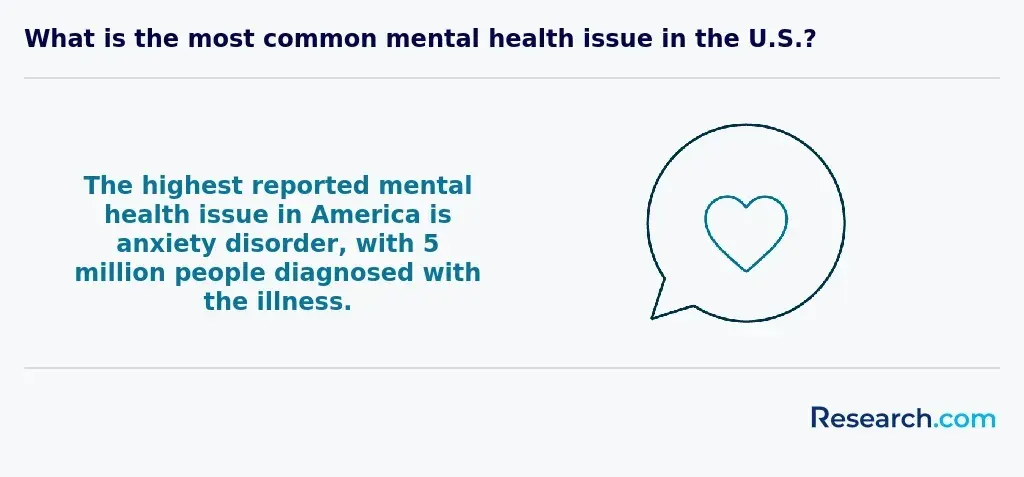
Public health data are often used to show why behavioral health professionals remain important. Anxiety disorder is identified as the highest reported mental health issue in the USA, with about 5 million people diagnosed with it, as shown below.
What does a substance abuse counselor do?
A substance abuse counselor helps people understand, manage, and recover from substance use disorders. The work combines assessment, counseling, treatment planning, education, documentation, referral coordination, and relapse prevention. According to the Bureau of Labor Statistics, these professionals assess client needs, create treatment plans, provide counseling, and support recovery over time.
Day-to-day duties may include individual counseling, group therapy, intake assessments, safety planning, family education, coordination with physicians or social workers, discharge planning, and crisis response. In Arizona, counselors may work with adults, adolescents, justice-involved clients, veterans, families, or people experiencing both substance use and mental health disorders.
Success in this field requires clinical skill and emotional steadiness. Important abilities include:
- Empathy: Clients are more likely to engage when they feel respected rather than judged.
- Clear communication: Counselors must explain treatment goals, boundaries, risks, and recovery strategies in language clients can use.
- Practical problem-solving: Treatment plans must account for housing, transportation, family conflict, court requirements, employment, and relapse triggers.
- Patience: Recovery is rarely linear, and counselors must stay consistent even when progress is slow.
- Cultural competence: Arizona’s communities are diverse, so counselors need awareness of culture, language, geography, family systems, and access barriers.
Students comparing addiction counseling with broader counseling licensure can review Arizona LPC qualifications to understand how professional counseling requirements may differ from addiction-specific credentials.
One Arizona counselor described her first group session after graduating from the University of Arizona’s program as a turning point: a client spoke openly about their experience for the first time, and that moment confirmed why she had chosen the profession. Her reflection captures the core of the job: substance abuse counseling is structured clinical work, but it is also relationship-based work that often happens during a client’s most difficult period.
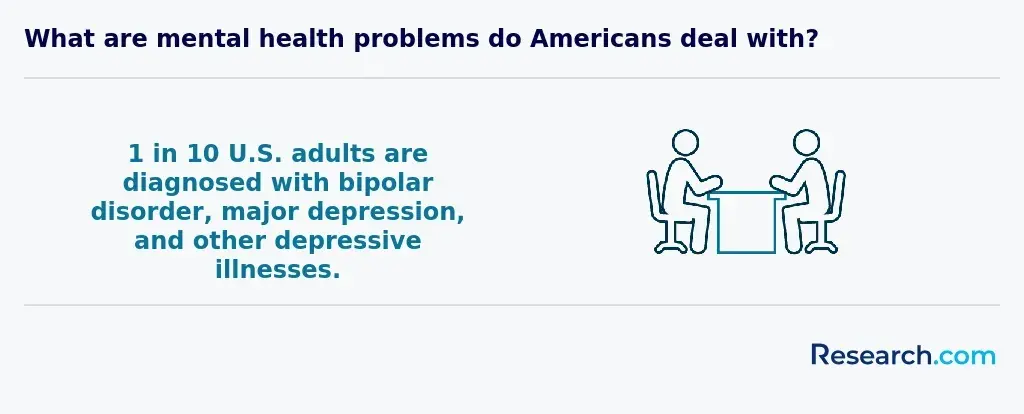
Behavioral health data also show how substance use intersects with other mental health concerns. One in ten adults in the USA have been diagnosed with bipolar disorder, major depression, and other depressive illnesses, as shown below.
What is the certification and licensing process for a substance abuse counselor in Arizona?
Arizona substance abuse counselor licensing is overseen through state behavioral health regulation and addiction certification standards. Applicants should review current instructions from the Arizona Board of Behavioral Health Examiners and related addiction counseling certification resources before applying, because forms, exams, supervision rules, and fees can change.
The major credential levels include Licensed Substance Abuse Technician (LSAT), Licensed Associate Substance Abuse Counselor (LASAC), and Licensed Independent Substance Abuse Counselor (LISAC). Each level has its own education, supervision, and examination expectations. The higher the credential, the more clinical autonomy and responsibility you can generally pursue.
Fingerprinting and background checks are part of the process. This step protects clients and helps licensing bodies evaluate whether applicants meet professional conduct standards for behavioral health practice.
Applicants typically need to submit education records, supervised experience documentation, examination results, and required application materials. Exams may be connected to organizations such as IC&RC or NAADAC, depending on the credential route. Applicants should also budget for application fees, examination fees, and background check costs.
Common licensing delays happen when candidates choose the wrong degree program, misunderstand supervision requirements, submit incomplete forms, or assume that out-of-state coursework automatically meets Arizona rules. The safest approach is to keep copies of syllabi, supervision logs, transcripts, exam reports, and official correspondence.
| Licensing step | What to do | Common mistake to avoid |
| Confirm credential target | Decide whether you are pursuing LSAT, LASAC, LISAC, or another counseling license. | Starting a program before knowing which credential it supports. |
| Verify education | Match your degree level and coursework with Arizona requirements. | Assuming a general degree automatically satisfies addiction counseling rules. |
| Track supervised hours | Use official supervision documentation and confirm supervisor qualifications. | Counting hours that do not meet board standards. |
| Prepare for exams | Identify whether a state-approved exam, IC&RC exam, NAADAC exam, or NCE applies to your route. | Registering for the wrong exam or waiting until the last minute. |
| Submit complete application | Include transcripts, verification forms, exam scores, fees, and background check materials. | Leaving blanks, missing signatures, or submitting unofficial documentation when official records are required. |
The timeline can range from several months to a few years, depending on your education level, work schedule, exam preparation, and supervised experience. Local professional groups, including the Arizona Association of Alcoholism & Drug Abuse Counselors, can be useful for networking, training, and interpreting the professional landscape. If you are comparing nearby states, you may also review how to become a licensed counselor in New Mexico, while remembering that Arizona rules control Arizona practice.
Community attitudes toward substance use also influence demand for counseling and prevention services. In 2018, 43% of adults viewed prescription pain medications like Oxycontin, Percocet, and Vicodin as major community problems, 42% identified other drugs such as cocaine and methamphetamines as serious concerns, 37% saw heroin use as a serious issue, 34% viewed alcohol use as problematic, and 26% considered marijuana use a serious concern, as shown below.
What legal and ethical considerations must a substance abuse counselor consider in Arizona?
Substance abuse counselors work with sensitive health information, high-risk situations, family conflict, court involvement, and clients who may be experiencing crisis. Legal and ethical competence is therefore not optional; it is part of safe practice.
- Licensure boundaries: Counselors must work only within the scope of their Arizona credential, such as LSAT, LASAC, LISAC, or Licensed Professional Counselor (LPC), and must understand when supervision or referral is required.
- Mandatory reporting: Counselors are legally required to report suspected child abuse or neglect and may need to take action when there is a credible threat of harm to self or others.
- Confidentiality: Counselors must follow HIPAA and applicable Arizona laws governing the use and disclosure of client information.
- Informed consent: Clients should understand treatment expectations, confidentiality limits, fees, records, risks, and how information may be shared.
- Professional boundaries: Dual relationships, social contact, financial conflicts, and personal involvement can damage care and create ethical risk.
- Cultural humility: Ethical care in Arizona requires attention to language access, rural service barriers, tribal communities, immigrant communities, family structures, and differing views of treatment.
These responsibilities are central to the benefits of an LPC career in Arizona and related behavioral health careers: professional autonomy must be matched with accountability, documentation, and sound judgment.
How much can you earn as a substance abuse counselor in Arizona?
Arizona salary figures vary depending on the data source, job title, credential, and employer. One estimate places the average substance abuse counselor salary in Arizona at around $47,000 per year, with a median salary of approximately $45,000. Another cited figure places the average around $48,000 per year, while the quick-answer estimate above notes approximately $51,000 per year. These differences are normal because job titles and reporting sources do not always define “substance abuse counselor” the same way.
Compared with a national average of about $50,000 annually, Arizona earnings may be slightly lower or competitive depending on the employer and location. The strongest salaries tend to be tied to advanced licensure, supervisory responsibility, specialized populations, and management roles.
| Role or setting | Arizona salary figure cited | What may increase earnings |
| Entry-level substance abuse counselor | Approximately $35,000 to around $40,000 | Internship experience, bachelor’s degree, bilingual skills, crisis experience, and strong documentation skills |
| Typical substance abuse counselor | Around $47,000, $48,000, or approximately $51,000 per year depending on the source | Licensure level, years of experience, specialty training, and employer type |
| Experienced counselor | Upwards of $65,000 or upwards of $70,000 depending on role and setting | Advanced credentials, clinical specialization, and supervisory duties |
| Substance Abuse Program Manager | Around $65,000 | Program oversight, compliance knowledge, staff supervision, and budgeting experience |
| Clinical Director | Upwards of $70,000 annually | Graduate education, independent licensure, management experience, and treatment program leadership |
| Licensed Professional Counselor (LPC) | Between $60,000 and $75,000 | Additional credentials, clinical independence, specialization, and private or leadership roles |
Location also affects compensation. Phoenix, as the largest city and state capital, offers many treatment and behavioral health jobs, with salaries averaging around $50,000. Tucson counselors can earn about $48,000. Scottsdale may offer higher-paying opportunities, with some counselors earning close to $55,000.
Substance use trends help explain why the work remains important. Marijuana dominates substance use in the U.S., with nearly one in five people using it in the past year. Opioids and prescription pain medication remain major concerns, and the use of prescription stimulants, sedatives, LSD, cocaine, methamphetamines, and heroin continues to create public health challenges, as shown below.
How can substance abuse counselors bridge the gap between substance abuse and mental health treatment in Arizona?
Many clients seeking help for substance use also experience anxiety, depression, trauma, bipolar disorder, or other mental health conditions. For Arizona counselors, this means addiction treatment is often most effective when it is coordinated with mental health care rather than treated as a separate issue.
Practical integration may include screening for co-occurring disorders, coordinating care with therapists and prescribers, using trauma-informed approaches, building crisis plans, and referring clients when symptoms fall outside the counselor’s scope. Counselors who want to expand their work with dual diagnosis clients can compare addiction counseling with how to become a mental health counselor in Arizona.
What is the job market like for a substance abuse counselor in Arizona?
The Arizona job market is favorable for trained addiction counselors, but it is not the same in every region or employer type. According to the Arizona Department of Economic Security, demand for substance abuse counselors is projected to grow by 20% over the next decade, which is described as significantly faster than the national average. Earlier employment projections also cite a 23% growth rate from 2020 to 2030.
Demand is especially visible in urban areas such as Phoenix and Tucson, but rural and underserved communities may also need qualified counselors. Job seekers should compare more than openings; they should look at supervision quality, caseload expectations, documentation systems, safety protocols, benefits, and opportunities for advancement.
- Compensation: One job-market estimate places the Arizona average around $48,000 per year, with entry-level positions starting at approximately $35,000 and experienced counselors earning upwards of $65,000, especially in specialized settings.
- Competition: Demand is strong, but desirable roles may still be competitive. Candidates with advanced degrees, supervised experience, and specialized certifications may have an advantage.
- Growth paths: Counselors can move into clinical supervision, program coordination, dual diagnosis treatment, trauma-informed care, compliance, or administration.
- Regional considerations: Cost of living, commute times, rural access issues, and bilingual service needs can influence job fit.
An Arizona counselor who graduated from Arizona State University described the market as encouraging but competitive. She noted that the need for services made the career feel worthwhile, but she still had to evaluate job quality, supervision, and long-term growth before accepting a position.
What additional certifications can enhance my counseling practice in Arizona?
Additional credentials can help counselors serve more complex client needs and qualify for specialized roles. Useful areas include trauma-informed treatment, co-occurring disorders, medication-assisted treatment awareness, family systems, crisis intervention, clinical supervision, and group counseling. Counselors interested in family-centered work may find value in reviewing marriage counselor education requirements in Arizona to understand how relationship and family systems training can complement addiction treatment.
What are effective strategies for managing burnout and promoting self-care in Arizona?
Substance abuse counseling can involve relapse, grief, crisis calls, high caseloads, court pressure, and emotionally intense sessions. Burnout prevention should be treated as part of professional competence, not as a personal luxury.
- Use regular supervision to process difficult cases and ethical questions.
- Set clear work boundaries, especially around after-hours communication and crisis coverage.
- Build peer consultation habits so you are not carrying complex cases alone.
- Track warning signs such as emotional numbness, irritability, dread before sessions, sleep disruption, or declining documentation quality.
- Seek continuing education on trauma stewardship, compassion fatigue, and clinician resilience.
Professionals comparing long-term paths in behavioral health can explore broader counseling careers to see how responsibilities, settings, and stressors differ across specialties.
How can substance abuse counselors foster interdisciplinary collaboration to optimize client outcomes in Arizona?
Addiction recovery is often affected by medical conditions, housing instability, family conflict, legal involvement, employment barriers, and mental health symptoms. Counselors who collaborate well can help clients receive more coordinated care.
Interdisciplinary work may involve primary care providers, psychiatrists, social workers, probation officers, peer support specialists, school counselors, family therapists, and forensic professionals. Understanding adjacent fields, such as how to become a forensic scientist in Arizona, can help counselors appreciate how evidence, documentation, and case analysis may intersect with behavioral health cases.
How can integrating behavior analysis enhance substance abuse counseling outcomes in Arizona?
Behavior analysis can strengthen addiction counseling by focusing on observable patterns: triggers, reinforcement, avoidance, cravings, environmental cues, and replacement behaviors. This can be especially useful when clients need concrete strategies rather than insight alone.
For example, a counselor might help a client identify the times, places, people, and emotional states most connected to substance use, then build a measurable plan for coping skills, support contacts, and alternative routines. Counselors interested in deeper behavioral training can review how to become a behavior analyst in Arizona.
How can integrating family therapy enhance treatment outcomes in Arizona?
Substance use rarely affects only one person. Family therapy concepts can help counselors address communication patterns, enabling behaviors, boundaries, mistrust, relapse triggers, and support roles. When used appropriately, family involvement can make recovery planning more realistic.
Family-focused work may include psychoeducation, safety planning, communication coaching, relapse response planning, and referrals for family therapy when relational issues require specialized care. Counselors considering this direction can learn more through how to become an MFT in Arizona.
How can I fast-track my path to becoming a substance abuse counselor in Arizona?
You cannot skip Arizona’s licensing rules, but you can avoid unnecessary delays. The fastest realistic route is to choose the correct credential first, enroll in a program that aligns with that credential, use transfer credits when allowed, secure supervised experience early, and prepare for exams before the application deadline approaches.
- Ask schools to confirm in writing how their coursework aligns with Arizona addiction counseling requirements.
- Choose practicum or internship sites that may also lead to paid employment.
- Keep supervision logs from the beginning instead of reconstructing hours later.
- Use accelerated or flexible formats only if they still meet credential standards.
- Compare timelines using resources such as the quickest way to become a counselor in Arizona.
How can collaboration with criminal justice professionals benefit substance abuse counseling in Arizona?
Some clients enter treatment through probation, diversion programs, court orders, reentry services, or correctional systems. Collaboration with criminal justice professionals can help counselors understand legal requirements, risk factors, compliance expectations, and community safety concerns while still maintaining clinical ethics and client dignity.
Coordinated care may include treatment progress reports, relapse prevention planning, reentry support, case staffing, and referrals for housing or employment services. Counselors who want broader insight into justice-involved behavioral health cases may review how to become a criminal psychologist in Arizona.
What career and advancement opportunities are available for a substance abuse counselor in Arizona?
Substance abuse counseling can lead to several career directions. Some professionals stay in direct client care, while others move into supervision, program development, compliance, community outreach, private practice, or behavioral health leadership.
| Career stage | Possible roles | How to advance |
| Entry level | Addiction Counselor, Behavioral Health Specialist, Substance Abuse Counselor | Build direct-care experience, document supervised hours, strengthen group counseling and crisis skills |
| Mid level | Program Coordinator, Clinical Supervisor | Earn advanced credentials, learn compliance standards, mentor newer staff, develop specialty expertise |
| Senior level | Director of Counseling Services, Executive Director | Develop leadership, budgeting, staff management, quality assurance, and community partnership skills |
| Adjacent paths | Mental Health Counselor, School Counselor | Complete any additional degree, licensure, or certification required for the new scope of practice |
Substance abuse counselors in Arizona are often associated with an average salary of around $50,000, but advancement can change earning potential. Management responsibilities, independent licensure, specialized populations, and advanced degrees may improve long-term opportunities.
If you are still comparing helping professions, it may be useful to review unrelated but structured health counseling pathways, such as genetic counseling degree rankings, to see how education, licensure, and career specialization differ across counseling-related fields.
How can substance abuse counselors partner with educational professionals to improve early intervention strategies in Arizona?
Schools can be important partners in prevention and early intervention. Substance abuse counselors may work with school counselors, school psychologists, nurses, administrators, and families to identify risk factors, provide education, strengthen referral pathways, and support students before substance use escalates.
Effective school partnerships require clear confidentiality rules, parent or guardian involvement when appropriate, culturally responsive communication, and a referral system that connects students to community treatment resources. Counselors interested in school-based behavioral health collaboration can review Arizona school psychologist certification requirements.
What professional development and continuing education opportunities are available for substance abuse counselors in Arizona?
Continuing education helps counselors maintain competence, renew licensure, and keep up with treatment practices, ethics, documentation standards, and emerging client needs. Arizona requires substance abuse counselors to complete 30 hours of continuing education every two years to maintain licensure.
- The Arizona Board of Behavioral Health Examiners provides information about approved continuing education providers, which may include universities, professional associations, and private training organizations.
- Organizations such as the Arizona Substance Abuse Coalition and the Arizona Counseling Association may offer workshops and seminars on treatment methods, ethical practice, and current behavioral health issues.
- NAADAC offers webinars and virtual training that can be useful for counselors who need flexible continuing education options.
- Arizona State University and Northern Arizona University may host conferences, workshops, or training events related to substance abuse treatment and prevention.
- The Arizona Department of Health Services provides resources and training connected to evidence-based practices.
- Membership in groups such as the Arizona Association of Alcoholism and Drug Abuse Counselors (AAADAC) can support networking, mentorship, and professional development.
- National conferences, including the American Counseling Association Conference, can expose counselors to new research, specialty training, and broader professional networks.
What challenges should you consider as a substance abuse counselor in Arizona?
Addiction counseling is meaningful work, but it is also demanding. Before committing to this career, consider the realities of client complexity, administrative pressure, emotional strain, and system-level barriers.
- Client ambivalence or resistance: Some clients enter treatment because of family pressure, court requirements, employment consequences, or health crises. Counselors need motivational interviewing skills and realistic expectations.
- Relapse management: Relapse can be part of the recovery process. One cited statistic states that over 85% of individuals may return to substance use within a year after treatment. Counselors need relapse prevention plans, referral networks, and emotional resilience.
- Stigma: Clients may carry shame, fear, or distrust because addiction is still judged harshly in many communities. Counselors must create a treatment environment grounded in respect and accountability.
- Limited resources: Treatment access can be uneven, especially when clients need housing, detox services, psychiatric care, transportation, or culturally specific support.
- Co-occurring disorders: Many clients have mental health conditions alongside substance use. Counselors should know when to collaborate, refer, or seek supervision.
- Documentation and compliance demands: Progress notes, treatment plans, court reports, insurance requirements, and risk documentation can take significant time.
- Burnout risk: High caseloads and repeated exposure to trauma, relapse, and crisis can affect counselors unless support systems are in place.
| Common mistake | Why it causes problems | Better approach |
| Choosing a program without checking credential alignment | You may complete credits that do not satisfy Arizona requirements. | Confirm program fit with the Arizona Board of Behavioral Health Examiners before enrolling. |
| Focusing only on tuition | A cheaper program may lack field placement support or relevant coursework. | Compare total cost, accreditation, practicum access, transfer policies, and licensure preparation. |
| Waiting to plan supervised hours | Licensure can be delayed if hours are missing or improperly documented. | Identify approved supervisors and track hours from the start. |
| Assuming online programs automatically qualify | Online format does not guarantee Arizona licensure alignment. | Ask the school how it supports Arizona-specific requirements and field placements. |
| Expecting guaranteed salary outcomes | Pay varies by credential, location, employer, and experience. | Compare local job postings, benefits, supervision, and advancement opportunities. |
What factors influence your earning potential as a substance abuse counselor in Arizona?
Your income as an Arizona substance abuse counselor can be shaped by education level, credential, years of experience, specialization, employer type, geographic location, and supervisory responsibility. Urban centers, rural shortages, private organizations, nonprofit agencies, correctional programs, hospitals, and community behavioral health providers may all compensate differently.
Advanced credentials and specialized training can support higher pay, especially when paired with leadership responsibilities. To compare broader counseling salary patterns, review how much do counselors make. Use salary data as a planning tool, not a promise; individual offers depend on market conditions and qualifications.
What do substance abuse counselors say about their careers in Arizona?
Practicing in Arizona has changed the way I understand community care. The clients I meet come from many backgrounds, and the need for substance use support is real. The work is hard, but seeing people rebuild trust, stability, and hope keeps me committed. I also value the professional support among counselors here; shared resources and peer consultation make the work more sustainable. Lena
For me, counseling in Arizona is connected to the place itself. The landscape and culture create opportunities to think creatively about recovery. When appropriate, I use outdoor reflection and movement as part of the therapeutic process. Helping clients talk through difficult experiences while reconnecting with their surroundings has made the work feel deeply purposeful. Marcus
What keeps me engaged is the range of communities across Arizona. Phoenix, rural areas, and smaller communities all bring different needs. My clients have taught me to stay flexible and humble. Support from local organizations and institutions such as Arizona State University also helps counselors stay current and connected. Jasmine
Related Articles for Nearby States
- 2027 How to Become a Substance Abuse Counselor in New Mexico
- 2027 How to Become a Substance Abuse Counselor in Nevada
- 2027 How to Become a Substance Abuse Counselor in California
- 2027 How to Become a Substance Abuse Counselor in Utah
- 2027 How to Become a Substance Abuse Counselor in Colorado
- 2027 How to Become a Substance Abuse Counselor in Texas
- 2027 How to Become a Substance Abuse Counselor in Oklahoma
- 2027 How to Become a Substance Abuse Counselor in Kansas
- 2027 How to Become a Substance Abuse Counselor in Wyoming
- 2027 How to Become a Substance Abuse Counselor in Idaho
References:
- Arizona Board of Behavioral Health Examiners. (2023, June 16). Addiction counseling. Arizona Board of Behavioral Health Examiners.
- Arizona Legislature. (n.d.). Licensed addiction technician; licensed associate addiction counselor; licensed independent addiction counselor; qualifications; supervision. Arizona Legislature.
- Arizona State University. (n.d.). Certification and licensure. Arizona State University.
- Center for Addiction Studies and Research. (2024, April 29). Arizona CADAC certification continuing education requirements and courses. Center for Addiction Studies and Research.
- Center for Addiction Studies and Research. (2024). Arizona prevention certification and courses. Center for Addiction Studies and Research.
- Sober College. (n.d.). Requirements to become a substance use counselor in Arizona. Sober College.
Key Insights
- Arizona offers multiple addiction counseling credential levels. The LSAT can begin with at least an associate degree, while the LASAC and LISAC require progressively higher education and supervised experience.
- Do not choose a school until you know your target credential. Program accreditation, addiction-specific coursework, field placement support, and Arizona licensure alignment are more important than convenience alone.
- Salary estimates for Arizona substance abuse counselors commonly fall around $47,000, $48,000, $50,000, or approximately $51,000 depending on the source and job definition. Advanced credentials, supervision, specialization, and location can improve earning potential.
- The job outlook is strong, with cited projections of 20% growth over the next decade and 23% growth from 2020 to 2030, but the best jobs may still favor candidates with strong documentation skills, supervised experience, and training in co-occurring disorders.
- The work is clinically important and emotionally demanding. Burnout prevention, supervision, ethical boundaries, and interdisciplinary collaboration are essential for long-term success.
- The fastest path is not the same as the easiest path. The smart route is to verify requirements early, choose an aligned program, document supervision correctly, prepare for the right exam, and keep your professional development focused on the clients you want to serve.
Other Things You Should Know About Becoming a Substance Abuse Counselor in Arizona
To become a substance abuse counselor in Arizona in 2027, you typically need a bachelor's degree in counseling, social work, or a related field. Advanced roles may require a master's degree. Additionally, completing specific coursework in substance abuse treatment and gaining supervised experience is essential.
The certification and licensure process for substance abuse counselors in Arizona typically takes about 2-4 years in 2026, depending on the educational path and required supervised hours. This includes obtaining necessary degrees, completing supervised clinical work, and passing examinations.