
2027 How to Become a Mental Health Counselor in Indiana

Co-Founder and Chief Data Scientist
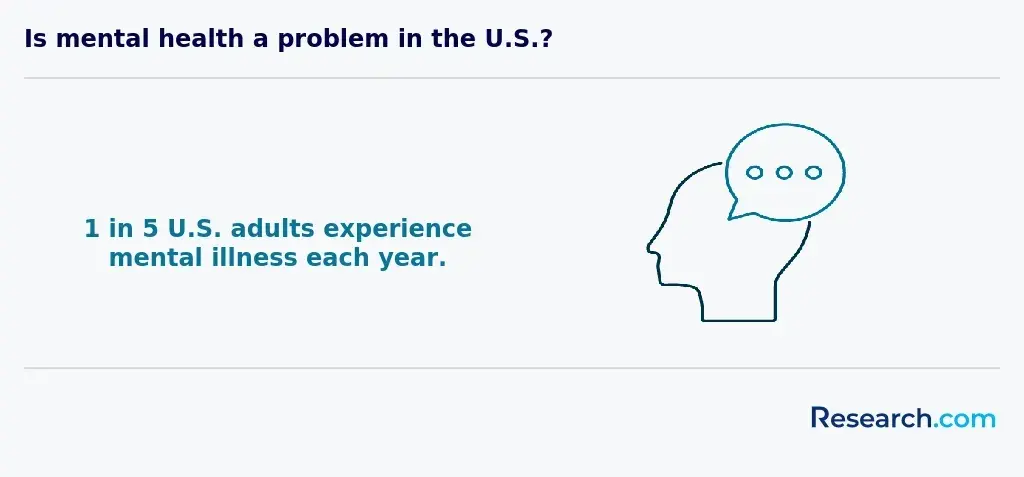
Becoming a mental health counselor in Indiana is a serious career decision because it requires graduate education, supervised practice, state licensure, and ongoing professional development. It can also place you in a field where the need for care is visible: in Indiana, 32.9% of adults reported symptoms of anxiety and/or depressive disorder between February 1 and 13, 2023, compared with 32.3% of adults nationally (Kaiser Family Foundation, 2024). Earlier data also showed that 38.5% of Indiana adults reported anxiety or depression symptoms in February 2021, and 19.2% said they could not get needed treatment (National Alliance on Mental Illness, 2021).
This guide explains how to become a mental health counselor in Indiana, what the licensure path involves, how to choose a counseling program, what salaries and demand look like, and which career options may fit your goals. It is written for students, career changers, and counseling graduates who want a practical roadmap before committing time and money to this profession.
Quick answer: How do you become a mental health counselor in Indiana?
To become a licensed professional counselor in Indiana, candidates generally need a master’s degree in counseling or a closely related field, supervised clinical experience, and a passing score on the National Counselor Examination (NCE). Candidates pursuing advanced clinical counseling credentials may also need to pass the National Clinical Mental Health Counseling Examination (NCMHCE). Because licensure rules can change, applicants should verify current requirements with the Indiana Professional Licensing Agency before enrolling in a program or submitting an application.
Key facts about mental health counseling in Indiana
- Between February 1 and 13, 2023, 32.3% of adults in the US and 32.9% of adults in Indiana reported symptoms of anxiety and/or depressive disorder (Kaiser Family Foundation, 2024).
- Employment for substance abuse, behavioral disorder, and mental health counselors in the US is projected to grow by 18% between 2022 and 2032 (US Bureau of Labor Statistics, 2024).
- In Indiana, substance abuse, behavioral disorder, and mental health counselors had a median hourly wage of $21.88 in May 2023 (US BLS, 2024), equal to an estimated annual wage of $42,009.6.
- A single adult without children in Indiana can live comfortably on a gross annual income of $42,510 (Glasmeier & Massachusetts Institute of Technology, 2024).
- The standard path includes graduate study, supervised clinical training, licensure examinations, and continuing education after licensure.
- What does a mental health counselor do in Indiana?
- What steps do you need to become a mental health counselor in Indiana?
- How should Indiana students prepare for a counseling career?
- Why does practicum experience matter for Indiana counseling students?
- Which counseling specializations can you pursue in Indiana?
- Is Indiana a good state for mental health counselors?
- How strong is demand for mental health counselors in Indiana?
- How is telehealth changing mental health counseling in Indiana?
- How do you choose an accredited counseling program?
- What jobs can mental health counseling graduates pursue in Indiana?
- What challenges should Indiana counselors expect?
- How do counseling and school psychology education paths compare in Indiana?
- How are mental health counseling and social work different in Indiana?
- What should you know about salaries and benefits in Indiana?
- How can Indiana counselors reduce stress and burnout risk?
- How can a mental health counselor move into school counseling in Indiana?
- What related career paths are available in Indiana mental health?
- What professional development is available for Indiana counselors?
- What licensing and certification issues matter for specialized counselors?
- What legal and ethical rules affect counseling practice in Indiana?
- How do reimbursement and operating costs affect Indiana counseling practices?
What does a mental health counselor do in Indiana?
Mental health counselors help clients understand, manage, and treat emotional, behavioral, and psychological concerns. In Indiana, their work may include individual counseling, family sessions, crisis support, treatment planning, substance use counseling, referrals, and coordination with physicians, schools, community agencies, or social service providers.
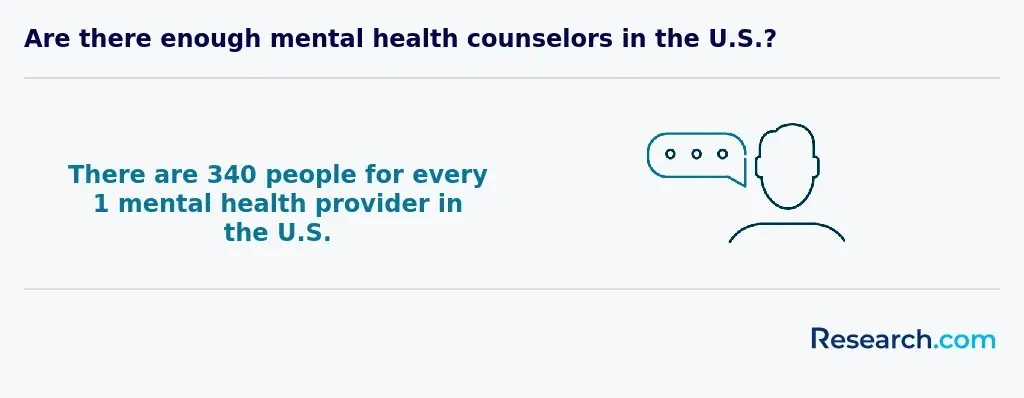
The role matters because many Indiana residents experience mental health needs while also facing barriers such as cost, rural access, transportation, provider shortages, or long wait times. A counselor’s work is not limited to listening. It often involves assessment, goal setting, documentation, ethical decision-making, and practical support that helps clients apply coping strategies outside the session.
| Core responsibility | What it can look like in practice | Why it matters in Indiana |
| Clinical assessment | Identifying symptoms, client history, risks, strengths, and treatment needs | Helps clients receive appropriate care instead of generic support |
| Talk therapy and treatment planning | Using evidence-informed counseling methods to help clients address anxiety, depression, trauma, grief, addiction, or relationship stress | Supports residents dealing with both personal and community-level stressors |
| Substance use and behavioral support | Helping clients work through addiction, relapse prevention, behavior change, and recovery goals | Creates pathways to care in community clinics, rehabilitation settings, and outpatient programs |
| Referral and coordination | Connecting clients with psychiatrists, primary care providers, social services, support groups, or emergency resources | Improves continuity of care when clients need more than counseling alone |
| Documentation and ethical practice | Maintaining records, protecting confidentiality, obtaining informed consent, and following mandatory reporting rules | Protects clients and reduces legal or professional risk for counselors |
People who succeed in this field usually combine empathy with strong boundaries, cultural awareness, sound judgment, and the ability to work with clients who may be in distress, crisis, or long-term recovery.
What steps do you need to become a mental health counselor in Indiana?
The Indiana counseling pathway is built around education, supervised experience, examination, and state licensure. Before choosing a school, confirm that its curriculum aligns with Indiana requirements and your intended credential.
- Earn a bachelor’s degree. Most future counselors begin with a four-year degree in psychology, counseling, human services, social science, or a related field. The bachelor’s degree does not usually qualify someone for independent mental health counseling, but it prepares students for graduate-level training.
- Complete a relevant master’s degree. Indiana counseling candidates generally need a master’s degree in mental health counseling or a closely related discipline. Graduate coursework commonly covers counseling theories, ethics, assessment, diagnosis, multicultural counseling, human development, group counseling, and clinical methods.
- Finish required supervised clinical experience. The original licensure pathway described for Indiana includes at least 1,000 hours of supervised clinical or practicum experience. These hours help students develop counseling skills under supervision before independent practice.
- Prepare for the required examination. Candidates may need the National Counselor Examination (NCE) for licensed professional counselor preparation or the National Clinical Mental Health Counseling Examination (NCMHCE) for licensed mental health counselor preparation. Check the current Indiana board instructions before registering.
- Submit your licensure application. Applicants typically provide education records, clinical hour documentation, examination results, and required fees to the Indiana Professional Licensing Agency.
- Maintain compliance after licensure. Licensed counselors must follow Indiana rules on scope of practice, ethics, continuing education, documentation, confidentiality, and renewal deadlines.
If you are comparing licensure rules in more than one state, requirements can differ substantially. For example, students researching mobility may also review licensed counselor opportunities in Alaska to see how another state structures LPC preparation.
| Stage | Main decision | What to verify before moving forward |
| Undergraduate study | Choose a major that builds counseling-related knowledge | Graduate admission prerequisites, GPA expectations, and relevant volunteer or work experience |
| Graduate program | Select a counseling or closely related master’s degree | Accreditation status, licensure alignment, practicum structure, faculty qualifications, and cost |
| Clinical training | Secure supervised practice sites | Supervisor qualifications, hour tracking process, client population, and liability coverage |
| Examination | Prepare for NCE or NCMHCE requirements | Current Indiana exam rules, registration deadlines, fees, and score reporting process |
| Licensure application | Apply through the state licensing process | Required forms, transcripts, clinical documentation, background requirements, and renewal rules |
How should Indiana students prepare for a counseling career?
Strong preparation starts before the licensure application. Students should use college and graduate school to build academic knowledge, clinical exposure, professional contacts, and a realistic understanding of the work.
- Choose programs with licensure in mind. Look for counseling programs that clearly state whether they prepare students for Indiana counseling licensure. Programs accredited by the Council for Accreditation of Counseling and Related Educational Programs (CACREP) are designed around national counseling education standards.
- Prioritize clinical training quality. Ask where students complete practicum and internship placements, what populations they serve, and how supervision is structured.
- Build experience early. Volunteer work, crisis line experience, behavioral health technician roles, peer support roles, and human services jobs can help students confirm whether counseling is the right fit.
- Join professional communities. Organizations such as the Indiana Counseling Association can help students find networking events, continuing education, mentorship, and updates on professional issues.
- Develop documentation habits. Counseling is a relationship-based profession, but records, treatment plans, progress notes, and ethical documentation are central to competent practice.
Students who may relocate should compare state requirements before committing to a long-term plan. For example, those looking at another western state can review LPC career guidance for Wyoming to understand how state pathways can vary.
Why does practicum experience matter for Indiana counseling students?
Practicum and supervised clinical experience are where classroom learning becomes client-facing skill. Indiana’s pathway, as described in the source material, includes a minimum of 1,000 hours of supervised practicum or clinical experience. Those hours are important because counseling competence cannot be developed through coursework alone.
- It tests your fit for the profession. Students learn whether they can manage emotional intensity, ambiguity, client resistance, documentation demands, and ethical decisions.
- It builds supervised clinical judgment. A qualified supervisor helps students connect theory to real client needs, identify blind spots, and improve intervention skills.
- It improves employability. Practicum sites can become references, networking sources, or first-job pipelines.
- It exposes students to different settings. A student may discover that community mental health, substance use treatment, school-based care, hospital work, or private practice fits better than expected.
| Question to ask about a practicum site | Why the answer matters |
| Who provides supervision, and how often? | Supervision quality directly affects learning, safety, and readiness for licensure. |
| What client populations will I serve? | The setting should match your training goals and comfort level while still helping you grow. |
| How are hours documented? | Poor hour tracking can create problems when applying for licensure. |
| Will I receive feedback on documentation? | Progress notes and treatment plans are essential professional skills. |
| Does the site hire former trainees? | Some placements can lead to entry-level job opportunities after graduation. |
Which counseling specializations can you pursue in Indiana?
Mental health counseling is broad, and specialization can influence your coursework choices, practicum sites, certifications, work settings, and long-term earning potential. Students should choose a specialization based on client population, preferred setting, emotional fit, and licensure requirements.
| Specialization | Typical clients or concerns | Common work settings | Good fit for students who want to... |
| Substance abuse counseling | Clients dealing with alcohol use, drug use, relapse risk, recovery planning, or co-occurring mental health concerns | Rehabilitation centers, outpatient clinics, community agencies, correctional programs | Support recovery, behavior change, family education, and relapse prevention |
| Behavioral disorder counseling | Children, adolescents, or adults with disruptive behaviors, ADHD-related challenges, or emotional regulation concerns | Schools, clinics, youth programs, community mental health centers | Work with behavior plans, family systems, and structured interventions |
| Licensed mental health counseling | Clients with anxiety, depression, trauma, grief, stress, relationship concerns, and other mental health conditions | Private practice, hospitals, community health agencies, integrated care settings | Provide broad therapeutic services across many client groups |
| Marriage and family-related counseling | Couples, families, parents, and clients whose concerns involve relationship systems | Family counseling centers, private practice, community agencies | Focus on relational patterns, communication, and family dynamics |
| Geriatric counseling | Older adults facing grief, isolation, health changes, cognitive concerns, or life transitions | Senior centers, nursing homes, medical settings, community agencies | Serve an aging population and coordinate with healthcare and family systems |
If you are comparing counseling licensure in other states, you can review LPC education requirements in Maryland to see how specialization and licensing expectations may differ outside Indiana.
The chart below visualizes the national job outlook for mental health workers from 2022 to 2032 using 2024 data from the US Bureau of Labor Statistics.
Is Indiana a good state for mental health counselors?
Indiana can be a meaningful place to work as a counselor, but whether it is the right place for you depends on salary expectations, cost of living, licensure goals, employer type, and tolerance for workforce pressures.
- Pay and living costs require close comparison. Substance abuse, behavioral disorder, and mental health counselors in Indiana earned a median hourly wage of $21.88 in May 2023 (US BLS, 2024), which equals an estimated annual wage of $42,009.6. A single adult without children in Indiana can live comfortably with a gross annual income of $42,510 (Glasmeier & Massachusetts Institute of Technology, 2024). That comparison shows why applicants should evaluate employer benefits, loan obligations, location, and advancement options before entering the field.
- Licensure mobility may be possible but is not automatic. Indiana allows counselors licensed in other states to apply through reciprocity when they meet state criteria, including license verification, the NCMHCE Score Report from the National Board for Certified Counselors, and the application fee.
- State mental health initiatives can create service opportunities. Programs such as the Children’s Mental Health Initiative reflect ongoing efforts to expand awareness and access, especially for young people and families.
| Choose Indiana if... | Think carefully if... |
| You want to serve communities with documented mental health access needs. | You need a high starting salary immediately after graduate school. |
| You are open to community health, substance use treatment, school-adjacent work, or integrated care settings. | You are not prepared for documentation, caseload pressure, or insurance-related administrative work. |
| You plan to build roots in Indiana and understand state licensing expectations. | You may move soon and have not compared reciprocity rules across states. |
| You value meaningful client-facing work and long-term professional growth. | You have not calculated total program cost, debt, and realistic early-career pay. |
How strong is demand for mental health counselors in Indiana?
The demand picture is strong but complicated. Nationally, employment for substance abuse, behavioral disorder, and mental health counselors is projected to rise by 18% from 2022 to 2032 (US BLS, 2024). Indiana also shows clear need: in February 2021, 38.5% of adults in the state reported symptoms of anxiety or depression, and 19.2% said they could not access needed treatment (National Alliance on Mental Illness, 2021).
Demand does not guarantee any individual job, salary, or work setting. It does mean that trained counselors may find opportunities in hospitals, community mental health agencies, substance use treatment programs, private practices, schools, integrated care clinics, and nonprofit organizations.
Students who want to compare training options in other states may also review LPC training programs in New Hampshire as part of a broader licensure and mobility plan.
How is telehealth changing mental health counseling in Indiana?
Telehealth has become a major access tool for mental health counseling, especially for clients who face transportation barriers, rural provider shortages, scheduling problems, or stigma around visiting a clinic. For Indiana counselors, virtual care can expand reach, but it also adds responsibilities around privacy, technology reliability, informed consent, emergency planning, and cross-jurisdiction practice rules.
Telehealth is especially relevant in substance use and behavioral health settings because it can support follow-up care, relapse-prevention check-ins, and continuity after in-person treatment. Students interested in that area can review how to become a substance abuse counselor in Indiana to understand a related pathway within the state.
| Telehealth advantage | Professional risk to manage |
| Improves access for clients far from providers | Counselors need clear crisis protocols and local emergency contacts |
| Reduces travel time and missed appointments | Technology failure can interrupt care |
| Can support flexible scheduling | Privacy at the client’s location may be limited |
| Helps maintain continuity between in-person visits | Licensure and jurisdiction rules must be checked before serving clients across state lines |
How do you choose an accredited counseling program?
A quality counseling program should prepare you for licensure, supervised practice, ethical client care, and employment. Do not choose based only on convenience or tuition. The wrong program can delay licensure, limit practicum options, or increase debt without improving your career prospects.
Start by confirming accreditation, curriculum alignment, practicum support, faculty qualifications, graduation requirements, and whether graduates are eligible for Indiana licensure. Students who need flexibility may compare accredited online counseling degree programs, but online learners should be especially careful to verify field placement support and state eligibility.
| Program factor | What to ask | Why it affects your decision |
| Accreditation | Is the program accredited, and by whom? | Accreditation can affect licensure eligibility, employer perception, and transferability. |
| Licensure alignment | Does the curriculum meet Indiana counseling requirements? | A mismatch can require extra coursework after graduation. |
| Practicum placement | Does the school help secure approved sites? | Students without placement support may struggle to complete clinical hours on time. |
| Faculty expertise | Are faculty members experienced in clinical counseling, supervision, research, or specialty practice? | Faculty quality affects mentorship and professional preparation. |
| Total cost | What is the full cost after fees, books, travel, technology, and lost work time? | Tuition alone does not show the real financial commitment. |
| Format | Is the program online, hybrid, evening-based, or campus-based? | The best format depends on your schedule, learning style, and practicum access. |
What jobs can mental health counseling graduates pursue in Indiana?
A counseling degree can lead to several human services and behavioral health roles, though some positions require specific licenses or additional credentials. Graduates should compare each role by population, setting, supervision needs, emotional demands, and advancement potential.
- Mental health counselor. Provides therapy and treatment planning for clients experiencing emotional, behavioral, or psychological concerns.
- Substance abuse counselor. Supports clients in recovery from alcohol, drug, or other substance use disorders through treatment plans, group work, relapse prevention, and family education.
- Social worker. Helps clients navigate systems, services, benefits, schools, hospitals, and community resources; clinical social work requires a separate licensure pathway.
- Geriatric counselor. Works with older adults dealing with grief, loneliness, health transitions, family strain, or cognitive and emotional changes.
- Employee Assistance Program counselor. Helps workers manage stress, family concerns, workplace conflict, substance use concerns, and other personal issues affecting job performance.
- Military and veteran counselor. Supports active-duty service members, veterans, and families facing deployment stress, trauma, reintegration challenges, or PTSD-related concerns.
| Career option | Best fit for people who enjoy... | Important caution |
| Community mental health counselor | Serving broad client needs and working with underserved populations | Caseloads and administrative demands can be high. |
| Private practice counselor | Autonomy, long-term client relationships, and practice building | Business, billing, marketing, and insurance tasks are part of the role. |
| Substance abuse counselor | Recovery work, group counseling, and relapse prevention | Clients may have complex co-occurring needs and crisis risk. |
| EAP counselor | Short-term counseling and workplace-related support | The work may involve employer contracts, confidentiality boundaries, and brief intervention models. |
| Geriatric counselor | Life transitions, family systems, grief work, and healthcare collaboration | Coordination with medical and caregiving systems is often necessary. |
What challenges should Indiana counselors expect?
Mental health counseling can be fulfilling, but the work is demanding. Indiana counselors may face access gaps, workforce shortages, modest compensation in some settings, regulatory complexity, and burnout risk.
- Provider shortages affect access and workload. As of April 1, 2024, Indiana had 90 mental health professional shortage area designations and had met only 29.4% of its need for mental health professionals (Bureau of Health Workforce, 2024). Shortages can lead to long waits for clients and heavy caseloads for providers.
- Licensure requirements take planning. Graduate education, supervised hours, examinations, documentation, and application steps can delay entry into independent practice if students are not organized.
- Compensation may not match the emotional load. As noted earlier, Indiana’s estimated median annual wage for substance abuse, behavioral disorder, and mental health counselors was $42,009.6 based on May 2023 wage data, while the gross annual income for a single adult without children to live comfortably in Indiana was $42,510.
- Burnout is a real occupational risk. Counselors may absorb repeated exposure to trauma, grief, crisis, addiction, poverty, and family instability. Strong boundaries and supervision are not optional.
- Ongoing learning is required. Best practices, ethics, telehealth rules, documentation expectations, and treatment approaches continue to evolve.
Students exploring the broader profession can use Research.com’s overview of mental health counselor careers to compare this role with related counseling and human services paths.
Common mistakes to avoid before entering the field
| Mistake | Why it can hurt you | Better approach |
| Choosing a program without checking licensure alignment | You may graduate missing required coursework or clinical preparation. | Ask the program to document how it meets Indiana requirements. |
| Looking only at tuition | Fees, books, unpaid practicum time, commuting, and lost wages can change the true cost. | Calculate total cost and compare it with realistic entry-level pay. |
| Assuming online programs automatically qualify for Indiana licensure | Some programs are not designed for every state’s requirements. | Confirm state eligibility in writing before enrolling. |
| Waiting too long to plan practicum | Field sites may be limited or competitive. | Ask about placement support during the admissions process. |
| Ignoring burnout prevention | Emotional exhaustion can affect client care and career longevity. | Use supervision, peer consultation, workload boundaries, and self-care routines early. |
| Assuming salary outcomes are guaranteed | Pay varies by employer, location, credential, experience, and setting. | Review wage data, employer benefits, and advancement pathways before borrowing heavily. |
The chart below summarizes the well-being status of US health workers in 2022 using 2023 data from the Centers for Disease Control and Prevention.
How do counseling and school psychology education paths compare in Indiana?
Mental health counselors and school psychologists both support emotional and behavioral well-being, but their training is not the same. Counseling programs focus heavily on therapy, diagnosis, treatment planning, ethics, human development, and supervised counseling practice. School psychology preparation places greater emphasis on educational assessment, learning systems, school-based interventions, consultation, and student support within K-12 settings.
If you are deciding between these two paths, compare the daily work before comparing program length. Counselors often provide therapeutic services across clinics, community agencies, hospitals, and private practice. School psychologists typically work within educational systems and use assessment and intervention to support student learning and behavior. For more detail on that route, review how long it takes to become a school psychologist in Indiana.
How are mental health counseling and social work different in Indiana?
Mental health counseling and social work overlap in client support, but they differ in training focus and professional scope. Mental health counselors generally concentrate on assessment, diagnosis, psychotherapy, and treatment planning for emotional and behavioral conditions. Social workers often combine counseling-related support with case management, advocacy, resource navigation, public benefits, community systems, and family or institutional coordination.
Students who want direct therapy as their primary function may prefer counseling. Those who want to address broader social systems, access barriers, and community resources may find social work a stronger fit. To compare that pathway, see Research.com’s guide to social worker education requirements in Indiana.
What should you know about salaries and benefits in Indiana?
Salary planning is essential because counseling requires graduate education and supervised training. Indiana wage data from May 2023 show that substance abuse, behavioral disorder, and mental health counselors earned a median hourly wage of $21.88 (US BLS, 2024), equal to an estimated annual wage of $42,009.6. Pay may vary by employer type, setting, specialization, experience, credential level, and region.
Benefits can matter as much as base pay. When comparing offers, look at health insurance, retirement contributions, paid time off, supervision support, continuing education reimbursement, flexible scheduling, loan repayment opportunities, productivity expectations, and administrative workload. Students considering psychology-related graduate preparation can also explore the best psychology schools in Indiana as part of a broader career planning process.
How can Indiana counselors reduce stress and burnout risk?
Counselors regularly work with trauma, crisis, grief, addiction, family conflict, and chronic stress. Burnout prevention should begin during training, not after exhaustion appears.
- Use supervision intentionally. Discuss difficult cases, ethical uncertainty, countertransference, documentation stress, and workload concerns.
- Create boundaries around availability. Clear policies for after-hours contact, crisis response, and scheduling protect both clients and counselors.
- Build peer consultation into your routine. Trusted colleagues can reduce isolation and improve clinical decision-making.
- Track warning signs. Irritability, emotional numbness, dread before sessions, poor sleep, and reduced empathy can signal rising burnout risk.
- Choose workplaces carefully. Ask about caseloads, productivity targets, supervision, crisis coverage, turnover, and documentation systems before accepting a job.
Students who want to reduce time-to-entry should still avoid shortcuts that weaken preparation. If speed is a priority, compare legitimate pathways using Research.com’s guide to the quickest path to becoming a counselor in Indiana.
How can a mental health counselor move into school counseling in Indiana?
A mental health counselor who wants to work in schools should expect additional requirements tied to educational settings. School counseling emphasizes student development, academic planning, family-school collaboration, classroom systems, crisis response, and child and adolescent support. A counselor trained for clinical mental health may already have useful therapy skills, but school roles often require school-specific credentials and experience.
Before transitioning, review Indiana certification expectations, ask whether additional coursework is required, and seek supervised experience in school environments. For a focused overview, see how to become a school counselor in Indiana.
What related career paths are available in Indiana mental health?
Mental health counseling is one route into behavioral health, but it is not the only one. Depending on your interests, you may also consider marriage and family therapy, school counseling, school psychology, social work, substance abuse counseling, behavioral health administration, crisis services, or clinical supervision after gaining experience.
Students drawn to couples and family systems can compare the requirements for how to become a marriage and family therapist in Indiana. This comparison is useful because marriage and family therapy has its own training focus, licensure expectations, and clinical identity.
What professional development is available for Indiana counselors?
Professional development helps counselors stay ethical, effective, and employable. It also supports specialization, licensure renewal, and burnout prevention.
Indiana requires licensed mental health counselors to complete 40 hours of continuing education every two years, including at least two hours in ethics training. Counselors can meet these requirements through workshops, seminars, online courses, conferences, supervision-related learning, and professional association events.
Useful development areas include trauma-informed care, substance use treatment, child and adolescent counseling, telehealth ethics, suicide risk assessment, multicultural counseling, documentation, family systems, and integrated behavioral health. Professional groups such as the Indiana Counseling Association may provide networking, training, and conference opportunities.
For those still entering the profession, Research.com’s guide on how to become a therapist in Indiana explains the education, experience, and licensure steps in more detail.
What licensing and certification issues matter for specialized counselors?
Specialized counseling roles may require more than a general counseling degree. A counselor working in addiction, family systems, trauma, child therapy, school settings, or private practice may need additional coursework, supervised experience, certifications, or employer-specific qualifications.
Do not assume one credential covers every role. For example, professionals interested in couples and family work should review marriage counselor education requirements in Indiana to understand how marriage and family therapy preparation differs from general mental health counseling.
Students should also review LPC license requirements in Indiana before committing to a program, especially if they want a specialized clinical pathway.
What legal and ethical rules affect counseling practice in Indiana?
Indiana counselors must practice within legal and ethical boundaries. Core responsibilities include confidentiality, informed consent, accurate documentation, mandatory reporting, privacy protection, appropriate supervision, scope-of-practice awareness, and careful handling of telehealth services.
Ethical practice also requires knowing when to refer, how to manage dual relationships, how to document risk, and how to respond when a client may harm themselves or others. These issues are not just administrative; they directly affect client safety and counselor liability.
Students and early-career professionals can review licensed mental health counselor career requirements to understand the broader expectations tied to education, licensure, and professional practice.
How do reimbursement and operating costs affect Indiana counseling practices?
Counselors who work in private practice, group practice, or insurance-based settings need to understand the business side of care. Reimbursement policies, billing procedures, co-payments, documentation requirements, claim denials, office costs, telehealth platforms, liability insurance, supervision, continuing education, and administrative time all affect financial sustainability.
New counselors should not enter private practice without learning basic practice management. Important questions include: Which insurance panels will you join? How will you handle missed appointments? What billing system will you use? What are your documentation timelines? How many clinical hours are realistic each week after administrative duties?
What questions should you ask before choosing this career?
- Am I prepared to earn a graduate degree before practicing independently?
- Have I verified that my preferred program aligns with Indiana licensure requirements?
- Can I manage unpaid or lower-paid practicum and supervised training periods?
- Do I understand the difference between counseling, social work, psychology, school counseling, and marriage and family therapy?
- What client populations am I most prepared to serve?
- How will I manage emotional stress, boundaries, and burnout risk?
- Does the likely salary in my preferred setting support my cost of living and student loan plans?
- Am I willing to complete continuing education throughout my career?
Other things to know about mental health counseling in Indiana
How long does it take to become a mental health counselor in Indiana?
The full pathway often takes 8 to 10 years when undergraduate education, graduate school, supervised clinical experience, examination preparation, and licensure steps are included.
Can you work as a counselor in Indiana without a license?
Indiana does not allow independent practice as a mental health counselor without the appropriate license. Candidates generally need a master’s degree in counseling or a related field, supervised clinical hours, and a passing score on the required licensure examination. Practicing outside licensure rules can create legal and professional consequences.
Can licensed counselors diagnose in Indiana?
Licensed mental health counselors in Indiana may assess, diagnose, and treat mental health disorders within their authorized scope of practice. Counselors should still follow state rules, ethical standards, employer policies, and appropriate referral practices when client needs exceed their training or role.
What is the highest-paying counseling-related role in Indiana?
According to 2024 US BLS data, clinical and counseling psychologists were among the highest-paid counseling-related professionals in Indiana in 2023, with a median hourly wage of $38.69. These positions usually require doctoral-level education and extensive specialized training.
Key Insights
- Indiana has clear mental health access needs, but career decisions should balance purpose with program cost, salary, supervision demands, and burnout risk.
- The counseling pathway typically requires a bachelor’s degree, a relevant master’s degree, supervised clinical experience, licensure examinations, and state approval.
- Program choice matters. Accreditation, licensure alignment, practicum support, and total cost are more important than convenience alone.
- The median hourly wage for substance abuse, behavioral disorder, and mental health counselors in Indiana was $21.88 in May 2023, equal to an estimated annual wage of $42,009.6.
- Demand is strong nationally, with employment projected to grow by 18% between 2022 and 2032, but individual outcomes depend on credential, location, employer, and specialization.
- Telehealth, workforce shortages, reimbursement complexity, and continuing education expectations are now central parts of counseling practice.
- Before enrolling, ask schools how their program meets Indiana licensure requirements, where students complete practicum, and what support is available for field placement and exam preparation.
Related Articles for Nearby States
- 2027 How to Become a Mental Health Counselor in Ohio
- 2027 How to Become a Mental Health Counselor in Illinois
- 2027 How to Become a Mental Health Counselor in Kentucky
- 2027 How to Become a Mental Health Counselor in Michigan
- 2027 How to Become a Mental Health Counselor in Wisconsin
- 2027 How to Become a Mental Health Counselor in Missouri
- 2027 How to Become a Mental Health Counselor in Tennessee
- 2027 How to Become a Mental Health Counselor in Iowa
- 2027 How to Become a Mental Health Counselor in West Virginia
- 2027 How to Become a Mental Health Counselor in Minnesota
References:
- bouve.northeastern.edu. (2023, May 28). What do Mental Health Counselors Do? Role & Responsibilities. https://bouve.northeastern.edu/news/what-do-mental-health-counselors-do-role-responsibilities
- Bureau of Health Workforce. (2024). Health Workforce Shortage Areas. https://data.hrsa.gov/topics/health-workforce/shortage-areas
- careervillage.org. (2024, May 22). How can I best prepare myself for working in the world of counseling? https://www.careervillage.org/questions/913920/how-can-i-best-prepare-myself-for-working-in-the-world-of-counseling
- The Chicago School. (2019, March 26). Careers You Can Pursue with a Master’s Degree in Clinical Mental Health Counseling. https://www.thechicagoschool.edu/insight/career-development/careers-with-masters-degree-clinical-mental-health-counseling
- counseling.education.wm.edu. (2023, October 24). The Different Types of Counseling Careers and Their Challenges. https://counseling.education.wm.edu/blog/opportunities-and-challenges-in-the-counseling-field
- Glasmeier, A. K. & Massachusetts Institute of Technology.. (2024). Living Wage Calculation for Indiana. https://livingwage.mit.edu/states/18
- idfpr.illinois.gov. (n.d.). Nurses. https://idfpr.illinois.gov/profs/nursing.html
- Kaiser Family Foundation. (2024). Mental Health in Indiana. https://www.kff.org/statedata/mental-health-and-substance-use-state-fact-sheets/indiana
- National Alliance on Mental Illness. (2021). Mental Health in Indiana. https://www.nami.org/wp-content/uploads/2023/07/IndianaStateFactSheet.pdf
- onetonline.org. (2024, August 06). Indiana Employment Trends. https://www.onetonline.org/link/localtrends/21-1014.00?st=IN
- socialworklicensemap.com. (2022, May 13). What Are the Requirements to Become a Mental Health Counselor? https://socialworklicensemap.com/social-work-resources/become-mental-health-counselor
- US Bureau of Labor Statistics. (2024, April 3). May 2023 State Occupational Employment and Wage Estimates: Indiana. Occupational Employment and Wage Statistics. https://www.bls.gov/oes/2023/may/oes_in.htm
- US Bureau of Labor Statistics. (2024, April 17). Substance Abuse, Behavioral Disorder, and Mental Health Counselors. Occupational Outlook Handbook. https://www.bls.gov/ooh/community-and-social-service/substance-abuse-behavioral-disorder-and-mental-health-counselors.htm
Other Things You Should Know About Becoming a Mental Health Counselor in Indiana
In 2027, aspiring mental health counselors in Indiana must complete a master's or doctoral degree in a relevant counseling field from an accredited institution. Courses should cover assessment, theory, and ethical practice. Additionally, these programs require a predefined number of supervised clinical hours to qualify for licensure.
Programs often offer academic advising, career counseling, peer mentoring, and access to research or lab resources to help students succeed throughout their studies.


