
2027 How to Become a Mental Health Counselor in New York

Co-Founder and Chief Data Scientist
Becoming a mental health counselor in New York is a licensing decision, a graduate school decision, and a career-planning decision at the same time. New York has a large and diverse population, and many residents face barriers to mental health care. The National Alliance on Mental Illness (NAMI) reported that more than 2.8 million adults in New York State had a mental health condition as of 2021, while affordability, access, and workforce shortages continue to affect whether people can receive counseling or therapy.
This guide explains how to become a Licensed Mental Health Counselor (LMHC) in New York, what education and supervised experience are required, what career paths are available, and how to choose a counseling program that supports licensure. It is designed for students, career changers, psychology graduates, and working professionals who want a practical roadmap before committing to a master’s degree, supervised clinical work, and the licensing exam.
Quick Answer: How do you become a mental health counselor in New York?
To become a mental health counselor in New York, you generally need a master’s degree or higher in counseling or an equivalent field approved by the New York State Education Department, at least 3,000 hours of supervised post-degree clinical experience, completion of required child abuse identification and reporting training, and a passing score on the National Clinical Mental Health Counselor Examination (NCMHCE). New York uses the LMHC title for licensed mental health counselors.
Key Things You Should Know About Becoming a Mental Health Counselor in New York
- New York has made mental health access a public priority, including increased attention to youth, vulnerable communities, and lower-income households.
- Employment demand is strong: substance abuse, behavioral disorder, and mental health counselors in New York are projected to grow 33% through 2030.
- Average earnings vary by role and work setting, but mental health counselors in New York earn approximately $67,000 annually based on current occupational wage data cited in this guide.
- New York LMHC applicants must complete a qualifying master’s degree or higher, 3,000 supervised clinical hours, a state-approved licensing exam, and required child abuse reporting training.
- The best preparation strategy is to choose a licensure-aligned program early, verify NYSED approval, plan for supervised hours, and compare cost, clinical placement support, and specialization options before enrolling.
- What does a mental health counselor do in New York?
- What are the New York LMHC licensure steps?
- How should students prepare for a counseling career in New York?
- Why does practicum and supervised experience matter?
- Which counseling specializations are available in New York?
- Why should counselors consider specialized training?
- Is New York a strong state for mental health counselors?
- How strong is demand for mental health counselors in New York?
- Why does networking matter for future New York counselors?
- What other counseling specializations can New York students pursue?
- What jobs can mental health counseling graduates pursue in New York?
- What nontraditional careers can a counseling degree support?
- What education is required for marriage counseling in New York?
- How can New York mental health counselors advance their careers?
- How do school partnerships expand counseling access in New York?
- How does interdisciplinary care affect mental health outcomes?
- How should you choose a mental health counseling program in New York?
- Can you start a counseling career faster in New York?
- What challenges do New York mental health counselors face?
- Should New York counselors join professional organizations?
- Can you earn an online counseling degree for New York licensure?
- What legal and ethical rules should New York counselors understand?
- How is substance abuse counseling different in New York?
- How should you prepare for the New York LMHC licensing exam?
What does a mental health counselor do in New York?
Mental health counselors in New York assess client concerns, provide therapy, create treatment plans, support crisis response when appropriate, and help individuals manage conditions such as anxiety, depression, trauma, relationship distress, grief, and substance use challenges. Their work is especially important in a state where 35.8% of adults reported symptoms of anxiety or depression.
In New York, the role can look different depending on the community and workplace. A counselor in a rural clinic may handle broad community needs, while a counselor in New York City may work with highly diverse populations, complex referral systems, and clients facing housing, employment, immigration, family, or trauma-related stressors.
| Work setting | Typical clients | Common responsibilities |
| Schools | Students and families | Support academic stress, emotional regulation, peer conflict, crisis response, and referrals. |
| Community health centers | Individuals, families, and underserved communities | Provide accessible counseling, coordinate services, and support clients dealing with trauma, conflict, or limited resources. |
| Private practices | Individuals, couples, families, or specialized client groups | Offer ongoing therapy, individualized treatment planning, and specialized services. |
| Hospitals and healthcare systems | Patients with behavioral health or co-occurring medical needs | Collaborate with medical providers, support discharge planning, and provide counseling within integrated care teams. |
The counselor’s core task is not simply to “give advice.” LMHCs use evidence-informed therapeutic methods to help clients understand patterns, build coping skills, improve relationships, and make safer or healthier decisions. In a state as culturally and economically varied as New York, counselors also need strong cultural humility, referral knowledge, and the ability to work with clients whose backgrounds and needs differ from their own.
The chart below shows the states with the largest mental health counselor workforces.
What are the New York LMHC licensure steps?
New York’s licensed mental health counselor credential is the Licensed Mental Health Counselor, or LMHC. This title is broadly comparable to the licensed professional counselor, or LPC, title used in many other states. The New York State Education Department Office of Professions oversees LMHC licensure.
The basic path includes graduate education, supervised clinical practice, examination, required training, and application review. Because state rules can change and individual education histories vary, applicants should confirm details directly with the Office of Professions before making final decisions.
| Step | New York requirement | What to verify before moving forward |
| 1. Earn the required graduate degree | Complete a master’s degree or higher in counseling or an equivalent program that meets New York standards. | Confirm that the curriculum satisfies NYSED requirements for licensure. |
| 2. Apply for a limited permit when needed | Applicants typically need a limited permit to practice while completing supervised experience or exam requirements. | Check permit rules, supervision requirements, and approved practice settings. |
| 3. Complete supervised experience | Finish at least 3,000 hours of post-degree supervised clinical experience. | Make sure your supervisor is authorized and your hours are documented correctly. |
| 4. Pass the required exam | Pass the National Clinical Mental Health Counselor Examination (NCMHCE), administered by the National Board for Certified Counselors. | New York does not accept the National Counselor Examination (NCE) for LMHC licensure. |
| 5. Complete child abuse reporting training | Finish required coursework or training in the identification and reporting of child abuse through an approved New York State provider. | Keep proof of completion for your application file. |
| 6. Submit the application and fees | Send required documentation to the Office of Professions and pay applicable fees. | Review transcripts, supervised hour forms, exam records, and identity documentation before submission. |
| 7. Maintain the license | Renew every three years and complete 36 hours of continuing education from NYSED-approved providers. | Track continuing education hours throughout the renewal cycle, not only near the deadline. |
Licensure rules are state-specific. The process in New York may not match the steps to become a licensed counselor in Iowa, California, Florida, or any other state. If you plan to move, provide telehealth across state lines, or use an out-of-state degree, review the state board requirements before enrolling or accepting a clinical placement.
How should students prepare for a counseling career in New York?
The strongest preparation starts before graduate enrollment. In New York, the wrong program choice can create licensure delays, extra coursework, or difficulty finding supervised experience. Students should compare programs not only by reputation, but by whether the degree is built for New York LMHC eligibility.
- Confirm program approval and accreditation. Start with programs that meet New York Office of Professions expectations. CACREP accreditation can be a useful quality signal, but students should still verify NYSED licensure alignment. Schools frequently considered by New York students include New York University, Columbia University, and Hunter College. Students comparing flexible formats can also review online counseling master’s options that match their goals.
- Review the curriculum against LMHC requirements. Look for coursework in counseling theory and practice, psychopathology, assessment, ethics, diagnosis, human development, group counseling, and supervised internship. If your degree is from outside New York, expect the Office of Professions to evaluate whether it is equivalent.
- Plan for clinical placements early. Ask each school how it helps students secure practicum and internship sites, especially if you live outside the campus area or need evening, weekend, or hybrid placement options.
- Join the professional community before graduation. Organizations such as the New York Mental Health Counselors Association and the American Counseling Association can help students access continuing education, policy updates, mentors, and job leads.
- Use state and public mental health resources. Career fairs, workforce initiatives, and mental health programs connected to the New York State Office of Mental Health can help students understand where demand is strongest.
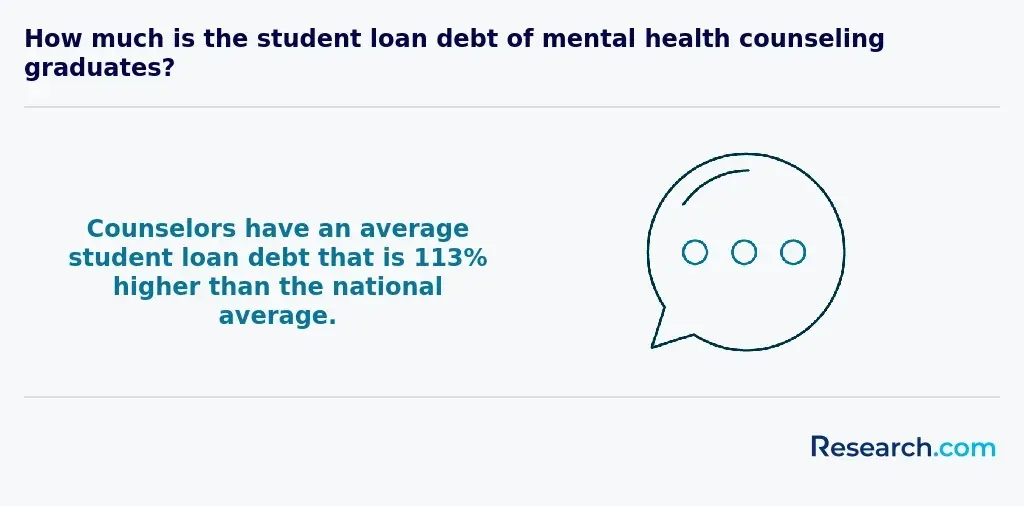
- Compare financial aid carefully. Graduate counseling education can be expensive. Review federal aid, institutional scholarships, state programs, nonprofit funding, fellowships, work-study opportunities, and employer tuition support where available.
Questions to ask before enrolling in a New York counseling program
- Does this degree meet New York LMHC education requirements?
- How many graduates pursue LMHC licensure, and how does the school support them?
- Does the program help arrange practicum and internship sites, or must students find their own?
- Can online students complete required clinical training near where they live?
- What is the total cost after fees, books, travel, technology, and lost work time?
- Are faculty members licensed counselors or active researchers in areas that match your interests?
- Does the curriculum support your intended specialization, such as trauma, addiction, child and adolescent counseling, or family work?
Why does practicum and supervised experience matter?
Clinical experience is where counseling students begin turning academic knowledge into professional judgment. In New York, supervised experience is also a licensing requirement: of the 3,000 required post-degree supervised hours, at least 1,500 hours must involve direct client contact. Applicants must complete these hours under an authorized supervisor.
Practicum, internship, and post-degree supervised work help future LMHCs practice assessment, treatment planning, documentation, crisis awareness, ethical decision-making, and therapeutic relationship-building. These experiences also expose students to the realities of New York’s mental health system, including insurance limitations, referral gaps, cultural diversity, high caseloads, and interdisciplinary care.
| Experience type | Why it matters | What students should look for |
| Graduate practicum | Introduces students to supervised counseling skills in a structured setting. | Clear supervision, defined learning goals, and exposure to real client work. |
| Graduate internship | Builds confidence through more sustained clinical responsibilities. | Client variety, ethical documentation training, and feedback from licensed professionals. |
| Post-degree supervised experience | Counts toward the 3,000 hours required for New York LMHC licensure. | Authorized supervision, direct client contact, and reliable hour tracking. |
| Specialized clinical placement | Supports career direction in areas such as addiction, trauma, youth counseling, or family services. | Training aligned with the population or setting you want to serve after licensure. |
Students should not treat placement selection as an afterthought. A strong site can lead to mentorship, references, job offers, and a clearer professional identity. A weak fit can create documentation problems, poor supervision, or limited exposure to the type of counseling work you hope to do.
Which counseling specializations are available in New York?
Mental health counseling is broad, and many New York counselors eventually focus on a specific population, setting, or clinical concern. Specialization can help counselors develop deeper competence, pursue roles that match their interests, and serve communities with more targeted needs.
- Clinical mental health counseling: Focuses on assessment, diagnosis, treatment planning, and therapy for individuals, families, and groups experiencing mental health concerns.
- Marriage and family therapy: Centers on relationship patterns, couple conflict, family systems, communication, and relational distress.
- Substance abuse counseling: Supports clients affected by addiction, substance use disorders, relapse risk, recovery planning, and co-occurring mental health issues.
- School counseling: Addresses student development, academic pressures, emotional concerns, crisis support, and family or school-based interventions.
- Rehabilitation counseling: Helps people with disabilities, injuries, or mental health barriers increase independence and access employment or community participation.
- Geriatric counseling: Supports older adults navigating grief, cognitive changes, isolation, health transitions, caregiving stress, and later-life adjustment.
Specialization may require additional credentials, supervised experience, or a separate license depending on the role. As with the Vermont LPC certification process, New York’s counseling-related professions can have different requirements depending on the exact credential and scope of practice.
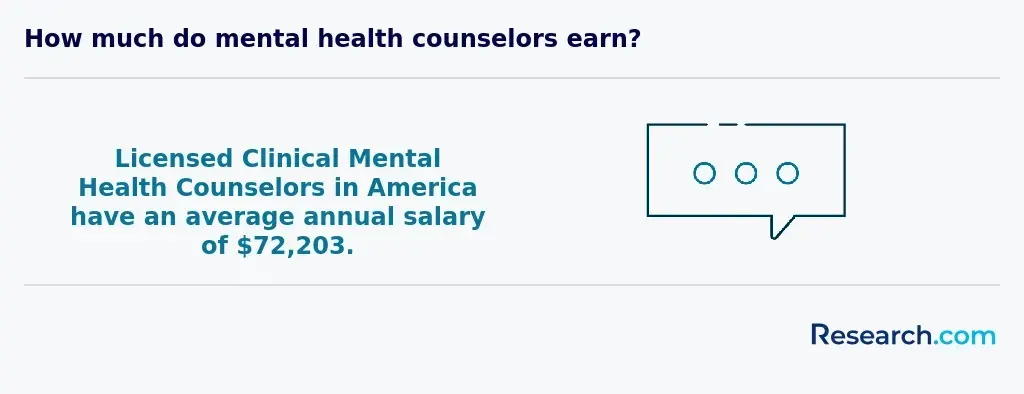
| Counseling occupation | Average annual salary in New York |
| Educational, Guidance, and Career Counselors and Advisors | $72,930 |
| Marriage and Family Therapists | $63,130 |
| Rehabilitation Counselors | $56,310 |
| Substance Abuse, Behavioral Disorder, and Mental Health Counselors | $67,240 |
These salary figures are averages, not guarantees. Pay can shift based on employer, borough or region, years of experience, clinical license status, specialization, caseload, union coverage, private practice revenue, and whether the position is full time, part time, salaried, or contract-based.
Why should counselors consider specialized training?
General LMHC training prepares counselors to work with a wide range of mental health concerns. Specialized training helps clinicians go further by building competence with specific issues, populations, and treatment approaches. This matters because clients with trauma histories, addiction, severe anxiety, family conflict, grief, or co-occurring disorders often need care that is more targeted than a broad counseling foundation can provide.
For example, trauma-informed training can help counselors avoid unintentionally retraumatizing clients, while addiction-focused education can improve relapse prevention planning and coordination with recovery services. A counselor interested in faith-integrated care might explore programs such as a Master's in Christian Counseling, while another counselor may pursue post-graduate workshops or certificates in evidence-based treatments.
Specialization can also affect hiring. Community agencies, hospitals, school-based programs, and private practices often look for clinicians who can serve high-need populations. However, students should avoid paying for a certificate simply because it sounds impressive. The better question is whether the training improves clinical skill, meets continuing education needs, aligns with licensure rules, or supports a clear career goal.
Common ways to build specialization
- Choose electives and practicum sites aligned with your intended population.
- Complete post-graduate certificates or approved continuing education.
- Seek supervision from clinicians experienced in your focus area.
- Join professional groups connected to your specialty.
- Track whether additional credentials are recognized by employers or regulators in New York.
Is New York a strong state for mental health counselors?
New York can be a strong place to build a counseling career, but it is not the right fit for everyone. The state offers a large behavioral health workforce, diverse practice settings, major medical and research institutions, and significant need for services. At the same time, high living costs, heavy caseloads, competitive hiring markets, and complex systems can make early-career practice demanding.
| Factor | Why it can help | What to watch |
| Salary potential | Mental health counselors in New York commonly fall around $50,000 to $70,000 per year, and some LMHCs earn up to $100,000 per year on average. | Starting salaries may range from $32,000 up to $49,000, so early-career budgeting is important. |
| Cost of living | Higher wages may be available in some urban or specialized settings. | Housing, transportation, childcare, and daily expenses can be high, especially in New York City. |
| Career settings | Hospitals, clinics, private practices, schools, nonprofits, and research institutions create varied opportunities. | Each setting has different productivity expectations, documentation demands, and supervision structures. |
| Licensing mobility | New York has filed legislation to join the Counseling Compact. | Until compact privileges apply, counselors should not assume they can practice across state lines without separate authorization. |
| State initiatives | New York is investing attention and funding into mental health awareness and access. | Policy priorities can take time to translate into staffing, pay, and service capacity. |
New York is also home to major mental and behavioral health institutions, including Mount Sinai’s Child Behavioral Health and Science Center and the New York State Psychiatric Institute of Columbia University. For counselors interested in research-informed practice, specialized care, or academic medical settings, this ecosystem can be a major advantage.
If you are comparing New York with other states, consider licensure portability, cost of living, salary expectations, and the populations you want to serve. Counselors who eventually want to work outside New York, including those exploring California LPC careers, should review each state’s rules before planning a move.
How strong is demand for mental health counselors in New York?
Demand for mental health counselors in New York is supported by several labor market indicators: projected job growth, high employment counts, increased licensing activity, and employer difficulty recruiting qualified professionals in some regions.
- The U.S. Bureau of Labor Statistics projects 2,700 annual job openings for mental health counselors in 2020-2030.
- New York ranks second among states for employment of substance abuse, behavioral disorder, and mental health counselors.
- As of 2023, New York employed 24,420 substance abuse, behavioral disorder, and mental health counselors.
- New mental health counselor licenses increased from 850 in 2019 to 1,209 in 2023.
- A 2023 Center for Health Workforce Studies report found that 38% of Capital Region hospitals and 33% of Central New York hospitals reported difficulty recruiting LMHCs because of worker shortages.
These figures suggest strong opportunity, but job availability is not identical across all employers or regions. Rural areas, hospitals, community agencies, school-based programs, and addiction treatment providers may have different hiring needs than private practices in competitive urban markets.
Why does networking matter for future New York counselors?
Networking is not just a career “extra” in counseling. In New York, relationships can help students find practicum sites, identify supervisors, learn about unposted jobs, understand agency culture, and get practical advice about licensure documentation.
- Hidden job and placement opportunities: Faculty, supervisors, alumni, and professional association contacts often hear about openings before they appear publicly.
- Mentorship: Experienced counselors can explain how to manage client boundaries, documentation, supervision, insurance issues, and New York-specific licensing questions.
- Continuing education: Professional contacts can point you toward workshops, conferences, and training that meet licensure renewal or specialization goals.
- Emotional sustainability: Counseling work can be draining. A professional peer group can reduce isolation and help clinicians process workplace challenges appropriately.
- Career direction: Conversations with practicing LMHCs can help students decide between community mental health, hospitals, schools, group practice, private practice, addiction services, or nonprofit roles.
Students who want a New York-specific licensing overview can also review Research.com’s guide on how to become a therapist in New York. Use guides like this as a starting point, then confirm current requirements with the state licensing authority.
What other counseling specializations can New York students pursue?
Beyond general clinical mental health counseling, New York students may pursue related paths such as marriage and family therapy, school counseling, substance abuse counseling, rehabilitation counseling, career counseling, and specialized trauma or grief work. Each option has a different scope, client population, and credentialing path.
Marriage and family therapy, for example, focuses more directly on couples, family systems, and relational patterns than general counseling programs typically do. Students interested in that route should review how to become a marriage and family therapist in New York before assuming an LMHC program will satisfy every requirement for that profession.
| If you are drawn to... | Consider exploring... | Decision point |
| Couples, families, and relationship systems | Marriage and family therapy | Check whether you need an MFT-specific degree or license path. |
| Addiction recovery and co-occurring disorders | Substance abuse counseling | Confirm credentialing, coursework, and supervised experience requirements. |
| Students and educational environments | School counseling or school psychology | Review education certification and school-based credential rules. |
| Disability, employment, and independent living | Rehabilitation counseling | Look for clinical placements serving people with disabilities or vocational needs. |
| Career development and academic planning | Educational, guidance, and career counseling | Compare counseling licensure requirements with school or higher education roles. |
What jobs can mental health counseling graduates pursue in New York?
A graduate counseling degree can lead to clinical and adjacent roles across New York, especially after licensure. Demand is shaped by mental health awareness, addiction treatment needs, aging demographics, school and youth support initiatives, and employer interest in workforce well-being.
- Substance abuse counselor: These professionals help clients address addiction, recovery planning, relapse risk, and co-occurring mental health needs. New York’s continuing opioid-related challenges make this a meaningful specialization, and students can review the broader substance abuse counselor career outlook when comparing this path.
- Geriatric counselor: Older adults may need support with grief, isolation, health changes, family caregiving, and major life transitions. A 2023 New York State Office for the Aging report stated that 4.84 million New Yorkers were over age 60, with the number expected to grow significantly by 2050.
- Employee Assistance Program counselor: Employers increasingly use EAPs to support workers dealing with stress, family concerns, substance use, grief, burnout, or workplace conflict.
- Rehabilitation counselor: These counselors assist clients with disabilities or mental health challenges in building independence, employment readiness, and community participation.
- Community mental health counselor: Agencies and clinics often serve clients who need affordable, accessible, and coordinated care.
- Private practice clinician: Licensed counselors may provide individual, group, family, or specialized therapy, though business skills and ethical marketing become important.
| New York counseling occupation | Projected employment growth, 2020-2030 |
| Educational, Guidance, and Career Counselors and Advisors | 21% |
| Rehabilitation Counselors | 22% |
| Substance Abuse, Behavioral Disorder, and Mental Health Counselors | 33% |
The chart below highlights states with the highest projected demand for mental health counselors through 2030.
What nontraditional careers can a counseling degree support?
A counseling background can be useful outside one-on-one therapy. Graduates may work in behavioral health program coordination, corporate wellness, employee assistance administration, nonprofit outreach, research support, policy analysis, crisis program management, training, or community education. Some licensed professionals also build consulting practices focused on wellness, trauma-informed organizations, or workplace mental health.
If you are weighing clinical and nonclinical options, Research.com’s guide to what you can do with a counseling degree can help you compare direct practice, administrative, educational, and community-focused roles.
What education is required for marriage counseling in New York?
Marriage counseling and marriage and family therapy require focused preparation in couples, family systems, relational assessment, and supervised clinical work with families or couples. In New York, this route may differ from the LMHC path, so students should not assume that any counseling degree automatically qualifies them for every relationship counseling credential.
Students interested in this specialization should review the marriage counselor education requirements in New York, including degree expectations, supervision rules, clinical experience, and accreditation considerations.
How can New York mental health counselors advance their careers?
Career advancement for LMHCs can involve clinical depth, leadership, teaching, supervision, research, private practice, or interdisciplinary specialization. The best route depends on whether you want to earn more, serve a different population, reduce burnout, move into administration, or expand your clinical scope.
- Pursue advanced training in trauma-informed care, addiction, family therapy, child and adolescent counseling, or other evidence-informed approaches.
- Move into supervisory, clinical director, program manager, or training roles after gaining sufficient experience.
- Develop a private practice or group practice, with careful attention to ethics, insurance, business operations, and referral networks.
- Teach, supervise, or contribute to counselor education after building clinical expertise.
- Use flexible education options, including online counseling programs, to add leadership, research, or specialized clinical training.
How do school partnerships expand counseling access in New York?
Partnerships between counseling providers and educational institutions can improve early identification, referrals, crisis response, and prevention. School-connected services may help students receive support before concerns become more severe, while counselors can work with teachers, school psychologists, families, and community agencies to coordinate care.
Students who are interested in education-based mental health roles should compare counseling, school counseling, and school psychology requirements. Research.com’s guide on how long it takes to become a school psychologist in New York can help readers understand one related school-based pathway.
How does interdisciplinary care affect mental health outcomes?
Many clients need more than one professional. Interdisciplinary collaboration allows mental health counselors to coordinate with psychologists, psychiatrists, social workers, primary care providers, school staff, case managers, and community organizations. This is especially important when clients face medication needs, housing instability, child welfare involvement, disability services, substance use concerns, or complex trauma.
Collaboration can strengthen treatment planning, improve referrals, reduce service gaps, and help providers understand a client’s needs more fully. Counselors who want to understand adjacent roles may benefit from reviewing social worker education requirements in New York, especially because social workers and counselors often work side by side in community agencies, hospitals, and schools.
How should you choose a mental health counseling program in New York?
The best counseling program is not always the most famous or the least expensive. For New York students, the right program should meet licensure requirements, provide strong clinical placement support, fit your schedule, and make financial sense based on your expected career path.
| Selection factor | Why it matters | What to ask |
| NYSED licensure alignment | Without the right coursework, you may face delays or extra classes. | Does the program meet New York LMHC education requirements? |
| Accreditation and institutional quality | Accreditation affects credibility, transferability, and sometimes employer confidence. | Is the institution regionally accredited, and does the counseling program meet recognized standards? |
| Clinical placement support | Practicum and internship quality affect skill development and licensure progress. | Who finds placements, and what happens if a placement falls through? |
| Total cost | Tuition alone does not show the real price. | What are the fees, books, travel costs, residency costs, and lost-income costs? |
| Format | Online, hybrid, and campus programs require different schedules and self-management. | Are classes synchronous, asynchronous, weekend-based, or campus-intensive? |
| Faculty and specialization | Mentorship and clinical focus can shape your career direction. | Do faculty and electives match your intended population or specialty? |
| Outcomes support | Licensure preparation and career services can reduce uncertainty after graduation. | How does the program support exam preparation, job search, and supervised experience? |
Students who want to compare psychology and counseling-related institutions can use resources such as Research.com’s overview of the best psychology schools in New York, but rankings should be only one input. Licensure fit, clinical training, affordability, and placement support usually matter more than prestige alone.
Can you start a counseling career faster in New York?
There is no shortcut around New York’s required education, supervised experience, exam, training, and application process. However, students may be able to reduce wasted time by choosing a licensure-aligned program from the start, transferring eligible credits where permitted, enrolling full time if feasible, selecting a program with strong placement support, and preparing for the NCMHCE before the application process becomes urgent.
Accelerated or intensive programs can help some students move through coursework more efficiently, but speed should not come at the expense of clinical readiness or licensure compliance. If your goal is to minimize delays, review Research.com’s guide to the quickest path to becoming a counselor in New York and verify every step with New York’s licensing authority.
What challenges do New York mental health counselors face?
Counseling in New York can be meaningful, but it can also be demanding. Students should understand the pressures of the profession before investing in graduate school.
| Challenge | How it affects counselors | How to prepare |
| High demand and limited access | Large need can create heavy caseloads and long waitlists. NAMI reported that 20.2% of New York adults with anxiety or depression symptoms could not get needed counseling or therapy. | Learn caseload management, referral coordination, and ethical boundaries early. |
| Complex licensure rules | Applicants educated or licensed elsewhere may face additional review before qualifying in New York. | Verify degree equivalency, supervision rules, and exam requirements before relocating. |
| Cost of living | Financial pressure can be significant, especially for new counselors in high-cost regions. | Compare salaries by region and setting, and calculate net income after housing and commuting costs. |
| Burnout risk | Client trauma, crisis work, productivity expectations, and administrative demands can add stress. | Use supervision, peer support, personal boundaries, and realistic workload planning. |
| Continuing education demands | LMHCs must stay current while managing clinical responsibilities. | Plan continuing education across the three-year renewal period instead of rushing near renewal. |
The work can still be deeply rewarding. The key is to enter the profession with realistic expectations, strong supervision, and a plan for long-term sustainability.
Should New York counselors join professional organizations?
Professional organizations can help students and licensed counselors stay connected to the field. Membership is not a substitute for licensure or supervision, but it can support professional growth.
- Networking: Groups such as the New York Mental Health Counselors Association and the American Counseling Association can connect members with peers, mentors, supervisors, and potential employers.
- Continuing education: Many organizations offer workshops, conferences, webinars, and training opportunities that may support renewal requirements or specialization goals.
- Advocacy: Professional associations often monitor policy issues affecting licensing, reimbursement, funding, and access to care.
- Research and practice updates: Members may gain access to publications, ethics updates, clinical resources, and professional development tools.
- Professional identity: Participation can help early-career counselors understand the field’s standards, language, and expectations.
Can you earn an online counseling degree for New York licensure?
Yes, an online counseling degree can be part of the New York LMHC pathway if the program meets New York education requirements and includes the required clinical training. The important issue is not whether the coursework is online; it is whether the degree, curriculum, supervision, and practicum structure satisfy state licensure standards.
| Online program issue | What it means for New York students | Risk to avoid |
| Accreditation and approval | Choose a regionally accredited institution and verify whether the counseling curriculum aligns with New York LMHC requirements. | Assuming that any online counseling master’s degree qualifies for New York licensure. |
| Clinical placement | Online students still need in-person practicum, internship, and supervised clinical experience. | Enrolling before confirming placement support in New York or your local area. |
| Schedule flexibility | Asynchronous or hybrid formats can help working adults balance school, employment, and family responsibilities. | Underestimating the time required for clinical hours, supervision, and documentation. |
| Cost | Online formats may reduce commuting or relocation costs, but fees and clinical travel can still add up. | Comparing tuition only instead of total program cost. |
| Career readiness | Strong online programs provide advising, supervision preparation, exam resources, and networking opportunities. | Selecting the easiest-looking option without checking licensure outcomes or support. |
Students seeking flexible or accelerated options may compare programs while reviewing what is the easiest counseling degree to get. Be careful with the word “easiest”: the most convenient program is not always the best choice if it lacks clinical placement support or does not meet New York LMHC requirements.
Online programs may also prepare students for telehealth-informed practice, which has become an important part of behavioral health access. However, telehealth practice still requires compliance with licensure, confidentiality, informed consent, and jurisdiction rules.
What legal and ethical rules should New York counselors understand?
Mental health counselors in New York must follow state licensing laws, professional ethics, confidentiality requirements, mandated reporting duties, informed consent standards, and documentation expectations. These rules protect clients and help counselors practice within their scope.
- Confidentiality: Counselors must protect client information and explain the limits of confidentiality.
- Informed consent: Clients should understand services, fees, risks, benefits, privacy rules, and cancellation policies.
- Mandated reporting: Counselors must understand when reporting is legally required, including child abuse concerns.
- Professional boundaries: Dual relationships, social media contact, gifts, and conflicts of interest require careful judgment.
- Recordkeeping: Accurate documentation supports continuity of care and legal compliance.
- Scope of practice: Counselors should not provide services beyond their training, license, or competence.
Students exploring school-based counseling roles can also review Research.com’s guide on how to become a school counselor in New York, since ethical and legal obligations can differ across educational and clinical settings.
How is substance abuse counseling different in New York?
Substance abuse counseling focuses specifically on addiction, recovery, relapse prevention, family impact, co-occurring mental health concerns, and coordination with treatment systems. While LMHCs may work with clients who have substance use concerns, specialized addiction roles may require additional coursework, supervised experience, certifications, or employer-specific qualifications.
Students interested in this field should examine the credential pathway carefully before choosing a program or clinical site. Research.com’s guide on how to become a substance abuse counselor in New York outlines a more targeted route for this specialization.
How should you prepare for the New York LMHC licensing exam?
New York LMHC candidates must pass the NCMHCE, so exam preparation should begin before the final weeks of eligibility. The exam emphasizes clinical decision-making, assessment, treatment planning, ethics, and applied counseling judgment rather than simple memorization.
- Confirm the correct exam. New York requires the NCMHCE and does not accept the NCE for LMHC licensure.
- Review the exam format early. Understand the structure, timing, and clinical case-style questions before creating a study plan.
- Build a weekly study schedule. Short, consistent review sessions are usually more sustainable than last-minute cramming.
- Use practice exams strategically. Practice tests can reveal weak areas in diagnosis, ethics, treatment planning, and clinical reasoning.
- Connect content to supervised practice. Use real supervision discussions, with confidentiality protected, to strengthen applied judgment.
- Join a study group if helpful. Peer review can make difficult topics more manageable, especially ethics and differential diagnosis.
- Verify application logistics. Confirm timelines, documentation, fees, and state-specific requirements before scheduling.
For a broader licensing checklist, review Research.com’s guide to LPC license requirements in New York, while remembering that New York uses the LMHC title for mental health counselors.
What do New York mental health counselors say about the work?
- "Counseling in New York has changed how I understand resilience. Every day I meet people with different histories, cultures, and challenges, and the work reminds me why access to care matters." — Behnaz
- "The professional community here is active and demanding in the best way. Workshops, supervision, and peer connections have helped me keep learning while staying connected to the purpose of the work." — Amani
- "The need for mental health support in New York is enormous. Some days are hard, but seeing clients feel heard and make progress keeps me grounded in this profession." — Camilla
Related Articles for Nearby States
- 2027 How to Become a Mental Health Counselor in New Jersey
- 2027 How to Become a Mental Health Counselor in Pennsylvania
- 2027 How to Become a Mental Health Counselor in Connecticut
- 2027 How to Become a Mental Health Counselor in Massachusetts
- 2027 How to Become a Mental Health Counselor in Vermont
- 2027 How to Become a Mental Health Counselor in Rhode Island
- 2027 How to Become a Mental Health Counselor in Delaware
- 2027 How to Become a Mental Health Counselor in Maryland
- 2027 How to Become a Mental Health Counselor in New Hampshire
- 2027 How to Become a Mental Health Counselor in Ohio
References:
- Kaiser Family Foundation (March 2023). Mental Health in New York. https://www.kff.org/statedata/mental-health-and-substance-use-state-fact-sheets/new-york
- National Alliance on Mental Illness (2023). Mental Health in New York. https://www.nami.org/wp-content/uploads/2023/07/NewYorkStateFactSheet.pdf
- New York State Education Department (n.d.). Continuing Education for Mental Health Counselors. https://www.op.nysed.gov/professions/mental-health-counselors/continuing-education
- New York State Education Department (n.d.). License Requirements for Mental Health Counselors. https://www.op.nysed.gov/professions/mental-health-counselors/license-requirements
- New York State Education Department (n.d.). License Statistics for Mental Health Counselors. https://www.op.nysed.gov/professions/mental-health-counselors/license-statistics
- New York State Office for the Aging (2023). 2023-2027 New York State Plan on Aging. https://aging.ny.gov/system/files/documents/2023/09/2023-2027-new-york-state-plan-on-aging_final.pdf
- O*NET OnLine (n.d.). National Employment Trends: Mental Health Counselors. Retrieved from https://www.onetonline.org/link/localtrends/21-1014.00
- US BLS (2023). Occupational Employment and Wages, May 2023: Substance Abuse, Behavioral Disorder, and Mental Health Counselors. Retrieved from https://www.bls.gov/oes/current/oes211018.htm
- US BLS (2023). May 2023 State Occupational Employment and Wage Estimates, New York. https://www.bls.gov/oes/current/oes_ny.htm
- US BLS (2023). Occupational Employment and Wage Statistics Query System. Retrieved from https://data.bls.gov/oes
Key Insights
- New York mental health counseling is a licensed profession. The LMHC route requires a qualifying graduate degree, 3,000 supervised clinical hours, required child abuse reporting training, the NCMHCE, and state application approval.
- Program choice is the most important early decision. Before enrolling, verify NYSED licensure alignment, clinical placement support, accreditation, total cost, and whether the curriculum fits your intended specialization.
- Demand is strong but uneven. New York has 24,420 substance abuse, behavioral disorder, and mental health counselors as of 2023, and projected growth for this group is 33% through 2030, but opportunities vary by region, employer, and license status.
- Salary should be evaluated alongside cost of living. Average pay can be attractive, but new counselors should compare realistic starting salaries, supervision requirements, commute costs, and housing expenses.
- Online counseling degrees can work for New York licensure only if they meet state requirements and provide a viable path to in-person clinical training and supervised experience.
- Specialization can improve career fit. Areas such as addiction, trauma, marriage and family work, school-based support, geriatric counseling, and rehabilitation counseling may require additional training or credentials.
- The fastest path is not skipping requirements; it is avoiding mistakes. Choose the right program, document supervised hours carefully, prepare for the NCMHCE early, and confirm every licensing step with the New York State Education Department Office of Professions.
Other Things You Should Know About Becoming a Mental Health Counselor in New York
In 2027, becoming a licensed mental health counselor in New York requires a master's degree in mental health counseling or a related field. Applicants must also complete at least 3,000 hours of supervised experience and pass the National Clinical Mental Health Counseling Examination (NCMHCE).
To become a licensed mental health counselor in New York in 2027, you must complete a master's degree in mental health counseling, 3,000 hours of supervised work, and pass the National Clinical Mental Health Counseling Examination (NCMHCE). Additionally, you need to apply for and obtain your license from the New York State Education Department.
Predicting changes in mental health counseling by 2030 involves speculation, as many factors such as technology, policy, and societal needs can influence the field. Potential developments could include increased teletherapy, updated educational curricula, and new licensure requirements to adapt to evolving mental health challenges.


