2027 How to Become a School Counselor in Ohio

Co-Founder and Chief Data Scientist
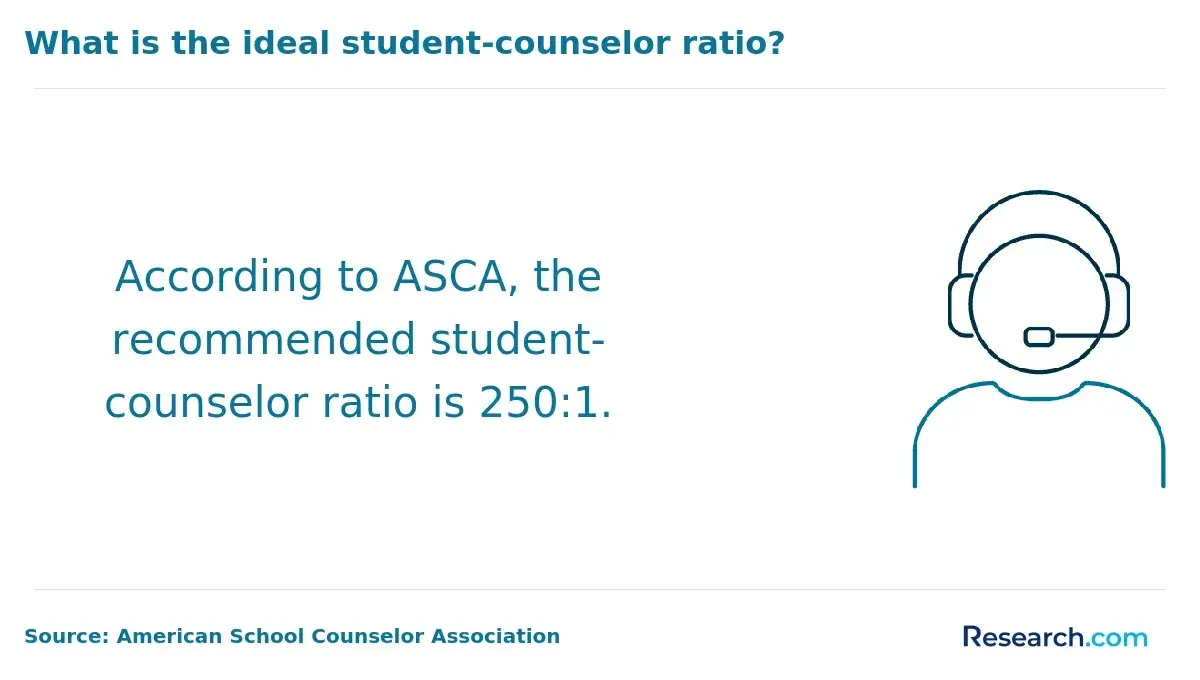
Becoming a school counselor in Ohio is a licensure decision as much as a career decision. You need the right graduate program, supervised field experience, state testing, background checks, and a clear plan for renewal once you are licensed. The stakes are high: Ohio faces a shortage of qualified school counselors, and only 38% of Ohio public schools meet the recommended counselor-to-student ratio, which affects how much academic, college-readiness, and mental health support students can receive.
This guide explains how to become a school counselor in Ohio, including the degree you need, internship requirements, Ohio licensure steps, alternative pathways, renewal rules, salary expectations, job outlook, related LPC options, and common mistakes to avoid. It is designed for future graduate students, career changers, current counselors, and education professionals who want a practical roadmap before choosing a program or applying for licensure.
Quick answer: How do you become a school counselor in Ohio?
- Complete a master’s degree in school counseling through an Ohio-approved preparation program.
- Finish the required field experience, including a supervised internship of at least 600 hours in a K-12 school setting.
- Pass the Ohio School Counselor Licensure Exam, including the Ohio Assessment for Educators requirement, and apply for the appropriate Ohio school counselor license.
- Plan for continuing education after licensure, because Ohio school counselor credentials must be renewed on a five-year cycle.
- Expect demand to remain meaningful as schools respond to student mental health needs, academic planning demands, and projected job growth of 8% through 2030.
- What degree is required for Ohio school counselors?
- Which school counseling specializations are available in Ohio?
- How long does Ohio school counselor preparation take?
- What license or certification do Ohio school counselors need?
- Can an Ohio school counseling license be used in another state?
- How often must Ohio school counselors renew their license?
- Are there alternative routes to Ohio school counselor licensure?
- How much do school counselors earn in Ohio?
- How are school counseling and school psychology different in Ohio?
- What are Ohio LPC licensure requirements?
- What is the Ohio job outlook for school counselors?
- How can Ohio school counselors advance their careers?
- What challenges should Ohio school counselors expect?
What degree do I need to become a school counselor in Ohio?
Ohio school counselors generally need a graduate-level school counseling credential that meets state preparation standards. For most candidates, that means completing a master’s degree in school counseling from a state-approved program that includes counseling theory, student development, ethics, assessment, group counseling, career guidance, and supervised school-based practice.
- Master’s degree in school counseling: The standard route is a state-approved graduate program in school counseling. These programs combine academic coursework with applied training so candidates can support students across academic, social-emotional, career, and college-readiness needs.
- School-based internship requirement: Ohio licensure preparation typically includes at least 600 clock hours of supervised internship experience in a K-12 school setting. This is where candidates learn how to manage real student concerns, coordinate with teachers and families, document services, and work within school systems.
- Professional Pupil Services License eligibility: Graduates of approved preparation programs can become eligible for the Professional Pupil Services License for school counselors. The credential is valid for five years and applies across Pre-K through 12th grade.
- Ohio Assessment for Educators requirement: Candidates must pass the OAE #040 School Counselor exam with a minimum score of 220 after completing the required preparation. The exam verifies readiness for Ohio’s school counseling standards.
| Requirement | What it means for applicants | Why it matters |
| Approved master’s program | You need a graduate program aligned with Ohio school counselor preparation standards. | Graduating from the wrong type of program can delay or prevent licensure. |
| 600-hour internship | You must complete supervised fieldwork in a K-12 school environment. | Licensure depends on documented, practical counseling experience. |
| OAE #040 exam | You must pass the Ohio school counselor assessment with the required minimum score of 220. | The exam is a state checkpoint before licensure approval. |
| Professional Pupil Services License | This is the credential Ohio public schools require for school counselor employment. | Without the license, you may not qualify for public school counselor roles. |
If you are comparing counseling careers more broadly, remember that school counseling and clinical counseling are not the same license track. A guide to the fastest way to become a licensed counselor can help you compare counseling timelines, but Ohio school counseling still requires state-approved school counselor preparation.
Are there school counseling specializations in Ohio?
Ohio school counseling programs may offer concentrations, electives, dual-track options, or field experiences that let students build expertise for different school and counseling environments. The best option depends on whether you want to work only in K-12 schools, keep the door open to clinical counseling, focus on college and career readiness, or move into leadership later.
- School Counseling Pre-K–12 specialization: This is the core licensure pathway for candidates who want to work in elementary, middle, or high school settings. It emphasizes child and adolescent development, school-based counseling interventions, family collaboration, and educational systems.
- Dual school counseling and clinical mental health counseling track: Some students choose programs that combine school counseling coursework with clinical mental health preparation. These options can support eligibility for both school counseling licensure and Licensed Professional Counselor credentials in Ohio, depending on the program design and completed requirements.
- Career counseling and academic advising focus: This path fits candidates who want to support course planning, career exploration, college applications, workforce readiness, and postsecondary transitions.
- Leadership and advocacy preparation: These courses prepare counselors to address equity gaps, improve schoolwide support systems, analyze student outcome data, and advocate for better services.
- Practicum and internship sequence: Programs commonly require a minimum 100-hour practicum and 600-hour internship in K-12 settings, giving students direct exposure to the pace and complexity of school counseling work.
| Specialization or focus | Best for students who want to... | Important caution |
| Pre-K–12 school counseling | Work directly as licensed school counselors in Ohio schools. | Make sure the program is approved for Ohio school counselor licensure. |
| Dual school and clinical counseling | Keep both school and clinical counseling options open. | Confirm whether the curriculum supports both school counselor and LPC requirements. |
| Career and academic advising | Focus on high school planning, college readiness, and career pathways. | This focus should supplement—not replace—Ohio licensure coursework. |
| Leadership and advocacy | Move into program coordination, equity initiatives, or district-level counseling leadership. | Leadership roles usually require experience beyond the initial license. |
Career changers comparing counseling routes may also benefit from reviewing how to start as a counselor, especially if they are unsure whether school counseling, clinical counseling, or another student-support role is the better fit.
How long does it take to complete a school counseling degree in Ohio?
A school counseling master’s degree in Ohio often requires around 60 semester credit hours. Full-time students may finish in about two years, while part-time and online learners often take three years or more. The biggest timing variable is not only coursework; it is also the required fieldwork, including the 100-hour practicum and 600-hour internship in K-12 settings.
Students should plan their timeline around school calendars, placement availability, work schedules, and licensure processing. Internship hours may be difficult to complete quickly if you work full time during normal school hours, because school counseling placements generally occur when students and supervisors are on campus.
| Timeline factor | Typical impact | Planning tip |
| Full-time enrollment | May allow completion in about two years. | Best for students who can manage a heavy graduate workload and school-day field placements. |
| Part-time enrollment | May extend the program to three years or more. | Useful for working adults, but confirm when practicum and internship courses are offered. |
| Online or hybrid format | Can improve flexibility for coursework. | Ask how the program helps students secure Ohio-approved K-12 field placements. |
| Prior graduate education | May shorten the path for some candidates. | Ask whether previous credits can apply to a post-master’s or licensure-only route. |
| Licensure processing | Can add time after graduation. | Prepare early for exams, background checks, transcripts, and institutional recommendation steps. |
Technology may continue to make coursework more flexible, especially through online and hybrid learning. However, the supervised practicum, internship, licensure exam, and background check requirements remain central because school counselors work directly with minors and must be prepared for academic, behavioral, family, and crisis-related concerns.
What certification is required to work as a school counselor in Ohio?
Ohio public school counselors need a Pupil Services License with a School Counselor endorsement through the Ohio Department of Education and Workforce. This license confirms that the candidate completed approved preparation, met field experience expectations, passed the required assessment, and cleared background checks.
- Finish an approved preparation program: Complete the required school counseling graduate coursework, practicum, and internship.
- Pass the Ohio school counselor exam: Complete the Ohio Assessments for Educators School Counselor requirement, including the OAE #040 exam.
- Complete background checks: Submit current Bureau of Criminal Investigation and Federal Bureau of Investigation background checks.
- Secure institutional recommendation: Your college or university must verify that you completed the approved program and are eligible for licensure.
- Apply through the state system: Submit the application for the Five-Year Professional Pupil Services License—School Counselor through the Ohio Department of Education and Workforce process.
- Maintain the credential: Complete renewal requirements during each five-year license cycle.
The employment chart below shows where school counselors work, with local elementary and secondary schools representing the largest share. That matters for Ohio candidates because most licensure planning should be built around K-12 school employment requirements, not general counseling roles.
Can I transfer my Ohio school counseling license between states?
An Ohio school counseling license does not automatically transfer to every other state. Instead, most states use a licensure-by-endorsement or credential review process. The receiving state reviews your degree, supervised experience, current Ohio license, exam record, background check status, and any state-specific training requirements.
Common additional requirements include a new application, official transcripts, license verification from Ohio, a state-specific exam, extra coursework, another background check, or proof of supervised experience. Some states may issue a provisional license while you complete missing requirements. Application fees generally range from $100 to $250, and processing can take from a few weeks to several months.
| If you plan to move... | What to verify before relocating | Why it matters |
| To a neighboring state | Whether that state accepts Ohio preparation through endorsement. | Regional familiarity does not guarantee automatic approval. |
| To a state with different exam rules | Whether you must take a new state counseling or educator assessment. | Testing can delay employment start dates. |
| To a state with extra coursework | Whether your graduate transcript covers mandated topics. | You may need supplemental classes before full licensure. |
| Before applying for jobs | Whether a provisional credential is available. | A provisional license may let you work while finishing requirements. |
The safest approach is to check the destination state’s school counselor licensing agency before accepting a position. Ohio preparation may be strong enough to satisfy many requirements, but each state controls its own educator and pupil services credentials.
How often do Ohio school counselors need to renew their credentials?
Ohio school counselor licenses are renewed every five years. Renewal is not just a formality; it is how the state confirms that counselors remain current in student support practices, ethics, school policy, and professional development.
- Continuing education: Counselors complete 18 continuing education units, equal to 180 contact hours, during the renewal period.
- Online renewal application: Renewal is submitted electronically with the required documentation and responses.
- Renewal fee: A $200 non-refundable fee is paid electronically with the application.
- Updated background check: Counselors must complete a new fingerprint-based criminal background check through an approved Webcheck site during each renewal cycle.
- Employment verification: Working counselors may need to confirm current employment with an Ohio school or educational service center.
- Coursework option for unemployed counselors: Counselors not currently employed may complete six semester hours of approved coursework instead of CEUs.
- Recordkeeping: Certificates, transcripts, and renewal documentation should be kept for at least four years in case of audit.
- Deadline: Requirements and applications should be completed before October 1 of the license expiration year to avoid gaps or extra obligations.
What are the alternative pathways to become a school counselor in Ohio?
You do not always need an undergraduate education degree or prior teaching experience to become a school counselor in Ohio. Career changers, licensed counselors, and out-of-state professionals may have alternative options, but they still need the correct graduate coursework, field experience, exam results, and state approval.
- School counseling certificate for LPCs: Licensed counselors with graduate training may complete a post-master’s school counseling certificate that adds school-specific coursework and prepares them for the OAE requirement.
- Provisional school counselor license: Some candidates without teaching backgrounds may work under defined conditions after completing a master’s program and passing the OAE 040 exam.
- Alternative Resident Educator License: This route is more commonly connected to teaching roles, but some pupil services pathways may involve additional training and state review.
- Out-of-state degree and license review: Counselors prepared outside Ohio may apply through Ohio’s review process if they meet exam, experience, and preparation standards.
- Post-baccalaureate or post-master’s coursework: Candidates who already have a graduate counseling degree but lack school counseling coursework may need a targeted certificate or licensure-only sequence with field experience.
| Pathway | Who it may fit | What to confirm before enrolling |
| Traditional master’s degree | New graduate students seeking the clearest school counselor route. | Ohio approval, internship support, exam preparation, and licensure eligibility. |
| Post-master’s certificate | Counselors who already hold a related graduate degree. | Whether the certificate fills all Ohio school counseling gaps. |
| LPC-to-school counseling route | Clinical counselors who want to work in schools. | School-specific fieldwork, state testing, and endorsement requirements. |
| Out-of-state applicant route | Licensed school counselors moving into Ohio. | Ohio exam rules, background checks, transcript review, and experience verification. |
Because licensure rules vary widely, candidates comparing routes should review counseling license application requirements by state before committing to a degree, certificate, or relocation plan.
The chart below shows that Ohio is among the five states with the most institutions offering CACREP-accredited programs, signaling a strong in-state training landscape for counseling students.
What is the average salary of school counselors in Ohio?
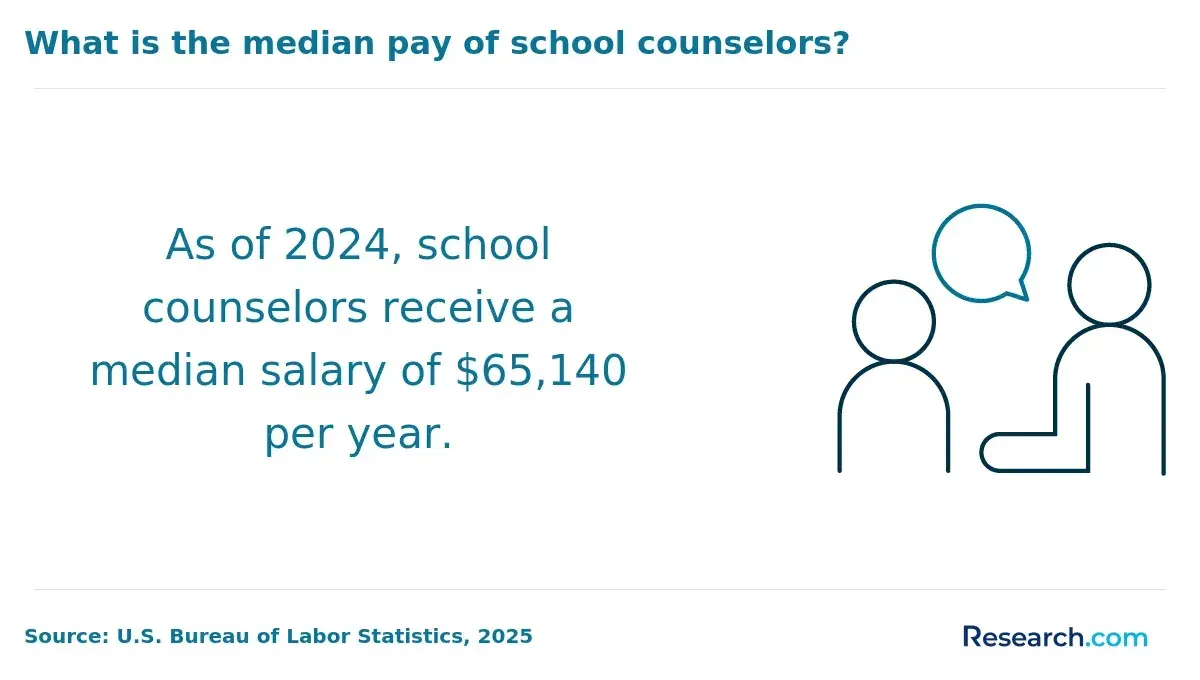
The median salary for school counselors in Ohio is around $54,000, compared with a national median of approximately $58,000. Reported pay varies by district, experience level, contract structure, school type, and additional responsibilities. The median annual wage in Ohio is also cited at about $53,680 in job outlook discussions, so applicants should review district salary schedules rather than rely on one statewide figure.
- District funding and location: Urban, suburban, and better-funded districts may offer stronger salary schedules than smaller or lower-funded districts.
- Education and credentials: Additional graduate credits, advanced degrees, or specialized credentials can affect placement on district pay scales.
- Experience: Many districts use step systems, so pay often rises with years of service.
- Public vs. private school employment: Public schools often use formal salary schedules, while private school pay can vary more widely.
- Grade level: High school counseling roles may involve extensive college, career, testing, and graduation planning responsibilities.
- Extra duties: Department leadership, district committees, multi-building assignments, or program coordination may affect compensation.
| Salary factor | How it can affect pay | Question to ask before accepting a job |
| Salary schedule | Determines starting pay and annual increases. | Where will my degree and experience place me on the schedule? |
| Contract length | Some roles may involve different work-year expectations. | Is this a standard school-year contract or an extended contract? |
| Caseload | Higher caseloads may increase workload without always increasing pay. | How many students will I be responsible for? |
| Additional assignments | Leadership or multi-school duties may add compensation or workload. | Are extra responsibilities paid, required, or voluntary? |
One Ohio school counselor described the early-career salary picture as manageable but requiring planning. Starting pay felt modest, but the district’s step system made future increases easier to understand. Over time, additional experience and responsibilities improved compensation and strengthened the counselor’s ability to negotiate and plan financially.
What is the Relationship Between School Counseling and School Psychology in Ohio?
School counselors and school psychologists both support student well-being, but they are trained for different functions. School counselors usually focus on academic planning, social-emotional development, career readiness, short-term counseling, prevention programs, family communication, and schoolwide support systems. School psychologists are more likely to conduct psychoeducational assessments, support special education evaluation processes, analyze behavior, and design interventions for learning or mental health needs.
In practice, the two roles often work together. A school counselor may identify concerns through student meetings or teacher referrals, while a school psychologist may conduct assessments or help create evidence-based intervention plans. Students benefit most when both professionals collaborate with teachers, administrators, families, nurses, social workers, and outside providers. If you are deciding between these careers, review how to become a school psychologist in Ohio to compare training and licensure expectations.
What are the LPC licensure requirements in Ohio?
Ohio school counselor licensure does not automatically authorize independent clinical private practice. Counselors who want to provide clinical counseling outside the school system generally need to pursue LPC licensure. That path usually involves completing an accredited counseling program with clinical preparation, meeting Ohio’s supervised clinical experience requirements after graduation, passing the required licensing examination, and following continuing education and ethics rules for renewal.
This distinction matters when choosing a graduate program. If you want the option to work in both K-12 schools and clinical counseling settings, ask each program whether it supports school counseling licensure, LPC preparation, or both. For a closer look at the clinical route, review the LPC licensure requirements in Ohio.
What is the job outlook for school counselors in Ohio?
The outlook for Ohio school counselors is supported by student mental health needs, academic recovery concerns, college and career readiness demands, and replacement hiring as professionals retire or change roles. Nationally, the U.S. Bureau of Labor Statistics projects employment for school and career counselors to grow by 4% from 2023 to 2033. Local sources describe Ohio’s growth rate as rapid, and workforce needs are especially visible in districts with high caseloads or limited counseling staff.
- Student mental health concerns: Schools increasingly need trained professionals who can help identify concerns, provide short-term support, coordinate referrals, and assist during crises.
- Academic and career planning: Counselors help students choose courses, prepare for graduation, explore careers, and plan postsecondary options.
- State and district initiatives: Counseling services are tied to graduation, attendance, student engagement, and career readiness goals.
- Replacement demand: Retirements and career changes create openings even when overall employment growth is moderate.
- National openings: Workforce replacement and growth contribute to an estimated 29,100 national openings annually, with Ohio’s share shaped by school size, funding, and local staffing needs.
Students who want broader mental health career flexibility may compare counseling and social work credentials through an LPC vs LCSW degree comparison. That comparison is useful if you are unsure whether you want to work primarily in schools, community mental health, private practice, or social services.
What are the career advancement opportunities for school counselors in Ohio?
Ohio school counselors can advance by gaining experience, building specialized expertise, earning additional credentials, taking on leadership roles, or moving into district-level work. Advancement usually depends on performance, licensure status, professional development, graduate credits, leadership ability, and the needs of the district.
- Lead or head school counselor: Experienced counselors may coordinate a building-level counseling team, manage program planning, and mentor newer counselors.
- District counseling coordinator: This role oversees counseling services across multiple schools and aligns counseling work with district goals.
- Administrator or assistant principal: Counselors interested in broader school leadership may pursue additional educational administration coursework and licensure.
- Career readiness or college advising specialist: Counselors can specialize in postsecondary planning, career pathways, scholarships, testing, and workforce partnerships.
- Professional development facilitator: Experienced counselors may train peers on counseling models, family engagement, crisis response, or college and career programming.
- Consultant or program developer: Some counselors support districts, agencies, or organizations in building stronger student support systems.
- Counselor educator or higher education faculty member: Teaching future counselors typically requires doctoral-level preparation and research or supervision experience.
| Career goal | Likely next step | Best fit for counselors who... |
| Building leadership | Seek lead counselor duties and committee roles. | Enjoy mentoring, organizing programs, and coordinating teams. |
| District leadership | Build experience across grade levels and complete leadership-focused professional development. | Want to influence counseling systems beyond one school. |
| Administrative leadership | Pursue educational administration coursework and licensure. | Want principal or assistant principal responsibilities. |
| Clinical flexibility | Consider LPC-aligned coursework and supervised clinical requirements. | Want options beyond K-12 employment. |
| Higher education | Pursue doctoral study and supervision or research experience. | Want to teach, supervise, or conduct research in counselor education. |
If cost is a barrier to additional credentials, compare options such as the list of most affordable online masters in counseling degree programs, but always verify licensure alignment before enrolling.
What do school counselors in Ohio say about their careers?
- My school counseling training at Kent State University helped me understand Ohio’s schools, communities, and student support needs. Once I began working in a local school, I quickly saw how much students rely on counselors for academic planning, personal support, and encouragement. The work feels stable, but more importantly, it feels useful because I can see the difference it makes for students every week. Jude
- After graduating from Cleveland State University, I entered the field with a strong interest in community engagement. Working in an Ohio school has challenged me to respond to students from many different economic and family backgrounds. The role can be demanding, but it has pushed me to keep learning and to become more intentional about how I support students and families. Carly
- Ohio University’s counseling program prepared me for the variety built into this profession. In Ohio, the mix of rural, suburban, and urban communities means school counselors must adapt constantly. I have found opportunities to grow into leadership work, and that has helped me see counseling as both a student-facing role and a way to strengthen the larger school system. Elizabeth
What challenges do school counselors face in Ohio?
School counseling in Ohio can be deeply meaningful, but candidates should understand the workload before entering the profession. High student-to-counselor ratios can limit the amount of individual time counselors have with each student. Administrative tasks, crisis response, scheduling, testing coordination, family communication, and mental health referrals can also compete with direct counseling time.
- Large caseloads: When counselors serve too many students, prevention work and one-on-one support can become harder to sustain.
- Role confusion: Counselors may be assigned duties that are not closely connected to counseling, such as excessive clerical or testing tasks.
- Student mental health needs: Schools increasingly rely on counselors for early identification, short-term support, and crisis coordination.
- Uneven resources: Rural, urban, and underfunded districts may have different levels of staffing, community partners, and referral options.
- Burnout risk: Emotional demands can build quickly when counselors lack supervision, professional development, or manageable caseloads.
Future counselors should ask programs how they prepare students for crisis response, ethical boundaries, data-informed counseling, family engagement, and collaboration with outside mental health providers. Those still comparing routes can also review the fastest way to become a counselor in Ohio to understand how school counseling fits into the broader counseling career landscape.
Related Articles for Nearby States
- 2027 How to Become a School Counselor in Indiana
- 2027 How to Become a School Counselor in Kentucky
- 2027 How to Become a School Counselor in West Virginia
- 2027 How to Become a School Counselor in Pennsylvania
- 2027 How to Become a School Counselor in Michigan
- 2027 How to Become a School Counselor in Illinois
- 2027 How to Become a School Counselor in Virginia
- 2027 How to Become a School Counselor in Tennessee
- 2027 How to Become a School Counselor in North Carolina
- 2027 How to Become a School Counselor in Missouri
Common mistakes to avoid when becoming a school counselor in Ohio
| Mistake | Why it can hurt you | Better approach |
| Choosing a program without checking Ohio approval | You may graduate without meeting school counselor licensure requirements. | Ask the program directly whether it leads to Ohio school counselor licensure. |
| Assuming online always means flexible fieldwork | Internships still require supervised K-12 school placements. | Confirm placement support, approved sites, and school-day hour expectations. |
| Ignoring LPC requirements | A school counseling license is not the same as clinical counseling licensure. | If private practice is a goal, compare school counseling and LPC-aligned coursework early. |
| Focusing only on tuition | Fees, commuting, unpaid internship time, exam costs, and lost work hours can change total cost. | Estimate the full cost of attendance and fieldwork before enrolling. |
| Waiting until graduation to study licensure steps | Testing, background checks, and institutional recommendation steps can delay employment. | Create a licensure checklist during your final year of the program. |
| Relying only on rankings | A highly ranked program may not fit your schedule, budget, or licensure goals. | Prioritize approval status, internship support, faculty advising, cost, and completion timeline. |
Questions to ask before choosing an Ohio school counseling program
- Is the program approved for Ohio school counselor licensure?
- Does the curriculum include the required 100-hour practicum and 600-hour internship?
- How does the program help students secure K-12 school placements?
- What percentage of students pass the Ohio school counselor exam, if the program publishes that information?
- Can working adults complete internship hours without leaving employment?
- Does the program also support LPC eligibility, or only school counseling licensure?
- How much will the full program cost after tuition, fees, books, background checks, and exam costs?
- Are online students eligible for the same advising and placement support as campus students?
- What happens if a student relocates to another state after graduation?
- How does the program prepare students for high caseloads, crisis response, and collaboration with families?
References:
- All Psychology Schools. (n.d.). School counselor salary information. allpsychologyschools.com.
- Career Explorer. (2025). School counselor job market overview in the United States. careerexplorer.com.
- Muic, K. (n.d.). Career advancement with a master’s degree in school counseling. Graduate Programs for Educators.
- Ohio Statewide Family Engagement Center at the Ohio State University. (n.d.). Professional development resources for Ohio school counselors. The Ohio State University.
- School Counselor Certification. (2024, November 1). Ohio school counselor salary guide. School Counselor Certification.
- Teach.com. (n.d.). School counselor salary and career outlook. teach.com.
- United States Bureau of Labor Statistics. (2025, April 18). Occupational Outlook Handbook: School and Career Counselors and Advisors. BLS.
- Walden University. (n.d.). Career outlook for school counselors with an MS in School Counseling. waldenu.edu.
- Walsh University. (n.d.). Career shift and the need for school counselors. walsh.edu.
- Zippia. (2025). School counselor demographics and statistics in the United States. Zippia.
Key Insights
- Ohio school counselors need a state-approved master’s-level preparation pathway, supervised K-12 field experience, the required Ohio assessment, background checks, and a Professional Pupil Services License.
- The 600-hour internship is one of the most important planning factors because it can affect your schedule, program timeline, and ability to work while enrolled.
- Online and hybrid programs can be convenient, but they must still provide a valid path to Ohio licensure and approved school-based field placements.
- School counseling and LPC licensure are different. Choose a dual-aligned program only if you want both K-12 school counseling and clinical counseling flexibility.
- Ohio school counselor salaries vary by district, salary schedule, experience, grade level, and extra responsibilities; applicants should review local contracts before making assumptions.
- Licensure portability is not automatic. If you may move, compare endorsement rules before choosing a program or accepting an out-of-state position.
- The strongest program choice is not always the fastest or cheapest one. Prioritize Ohio approval, field placement support, licensure outcomes, affordability, and fit with your long-term career goals.
Other Things You Need to Know About Becoming a School Counselor in Ohio
The Ohio Department of Education and Workforce issues school counselor licenses in Ohio. Candidates apply through the state licensure system after meeting education, practicum, and exam requirements, and the agency also sets renewal rules and licensing standards for school counselors.
To become a school counselor in Ohio, you must hold a master's degree in school counseling or a related field. The program should include 600 hours of supervised internship experience in a school setting, sanctioned by an accredited institution.