2027 Electrical Engineering Career Outlook by Role Type

Co-Founder and Chief Data Scientist
Choosing an electrical engineering path is harder than picking "engineering" as a major because power, electronics, controls, semiconductors, robotics, and embedded systems lead to different jobs. The field is timely, the U.S. Bureau of Labor Statistics projects electrical and electronics engineer employment to grow 9% from 2024 to 2034, faster than average.
This guide is for students, career changers, veterans, and working technicians comparing education options, salaries, licensing, and role fit so they can choose a practical path before investing time and tuition.
Key Things You Should Know
- Electrical engineering career demand is strongest where electrification, chips, automation, defense systems, data centers, and renewable power create hiring needs; BLS projects 9% employment growth for electrical and electronics engineers from 2024 to 2034.
- A bachelor's degree from an ABET-accredited electrical engineering or closely related engineering program is the standard entry path for most engineering roles, while technician roles may start with an associate degree and senior R&D roles often prefer a master's or PhD.
- Pay varies sharply by specialty and industry: BLS reported a May 2024 median annual wage of $111,910 for electrical engineers and $127,230 for electronics engineers, except computer, but location, security clearance, licensure, and experience can shift outcomes.
What are the main electrical engineering career paths and role types today?
Electrical engineering is the branch of engineering focused on designing, testing, improving, and maintaining systems that use electricity, electronics, electromagnetism, signals, and computing hardware. The best role type depends on whether you want to work with large-scale power infrastructure, tiny semiconductor devices, autonomous machines, communications systems, or product electronics.
The table below summarizes the most common electrical engineering role types and what they usually involve. Use it to identify which daily work sounds most appealing before choosing a degree concentration or elective sequence.
| Role type | Typical responsibilities | Common employers | Best fit for students who like |
| Power systems engineer | Designing, modeling, and protecting electric grids, substations, distribution networks, battery systems, and renewable interconnections. | Utilities, energy developers, consulting firms, manufacturers, government agencies. | Infrastructure, energy, reliability, field visits, and large-scale systems. |
| Electronics engineer | Designing circuits, printed circuit boards, sensors, instrumentation, consumer electronics, medical devices, and industrial hardware. | Electronics manufacturers, aerospace firms, defense contractors, medical device companies. | Circuit design, prototyping, lab testing, and hardware troubleshooting. |
| Semiconductor or microelectronics engineer | Working on chip design, fabrication processes, device testing, packaging, and yield improvement. | Semiconductor companies, foundries, research labs, equipment manufacturers. | Physics, materials, cleanroom processes, advanced manufacturing, and device-level design. |
| Controls and automation engineer | Designing control systems for robots, factory equipment, vehicles, motors, and industrial processes. | Manufacturing plants, robotics firms, automotive companies, process industries. | Feedback systems, programming, motion, machinery, and real-time problem solving. |
| Embedded systems engineer | Developing firmware and hardware interfaces for devices such as drones, appliances, vehicles, smart meters, and IoT products. | Technology companies, automotive firms, defense contractors, device manufacturers. | Programming close to hardware, microcontrollers, sensors, and product development. |
| Telecommunications or RF engineer | Designing wireless systems, antennas, radio-frequency circuits, satellite links, and signal transmission networks. | Telecom providers, aerospace firms, defense contractors, satellite companies. | Signals, electromagnetics, antennas, networks, and spectrum-dependent systems. |
| Test, validation, or reliability engineer | Creating test plans, measuring performance, diagnosing failures, documenting results, and improving product quality. | Manufacturers, labs, aerospace and defense firms, electronics companies. | Measurement, debugging, documentation, and making systems dependable. |
A practical way to compare these options is to think about scale. Power engineers work on systems that can serve cities; microelectronics engineers work at the device or chip level; embedded and controls engineers sit between hardware and software; RF engineers specialize in electromagnetic signals and wireless behavior.
One common mistake is choosing electrical engineering only because it sounds broad. Breadth is useful, but employers hire for evidence: lab projects, internships, simulation skills, programming experience, design reviews, and familiarity with the tools used in a specific specialty.
What education and degree levels are required for different electrical engineering roles?
Most electrical engineering roles require at least a bachelor's degree in electrical engineering, electrical and computer engineering, electronics engineering, or a closely related ABET-accredited program. Degree level matters because it determines the roles you can enter, whether you qualify for licensure, and how quickly you can move into design, leadership, or research work.
The table below compares common education levels and the roles they usually support. Requirements can vary by employer, especially in defense, utilities, and regulated industries.
| Education level | Typical time | Roles it may support | Important limitations |
| Certificate or short technical training | Several months to 1 year | Electronics assembler, maintenance support, PLC support, test lab assistant | Usually not enough for engineer-titled design roles. |
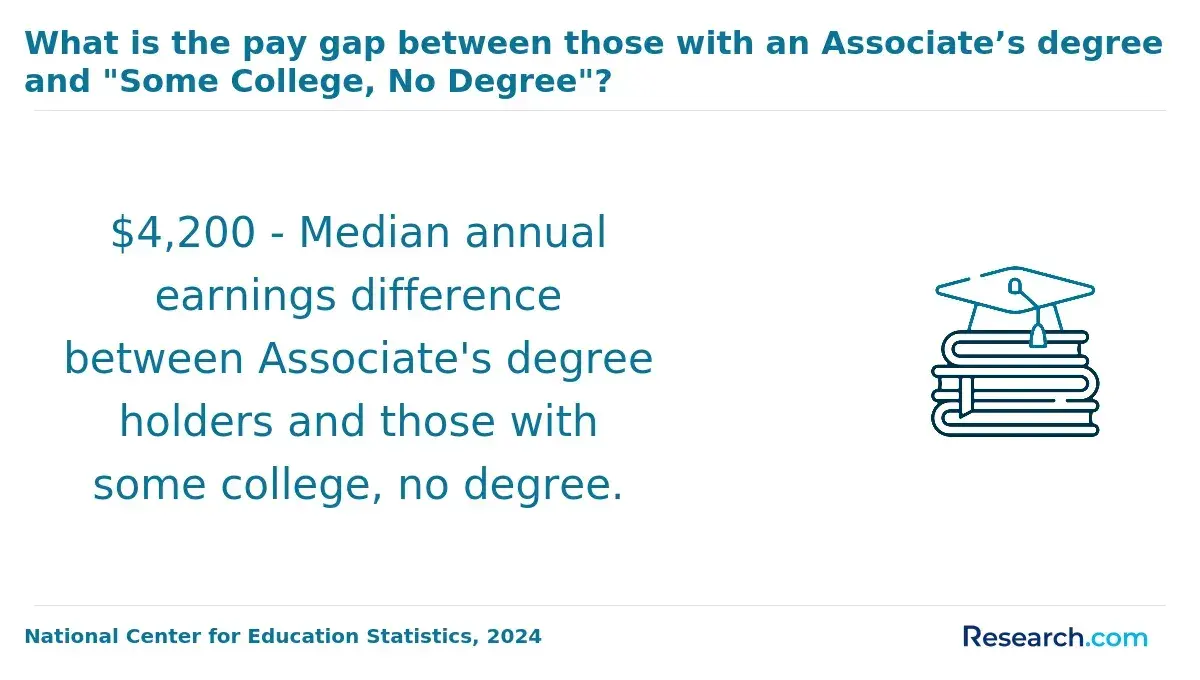
| Associate degree in electrical engineering technology or electronics technology | About 2 years full time | Engineering technician, field service technician, CAD support, test technician | May not meet requirements for PE licensure or engineer-track roles without further study. |
| Bachelor's degree in electrical engineering | About 4 years full time | Electrical engineer, electronics engineer, controls engineer, power engineer, embedded systems engineer | Competitive roles often expect internships, projects, and software/tool proficiency. |
| Master's degree | 1 to 2 years after a bachelor's | Advanced roles in power systems, RF, signal processing, semiconductors, robotics, or technical leadership | Most valuable when specialized and tied to a target industry. |
| PhD | Often 4 to 6 years after a bachelor's or master's | Research scientist, university faculty, advanced semiconductor, electromagnetics, photonics, or AI-hardware research roles | Not necessary for most industry engineering jobs. |
Students with military electronics, avionics, radar, nuclear, or communications experience should look for programs that evaluate transfer credit carefully and provide academic support for adult learners. Those comparing flexible options can review online electrical engineering degree programs for veterans to see how online delivery, credit evaluation, and veteran services can affect the path to an engineering credential.
Engineering technology and electrical engineering are not identical. Technology programs are often more applied and technician-oriented, while electrical engineering programs usually include deeper calculus, physics, electromagnetics, signals, and design theory. Both can be valuable, but they lead to different hiring lanes.
What is the current job outlook and demand for electrical engineers by role type?
The current U.S. outlook for electrical engineering is favorable but uneven by specialty. Demand is being shaped by grid modernization, electric vehicles, battery storage, semiconductor investment, defense modernization, automation, data center power needs, and connected devices.
BLS projects employment for electrical and electronics engineers to grow 9% from 2024 to 2034. For readers, that means the field is not just replacing retirees; it is also tied to active technology expansion, although competition can still be strong for popular entry-level roles without internship or project experience.
The table below shows how demand drivers differ by role type. This matters because a "good outlook" in electrical engineering does not mean every specialization hires in the same regions or industries.
| Role type | Demand outlook | What is driving demand | Career risk to watch |
| Power systems | Strong in utilities, consulting, renewables, and grid modernization. | Electrification, renewable interconnection, battery storage, resilience planning, transmission upgrades. | Some roles require field work, utility standards knowledge, or PE-track credentials. |
| Semiconductors | Strong but geographically concentrated. | Domestic chip investment, advanced packaging, fabrication capacity, defense supply chains. | Roles may require graduate study, cleanroom exposure, or relocation to major chip hubs. |
| Embedded systems | Strong across product and defense sectors. | IoT devices, vehicles, robotics, aerospace systems, connected infrastructure. | Employers often expect strong C/C++, debugging, and hardware-software integration skills. |
| Controls and automation | Strong in manufacturing and industrial modernization. | Factory automation, robotics, process control, smart manufacturing, labor productivity needs. | Plant-based roles may involve travel, shift support, or on-call troubleshooting. |
| RF and telecommunications | Steady to strong in defense, satellite, wireless, and aerospace. | 5G/6G development, satellite communications, radar, electronic warfare, spectrum-intensive systems. | Some roles require security clearance or specialized graduate-level coursework. |
| General electronics and test | Steady across manufacturing, medical devices, aerospace, and consumer products. | Product development, quality demands, reliability testing, compliance requirements. | Entry-level work can be competitive if applicants lack lab documentation and measurement skills. |
AI is changing the work, but it is not eliminating the need for engineers who understand physics, safety, testing, and design constraints. AI-assisted simulation, automated layout checks, predictive maintenance, and generative design can speed up parts of the workflow; engineers still need to validate results, understand failure modes, and sign off on systems that must operate safely.
How much do electrical engineers earn across major specialties and experience levels?
Electrical engineering salaries vary by specialty, industry, region, security clearance, licensure, and level of responsibility. BLS reported a May 2024 median annual wage of $111,910 for electrical engineers and $127,230 for electronics engineers, except computer. Those medians are useful benchmarks, but they should not be treated as guaranteed outcomes for new graduates.
The table below gives a practical salary-context view by role type. Instead of promising precise pay by title, it shows why compensation differs across specialties.
| Specialty | Salary context | What can raise pay | What can limit early pay |
| Power systems | Often stable and competitive, especially in utilities, consulting, and energy infrastructure. | PE licensure, protection and control expertise, substation design, grid modeling, project leadership. | Entry roles may start with field documentation, standards learning, and supervised design work. |
| Electronics design | Can be strong in aerospace, defense, medical devices, and advanced manufacturing. | PCB design, signal integrity, testing expertise, regulated product experience, security clearance. | Applicants without build-test-debug project evidence may compete at lower levels. |
| Semiconductors | Can be high in advanced design, fabrication, and process engineering roles. | Graduate specialization, device physics, EDA tools, cleanroom experience, chip design projects. | Geographic concentration and advanced skill expectations can narrow entry options. |
| Embedded systems | Often competitive because it blends hardware and software. | C/C++, real-time systems, firmware, microcontrollers, debugging tools, safety-critical experience. | Pure classroom programming without hardware integration may not be enough. |
| Controls and automation | Strong in manufacturing, robotics, automotive, and process industries. | PLC programming, robotics, motion control, SCADA, commissioning, plant troubleshooting. | Travel, plant schedules, and hands-on field demands may not suit every candidate. |
| RF and telecommunications | Can be strong where specialized knowledge is scarce. | Antennas, electromagnetics, radar, satellite systems, spectrum analysis, clearance-eligible work. | Specialty coursework and lab access may be required to stand out. |
Experience level also changes the value proposition. Entry-level engineers are usually paid for execution and learning; mid-career engineers are paid for independent design, cross-functional communication, and judgment; senior engineers are paid for architecture decisions, risk reduction, mentoring, and accountability for costly systems.
When evaluating ROI, compare expected salary against total program cost, debt, time out of the workforce, and the likelihood that the program gives you access to internships or co-ops. A lower-cost degree with strong accreditation and employer connections can outperform a more expensive option with weak lab access or limited career support.
What accredited electrical engineering programs best prepare students for these career tracks?
The best electrical engineering program for a career track is usually not the one with the most famous name; it is the one with the right accreditation, curriculum depth, lab access, employer connections, and specialization options for the role you want. For engineering licensure and many employer screens, ABET accreditation is the first filter to check.
The table below maps career tracks to program features that matter most. Use it to compare schools beyond rankings or marketing language.
| Career track | Program features to prioritize | Useful experiential learning | Signals of a strong fit |
| Power and energy | Power systems, machines, power electronics, protection, renewable integration, energy markets. | Utility internships, senior design with grid hardware, power lab access. | Faculty or labs focused on grid modernization, partnerships with utilities, PE-aware advising. |
| Electronics and hardware | Analog/digital circuits, PCB design, instrumentation, embedded interfaces, signal integrity. | Product prototyping, electronics lab projects, hardware design competitions. | Modern lab equipment, design reviews, test documentation requirements. |
| Semiconductors and microelectronics | Device physics, VLSI, fabrication, materials, photonics, microelectronics. | Cleanroom exposure, chip design projects, research assistantships. | Access to EDA tools, fabrication partnerships, graduate pathways. |
| Controls, robotics, and automation | Control theory, robotics, mechatronics, motors, sensors, real-time systems. | Robotics teams, manufacturing internships, PLC or automation projects. | Hands-on labs with motors, robots, drives, and industrial software. |
| RF, communications, and signal processing | Electromagnetics, antennas, wireless systems, DSP, communications theory. | Antenna lab projects, satellite teams, radar or wireless research. | Specialized test equipment, strong math sequence, defense or telecom recruiting. |
If your main interest is energy systems in natural environments rather than electrical infrastructure, you may want to compare engineering with a geology online degree. That alternative can make sense for students drawn to subsurface energy, environmental fieldwork, geotechnical work, or resource assessment rather than circuit and power-system design.
Red flags include a program that is vague about ABET status, lacks required labs, has no recent senior design examples, cannot explain transfer-credit limits, or advertises engineering career outcomes without showing how students gain design and testing experience.

How do online electrical engineering degrees compare to campus-based programs for career outcomes?
Online electrical engineering degrees can work well for self-directed students, working adults, and military learners, but the format must support real engineering outcomes. Because electrical engineering is lab-heavy, the strongest online programs use remote labs, mailed lab kits, local proctoring, simulation tools, short campus residencies, or partnerships that let students complete hands-on requirements.
The table below compares online and campus-based formats from a career-outcomes perspective. The right choice depends less on delivery mode and more on accreditation, lab quality, networking, and schedule fit.
| Factor | Online electrical engineering degree | Campus-based electrical engineering degree |
| Best fit | Working adults, military students, caregivers, students far from campus. | Traditional full-time students, students who want frequent lab access, students seeking on-campus recruiting. |
| Lab experience | May use remote labs, simulations, lab kits, or required residencies. | Usually easier access to physical labs, equipment, teams, and faculty research spaces. |
| Networking | Requires intentional participation in virtual office hours, online project teams, and employer events. | More spontaneous peer, faculty, club, and recruiter interaction. |
| Career impact | Can be strong if ABET-accredited and project-heavy. | Can be strong if students use labs, internships, and co-ops effectively. |
| Main risk | Choosing convenience over accreditation or lab quality. | Paying more for location or brand without using campus resources. |
Students interested in health devices, wearables, biomechanics, or human performance sometimes assume electrical engineering is the only route into that space. If your stronger interest is exercise physiology or health-performance programming rather than circuit design, comparing a best online exercise science degree can help clarify whether you want to build devices or work with the people who use them.
Online programs are not automatically easier. In many cases, they require stronger time management because calculus, circuits, physics, and design projects are demanding without daily in-person structure. Before enrolling, ask how exams are proctored, how labs are completed, how group design projects work, and whether career services support remote students.
What core coursework and technical skills are needed for specific electrical engineering roles?
Electrical engineering coursework builds from math and physics into circuits, signals, electronics, electromagnetics, systems, design, and specialized electives. The right skill mix depends on the role, but all strong candidates need analytical reasoning, measurement discipline, documentation habits, and the ability to debug imperfect systems.
The table below connects role types with the coursework and technical skills that most directly support them. This can help you choose electives, projects, and internships strategically.
| Role type | Core coursework | Technical skills to build | Portfolio evidence employers value |
| Power systems | Power systems, electric machines, power electronics, protection, energy conversion. | Load-flow analysis, fault studies, relay coordination, grid modeling, safety standards. | Substation design project, renewable interconnection model, protection study, utility internship. |
| Electronics design | Analog circuits, digital logic, electronics, instrumentation, signals. | PCB layout, oscilloscope use, soldering, SPICE simulation, test planning. | Working circuit board, lab notebook, test report, design iteration documentation. |
| Semiconductors | Semiconductor devices, microfabrication, materials, VLSI, electromagnetics. | Device modeling, process flow understanding, EDA tools, yield analysis. | VLSI project, cleanroom training, research poster, device characterization report. |
| Embedded systems | Digital systems, microcontrollers, computer architecture, signals, real-time systems. | C/C++, firmware, sensor integration, communication protocols, debugging. | Microcontroller project, Git repository, hardware demo, timing or power analysis. |
| Controls and automation | Control systems, dynamics, motors, robotics, mechatronics. | PID control, PLCs, MATLAB/Simulink, robotics, motion control, SCADA basics. | Robot, motor-control system, factory simulation, commissioning-style report. |
| RF and communications | Electromagnetics, antennas, communications, DSP, probability. | Network analyzer use, antenna design, modulation, spectrum analysis, RF simulation. | Antenna test, wireless link project, DSP implementation, RF measurement report. |
Several skills cut across nearly every specialty. Students should build them before graduation because they often determine whether a resume looks career-ready or purely academic.
- Programming in at least one engineering-relevant language such as Python, C, C++, MATLAB, or a hardware-description language, depending on the target role.
- Hands-on measurement skills, including safe use of oscilloscopes, multimeters, power supplies, signal generators, logic analyzers, and data acquisition tools.
- Technical writing habits that show design decisions, test conditions, assumptions, risks, failures, and fixes clearly enough for another engineer to reproduce the work.
- Team-based design experience through senior design, robotics teams, IEEE projects, undergraduate research, co-ops, or employer-sponsored capstones.
Avoid the mistake of treating software tools as a substitute for fundamentals. Simulation is powerful, but employers still expect engineers to understand why a model can fail, how measurement noise affects results, and when a system may behave differently in the real world.
How long do electrical engineering programs take, and what do they typically cost?
Electrical engineering programs are academically demanding and can be expensive, so timeline and cost should be evaluated before enrollment. The main cost drivers are institution type, residency status, transfer credits, lab fees, required software or hardware, housing, transportation, and whether you study full time or part time.
For a current tuition benchmark, College Board's Trends in College Pricing and Student Aid reported average published tuition and fees of $11,610 for in-state students at public four-year institutions in 2024-25. That figure helps frame affordability, but engineering students should also budget for living expenses, books, lab materials, and the possibility of taking longer if prerequisites or co-ops extend the timeline.
The table below shows typical time and cost considerations by program type. Actual prices vary widely by school and student circumstances.
| Program type | Typical completion time | Common cost considerations | Best fit |
| Associate degree in electronics or engineering technology | About 2 years full time | Often lower tuition, especially at community colleges; may reduce cost before transfer. | Students seeking technician roles or a lower-cost start before a bachelor's. |
| Bachelor's degree in electrical engineering | About 4 years full time | Highest total cost if completed residentially; can be reduced by transfer credits, scholarships, co-ops, and in-state tuition. | Students targeting engineer-track roles. |
| Part-time bachelor's pathway | Often 5 to 7 years | May reduce annual cost and allow work income, but extends time to completion. | Working adults and students who cannot study full time. |
| Master's degree | 1 to 2 years full time; longer part time | Employer tuition assistance can make a major difference; research assistantships may help in thesis programs. | Engineers pursuing specialization or advancement. |
| PhD | Often 4 to 6 years after prior study | Many research-based programs provide funding, but opportunity cost is significant. | Students targeting research, academia, or advanced R&D. |
To control cost without weakening outcomes, take a structured approach before committing. These steps are especially important for students comparing online, transfer, or adult-completion pathways.
- Confirm ABET accreditation for the exact program name and campus or delivery format, not just the institution.
- Ask for a written transfer-credit evaluation before enrolling, especially for calculus, physics, circuits, and engineering technology courses.
- Compare total cost of attendance, not only tuition, including fees, books, lab materials, software, housing, commuting, and lost work hours.
- Check whether co-ops or paid internships are common, because they can offset cost while improving employability.
- Ask whether scholarships, employer tuition assistance, veteran benefits, or undergraduate research funding are available to students in your format.
Do not assume the fastest program is the best value. Accelerated pacing can be helpful for prepared students, but electrical engineering prerequisites build on each other; rushing through calculus, physics, and circuits can weaken later performance in signals, electronics, controls, and electromagnetics.
Are licenses, PE registration, or certifications needed for certain electrical engineering jobs?
Licensure is not required for every electrical engineering job, but it can be important in public-facing engineering services, utilities, construction, consulting, power systems, and infrastructure work. The Professional Engineer, or PE, license is state-regulated, so requirements vary, but the usual path involves an accredited engineering degree, passing the Fundamentals of Engineering exam, qualifying work experience, and passing a PE exam.
The table below explains where licensure and certifications tend to matter. Use it to avoid overpaying for credentials you do not need or ignoring credentials that could affect your target role.
| Credential | Where it matters most | Why it matters | When it may be less important |
| FE exam and Engineer-in-Training status | Power, utilities, consulting, civil infrastructure support, public-sector engineering | Starts the PE pathway and signals commitment to licensed practice. | Product electronics, embedded systems, semiconductors, and many private R&D roles. |
| PE license | Power systems, building electrical design, consulting, public infrastructure, regulated engineering services | May be needed to sign and seal engineering documents or lead licensed engineering work. | Many corporate product-design roles where work is not offered directly to the public. |
| Industry software or vendor certifications | Automation, controls, networking, power analysis, cybersecurity-adjacent systems | Shows tool readiness for specific employer environments. | Early academic roles where fundamentals and degree accreditation matter more. |
| Security clearance eligibility | Defense, aerospace, radar, satellite, communications, electronic warfare | Can be a hiring differentiator for restricted projects. | Commercial roles with no classified work. |
| Graduate certificates | Power electronics, embedded systems, RF, semiconductors, signal processing | Can demonstrate focused upskilling without a full degree. | When the certificate lacks rigor, lab work, or employer recognition. |
If you are considering power, consulting, or public infrastructure, plan early for the FE exam because coursework is freshest near graduation. If you are pursuing embedded systems, semiconductors, or electronics product design, prioritize demonstrable projects, tool fluency, internships, and technical interviews unless your employer specifically values licensure.
A common red flag is a school or bootcamp implying that a short certificate alone makes someone an electrical engineer. Certificates can be useful for upskilling, but engineer-track roles usually require a rigorous engineering degree or substantial equivalent experience recognized by the employer.
How can prospective students choose a reputable electrical engineering program aligned with their goals?
Choosing a reputable electrical engineering program starts with your target role, not the school brochure. A strong program should make it clear how students move from coursework to internships, labs, senior design, licensure readiness, and first jobs.
Use the following steps to evaluate fit. They will help you compare programs on outcomes-related factors rather than name recognition alone.
- Define your target role type first, such as power systems, embedded systems, electronics design, semiconductors, controls, or RF communications.
- Verify ABET accreditation for the exact electrical engineering program if you want maximum flexibility for licensure and employer screening.
- Review the required curriculum and electives to confirm the program actually supports your target specialty.
- Ask for recent examples of senior design projects, lab requirements, internship employers, and student organizations.
- Compare total cost, transfer policies, time to graduation, scholarship options, co-op access, and academic support for difficult gateway courses.
- Check career services for engineering-specific support, including technical resume reviews, interview preparation, employer events, and internship pipelines.
- Ask how the program supports your format, especially if you are online, part time, transferring, working, or using military benefits.
The table below highlights common program-selection mistakes and better alternatives. This is useful because many poor outcomes come from choosing a program that does not match the student's actual career goal.
| Common mistake | Why it is risky | Better approach |
| Choosing based only on ranking | A high ranking may not mean strong support in your specialty or format. | Compare accreditation, labs, electives, internships, and senior design outcomes. |
| Ignoring ABET accreditation | It can affect licensure eligibility and some employer screens. | Verify accreditation before applying or transferring. |
| Assuming online means flexible enough for any schedule | Labs, exams, and group projects can require fixed times or residencies. | Ask how each technical requirement is completed. |
| Picking engineering when the goal is adjacent | Electrical engineering may be too math- and design-heavy for some career goals. | Compare adjacent majors before committing. |
| Underestimating math preparation | Weak calculus or physics foundations can delay graduation. | Use placement results honestly and take bridge courses if needed. |
If your interests lean more toward information organization, digital collections, research services, or data stewardship than hardware design, it may be worth asking is library science a good degree before committing to an engineering-heavy route. Choosing the right field is not about prestige; it is about matching the work you want to do every week.
The smartest next step is to shortlist three to five programs and compare them side by side using the same criteria: accreditation, target specialty, lab access, cost, transfer credit, internship support, completion timeline, and licensure alignment. If a school cannot answer those questions clearly, keep looking.
Other Things You Should Know About Electrical Engineering
In 2027, electrical engineering offers increased remote work opportunities, especially in roles related to design, simulation, and research. Remote positions in electrical engineering are made possible by advancements in communication tools and cloud-based engineering software, reflecting a shift towards flexible work arrangements in the industry.
You do not need to be a math prodigy, but you do need to become comfortable with calculus, differential equations, linear algebra, and applied problem solving. If your math background is weak, take placement seriously and use tutoring early instead of rushing into advanced engineering courses.
Prioritize physics, calculus or precalculus, computer programming, chemistry, and any robotics, electronics, CAD, or engineering design courses available. Strong writing and communication classes also help because engineers must document designs, explain trade-offs, and work in teams.
Field service, power systems, and hardware test roles are the least remote-friendly in 2027 because they require site visits, lab access, or equipment troubleshooting. Design and simulation roles offer more hybrid options, while manufacturing and commissioning jobs are usually on-site.
References
- How Long Does It Take to Become an Electrical Engineer? https://bestelectriczone.com/how-long-does-it-take-to-become-an-electrical-engineer/
- Common Career Paths for Electrical Engineers https://www.matchtech.com/resources/blog/common-career-paths-electrical-engineers/
- Electrical Engineering Job Market: 2026 Outlook & Pay https://pathwise.io/electrical-engineering-job-market/
- Job market for electrical engineers: no cause for concern https://pcim.mesago.com/nuernberg/en/pcim-insights/pcim-magazine/job-market-for-electrical-engineers-no-cause-for-concern.html
- Online Electrical Engineering Degrees https://www.affordablecollegesonline.org/degrees/engineering-programs/electrical-engineering/
- Top Affordable Electrical Engineering Degree Online? | Lifehack https://vocal.media/lifehack/top-affordable-electrical-engineering-degree-online
- Electrical Engineer https://www.developingexperts.com/career-builder/602
- Top Electrical Engineering Schools Ranked for 2025 - Delta Wye Electric https://deltawye.com/top-electrical-engineering-schools/
- EEVblog Captcha https://www.eevblog.com/forum/chat/(us)-do-you-need-the-pe-license-to-practice-electronics-engineering-in-the-us/
- Essential Skills You Learn in an Electrical Engineering Course – Discover Training https://discovertraining.net/essential-skills-you-learn-in-an-electrical-engineering-course/