2027 AI Associate Degrees for Students Interested in AI Support Roles

Co-Founder and Chief Data Scientist
Many students with unrelated undergraduate degrees face challenges entering the AI field due to skill gaps and limited flexible training options. Traditional computer science programs can be too time-consuming or theoretical for those targeting support roles in AI. This gap hinders timely career pivots into an industry that demands practical, up-to-date expertise.
Associate degrees focused on AI support offer a practical solution by providing foundational knowledge and hands-on skills in a shorter, more accessible format. This article explores current AI associate degree programs designed to equip students for support roles, highlighting pathways to accelerate transition and meet industry needs effectively.
Key Things You Should Know
- In 2026, AI associate degrees emphasize practical skills in data analysis, machine learning basics, and AI system support, preparing students for entry-level tech roles.
- Programs typically span two years and include coursework in programming languages like Python, with 35% of graduates finding jobs within six months.
- Growing demand for AI support roles in healthcare, finance, and manufacturing drives enrollment, with a projected 19% job growth rate through 2031.
What is an AI associate degree, and what support roles does it prepare you for?
An AI associate degree programs focus on training students over two years to handle operational and technical support roles in artificial intelligence. These programs equip graduates with foundational knowledge in managing AI systems rather than specializing in deep AI research or development. Typical job titles include AI/data operations specialist, QA tester for AI systems, and user support technician for AI-enabled software.
Support roles in artificial intelligence encompass managing data pipelines, monitoring system performance, troubleshooting issues, validating AI outputs, and assisting end-users.
For instance, an AI/data operations specialist maintains the quality and accuracy of datasets crucial for machine learning models, while QA testers identify algorithm errors before deployment. User support technicians help non-technical staff use AI tools effectively.
Career opportunities with an associate degree in AI support will expand significantly, as 86% of employers expect AI and information-processing technologies to transform business practices by 2030, according to the World Economic Forum's Future of Jobs Report 2025.
Students should anticipate coursework in data management, basic machine learning, troubleshooting, and technical communication-skills that address practical challenges when deploying AI.
Those interested in advancing beyond associate-level roles may consider an accelerated bachelor's degree computer science program to deepen their expertise and career options.
Which AI associate degrees are accredited, and why does accreditation matter?
Accredited AI associate degrees in the United States are awarded by institutions recognized by the U.S. Department of Education through agencies like the Higher Learning Commission (HLC), Middle States Commission on Higher Education (MSCHE), and Accrediting Commission for Community and Junior Colleges (ACCJC).
The importance of accreditation for AI associate programs extends beyond quality assurance. Federal financial aid eligibility and credit transfer depend heavily on recognized accreditation, as only about 56% of U.S. postsecondary schools participate in federal Title IV programs according to NCES IPEDS 2024 data.
Without proper accreditation, students miss out on federal grants or loans, and may face difficulties transferring credits between schools.
Prospective AI support role aspirants benefit from accredited associate degrees, such as an Accredited Technical AI Support degree through ACCJC-verified community colleges, which provide validated foundational training and improve employer confidence. Nonaccredited options might be cheaper or quicker but risk limited recognition and career progression.
Students should consult the Department of Education's Database of Accredited Postsecondary Institutions and Programs (DAPIP) to verify accreditation status before enrolling. For those exploring related fields, affordable options like an online degree in mechanical engineering might also be worth considering for broader STEM opportunities.
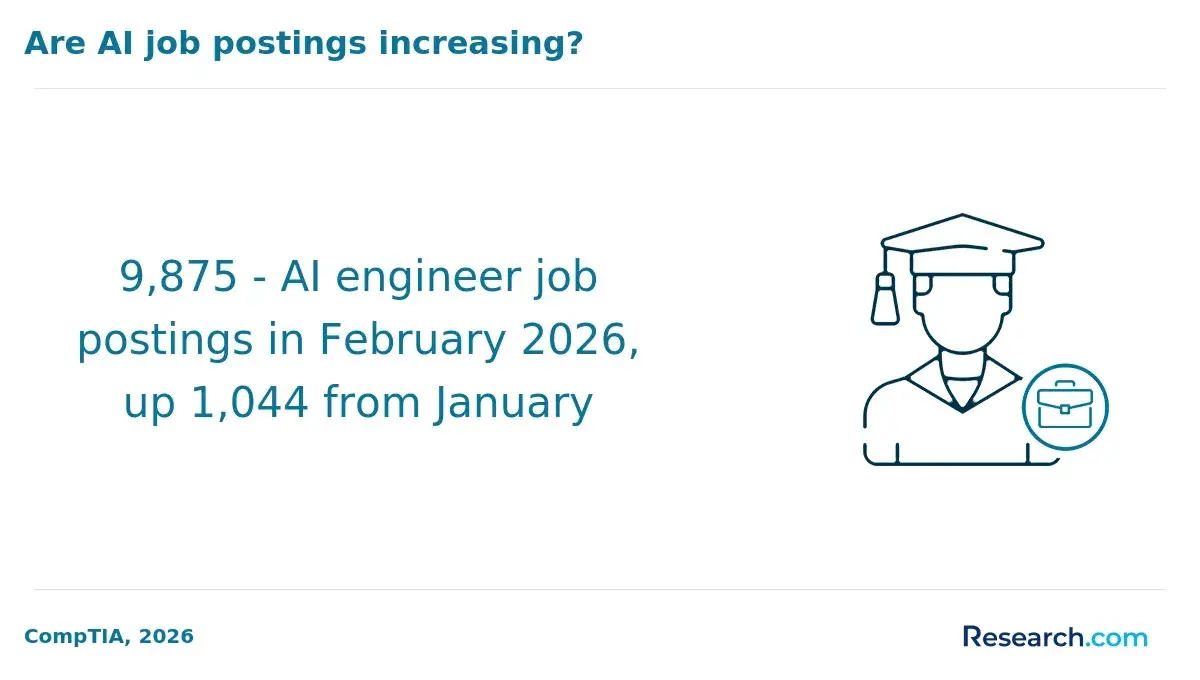
What jobs can you get with an AI associate degree in support roles?
An AI associate degree opens pathways to several critical support roles in AI system operation and maintenance. Common entry level jobs with an AI associate degree include automation support specialists who manage robotic process automation tools, often using Python scripting to customize and troubleshoot workflows.
Data support technicians are essential in collecting, cleansing, and formatting datasets required for training AI models. Their proficiency in Python and SQL ensures high data quality and accessibility, a vital aspect of AI infrastructure. These AI support technician careers in North America are growing as demand for such skills rises.
Quality assurance analysts in AI environments develop and execute test cases to validate AI applications. Python scripting helps automate repetitive testing and simulate user scenarios, improving performance reliability.
Other roles consist of AI help desk support, assisting users and resolving AI software issues, and operations support technicians who monitor AI tool performance and coordinate updates. Both require strong technical communication and diagnostic skills.
Hands-on Python experience and knowledge of AI frameworks significantly boost employability. Internships and project-based learning prepare candidates for these positions across industries.
For those interested in advancing from an associate degree, considering a masters in game design might broaden career options in technology-related fields.
How do online AI associate programs compare with campus-based options?
Online AI associate degree programs vs campus classes present distinct advantages for students balancing education with life commitments. Online degrees offer flexibility with formats ranging from fully asynchronous to hybrid models that blend prerecorded lectures with live sessions and teamwork.
Campus programs provide benefits such as direct faculty access, hands-on labs, and networking with peers and industry professionals, which are valuable for students thriving in interactive settings. However, geographic and resource constraints may limit the availability of on-campus AI support programs.
Cost is another factor: online programs often reduce expenses related to housing, transportation, and materials, but tuition costs can vary widely. Students should also compare accreditation and employer recognition to ensure their degree holds value in hiring processes.
Online degrees from accredited schools increasingly gain respect, especially when paired with certifications or internships.
When you compare benefits of online and on-campus AI associate degrees, it is crucial to weigh learning preferences, schedules, finances, and career objectives.
For those exploring affordable options, reviewing the best online cybersecurity degree programs of 2025 can offer insights into cost-effective online education pathways.
What courses and hands-on skills are taught in AI associate degree programs?
AI associate degree programs blend foundational theory with practical skills tailored to support roles in AI. Coursework generally covers programming with Python, data structures, and algorithms, laying the groundwork for understanding AI systems.
Students gain introductory knowledge in machine learning, natural language processing, and data analytics, supported by mathematics courses in linear algebra, statistics, and probability.
Hands-on training is crucial, emphasizing tools like Jupyter Notebook, one of the most widely used platforms according to GitHub's Octoverse 2024. It plays a key role in data analysis, model testing, and visualization within AI workflows.
Practical skills taught include:
- Data cleaning and preprocessing of raw datasets for AI applications
- Utilizing AI frameworks such as TensorFlow and scikit-learn for model development
- Building basic AI-driven applications and chatbots simulating user interactions
- Applying supervised and unsupervised learning algorithms to real data
Knowledge of cloud platforms like AWS or Azure is often required for deploying AI services and maintaining models. Programs also address ethics and data privacy laws to foster responsible AI practices. These associate degrees equip students to assist data scientists and engineers effectively without deep specialization.
What are the admission requirements and prerequisites for AI associate programs?
Admission to AI associate degree programs typically requires a high school diploma or equivalent, with many colleges setting a minimum GPA around 2.0 to 2.5 to ensure academic readiness.
Standardized test scores like the SAT or ACT are often part of the application; particularly, math skills are emphasized due to the low percentage of ACT-tested students meeting college readiness benchmarks.
Foundational knowledge in algebra and geometry is crucial and may be evaluated through placement exams. Students not meeting these benchmarks may need to take co-requisite or developmental math courses alongside their AI curriculum.
English proficiency is also assessed to confirm applicants can handle technical reading and writing tasks. Some programs list prerequisites such as introductory computer science, programming, or statistics courses, especially in more competitive settings. For working professionals, relevant experience or certifications may sometimes substitute formal prerequisites.
Application requirements often include transcripts, letters of recommendation, and personal statements that explain interest in AI support roles. Because some programs are selective or have limited spots, early review of each school's criteria is important.
How long do AI associate degrees take, and what do they cost?
AI associate degrees generally require about two years of full-time study, consisting of roughly 60 credit hours that combine general education, computer science foundations, and AI-specific courses. Many programs offer part-time and accelerated tracks lasting between 18 months and three years, giving flexibility for working adults and recent graduates.
Cost is an important factor, with public two-year colleges charging an average of $4,000 annually in in-district tuition and fees, totaling near $8,000 for the full associate degree. These programs provide a more affordable option compared to traditional four-year AI degree paths. Additional expenses like textbooks and technology fees can affect the total out-of-pocket cost.
Financial aid, scholarships, and employer tuition assistance often help reduce expenses. Some community colleges collaborate with employers to create sponsored learning pathways tailored for AI support roles, making these degrees accessible and career-focused.
Program content varies, influencing completion time and cost. Some degrees prioritize AI programming and data analysis, while others focus on machine learning support or cloud-based AI implementation. Understanding specific curriculum requirements early helps avoid unexpected semesters or fees.
- Flexible timelines accommodate diverse student needs
- Average tuition cost around $8,000 for the degree
- Financial aid and employer partnerships available
- Curriculum focus differs by program emphasis
Which certifications pair best with an AI associate degree for support roles?
Certifications play a crucial role in enhancing the value of an AI associate degree, especially for support roles in technology. According to CompTIA's State of the Tech Workforce 2025 report, nearly 50% of U.S. tech job postings require at least one certification, underscoring how stacking credentials strengthens career prospects.
Key certifications include:
- CompTIA A+, validating skills in hardware troubleshooting and IT support
- Network+, focused on network management and configuration for AI systems
- Security+, covering essential cybersecurity practices to safeguard AI data and infrastructure
Cloud computing certifications such as AWS Certified Cloud Practitioner and Microsoft Certified: Azure Fundamentals are also valuable. Many AI solutions operate in cloud environments, so understanding cloud platforms accelerates effective support. Data-related certifications like Microsoft Certified: Data Analyst Associate and the Google Data Analytics Certificate improve insight into data processing needs integral to AI.
Combining these certifications with an AI associate degree equips candidates with versatile technical skills demanded by employers.
Professionals can handle a range of tasks-from troubleshooting hardware and managing networks to protecting systems and working with AI data-making them well-prepared for dynamic roles in the AI support ecosystem.
What salary can you expect in AI support roles with an associate degree?
Individuals with an associate degree in AI support roles can anticipate median salaries comparable to traditional computer support positions. Data from the U.S. Bureau of Labor Statistics (BLS) shows that the median annual wage for Computer Support Specialists-commonly used as a benchmark for AI-related support jobs-was about $60,000.
Several factors influence salary levels, including industry, geographic location, and job duties. For instance:
- Technical support specialists in tech hubs like Silicon Valley or New York may earn between $65,000 and $75,000.
- Support roles in healthcare or manufacturing typically offer salaries around $55,000 to $60,000 due to varying industry demands.
- Entry-level positions supporting AI systems often start near $50,000 but increase quickly with certifications and experience.
Possessing specialized skills such as AI software troubleshooting, familiarity with machine learning frameworks, or cloud platform expertise tends to enhance earning potential.
Additionally, certifications in cybersecurity or data management can elevate salaries within AI support careers. Consulting BLS occupational data helps set realistic salary expectations as you plan your career in AI support roles.
What is the job outlook for AI support roles and related entry-level tech jobs?
Employment for computer support specialists, including AI support roles, is projected to grow about 5% through 2034, according to the U.S. Bureau of Labor Statistics Employment Projections 2024-2034.
This steady increase reflects ongoing demand for professionals who maintain and troubleshoot AI-enabled systems across different industries.
AI support roles often involve assisting with AI software deployment, resolving issues related to machine learning platforms, and helping end-users of AI-powered tools.
Entry-level positions accessible with an associate degree include IT help desk technicians, junior AI systems support, and technical support specialists focused on AI applications. These roles can act as stepping stones toward advanced careers in AI engineering or data analysis.
Practical skills that boost employability include troubleshooting AI algorithms, managing cloud or hybrid AI environments, and familiarity with programming languages like Python or SQL. Employers value candidates who can blend AI integration with traditional IT support while understanding AI ethics and compliance as businesses adopt AI solutions rapidly.
Students should prioritize hands-on experience through internships or certifications related to AI technologies. Staying updated on emerging AI platforms and continuously developing skills will enhance career resilience in this evolving field.
Other Things You Should Know About Artificial Intelligence
While a degree is not always strictly required, having an associate degree in artificial intelligence significantly improves your chances of securing support roles. Employers often prefer candidates with formal education that covers fundamental AI concepts, programming, and data management. Hands-on experience gained during the degree also adds practical value that entry-level AI support jobs often require.
Key technical skills for AI support roles include proficiency in programming languages such as Python and SQL, familiarity with machine learning frameworks, and basic knowledge of data analytics.
Understanding AI algorithms and how to operate AI software tools is also crucial. Additionally, problem-solving and troubleshooting skills help in maintaining AI systems and ensuring their smooth operation.
Yes, an associate degree can serve as a foundational step toward more advanced study or career progression. Many professionals use the associate degree to enter the field and gain experience, then pursue bachelor's degrees or certifications to specialize further.
Continued education and practical experience can lead to roles with greater responsibility or technical complexity in AI.
Graduates with an AI associate degree in 2027 can pursue roles such as AI technician, data analyst, and machine learning support specialist. Employers in tech, healthcare, and finance increasingly seek individuals with foundational AI skills to support AI-driven projects and technologies.
References
- Top Artificial Intelligence Courses: Fees and Duration https://collegevidya.com/blog/artificial-intelligence-course-fees-structure-duration/
- The Prerequisites for Artificial Intelligence- IABAC - IABAC https://iabac.org/blog/what-are-the-prerequisites-for-artificial-intelligence-a-modern-approach
- Best AI Certifications to Boost Your Career in 2026 – Dataquest https://www.dataquest.io/blog/best-ai-certifications/
- AI Jobs With No Experience â 10+ Entry-Level Roles | Beginner Guide 2026 â Mindrift https://mindrift.ai/blog/ai-jobs-with-no-experience
- Artificial Intelligence Course Eligibility: Requirements & Prerequisites https://www.mygreatlearning.com/artificial-intelligence/courses/eligibility
- AI Course Duration: How Long Does It Take to Become AI-Ready? https://rcm.ac.in/ai-course-duration-how-long-does-it-take-to-become-ai-ready/
- AI Careers - Top AI Jobs with Education Requirements and Pay https://aidegreeprograms.org/ai-careers/
- What kind of jobs can I expect after completing an AI course with placement support? https://www.h2kinfosys.com/blog/what-kind-of-jobs-can-i-expect-after-completing-an-ai-course-with-placement-support/
- Top AI Certifications for 2026: A Guide to Advancing Your Tech Career | DataCamp https://www.datacamp.com/blog/top-ai-certifications