2027 What Prerequisites Do You Need for an AI Master's Degree?

Co-Founder and Chief Data Scientist
Many prospective students with unrelated undergraduate degrees struggle to understand what academic background is needed to enter a master's program in artificial intelligence. Without clear guidance, applicants risk investing time and money into preparation that may not align with program expectations. This confusion can delay career transitions into the high-demand AI field.
Clear prerequisites matter because they ensure foundational knowledge, such as programming, mathematics, and data structures, is in place to succeed in advanced AI study. This article clarifies essential prerequisites for AI master's degrees and offers practical advice to help readers plan effectively for admission in 2026.
Key Things You Should Know
- Most AI master's programs in 2026 require a strong foundation in computer science, mathematics, and programming, with 85% expecting proficiency in calculus and linear algebra.
- Many programs prefer applicants to have experience with machine learning or data science, as 70% of schools list related coursework or projects as prerequisites.
- While some programs accept candidates from diverse STEM backgrounds, a bachelor's degree in a relevant field is typically mandatory for admission to AI graduate studies.
What are the core academic prerequisites for admission to an AI master's degree program?
Core academic prerequisites for admission to an AI master's program typically include a strong mathematical and computer science foundation. Applicants need coursework in calculus, linear algebra, probability, and statistics, which underpin algorithm development and machine learning. Programming proficiency in languages such as Python, Java, or C++ is also essential for practical implementation of AI models and research.
The required educational background for AI graduate studies often includes a solid grasp of data structures and algorithms to understand computational efficiency and logic design. Some programs also expect knowledge of discrete mathematics or logic to support formal reasoning and knowledge representation within AI systems.
Program-specific variations apply: AI degrees focused on robotics may demand additional courses in control and embedded systems, while those centered on natural language processing emphasize linguistics and advanced computational theory. According to the U.S. Bureau of Labor Statistics, computer and information research scientists-a key career path for AI graduates-strongly rely on such quantitative and technical skills. In fact, 78% of AI job postings require advanced math competency, highlighting the rigorous training needed before graduate studies.
Applicants missing some prerequisites often take bridging courses or earn certificates before applying. Institutions assess transcripts carefully, sometimes requiring prerequisites to be completed alongside the master's curriculum for those without a technical undergraduate degree. Prospective students interested in pursuing these qualifications may explore options like the best online computer science degree programs available.
Do you need a bachelor's degree in computer science or can you enter an AI master's program from another field?
About 42% of AI master's programs accept applicants without a computer science degree, according to a 2024 survey by the National Association of Graduate Admissions Professionals. Degrees in physics, mathematics, and engineering are common alternatives, reflecting AI's interdisciplinary nature, which combines statistics, algorithms, and domain-specific knowledge. Applicants from these backgrounds often benefit from strong analytical and quantitative skills, which align well with AI's theoretical components.
Admission requirements for AI master's degrees from other academic backgrounds generally include demonstrating proficiency in programming languages such as Python, as well as foundational knowledge of data structures, algorithms, and linear algebra. Many programs offer prerequisite or bridge courses to help students build these competencies before full enrollment. Engineering graduates may find their practical problem-solving and coding experience especially helpful during coursework.
Students lacking quantitative foundations often need additional preparation through online courses, community college classes, or certificates in relevant subjects. Since admission criteria vary widely, prospective students should consult specific programs to understand the prerequisites for an AI master's program without a computer science degree. Some universities prioritize technical skillsets over degree titles, while others require completing foundational courses before or during the program.
Careful planning and early skill acquisition improve the chances of acceptance and academic success. Those seeking affordable options might explore this affordable data science degree resource to identify programs fitting their needs.
What programming languages and technical skills must you have before starting an AI master's program?
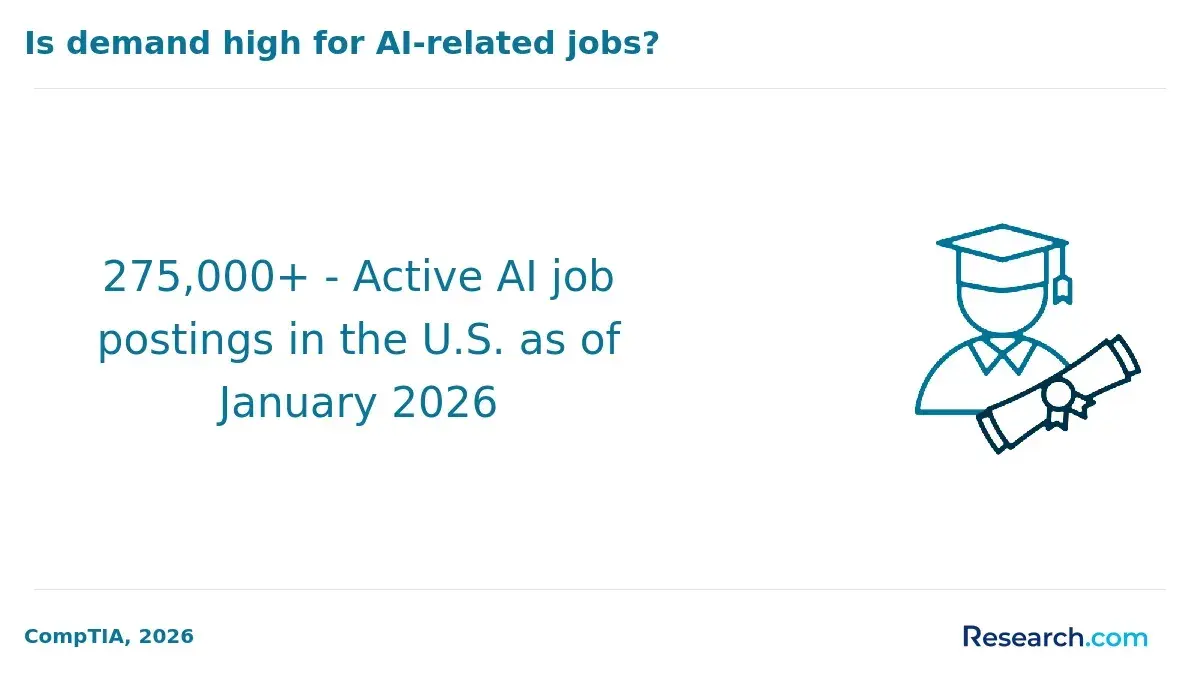
Proficiency in Python is critical for those pursuing programming languages required for an AI master's degree. LinkedIn's 2024 Jobs Report highlights Python as the leading language in AI and machine learning job postings, appearing in 71% of listings. Mastery of Python libraries such as NumPy, Pandas, TensorFlow, and PyTorch is often expected, as they facilitate data manipulation and model development.
Essential technical skills for starting an AI graduate program include familiarity with C++ or Java, which are used mainly in performance-critical AI applications. Some programs also expect knowledge of algorithm implementation using these languages. A strong foundation in mathematics-covering linear algebra, calculus, probability, and statistics-is important for understanding AI concepts related to model training and evaluation.
Experience with data structures and algorithms, such as trees, graphs, and sorting techniques, supports efficient problem solving in AI contexts. Practical skills with Linux command-line tools and version control systems like Git are also frequently required for collaboration and development workflows. Some programs may ask for prior exposure to machine learning frameworks or introductory AI coursework to enhance applicants' readiness.
Demonstrating projects or internships showcasing applied AI knowledge can strengthen your profile. For related fields, exploring game design courses online can provide useful insights into programming environments and creative applications of technology.
How do online AI master's programs differ from campus-based options in terms of prerequisites and admission standards?
Online AI master's programs typically offer more flexible admission criteria compared to campus-based options. According to the Online Learning Consortium, these programs have about a 23% lower GPA requirement on average, making them accessible to candidates with slightly lower academic records. Nevertheless, they still require strong foundations in math, programming, and core AI concepts. This flexibility is an important aspect of online AI master's program admission requirements, especially for working professionals.
Campus-based AI master's degrees usually demand higher GPAs around 3.5 or above and expect rigorous coursework in subjects like calculus, linear algebra, probability, and programming languages such as Python or Java. The application process often includes GRE scores and letters of recommendation. In contrast, many online programs have eliminated GRE requirements and may offer prerequisite bootcamps or bridging courses to help students meet technical prerequisites.
There are clear differences in prerequisites for campus-based AI master's degrees versus online programs. While some campus options emphasize research experience, online programs tend to value practical skills and professional work experience more. Applicants should carefully verify requirements for each program. For those seeking more accessible admissions without compromising on essential technical standards, consider exploring master data science online programs as a related alternative.
What mathematics and statistics background is necessary for success in an AI master's degree?
Success in an AI master's degree depends heavily on a strong foundation in calculus, linear algebra, probability, and statistics. Calculus concepts like derivatives and integrals are vital for understanding optimization methods used in machine learning, while linear algebra supports core ideas such as vector spaces and matrix operations essential to neural networks. Probability and statistics equip students to analyze data distributions and model uncertainty, critical for developing and interpreting AI models.
The Chronicle of Higher Education reports a 34% higher failure rate in foundational AI courses among students lacking calculus and linear algebra backgrounds. This highlights the importance of mathematical readiness before tackling advanced AI coursework. For instance, gradient descent requires derivatives, and deep learning relies on matrix manipulations. Prospective students without this knowledge should consider remedial or bridge courses, including online classes in multivariable calculus, linear algebra, and introductory statistics, to prepare effectively.
Mastering these areas also facilitates learning popular programming libraries like NumPy and TensorFlow, which depend heavily on matrix computations and statistical analysis. Early evaluation of mathematics skills is essential to avoid obstacles in this demanding field and to build the quantitative backbone necessary for success in graduate-level AI education.
Are there professional certifications or prior work experience requirements that strengthen AI master's degree applications?
Professional certifications and relevant work experience play a crucial role in strengthening AI master's degree applications. Top programs highly value expertise in technical areas such as cloud computing. According to Coursera's 2024 Global Skills Report, applicants with certifications in AWS, Google Cloud, or Azure see acceptance rates increase by 19% compared to peers without these credentials, highlighting the tangible advantage of cloud certifications alongside academic records.
Beyond cloud platforms, certifications in machine learning, data science, or programming languages like Python and R also enhance applications. Credentials from reputable providers such as edX, Coursera, or professional associations like IEEE reflect dedication and foundational skills vital for advanced AI study.
Work experience in AI-related fields-such as data analysis, software development, or machine learning engineering-further boosts applicant profiles by demonstrating practical skills and familiarity with AI challenges. Experience managing large-scale data projects or deploying AI models signals readiness for graduate-level work.
For candidates without formal computer science degrees, relevant certifications and professional experience bridge knowledge gaps. Admissions committees often use these elements to gauge technical maturity and problem-solving capabilities.
Prioritizing cloud certifications and AI-focused work experience provides measurable proof of ability beyond academic transcripts and aligns with admission trends documented by industry reports.
How long does an AI master's degree take to complete, and does program length vary by format or institution?
The time needed to complete a master's degree in artificial intelligence varies widely, typically ranging from 1.5 to 3 years depending on the program format and enrollment status. According to the Graduate Record Examination (GRE) Board's institutional data, part-time students usually take about 32 months to finish, which is approximately 33% longer than the 24 months required by full-time students.
Program lengths differ significantly across institutions and modes of delivery. Full-time, on-campus programs often span two years, providing a structured curriculum with fixed semesters. Part-time tracks, designed for working professionals, extend over two to three years to allow for flexibility. Online options can vary from accelerated schedules of 12 to 18 months to self-paced formats lasting several years.
Programs that include extensive thesis or project requirements may add 6 to 12 months beyond standard coursework. Non-thesis professional degrees generally focus on applied skills and aim for shorter durations. International and interdisciplinary AI master's programs might require additional prerequisite courses, affecting overall length.
Choosing between full-time, part-time, or online study depends on individual availability and career goals. Full-time attendance expedites graduation but demands a greater time commitment. Part-time and online programs offer flexibility for ongoing employment but involve longer completion timelines. Evaluating these factors helps prospective students plan effectively both academically and financially.
What is the typical cost of an AI master's degree, and how do tuition rates compare across accredited programs?
The cost of an AI master's degree differs widely based on institution type and accreditation. According to the College Board's Graduate School Cost Survey, a two-year AI master's program typically ranges from $40,000 at public universities to $120,000 at private universities. These amounts include tuition, fees, and sometimes extra expenses such as technology or course materials.
Tuition fees have been increasing steadily, with a 6.2% year-over-year rise across graduate programs. Public universities often provide more affordable tuition due to state funding but may offer fewer specialization options. Private institutions usually charge more but provide access to advanced research facilities and networking opportunities.
When comparing accredited programs, examine what tuition covers, including labs, internships, and career services, to understand overall value. Some programs offer part-time or online formats, potentially lowering costs and allowing students to work while studying. Scholarships, assistantships, and employer tuition reimbursement can offset expenses significantly.
Asking for detailed cost breakdowns and comparing tuition relative to career outcomes, such as job placement rates and salary potential, is crucial for financial planning. Accreditation ensures a quality baseline but does not standardize tuition rates. Careful comparison helps align financial investment with academic and professional goals.
What career outcomes and job titles can you expect after completing an AI master's degree?
Graduates with a master's degree in artificial intelligence frequently secure high-demand roles such as Machine Learning Engineer, AI Research Scientist, and Data Scientist. According to the Bureau of Labor Statistics' Occupational Employment and Wage Statistics, 94% of these graduates find employment in such positions within six months of graduation. Median salaries include $165,000 for Machine Learning Engineers, $171,000 for AI Research Scientists, and $108,000 for Data Scientists, highlighting strong industry demand and competitive pay.
Machine Learning Engineers create algorithms that enable machines to learn and improve autonomously, applying these skills across healthcare, automotive, and finance sectors. AI Research Scientists drive innovation in natural language processing, computer vision, and robotics, often within academic or corporate labs. Data Scientists analyze large datasets using AI methods to support business strategy and product development.
Other viable career paths include AI Product Manager, AI Consultant, and Robotics Engineer, roles that blend technical knowledge with strategic insight. Continuous learning is essential due to rapid advances in the field. Hiring managers prioritize candidates experienced in programming languages such as Python and AI frameworks like TensorFlow or PyTorch.
Aligning specialization with industry needs-such as natural language processing or computer vision-and gaining experience through internships or research projects significantly enhance employability for artificial intelligence master's graduates.
What is the job outlook and salary potential for AI master's degree graduates in the current U.S. job market?
The job market for graduates with a master's degree in Artificial Intelligence in the U.S. is expanding rapidly. According to the U.S. Bureau of Labor Statistics, roles like AI and machine learning specialists are expected to grow at an annual rate of 36% through 2032, significantly outpacing the 5% average growth rate for all occupations. This highlights a strong and rising demand for skilled professionals in this field.
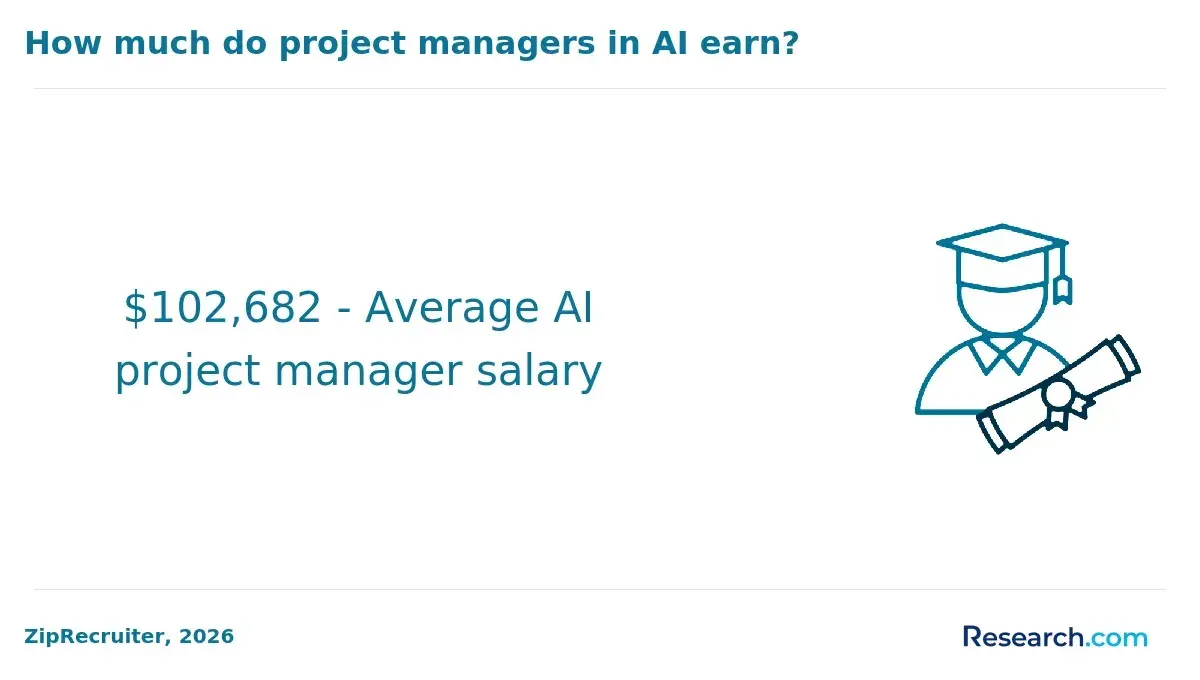
Salary opportunities are equally compelling. Entry-level AI positions typically start at about $90,000 per year, while experienced professionals can earn between $120,000 and $180,000 or more, depending on the industry and location. In tech hubs such as San Francisco and New York, AI engineers frequently earn six-figure salaries.
Job titles vary widely, including AI specialist, machine learning engineer, data scientist, and research scientist. These roles often focus on areas such as natural language processing, computer vision, or robotics. Holding a master's degree demonstrates advanced technical expertise and meets many employers' qualification standards.
Professionals shifting from related fields like software engineering or data analysis can leverage this degree to accelerate career growth and access leadership positions. Staying informed about industry trends and emerging technologies strengthens both job security and salary negotiation positions.
Graduates entering this field gain access to a fast-growing job market with lucrative salary prospects backed by government statistics and industry insights.
Other Things You Should Know About Artificial Intelligence
While AI master's programs typically expect some technical competency, many institutions provide preparatory courses or bridge modules for students with limited programming or technical experience. Success depends on the student's willingness to develop foundational skills early and engage actively with coursework that builds technical competence.
Many AI master's degrees incorporate internships, co-op programs, or capstone projects as integral elements. These practical training components allow students to apply theoretical knowledge in real-world settings, gain industry experience, and build professional networks essential for post-graduation employment.
Ethics is increasingly a mandatory part of AI curricula, encompassing topics like bias in algorithms, data privacy, and the societal impact of AI technologies. Students explore frameworks for responsible AI development and deployment, which equips them to address ethical challenges in their future careers.
Familiarity with programming languages such as Python, R, and MATLAB is often expected for a 2027 AI master's degree. These languages are essential for data analysis and machine learning tasks. Some programs, like an online master’s in AI in healthcare, may also recommend proficiency in Java or C++.
References
- Math skills needed to work in AI and machine learning | edX https://www.edx.org/resources/why-math-is-essential-for-ai-ml
- How an Online Master’s in AI Can Prepare You for the Future of Tech https://www.ucumberlands.edu/blog/how-online-masters-ai-can-prepare-you-future-tech
- Earn a Master’s in Artificial Intelligence in One Year - MastersInAI.org https://www.mastersinai.org/degrees/one-year-masters-in-ai/
- Master's in AI: US Job Market & Salary Outlook (2024) https://drrajus.com/masters-in-ai-career-outlook-and-salary-trends/
- Best AI Certifications to Boost Your Career in 2026 – Dataquest https://www.dataquest.io/blog/best-ai-certifications/
- AI Has Eliminated Entry-Level Jobs but These Graduate Careers Are Still Flourishing https://finance.yahoo.com/news/ai-eliminated-entry-level-jobs-110000765.html
- 15 Top Masters Degree in AI Programs: Entry Requirements & Costs - AI Degree Center https://aidegreecenter.org/masters/
- How Will AI Affect the US Labor Market? https://www.goldmansachs.com/insights/articles/how-will-ai-affect-the-us-labor-market
- Artificial Intelligence (AI) https://ai-master.org/requirements
- What AI certification options are best for professionals transitioning into AI roles? https://dev.to/georgiaweston/what-ai-certification-options-are-best-for-professionals-transitioning-into-ai-roles-20gp