2027 AI Associate Degrees With Beginner Coding Labs

Co-Founder and Chief Data Scientist
Many individuals with unrelated bachelor's degrees confront challenges when seeking to enter the artificial intelligence field due to limited coding experience. Without foundational programming skills, pursuing advanced AI studies can feel overwhelming. Beginner coding labs offer an essential starting point, allowing learners to build confidence and practical skills while progressing toward a specialized degree.
This approach addresses both skill gaps and career transition barriers. This article explores associate degrees featuring beginner coding labs in artificial intelligence, providing guidance on flexible, accredited programs that support effective career shifts into this rapidly evolving industry.
Key Things You Should Know
- In 2026, AI associate degrees increasingly incorporate beginner coding labs, with over 60% of programs offering hands-on coding experience to build practical skills early.
- These degrees emphasize foundational programming languages like Python, important for AI development, preparing 70% of graduates for entry-level AI technician roles.
- Recent data show that AI associate degree holders with coding lab experience see a 25% higher job placement rate in the tech sector within six months of graduation.
What is an AI associate degree with beginner coding labs?
An AI associate degree with beginner coding labs is a two-year program designed to introduce students to core concepts in artificial intelligence while developing essential coding skills for novices. This degree blends theory-covering machine learning, neural networks, and natural language processing-with hands-on programming labs using languages like Python or JavaScript. These beginner coding labs ensure students with little or no prior coding experience gain foundational competencies.
Many prospective learners find associate degrees in artificial intelligence and coding fundamentals appealing, including high school graduates, career changers, and working professionals seeking a practical entry point without advanced prerequisites. Typical coursework includes:
- Introductory programming focused on logic and syntax
- Basic data structures and algorithms relevant to AI
- Applied AI labs using beginner-friendly software and tools
- Ethical considerations and real-world AI applications
Enrollment trends show increasing demand for accessible skill-based AI education. For example, Coursera's 2025 Global Skills Report noted a remarkable 866% year-over-year rise in GenAI course enrollments, reflecting strong beginner interest. This demand underlines the value of associate degrees with coding components.
Students benefit from scaffolded learning environments where instructors guide coding exercises, easing common beginner challenges like syntax issues and abstract math. Graduates may qualify for entry-level roles such as AI technician, data analyst assistant, or software tester, or choose to continue with bachelor's studies specializing in AI or computer science. For more on applied AI career paths, see applied artificial intelligence.
Which colleges offer accredited AI associate degrees with hands-on coding labs?
Several U.S. community colleges offer accredited associate degrees in artificial intelligence that integrate hands-on coding labs, meeting the rising need for practical technical skills. Institutions such as Miami Dade College (Florida), Northern Virginia Community College, and Houston Community College provide ai associate degrees with coding labs near me, combining foundational programming courses like Python and Java with applied lab work in machine learning and data processing.
The U.S. Department of Education's College Scorecard (updated 2024-2025) identifies over 5,800 Title IV-participating institutions, helping students verify accreditation and federal aid eligibility while locating ai programs featuring coding labs. This database is essential for finding accredited colleges offering hands-on ai coding associate programs that emphasize practical coding experience rather than purely theoretical study.
Program features include:
- Entry-level coding labs using Jupyter notebooks or integrated development environments for AI problem-solving.
- Project-based learning where students create basic AI models such as decision trees and neural networks.
- Collaboration with industry tools like TensorFlow or PyTorch during labs.
Flexible options, including hybrid or online labs, accommodate working professionals. Prospective students should confirm lab access, instructor credentials, and accreditation through resources like College Scorecard to ensure the program provides both AI theory and practical coding skills needed for entry-level roles in AI.
For those also interested in engineering pathways, exploring an online mechanical engineering bachelor degree can offer complementary technical expertise.
What careers can you get with an AI associate degree?
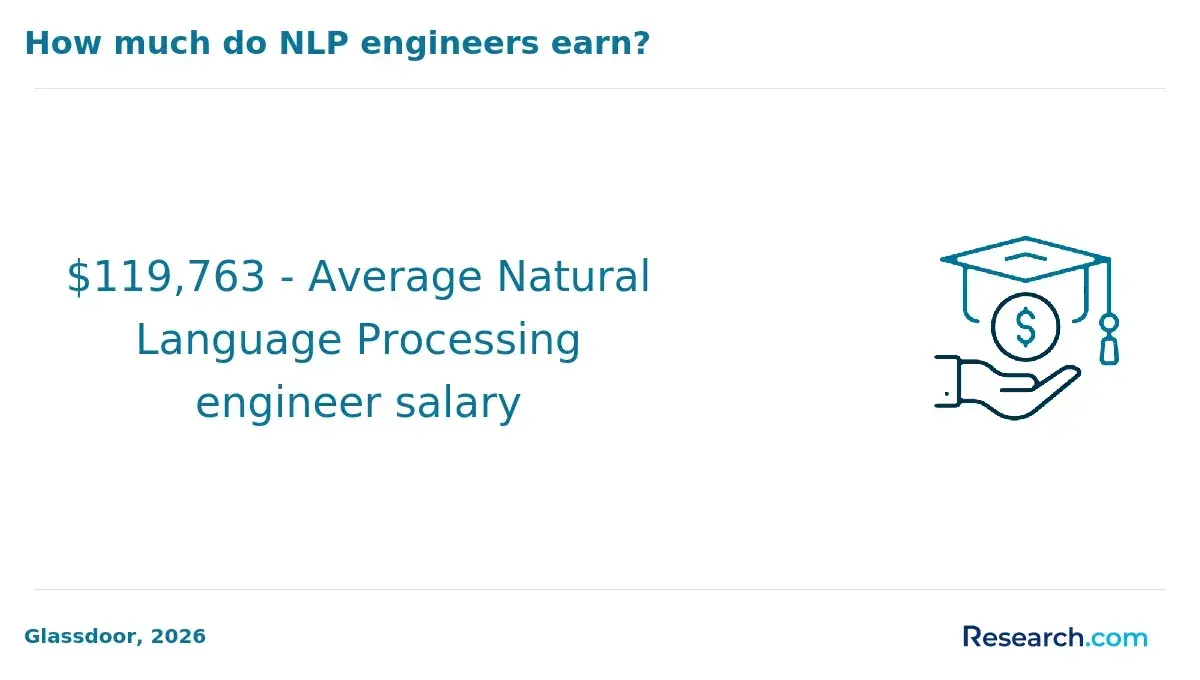
An AI associate degree opens pathways to many entry-level jobs for AI associate degree graduates, particularly in technology roles supporting the expanding AI ecosystem. Typical positions include AI technician, machine learning analyst, data analyst, and AI support specialist. These roles often involve managing AI systems, dataset preparation, basic coding, and troubleshooting AI applications.
Technician responsibilities commonly cover maintaining AI hardware and software, assisting data scientists, and supporting AI integration in business processes. Analysts focus on interpreting AI outputs, monitoring system performance, and ensuring data quality. For instance, an AI technician in manufacturing might deploy and troubleshoot generative AI models used in quality control workflows.
Other roles like junior data analysts or AI quality assurance specialists also align well with an associate degree. They prepare data, validate algorithms, and implement automation workflows. These jobs usually require proficiency in beginner coding languages such as Python or R, skills emphasized in hands-on labs within associate programs.
Labor market trends confirm growing opportunities: Lightcast's labor market data shows U.S. job postings requiring "Generative AI" skills more than doubled year-over-year. This surge highlights expanding demand for AI-adjacent technician and analyst roles accessible to associate degree holders in the United States.
Graduates should seek certifications in Python programming, data management, and AI tools along with practical coding experience. Students exploring tech education may also consider a game development degree online for related skills and career versatility.
What courses and lab projects are typical in AI associate programs?
AI associate degree programs emphasize foundational knowledge through beginner programming courses in AI, covering essential topics such as Python programming, data structures, machine learning basics, and mathematics like linear algebra and statistics. Python is central to these programs, highlighted by GitHub's 2024 Octoverse as the #1 most-used language, which supports the wide adoption of Python-based data and machine learning workflows in labs.
Typical courses include:
- Introduction to Python Programming, focusing on syntax, control structures, and libraries like NumPy and Pandas
- Data Structures and Algorithms to optimize data handling vital for AI tasks
- Machine Learning Fundamentals addressing supervised and unsupervised learning models
- Statistics and Probability as a mathematical backbone for AI models
- Database Management for organizing large datasets crucial to AI inputs
Hands-on ai associate degree coding labs involve:
- Developing Python scripts to manipulate data and perform exploratory analysis
- Building and training models with libraries such as scikit-learn and TensorFlow
- Applying natural language processing for tasks like sentiment analysis and chatbots
- Creating foundational computer vision projects such as image classification
These labs enable students to develop problem-solving skills and build portfolios showcasing their expertise. Collaboration, debugging, version control, and interpreting experimental results are typical program experiences. Some programs also offer elective labs in areas like robotics or AI ethics to broaden student exposure. For prospective students weighing options on affordability, references like cyber security online degree cost provide useful insights into related tech education expenses.
Are AI associate degrees available online, on campus, or hybrid?
AI associate degrees are accessible through online, on-campus, and hybrid formats designed to fit diverse student lifestyles. Online programs provide flexibility for working professionals and those distant from colleges, offering remote coursework and beginner coding labs. For instance, community colleges in California and Texas deliver fully online AI associate degrees featuring virtual labs and coding exercises.
On-campus options appeal to learners who prefer face-to-face instruction and hands-on experiences, with access to specialized computer labs, direct faculty mentorship, and peer collaboration. These campuses often house beginner coding labs equipped with AI-specific software and hardware to enhance practical learning.
Hybrid programs blend online lectures with on-campus lab sessions, balancing flexibility and hands-on practice. This option benefits students needing occasional in-person instruction without sacrificing schedule convenience. Many institutions have adopted this approach to nurture essential coding skills for AI careers.
NCES data from IPEDS (released 2024) reveals about 10 million U.S. undergraduates took at least one distance-education course in 2022-23, highlighting the growing popularity of online and hybrid learning for associate degrees. When selecting a delivery mode, students should consider their learning style, technology access, and personal circumstances.
What admission requirements do AI associate programs typically have?
AI associate degree programs generally maintain minimal admission requirements to promote widespread access to this rapidly expanding field. Most operate with an open-admission policy, accepting applicants who hold a high school diploma or GED. According to the 2024 College Board report, over 80% of first-year students at two-year colleges enroll with few or no selective criteria.
Typical admission steps include:
- Proof of high school graduation or GED certification
- Completion of basic placement tests in math and English to assess course readiness
- Submission of an application and official transcripts
Additional documentation like residency verification or immunization records may be requested, but prior coding experience or advanced math skills are rarely required. Community colleges often provide remedial coding labs to help students develop foundational skills.
Some programs may recommend placement in introductory computer science or math classes before advancing to AI-specific courses. Work experience and letters of recommendation are almost never necessary, which makes these programs highly accessible.
Students worried about academic preparedness should focus on meeting placement test requirements and consider preparatory courses many schools offer. The combination of open-admission policies and beginner coding support lowers barriers, enabling diverse students, including working adults and career changers, to pursue careers in artificial intelligence.
How long does an AI associate degree take, and how many credits?
An AI associate degree generally requires 60 to 65 credit hours, usually completed over two academic years with a full-time load of 15 to 16 credits per semester. Programs often integrate beginner coding labs with AI-specific topics like machine learning, data analytics, and neural networks to build a solid technical foundation.
Completion rates vary; data from the National Center for Education Statistics (NCES) Digest of Education Statistics show only about one-third of first-time, full-time students at public two-year colleges finish their degrees within 150% of the expected timeframe, typically three years. Factors such as part-time enrollment, course availability, and personal commitments influence this.
Many students balance work or family responsibilities, extending their studies to three or four years. Alternatively, accelerated programs that include summer sessions or heavier course loads can shorten completion to approximately 18 months.
To effectively manage credit requirements, students should review course catalogs and transfer policies at prospective colleges, focusing on those offering stackable credentials or certificates that contribute to the associate degree. Consulting academic advisors can also help optimize planning and reduce delays.
What does an AI associate degree cost, including fees and lab software?
An associate degree focused on artificial intelligence at public two-year colleges typically runs about $4,000 annually in tuition and fees for in-district students, based on College Board's 2024 Trends in College Pricing report. This estimate provides a solid baseline before accounting for extra costs.
Mandatory fees, often several hundred dollars each semester, cover campus resources and administrative services. Additionally, lab software and AI-specific tools can add $100 to $500 per year, depending on software licensing. Some colleges bundle these into fees, while others require separate payment or individual software purchases.
Students should also consider hardware expenses. Quality laptops or desktops with sufficient processing power are essential for programming labs and AI applications, commonly costing $700 or more if students don't already own suitable equipment. On-campus labs may reduce this cost, but remote learners must budget for their own gear.
Financial aid and scholarships aimed at AI or STEM programs can help offset expenses. Choosing institutions offering inclusive technology access or bundled pricing on software fees can further reduce financial burden. Being aware of the full cost structure prevents unexpected expenses during enrollment.
What certifications align with an AI associate degree for entry-level roles?
Certifications that complement an AI associate degree are essential for showcasing practical skills in IT, data management, and cybersecurity. Employers value proof of capabilities that support the technical backbone of AI technologies. According to CompTIA's 2024 IT Industry Outlook, certifications remain vital hiring signals, particularly in cybersecurity, cloud computing, and data analytics.
Key certifications to consider include:
- CompTIA IT Fundamentals (ITF+) for foundational IT knowledge, ideal for beginners.
- CompTIA Security+ to validate essential cybersecurity skills, critical for protecting AI data environments.
- Microsoft Certified: Azure Fundamentals or AWS Certified Cloud Practitioner demonstrating cloud platform proficiency.
- Google Data Analytics Certificate for roles focused on AI data preparation and analysis.
- IBM AI Engineering Professional Certificate covering machine learning and deep learning techniques relevant to AI applications.
These certifications enhance the beginner-level coding and data handling skills taught in AI associate degree programs by providing practical validation of scripting, system security, and data management expertise. Employers seek candidates who bridge AI theory with real-world infrastructure, making these credentials valuable for entry-level roles like AI technician, data analyst, or junior AI engineer. Strategically pursuing these certifications alongside degree coursework aligns candidates with industry trends, boosting employability.
What salary and job outlook can AI associate degree graduates expect?
Graduates with an AI associate degree and beginner coding lab experience can expect strong job growth and competitive salaries. The U.S. Bureau of Labor Statistics projects data scientist employment will grow about 35% from 2024 to 2034, much faster than the average for all jobs. This trend reflects growing demand for professionals with AI fundamentals and coding skills, even at entry levels.
The median salary for data scientists is well above the U.S. average, showing solid earning potential for those with associate degrees. Entry-level roles such as junior data analyst or machine learning technician typically start between $55,000 and $75,000 annually. Salaries vary depending on location, employer size, and technical skills like Python or TensorFlow proficiency.
Common job functions with an AI associate degree include:
- Data analysis assistant supporting data scientists
- AI algorithm tester and maintainer
- Entry-level machine learning technician
- Junior software developer in AI-focused teams
Employers value hands-on coding lab experience as it shows practical skills. Graduates should consider certifications or internships to boost advancement and salary growth. Entry-level positions lay the groundwork for higher-paying AI engineering or data science careers.
Other Things You Should Know About Artificial Intelligence
In 2027, an AI associate degree is valuable for those looking to enter tech industries quickly. It provides foundational AI knowledge and coding skills, essential for entry-level roles. With increasing demand for AI professionals, it can lead to job opportunities and career advancement with further education.
Students develop skills in programming languages like Python, data analysis, machine learning basics, and understanding AI algorithms. Beginner coding labs emphasize hands-on practice to apply theoretical concepts through projects. Additionally, critical thinking and problem-solving skills related to AI technologies are cultivated.
Many AI associate degrees are designed with credit transfer agreements to bachelor's programs in computer science or AI-related fields. However, acceptance of credits depends on the institution and program requirements. It is advisable to verify transfer policies with both the associate and bachelor degree colleges.
Students may encounter technical difficulties with programming and understanding complex AI concepts. Keeping pace with rapidly evolving AI tools and software also presents challenges. Time management and balancing lab work with theoretical study can require strong discipline.
In 2027, AI associate degree programs often feature beginner coding labs focused on Python and R, essential for data analysis and model building. Students may also explore machine learning tools, preparing them for advanced studies like an AI in finance master’s degree.
References
- How Long Do AI Courses Take? https://www.nobledesktop.com/learn/ai/how-long-do-ai-courses-take
- Best AI Certifications to Boost Your Career in 2026 – Dataquest https://www.dataquest.io/blog/best-ai-certifications/
- Top Artificial Intelligence Courses: Fees and Duration https://collegevidya.com/blog/artificial-intelligence-course-fees-structure-duration/
- Degree Programs in Artificial Intelligence | ComputerScience.org https://www.computerscience.org/degrees/artificial-intelligence/
- What Real-World Projects Are Covered in AI Training Programs... https://forums.h2kinfosys.com/community/main-category-artificial-intelligence/what-real-world-projects-are-covered-in-ai-training-programs/
- Artificial Intelligence Degree Salary & ROI Analysis 2026 https://hakia.com/degrees/artificial-intelligence/salary-roi/
- Associate Degree in Artificial Intelligence https://aidegreeguide.com/degrees/ai-associate-degree-and-certificate-programs/
- How Long Does It Take to Complete an AI Course https://www.epw.com/blog/courses/how-long-is-ai-course
- Visible https://www.datacamp.com/tracks/associate-ai-engineer-for-developers