2027 AI Master's Degrees Without Thesis Requirements

Co-Founder and Chief Data Scientist
Many aspiring professionals face challenges when seeking a master's degree in artificial intelligence without committing to a thesis. Traditional programs often demand extensive research projects that may not align with career changers or those with limited time.
This creates a barrier for individuals aiming to quickly transition into the AI field while balancing work and personal obligations. Finding accredited, flexible programs with practical, non-thesis options can streamline this process. This article examines available master's degrees in artificial intelligence that do not require a thesis, helping readers identify accessible paths to advance their expertise and career goals efficiently.
Key Things You Should Know
- Many AI master's programs in 2026 waive thesis requirements, focusing instead on practical projects or coursework to accelerate graduation and meet industry demand for job-ready skills.
- About 40% of U.S.-based AI graduate programs now offer non-thesis options, reflecting a trend toward applied learning and flexibility for working professionals.
- Non-thesis master's degrees often maintain rigorous standards, incorporating capstone experiences that demonstrate mastery in core AI concepts and technologies.
What is a non-thesis AI master's degree, and who is it for?
Non-thesis degrees typically take 1 to 2 years and remove barriers such as lengthy thesis preparation. Applicants benefit from a strong foundation in mathematics, programming, and data analysis. For those considering their path, exploring degrees in AI offers valuable insight into career outcomes tied to such programs.
This format prioritizes immediate employability and rapid skill acquisition over academic publication, catering to those focused on applied artificial intelligence careers.
Typical components include:
- Capstone projects simulating real-world AI challenges
- Internships or cooperative education with tech companies
- Specialized courses in machine learning, data mining, and AI system design
Which accredited U.S. universities offer non-thesis AI master's programs?
According to the U.S. Department of Education's NCES IPEDS data, over 43,000 master's degrees in Computer and Information Sciences and Support Services were awarded in the 2022-23 academic year, demonstrating strong institutional capacity for AI-adjacent non-thesis curricula nationwide.
Prospective students should verify faculty expertise and industry partnerships to maximize career readiness without committing to a research thesis. For those considering STEM fields like artificial intelligence, exploring options such as a mechanical engineering program online can also provide flexible pathways in related technical disciplines.
How do non-thesis and thesis AI master's degrees compare for careers?
Non-thesis and thesis artificial intelligence master's degrees offer different paths for career advancement, depending on one's professional goals. Non-thesis programs focus on applied skills, project work, and industry-relevant knowledge, preparing graduates for immediate roles such as AI software engineer, data scientist, or machine learning specialist.
Employers in sectors like tech, finance, and healthcare value candidates with hands-on experience, which non-thesis degrees emphasize through internships and capstone projects.
Thesis degrees emphasize research and deep specialization, ideal for those targeting AI research careers, academia, or advanced R&D positions. Graduates of an AI degree or an online computer science degree may also pursue PhD programs, which is less common among non-thesis holders. This path suits students interested in innovation and developing foundational AI theory.
A comparison of non-thesis and thesis artificial intelligence master's degrees for career advancement shows distinct benefits aligned with these goals.
NACE's salary survey reports new master's graduates in computer and information sciences earn an average starting salary of $99,600. Non-thesis students typically enter the workforce faster, gaining quicker returns on their investment, while thesis students might delay earnings due to research or doctoral studies.
Key factors to consider include career goals, time commitments, portfolio building, and job market demands:
- Career goal: non-thesis suits industry roles; thesis fits research/PhD tracks.
- Time commitment: thesis requires longer research and writing.
- Portfolio: non-thesis builds practical experience valued by employers.
- Job market: AI industry favors skills over academic papers.
What online non-thesis AI master's options are available versus on-campus programs?
Online non-thesis artificial intelligence master's degree programs provide a flexible alternative to traditional on-campus degrees, particularly suited for working professionals. Unlike on-campus programs that often require residency, lab attendance, or thesis research, many online options focus on coursework and applied projects.
This approach meets industry demands for skills in machine learning, data analysis, and AI system development without an extended research focus.
According to NCES, over half of graduate students enrolled exclusively in distance education courses, reflecting the growth of these flexible AI degrees. For example, programs at Georgia Tech and the University of Texas at Austin offer fully remote curricula completed in two years or less, emphasizing practical skills and applied learning.
On-campus AI degrees typically include thesis requirements and physical attendance for seminars and labs, which fosters research proficiency. Conversely, online non-thesis programs usually replace theses with capstone projects or comprehensive exams, creating tangible portfolios valuable for AI professionals without original research obligations.
A comparison of on-campus versus online artificial intelligence master's degrees without thesis shows that those targeting industry roles benefit from the efficiency and flexibility of online options. Students aiming for research or doctoral careers may prefer traditional thesis-based programs.
Practical constraints like work commitments and location make online non-thesis degrees increasingly appealing.
For those interested in related fields, consider exploring a cyber security degree to expand career opportunities.
What coursework and specializations are common in non-thesis AI master's programs?
Non-thesis AI master's programs emphasize practical skills and specialized knowledge without requiring original research. Core coursework commonly covers machine learning, data mining, computer vision, natural language processing, and AI ethics.
These classes equip students to apply AI techniques directly in industry settings.
Specializations often follow market trends, with machine learning and big data dominating due to their rapid growth. The World Economic Forum's Future of Jobs Report 2025 ranks AI and big data as the fastest-growing skill categories, influencing curriculum design.
Programs may also offer focused tracks like applied analytics, reinforcement learning, or neural networks.
Hands-on projects, internships, or capstone courses typically replace traditional thesis requirements. This allows students to build portfolios demonstrating their ability to tackle real-world challenges, such as healthcare, finance, or autonomous vehicle applications.
Additional courses often include software engineering for AI, cloud computing, and database management, ensuring graduates can deploy solutions efficiently. Electives might cover human-computer interaction, robotics, or AI policy, offering breadth for career flexibility.
When selecting a program, evaluating project opportunities, industry partnerships, and elective variety is crucial. Students should consider how curricula balance theory, coding practice, and domain expertise to optimize job readiness in a competitive AI job market.
What admission requirements do non-thesis AI master's programs typically have?
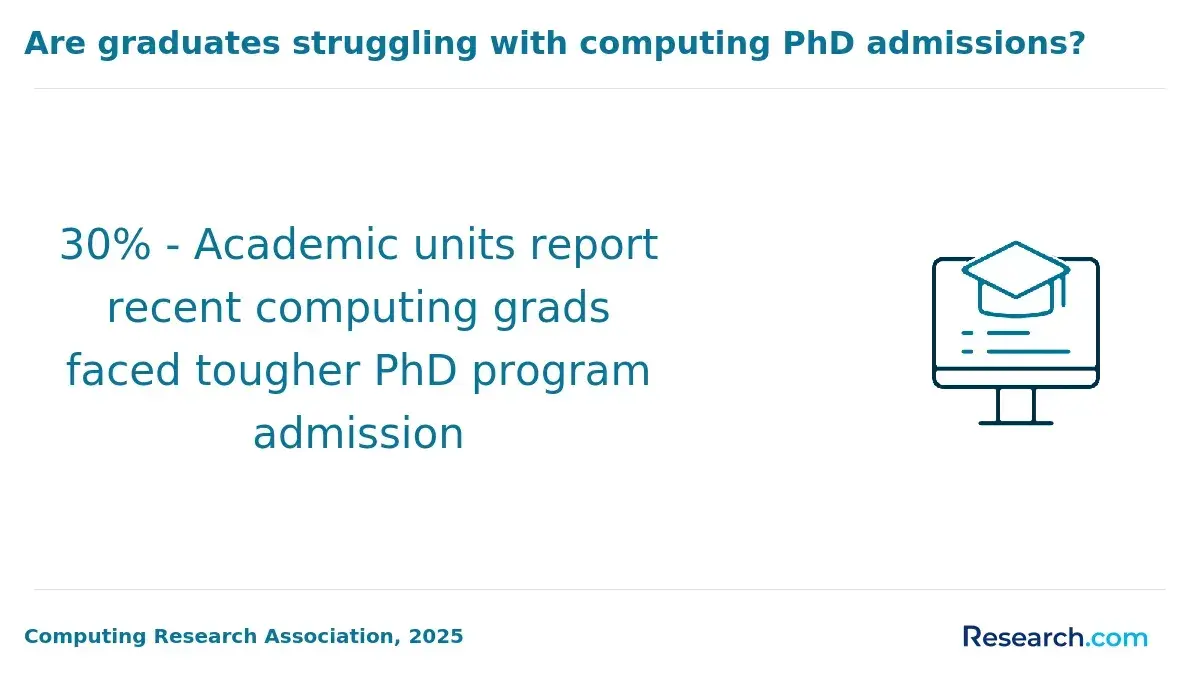
Letters of recommendation-typically two to three-should come from professors or supervisors who can attest to analytical skills and graduate-level potential. Personal statements must clearly articulate career goals, relevant skills, and the applicant's motivation for choosing a non-thesis path focused on applied learning and professional growth.
Additional requirements may include coding assessments or submission of sample projects, portfolios, or publications to prove programming proficiency and knowledge of AI concepts. International students often need to provide English proficiency scores such as TOEFL or IELTS.
These requirements ensure candidates are prepared for rigorous coursework emphasizing practical skills rather than original research, catering to professionals aiming to advance their careers in AI.
How long do non-thesis AI master's programs take, and what do they cost?
Many programs bill per credit hour, typically ranging from $500 to $1,200. This pricing structure can benefit students who transfer credits or pursue accelerated tracks requiring fewer credits.
- Typical duration: 1.5 to 2 years full-time
- Average in-state public tuition: about $12,600 per year (College Board, 2024)
- Private/out-of-state costs: $20,000-$40,000+ annually
- Accelerated options available, sometimes one year
What capstone, practicum, or project requirements replace the thesis in these programs?
A capstone may involve developing a natural language processing tool for healthcare documentation, while a practicum might require building predictive analytics for retail clients. According to the Graduate Management Admission Council (GMAC) 2024 Corporate Recruiters Survey, 58% of recruiters place strong emphasis on problem-solving skills shown through such projects, underscoring their importance in the hiring process.
- Capstone projects: Individual or team efforts to create AI applications, data models, or algorithms often in collaboration with industry partners.
- Practicum experiences: Supervised internships or work placements combining academic knowledge with workplace tasks, typically culminating in a final report or presentation.
- Applied research projects: Targeted investigations with measurable goals, such as improving machine learning workflows or deploying AI systems in controlled environments.
Prospective students should carefully assess how each program's practical components align with their career objectives. Programs featuring robust applied project experiences help graduates showcase tangible achievements, enhancing employability in the competitive AI job market.
What jobs can you get with a non-thesis AI master's degree?
A non-thesis master's degree in artificial intelligence equips graduates with practical skills and project experience essential for roles such as machine learning engineer, data scientist, AI software developer, and AI product manager. These positions demand strong coding abilities, data analysis expertise, and experience developing AI models, aligning well with hands-on curricula.
Key responsibilities include designing learning algorithms, applying statistical methods to extract insights, building AI-enabled applications, and managing AI projects aligned with business goals. Additional roles like AI consultant and AI analyst focus on translating advanced AI concepts into actionable business strategies.
Employers prefer candidates with experience demonstrated through capstone projects and internships instead of traditional research theses. Market data from Lightcast reports over 200,000 U.S. job postings annually requiring machine learning skills, indicating high demand for applied AI expertise produced by non-thesis programs.
Industries embracing AI growth include technology, healthcare, finance, and automotive. Success depends on programming proficiency in Python, R, and frameworks like TensorFlow or PyTorch. Building a strong project portfolio during the program greatly enhances employability and interview readiness.
For working professionals, non-thesis degrees offer accelerated workforce entry without prolonged research commitments, providing a practical path for upskilling to meet evolving industry needs.
What salaries and job outlook can AI master's graduates expect in the U.S.?
Graduates holding a master's degree in artificial intelligence without a thesis can expect strong salary potential and a positive job outlook in the U.S. According to the U.S. Bureau of Labor Statistics, Computer and Information Research Scientists-with many working in AI-earn a median annual wage of $145,080.
This reflects the specialized skills and technical expertise highly valued by employers.
The field's rapid expansion is driven by widespread AI adoption across industries such as healthcare, finance, technology, and manufacturing. Employment for Computer and Information Research Scientists is projected to grow 23% from 2022 to 2032, much faster than the average for all occupations.
Careers suitable for AI master's graduates without a thesis include machine learning engineer, data scientist, AI software developer, and research scientist. These roles are available at tech companies, startups, and government agencies, many of which do not require a thesis.
Enhancing your resume with internships, industry projects, or certifications in AI frameworks can improve job prospects and earning potential. Starting salaries often range from $90,000 to $110,000, while mid-career professionals with strong project results may exceed $160,000 annually.
Other Things You Should Know About Artificial Intelligence
Yes, non-thesis AI master's degrees are generally recognized by employers, especially when they come from accredited and reputable universities. These programs often focus on practical skills and applied projects, making graduates well-prepared for industry roles. However, perceptions may vary by employer and specific job requirements.
Graduates from non-thesis AI master's programs can pursue doctoral studies, but admission committees may require additional evidence of research capability, such as publications or relevant project work. Some PhD programs prefer candidates with thesis experience, so applicants might need to compensate with strong letters of recommendation or research internships.
Common challenges include staying current with rapidly evolving technologies and integrating AI solutions into existing business processes. Graduates must also develop strong communication skills to explain complex AI concepts to non-technical stakeholders. Additionally, ethical considerations and data privacy concerns increasingly impact AI-related roles.
AI master's degrees without thesis requirements in 2027 typically last 1 to 2 years, depending on whether the program is full-time or part-time. Some specialized fields, like healthcare AI master’s programs online, may offer accelerated options, allowing completion in a shorter timeframe.
References
- Master's Degree in Artificial Intelligence - University of New Haven https://www.newhaven.edu/engineering/graduate-programs/artificial-intelligence/index.php
- Most Affordable Online Master's in AI for 2025 https://www.mastersinai.org/degrees/affordable-online-masters-in-ai/
- Masters Artificial Intelligence https://www.udacity.com/masters-artificial-intelligence
- Capstone Project vs Thesis in University: Key Differences Explained https://www.quetext.com/blog/capstone-project-vs-thesis
- Capstone Project vs. Thesis: What’s the Difference? | UAGC https://www.uagc.edu/blog/capstone-project-vs-thesis-whats-difference
- Best AI Masters Online & On-Campus - AIDegreePrograms.org https://aidegreeprograms.org/rankings/best-ai-masters-programs/
- Master’s in AI Online: Today’s Best Programs https://www.onlinemastersdegrees.org/best-programs/computer-science/artificial-intelligence-ai/
- Artificial Intelligence (English - Non-Thesis) - BAU International https://int.bau.edu.tr/programs/artificial-intelligence-english-non-thesis/
- What to Look for in a Master’s in AI Program | University of Bridgeport https://www.bridgeport.edu/news/masters-in-artificial-intelligence-program-what-to-look-for/
- Top 10 Careers You Can Pursue With an Online Master’s in AI https://www.ucumberlands.edu/blog/careers-you-can-pursue-with-an-online-masters-in-ai