2027 Artificial Intelligence Degree Programs With Hands-On Portfolio Projects

Co-Founder and Chief Data Scientist
Many professionals with degrees in unrelated fields face difficulties breaking into the artificial intelligence industry due to a lack of hands-on experience and relevant project portfolios. Employers increasingly seek candidates who can demonstrate practical skills alongside theoretical knowledge. Traditional programs often emphasize theory but provide limited opportunities to build a portfolio that reflects real-world problem-solving. This gap hinders career transitions and growth prospects.
This article reviews flexible, accredited AI degree programs that prioritize hands-on portfolio projects, enabling students to develop applicable skills and showcase their capabilities, ultimately facilitating a successful pivot into artificial intelligence careers.
Key Things You Should Know
- In CURRENT YEAR, over 60% of U.S. universities offer artificial intelligence degree programs emphasizing hands-on portfolio projects to improve real-world skills and employability.
- Curricula increasingly integrate interdisciplinary fields like machine learning, data science, and ethics, reflecting current industry demands and emerging technologies.
- Students completing portfolio-driven AI programs report a 25% higher job placement rate within tech sectors compared to traditional theory-based programs.
What are artificial intelligence degree programs, and what can you do with them?
Artificial intelligence degree programs emphasize foundational theories and practical skills, blending computer science, mathematics, and data analysis with specialized courses in machine learning, natural language processing, robotics, and computer vision. Many programs include hands-on projects such as developing chatbots, predictive analytics models, or autonomous systems, which help students build strong portfolios that showcase their real-world problem solving.
Career opportunities with artificial intelligence degrees are broad and growing, including roles like AI specialist, machine learning engineer, data analyst, and robotics programmer. Graduates find employment in healthcare, finance, automotive, and technology sectors, where AI expertise drives improved decision-making and process automation.
The World Economic Forum's Future of Jobs 2025 report identifies AI and big data specialists as the fastest-growing professionals globally through 2030, reflecting strong sustained demand. Students should seek programs with quality faculty, industry partnerships, and applied research opportunities to gain relevant experience and improve job prospects.
Common challenges include mastering complex algorithms and securing internships for industry exposure. For deeper insight into program options and career paths, consider exploring resources on applied artificial intelligence.
Which AI degrees include hands-on portfolio projects for employers?
Most artificial intelligence degree programs with hands-on projects incorporate portfolio building as a key element of their curriculum, reflecting the fact that 67.1% of employers use skills-based hiring practices emphasizing practical demonstrations, such as tests, assignments, or portfolios, according to NACE's Job Outlook 2024.
Bachelor's and master's degrees in artificial intelligence, data science, and computer science with AI concentrations typically require students to complete real-world projects. These projects often involve developing machine learning models, natural language processing applications, computer vision systems, or robotics integrations. For example, students might build recommendation engines or deploy AI chatbots as part of their capstone experiences, enhancing their portfolios for employer review.
Many ai degrees offering portfolio-building experience for employers through partnerships with industry firms or mandatory internships ensure students gain applied experience. Some programs include AI competitions or hackathons to produce verified project outcomes, while others provide access to public datasets and cloud computing resources for advanced experimentation and deployment.
Specialized certificates in areas like deep learning, reinforcement learning, or AI ethics also conclude with innovative portfolio projects that demonstrate problem-solving skills rather than theoretical knowledge alone.
Prospective students should prioritize accredited programs that specify portfolio requirements and include capstones or project components to align with employer hiring trends. For a comprehensive guide on selecting a relevant program, consider exploring options for a data scientist degree.
How do you choose an accredited, reputable AI program in the U.S.?
Choosing an accredited artificial intelligence degree program in the U.S. involves verifying institutional and programmatic accreditation through agencies recognized by the U.S. Department of Education or the Council for Higher Education Accreditation (CHEA). Accreditation statuses can change, as seen when the U.S. Department of Education restored federal recognition of ACICS in 2024 after a previous termination, so always confirm current accreditation before enrolling.
Look for top reputable U.S. artificial intelligence schools with hands-on projects that provide practical experience through portfolio work in areas like machine learning, natural language processing, or computer vision. These real-world applications are vital for building career readiness in AI fields.
Key criteria include strong faculty credentials with published research or industry backgrounds, career support services such as internships or job placement assistance, and transparency regarding graduate employment outcomes. Program format and duration should align with your needs, offering options like part-time, online, or accelerated tracks.
Review course syllabi for coverage of relevant tools and languages like Python, TensorFlow, and PyTorch, along with ethical AI practices. Programs with capstone projects that reflect industry standards are preferable. Additionally, reading student and alumni reviews can help identify any limitations such as outdated content or limited faculty availability.
For budget-conscious individuals, researching affordable engineering schools that include AI tracks may offer valuable alternatives without compromising quality.
What's the difference between AI, computer science, and data science degrees?
Artificial intelligence (AI), computer science (CS), and data science degrees differ significantly in focus and career pathways, offering distinct benefits depending on student goals. AI degrees emphasize designing algorithms that enable machines to mimic human intelligence, covering machine learning, natural language processing, robotics, and deep learning. Students engage in hands-on projects building AI models, which aligns well with pursuing expertise in generative AI technologies and direct AI application development.
The differences between data science and AI programs become clear when comparing their core studies: data science emphasizes statistical analysis, data mining, predictive modeling, and business intelligence, focusing on actionable insights from large datasets. CS programs provide a broader computing foundation, including software development, algorithms, computer architecture, and systems design, often with electives in AI but maintaining a generalist approach.
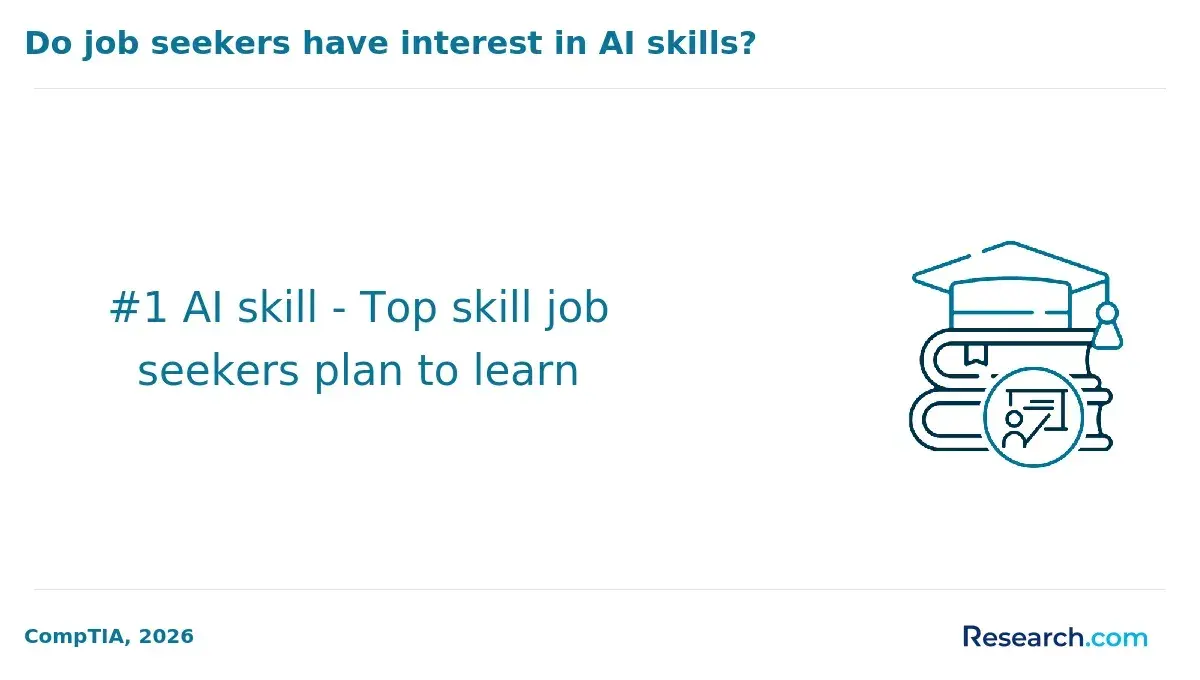
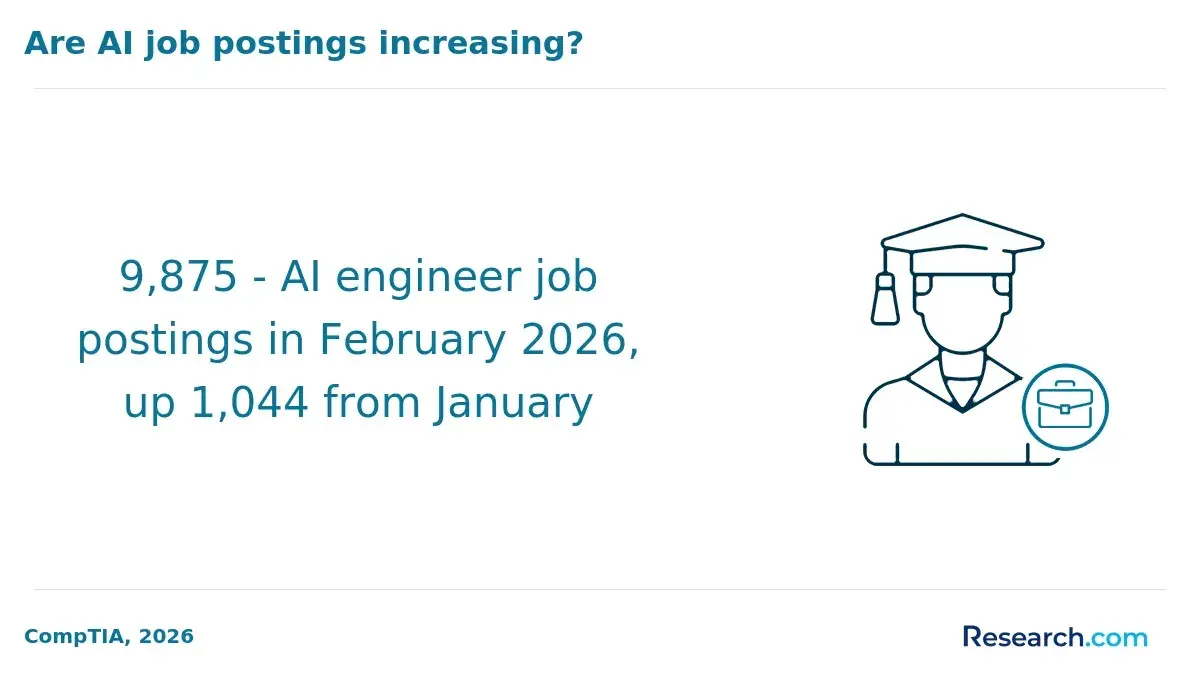
Labor-market data shows rising demand for AI skills, notably in generative AI roles, underscoring the value of specialized AI degrees versus more general computer science or data science paths. Employers typically seek:
- AI graduates for intelligent system development and automation.
- CS graduates for software engineering and technical infrastructure.
- Data science graduates for data analysis and statistics.
Prospective students should assess how AI degree vs computer science degree benefits align with their career goals. For those interested in cybersecurity fields, exploring affordable cybersecurity programs may also complement technical expertise.
What courses and skills are taught in AI degree curricula?
AI degree programs focus on building technical expertise and practical skills with courses like machine learning, natural language processing, computer vision, and robotics. Students gain proficiency in programming languages such as Python and tools including TensorFlow and PyTorch. Foundational knowledge in statistics, data mining, and data engineering is also emphasized.
Hands-on projects are a key component, providing experience with real-world datasets and developing applications like chatbots, image classifiers, or autonomous agents. Capstone projects foster interdisciplinary collaboration, ethical AI use, and model optimization skills. Programs increasingly integrate cloud computing, scalable architectures, and MLOps to align with the demands of industry deployment and maintenance.
The industry's rapid advancement, highlighted by Stanford University's AI Index reporting 51 notable AI models from industry vs. 15 from academia in 2024, underscores the need for tool-heavy, job-ready skills. Ethical considerations are integral, with courses on AI bias mitigation, fairness, and transparency becoming standard.
Students also learn version control using Git, containerization with Docker, and collaborative platforms to prepare for continuous integration and delivery workflows. Mathematical rigor through linear algebra, calculus, and probability supports algorithm design. Overall, AI degree curricula are designed to equip learners with a robust and comprehensive skill set to meet the evolving needs of employers.
What are the admission requirements and prerequisites for AI degree programs?
Admission to AI degree programs generally requires a bachelor's degree in computer science, engineering, mathematics, or related STEM disciplines. Applicants should have completed foundational courses like calculus, linear algebra, probability, statistics, and programming languages such as Python or Java. Strong analytical and quantitative skills are critical. For graduate-level programs, relevant research or professional experience in AI or data science can significantly boost an application.
While standardized tests such as the GRE were once common, many graduate programs now accept GRE waivers or treat submissions as optional, especially for AI-focused master's degrees. This change benefits candidates with strong academic records or substantial work experience. Minimum GPA requirements often hover around 3.0 on a 4.0 scale.
Letters of recommendation remain essential, ideally showcasing technical skills and research potential. Applicants must also submit statements of purpose explaining their AI interests, goals, and relevant experience. Supplementary materials like portfolios, coding samples, or published research enhance applications.
International students might need to demonstrate English proficiency through exams like TOEFL or IELTS. Online and part-time AI programs frequently offer more flexible admission criteria, accommodating career changers with professional experience rather than traditional academic backgrounds.
Meeting these requirements ensures candidates possess the necessary academic background, technical skills, and commitment to advance in AI education and careers. Prospective students should carefully review specific program prerequisites to tailor their preparation appropriately.
How do online AI degree programs compare with on-campus options?
Online ai degree programs provide flexible access to rigorous technical education, allowing students to engage with lectures, assignments, and portfolio projects from any location. This flexibility is especially beneficial for working professionals and those with family commitments who cannot relocate. Data from the National Student Clearinghouse Research Center indicates continued growth in online enrollment, highlighting its expanding role in higher education.
Many programs feature virtual labs, coding exercises, and collaborative projects that closely simulate real-world ai challenges. However, students should assess whether programs include interactive elements like live coding sessions or mentorship, as purely asynchronous formats may limit immediate feedback and peer interaction.
On-campus ai programs often offer direct access to faculty, specialized research facilities, and networking opportunities, which can enhance internship and job prospects. Despite this, investments in online platforms and partnerships with industry leaders have strengthened online offerings, narrowing the gap in practical experience and career support.
Important considerations include:
- Program accreditation and depth of ai curriculum
- Availability of mentor support and collaborative projects
- Alignment of hands-on work with current industry tools and frameworks
- Career services and employer connections
For those balancing responsibilities or distant from research institutions, online degrees in AI with robust portfolios offer an effective path into the ai workforce, reflecting a significant shift in education delivery.
How long do AI degree programs take, and what do they cost?
Artificial intelligence degree programs span from two to four years, depending on the level pursued. Bachelor's degrees typically require four years of full-time study, featuring extensive coursework and hands-on portfolio projects that build practical skills. Accelerated programs or associate degrees in ai-related fields can be completed in about two years, offering faster workforce entry or credit transfer options.
Tuition costs vary widely between public and private institutions and residency status. The average published tuition and fees at public four-year in-state universities are around $11,600 annually. Private universities may charge upwards of $40,000 per year, though financial aid and scholarships often lower these amounts.
Graduate ai degrees, such as master's programs, usually last one to two years full-time and are often priced per credit hour, ranging from $500 to more than $2,000. Shorter professional certificates and boot camps are available for working professionals, lasting months and costing from a few thousand dollars to $15,000.
Additional expenses include living costs, materials, and technology. Students can explore in-state tuition, employer tuition assistance, and hybrid or online programs to manage budgets effectively. Hands-on projects remain crucial for demonstrating applied skills to employers across all program types and lengths.
What AI careers can graduates pursue, and which roles need graduate school?
Graduates with degrees in artificial intelligence have diverse career opportunities across technology and research sectors. Common roles include AI engineer, machine learning specialist, data scientist, AI product manager, and AI software developer. These jobs demand strong technical skills and practical experience, often built through portfolio projects that incorporate real-world data, model training, and algorithm creation. Professionals develop and maintain AI systems for industries like healthcare, finance, automotive, and cybersecurity.
Advanced research roles such as computer and information research scientists generally require a master's degree or higher, especially for work involving cutting-edge AI theory and experimental applications. Graduate education provides essential skills beyond the undergraduate level to contribute to novel algorithms and AI methodologies.
Specialized research careers, including AI ethicists, natural language processing experts, and robotics innovators, often necessitate a PhD. These positions typically expect candidates to have published research and deep expertise within their domains.
Practical advice for prospective students includes:
- Choosing programs focused on hands-on portfolio development to enhance employability in engineering and software development.
- Pursuing a master's degree for research scientist roles or leadership positions designing innovative AI methods.
- Researching career paths early to balance graduate study time with job market demand and salary expectations.
What salary ranges and job outlook can AI graduates expect in the U.S.?
AI graduates in the U.S. have strong earning potential, with salaries reflecting high demand for specialized technical skills. According to the U.S. Bureau of Labor Statistics (BLS, May 2024 OEWS), the median annual wage for computer and information research scientists is $145,080, serving as a benchmark for AI-related roles like machine learning engineers, data scientists, and AI research developers.
Salary ranges vary by experience, location, and industry:
- Entry-level AI roles earn between $85,000 and $110,000, influenced by internships and prior projects.
- Mid-career professionals, especially in tech hubs such as San Francisco, Seattle, and New York City, typically make $115,000 to $150,000.
- Senior positions, including AI architects and lead researchers, often exceed $160,000, particularly in sectors like finance, healthcare, and autonomous vehicles.
Job growth for computer and information research scientists is projected at 21% from 2022 to 2032, significantly faster than average, driven by AI's expanding role in areas like business analytics, cybersecurity, and robotics.
Building hands-on portfolios with deep learning frameworks, scripting in Python, and experience with cloud platforms boosts employability and salary negotiation. Specializing in fields such as pharmaceutical research or autonomous systems can unlock premium compensation.
Other Things You Should Know About Artificial Intelligence
Artificial intelligence is a rapidly growing field with strong demand for skilled professionals. Careers in AI offer opportunities for innovation in areas like machine learning, robotics, and natural language processing. The field generally provides competitive salaries and job security due to its expanding applications across industries.
Graduates with an artificial intelligence degree can pursue roles such as machine learning engineer, data scientist, AI research scientist, and robotics engineer. These positions involve developing algorithms, building AI models, and applying AI solutions in business, healthcare, finance, and technology sectors. Some roles may also require interdisciplinary skills in software engineering and statistics.
Yes, programming is a fundamental component of artificial intelligence degrees. Students typically learn languages like Python, Java, and C++ to implement AI algorithms and work with data. Hands-on programming projects are a core aspect of AI curricula to ensure students can develop functional AI systems and build portfolios showcasing their skills.
Building a hands-on portfolio in 2027 AI degree programs offers distinct advantages: it enhances practical skills, demonstrates proficiency to potential employers, and provides concrete evidence of problem-solving abilities. This portfolio can set graduates apart in a competitive job market by showcasing real-world applications of AI concepts.
References
- How Long Does It Take to Complete an AI Course https://www.epw.com/blog/courses/how-long-is-ai-course
- Blogs https://www.leoglobaloverseas.com/blogdetails/ai-career-pathways-from-msc-to-industry-roles
- AI and graduate jobs: what students need to know https://www.bcu.ac.uk/student-info/university-courses-research/ai-and-graduate-jobs
- A Complete 4-Year Course Plan for an Artificial Intelligence Undergraduate Degree https://www.mihaileric.com/posts/complete-artificial-intelligence-undergraduate-course-plan/
- What Do You Learn In an Artificial Intelligence Course? | CompSci https://www.computerscience.org/resources/artificial-intelligence/
- 16 Artificial Intelligence Career Paths https://www.calmu.edu/news/artificial-intelligence-career-paths
- How Long Do AI Courses Take? https://www.nobledesktop.com/learn/ai/how-long-do-ai-courses-take
- B.Sc. in Artificial Intelligence https://www.studyinpoland.pl/en/programme
- Ultimate Guide: How to Choose the Right AI Training Course to Boost Your Career - ONLC https://www.onlc.com/blog/how-to-choose-ai-training-courses/
- 11 Best AI Certifications in 2025 to Deepen Your Technical Knowledge | DigitalOcean https://www.digitalocean.com/resources/articles/ai-certifications