2027 AI Bachelor's Degree Programs That Include Tableau or Power BI

Co-Founder and Chief Data Scientist
Many aspiring professionals face the challenge of entering the artificial intelligence field without prior technical backgrounds. Transitioning into AI demands practical skills in data visualization tools like Tableau or Power BI to effectively interpret and communicate complex datasets. Without formal training, candidates struggle to gain industry-relevant competencies that employers seek.
This article explores bachelor's degree programs that integrate Tableau or Power BI into their AI curricula. It aims to guide readers toward flexible, accredited options that equip them with essential skills for a successful career pivot into artificial intelligence.
Key Things You Should Know
- In 2026, over 40% of U.S. AI bachelor's programs integrate Tableau or Power BI to enhance practical data visualization skills alongside core AI competencies.
- Programs often combine coursework in machine learning, data analytics, and business intelligence, preparing students for diverse roles in AI-driven industries.
- Graduates skilled in these tools see a 15% higher employment rate within six months post-graduation, reflecting strong employer demand for AI visualization expertise.
Which AI bachelor's programs teach Tableau or Power BI for analytics and dashboards?
Several ai bachelor's programs with Tableau training integrate these visualization tools into their analytics coursework. Universities such as Arizona State University and DePaul University offer specialized data visualization courses where Tableau and Power BI are core components. This exposure provides practical skills for building interactive dashboards and real-time data analysis, which are crucial for careers focused on AI-driven decision-making and business intelligence.
The inclusion of Power BI, recognized widely in industry, aligns with undergraduate ai degrees teaching Power BI analytics. Microsoft's 2025 Power BI Data Analyst (PL-300) certification underscores the importance of data modeling, visualization, and sharing insights, making familiarity with this tool vital for graduates entering data analytics roles.
Tableau is often taught alongside Power BI to help students compare visualization software and communicate complex AI-derived data to non-technical audiences effectively. Those pursuing an AI bachelor's degree should examine course catalogs carefully for references to Tableau or Power BI, especially within analytics or data science tracks, to ensure their studies match career aspirations.
For further information on accelerated options, consider exploring accelerated bachelor's degree computer science online programs that often include these essential analytics tools in their curriculum.
What accreditation should an AI bachelor's program have in the United States?
Bachelor's degree programs in artificial intelligence that incorporate tools like Tableau or Power BI in the United States must hold accreditation recognized by the U.S. Department of Education or the Council for Higher Education Accreditation (CHEA). Accreditation is vital for ensuring academic quality and graduate credibility, impacting not only educational standards but also eligibility for federal financial aid. With 99% of U.S. college students relying on federal grants or loans, attending an accredited institution is essential.
Regional accreditation remains the most widely accepted standard for colleges offering artificial intelligence programs. Leading accreditors include the Higher Learning Commission (HLC), Middle States Commission on Higher Education (MSCHE), and Western Association of Schools and Colleges (WASC). These organizations assess entire institutions, assuring overall educational quality and stability. Such regional accreditation standards for US artificial intelligence programs support both credit transfers and employer recognition.
Programmatic accreditation can further enhance a degree's value, especially for those aimed at technical and professional readiness. Many AI programs featuring data visualization tools fall under computer science or information systems departments, making accreditation from the Accreditation Board for Engineering and Technology (ABET) particularly relevant.
Students should confirm that their selected AI bachelor's program maintains current and recognized accreditation to avoid issues with federal aid, credit transfer, and employer acceptance. For more insights and cost-effective options, explore the data science rankings, which often include closely related artificial intelligence programs.
Is an online AI bachelor's with Tableau or Power BI respected by employers?
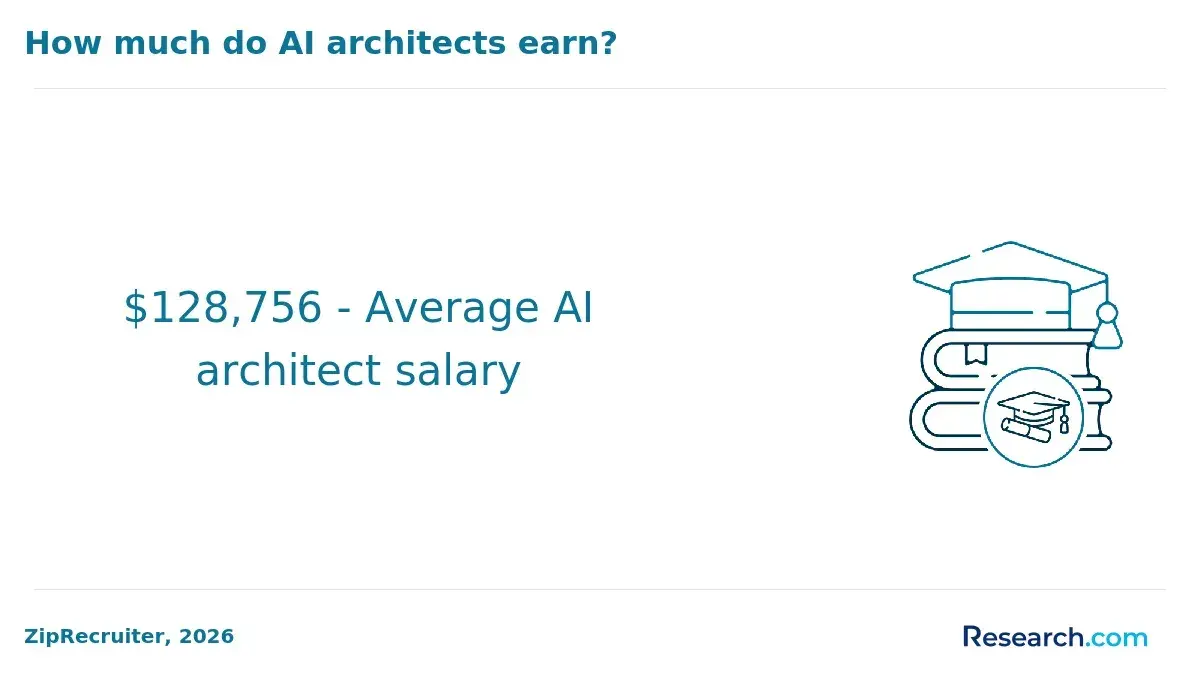
An online AI bachelor's degree with Tableau recognition is increasingly valued by U.S. employers, especially when the program includes hands-on skills training and is fully accredited. According to the Society for Human Resource Management (SHRM), 81% of employers now regard online degrees as equally credible to traditional in-person degrees. This evolving perception reflects confidence in the quality and rigor of many respected online programs.
Employers hiring for AI roles often look beyond theoretical knowledge. Practical proficiency in tools such as Tableau and Power BI is essential, with many recruiters favoring candidates who can demonstrate real-world data visualization projects, portfolios, or certifications. This emphasis on quantifiable skills signals an applicant's readiness to turn complex datasets into actionable business insights.
Prospective students interested in this field should assess the reputation of programs and the degree of integrated hands-on learning. Employer caution persists if programs lack practical application or validated recognition. For those exploring options, reviewing lists of online degrees in AI can help identify suitable accredited and effective programs. Overall, this pathway presents credible opportunities for career growth in analytics, data science, and AI-driven decision-making.
What courses cover BI tools like Tableau or Power BI in AI bachelor's programs?
Bachelor programs in artificial intelligence increasingly include training in business intelligence courses, particularly focusing on widely used tools such as Tableau and Power BI. These courses appear under titles like "Data Visualization," "Business Analytics," or "Decision Support Systems" and emphasize skills essential for interpreting and reporting data in real-world AI applications.
Instruction on Tableau covers dashboard design, interactive data presentations, and integration with diverse data sources. Power BI modules typically focus on data modeling, DAX formula creation, and enabling real-time analytics. Such BI tools are integrated within broader AI curricula to support data-driven decision-making and applied insights.
Some AI bachelor programs with Tableau training make these BI tool courses mandatory, reflecting industry demand, while others offer them as electives to support customized analytics skill development. Given that 46% of data professionals use Power BI and 25% rely on Tableau (Stack Overflow Developer Survey, 2024), explicit coverage of these platforms prepares students to bridge AI models and business insights effectively.
Prospective students should examine program syllabi carefully, as hands-on training in business intelligence courses in AI degree programs varies significantly. Industry partnerships often enhance relevance through case studies and updated tools aligned with professional standards. For those seeking affordability in IT-related education, exploring the cheapest online cyber security degree options may offer additional pathways in tech fields.
What admissions requirements are typical for AI bachelor's programs?
Admissions for AI bachelor's degree programs that incorporate Tableau or Power BI emphasize strong academic performance, particularly in mathematics and computer science. Applicants typically need a minimum high school GPA of about 3.5, reflecting the technical demands of AI studies. For reference, the national average GPA for full-time bachelor's students at four-year colleges was 3.65 (NCES, 2024), so competitive programs expect candidates to meet or surpass this benchmark.
Standardized tests like the SAT or ACT may still be required by some schools, although many institutions waive them, focusing instead on GPA and the rigor of completed coursework. Essential prerequisite courses usually include algebra, geometry, calculus, and introductory programming or data structures. Proficiency in mathematics is crucial given AI's reliance on algorithms and statistical methods.
Applicants also submit personal statements expressing their interest in artificial intelligence, data visualization with Tableau or Power BI, and related career goals. Strong letters of recommendation from math or computer science teachers bolster applications. Some programs value extracurricular activities such as participation in coding clubs, internships, or hands-on projects using visualization software.
Portfolios showcasing practical experience with Tableau dashboards or Power BI reports can enhance an applicant's profile. While most programs do not require interviews, a few use them to evaluate problem-solving skills and motivation more thoroughly.
How long do AI bachelor's programs take, and what do they cost?
Bachelor's degree programs in artificial intelligence that incorporate training in Tableau or Power BI generally take four years of full-time study, aligning with typical U.S. undergraduate schedules. These curricula cover foundational computer science principles, AI concepts, and practical skills in data visualization tools such as Tableau or Power BI.
Tuition costs vary by institution and residency status. Public in-state universities average $11,260 per year for tuition and fees, totaling about $45,040 over four years, excluding housing and materials. Out-of-state and private schools often charge substantially more, with some private AI-focused programs costing between $30,000 and $50,000 annually.
Flexible options like part-time, hybrid, or online programs exist but may extend the duration and have pricing based on credit hours. Students should explore financial aid, scholarships, or employer tuition assistance programs to offset expenses. Detailed program costs and timelines are typically available through university admissions advisors for better financial planning.
These degree programs prepare students for data-driven roles requiring expertise in business analytics and advanced data visualization using Tableau and Power BI, essential skills in AI-driven industries.
What concentrations pair best with Tableau or Power BI in an AI degree?
Concentrations best paired with Tableau or Power BI in an AI bachelor's degree focus on data visualization, analysis, and scalable data infrastructure. Applied analytics, business intelligence, and data engineering are top choices because they enhance skills to transform AI-generated insights into actionable dashboards and reports.
Applied analytics teaches advanced data analysis and predictive modeling, complementing AI algorithms to create dynamic dashboards that anticipate trends. Business intelligence integrates data collection and presentation, showing how AI outputs feed tools like Tableau or Power BI to produce executive summaries and visual storytelling.
Data engineering develops expertise in designing pipelines and databases for managing large AI datasets. This ensures reliable input for accurate, real-time dashboards.
Additional valuable concentrations include operations research and information systems, which emphasize optimization and system design. These help in building dashboards that improve operational efficiency beyond just displaying data.
With 62% of organizations using or piloting generative AI, the demand for professionals merging AI capabilities with visualization platforms grows.
Students should pursue programs offering hands-on projects integrating Tableau or Power BI with AI models. This practical experience is crucial for effectively communicating complex AI insights to non-technical audiences.
What careers can you pursue with an AI bachelor's plus Tableau or Power BI?
Graduates with a bachelor's degree in artificial intelligence combined with skills in Tableau or Power BI have access to diverse, high-demand career opportunities in data-driven fields. Key roles include data scientist, business intelligence analyst, and AI solutions architect. These positions require expertise in machine learning along with strong capabilities in BI dashboard development to convert complex data into meaningful business insights.
The U.S. Bureau of Labor Statistics forecasts a 35% growth rate in data scientist employment from 2022 to 2032, highlighting a robust demand for professionals skilled at integrating AI with data visualization tools to support decision-making.
Typical duties for data scientists involve using AI models to process large datasets and creating visual dashboards in Tableau or Power BI to enable executives to quickly spot trends. Business intelligence analysts often focus on producing reports and dashboards to track key performance indicators that enhance efficiency across sectors like healthcare, finance, and retail.
Other career paths include data engineer roles that deploy AI models and optimize ETL pipelines, requiring both programming expertise and BI tool knowledge. AI graduates in consulting develop tailored BI solutions using Tableau or Power BI to facilitate clients' digital transformations. Marketing analysts apply AI-driven consumer data to craft effective Tableau dashboards for campaign targeting and engagement tracking. Operations managers combine Power BI with AI forecasting models to streamline supply chains, cut costs, and boost productivity.
Strong communication skills are essential, as professionals must clearly present complex AI insights to non-technical stakeholders through intuitive reports. Ongoing learning of emerging BI features and AI algorithms is critical for maintaining career relevance.
What salaries can AI graduates expect in analytics and AI-related roles?
Graduates with skills in Tableau or Power BI are well positioned for competitive salaries in analytics and AI-related roles across the United States. According to the U.S. Bureau of Labor Statistics, the median annual wage for data scientists, a common career path after AI analytics programs, was $108,020 as of May 2023. This serves as a key benchmark for assessing the ROI of AI bachelor's degrees.
Entry-level positions such as data analyst or business intelligence analyst typically offer salaries between $60,000 and $80,000. These roles focus on essential skills like data cleaning, reporting, and dashboard creation using visualization tools such as Tableau and Power BI, which are critical for gaining experience before progressing into more advanced AI roles.
Mid-level roles-like data scientist or machine learning engineer-combine AI techniques with data visualization and generally pay between $90,000 and $130,000, with higher salaries common in tech hubs and finance sectors due to demand for predictive analytics and AI-powered insights.
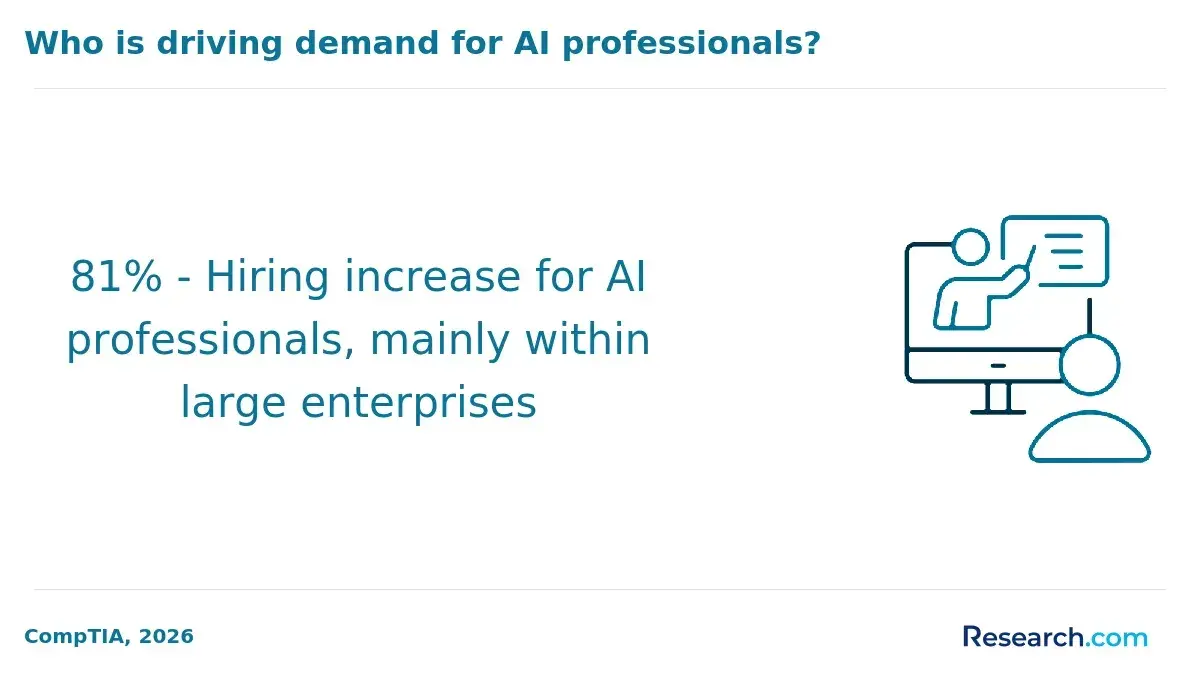
Senior roles, including AI architects or lead data scientists, who merge advanced AI models with visual storytelling via Tableau or Power BI, often earn more than $150,000 annually. Employers increasingly value these hybrid capabilities for strategic innovation and decision-making.
To enhance employability and salary potential, graduates should pursue certifications in Tableau or Power BI and gain practical experience through networking and internships at organizations leveraging these tools.
Which certifications complement an AI bachelor's that includes Tableau or Power BI?
Certifications that enhance an AI bachelor's degree, such as Tableau or Power BI, boost skills in data analysis, visualization, and business intelligence-crucial for increasing job market value. The Microsoft Certified: Power BI Data Analyst Associate stands out, with an average U.S. advertised salary near $113,000 (Skillsoft, IT Skills and Salary Report 2024). This credential validates expertise in preparing, modeling, and visualizing data with Power BI, aligning well with AI curricula that incorporate advanced data tools.
Other valuable certifications include:
- Tableau Desktop Specialist: Verifies foundational knowledge of Tableau software, data connections, and visualization best practices, strengthening business intelligence capabilities.
- Certified Analytics Professional (CAP): Focuses on analytics processes and data science methods, enhancing communication skills to translate AI insights into business outcomes.
- Google Data Analytics Professional Certificate: Provides hands-on training in data cleaning, analysis, and visualization, useful for AI students broadening their technical skillset.
- Cloudera Data Platform Data Engineer: Improves big data processing and integration, valuable for AI graduates managing large datasets supporting Tableau or Power BI dashboards.
Proficiency in SQL and Python certifications further complements visualization expertise with Tableau and Power BI, making candidates more attractive to employers seeking both programming and certified data visualization talent.
Other Things You Should Know About Artificial Intelligence
Students pursuing an AI bachelor's degree should develop strong programming skills in languages like Python and R, which are crucial for data analysis and building AI models. Proficiency in statistics, machine learning fundamentals, and database management also plays a vital role in effectively interpreting data and creating AI solutions.
Yes, internships provide practical experience that complements academic learning and help students apply AI concepts in real-world scenarios. They often enhance job prospects by offering industry exposure, networking opportunities, and a chance to work with tools such as Tableau or Power BI within organizational settings.
AI bachelor's programs in 2027 prepare students for evolving business intelligence tools by offering hands-on workshops, integrating current industry software into coursework, and staying updated with the latest tool advancements. This equips students with practical knowledge and adaptability to use tools like Tableau or Power BI in real-world applications.
Several AI programs allow students to tailor their studies with electives or specializations in business intelligence, data visualization, and analytics. Such customization enables students to deepen their expertise in tools like Tableau or Power BI, aligning their academic experience with career goals in data-driven decision-making.
References
- Data Analytics Essentials & Power BI Certification by UT Austin & Microsoft http://inkubatorit.com/data-analytics-essentials-online-course.html
- 2026's Best Data Analytics Certification Programs https://www.computerdegreesonline.org/data-analytics-certification/
- Microsoft Power BI vs Tableau: What Course is Best for You? - ONLC https://www.onlc.com/blog/microsoft-power-bi-vs-tableau/
- ARTiBA Accreditation Program | Elevate Your AI Education Standards https://www.artiba.org/artiba-accreditation-program
- Bachelor Data, Science and AI https://www.uni-bayreuth.de/en/bachelor/data-science-and-ai
- Best AI Bachelor's Degrees - AIDegreeProgams.org https://aidegreeprograms.org/rankings/best-ai-bachelor-degrees/
- 16 Artificial Intelligence Career Paths https://www.calmu.edu/news/artificial-intelligence-career-paths
- Bachelor of Data Analytics in Business Intelligence and Artificial Intelligence and Autonomous Systems (Double Major) https://www.kaplan.com.sg/bachelors-degree/bachelor-of-data-analytics-in-business-intelligence-and-artificial-intelligence-and-autonomous-systems
- Power BI vs. Tableau: Which one is the best tool for Business Intelligence? https://liora.io/en/power-bi-vs-tableau
- Accreditation - ABET https://www.abet.org/accreditation/