2027 AI Associate Degrees for Students Interested in FinTech Careers

Co-Founder and Chief Data Scientist
Many students with non-technical backgrounds struggle to enter the fintech sector due to gaps in relevant skills. The rapid integration of artificial intelligence in financial technologies demands expertise that traditional degrees may not provide. Navigating education options that bridge this gap efficiently becomes a challenge for career changers aiming for a practical and timely transition.
This article outlines associate degree programs focused on artificial intelligence tailored for fintech careers, emphasizing flexible and accredited paths. It aims to guide prospective students in selecting programs that align with industry needs and facilitate smooth entry into the evolving fintech job market.
Key Things You Should Know
- Associate degrees in artificial intelligence for fintech careers focus on data analysis, machine learning, and financial technologies, preparing students for roles in banking, credit scoring, and fraud detection.
- By 2025, fintech-related AI job openings are projected to grow 23% faster than average tech roles, emphasizing demand for practical AI skills over traditional finance degrees.
- Programs typically combine programming (Python, R), AI ethics, and fintech regulations, with many offering internships to meet industry standards and enhance employability.
What is an AI associate degree, and how can it lead to FinTech jobs?
An AI associate degree programs for FinTech careers provide foundational knowledge and practical skills in artificial intelligence, focusing on machine learning, data analysis, and programming. Students learn crucial tools including Python, neural networks, and algorithm design, enabling them to develop and manage AI systems that drive automation and decision-making in finance.
Graduates with associate degrees in artificial intelligence lead to fintech jobs by preparing for roles that involve data-driven financial technologies and AI-powered analytics. FinTech relies heavily on AI for fraud detection, risk assessment, personalized banking, and algorithmic trading. Skills such as natural language processing improve customer interfaces, while machine learning enhances credit scoring models.
According to the World Economic Forum, financial services are among the industries with the highest AI adoption, with widespread employer plans for implementation by 2030. Relevant specializations in an AI associate degree include data science, computer programming, and cybersecurity, all strengthening qualifications for FinTech positions. Common job titles include AI technician, data analyst, and junior data scientist at startups or established financial firms.
Gaining hands-on experience through projects and internships further boosts employment prospects. Students should seek programs with curricula aligned to the latest FinTech trends and practical AI tools. For more information on career pathways, see AI degrees.
Which AI associate degree skills do FinTech employers value most?
FinTech employers prioritize a core set of AI associate degree skills that directly impact financial data analysis, risk management, and automation. Technical proficiency in Python and SQL leads this demand, as shown by Lightcast, which identifies them among the most-requested skills in finance-related AI roles. Python is essential for building machine learning models, performing quantitative analysis, and automating repetitive financial processes.
SQL remains critical for managing and querying large financial databases, enabling professionals to extract meaningful insights from transactional and market data. Machine learning applications in FinTech require practical knowledge of algorithms and data structures. Candidates should understand supervised and unsupervised learning techniques, which facilitate fraud detection, credit scoring, and algorithmic trading strategies.
Complementary skills include statistical analysis and data visualization, helping interpret model outputs and communicate findings effectively. Experience with cloud computing platforms like AWS or Azure is increasingly important as fintech firms scale AI solutions across distributed infrastructures. Familiarity with real-time data processing frameworks such as Apache Kafka also enhances employability by supporting instant decision-making processes.
Soft skills such as problem-solving and critical thinking remain vital. FinTech professionals must navigate evolving regulatory constraints, applying AI solutions while ensuring compliance and ethical standards. Knowledge of financial regulations related to data privacy and security is a valuable asset.
For those exploring educational pathways, a variety of programs exist, including specialized fields like mechanical engineering. Prospective students can explore options such as the mechanical engineering degree, which may complement a skill set relevant to AI in FinTech.
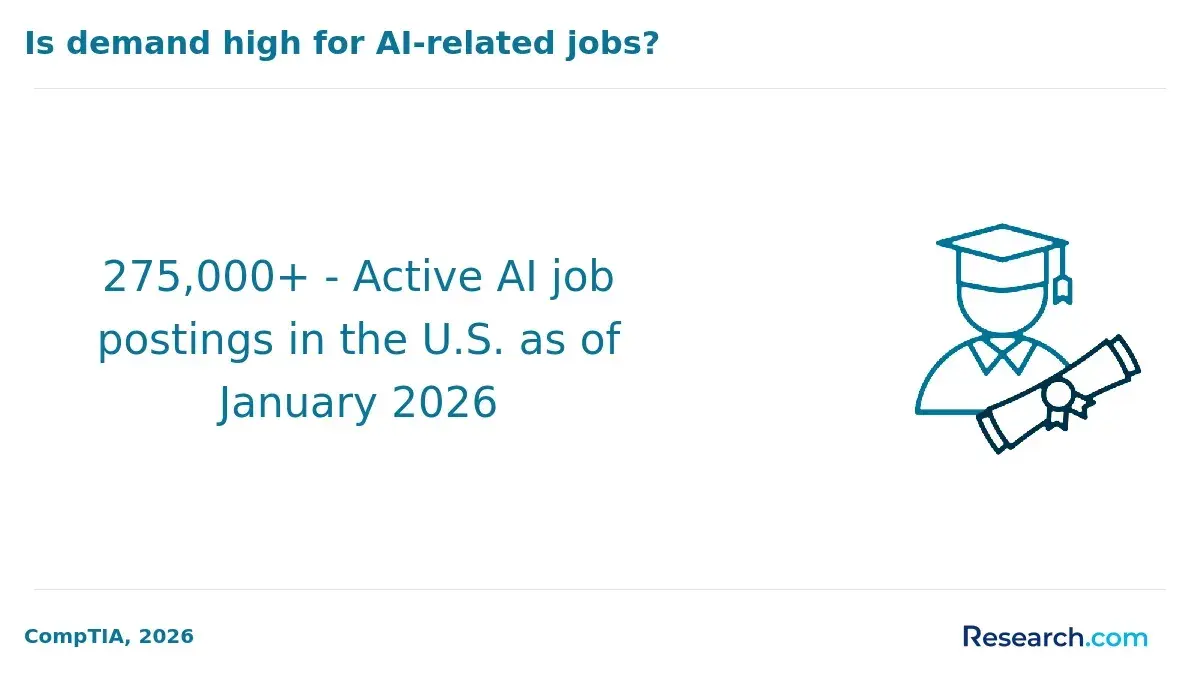
Which accredited colleges offer AI associate degrees aligned with FinTech careers?
Several accredited community colleges in the U.S. offer associate degrees focused on artificial intelligence that align with FinTech careers. Community colleges award over 60% of U.S. associate credentials annually, making them the most accessible institutions for students pursuing applied AI and finance-related training. These accredited colleges offering artificial intelligence associate degrees for FinTech careers provide practical programs combining AI programming, machine learning, data analytics, and financial technology integration.
Examples include Northern Virginia Community College, Santa Monica College, and Austin Community College, which offer AI-focused associate degrees or certificates combined with business analytics or finance coursework. Students graduate ready for roles like AI data analyst, junior AI developer, or FinTech operations specialist. Accreditation through agencies such as the Accrediting Commission for Community and Junior Colleges (ACCJC) ensures program quality.
Degree titles often reflect this focus, including Associate in Applied Science in Artificial Intelligence and Business or Associate of Science in Data Science with FinTech applications. Online options are growing, catering to those balancing work and study. Prospective students can explore online AI degrees that emphasize programming languages like Python, financial modeling, and AI ethics within financial systems. Internships and co-op programs enhance practical experience.
When selecting programs, it's important to verify how well the curriculum aligns with current FinTech innovations such as blockchain and automated trading systems. This alignment ensures graduates are prepared for jobs in fast-changing financial technology sectors and highlights the best AI associate degree programs for financial technology students.
What courses and projects are typical in AI associate programs for FinTech?
AI associate degree programs for FinTech center on core courses like Python programming, data structures, statistics, and machine learning principles. Python's prominence in the field is supported by Kaggle's State of Data Science and Machine Learning report, which shows it as the primary language for most practitioners. These AI programming courses for fintech applications train students to handle real-world financial challenges efficiently.
Hands-on projects in AI for financial technology are common, allowing students to develop predictive models for credit scoring, fraud detection algorithms, and customer service chatbots. These projects apply supervised and unsupervised learning techniques to financial datasets, including backtesting trading strategies and building AI-driven risk management tools.
Students also learn database management, API integration, and data visualization to manage complex financial data sets. Practical exercises often focus on data cleaning, feature preparation, model training, and interpreting results for better financial decision-making. Capstone projects require collaboration to design end-to-end AI solutions, such as automating loan approvals or performing sentiment analysis of market news.
Those interested in expanding their skills might consider exploring a cybersecurity degree online to complement their AI knowledge and improve career versatility in financial technology sectors.
What are the differences between online and on-campus AI associate programs?
Online and on-campus AI associate programs differ significantly in how they deliver content, interact with students, and provide resources, affecting those aiming for FinTech careers. Online programs offer flexibility, making them ideal for working professionals or individuals with other commitments. The U.S. Department of Education, National Center for Education Statistics, highlights widespread enrollment in distance education courses.
Conversely, on-campus programs emphasize face-to-face interaction with instructors and peers, fostering a collaborative environment essential for mastering skills like algorithm development and data analysis in FinTech. Students on campus gain immediate access to labs, tutoring, and career services, resources that can be limited in virtual settings.
Online courses typically use asynchronous lectures and virtual labs, requiring strong self-discipline, although many include synchronous sessions to promote real-time collaboration aligned with FinTech's dynamic nature. Hybrid options blend online coursework with occasional on-campus residencies to balance flexibility and personal engagement.
Technological needs such as reliable internet and compatible devices are critical for online learners, while on-campus students often face commuting and housing expenses. Accredited online degrees are increasingly valued by FinTech employers, yet local internships available through campus networks remain crucial for gaining practical experience.
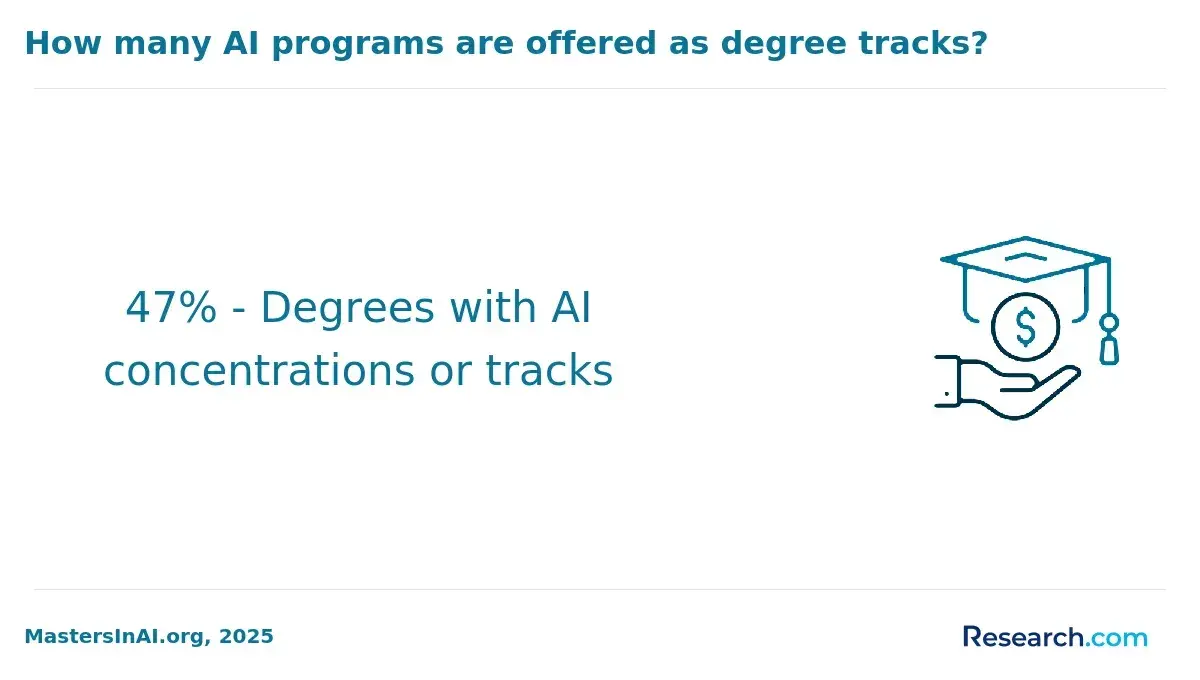
What are the admission requirements for AI associate degree programs?
Admission to AI associate degree programs typically prioritizes accessibility and foundational skills over selective criteria. Many community colleges adopt broad-access admissions, focusing on placement testing and prerequisite readiness rather than competitive acceptance. Applicants usually need a high school diploma or GED and must demonstrate proficiency in basic academic areas, particularly mathematics, due to the technical demands of AI coursework.
Common prerequisites include algebra, statistics, and introductory computer science. Basic programming knowledge, especially in Python, is often recommended or required, reflecting its importance in fintech applications. Colleges frequently use placement tests in math and English to determine appropriate course placement and may suggest preparatory classes if needed.
Additional admission components can involve submitting previous transcripts, placement test scores, and occasionally personal statements or interviews. Financial aid applications, like the FAFSA, are separate from admissions but commonly part of the overall enrollment process.
Students with non-traditional educational backgrounds or international credentials might undergo extra evaluations such as credential assessments or proficiency exams. Emphasizing open access and foundational skills, these programs aim to support diverse learners entering the fast-evolving field of AI, particularly in fintech.
How long does an AI associate degree take, and what does it cost?
An AI associate degree generally requires two years of full-time study, though the timeline can extend to three years or more for part-time students or those enrolled in accelerated courses. This flexibility benefits working professionals looking to balance education and employment.
Tuition costs vary widely by institution and residency status. Public two-year colleges typically charge around $4,700 annually for in-district students, compared to about $10,900 at four-year public universities. This makes pursuing an associate degree a financially strategic option, especially for those aiming for careers in fintech, where practical skills and certifications carry significant value.
Total tuition for an associate degree at a community college might sum to approximately $9,400 over two years, with additional fees and materials adding several hundred dollars each year. Private colleges offering AI or related programs can charge between $15,000 and $25,000 for the full duration. Many public schools provide financial aid, scholarships, or payment plans to ease costs.
Students often consider transfer pathways into four-year AI or fintech bachelor's programs to further reduce expenses and time spent earning a degree. Planning around these timelines and costs supports informed choices that align with both career ambitions and financial means.
What entry-level FinTech roles can you get with an AI associate degree?
Graduates with an AI associate degree can find entry-level roles in FinTech focused on data analysis, machine learning support, and system automation. Common positions include data analyst, junior machine learning technician, AI support specialist, and financial data technician. These roles require skills in handling financial datasets, building predictive models, and automating analytics processes. For example, data analysts might prepare information used in fraud detection or risk assessment, applying AI-driven insights directly.
The U.S. Bureau of Labor Statistics forecasts that data-related jobs, such as data scientists and analysts, will grow significantly faster than average through 2034. This supports strong demand for analytics and AI skills tailored to the FinTech industry. Employers prioritize knowledge of programming languages like Python and R, as well as experience with AI frameworks and data visualization tools.
Technical knowledge must be combined with an understanding of financial products, including loans, investments, and payment systems, to convert AI results into actionable decisions. Gaining practical experience through internships or projects involving real financial datasets enhances job prospects. Entry-level roles may also involve assisting senior AI engineers with algorithm development or maintaining AI-driven chatbots for customer interactions.
What salary can AI associate graduates expect in FinTech-related jobs?
Graduates holding associate degrees in artificial intelligence who aim for careers in FinTech can anticipate starting salaries between $60,000 and $85,000 annually. This range varies based on location, employer size, and job role. Entry-level positions such as AI technician, junior data analyst, or machine learning assistant typically fall within this salary bracket.
According to the U.S. Bureau of Labor Statistics, data-centric roles frequently hired by FinTech companies, like data scientists, earn median salaries exceeding $110,000. These higher wages reflect substantial market demand for expertise in analytics, automation, and machine learning.
Those with associate degrees who pursue additional certifications or transition to roles such as AI model developer or quantitative analyst often see significant salary increases over time. Key factors impacting salary advancement include:
- Hands-on experience with financial datasets and AI frameworks like TensorFlow or PyTorch
- Proficiency in programming languages such as Python and R
- Industry-recognized credentials or pursuing bachelor's degrees
- Employment in major FinTech hubs like New York, San Francisco, or Chicago
Early-career professionals must demonstrate applied skills within complex financial settings to maximize earning potential effectively. This approach aligns well with evolving FinTech industry demands and supports a rapid salary trajectory for AI associate degree holders.
Which certifications complement an AI associate degree for FinTech careers?
Certifications paired with an AI associate degree can significantly boost career prospects in FinTech by enhancing cybersecurity, data analysis, and financial expertise. The ongoing global shortage in cybersecurity professionals, highlighted in the ISC2 Cybersecurity Workforce Study 2024, makes security certifications highly valuable for finance roles involving AI.
Important certifications to consider include:
- Certified Information Systems Security Professional (CISSP) - Provides essential knowledge for protecting financial systems against cyber threats.
- Certified Ethical Hacker (CEH) - Offers practical skills to identify system vulnerabilities in AI-driven FinTech platforms.
- Financial Risk Manager (FRM) - Focuses on financial risk assessment crucial for AI models used in banking and investments.
- Data Science certifications (e.g., Microsoft Certified: Data Scientist Associate) - Enhance capabilities in data manipulation and predictive analytics for financial applications.
- Certified Blockchain Professional - Strengthens understanding of blockchain technology integrated with AI in FinTech solutions.
Combining these certifications with an AI associate degree bridges skill gaps and demonstrates multidisciplinary expertise. Employers value professionals who develop AI algorithms while understanding regulatory compliance, cybersecurity, and financial risk. According to industry data, candidates holding both AI and cybersecurity credentials command higher salaries and are favored for complex, secure AI projects in FinTech.
Other Things You Should Know About Artificial Intelligence
Python is the most widely used programming language in AI, particularly in FinTech, due to its simplicity and extensive libraries like TensorFlow and PyTorch. Additionally, languages such as R, Java, and C++ are also relevant for specific AI applications, including data analysis and high-frequency trading algorithms.
Students gaining an AI associate degree in 2027 for FinTech careers will acquire skills in data analysis, machine learning, cybersecurity, programming in languages like Python, and understanding regulatory requirements. These skills are essential for developing AI solutions tailored to FinTech operations, enhancing financial services and customer experiences.
Yes, graduates with an AI associate degree can contribute to AI ethics roles, particularly in FinTech companies focusing on responsible AI use. These roles involve ensuring AI algorithms are fair, unbiased, and transparent, which is increasingly important as FinTech solutions affect consumers' financial well-being.
One major challenge is managing the quality and volume of financial data, which impacts AI model accuracy. Additionally, integrating AI systems with existing legacy financial infrastructure and meeting regulatory compliance can be complex. Understanding these challenges prepares students to develop more practical and scalable AI solutions in FinTech.
References
- AI Jobs With No Experience: 10+ Entry-Level Roles | Beginner Guide 2026 â Mindrift https://mindrift.ai/blog/ai-jobs-with-no-experience
- Ultimate Guide: How to Choose the Right AI Training Course to Boost Your Career - ONLC https://www.onlc.com/blog/how-to-choose-ai-training-courses/
- How Long Do AI Courses Take? https://www.nobledesktop.com/learn/ai/how-long-do-ai-courses-take
- Top AI Certifications for 2026: A Guide to Advancing Your Tech Career | DataCamp https://www.datacamp.com/blog/top-ai-certifications
- FinTech Futures Jobs: Three ways AI is changing fintech jobs https://www.fintechfutures.com/ai-in-fintech/fintech-futures-jobs-three-ways-ai-is-changing-fintech-jobs
- AI in Fintech Certificate Programme by IIT Guwahati https://www.tcsion.com/hub/iit-guwahati-certificate-program/ai-in-fintech/
- AI jobs in financial services: $350k for junior hires https://www.efinancialcareers.com/news/artificial-intelligence-and-machine-learning-jobs-in-finance
- Artificial Intelligence (AI) & Machine Learning Course Fees https://www.mygreatlearning.com/artificial-intelligence/courses/fees
- Why Everyone Wants to Work in FinTech (And How You Can Too!) https://www.esilv.fr/en/why-everyone-wants-to-work-in-fintech-and-how-you-can-too/
- 7 High-Paying AI Careers in Fintech https://vault.com/blogs/salary-and-benefits/7-high-paying-ai-careers-in-fintech