2027 Bridge Courses for AI Associate Degree Students

Co-Founder and Chief Data Scientist
Many professionals with unrelated undergraduate degrees face barriers when trying to enter the AI field due to gaps in foundational knowledge. Accelerated programs designed to bridge these gaps often lack flexibility or accreditation, deterring career changers. Without targeted support, transitioning into AI can become costly and time-consuming. 2027 bridge courses offer a viable solution by providing structured, accredited learning paths tailored to associate degree students seeking AI careers.
This article explores the best 2027 bridge courses that combine flexibility and quality to help prospective students efficiently pivot into the artificial intelligence industry.
Key Things You Should Know
- Bridge courses in 2027 for AI associate degree students focus on upskilling in machine learning, data ethics, and cloud computing to meet evolving industry demands.
- Recent studies show that 68% of AI employers value candidates with interdisciplinary bridge course experience for enhanced problem-solving and adaptability.
- These courses often span 3-6 months, integrating hands-on projects and are increasingly offered through hybrid models for greater accessibility nationwide.
What are bridge courses for AI associate degree students and how do they prepare you for advanced study?
Bridge courses for AI associate degree preparation are designed to fill essential knowledge gaps and ready students for more advanced study in artificial intelligence. These programs cover foundational topics such as Python programming, linear algebra, statistics, and introductory machine learning principles, helping build the skills needed for bachelor's or specialized AI degrees.
Practical elements like coding exercises, data analysis projects, and real-world problem-solving scenarios are typical in these courses. For instance, students might explore neural network basics through hands-on experiments, which strengthen both theoretical understanding and applicable skills. This reduces the risk of struggling in higher-level classes due to missing prerequisites.
Such bridge courses enhance AI associate degree studies by addressing challenges like varied math abilities and limited prior exposure to AI frameworks. They boost confidence and competence before progressing to advanced AI topics such as natural language processing or computer vision.
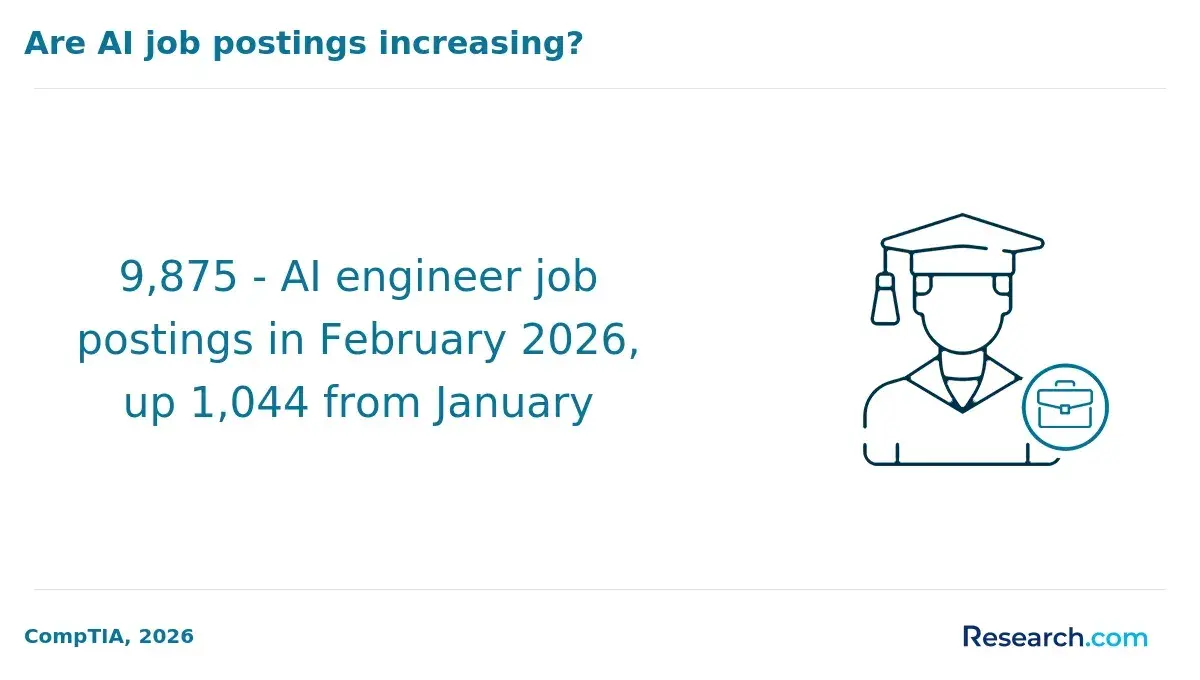
With AI job openings rising 74% year-over-year, employers seek candidates who possess strong foundational knowledge. Completing these courses raises eligibility for internships and research roles-key stepping stones toward competitive graduate programs or industry positions. Prospective students often consider a 2-year computer science degree online as a complementary path for advancing their technical expertise.
Which accredited institutions offer bridge courses in artificial intelligence for associate degree pathways?
Several accredited institutions in the United States offer bridge courses designed for students pursuing associate degrees in artificial intelligence. Community colleges like Northern Virginia Community College, San Diego Mesa College, and Houston Community College provide AI bridge programs that allow students to shift from general IT or computer science associate degrees into specialized AI studies. These programs cover foundational AI concepts, programming languages such as Python, and data analytics, preparing students for advanced AI specialization or entry-level roles.
Top accredited colleges with artificial intelligence bridge programs for associate pathways often collaborate with four-year institutions through articulation agreements. For instance, Rochester Institute of Technology offers structured pathways for associate-degree holders to transfer into AI bachelor's degree programs, supported by bridge courses that address curricular gaps.
Because only 23% of U.S. community colleges offer AI-focused certificates or degrees, it's crucial for students to find institutions with clear AI bridge curricula. Common challenges include missing prerequisites and unclear transfer policies. In response, some schools offer modular online bridge courses covering AI essentials like machine learning fundamentals and applied neural networks to ease these transitions.
Students should ensure the bridge courses are fully accredited and that credits transfer seamlessly toward AI associate or bachelor's degrees to avoid repeating coursework and reduce time-to-degree. Additionally, programs with hands-on AI projects and industry collaborations enhance relevant, practical skills for evolving careers. For those exploring further education options, the best data science undergraduate programs can provide valuable insights.
What are the typical admission requirements and prerequisites for AI bridge course programs?
Admission criteria for AI bridge courses in the US have evolved to increase accessibility. Around 65% of programs now accept applicants without prior programming experience, helping students with diverse academic and professional backgrounds enter the field. Most programs require a high school diploma or equivalent, while some also consider relevant work experience or completion of foundational math courses in algebra and statistics.
Prerequisites for enrolling in AI associate degree bridge programs typically include basic English proficiency, as most instruction and materials are in English. Though coding skills are not always mandatory, institutions may recommend or assess computer literacy and software familiarity through placement tests or tutorials. Some programs provide foundational courses in programming languages such as Python or JavaScript to support students from unrelated fields.
Admission focuses primarily on academic readiness, especially in math and logical thinking, rather than specialized prior knowledge. Applicants should consult programs directly as certain advanced options may require basic programming skills. Early communication with admissions offices can help clarify specific prerequisites and available academic resources to prepare successfully.
Students interested in related study paths may find value in exploring options for a masters in game design. This can complement AI skills in interdisciplinary careers.
How do online bridge courses in AI compare to in-person and hybrid learning formats?
Online bridge courses for artificial intelligence associate degrees offer unique benefits, especially in flexibility and higher completion rates compared to in-person and hybrid models. According to the Coursera 2024 Learning Outcomes Report, online tech programs with interactive labs and live instructor support see a 34% higher completion rate than traditional formats. This highlights the engagement potential of well-designed online courses.
A comparison of in-person vs hybrid artificial intelligence bridge programs reveals that while face-to-face classes support immediate peer collaboration, they often lack the scheduling flexibility needed by working professionals. Hybrid options blend online and in-person interactions but may face logistical hurdles that affect learning continuity.
Online AI bridge courses combine asynchronous content with live problem-solving sessions and virtual labs, allowing learners to study at their own pace and revisit materials as needed. AI-driven personalized feedback and interactive coding environments help bridge theory and practical skills efficiently.
To address isolation concerns common in remote learning, virtual study groups and instructor office hours are often available. Employers increasingly value online credentials, particularly when courses align with industry tools. Prospective students can explore more about affordable options by visiting ms data science online.
What is the standard curriculum and core coursework covered in AI bridge courses?
Bridge courses for AI associate degree students focus on core skills such as machine learning, neural networks, data structures, and programming languages like Python. These subjects appear in nearly 90% of programs, reflecting their importance for practical AI development (Course Report 2024 Tech Skills Gap Analysis). Students work with supervised and unsupervised algorithms, model evaluation, and gain hands-on experience through projects or labs.
Mathematics components including linear algebra, calculus, and probability are widely integrated to deepen understanding of AI models. Around 42% of courses now incorporate ethics modules addressing bias, fairness, transparency, and legal compliance-essential given the ethical demands of today's AI roles.
Additional training often involves data management and database systems necessary for handling large datasets. Some programs also expose students to subfields like natural language processing and computer vision, while others emphasize software development practices and deployment methodologies relevant to AI product lifecycles.
Prospective students should seek programs balancing strong technical training with ethics education, and inquire about practical experiences such as internships or alignment with industry certifications to ensure workforce readiness. For deeper insights on building skills that meet employer needs, research focused on AI curriculum offers valuable guidance.
How long do AI bridge courses typically take to complete and what is the average cost?
AI bridge courses generally span 6 to 12 months, depending on whether the program is full-time, part-time, or self-paced. Full-time tracks can be completed in 4 to 6 months, while flexible formats often extend to a year, accommodating working professionals and students balancing multiple commitments. This flexibility allows learners to tailor their education around personal and professional schedules.
The cost for these programs typically ranges from $3,000 to $8,000, which is about 45% less than the expense of a traditional four-year bachelor's degree, according to the BLS and Education Data Initiative. Despite lower costs, AI bridge courses offer comparable entry-level job placement rates, making them a cost-effective path for gaining specialized AI skills. Program length and price vary based on curriculum depth, institution type, and delivery format.
For instance, intensive bootcamp-style courses with hands-on projects often command higher fees but require fewer months. In contrast, community college-based courses may offer longer durations at more affordable prices. Some programs include certificates or credit transfer options toward associate degrees, adding value without significantly increasing time or cost.
Students seeking balance between work and study might prefer part-time or self-paced options that reduce time pressure without a major cost impact. Evaluating outcomes such as job placement rates and alumni success remains key in selecting the right program.
What professional certifications can you earn while completing an AI bridge course?
Students completing AI bridge courses can earn widely recognized professional certifications that boost their career prospects. Popular certifications include Google Cloud Professional Machine Learning Engineer, AWS Certified Machine Learning - Specialty, and Microsoft Certified: Azure AI Engineer Associate. These credentials verify the ability to design, build, and deploy AI models using major cloud platforms.
Google Cloud's certification emphasizes scalable model development and use of Google's AI tools. AWS focuses on machine learning implementation and optimization in its cloud infrastructure, while Microsoft's certification covers AI solution building with Azure Cognitive Services and Azure Machine Learning.
Other foundational certifications supported by some bridge courses include the TensorFlow Developer Certificate and IBM AI Engineering Professional Certificate. These demonstrate strong skills in deep learning frameworks and applied AI system development.
Data from Coursera Career Outcomes shows students completing bridge programs are 3.2 times more likely to earn industry certifications within six months than those studying independently. Such programs align coursework with certification requirements and offer practical labs and mentorship, creating efficient pathways to credentials.
Selecting a bridge course mapped to these certifications prepares students to meet employer expectations and enter AI roles with proven proficiency and readiness. These industry-recognized certifications provide a competitive edge in the growing AI job market.
What career roles and job titles are available after completing an AI bridge course?
Completing an AI bridge course opens pathways to entry-level roles such as AI associate, machine learning technician, and data analytics specialist. Job postings for these positions grew 128% between 2023 and 2024, highlighting strong industry demand (Indeed Hiring Lab 2024). These roles provide practical experience with AI model implementation, dataset management, and system deployment support.
AI associates assist in developing and testing algorithms while collaborating with senior engineers to optimize AI performance. Machine learning technicians focus on maintaining and tuning models, including data preprocessing and validation. Data analytics specialists analyze complex datasets using AI tools to deliver actionable insights that improve decision-making.
Bridge course graduates also qualify for roles like AI support specialists, automation assistants, and junior AI researchers, contributing to project documentation, troubleshooting, or model design. Proficiency in Python, SQL, and AI frameworks is highly valued by employers and emphasized in bridge programs.
Enhancing job readiness through certifications or hands-on projects during the course greatly boosts employment prospects. Employers increasingly seek skills in AI ethics, data management, and real-time model application. Entry-level openings now comprise 31% of AI job listings, making these positions accessible for bridge course graduates and demonstrating the immediate value of such programs (Indeed Hiring Lab 2024).
What is the job outlook and salary potential for graduates of AI bridge programs?
The job outlook for graduates of AI bridge programs is exceptionally promising. According to the U.S. Bureau of Labor Statistics, roles for AI and machine learning specialists are expected to grow by 35% through 2032, far outpacing the average growth rate across all occupations. This trend is driven by the widespread adoption of AI across diverse sectors such as healthcare, finance, automotive, and retail.
Graduates who hold associate degrees combined with AI bridge courses can typically expect starting salaries between $72,000 and $85,000 annually. Factors influencing pay include geographic location, company size, and specialized skills, with expertise in areas such as natural language processing or computer vision often commanding higher wages.
AI bridge credentials prepare professionals for roles including AI technicians, machine learning support specialists, and data annotators, acting as valuable stepping stones to advanced positions. These programs also serve career-changers by offering targeted AI fundamentals without the need for full degree commitments, providing a fast track into AI-related job markets.
Local demand should guide course selection, as metropolitan areas with robust tech sectors generally provide more job prospects and better pay. Certifications in relevant AI software or cloud platforms further enhance employability. Investing in an AI bridge program offers tangible benefits in job opportunities and salary growth within this rapidly evolving field.
How should you evaluate and choose between different AI bridge course providers and institutions?
Accreditation is the most crucial factor when selecting AI bridge course providers. According to the Course Report 2024 Bootcamp Outcomes Report, graduates from accredited programs achieve an 87% job placement rate within six months, compared to 61% from non-accredited ones. This makes accreditation the strongest indicator of employment success. Carefully review the curriculum to ensure it covers key AI topics like machine learning, natural language processing, ethical considerations, and data analytics. Programs that frequently update their syllabus with the latest tools and frameworks better prepare students for a rapidly evolving job market.
Instructor expertise and teaching methods also matter. Experienced faculty with industry backgrounds and hands-on projects enhance practical skills. Some courses provide mentorship and networking opportunities that improve career prospects. Job placement support, including resume workshops, interview preparation, and employer collaborations, further increases graduate success.
Flexibility is essential for many, so consider part-time, online, or hybrid options. Evaluate tuition costs against outcomes to understand return on investment. Higher-priced programs often justify their fees with stronger accreditation and job placement. Lastly, student feedback offers valuable insight into workload, teaching quality, and support services. Prioritizing accredited programs that fit your career goals and learning style maximizes benefits in the AI field.
Other Things You Should Know About Artificial Intelligence
Prerequisites for 2027 bridge courses for AI associate degree students usually include a foundational understanding of mathematics (such as calculus and linear algebra), basic programming skills (often Python), and a keen interest in artificial intelligence concepts. Some programs might also require prior coursework or experience in related fields.
Artificial intelligence raises significant ethical concerns, including bias in algorithms, data privacy, and accountability for AI-driven decisions. It is important to develop AI systems transparently and with fairness to avoid discrimination. Understanding these ethical implications is vital for anyone working in the field to ensure responsible AI deployment.
Yes, artificial intelligence bridge courses are designed to help individuals transition into AI-related careers by providing foundational knowledge and practical skills. They allow students from diverse academic or professional backgrounds to gain relevant expertise without starting from scratch. This flexibility makes career switching more accessible and achievable.
Students in artificial intelligence programs frequently use tools like TensorFlow, PyTorch, and scikit-learn for building and training models. Data handling often involves software such as pandas and NumPy, while cloud platforms like AWS and Google Cloud are common for scalable computing resources. Familiarity with these tools is beneficial for practical AI applications.
References
- The Future Of Hybrid Learning: Combining In-Person And Online Education https://elearningindustry.com/the-future-of-hybrid-learning-combining-in-person-and-online-education
- A Complete 4-Year Course Plan for an Artificial Intelligence Undergraduate Degree https://www.mihaileric.com/posts/complete-artificial-intelligence-undergraduate-course-plan/
- 16 Artificial Intelligence Career Paths https://www.calmu.edu/news/artificial-intelligence-career-paths
- Which AI certifications hold the most value after completing an AI course? | H2K Infosys Blog https://www.h2kinfosys.com/blog/which-ai-certifications-hold-the-most-value-after-completing-an-ai-course/
- MCS Bridge Program online & on-campus | UNF https://www.unfc.ca/academics/graduate/mcs-bridge-program
- ARTiBA Accreditation Program | Elevate Your AI Education Standards https://www.artiba.org/artiba-accreditation-program
- Choosing the Best Training Format: Virtual, In-Person, or Hybrid? https://educate360.com/blog/virtual-in-person-or-hybrid-how-to-pick-the-right-format-and-the-right-partner/
- Top 12 Highest-Paying AI Jobs in 2026 (SEO Edition) - Swiss School of Business and Management Geneva https://www.ssbm.ch/top-12-highest-paying-ai-jobs-in-2026-seo-edition/
- Online, In-Person or Blended Training: Which Is Best For Trade School? https://www.lincolntech.edu/news/featured/online-vs-in-person-vs-blended-training-which-best-trade-school
- How to Choose an AI Workshop for Your Team https://rasmuswiding.com/blog/how-to-choose-ai-workshop/