2027 Artificial Intelligence Degree Programs for Students Seeking Leadership Roles

Co-Founder and Chief Data Scientist
Students with backgrounds unrelated to artificial intelligence often face difficulty finding degree programs tailored to their needs, especially those targeting leadership roles in a rapidly evolving field. Many programs require extensive prior technical experience or lack flexible options for working professionals. This gap hinders career transitions and slows advancement into management positions within AI-driven industries.
Identifying accredited, adaptable programs that combine foundational knowledge with leadership training is crucial for ambitious learners. This article explores the top artificial intelligence degree programs designed to accommodate diverse educational histories and prepares students to assume leadership roles effectively in the technology sector.
Key Things You Should Know
- In 2026, approximately 65% of Artificial Intelligence degree programs include leadership and ethics courses to prepare students for managerial roles across industries.
- U.S. enrollment in Artificial Intelligence leadership tracks grew by 18% between 2024 and 2025, reflecting rising demand for AI-savvy leaders.
- Graduates with AI leadership skills command salary premiums averaging 12% higher than peers with technical-only degrees, according to recent workforce data.
What is an artificial intelligence degree program for future leaders?
An artificial intelligence degree program for future leaders combines advanced technical skills with strategic management training to prepare professionals for leadership roles in AI-driven organizations. These programs emphasize expertise in machine learning, natural language processing, and data analytics alongside courses that develop skills in AI governance, ethical considerations, and interdisciplinary team management.
Many programs offer specialized master's degrees, such as a Master of Science in AI Leadership, or dual degrees that blend AI education with MBA curricula to build versatile leadership capabilities. Real-world industry collaborations, case studies, and regulatory insights are commonly incorporated to ensure graduates understand both societal impacts and compliance requirements.
Leadership roles in artificial intelligence education focus on addressing challenges like algorithmic bias, data privacy concerns, and integrating AI with existing systems. Future leaders develop critical thinking to weigh AI's risks and benefits and strong communication skills to effectively convey complex AI concepts to stakeholders and policymakers.
With 55% of organizations now using AI in at least one business function, AI literacy is essential for today's leaders-McKinsey, Global Survey on AI (2024). For those exploring career paths, the field of what is applied AI engineering exemplifies opportunities that combine technical expertise with leadership.
Which AI degree levels best prepare you for management and strategy roles?
Graduate degrees, especially master's programs in artificial intelligence, best prepare candidates for management and strategy roles by combining advanced technical expertise with essential leadership, project management, and strategic decision-making skills. Many top AI degree programs for management and strategy include courses in AI ethics, business analytics, and technology strategy, which are typically lacking in bachelor's curricula.
Master's degree holders enjoy higher earning potential, reflecting their readiness for leadership positions. Median weekly earnings for workers with a master's degree were around 16% higher than those with only a bachelor's degree, according to the U.S. Bureau of Labor Statistics. This wage premium signals the value employers place on graduate education for supervisory roles.
While bachelor's degrees provide foundational AI knowledge and technical skills, advanced artificial intelligence degrees for leadership roles emphasize management and innovation. Doctoral degrees focus more on research leadership, often preparing PhD holders to lead R&D teams or define long-term AI innovation strategies.
Key considerations for prospective students include:
- Programs that blend AI technical training with leadership, ethics, and business strategy.
- Team-based projects and internships offering practical management experience.
- Industry connections that help secure roles mixing AI expertise with organizational leadership.
For those exploring degree options aligned with leadership goals, it's worth reviewing related fields like mechanical engineering; for instance, a mechanical engineer degree may offer valuable insights on structuring technical and management skills.
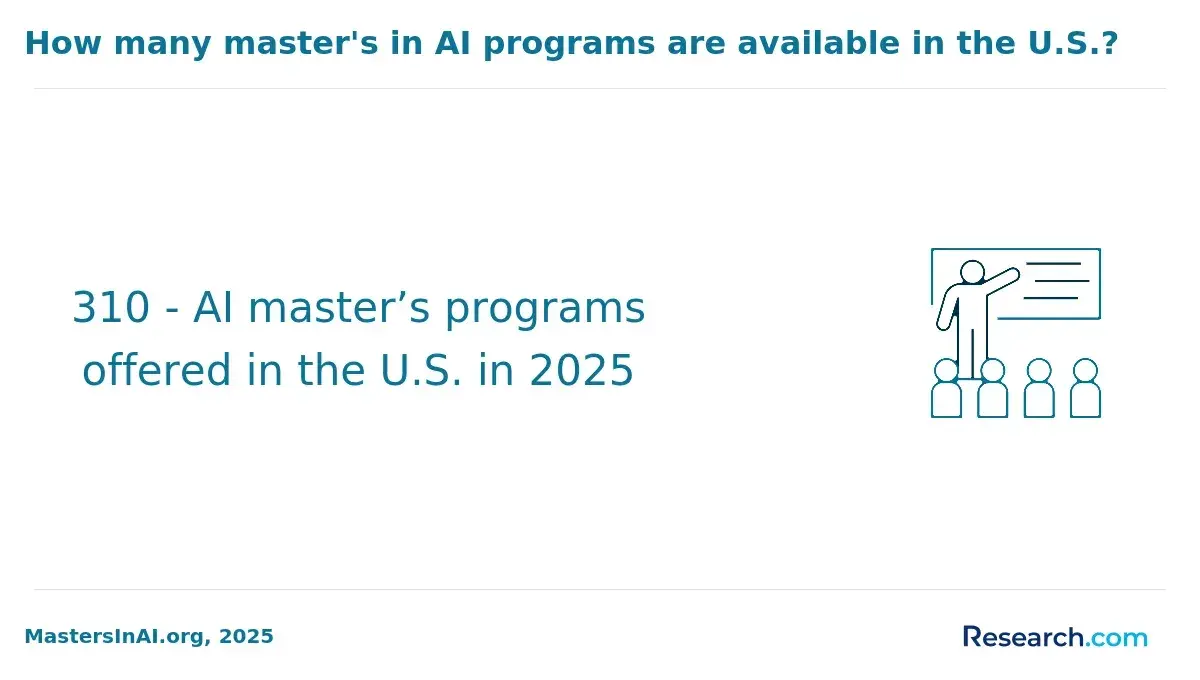
How do you choose an accredited, reputable AI program in the U.S.?
Choosing accredited artificial intelligence degree programs in the U.S. involves focusing on recognized accreditation bodies like ABET or regional accreditors such as the Middle States Commission on Higher Education. Accreditation confirms a program meets rigorous standards in curriculum quality, faculty expertise, and available resources, which is crucial for credible education and employer acceptance.
Many programs claim to offer AI courses, but according to the Stanford HAI AI Index Report, of 1,320 institutions worldwide with at least one "AI" program, only around 880 provide substantial coursework. Therefore, prospective students should look for programs covering core areas such as machine learning, natural language processing, and robotics, alongside opportunities for practical projects or research.
The quality of faculty is another key factor; reviewing faculty research publications and industry partnerships can indicate programs that are closely aligned with real-world AI developments. Top reputable AI leadership programs in America often incorporate interdisciplinary leadership and ethics coursework, preparing students for management roles that require strategic decision-making.
- Consider program duration and delivery mode (online, in-person, hybrid) to match your schedule
- Check for partnerships with technology firms offering internships or mentorship
- Look for industry-recognized certifications linked to the program
Assess alumni job placement rates, leadership roles attained, and the companies hiring graduates as indicators of program success.
What's the difference between online and on-campus AI degrees for working adults?
The primary difference between online vs on-campus artificial intelligence degree programs for working adults lies in flexibility and the mode of interaction. Online programs generally offer asynchronous learning, allowing adult learners balancing work and study to fit coursework around professional and family commitments.
These flexible artificial intelligence degree options for adult learners provide video lectures, discussion boards, and virtual simulations, making it easier for professionals in tech to earn credentials without relocating or altering schedules drastically.
Conversely, on-campus degrees grant direct access to faculty, hands-on labs, and peer collaboration. This face-to-face environment supports students who prioritize immersive experiences, leadership development, and teamwork skills shaped by live mentoring and research projects. Hybrid models combining online theory with occasional campus sessions also appeal to those seeking balance in engagement and convenience.
Accessibility continues to improve, with a growing number of undergraduate students enrolling in online courses, reflecting wider acceptance of digital learning within academia. However, some employers may still favor traditional degrees for leadership roles, viewing them as signals of commitment and in-person collaboration. When exploring options, program accreditation, curriculum relevance, and support services such as career counseling should factor into decision-making.
For professionals investigating suitable programs, including affordable cybersecurity programs, understanding these distinctions can guide choices that align with career goals and time constraints.
What core courses and leadership skills are taught in AI degree curricula?
Core courses in AI degree programs blend essential technical knowledge with leadership skills tailored for managing AI projects and teams. Students dive into machine learning algorithms, natural language processing, data structures, and deep learning frameworks, gaining hands-on abilities in model creation, data analysis, and system design.
Leadership components cover governance, ethical decision-making, and risk management. With an 11% rise in "AI ethics" job postings, programs emphasize responsible AI development, focusing on bias mitigation, transparency, and regulatory compliance. Students learn how to assess AI's societal impacts and lead ethical implementations within organizations.
Many courses adopt interdisciplinary approaches, integrating business strategy, communication, and change management to prepare graduates for leading diverse teams and aligning AI initiatives with company objectives. Training in project management and organizational behavior helps develop skills in team dynamics and stakeholder engagement.
- Data governance strategies for maintaining data integrity and privacy
- Negotiation techniques for vendor and stakeholder interactions
- Risk assessment models specific to ai deployment
- Strategic planning to scale AI solutions responsibly
Case studies analyzing real-world ai successes and failures hone students' critical thinking and decision-making under uncertainty. This blend of technical expertise and ethical leadership equips graduates to tackle the complex challenges faced by today's AI-driven organizations.
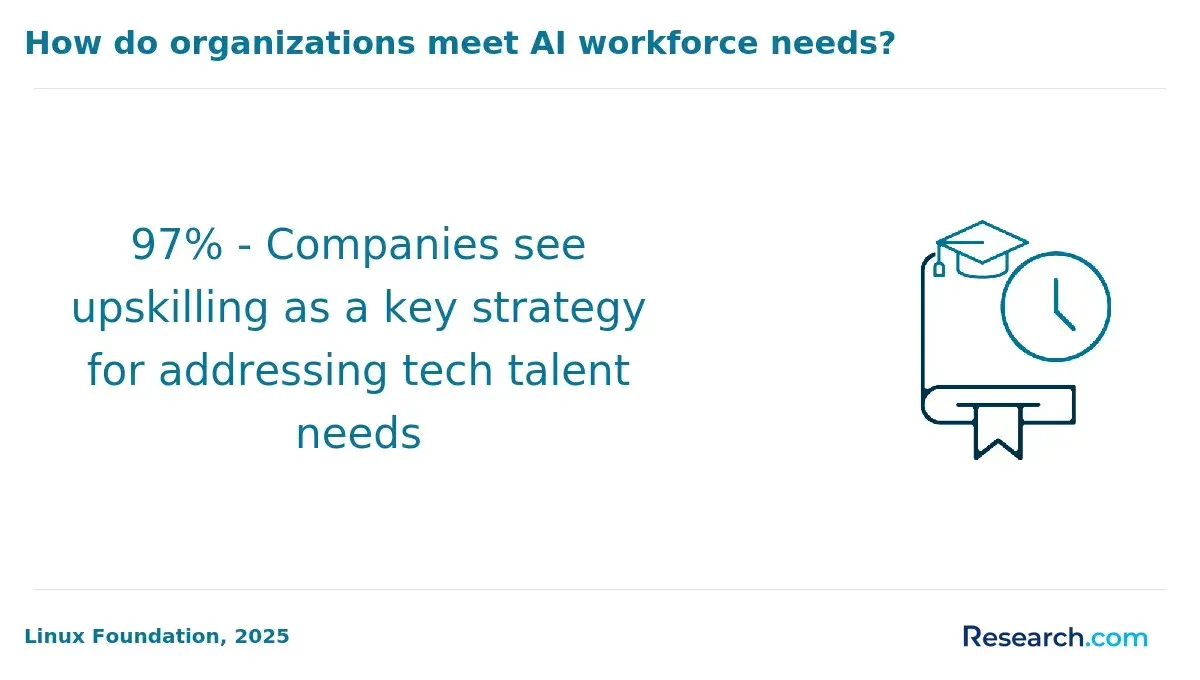
What admission requirements do AI bachelor's and master's programs commonly require?
Bachelor's and master's programs in artificial intelligence require a mix of academic transcripts, letters of recommendation, personal statements, and sometimes standardized test scores. For bachelor's admission, applicants usually need a strong background in mathematics, computer science, or related STEM fields, including high school coursework in calculus, physics, and programming. While some universities may request SAT or ACT scores, many have adopted test-optional policies.
Master's programs tend to focus on relevant undergraduate degrees such as computer science, engineering, or data science, with typical GPA requirements between 3.0 and 3.5. The Graduate Record Examination (GRE), once commonly required, is increasingly optional, as over 1,300 U.S. graduate programs have moved away from mandating GRE scores. This reflects a growing emphasis on prior coursework and research experience over standardized testing for admission.
Letters of recommendation play a key role, especially to highlight leadership potential and research skills. Personal statements should demonstrate motivation for leadership roles in AI and relevant project experience. Some programs may also ask for coding samples or portfolios.
International applicants must usually provide TOEFL or IELTS scores to verify English proficiency. Admissions committees often value internships, published research, and practical AI work experience as part of a competitive application.
How long do AI degree programs take, and what do they cost?
AI degree programs range from two to six years based on the level and format. Bachelor's degrees typically require four years of full-time study, while master's degrees take 18 to 24 months, with some accelerated or part-time options extending up to three years. Doctoral programs, focusing on research and leadership, usually last four to six years.
Costs vary widely depending on the institution and residency. Public four-year universities average about $11,610 annually for in-state tuition and fees, while private nonprofit schools charge around $30,780 per year. AI-specific programs may add $2,000 to $10,000 annually for specialized courses, labs, or certifications.
Beyond tuition, students should budget for technology fees, books, and AI software licenses. Leadership-oriented degrees often require practicum or capstone projects that can incur extra expenses, including travel.
Working professionals should consider part-time or online programs to balance cost and career demands. Financial aid options like scholarships, employer tuition assistance, and federal aid are valuable resources. Planning education finances early is important given the fast-evolving demand for AI expertise, especially in leadership roles.
What careers can AI graduates pursue in leadership and management roles?
AI graduates have strong prospects in leadership roles across a range of industries, applying their expertise to steer teams and strategic initiatives. One key position is that of computer and information systems manager, responsible for overseeing IT departments, managing projects, and aligning technology strategy with business objectives. Employment in this field is expected to grow 17% from 2023 to 2033, indicating high demand.
Leadership roles also include AI product managers who guide the creation and launch of AI-driven solutions, balancing technical and business priorities. AI strategy consultants advise organizations on adopting AI technologies, focusing on investment, ethics, and competitive advantage.
One of the most effective ways to prepare for these high-level responsibilities is by graduating from the best data science master's programs, which provide the technical and leadership foundation required for such roles.
Other opportunities involve managing data science or machine learning teams, where graduates design advanced models and mentor staff to enhance innovation and efficiency. Successful candidates typically display skills in project management, cross-functional communication, and a solid grasp of AI ethics and regulations.
Challenges in these roles often consist of integrating AI with legacy systems, leading diverse teams, and ensuring compliance with data privacy laws. Preparing for these complexities is essential for graduates aiming to advance AI adoption effectively.
What salary ranges can AI graduates expect in leadership-track jobs?
AI professionals aiming for leadership roles can expect salaries that reflect both their technical and managerial expertise. The U.S. Bureau of Labor Statistics reports a median annual wage of $171,200 for computer and information systems managers, which serves as a benchmark for positions such as AI project managers, data science leaders, or chief AI officers.
Salary ranges vary based on factors like industry, location, and experience level. Typical figures include:
- Entry-level leadership roles in tech hubs like Silicon Valley or New York usually start between $130,000 and $160,000 annually.
- Mid-career managers with 5 to 10 years of AI and leadership experience often earn between $170,000 and $220,000.
- Senior executives overseeing AI strategy and large teams can earn $220,000 or more, sometimes supplemented by bonuses and stock options.
Advanced degrees in AI algorithms, machine learning operations, or AI ethics can increase salary potential. Combining AI expertise with strategic business knowledge or product development skills often leads to higher compensation. Professionals who continually update their skills in emerging AI tools and team management gain a competitive edge.
Salary expectations also depend on employer size and sector; government or nonprofit roles may offer different packages than private companies. Being aware of these factors helps graduates negotiate salaries aligned with market standards and their qualifications.
Which AI certifications and professional credentials support leadership advancement?
AI certifications that combine technical expertise with leadership and strategy skills are highly valued for career advancement. Programs like the Artificial Intelligence Leadership Certification from MIT Sloan School of Management integrate AI knowledge with executive decision-making. The Certified Artificial Intelligence Practitioner (CAIP) credential focuses on deploying AI solutions while managing cross-functional teams, highlighting practical leadership.
Credentials that blend AI with project and product management, such as the PMI Agile Certified Practitioner (PMI-ACP) and Certified ScrumMaster (CSM), are recognized for enhancing leadership in agile AI environments. Vendor-specific certifications like Google's Professional Machine Learning Engineer and Microsoft Certified: Azure AI Engineer Associate provide strong technical foundations but less emphasis on strategic leadership.
Programs addressing AI strategy and ethics, such as the Harvard Business Analytics Program, prepare professionals for executive roles in AI-driven industries. In fact, 73% of organizations now use skills-based hiring, underscoring the value of credentials that demonstrate both expertise and leadership ability-TestGorilla, The State of Skills-Based Hiring (2024).
Choosing certifications aligned with career goals is essential: technical leads might pursue hands-on engineering certificates, while aspiring executives should prioritize leadership-focused programs offering case studies on ethical AI governance and strategic innovation.
Other Things You Should Know About Artificial Intelligence
While a strong foundation in computer science is highly beneficial for artificial intelligence degree programs, it is not always mandatory. Many AI programs welcome students from diverse STEM backgrounds but often require prerequisite coursework in programming, mathematics, or related fields to ensure readiness for advanced AI topics.
Yes, many artificial intelligence programs incorporate ethics as a critical component of their curricula. Students learn about the societal impacts of AI, including privacy, bias, and accountability, to equip future leaders with the knowledge needed to make responsible decisions in AI development and deployment.
Most AI degree programs emphasize practical learning through projects, labs, or internships involving machine learning frameworks, programming languages like Python, and AI platforms. This experiential training is essential for developing the technical skills leaders need to guide AI initiatives effectively.
Artificial intelligence degree programs in 2027 emphasize strategic thinking, data-driven decision-making, and ethical management skills. Programs like a master’s in AI for business professionals also focus on communication and cross-disciplinary collaboration to prepare leaders who can effectively integrate AI into diverse business environments.
References
- 16 Artificial Intelligence Career Paths https://www.calmu.edu/news/artificial-intelligence-career-paths
- Leadership Program in AI and Analytics https://executiveeducation.wharton.upenn.edu/online-learning/self-paced-online-programs/leadership-program-in-ai-and-analytics/
- Artificial Intelligence Jobs: Salary Overview by Seniority | Leland https://www.joinleland.com/library/a/ai-jobs-and-salaries
- Understanding AI job roles and career path | GSA - IT Modernization Centers of Excellence https://coe.gsa.gov/coe/ai-guide-for-government/understanding-ai-job-roles-career-path/
- Top AI Leadership Certifications to Boost Your Career https://emediaai.com/top-certifications-for-ai-leadership-roles/
- 8 In-Demand Jobs in Artificial Intelligence You Can Pursue https://www.sacredheart.edu/news-room/news-listing/8-in-demand-jobs-in-artificial-intelligence-you-can-pursue/
- Masters Artificial Intelligence https://www.udacity.com/masters-artificial-intelligence
- Certified AI Transformation Leader | CAITL | AI Leader Certifications https://www.usaii.org/artificial-intelligence-certifications/certified-ai-transformation-leader
- AI Future Leaders | AI Leadership & Learning Academy https://aifutureleaders.com/