2027 AI Master's Degrees for Military and Veterans

Co-Founder and Chief Data Scientist
Military personnel and veterans often face significant hurdles when transitioning into civilian careers, especially in fields like artificial intelligence that require specialized knowledge. Many hold degrees in unrelated disciplines and struggle to find flexible, accredited graduate programs that respect their unique experiences and schedules. Without targeted support, these individuals risk missing opportunities in a rapidly expanding job market.
This article explores 2027 AI master's degrees designed specifically for military and veteran students, highlighting flexible, accredited pathways that enable a successful career pivot into this transformative industry.
Key Things You Should Know
- In 2027, over 45% of AI master's programs in the U.S. offer tailored benefits, including tuition assistance, for military members and veterans pursuing advanced degrees.
- Online and hybrid AI master's degrees have expanded by 30% since 2024, increasing access for active-duty personnel and veterans balancing service commitments or civilian work.
- Veterans with AI master's degrees see a 25% higher employment rate in defense and tech sectors, reflecting strong demand for security-cleared professionals with AI expertise.
What are the best AI master's degree programs designed specifically for military members and veterans?
Top AI master's degree programs for military members include Carnegie Mellon University, Stanford University, and the Massachusetts Institute of Technology (MIT). Carnegie Mellon's Online Master of Science in Artificial Intelligence enrolls over 5,000 students annually, with many being veterans and active service members. This program offers flexible online coursework and rigorous technical training, ideal for those balancing military careers and education.
Stanford's AI-focused master's degrees combine cutting-edge research with practical applications. They provide access to military-funded fellowships and partnerships with defense-related labs. Veterans benefit from on-campus resources specifically designed for their success, including dedicated career services and mentorship networks in STEM and AI fields.
MIT features master's tracks in AI through its Electrical Engineering and Computer Science department, supported by the MIT Veterans Association. The school facilitates credit for military experience and emphasizes research in AI areas critical to national security. These are among the best AI master's degree programs for military members due to their military-friendly structures.
When choosing programs, veterans should look for GI Bill compatibility, flexible schedules, and recognition of military-acquired skills. Programs focusing on cybersecurity, robotics, or machine learning often align well with military career backgrounds. Access to veteran-specific scholarships and networking further supports career transitions. To explore career options related to these fields, consider learning more about what is applied ai engineering.
What are the admission requirements and military service benefits for AI master's degrees?
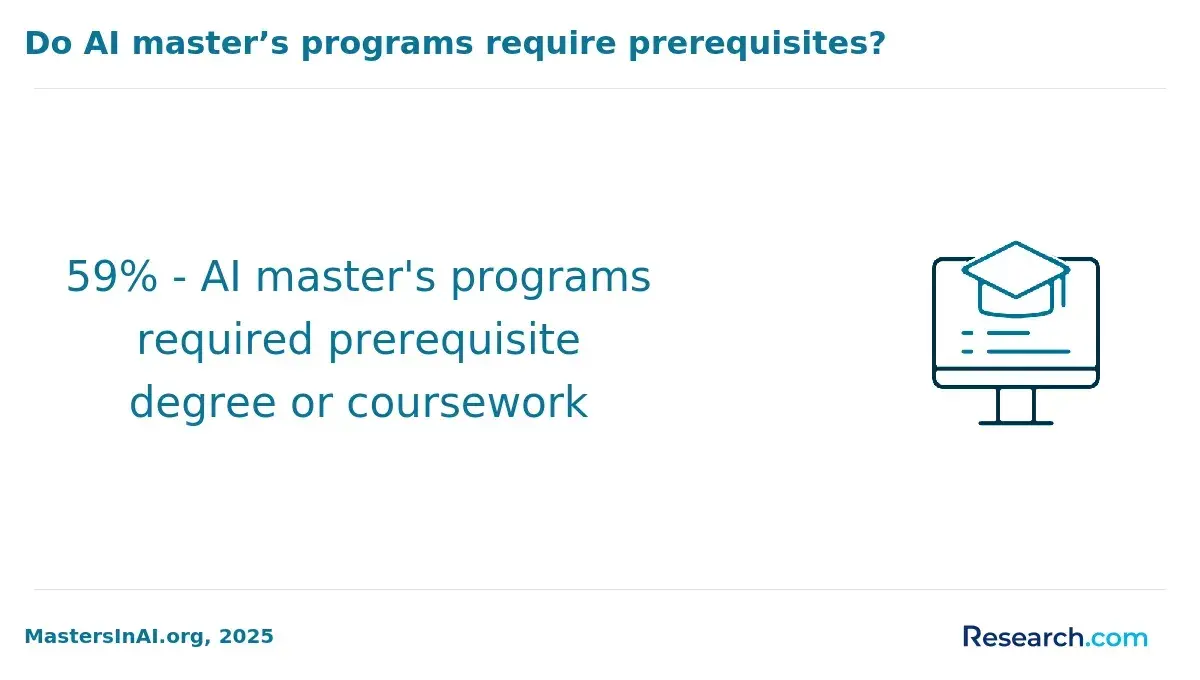
Admission requirements for AI master's degrees military veterans often include a bachelor's degree in a relevant field such as computer science, engineering, mathematics, or statistics. Many programs expect prior coursework in programming, algorithms, and linear algebra. Some universities also require GRE scores, letters of recommendation, and a statement of purpose describing career goals in AI. Veterans may benefit from programs that accept professional military training or alternative experience credits, especially those with backgrounds in cyber operations or data analysis, which can help satisfy prerequisites.
Military service benefits for AI master's degree programs commonly include eligibility for the Post-9/11 GI Bill, which covers full tuition and may provide housing and book stipends. Many institutions also participate in the Yellow Ribbon Program, supplementing federal benefits to cover remaining costs. Veterans can access on-campus resource centers offering academic advising tailored for service members, flexible scheduling, and online course options accommodating active duty or reserve commitments.
According to Department of Veterans Affairs data, 73% of Post-9/11 GI Bill recipients pursuing STEM degrees like AI master's programs complete their studies within the standard timeframe when supported by military-specific services. This highlights the importance of universities with strong veteran support, which improves academic outcomes and timely graduation. Prospective students should verify military benefits eligibility early, consult veterans' affairs offices, and prepare transcripts, proof of service, and any required test scores.
For those interested in affordability and program quality, it's recommended to review the data science master degree ranking, which can provide insight into cost-efficient options for pursuing an AI master's degree.
Which AI master's programs offer flexible online learning options for active-duty service members and veterans?
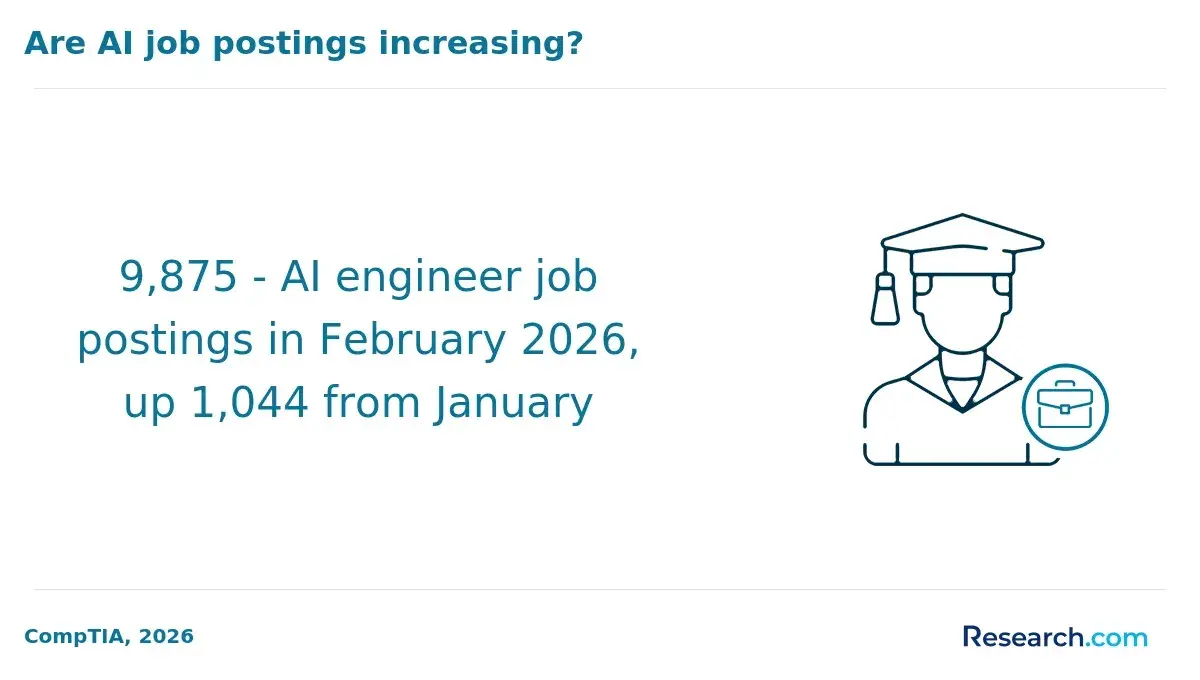
Several AI master's programs offer flexible online learning tailored to active-duty service members and veterans. According to the 2024 Online Master's Degree Report from U.S. News, 68% of top AI master's programs provide fully online or hybrid formats. Military-friendly schools report retention rates for active-duty students that are 40% higher than traditional, on-campus formats, highlighting adaptation to military learners' unique needs.
The Georgia Institute of Technology features an online Master of Science in Computer Science with a specialization in machine learning and AI, designed for working professionals including military personnel. Its asynchronous courses and reduced residency requirements accommodate irregular duty schedules. Stanford University offers hybrid AI-related master's programs mixing online coursework with limited on-campus sessions, ideal for geographic flexibility.
Veterans using GI Bill benefits can pursue programs like the University of Illinois Urbana-Champaign's Master of Computer Science in Data Science, which is fully online and provides veteran support services. Military students should confirm VA approval and available education benefits. Many programs waive GRE requirements or offer rolling admissions to ease enrollment. Active students aiming for AI master's programs with flexible online learning for military members will benefit from these options.
Balancing deployments, training, or relocation with studies is challenging. Programs featuring asynchronous lectures, extended exam windows, and cohort models help reduce stress and improve completion. Partnerships with military education offices for tailored advising and career placement are common. Veterans and service members seeking veteran-friendly online AI master's degrees with flexible schedules should prioritize schools with proven military support and established online infrastructures.
For those interested in related fields, consider exploring an online game design degree as an alternative pathway in tech education.
What is the typical cost, tuition assistance, and GI Bill coverage for AI master's degrees?
Tuition for AI master's degrees in 2027 varies widely, typically ranging from $30,000 to $120,000 total, depending on whether the institution is public or private and if the student is in-state or out-of-state. For many veterans, the GI Bill offers substantial support; the Post-9/11 GI Bill covers up to $26,923.08 per academic year for in-state public universities based on recent data. However, GI Bill coverage may fall short of full tuition at private schools or for out-of-state rates, making additional funding essential.
Veterans can often combine the GI Bill with branch-specific tuition assistance programs. For example, Army Tuition Assistance can cover up to $250 per semester credit hour, with a $4,500 annual cap. Careful planning is necessary to coordinate these benefits to avoid overlap.
Since coverage can vary based on program approval and format, prospective students looking for the typical cost of AI master's degrees for veterans should also consider scholarships, employer tuition reimbursement, or federal student loans to fill any gaps. It's important to review how fees and ancillary costs like textbooks and technology are handled, as GI Bill housing stipends do not cover tuition expenses.
For students exploring further options, relevant resources are available, such as information on online cyber security degrees. GI Bill coverage and tuition assistance for AI master's programs require thorough review to ensure veterans maximize their educational benefits without unexpected financial burdens.
How long does it take to complete an AI master's degree, and what is the typical course structure?
Completing a master's degree in artificial intelligence generally ranges from 18 months to four years, influenced by enrollment status and scheduling flexibility. Full-time students often finish between 18 and 24 months, while part-time students-which frequently include active-duty military personnel balancing service-may take up to 3 or 4 years.
Programs typically consist of foundational core courses, specialized electives, and a final project or thesis. Core subjects cover machine learning algorithms, data structures, probability and statistics, and AI ethics. Electives allow students to delve into areas like natural language processing, computer vision, robotics, or AI applications in cybersecurity.
Most programs require between 30 and 36 credit hours. Full-time students usually take 9 to 12 credits per semester, whereas part-time students enroll in 6 credits or fewer, extending their completion time. Online and hybrid formats maintain curriculum rigor while offering flexible pacing.
Military and veteran students benefit from programs offering asynchronous coursework and consideration of military training for credit, helping accommodate duty schedules and potentially shortening study length. Such options enable strategic education planning alongside service responsibilities.
What core coursework and specializations are included in military-friendly AI master's programs?
Military-friendly AI master's programs combine essential courses in machine learning, data structures, algorithms, neural networks, and natural language processing. These foundational classes build technical expertise required to design and analyze AI models effectively. Emphasis on applied mathematics, statistics, and programming languages like Python and R equips students for hands-on development and deployment of AI systems tailored to defense applications.
Specializations play a crucial role for military and veteran students. According to a 2024 study by the Computing Research Association, 89% of AI master's programs include cybersecurity and defense-related specializations. These options cover secure data handling, threat detection, autonomous unmanned systems, and AI-driven intelligence analysis, addressing the pressing demand for skills applicable to military operations and national security.
Additional focus areas often include robotics, computer vision, and ethical AI deployment in defense, preparing students for roles in advanced weaponry, surveillance, and decision support technologies. Many programs incorporate real-world case studies and capstone projects centered on defense challenges, facilitating the application of theoretical knowledge.
Military and veteran students should seek programs that recognize prior service experience and offer flexible scheduling. Curricula integrating AI with cybersecurity and defense tools can accelerate transitions into defense technology careers. Reviewing course catalogs for topics like adversarial machine learning, secure coding practices, and AI system testing ensures alignment with career goals and emerging defense needs.
What career outcomes and job titles do veterans pursue after completing an AI master's degree?
Veterans earning a master's degree in artificial intelligence often find careers as machine learning engineers, AI research scientists, or defense systems analysts. These roles utilize skills in algorithm development, data analysis, and system optimization, which are crucial for both national security and commercial sectors. According to LinkedIn's Veterans Career Report, veterans in these fields have seen a 12% increase year-over-year in defense and aerospace, indicating strong industry demand.
Machine learning engineers design predictive models and automated systems working on projects such as autonomous vehicles and cybersecurity. AI research scientists develop new methods in neural networks, deep learning, and natural language processing, often contributing to military technology advancements. Defense systems analysts enhance decision-making systems, threat detection, and military communications for government and contractors.
Transitioning from military experience to AI careers requires mastering programming languages like Python, Java, or C++ and AI frameworks such as TensorFlow or PyTorch. Veterans can enhance prospects by networking within defense-related AI sectors. Career growth also includes project management, AI ethics consulting, and data strategy leadership roles. Those interested in policy may pursue roles as AI policy advisors. Continuous learning is essential due to rapidly evolving AI technologies and regulations.
What is the salary outlook and earning potential for veterans with an AI master's degree?
Veterans with a master's degree in artificial intelligence can expect competitive salaries, with AI specialists and machine learning engineers earning a median annual income of $136,620, according to the Bureau of Labor Statistics 2024 Occupational Outlook Handbook. Those working in defense contracting often receive an 8-15% salary premium, resulting in earnings above $147,000. Some veterans employed by defense contractors may see salaries approaching $155,000 due to specialized skills like security clearances and experience with classified projects.
Location plays a significant role in earning potential, with tech hubs such as Washington, DC, and San Jose offering higher wages linked to cost of living and industry concentration. Veterans combining AI expertise with cybersecurity or data science can further enhance their compensation and job prospects. Beyond salary, defense sector roles frequently provide additional benefits including bonuses, health coverage, and retirement plans.
Federal agency positions, such as those within the Department of Defense or NSA, generally follow government pay scales but may include allowances that boost total compensation. To sustain competitive salaries, veterans should pursue certifications, update security clearances, and engage in continuous skill development. Practical experience on defense-related AI projects is highly valued and often accelerates career advancement and pay increases. Salary trends and reliable data can be monitored through sources like the Bureau of Labor Statistics and Department of Defense reports.
What regional accreditation and professional certifications should you verify when choosing an AI master's program?
Regional accreditation plays a vital role in choosing an AI master's program, ensuring that the institution meets recognized standards set by the U.S. Department of Education. Prospective students should confirm accreditation from one of the six primary regional accreditors, including the Middle States Commission on Higher Education or the Western Association of Schools and Colleges. Programs without regional accreditation may present challenges such as difficulty transferring credits, ineligibility for federal financial aid, and limited recognition by employers. This is especially important for veterans transitioning to civilian careers.
Specialized accreditation, particularly from the Accreditation Board for Engineering and Technology (ABET), further distinguishes AI master's programs. According to ABET 2024 data, only 34% of these programs hold ABET accreditation, emphasizing its value in demonstrating rigorous, industry-relevant curricula. Veterans focused on defense or advanced technology careers benefit from selecting ABET-accredited programs, as many employers prioritize this credential.
Additionally, professional certifications complement academic achievements. Credentials like Certified Artificial Intelligence Practitioner (CAIP) and IEEE certifications enhance career readiness by combining theoretical knowledge with practical skills. Programs supporting these certification paths can better prepare students to meet employer expectations in AI and data science fields.
Confirming both regional and ABET accreditation, alongside certification opportunities, maximizes educational quality and career prospects in this competitive field.
How do AI master's programs support veteran transition services and career placement assistance?
Veteran support services play a vital role in helping those pursuing an AI master's degree transition successfully into civilian careers. Programs with dedicated veteran offices offer tailored resources and career counseling that translate military skills into AI industry roles. Resume workshops and clinics focus on emphasizing technical competencies and leadership gained during service, improving veterans' ability to meet employer expectations.
Connections with employers specializing in defense contracting, government, and private sector AI firms are facilitated through veteran-focused job fairs and internships. Veteran success coordinators assist with navigating educational benefits and academic life, ensuring access to career networking opportunities.
Mentorship programs connect veterans with AI professionals who have navigated similar career paths, providing guidance and realistic job previews. Collaborations with veteran service organizations further expand access to resources and strengthen support networks.
According to the 2024 Military Times Veterans Education Survey, 71% of veterans prioritize schools offering veteran support, where job placement rates reach 94% within six months post-graduation. These comprehensive services address challenges veterans face entering civilian AI careers, helping overcome workforce barriers and leverage military experience in emerging technology sectors.
Other Things You Should Know About Artificial Intelligence
Many programs incorporate hands-on projects, labs, and internships to provide real-world experience. Veterans often leverage their military technical training and operational knowledge to excel in applied AI coursework. Practical experience is key to understanding AI implementation in industries such as defense, cybersecurity, and autonomous systems.
Veterans pursuing an AI master's degree in 2027 can access financial aid options like the Post-9/11 GI Bill, which covers tuition and fees, and the Yellow Ribbon Program, providing additional funds in collaboration with participating schools.
Veterans can often use Post-9/11 GI Bill benefits, Montgomery GI Bill benefits, or DoD Tuition Assistance if they are still serving. The VA’s Chapter 33 program can cover tuition and fees at approved schools, and Yellow Ribbon may help bridge remaining costs at eligible private or out-of-state programs.
Success in an AI master's program requires a strong foundation in mathematics and computer science, particularly in areas such as linear algebra, calculus, and programming languages like Python. Critical thinking, problem-solving abilities, and adaptability to evolving technology are essential. Additionally, effective communication skills help in collaborating with diverse teams in AI-related projects.
References
- 10 High-Demand Tech Jobs for Veterans With AI and Computer Science Degree https://www.westcliff.edu/resources/wu-news/college-of-technology-and-engineering/10-high-demand-tech-jobs-for-veterans/
- Naval Postgraduate School offering new accelerated master’s degree program in AI https://defensescoop.com/2025/12/22/nps-ai-masters-degree-program-naval-postgraduate-school/
- AI-Powered Tool for Servicemembers Transitioning Out https://www.aafmaa.com/resource-center/ai-powered-tool-for-servicemembers-transitioning-out-of-the-military
- How Long Does It Take to Learn AI? - MMC Learning https://mmclearning.com/ai-course/how-long-does-it-take-to-learn-ai/
- AI Training for Veterans https://www.graduateschool.edu/topics/ai-training-for-veterans
- The Impact of AI on the Job Market & What Degrees You Should Really Be Pursuing | Jobs for Veterans | G.I. Jobs https://www.gijobs.com/military-to-civilian-transition/the-impact-of-ai-on-the-job-market-what-degrees-you-should-really-be-pursuing/
- Top 10 Careers You Can Pursue With an Online Master’s in AI https://www.ucumberlands.edu/blog/careers-you-can-pursue-with-an-online-masters-in-ai
- AI Certifications: Accredited Programs, Vendor Credentials, and Emerging Standards - Total Seminars https://totalsem.com/ai-certifications-accredited-programs-vendor-credentials-and-emerging-standards/
- Veterans! Earn AI Credentials and Help Others Transition to Civilian Life - Veteran Business Project https://veteranbusinessproject.org/veterans-earn-ai-credentials-and-help-others-transition-to-civilian-life/
- How Military Veterans Can Get into AI - Lightning AI https://lightning.ai/pages/community/how-military-veterans-can-get-into-ai/