2027 Medical Office Administration Degree Popularity by Gender, Region, and Degree Level

Co-Founder and Chief Data Scientist
A student researching medical office administration programs may notice stark differences in enrollment by gender, state, and degree level that complicate evaluating the degree's market demand. For example, data from 2024 shows women earn approximately 82% of medical office administration associate degrees, reflecting both industry gender segmentation and evolving workforce patterns. This affects peer networks and could shape employer expectations, influencing perceived program quality and career development.
Regional enrollment spikes or declines may signal localized healthcare job market shifts, which don't always translate nationally. Understanding these nuances helps prospective students weigh the practical implications of their program choice.
This article examines medical office administration degree popularity across gender, region, and degree level to provide clearer guidance on educational pathways and career opportunities.
Key Things to Know About Medical Office Administration Degree Popularity by Gender, Region, and Degree Level
- Women represent over 80% of medical office administration enrollees nationally, reflecting gendered labor patterns but also raising concerns about limited male representation affecting workforce diversity and role innovation.
- Regional disparities show higher enrollment in the Midwest, linked to local healthcare employment density, which informs targeted institutional outreach but may limit broader geographic labor mobility.
- Associate degree programs dominate due to shorter completion times and lower costs, yet this tradeoff can restrict advancement into higher-paying administrative roles that often require bachelor's credentials.
- Key Things to Know About Medical Office Administration Degree Popularity by Gender, Region, and Degree Level Key Things to Know About Medical Office Administration Degree Popularity by Gender, Region, and Degree Level
- How Does Job Market Demand Influence Medical Office Administration Degree Popularity? Market Demand and Degree Popularity
- How Does Online Medical Office Administration Degree Enrollment Compare to Traditional Campus Programs? Online vs. Campus Enrollment
- What Degree Level Is Most Common Among Medical Office Administration Students? Most Common Degree Levels
- How Do Enrollment Trends Differ Between Associate, Bachelor's, Master's, and Doctoral Medical Office Administration Degrees? Enrollment Trends by Degree Level
- How Popular Is the Medical Office Administration Degree Compared to Other College Majors? Degree Popularity vs. Other Majors
- Why Is the Medical Office Administration Degree More Popular in Certain States and Regions? Regional Popularity Drivers
- What Demographic Groups Are Driving Growth in Medical Office Administration Degree Programs? Growth by Demographic Groups
- What Is the Future Outlook for Medical Office Administration Degree Enrollment by Gender, Region, and Degree Level? What Is the Future Outlook for Medical Office Administration Degree Enrollment by Gender, Region, and Degree Level?
- How Have Medical Office Administration Degree Enrollment Trends Changed Over the Past Decade? How Have Medical Office Administration Degree Enrollment Trends Changed Over the Past Decade?
- Where Is the Medical Office Administration Degree Most Popular Across the United States? Geographic Popularity Analysis
How Does Job Market Demand Influence Medical Office Administration Degree Popularity?
Job market demand significantly shapes the popularity of medical office administration degree programs, though this influence varies widely by region and demographic factors. In areas with dense healthcare infrastructure like California and New York, rising employer demand-reflected in a reported 8-12% increase in healthcare administration vacancies-correlates with stronger enrollments in medical office administration programs.
However, these localized labor needs often intersect with regional economic conditions and workforce shortages, making degree popularity sensitive to geographic nuances rather than national averages alone. This dynamic is especially pertinent in North America, where the medical office administration job market demand drives different enrollment patterns tied to regional labor needs on medical office administration degree popularity.
Gender remains a defining element in program participation, with female students comprising the majority of enrollees due to the historical gender composition of administrative healthcare roles, despite steady job openings that could support greater male involvement. Furthermore, the decision to pursue a full degree versus certificate or on-the-job training depends heavily on employer expectations, such as technical proficiency in electronic health records and telehealth platforms, which influence the perceived value of credentials at different degree levels.
Prospective students should also consider that degree popularity does not always equate to guaranteed employment, as market signals can lag or fail to reflect regional saturation and evolving occupational demands. For those weighing long-term options, comparing medical office administration pathways with alternatives like online MSN FNP programs may clarify opportunities within healthcare administration and delivery sectors.
How Does Online Medical Office Administration Degree Enrollment Compare to Traditional Campus Programs?
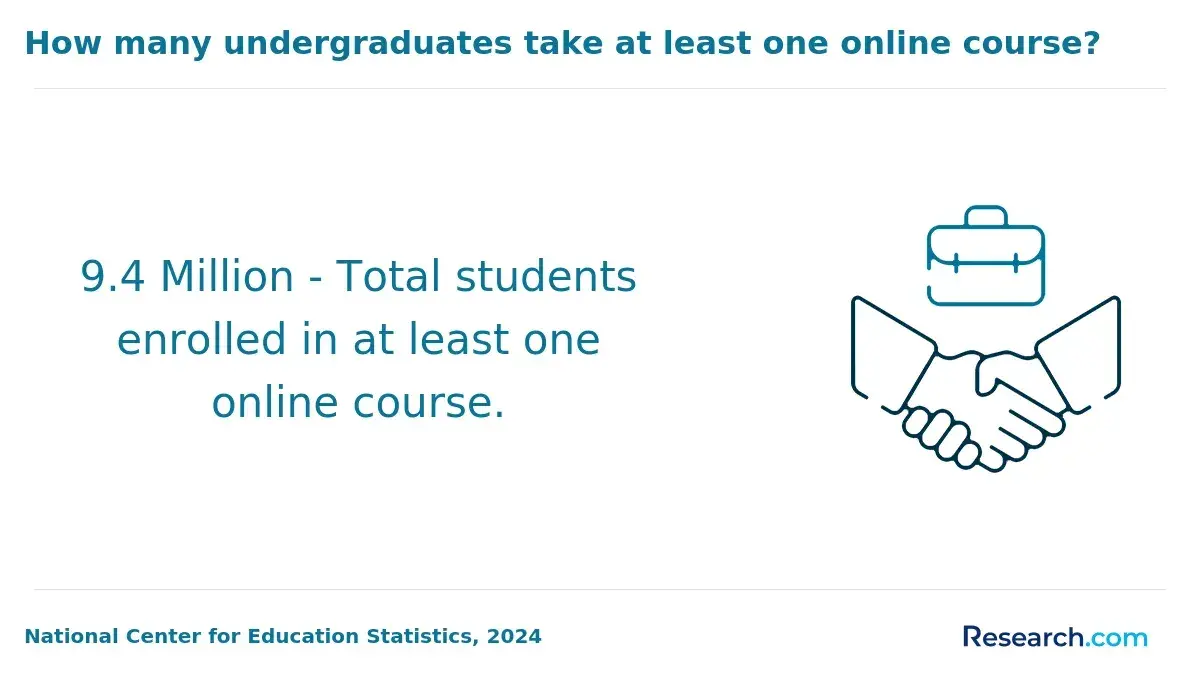
Enrollment trends in medical office administration degree programs highlight distinct divides between online and traditional campus formats, driven largely by student demographics and geographic factors. Online programs have grown rapidly-by nearly 35% over five years according to 2024 National Center for Education Statistics data-largely because they attract adult learners who require flexible schedules to balance work and family obligations.
In contrast, campus-based programs continue to serve a higher proportion of younger students and recent high school graduates seeking a structured, immersive environment. These enrollment patterns are not simply about preference but reflect practical trade-offs, such as the digital accessibility challenges faced in rural areas despite the theoretically wider reach of online education.
Regional disparities further shape participation, as online accessibility opens doors for students in underserved communities with limited local training options, while broadband limitations in some regions curb this benefit. Although online formats offer convenience, graduation rates in these programs remain 10-15% lower than campus equivalents, suggesting differences in student engagement and support structures affect completion.
Employers often perceive campus graduates as having stronger hands-on experience, which can influence hiring decisions in health systems that emphasize collaborative and practical skills. Consequently, prospective students must weigh considerations beyond enrollment, including program reputation, learning style, and local employment markets, to make informed choices about which modality best fits their needs.
One student choosing between program types recalls initially being skeptical about online medical office administration degrees, concerned about missing out on peer interaction and direct faculty support. Living in a rural area with few nearby colleges offering campus programs, the online option provided the only viable path.
Over time, she appreciated the flexibility to manage coursework around her job but noted that she had to proactively seek networking opportunities externally. This experience underscores how enrollment decisions are often governed by geographic realities and personal constraints rather than purely preference or perceived program popularity.
What Degree Level Is Most Common Among Medical Office Administration Students?
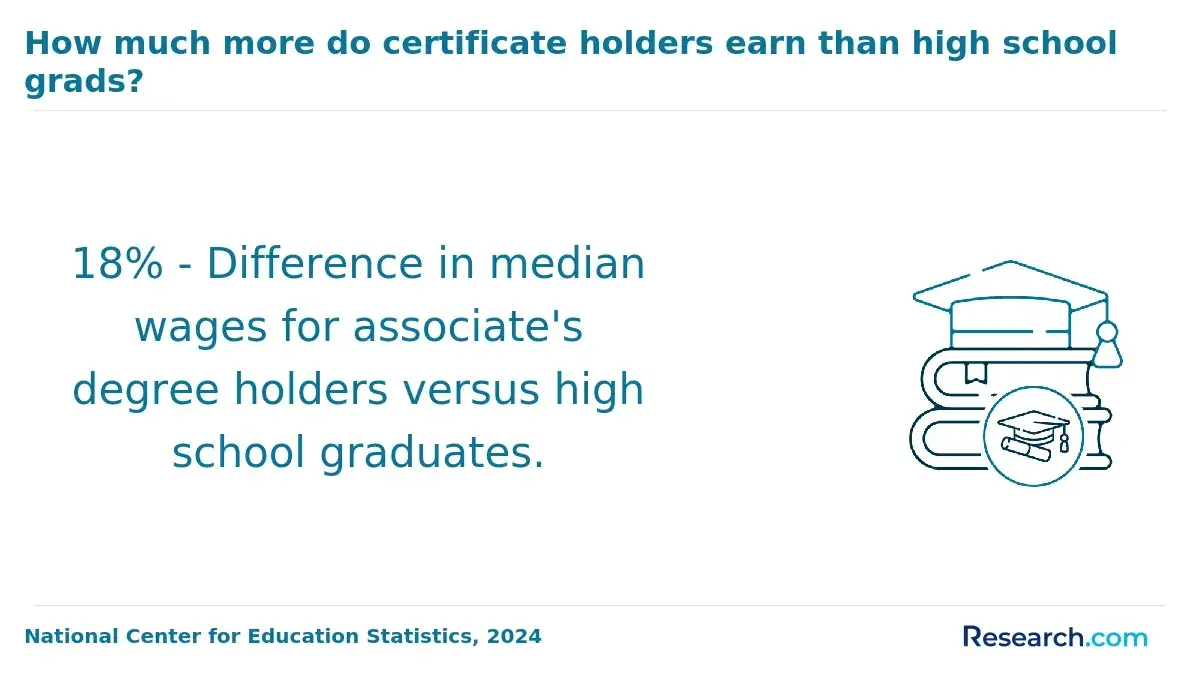
Associate degrees dominate medical office administration education largely due to their balance between practical skill development and time efficiency, making them the preferred choice for most students aiming to enter healthcare administrative roles. Recent Integrated Postsecondary Education Data System (IPEDS) figures from 2023 show that roughly 65% of completers earn associate degrees, reflecting how employers prioritize candidates with focused, hands-on training that can be completed within two years. This level of education aligns closely with routine operational tasks in medical offices, which do not typically require the broader leadership or managerial expertise associated with higher degrees.
Bachelor's programs attract fewer students since they generally target those pursuing supervisory or specialized roles that demand deeper administrative knowledge and longer study periods. While these degrees may open doors to expanded responsibilities, the increased costs and extended timelines lead many candidates to opt for quicker, more affordable associate programs. Master's and doctoral degrees remain niche options, relevant primarily for professionals moving into education, policy development, or executive leadership, rather than those seeking entry- or mid-level administrative positions.
Additionally, the accessibility of associate degree programs at community colleges, often with options for online study and credit transfers, widens participation across diverse populations and regions, particularly where four-year institutions are less prevalent. These structural factors reinforce the associate degree as the pragmatic foundation for most medical office administration students, with bachelor's and advanced degrees serving more specialized or aspirational career paths rather than the core industry pipeline.
How Do Enrollment Trends Differ Between Associate, Bachelor's, Master's, and Doctoral Medical Office Administration Degrees?
Enrollment patterns in medical office administration degrees reveal clear distinctions tied to career intent and labor market needs. Approximately 65% of students begin with associate degrees, drawn by affordable, shorter programs that facilitate rapid entry into roles such as medical assistants or office coordinators. These programs dominate especially in regions with concentrated demand for practical skills, though they usually limit upward mobility without further education. In contrast, bachelor's degrees, making up about a quarter of enrollments, attract those targeting supervisory and mid-level management positions where expertise in healthcare informatics and leadership is increasingly required.
Master's and doctoral enrollments remain under 10% but highlight strategic and policy-driven ambitions within healthcare administration. Master's programs, steady in growth, emphasize preparation for roles involving regulatory compliance and organizational strategy, often in urban centers with major healthcare systems. Doctoral candidates, while few, typically pursue academic, research, or high-level policy roles impacting healthcare administration broadly. These enrollment trends shape educational pathways and professional outcomes, underscoring the tradeoff between the speed and cost-efficiency of associate programs and the long-term benefits linked to advanced degrees.
Prospective students assessing these options should consider how geographic factors and evolving workforce demographics influence program availability and career prospects, supported by data from the National Center for Education Statistics in 2024. For those seeking accelerated progress through these tiers, exploring fast track degree programs can offer focused pathways aligned with employer expectations.
How Popular Is the Medical Office Administration Degree Compared to Other College Majors?
The relative scarcity of medical office administration degrees compared to broader health fields reflects how vocational focus shapes enrollment dynamics rather than signaling diminished value. Data from the National Center for Education Statistics in 2024 show that completions in medical office administration remain in the low tens of thousands, far fewer than majors like nursing or health sciences that attract hundreds of thousands annually.
This impacts program visibility and peer interaction opportunities and creates a narrower academic niche primarily concentrated at the associate and certificate levels rather than bachelor's or graduate tiers. Given the stable but modest growth projected for administrative healthcare roles by the Bureau of Labor Statistics, these enrollment trends underline how specialization often corresponds with steady but contained demand rather than exponential expansion.
Furthermore, gender representation tends to skew female, aligning with the broader demographic patterns within healthcare support roles, while geographic enrollment often correlates with regional healthcare infrastructure and institutional offerings. The preference for shorter-term credentials over four-year degrees influences program size and student profile, often pulling away potential applicants who might otherwise pursue larger or more flexible health majors.
The comparative scale of medical office administration programs influences workforce integration by aligning graduates with very specific entry-level administrative functions instead of broader management or clinical roles, challenging students to weigh specialized employability against wider academic alternatives.
A former student recalled choosing medical office administration somewhat hesitantly after noticing smaller class sizes and fewer peers compared to nursing cohorts on campus. Conversations with academic advisors highlighted consistent but limited enrollment, which initially raised doubts about long-term prospects and networking opportunities. However, the focused curriculum and steady job placement rates helped clarify that popularity wasn't the sole measure of value, though the student remained mindful of the tradeoffs associated with entering a less populous field within healthcare education.
Why Is the Medical Office Administration Degree More Popular in Certain States and Regions?
Regional disparities in medical office administration degree demand by state largely reflect the concentration of healthcare employers and the alignment of educational resources with workforce needs. For instance, states like California, Texas, and Florida exhibit higher enrollment due to robust healthcare sectors that require skilled administrative support, supported by community colleges and vocational institutions offering accessible programs.
This creates stronger local networks and practical training opportunities, which influence prospective students' decisions on where to study and later seek employment. However, such clustering can also limit opportunities in rural areas, where fewer institutions and broadband challenges hinder participation despite ongoing demand for healthcare support roles.
Differences in degree popularity also correspond to state-level policies that fund healthcare workforce development and prioritize allied health education, affecting how institutions structure programs and outreach. The Southeast and Midwest, with aging populations and established healthcare infrastructures, reflect these dynamics in their relatively high number of graduates. These trends directly impact student outcomes by shaping perceptions of degree value and employability within regional job markets.
Additionally, online and hybrid programs have broadened access, a factor that students must weigh when comparing program formats, much like those evaluating pathways in related health fields such as online PharmD programs. Understanding regional trends in medical office administration programs is thus essential for strategic educational planning and realistic workforce integration.
What Demographic Groups Are Driving Growth in Medical Office Administration Degree Programs?
The shifting demographics in medical office administration degree programs reveal significant changes tied to evolving healthcare workforce demands and educational accessibility. While women still compose the majority of enrollees, making up approximately 80% according to 2024 National Center for Education Statistics data, the rising presence of men, particularly younger adults drawn to the field's stability, indicates a gradual diversification. This gender shift may impact classroom dynamics and peer interactions while also signaling broader acceptance of nontraditional gender roles within healthcare administration careers.
Regionally, enrollment growth has concentrated in the Southern and Midwestern United States, areas experiencing healthcare facility expansion and increased patient volumes. These regional trends reflect how local market demands influence program development and resource allocation, potentially affecting curriculum focus to meet specific employer needs.
Additionally, the predominance of associate degrees-accounting for roughly 70% of completions-contrasts with faster growth rates in bachelor's degree attainment, driven by employer preference for candidates with more advanced administrative and technical competencies. This institutional emphasis on four-year credentials reflects the practical tension students face when weighing shorter programs' accessibility against the longer-term benefits of higher education in a complex regulatory landscape.
Adult learners constitute nearly half of the student population, with many enrolling through online formats that accommodate work and family obligations. The flexibility of these programs not only broadens participation but also influences peer cohort experiences and instructional design. Moreover, increased enrollment among first-generation college students and underrepresented racial and ethnic groups points to efforts addressing historic inequities, reshaping the student body composition and potentially enriching collaborative learning environments.
For prospective students and workforce planners alike, these trends underscore the importance of aligning program offerings with diverse learner needs and evolving employer expectations to sustain relevance and opportunity in the field.
What Is the Future Outlook for Medical Office Administration Degree Enrollment by Gender, Region, and Degree Level?
Enrollment in medical office administration degrees is poised to maintain a strong gender imbalance, with women comprising an estimated 75%-80% of students, reflecting persistent workforce demographics in healthcare administration. While male enrollment is growing modestly due to targeted outreach and broadening perceptions of healthcare support roles, prospective students must weigh how gender dynamics shape peer environments and networking opportunities within programs. This persistent skew also signals ongoing employer expectations grounded in traditional staffing patterns, which could influence hiring biases and professional culture in administrative healthcare settings.
Regionally, enrollment growth will likely concentrate in the South and West, driven by expanding healthcare infrastructure and population increases in these areas, while the Northeast and Midwest face stagnation or decline amid demographic and economic pressures. The surge in online program availability partially offsets geographic barriers, allowing rural and underserved regions more access to training; however, regional disparities in healthcare labor markets suggest variable post-graduation opportunities and program viability.
Degree level preferences further complicate this landscape: associate degrees remain a practical choice for rapid workforce entry, favored for affordability and duration, whereas bachelor's degrees are increasingly valued by employers demanding advanced competencies in electronic health records and compliance. Graduate-level enrollment stays low but may grow slightly as professionals seek management specialization, highlighting divergent pathways tied to career ambitions.
These trends underscore the need for applicants and current students to critically assess how gender representation, geographic location, and degree attainment align with their professional goals and local labor market realities. Educational planners and workforce analysts should anticipate shifts in program offerings and accessibility driven by these nuanced enrollment patterns, mindful that evolving healthcare administration roles require technical proficiency and adaptability to digital transformations as well as regulatory complexity.
The U.S. Department of Education's 2024 data frames these projections, offering a foundational reference point for informed academic and career planning in medical office administration.
How Have Medical Office Administration Degree Enrollment Trends Changed Over the Past Decade?
Enrollment trends in medical office administration across North America over the past decade reveal a sector that initially expanded due to growing healthcare demands but has since experienced stabilization and modest decline, reflecting shifts in workforce needs and credentialing preferences. Female students still dominate these programs, representing about 80% of enrollees, but incremental gains in male participation-especially in urban and southern regions-indicate gradual diversification. These changes suggest evolving perceptions of the field's accessibility and relevance, influenced by targeted recruitment and broader societal shifts in gender roles within healthcare administration.
Regionally, enrollment contrasts are pronounced, with the Southeast and Midwest hosting the highest concentrations, tied to robust healthcare employment markets, while the West and Northeast maintain steadier but lower figures partly due to competition from related administrative disciplines and economic contexts. Degree completion rates reflect similar patterns; associate degrees remain the majority, but bachelor's degree completions have increased by nearly 15% from 2015 to 2024, signaling employer preference for higher credentials as administrative responsibilities grow more complex.
Online program availability has expanded access for non-traditional students balancing work and study, partially offsetting traditional campus enrollment declines and reshaping the pathway for prospective students navigating the field's practical demands. These nuances underscore important considerations for students evaluating medical office administration enrollment trends in North America over the past decade and their implications for career preparedness.
For those considering complementary or alternative healthcare education, exploring fast track speech pathology programs may offer a distinct opportunity with different workforce trajectories. Understanding changes in medical office administration degree completion rates by gender and region provides essential context for graduates assessing the ongoing value of their qualifications in a competitive job market influenced by regional health sector growth and credential expectations.
Where Is the Medical Office Administration Degree Most Popular Across the United States?
Medical office administration degree popularity tends to cluster in states and regions characterized by strong healthcare infrastructures and established educational systems rather than being evenly distributed nationwide. These clusters arise from the interplay between localized workforce demand, population density, and the presence of institutions offering targeted credentials.
For example, areas like the South and West benefit from expanding healthcare markets and community colleges that accommodate diverse student populations, including part-time and non-traditional learners. This geographic concentration impacts students' access to specialized programs and influences the perceived value of their credentials due to local employer recognition and networking opportunities.
States with larger metropolitan centers, notably California and Florida, show higher bachelor's degree completions in medical office administration, reflecting universities' role in delivering advanced qualifications aligned with employer expectations. Conversely, associate degrees often dominate in southern states, where community college prevalence and economic factors emphasize practical, entry-level workforce preparation.
Such regional variation also mirrors demographic and economic shifts, underscoring the importance of aligning study location with realistic career pathways in healthcare administration. Prospective students are therefore advised to weigh educational offerings alongside regional market dynamics to optimize employability and program relevance to their specific context.
Geographic disparities in medical office administration degree attainment also echo broader patterns in educational infrastructure and local labor needs, influencing distribution by gender and degree level. As healthcare systems evolve, those seeking credentials might find value in complementing their training with related academic pursuits, such as an online PhD counselor education and supervision, widening interdisciplinary career possibilities.
Awareness of these patterns supports informed decision-making for students and graduates assessing program quality and workforce alignment amid ongoing shifts in enrollment trends across the United States.
References
- Medical Office Administration AS - Management Option https://www.hcfl.edu/academics/subjects/office-administration/medical-office-administration-management-option
- 5 Things You Should Know About Medical Office Administration https://www.herzing.edu/blog/5-things-you-should-know-about-medical-office-administration
- Trends in Healthcare Administration for 2025 https://www.columbiasouthern.edu/blog/blog-articles/2025/january/trends-in-healthcare-administration/
- Is Medical Office Administration a Good Career? | Herzing College https://blog.herzing.ca/is-medical-office-administration-a-good-career-6-points-to-consider
- Climbing the Career Ladder: Paths Beyond Medical Office Administration https://ictschools.com/climbing-the-career-ladder-paths-beyond-medical-office-administration/
- The Growing Demand for Certified Medical Administrative Assistants https://www.utsa.edu/pace/news/the-growing-demand-for-certified-medical-administrative-assistant.html
- What Can Health & Medical Administrative Services Majors Do? Salary Info & More - Course Advisor https://courseadvisor.com/majors/health-professions/health-medical-admin-services/
- Medical Office Administration | SAU Tech | Camden, AR https://www.sautech.edu/programs-degrees/medical-office-administration
- College Degree Levels in Order | University of Phoenix https://www.phoenix.edu/articles/online-college/college-degree-levels-in-order.html
- Associate of Science in Medical Office Administration - South College https://www.south.edu/program/associate-of-science-in-medical-office-administration/
Other Things You Should Know About Medical Office Administration
Gender imbalances in medical office administration programs frequently reflect underlying industry patterns, with women representing a substantial majority of enrollees. This demographic concentration can influence cohort dynamics, networking opportunities, and mentorship availability. Prospective students, especially men, should weigh whether the gender composition aligns with their preferences for learning environments and long-term professional relationships, as this may impact their educational engagement and workplace integration.
Regions with higher enrollment rates in medical office administration often correspond to stronger local healthcare markets and established training infrastructures. However, less populated areas may offer more personalized instruction or tighter community connections despite fewer resources. Students must balance the breadth of program offerings and employer density in their region against the potential benefits of out-of-area programs, factoring in relocation costs or remote learning options when prioritizing educational and career outcomes.
Advanced degrees in medical office administration rarely guarantee proportional increases in job responsibilities or salary compared to associate or bachelor's degrees. Employers typically prioritize practical skills and certifications alongside degree completion, so students should assess whether the added time and financial investment in graduate programs will yield meaningful competitive advantage. For most, focusing on specialized certifications, internships, or hands-on experiences could be a more effective strategy than pursuing higher degree levels.
Associate degree programs often offer shorter completion times and more focused curricula, which suit students aiming for rapid entry into administrative roles. Bachelor's programs add theoretical frameworks and broader skill development but demand more time and academic dedication, potentially delaying workforce entry. Students should prioritize based on career goals and personal circumstances, understanding that while a bachelor's may open some doors, associate degrees combined with relevant experience typically meet employer expectations for most medical office roles.