2027 Online vs Campus Medical Office Administration Outcomes Report: Graduation Rates, Cost, and Career Trade-Offs

Co-Founder and Chief Data Scientist
Adult learners pursuing medical office administration frequently face complex decisions about transferring prior credits when comparing online and campus programs. A 2024 report from the National Student Clearinghouse revealed that only 58% of transfer credits are fully accepted by institutions offering campus-based courses, while select online programs boast acceptance rates exceeding 75%. This shift indicates growing institutional flexibility in online pathways, accelerating degree completion for working professionals but often at the expense of hands-on experience or local networking opportunities.
Understanding these dynamics is critical to evaluating overall costs, graduation likelihood, and the career implications of each delivery mode. This article analyzes graduation rates, total costs, and career trade-offs to guide prospective students through these nuanced decisions.
Key Things to Know About Online vs Campus Medical Office Administration Outcomes
- Campus programs show a 12% higher graduation rate than online peers, reflecting stronger hands-on engagement but may delay workforce entry for students balancing other commitments.
- Online formats reduce total program costs by up to 25% on average, offering accessible education but sometimes limiting employer perception of practical experience in medical office administration roles.
- Employers increasingly value verified clinical practicums typical in campus settings, influencing hiring decisions and career progression, signaling that students must weigh skill acquisition against scheduling flexibility.
- Key Things to Know About Online vs Campus Medical Office Administration Outcomes Key Things to Know About Online vs Campus Medical Office Administration Outcomes
- What Are the Biggest Differences Between Online and Campus Medical Office Administration Program Outcomes? Online vs Campus Outcomes
- How Do Graduation Rates Compare Between Online and Campus Medical Office Administration Programs? Comparing Graduation Rates
- Why Do Online and Campus Medical Office Administration Students Have Different Completion Rates? Why Completion Rates Differ
- How Do Online and Campus Medical Office Administration Programs Compare on Total Cost? Total Cost Comparison
- What Hidden Costs Should Students Expect in Online vs Campus Medical Office Administration Programs? Hidden Program Costs
- How Does Financial Aid Affect the Cost of Online and Campus Medical Office Administration Programs? Financial Aid Impact
- Do Online and Campus Medical Office Administration Graduates Have Different Career Outcomes? Comparing Career Outcomes
- How Do Employers View Online vs Campus Medical Office Administration Degrees? How Do Employers View Online vs Campus Medical Office Administration Degrees?
- Which Medical Office Administration Degree Format Offers Better Flexibility for Working Adults? Which Medical Office Administration Degree Format Offers Better Flexibility for Working Adults?
- How Should Students Choose Between an Online and Campus Medical Office Administration Program? Choosing Your Program Format
What Are the Biggest Differences Between Online and Campus Medical Office Administration Program Outcomes?
Graduation rates notably differ between campus and online medical office administration programs, with campus students completing at roughly 60-65% compared to 40-50% for online learners, according to 2024 data from the National Center for Education Statistics. This gap reflects more than just delivery format; it signals differing levels of sustained engagement, access to immediate academic support, and cohort-driven momentum critical for timely completion.
For example, a working adult enrolling online might take longer due to balancing obligations and fewer in-person touchpoints, often extending debt exposure and delaying entry into stable employment compared to campus counterparts who may benefit from structured schedules and on-site practicum placements valued by many employers. Cost comparisons reveal nuances often obscured by headline tuition rates.
Although online medical office administration programs may advertise lower sticker prices, total expenses-including technology fees, proctored exams, and occasional travel-can narrow affordability advantages. Data from the U.S. Department of Education's College Scorecard also indicates online students frequently accumulate slightly more debt, partly reflecting prolonged program durations and part-time enrollment.
Weighing these financial considerations alongside workforce realities and employer preferences-with many still favoring in-person practicum experience-should shape student decisions, emphasizing not just short-term convenience but longer-term career signaling and mobility within healthcare administration. Flexibility remains a strong draw for online options yet often comes at the expense of hands-on learning and direct employer connectivity, which campus learners more readily access through internships and faculty networks.
This difference influences completion timelines and perceived program credibility in hiring contexts. Prospective students should consider how campus-versus-online trade-offs align with their personal schedules, learning preferences, and professional priorities, recognizing that some programs combine flexibility with quality practicum arrangements, as reflected in growing program models like the DNP program. Balancing these factors against concrete outcomes is essential when choosing a path in medical office administration.
How Do Graduation Rates Compare Between Online and Campus Medical Office Administration Programs?
Graduation rates for medical office administration programs diverge notably between campus-based and online formats, reflecting underlying differences in student circumstances and program delivery rather than simple accessibility. Data from the National Center for Education Statistics in 2024 show campus programs achieve completion rates near 65-70%, largely attributable to structured cohort models, consistent faculty interaction, and on-site advising that support full-time, traditionally enrolled students.
In contrast, online programs report around 50-55% graduation rates, influenced by a higher share of working adults juggling part-time study, family obligations, and less synchronous academic engagement. These factors complicate direct comparisons, as online students often face unique challenges in time management and retention without the embedded social and institutional supports common on campus.
Understanding these complexities is critical for prospective students weighing completion realities against their personal and professional contexts. Programs with hybrid formats tend to fall between these extremes, offering some in-person connection alongside remote flexibility. The apparent lower online graduation rates can also reflect more open admission policies, creating broader access but introducing variability in preparedness and persistence.
Additionally, students transferring credits, balancing clinical placements, or encountering stop-outs must factor in how pacing and advising availability differ by format, potentially extending time-to-completion. This nuanced landscape means raw graduation statistics alone inadequately capture practical viability or employer valuation of credentials earned across modes.
An online medical office administration student shared how they hesitated before choosing a remote program, concerned about maintaining momentum without daily campus routines. Researching graduation patterns revealed the risk of slower progress for part-time learners managing full-time jobs and family care.
Ultimately, the student valued the flexible pacing but actively sought regular virtual advising and peer groups to offset isolation and stay aligned with milestones. This experience underscores that success in online programs often depends on proactive strategies to compensate for reduced institutional scaffolding prevalent in campus settings.
Why Do Online and Campus Medical Office Administration Students Have Different Completion Rates?
Completion rates between online and campus medical office administration students often reflect differences in enrollment patterns and institutional support rather than intrinsic program quality. Online learners frequently juggle part-time study alongside full-time employment and family commitments, increasing their risk of interruptions or pauses that delay graduation. In contrast, campus students commonly enroll full-time within cohort groups, benefiting from structured schedules and immediate access to faculty and advising that help maintain momentum throughout the program.
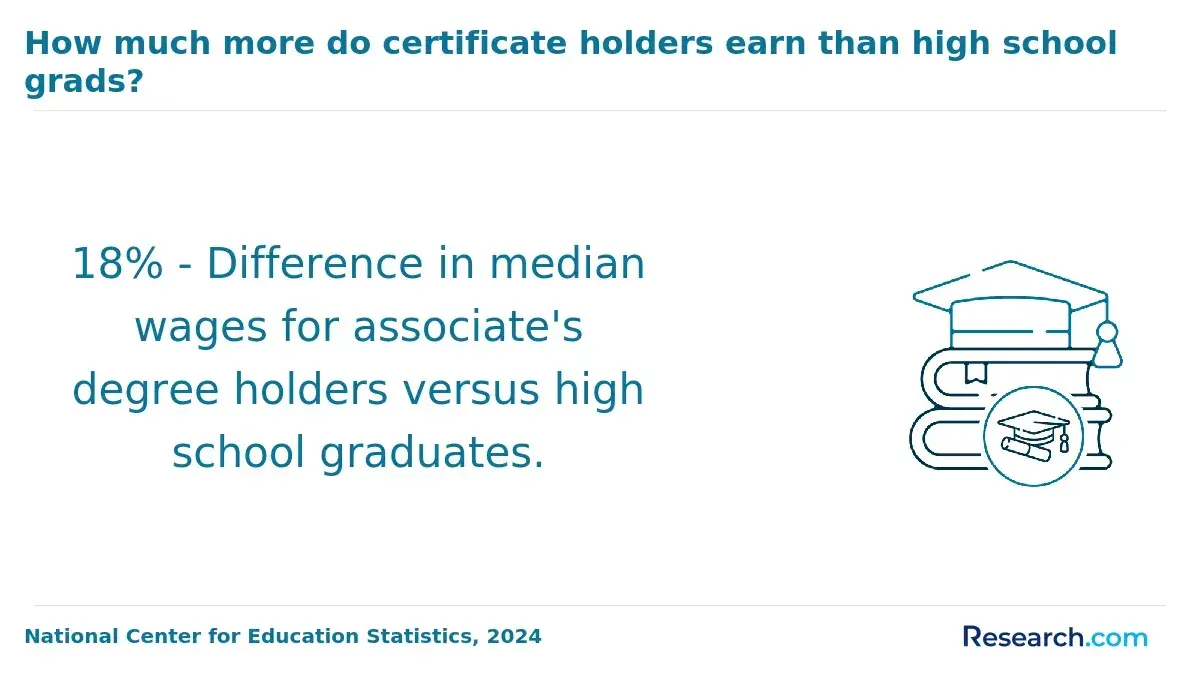
Data from the National Center for Education Statistics in 2024 shows that campus programs graduate about 55% of students, while online equivalents see rates near 40%, highlighting how these situational factors affect persistence. Beyond scheduling, academic advising access and peer interaction also shape outcomes. Online students report limited access to timely guidance and often less engagement with instructors, which can undermine motivation and complicate course sequencing, especially when transfer credits are restricted or prerequisite navigation is unclear.
Campus students typically find it easier to resolve scheduling conflicts and access emergency aid or scholarships, which can alleviate financial pressures that disproportionately impact online enrollees who rely more on personal or employer funding. Prospective students should weigh their own schedule stability and ability to leverage support resources against these realities, recognizing that graduation rate gaps often mirror how well programs address diverse learner needs and the practical challenges of balancing work, school, and life obligations in medical office administration pathways.
How Do Online and Campus Medical Office Administration Programs Compare on Total Cost?
Tuition alone does not capture the full financial picture when comparing online versus campus medical office administration total cost comparison. While published rates from public two-year colleges in 2024 data show online tuition averaging 10-20% lower, the gap shrinks after accounting for mandatory fees, technology surcharges, and indirect expenses.
Campus students typically face housing and commuting costs that can exceed $6,000 annually, significantly driving up their overall expenses, whereas online students usually incur extra technology fees and modest investments in equipment or internet access. However, a critical factor lies in residency requirements: campus enrollees may pay higher out-of-state tuition, whereas online programs mostly charge flat rates regardless of location, influencing cost-effectiveness for nonresident learners.
These cost distinctions also affect students' timelines and debt load planning. For example, an online student balancing work and study might avoid relocation and transportation expenses, maintaining income continuity despite slightly higher technology fees or exam proctoring costs. Conversely, campus learners might gain access to scholarships or financial aid programs unavailable to some online students, which can offset higher living costs but may also introduce stricter enrollment criteria.
Ultimately, decisions hinge on weighing these factors alongside practical considerations such as clinical rotation travel and employer tuition benefits, emphasizing the nuanced financial realities behind medical office administration program expenses for online and campus students. Those exploring accelerated programs for career changers should critically evaluate how these trade-offs align with their budgets and career timelines.
What Hidden Costs Should Students Expect in Online vs Campus Medical Office Administration Programs?
Hidden expenses often shift the financial balance between online and campus medical office administration programs, significantly affecting students' budgeting and planning. While online programs remove commuting and housing costs, students frequently face technology-driven fees, including required hardware upgrades, software licenses, and virtual proctoring charges-which a recent 2024 U.S. Department of Education report notes can range from $150 to $400 annually for about one-third of online learners.
In contrast, campus students incur tangible on-site costs such as parking permits, transportation, and housing fees that can add several thousand dollars per year, often excluded from published tuition figures. These disparities extend to fieldwork logistics as well; campus programs generally coordinate clinical placements locally, minimizing travel, while online students must arrange potentially costly transportation independently, which can disrupt work schedules or increase childcare needs due to extended time commitments.
Financial aid dynamics also vary notably, with institutional funding for online medical office administration students averaging 10% less than for campus peers, influencing overall debt levels and forcing some to reconsider program affordability beyond sticker price. The necessity to balance school demands with employment is another tradeoff often overlooked.
Campus attendance may limit part-time job hours more than online formats but also offers more structured access to campus resources and peer support, potentially impacting persistence and graduation outcomes. Choosing between these modes requires weighing not only direct costs but also the indirect financial and time burdens each format imposes on students' lives and long-term career trajectories.
One graduate recalled hesitation when comparing two programs after spotting baseline tuition differences that initially favored online study. Closer scrutiny revealed recurring proctoring fees and mandatory software expenses that eroded these savings, compounded by out-of-area clinical requirements requiring additional travel costs. Meanwhile, the campus option carried predictable parking fees and housing expenses but fewer surprise charges. Ultimately, the student described this financial ambiguity as a "foggy middle ground" that demanded careful calculation beyond advertised prices, reinforcing the importance of detailed cost transparency before enrollment decisions.
How Does Financial Aid Affect the Cost of Online and Campus Medical Office Administration Programs?
Financial aid's role in shaping the net cost of online versus campus medical office administration programs is nuanced and critical for enrollment planning. Campus students often access institutional scholarships, assistantships, and work-study opportunities tied to physical attendance, which can reduce net costs by 10% to 15% compared to online students who may face higher tuition per credit and technology fees.
This disparity means that a campus-based student qualifying for these aid forms might graduate with lower total debt despite higher sticker tuition, while online learners relying on employer tuition reimbursement or federal aid must weigh these benefits against less access to institutional grants and potential out-of-state tuition advantages. Working adults pursuing an online medical office administration degree frequently benefit from employer tuition assistance programs, which can effectively lower out-of-pocket expenses and delay borrowing, but these come with conditions such as job retention or minimum grade requirements that impact program pacing and completion timelines.
The variability in how aid applies across modalities-combined with factors like state residency rules, living costs, and aid packages-means students must compare the actual aid landscape carefully rather than assuming one format is always cheaper. Additionally, with rising utilization of military and veterans' education benefits in online health fields, active-duty personnel gain cost-effective access without relocating, highlighting financial aid's influence beyond basic tuition differences.
Decisions between online and campus routes should also consider the interplay of loan amounts and graduation outcomes, as campus students tend to graduate with roughly $2,000 more debt, partially driven by living expenses and longer program durations. Moreover, those interested in stacking credentials might explore options such as the CCMA to LPN bridge program, which integrates financial aid planning into extended career pathways. Such practical considerations offer a clearer view of how financial aid shapes affordability, borrowing needs, and educational value in medical office administration pathways.
Do Online and Campus Medical Office Administration Graduates Have Different Career Outcomes?
Graduation rates for medical office administration programs delivered online tend to lag slightly behind campus-based counterparts, reflecting differences in student support and self-management demands rather than inherent program quality. Employers increasingly recognize credentials from both formats, but hiring managers in competitive metropolitan markets may still show preference for campus graduates who demonstrate practical experience from internships and direct networking opportunities often less accessible to online students.
For example, a recently graduated campus student leveraging relationships developed through job fairs and alumni events may have an advantage in securing local healthcare positions compared to an online graduate struggling to obtain hands-on clinical experience without strong local partnerships. Licensure and certification preparation between the two formats generally align where programs meet accreditation standards, but employment outcomes hinge more on program reputation, experiential learning, and career services than delivery mode alone.
Online pathways can offer flexibility critical for working adults balancing schedules, yet they may limit access to campus-based financial aid or employer tuition assistance. Recent data from the 2024 Integrated Postsecondary Education Data System indicate post-graduation employment rates around 75% to 80% for both cohorts, emphasizing that practical training and connection-building often drive career mobility and advancement more than whether the diploma specifies online or in-person study.
How Do Employers View Online vs Campus Medical Office Administration Degrees?
Employer evaluation of online versus campus Medical Office Administration degrees hinges less on delivery format and more on institutional accreditation, program rigor, and evidence of applied skills. A 2024 Society for Human Resource Management survey found that around 68% of employers consider online degrees from regionally accredited schools to be as credible as campus degrees when combined with relevant work experience, emphasizing that transparent credentials and recognized standards carry significant weight.
Hiring managers often scrutinize transcripts and diplomas for clear indications of accreditation and curriculum depth, which can influence employer trust and candidate competitiveness. However, nuances in networking opportunities and soft skills development differentiate the formats in practical ways. Campus programs frequently offer face-to-face interaction that can enhance communication skills and foster professional relationships, potentially affecting promotion trajectories and team integration.
Conversely, online students-often working adults balancing job and study-may lack these direct interpersonal experiences, though many employers view the ability to maintain employment while completing studies favorably, especially when supported by hands-on internships or practicum components. Employer familiarity with an institution's reputation and experiential learning embedded in the program remains critical in shaping outcomes, reflecting the complexity behind the seemingly binary choice of online versus campus Medical Office Administration credentials.
Which Medical Office Administration Degree Format Offers Better Flexibility for Working Adults?
Scheduling flexibility in medical office administration programs varies notably between online and campus formats, with implications that extend beyond mere convenience. While online programs offer asynchronous coursework that accommodates varying shift patterns and caregiving duties, they often require in-person clinic practicums or proctored exams that can disrupt work continuity and increase out-of-pocket costs.
In contrast, campus-based programs typically feature fixed schedules and daily commutes, which may challenge students with rigid employer hours but provide structured peer interaction and immediate faculty access that can enhance motivation and timely degree completion. For working adults navigating complex commitments, these differences influence persistence and graduation timelines. Online medical office administration degree benefits for employed students include more generous transfer credit policies and stop-out options, facilitating longer, more manageable pacing when workforce obligations fluctuate.
However, the necessity of occasional on-site requirements means students must carefully evaluate potential lost wages and travel demands. Campus students, often enrolled part-time as indicated by recent 2024 IPEDS data, face less scheduling flexibility but may benefit from cohort-based learning that reinforces accountability and networking, factors linked to successful career transitions in healthcare administration.
Given these trade-offs, learners should weigh flexibility not just against time but also cost exposure and career continuity. Employer acceptance of online credentials has grown, expanding opportunities for remote learners without diminishing credential value. For those weighing program format choices alongside career pathways, examining outcomes aligned with real-world workforce needs is critical. Additional insight into accelerated healthcare pathways is available among the best RN-to-BSN programs, which may complement medical office administration credentials for expanded clinical roles.
How Should Students Choose Between an Online and Campus Medical Office Administration Program?
Choosing between online and campus medical office administration programs requires weighing graduation rates against total cost and career impact. Data from the National Center for Education Statistics in 2024 shows campus programs have roughly a 10% higher graduation rate, often reflecting greater student persistence linked to on-site faculty interaction and access to hands-on labs.
However, these benefits come with additional expenses such as commuting, housing, and campus fees, increasing annual costs by up to 30%. Prospective students must consider whether the enhanced networking and practical experience found in campus settings justify the higher financial and time commitments, especially if their career goals involve employers favoring direct certifications or state licensure requiring in-person components.
Students balancing work or caregiving often lean toward online formats for their flexibility, but must assess how this impacts scheduling stability and access to experiential learning crucial for medical office roles. Employers increasingly prefer candidates with verified practical skills, and some states still emphasize campus-based training for certain credentials, making accreditation alignment key.
For those exploring multiple pathways or needing accelerated progress, programs like an accelerated ABA program illustrate how specialized formats can address niche career demands. Ultimately, choosing an online medical office administration program versus campus outcomes depends on carefully matching personal circumstances to the trade-offs in completion risks, total financial investment, career support, and hands-on skill development.
References
- Study Medical Office Administration Course, Program, Diploma Online https://www.cdicollege.ca/study-online/programs-and-courses/healthcare/medical-office-administration/
- Health Office Administration https://www.conestogac.on.ca/fulltime/health-office-administration
- Medical Office Administration with Practicum | Sprott Shaw College https://sprottshaw.com/nursing-healthcare/medical-office-administrator-with-practicum/
- Medical Office Administration: A Foundation for Leadership in Healthcare https://blog.herzing.ca/healthcare-administration-career-paths
- Online Health Science Degrees with Financial Aid https://www.edumed.org/online-schools/health-science-degrees/financial-aid/
- Medical Office Administration AS - Management Option https://www.hcfl.edu/academics/subjects/office-administration/medical-office-administration-management-option
- Office Administration - Health Services https://www.fanshawec.ca/programs/oam4-office-administration-health-services/international/fees/next
- Getting Your Online Medical Office Administration Associate Degree | Become With Lantern https://www.learnhowtobecome.org/best-online-associates-in-medical-office-administration-degree-programs/
- Medical Office Administration (AAS) A25310 - Cleveland Community College https://clevelandcc.edu/program-finder/medical-office-administration-aas-a25310/
- Online vs In-Person Medical Assistant Programs: Which is Better? https://ccitraining.edu/blog/online-vs-in-person-medical-assistant-programs/
Other Things You Should Know About Medical Office Administration
Yes, online programs often rely heavily on asynchronous learning, which can limit hands-on practice with medical office software and real-time teamwork compared to campus programs. This difference means that students prioritizing direct experiential learning and immediate feedback may find campus settings more effective for developing practical office skills crucial for employer readiness. For those opting online, seeking programs with synchronous sessions or virtual labs can help mitigate the typical gaps in applied learning.
Campus programs generally provide more direct access to faculty mentorship and peer networking, which are vital for early career connections in medical office administration. Online students may face challenges building these relationships, potentially impacting job referrals and insider knowledge of industry trends. Therefore, prospective students should weigh the importance of in-person interaction against flexibility, and if choosing online, actively engage in forums and virtual events to compensate.
Online medical office administration students often need stronger self-discipline and time management skills since remote programs typically lack fixed schedules and in-person accountability. Campus students benefit from structured class times and immediate access to support services, which can improve retention and reduce stress. Individuals with less experience managing independent study should consider campus formats or highly structured online programs to avoid pitfalls that delay graduation.
Career changers with demanding schedules often favor online programs for their flexibility, but this can come at the expense of slower skill development and weaker institutional support. Where possible, prioritizing hybrid or campus options with evening or weekend offerings might better balance learning efficiency with personal commitments, accelerating reentry into the workforce. Ultimately, choosing a format aligned with one's ability to dedicate focused time to study is critical for timely completion and job preparedness.