2027 Medical Office Administration Career Outcomes by Degree Level Report: Pay, Employment, and Advancement Patterns

Co-Founder and Chief Data Scientist
This article analyzes these degree-level outcomes to help readers make informed educational choices grounded in workforce realities.
Key Things to Know About Medical Office Administration Career Outcomes by Degree Level
- Associate degrees in medical office administration often lead to quicker employment but limit advancement potential, reflecting a tradeoff between early labor market entry and long-term career mobility.
- Bachelor's credentials correlate with broader employer demand, allowing access to supervisory roles; this trend indicates workforce preference for more comprehensive administrative competencies.
- Certifications and shorter programs reduce time and cost barriers, offering practical credential progression, yet may constrain salary growth compared to higher degree pathways over time.
- Key Things to Know About Medical Office Administration Career Outcomes by Degree Level Key Things to Know About Medical Office Administration Career Outcomes by Degree Level
- What Career Outcomes Can Students Expect From Each Medical Office Administration Degree Level? Career Outcomes by Degree
- How Much Do Medical Office Administration Graduates Earn by Degree Level? Salary by Degree Level
- Which Medical Office Administration Degree Level Offers the Strongest Employment Prospects? Best Degrees for Employment
- What Entry-Level Jobs Can You Get With a Medical Office Administration Degree? Entry-Level Career Opportunities
- How Do Medical Office Administration Degree Levels Affect Career Advancement and Promotion Opportunities? Career Growth by Degree
- Is a Medical Office Administration Degree Worth It Based on Salary, Employment, and ROI? Salary, ROI, and Value
- How Do Associate, Bachelor's, Master's, and Doctoral Medical Office Administration Degrees Compare? Comparing Degree Levels
- Which Industries and Employers Hire Medical Office Administration Graduates by Degree Level? Which Industries and Employers Hire Medical Office Administration Graduates by Degree Level?
- What Skills, Credentials, and Experience Improve Medical Office Administration Career Outcomes? What Skills, Credentials, and Experience Improve Medical Office Administration Career Outcomes?
- Which Medical Office Administration Degree Level Is Best for Your Career Goals? Choosing the Right Degree
What Career Outcomes Can Students Expect From Each Medical Office Administration Degree Level?
For those focused on academic or executive healthcare careers, doctoral degrees offer pathways beyond conventional administrative roles, though this level is less common and best aligned with long-term leadership or research ambitions. Adult learners and military-affiliated students should also evaluate credit transfers and program flexibility, as these factors can significantly influence the time to credential completion and subsequent career mobility within medical office administration.
Decision-making in medical office administration education must balance immediate employment opportunities against longer-term growth potential, with regional labor demand and employer credential preferences varying widely. For example, many hospitals prioritize candidates with an associate degree complemented by certifications, while larger health systems often require bachelor's or master's degrees for advanced positions. Students planning to advance later may find it practical to start with a certificate or associate degree and use transfer agreements to escalate their credential level efficiently. Those exploring interdisciplinary pathways, such as a transition from nursing to administrative roles, might explore programs like RN to BSN, which can influence their trajectory in healthcare administration. Ultimately, understanding how degree level intersects with certification availability, role complexity, and employer expectations will guide more strategic educational choices in medical office administration degree career outcomes.
How Much Do Medical Office Administration Graduates Earn by Degree Level?
Graduate degrees, while less common in this field specifically and inclined toward broader healthcare administration, tend to surpass $65,000 in median earnings but require substantial investment and clear professional goals to justify the commitment. Geographical factors matter significantly: urban healthcare systems and large organizations frequently reward advanced credentials with steeper pay raises, whereas smaller clinics may place more weight on hands-on experience over formal education. Certification like CMAA provides employment stability but rarely influences pay independently of degree and experience. For working adults or military-affiliated students, weighing time to completion, transfer opportunities, and local job market conditions is crucial when deciding whether pursuing higher degrees translates into tangible financial and career benefits within medical office administration.
A graduate who completed an associate degree shared how they initially considered a bachelor's but paused after reviewing local job listings and speaking with employers, who emphasized experience and specific software skills over the degree itself. Comparing a certificate and associate diploma, the graduate noticed a $5,000 to $7,000 difference in starting salaries but realized that advancing to a bachelor's would mean at least two more years and added tuition, which wasn't feasible given their family obligations. This practical assessment led them to seek certification and relevant internships instead, aiming to enhance employability and stability without extending their studies unnecessarily. The decision highlighted how pay scales only tell part of the story and must be balanced against personal circumstances and regional labor demands.
Which Medical Office Administration Degree Level Offers the Strongest Employment Prospects?
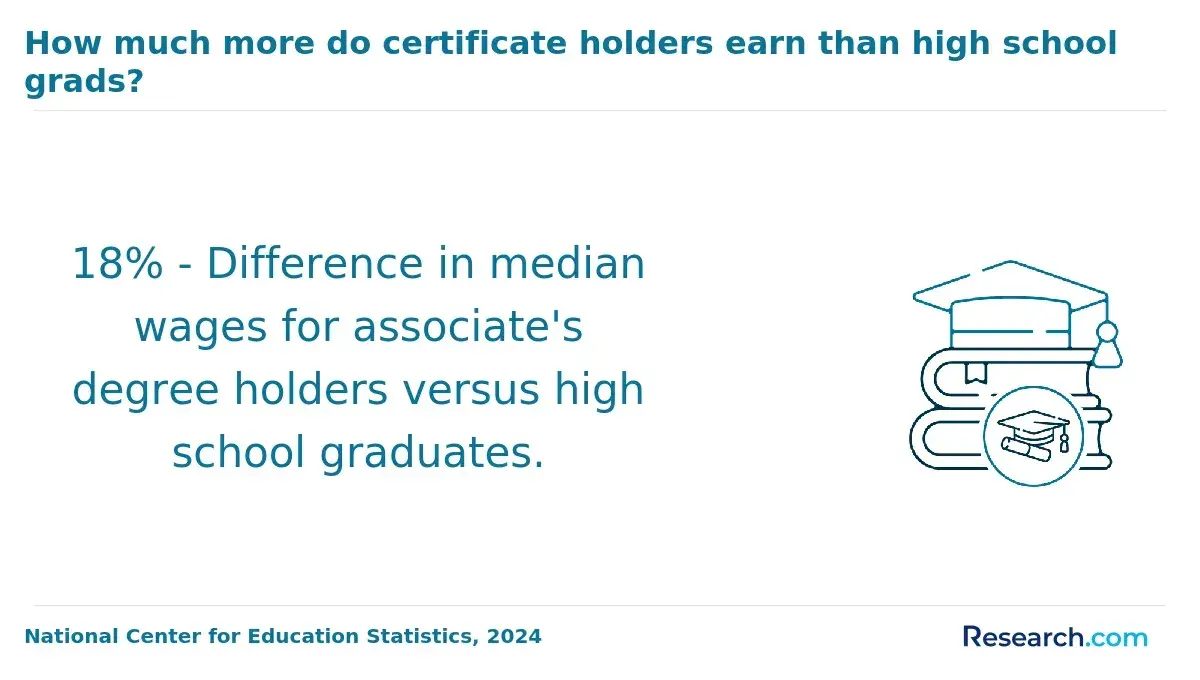
Employment outcomes for medical office administration credentials vary significantly by degree level, shaped largely by employer expectations, licensure requirements, and local labor market factors. For instance, associate degrees often strike a practical balance, offering broader job eligibility and stronger retention than certificates while avoiding the longer timeline of bachelor's programs. Employers in many states require an associate or higher credential for core administrative roles, and graduates with these degrees generally experience more stable employment-according to the U.S. Bureau of Labor Statistics (2024), associate-level completers demonstrate measurable advantages in job security over certificate holders. However, those opting for certificates may enter the workforce more quickly, a tradeoff that suits smaller practices or regions where rapid staffing fills an urgent need but limits advancement.
Bachelor's degrees provide a noticeable edge in access to supervisory and specialized positions, especially within larger healthcare systems that value the integrated internships and clinical practicums these programs often include. This hands-on experience combined with higher-level coursework translates into approximately 15-20% higher median earnings and reduced unemployment compared with associate graduates. Advanced degrees, such as master's or doctorates in health administration fields, instead serve mainly those targeting management, policy, or educational roles rather than traditional medical office functions. Deciding whether to invest more time in advanced studies or enter employment sooner depends on individual career goals and the regional demand for credential sophistication, emphasizing the importance of matching educational investment to realistic role expectations and advancement pathways.
What Entry-Level Jobs Can You Get With a Medical Office Administration Degree?
Entry-level opportunities in medical office administration vary significantly by degree level, with practical implications for job stability and growth potential. Associate degree holders typically access a wider range of foundational roles involving electronic health record management and billing software, which build essential skills for sustaining employment in diverse healthcare environments. In contrast, bachelor's degree graduates often pursue positions with supervisory responsibilities, such as health services coordinators, where deeper knowledge of healthcare regulation and office management become assets. Employers increasingly prioritize certifications like Certified Medical Administrative Assistant (CMAA) and hands-on experience, reflecting a trend where advertised "entry-level" roles sometimes demand skills beyond basic credentialing.
The reality of hiring often hinges on internship or practicum experiences embedded in program curricula, which provide critical exposure to technical tasks and workflow management, especially in larger urban healthcare systems that require familiarity with complex electronic record systems. Smaller or rural practices may value adaptability over specialization, offering roles that demand multitasking but may lack clear pathways to advancement. A growing share of programs incorporate remote billing and scheduling functions, responding to evolving healthcare models and enhancing geographic access for new graduates. Prospective students should weigh these factors against their long-term plans, as many entry-level positions serve as stepping stones rather than stable endpoints, especially for those considering graduate study or a desire for upward mobility within healthcare administration.
According to the U.S. Bureau of Labor Statistics (2024), demand for medical office administration entry-level jobs continues to increase, driven by expanding healthcare services and digital record-keeping requirements. For candidates navigating this landscape, evaluating educational choices alongside certifications, internships, and remote work opportunities is essential. Those interested in maximizing both immediate employment and future advancement might also explore health information management programs online as complementary pathways that broaden technical expertise and career flexibility beyond traditional medical office administration roles.
How Do Medical Office Administration Degree Levels Affect Career Advancement and Promotion Opportunities?
Degree level in medical office administration directly affects readiness for supervisory responsibilities and access to leadership tracks, with certificate and associate credentials mostly funneling graduates into stable, entry-level roles that often lack upward mobility. Employers increasingly require bachelor's degrees for mid-management positions due to the expanded skill set these programs provide, such as healthcare regulations, project management, and organizational oversight. According to the 2024 O*NET analysis, positions with supervisory duties are about 30% more likely to mandate a bachelor's degree or higher, indicating the premium placed on this credential for internal promotion pathways. For working adults and transfer students, balancing continuing education timelines with employer expectations is critical; part-time or certificate completers may face longer timelines before eligibility for advancement compared to full-time bachelor's graduates who often move faster into leadership roles.
The interplay between formal education and certifications also shapes career trajectories, as credentials complement degree attainment and bolster promotional prospects in competitive hiring environments. However, pursuing advanced degrees beyond a bachelor's may offer diminishing returns unless paired with relevant experience or licensure requirements specific to some medical administrative specializations. Adult learners must weigh whether additional coursework justifies potential delays in workforce reentry or advancement, especially given that many employers prioritize demonstrated leadership skills and regulatory knowledge over education alone. Employers' screening processes and ongoing credential renewals further add complexity to the career progression timeline, reinforcing that degree choice should be aligned closely with targeted roles and personal work-life constraints.
One recent graduate deliberated extensively before committing to a bachelor's program after holding an associate degree and three years in a front-office role. Initially hesitant about the time investment, she observed that her employer frequently favored bachelor's degree holders for supervisory openings-even in internal job postings. After completing the bachelor's, she noted increased confidence in applying for department lead positions; meanwhile, a certificate alone had not qualified her for the managerial responsibilities she aspired to. Her experience underscores how higher credentials can shift employer perceptions and open previously inaccessible opportunities, though timing and work commitments remain pivotal considerations.
Is a Medical Office Administration Degree Worth It Based on Salary, Employment, and ROI?
Salary potential and employment stability vary considerably by degree level in medical office administration, influencing whether the investment is justified for an individual learner. Entry-level roles accessible with an associate degree or certificate often come with modest wages, making the return on investment more sensitive to completion time and debt load. Conversely, bachelor's degree holders tend to access higher-paying managerial or specialized administrative positions, but this comes with increased student debt and longer time-to-completion, posing opportunity costs that may not suit working adults or those with prior credits. Regional labor market dynamics and employer preferences-especially for candidates combining degrees with certifications-also affect how quickly graduates can move up and improve earnings, critical considerations for those balancing education with ongoing employment obligations.
For individuals weighing the financial and career implications of medical office administration salary and employment outcomes, pragmatic factors such as part-time enrollment, credit transfer policies, and local healthcare demand should guide decisions. A prospective student with prior healthcare experience or credits might find the associate degree a cost-effective path, while others aiming for roles requiring broader competencies might justify the longer trajectory of a bachelor's program. In practice, navigating these tradeoffs requires clear understanding of both repayment capacity and wage growth potential. For prospective students interested in allied healthcare fields, comparison with programs like radiology tech online programs can provide additional perspective on occupational trajectories and relative educational commitments.
How Do Associate, Bachelor's, Master's, and Doctoral Medical Office Administration Degrees Compare?
Choosing to stop at an associate degree in medical office administration typically leads to quicker workforce entry in entry-level roles, particularly within outpatient and physician office settings, but often limits upward mobility due to the narrower scope of skills and credentials recognized by employers. Bachelor's degrees significantly expand access to supervisory positions and specialized functions such as health informatics or compliance management, with data showing nearly 70% of bachelor's graduates secure roles in healthcare administration within a year, reflecting stronger alignment with employer preferences for leadership potential. For working adults weighing educational timelines, this stage often represents a critical threshold where the return on investment becomes more tangible, especially given the availability of credit transfer and stackable credentials that can ease further advancement without fully restarting their education.
Master's degrees in medical office administration further enhance eligibility for senior management and strategic roles, where regulatory knowledge and high-level decision-making come into play; however, fewer students pursue this level due to the increased financial and time commitment involved, which must be carefully balanced against relatively modest increases in employment rates compared to bachelor's holders. Doctorates remain rare and are primarily geared toward academic, research, or policy leadership rather than direct administrative employment, offering minimal labor market demand but key opportunities for those focused on shaping healthcare standards or teaching. The choice between these levels hinges on long-term career vision: while associates may suffice for immediate employment, bachelor's and master's degrees better support leadership aspirations and stability, whereas doctoral study serves niche, often non-clinical career pathways unlikely to benefit most practitioners directly.
Which Industries and Employers Hire Medical Office Administration Graduates by Degree Level?
Employers differentiate sharply by degree level when hiring Medical Office Administration graduates, reflecting distinct expectations around responsibility, technical skill, and regulatory compliance. Associate degree holders are typically funneled into roles at outpatient care centers, smaller clinics, and private physician offices where operational efficiency with electronic health records and billing software is critical but managerial duties remain limited. For example, an associate-level graduate may efficiently handle day-to-day patient scheduling and insurance claims but face barriers advancing into supervisory roles without further education or credentialing. Data from the National Center for Education Statistics highlights that nearly 60% of associate grads work in these smaller, operational settings rather than large healthcare institutions.
Bachelor's degree holders, by contrast, find hiring doors open in hospitals, large healthcare systems, and government agencies where employers seek candidates with broader administrative scope, including departmental coordination and regulatory compliance management. These roles require stronger leadership capabilities and often provide better starting salaries and more frequent promotions, especially in urban markets with complex healthcare infrastructure. Master's graduates, while less common in medical office administration, are positioned for strategic roles in health insurance, consulting, or hospital networks that emphasize policy, data analysis, and advanced operational oversight. Certificate and diploma holders usually enter niche billing and coding positions with fast entry but face limited upward mobility without pursuing higher credentials. This stratification underscores how degree level directly impacts job function, advancement potential, and employer screening within Medical Office Administration, making educational choices crucial for aligning career ambitions with realistic workforce outcomes.
What Skills, Credentials, and Experience Improve Medical Office Administration Career Outcomes?
Career outcomes in medical office administration improve most significantly when candidates combine technical skills, recognized credentials, and relevant experience that match employer demands. For example, holding certifications like the Certified Medical Administrative Assistant (CMAA) or Registered Medical Assistant (RMA) is increasingly essential, as these credentials confirm proficiency in medical billing, coding, and electronic health records-core competencies in today's digitized healthcare settings. Employers often expect candidates to demonstrate such skillsets alongside practical experience, particularly internships or apprenticeships, which accelerate adaptation to workplace responsibilities and support quicker advancement. This combination is especially critical for adult learners or working professionals who weigh the return on investment between entry-level certificates and associate or bachelor's degrees targeting supervisory and compliance roles.
Technical proficiency varies with credential levels. While certificates emphasize foundational office skills, associate and bachelor's degree holders benefit from advanced exposure to healthcare data management and regulatory compliance, often required for managerial positions. Leadership experience gained through student organizations or project teams correlates with readiness for promotion, reflecting employer preferences for multitasking, communication, and problem-solving abilities in front-office roles. Military backgrounds or prior healthcare industry roles also enhance employability by showing discipline and sector familiarity. Given these factors, credential stacking-combining certifications with documented workplace experience-remains a common employer screening approach that helps differentiate readiness and long-term potential in this field of medical office administration certification and skills for career advancement.
Decisions about advancing from one credential to the next should consider practical employability outcomes rather than nominal academic progression alone. For instance, specialized credentials such as the CPC certification provide clear pathways to roles with higher pay and more responsibility but require initial investment without guaranteed immediate returns. Working adults and transfer students must balance prior credits and experience against the value added by additional certifications or degree completion. Data show that combining key credentials and experience to improve medical office administration job outcomes demands strategic alignment with career goals, employer expectations, and realistic advancement timelines to optimize both job access and mobility.
Which Medical Office Administration Degree Level Is Best for Your Career Goals?
Choosing the appropriate degree level in medical office administration directly shapes employability and advancement dynamics, with clear implications for financial and career planning. An associate degree typically offers broader employment access and better pay compared to certificate holders, who often enter the field faster but may face stagnation without further credentials. For example, recent 2024 data from the U.S. Department of Education reports about 85% employment within six months for associate graduates, highlighting their relative advantage in workforce readiness. This credential also supports eligibility for certifications like the Certified Medical Administrative Assistant, which many employers value for supervisory or specialized roles.
Bachelor's degrees generally expand long-term career mobility and prepare graduates for management or specialized tracks, though they require significantly greater time and financial investment. The median student debt for bachelor's graduates in this field is roughly 40% higher than for those with associates, impacting early-career financial flexibility. Working professionals and transfer students must weigh these upfront costs against potential pay increases and advancement opportunities over time. In certain cases, additional degrees beyond the bachelor's might be needed for regulated or leadership roles. For learners exploring upward pathways, reviewing speech pathology grad school acceptance rates reveals parallels in credential impact and competition across related healthcare administration fields.
Part-time or accelerated programs affect both affordability and career readiness depth, while some employers accept relevant work experience or certifications in lieu of formal degrees. Adult learners and military-affiliated students should evaluate how their current career stage and financial situation align with educational pathways, balancing opportunity costs and time to completion. Employment and advancement outcomes for medical office administration graduates indicate that degree-level choice influences not only pay but also job stability and specialization potential, making it crucial to select a credential aligned with realistic career goals.
References
- Is Medical Office Administration a Good Career? | Herzing College https://blog.herzing.ca/is-medical-office-administration-a-good-career-6-points-to-consider
- Entry-Level Healthcare Administration Jobs | Campus.edu https://campus.edu/blog/healthcare/entry-level-healthcare-administration-jobs
- Entry Level Medical Administration Jobs (with Salaries) - SEEK https://au.seek.com/entry-level-medical-administration-jobs
- Medical Office Administration Skills Employers Look For https://bayrivercolleges.ca/medical-office-administration-skills-employers-want/
- Medical administrative assistants | WorkBC https://www.workbc.ca/career-profiles/medical-administrative-assistants
- 5 Entry-Level Jobs for B.S. in Healthcare Administration Graduates - Healthcare Administration Degree Programs https://www.healthcare-administration-degree.net/lists/5-entry-level-jobs-for-b-s-in-healthcare-administration-graduates/
- Top Options for Healthcare Career Advancement https://www.baypath.edu/news/bay-path-university-blogs/post/top-options-for-healthcare-career-advancement/
- Medical Office Administrator Career https://slchc.edu/medical-office-administrator/medical-office-administrator-career/
- Health Administration: Online Degrees and Careers https://www.publichealthonline.org/healthcare-administration/online-degree-programs/
- Healthcare Administrator ROI Guide https://www.healthadministrationdegrees.com/articles/healthcare-administrator-roi-guide/
Other Things You Should Know About Medical Office Administration
Shorter certificate or diploma programs often focus heavily on technical office skills but may omit deeper exposure to management, healthcare policy, or advanced billing systems. In contrast, associate and bachelor's degrees typically provide a more balanced curriculum that integrates administrative competencies with healthcare fundamentals, improving adaptability in fast-evolving clinical environments. Prospective students should weigh the tradeoff between quick entry into the workforce versus broader skill development that can enhance long-term employability and flexibility.
Employers hiring for medical office administration roles generally expect higher degree holders to possess stronger analytical and supervisory capabilities, particularly for leadership or specialized roles. While associate degree graduates are often viewed as competent for routine administrative tasks, bachelor's degree holders are preferred for positions involving complex workflow management or compliance oversight. Candidates aiming for career growth beyond entry-level should prioritize degree programs that explicitly develop these higher-order competencies.
Graduates with advanced degrees tend to enter roles that involve greater responsibility for multi-tasking, supervisory duties, and handling compliance with healthcare regulations, leading to higher job complexity and potential stress. Entry-level roles suited to certificate or associate degree holders typically emphasize repetitive administrative functions with clearer task boundaries. Understanding this distinction helps students align their educational investment with their tolerance for workload intensity and desire for varied daily responsibilities.
Integrating work experience, such as internships or part-time roles, during degree completion significantly enhances employment prospects regardless of degree level. Practical experience counters the limitations of theoretical knowledge, especially for graduates from shorter or less comprehensive programs. Therefore, students should prioritize programs offering structured experiential learning or facilitate employer connections, as hands-on skills often weigh heavily in hiring decisions and can accelerate career advancement.