2027 Medical Office Administration Salary Trends Report: Are Wages Keeping Up With Tuition and Inflation?

Co-Founder and Chief Data Scientist
Considering a medical office administration degree often involves weighing financial outcomes against rising education costs. A prospective student or recent graduate faces the challenge of assessing whether starting salaries keep pace with increasing tuition and inflation rates.
Tuition fees have steadily climbed, while inflation erodes purchasing power, complicating clear comparisons between earnings and expenses. This makes understanding real wage growth essential for evaluating the degree's long-term value.
Salary increases, tuition hikes, and inflation do not always align, affecting the true return on investment in medical office administration education. Focusing solely on entry-level salaries ignores potential changes in affordability and earnings over time.
This analysis explores medical office administration salary trends relative to tuition and inflation, assessing affordability, return on investment, and the key factors shaping the financial worth of the degree over the long term.
Key Things to Know About Medical Office Administration Salary Trends
- The average starting salary for medical office administration graduates rose 3% in 2024, lagging behind a 6% tuition increase, signaling a growing gap between costs and entry-level wages.
- Inflation-adjusted wages have remained effectively flat since 2022, reducing real income gains and pressuring graduates to seek advanced certifications for meaningful salary growth.
- Long-term earning potential strongly correlates with specialized skills in electronic health records and compliance, positioning graduates to offset stagnant base wages through targeted expertise.
- Key Things to Know About Medical Office Administration Salary Trends Key Things to Know About Medical Office Administration Salary Trends
- What Is the Current Salary Outlook for Medical Office Administration Graduates? Salary Outlook
- Are Medical Office Administration Salaries Keeping Up With Inflation? Inflation Impact
- How Do Tuition Costs Compare With Medical Office Administration Salary Growth? Tuition vs Salary
- Does a Medical Office Administration Degree Deliver a Positive Return on Investment? Degree ROI
- Which Industries Offer the Highest Salaries for Medical Office Administration Graduates? Which Industries Offer the Highest Salaries for Medical Office Administration Graduates?
- Which States and Cities Offer the Highest Pay for Medical Office Administration Professionals? Which States and Cities Offer the Highest Pay for Medical Office Administration Professionals?
- How Do Medical Office Administration Salaries Grow Throughout a Career? Career Growth
- How Do Medical Office Administration Salaries Compare With Similar Degrees? Salary Comparison
- How Is Employer Demand Affecting Medical Office Administration Salary Trends? Employer Demand
- How Can Students Maximize Their Lifetime Earnings With a Medical Office Administration Degree? Maximizing Earnings
What Is the Current Salary Outlook for Medical Office Administration Graduates?
The current salary outlook for medical office administration graduates reveals modest wage growth influenced by factors such as geographic location, employer size, and certification status. According to the U.S. Bureau of Labor Statistics, related roles like medical secretaries and administrative assistants in healthcare earn a median annual wage around $46,000 as of 2024, with entry-level pay often between $35,000 and $40,000.
However, graduates pursuing additional credentials may see a 5%-10% increase in starting salaries. Despite these gains, salary growth tends to lag behind inflation, which has recently hovered near 4% annually, while earnings in this field typically increase by only 2% to 3% each year, tempering the overall long-term financial upside for new professionals entering this workforce.
Consider two medical office administration graduates who both earned associate degrees in the same year. One chooses to work in a large metropolitan hospital system while obtaining certifications; the other opts for a smaller rural clinic without pursuing additional credentials. The first graduate is likely to start closer to or above the median wage and experience steadier salary growth due to higher demand and opportunities for upward mobility within advanced healthcare systems.
In contrast, the second may face lower initial pay and slower increases, demonstrating how the career path and workplace setting critically shape compensation outcomes. Such real-world scenarios highlight why the current wages for medical office administration graduates should be viewed in context with long-term job growth projections and potential career advancements, rather than as static figures limited to entry-level earnings.
Healthcare administrative occupations related to medical office administration are expected to grow about 10% from 2022 through 2032, faster than the average for all jobs, reflecting sustained demand for skilled administrative staff amid expanding healthcare operations.
Nevertheless, rising tuition costs-ranging from $5,000 to $15,000 annually for certificate or associate degree programs-raise important questions about return on investment, especially since wage increases have not outpaced inflation.
Prospective students should carefully evaluate regional salary variations, certification options, and program formats, including online programs for healthcare administration, to align their educational choices with realistic earning trajectories and evolving labor market conditions.
Are Medical Office Administration Salaries Keeping Up With Inflation?
Nominal wage increases for medical office administration roles have not kept pace with inflation, resulting in declining real earnings for many workers. Data from the U.S. Bureau of Labor Statistics shows median wages rising about 3.4% recently, while inflation measured by the Consumer Price Index approaches 5.0%.
This gap means that despite paychecks appearing larger year-over-year, the actual purchasing power of graduates' salaries is effectively shrinking, presenting a real economic challenge for those entering or advancing in this field. Prospective students should recognize that a 3.4% salary growth does not offset increased living expenses or educational costs over time, highlighting a crucial nuance in the relationship between wage growth and inflation.
Consider a recent graduate who pays tuition fees rising at 5% annually while receiving a modest salary bump below that rate. The combined effect of higher debt and stagnant real earnings diminishes their financial flexibility and may delay goals like homeownership or further credentialing. Geographic factors and local labor market saturation can further limit wage growth opportunities, especially at entry-level stages.
To address these constraints, individuals might explore enhancing their credentials through areas like medical coding or health information technology, which often offer better alignment between wage increases and inflation. Those evaluating their education choices might also review options for fast degree programs to reduce costs and time spent in training.
Understanding the dynamic between Medical Office Administration salary growth and inflation is essential for managing long-term financial outcomes. Rising tuition fees and cost-of-living increases create a challenging environment where nominal wage gains fall short of sustaining purchasing power.
This reality underlines the importance of strategic planning for students and career changers when assessing whether Medical Office Administration wages are rising with tuition costs and how this disparity might impact return on investment over the course of a career.
How Do Tuition Costs Compare With Medical Office Administration Salary Growth?
Evaluating tuition expenses alongside salary trends offers a clearer picture of the economic worth of a medical office administration credential than considering either factor alone.
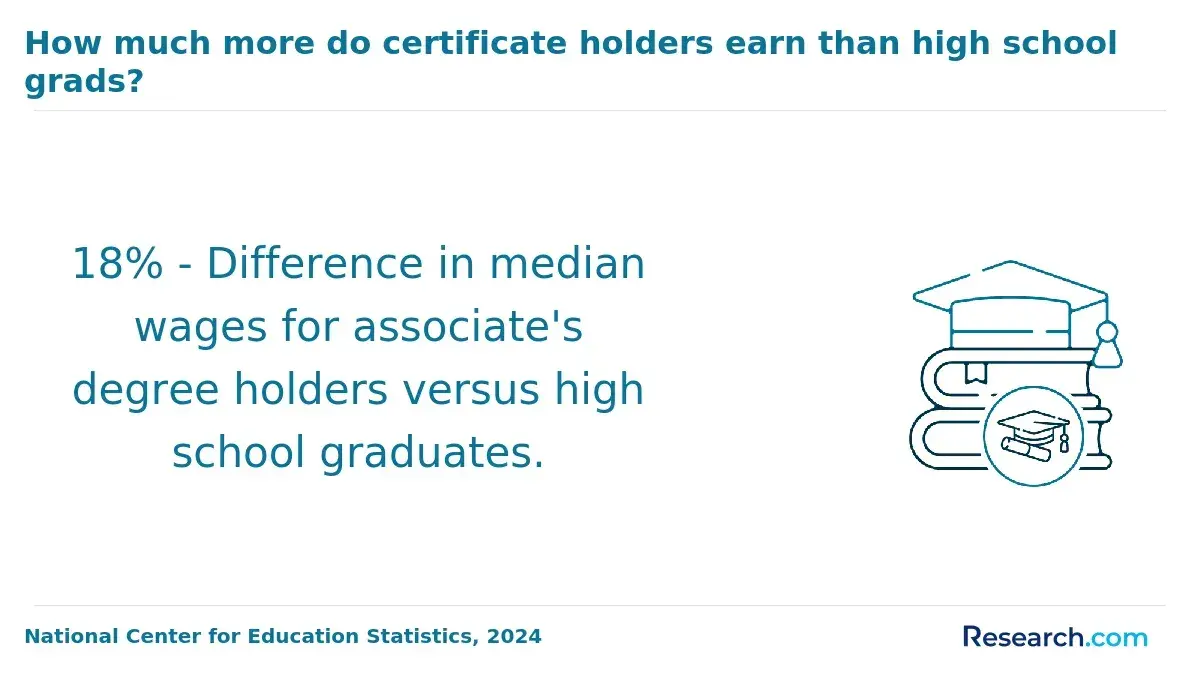
Recent figures from the National Center for Education Statistics and the U.S. Bureau of Labor Statistics highlight a significant disparity: average annual tuition at community colleges rose to roughly $4,200 in 2024-a 25% real increase over the last decade-while entry-level salaries for graduates increased by only about 10% in the same period, hovering near a median of $40,000.
This gap implies that the upfront cost of education is growing faster than the potential income boost, potentially stretching students' financial resources thinner, especially when accounting for inflation and living expenses.
For example, a student attending a private or technical school where tuition surpasses $10,000 annually may face greater debt burdens and slower salary returns, limiting flexibility in managing loans or funding further training.
The relationship between tuition growth and earnings varies depending on location, type of institution, and career setting. Mid-career wages rise modestly-averaging between $48,000 and $52,000-yet still trail behind the accelerating cost of education.
Factors such as employer-sponsored training, local demand for medical office administrators, and institutional reputation can moderate the financial equation, influencing whether the investment justifies the expected salary trajectory. Thus, understanding these nuances helps students weigh options like community college pathways against private programs, or explore non-degree certificates that reduce upfront spending but might limit advancement.
One graduate recalled grappling with the decision to enroll amid rising tuition. After comparing costs at a nearby community college versus a costly private technical school, the individual chose the community option to avoid accumulating excessive debt, even though it meant a longer commute and fewer on-campus resources.
"I worried the salary wouldn't stretch far enough to repay loans quickly," they reflected, "so I focused on minimizing costs and sought out employer training later." This cautious approach, born from the widening gulf between educational expenses and entry wages, illustrates how precise financial planning becomes crucial when salary growth lags behind tuition inflation.
Does a Medical Office Administration Degree Deliver a Positive Return on Investment?
Return on investment (ROI) in higher education requires weighing the total costs of earning a medical office administration degree against the long-term financial benefits and career progression it can offer. Rather than focusing solely on entry-level wages, ROI reflects the balance between tuition expenses, ongoing employment opportunities, potential salary growth, and skill development over time.
For example, a student who completes an associate degree costing $15,000 and secures a position with a median starting salary near $45,000 may experience a positive ROI within a few years, especially if they continue advancing in healthcare administration. This scenario highlights how moderate education costs relative to expected earnings can justify the investment even amid fluctuating economic conditions.
Several factors influence whether a medical office administration degree delivers a favorable return. Tuition for these programs can vary widely-from $3,000 for certificates at community colleges to over $20,000 for associate degree programs-affecting the upfront financial commitment.
According to data from the U.S. Bureau of Labor Statistics and National Center for Education Statistics in 2024, median wages in medical office administration typically range between $40,000 and $50,000 annually, though regional demand and experience play a significant role in earnings.
While inflation in 2023 and 2024 has limited wage growth, the health sector's relative stability and consistent demand for skilled administrative staff provide a buffer that supports ongoing employment and incremental salary increases, essential components for a positive ROI.
It is important to recognize that ROI differs across individuals, shaped by program cost, geographic location, career trajectory, and economic shifts. Graduates who leverage additional certifications and actively seek advancement often enhance their earning potential beyond starting salaries, improving the long-term value of their degree.
Conversely, those facing higher tuition burdens without continuous career development may see diminished returns. Thus, assessing the investment should involve a holistic view of costs against realistic career outcomes and the evolving landscape of healthcare administration jobs. Evidence suggests that with prudent choices, a medical office administration degree remain a viable pathway to financially sustainable employment within healthcare.
Which Industries Offer the Highest Salaries for Medical Office Administration Graduates?
Wage potential for medical office administration graduates varies significantly across industries, influenced by factors such as employer size, complexity of healthcare services, and regulatory demands.
Data from the U.S. Bureau of Labor Statistics in 2024 highlights that specialty outpatient care centers, hospitals, and government healthcare agencies consistently top the list in overall compensation. For students weighing education costs and future earning potential, understanding salary variations by industry is essential.
Below is an analysis of key industries offering the highest salaries for medical office administration graduates, grounded in recent labor market data and real-world employment trends:
- Specialty Outpatient Care Centers: These facilities, including ambulatory surgery centers and specialized clinics, typically offer premium wages due to the high demand for professionals adept in managing complex billing, patient compliance, and specialized recordkeeping. Administrative roles here often require familiarity with advanced healthcare software and regulatory standards, driving up salary potential.
- General Medical and Surgical Hospitals: Hospitals provide competitive salaries reflecting the administrative challenges of handling large patient volumes and multi-departmental coordination. Graduates working in hospital settings are often tasked with managing intricate scheduling and compliance tasks, which require strong organizational skills and knowledge of hospital systems.
- Government Healthcare Agencies: State and local government hospitals and healthcare programs tend to offer higher median wages, bolstered by union representation and comprehensive benefit packages. Positions here often emphasize adherence to public health regulations and demand precision in documentation and reporting.
- Physician Medical Offices: Although the most common employment setting, physician offices generally report lower salaries compared to hospitals and outpatient centers. These roles typically have a narrower scope of administrative duties, which can limit earning growth despite relative job stability.
- Healthcare Insurance Providers: Administrative roles within insurance companies that service healthcare clients involve claims processing, customer service, and regulatory compliance, with salaries often exceeding those in smaller physician offices. Knowledge of medical billing codes and insurance procedures enhances earnings here.
- Large Multispecialty Clinics: Clinics that offer diverse services attract higher wages due to the complexity of coordinating varied medical departments. Graduates skilled in electronic health record management and interdepartmental communication tend to fare better financially.
- Educational Healthcare Programs: Institutions offering medical office administration training and allied health programs employ graduates in administrative and instructional roles, offering competitive pay reflective of required expertise and experience in both healthcare and education sectors.
Understanding where these highest-paying industries sit can guide graduates as they evaluate job offers and career pathways. Those interested in balancing salary with flexibility might also consider enrolling in online rad tech programs as a complementary credential to diversify opportunities. Overall, a strategic choice of industry post-graduation significantly influences earning trajectories within medical office administration.
Which States and Cities Offer the Highest Pay for Medical Office Administration Professionals?
The earning potential for medical office administration professionals varies widely across the United States, shaped heavily by regional economic conditions, healthcare industry concentration, and local living costs.
Data from the U.S. Bureau of Labor Statistics in 2024 highlights that states with established healthcare hubs and higher living expenses typically offer the most attractive wages. However, higher pay often accompanies increased tuition costs and living expenses, requiring careful consideration by those investing in their education.
Below are key locations noted for offering some of the best compensation packages for medical office administration roles, along with practical factors to weigh before committing:
- California: This state consistently tops the pay scale with median annual wages surpassing $50,000, driven by dense healthcare networks in Los Angeles and San Francisco. While job availability is robust, steep costs in housing and education mean students must evaluate whether salary gains offset higher expenses.
- Massachusetts: The Boston metropolitan area awards some of the highest salaries, averaging above $52,000, boosted by academic medical centers, research institutions, and specialty clinics. These opportunities are tempered by a rising cost of living and tuition increases at local colleges. Graduates should assess long-term career growth against entry costs.
- Maryland: The Washington D.C. metro region, including parts of Maryland and northern Virginia, offers wages in the mid-$50,000 range. Federal healthcare facilities and private practices fuel demand, but the high cost of living can dilute net income gains, necessitating a detailed budget analysis.
- Texas: Cities like Houston present salaries around $40,000 to $45,000, generally lower than northeastern hubs but paired with significantly reduced education expenses and affordable living. Students seeking value-driven returns often find this balance favorable for career entry and advancement.
- Florida: Miami and surrounding metro areas offer similar salary ranges to Texas but benefit from no state income tax and relatively moderate tuition fees. This scenario can enhance disposable income despite lower median wages compared to coastal northeastern states.
- New York: While not the absolute highest, major urban centers like New York City feature competitive wages supported by a vast healthcare economy. However, the premium cost of housing and education demands careful financial planning for recent graduates.
- Washington State: Particularly in Seattle, wage levels rise in conjunction with growing healthcare infrastructure and tech-sector overlap. Rising living costs should be weighed against salary benefits when considering relocation or education investments here.
How Do Medical Office Administration Salaries Grow Throughout a Career?
Salaries in medical office administration generally increase with experience but the pace and extent of growth vary based on factors like location, employer type, and professional development. Entry-level positions often start around a median annual wage of $40,000 according to the U.S. Bureau of Labor Statistics (2024).
Within five years, earnings typically rise to between $45,000 and $50,000 as employees refine skills and take on duties such as supervising staff or managing billing systems. By mid-career, with 10 to 15 years' experience, salaries can reach $50,000 to $60,000, reflecting deeper industry knowledge, advanced technical skills, and sometimes administrative leadership roles.
Senior roles such as office manager or practice administrator may offer wages exceeding $65,000, occasionally reaching $75,000 or more depending on practice size and complexity. However, wage growth can lag behind rising tuition costs and inflation, diluting the financial advantage of advanced credentials over time.
For example, two graduates from the same medical office administration program might diverge after five years if one pursues certifications like Certified Medical Administrative Assistant and leadership roles, while the other remains in entry-level billing tasks; the first could see a 5% to 10% wage premium and faster increases supported by specialized skills and broader responsibilities. Ultimately, steady salary growth hinges on continued skill development, certification, and upward mobility within healthcare organizations.
One graduate shared that after earning their degree, they hesitated to pursue additional certification due to costs and time demands but later recognized this slowed their raise potential compared to peers. Observing colleagues advance into supervisory and administrative positions prompted a shift in focus-investing effort into exams and training to qualify for roles beyond clerical work.
This transition brought relief as it translated into tangible raises, but also underscored a tension between short-term financial strain and long-term earning capability, highlighting how proactive career management shapes salary trajectories in medical office administration.
How Do Medical Office Administration Salaries Compare With Similar Degrees?
Evaluating the earning potential of a medical office administration degree against related fields highlights key tradeoffs between initial investment, specialization, and career trajectory.
Data from the U.S. Bureau of Labor Statistics and the National Center for Education Statistics reveal median salaries and help clarify which pathways may offer stronger financial returns. Considering these figures alongside the rising cost of tuition and inflation, prospective students must weigh whether medical office administration's steady demand compensates for its comparatively modest salary gains.
Below is a comparison of medical office administration salary outcomes with similar degrees to guide informed decisions:
- Medical Office Administration: Median salaries typically fall between $39,000 and $45,000 annually. Careers mainly involve managing patient records, scheduling, and frontline healthcare office functions. While entry-level opportunities are accessible with a two-year degree, salary growth is often limited by tuition increases averaging around 5% yearly and inflation above 6%, squeezing long-term returns.
- Health Information Management: Graduates typically earn higher median wages, ranging from $47,000 to $52,000. This reflects advanced technical skills and certifications in handling electronic health records and data security, making this path attractive for those seeking specialized expertise and stronger salary progression.
- Business Administration: Median earnings generally lie between $42,000 and $48,000. This broader degree opens doors beyond healthcare to general management roles, offering slightly higher pay largely due to versatile skill applications across industries, though it may require additional experience for healthcare-specific positions.
- Executive Assistant in Healthcare: Salaries can approach $50,000, driven by higher responsibility and support for senior healthcare leaders. This role demands refined organizational skills and experience, often translating into better compensation compared to standard medical office administration positions.
For those weighing options, understanding these salary dynamics alongside tuition inflation and personal goals is essential. Exploring alternatives like health information management might yield more substantial returns, but medical office administration remains practical for many given its lower educational investment and steady demand.
Additionally, individuals interested in related healthcare education pathways might consider reviewing the cheapest psychiatric nurse practitioner programs as part of a broader career strategy.
How Is Employer Demand Affecting Medical Office Administration Salary Trends?
Employer demand significantly shapes salary trends within medical office administration by influencing hiring competition and compensation practices. For example, in urban healthcare hubs where demand is high, organizations often offer more competitive salaries to attract qualified candidates amid a crowded job market.
This scenario contrasts with rural areas where steady job openings exist but limited employer demand leads to relatively stagnant wage growth. According to the U.S. Bureau of Labor Statistics' 2024 Occupational Outlook, demand for medical office administration roles is expected to grow faster than average, providing some upward pressure on wages but not uniformly across all regions.
Several factors drive employer demand, including an aging population, expanded healthcare services, and the increasing complexity of medical administrative tasks. While strong demand can accelerate wage increases, actual salary growth is also tied to experience, specialization, economic conditions, and organizational budget constraints.
Data indicates that entry-level wages have seen modest rises but often lag behind inflation and tuition increases, reflecting the delicate balance employers maintain between quality hires and financial limitations.
Prospective students and recent graduates should consider these nuances carefully, particularly when evaluating the return on investment for medical office administration education amid rising costs. Those seeking quicker entry through programs like an accelerated medical billing and coding certificate online may find a strategic advantage in markets with higher employer demand.
How Can Students Maximize Their Lifetime Earnings With a Medical Office Administration Degree?
Maximizing lifetime earnings with a medical office administration degree requires targeted strategies beyond simply completing the program. Graduates face a competitive market where credentials, setting, and skills shape long-term income more than entry-level job placement alone.
For example, a graduate who pairs certification with experience in a large hospital's billing department may out-earn peers who work in smaller clinics without specialized training. This reflects data from the U.S. Bureau of Labor Statistics and American Association of Medical Assistants showing the strongest career factors influencing earnings.
Key strategies include:
- Advanced Certifications: Obtaining credentials like Certified Medical Administrative Assistant (CMAA) boosts credibility and access to higher-paying roles. Students can pursue these while studying to improve early career prospects and job stability.
- Specialized Experience: Working in hospitals or outpatient care increases earning potential. Targeting internships or entry positions in these facilities enhances practical skills valued by employers.
- Geographic Flexibility: Metropolitan areas with concentrated healthcare organizations offer better salaries. Willingness to relocate can significantly improve earnings trajectory over time.
- Technology Proficiency: Mastery of Electronic Health Records (EHR) and related health IT systems is increasingly essential. Early investment in these skills leads to promotions and raises.
- Expanded Responsibilities: Moving into office management or billing supervision roles results in higher pay. Graduates should seek leadership experiences to leverage this growth.
References
- Healthcare Administrator ROI Guide https://www.healthadministrationdegrees.com/articles/healthcare-administrator-roi-guide/
- Medical Assistants vs. Medical Office Administrators https://www.mymedicalassistingdegree.com/career-comparisons/medical-assistant-vs-office-admin/
- Advance Your MOA Career in Ontario's Healthcare Sector https://aolbrampton.ca/career-growth-medical-office-assistants/
- Medical Office Administration Guide 2026 | Career & Salary https://a1globalcollege.ca/medical-office-administration/
- What is a Medical Office Assistant? - Career Insights | Teal https://www.tealhq.com/career-paths/medical-office-assistant
- Medical Office Administrator Career https://slchc.edu/medical-office-administrator/medical-office-administrator-career/
- Staying ahead of inflation: Physician compensation is increasing faster than the cost of living https://www.mgma.com/articles/staying-ahead-of-inflation-physician-compensation-is-increasing-faster-than-the-cost-of-living
- Is A Master’s Degree in Healthcare Management A Good Investment? - Healthcare Management Degree Guide https://www.healthcare-management-degree.net/faq/is-a-masters-degree-in-healthcare-management-a-good-investment/
- Highest Paying Healthcare Administrative Jobs in the U.S.(Top 4) https://www.quadrantinc.com/knowledge-center/healthcare-administration-jobs-that-pay-well-top-4/
- Careers and Salaries in Healthcare Administration https://info.trevecca.edu/healthcare-administration/careers-and-salaries
Other Things You Should Know About Medical Office Administration
Longer, more expensive programs may offer deeper skill development but often delay entry into the workforce, which impacts overall earnings. Students must evaluate whether the incremental wage gains justify both the extra tuition and postponed income. Prioritizing accelerated programs with strong employer connections can sometimes yield quicker positive cash flow and hands-on experience, which may outweigh extended, costly training with only marginal salary improvements.
While a medical office administration degree provides essential foundational skills, industry-recognized certifications can significantly enhance wage prospects by signaling specialized competence to employers. However, investing time and money into certifications is only worthwhile if aligned with job market demand or specific roles of interest. Graduates should target certifications that demonstrably expand job opportunities or justify salary premiums rather than pursuing credentials indiscriminately.
Smaller or less formal healthcare providers often offer lower salaries, which can strain graduates facing substantial educational debt. This tradeoff might be strategic if it facilitates quicker employment, skill acquisition, or flexible hours for additional training. Yet, graduates must assess whether slower wage growth and limited benefits compromise long-term financial stability and consider prioritizing employers with structured advancement paths even if entry-level pay is modestly lower.
Shifts in healthcare policies often increase administrative workload, potentially driving demand for skilled medical office administrators and upward salary pressure. However, regulatory complexity can also lead to job automation or outsourcing, dampening wage gains. Graduates should focus on developing adaptable skills, including proficiency with evolving health IT systems, to maintain leverage in a changing labor market rather than relying solely on current salary trends.