2027 Different Types of Food Industry Management Degrees and Their Salaries

Co-Founder and Chief Data Scientist
The demand for skilled professionals in food industry management continues to grow rapidly as the global food sector evolves and expands. Recent data reveals a significant increase in job opportunities within this field driven by rising consumer demand and technological advancements. Selecting the right educational pathway plays a crucial role in securing a successful career and maximizing earning potential.
This article offers a comprehensive overview of the various types of food industry management degrees available and clarifies the salary expectations graduates might have across different educational backgrounds.
Key Points About Different Types of Food Industry Management Degrees and Their Salaries
- Associate degrees in food industry management typically lead to entry-level positions with average starting salaries around $35,000 annually, making them suitable for individuals seeking quicker entry into the workforce with foundational skills.
- Bachelor's degrees in food industry management open doors to mid-level management roles and specialized positions, often yielding median salaries between $55,000 and $65,000, with greater opportunities for career advancement and leadership responsibilities.
- Master's degrees in food industry management significantly enhance earning potential and job prospects, with graduates frequently securing senior management or consultancy roles that command salaries exceeding $85,000, reflecting the advanced expertise and strategic skills developed during graduate study.
What Are the Different Types of Food Industry Management Degrees Available?
Understanding the different food industry management degree types and levels is crucial for students to make an informed choice that aligns with their career ambitions and educational backgrounds. Each degree option offers unique benefits, shaping the knowledge and skills necessary for various roles in the food sector.
Here are the main types of food industry management degrees and what sets each apart:
- Bachelor's degree in food industry management: This degree offers a comprehensive foundation covering core business and management principles tailored to the food industry. Typical coursework includes supply chain management, food retailing, product innovation, and microeconomic analysis of food markets, blending business fundamentals with sector-specific knowledge.
- Master's degree in food industry management or related fields: Graduate-level programs focus on advanced management techniques, leadership development, and technical subjects such as food safety, microbiology, strategic planning, and applied statistics, preparing students for elevated problem-solving and leadership roles.
- Doctoral (Ph.D.) programs in food industry management or agribusiness: These research-intensive programs emphasize economic theory, quantitative methods, and specialized topics, with students often contributing original research. They are suited for those pursuing academic careers or high-level consultancy within the food industry.
- Restaurant and food services management degrees: Focusing on managing and marketing restaurants and food service operations, these programs cover hospitality administration, culinary arts, logistics, personnel management, and business law, integrating hands-on and managerial skills.
- Foodservice systems administration/management degrees: Centered on managing large institutional foodservice operations like hospitals or schools, coursework includes nutrition, menu planning, financial management, and systems management to ensure efficiency and quality in service delivery.
For students looking to explore their options or find certificates for good paying jobs related to the food industry, resources like certificates for good paying jobs can be valuable guides in planning their educational journey.
What Specializations Are Available in Food Industry Management Degrees?
Specialization is a crucial factor when choosing a food industry management degree because it shapes the knowledge and skills students will develop, directly influencing their career trajectories. Aligning your education with specific career goals ensures you acquire relevant expertise that opens doors to targeted job opportunities and higher earning potential.
Many programs offer a variety of specializations to help students focus their studies and prepare for specific roles within the food sector. Below are some common food industry management specializations:
- Food Industry Management: Manufacturing Track: This specialization emphasizes operational aspects of food production, including procurement and inventory control. Students gain expertise in process optimization, logistics, and supply chain management, preparing for roles like plant manager, procurement specialist, or supply chain coordinator.
- Food Industry Management: Hospitality Track: Focused on food service operations, this track covers cost control, menu development, and facility management. Graduates often pursue careers as food service directors, catering managers, or hospitality executives in restaurants and catering businesses.
- Food Industry Management: Culinary Science Specialization: Combining food science with culinary arts, this specialization stresses product development, sensory evaluation, and food safety. Career paths include product development scientist, quality assurance supervisor, and research and development roles.
- Food Industry Management: General Food Business Specialization: Offering a broad view of food marketing, economics, and commercialization, this track trains students in market analysis and consumer behavior. Graduates typically move into market analyst, sales manager, or food business entrepreneur positions.
For those balancing education with other commitments, exploring easy online college courses can provide flexible options while pursuing a food industry management degree tailored to your specialization interests.
How Long Does It Take to Complete Each Type of Food Industry Management Degree?
Understanding the typical duration of various food industry management degree programs is crucial for students to effectively plan their education and career paths. Knowing how long each degree takes helps candidates balance their personal commitments and professional goals. Here is an overview of common food industry management degree types and their usual completion times.
- Associate Degree in Food Industry Management: This program generally takes about two years of full-time study to complete. Transfer credits from high school or other colleges can shorten this timeline, while part-time enrollment may extend it. Some community colleges offer accelerated or online options to provide more flexibility.
- Bachelor's Degree in Food Industry Management: Typically requiring four years of full-time study, the bachelor's degree is the standard for many entry-level and mid-level roles. Students with prior credits or those enrolling part-time may take longer, but accelerated programs and online classes are increasingly available to help finish sooner.
- Master's in Food Industry Management: A master's program usually takes one to two years beyond the bachelor's degree. Factors like thesis requirements and program format (online vs. in-person) can affect duration. Accelerated master's tracks and part-time schedules allow students to tailor their timeline.
- Doctorate in Food Industry Management: Earning a doctorate can take anywhere from three to seven years after a master's, depending on research scope and dissertation progress. Some programs offer flexibility with part-time study or combined master's and doctoral tracks to expedite completion.
Accelerated food industry management degree programs are designed to shorten the traditional timeline for earning a bachelor's or combined bachelor's and master's degree, often allowing completion in about five years instead of six or more. These programs typically utilize formats such as condensed courses, year-round academic schedules, and credit transfer options between undergraduate and graduate studies. This approach reduces the overall time commitment by maximizing course loads each term and eliminating typical breaks between semesters. Examples include three-year bachelor's tracks and integrated bachelor's-master's programs, which are structured to help motivated students move through their coursework more efficiently while still meeting degree requirements.
However, students should carefully consider the intensity and demands that come with accelerated tracks. The coursework tends to be more rigorous, overlapping undergraduate and graduate-level material, often requiring a sustained high GPA and early declaration of intent to pursue the accelerated path. Eligibility usually involves completing a significant number of credits ahead of schedule and maintaining a GPA typically between 3.0 and 3.3, although exact criteria vary by institution. Prospective students must also evaluate if they can manage the heavier workload and faster pace, as these programs leave less room for downtime or outside commitments.
When asked about his experience in such a program, a graduate of an accelerated food industry management degree shared how challenging yet rewarding the journey was. He recalled feeling overwhelmed at times due to the dense schedule and simultaneous demands of upper-level courses, mentioning that "balancing work and study felt like walking a tightrope." Yet, he emphasized the benefits of the intensive curriculum, such as developing strong time-management skills and deep industry knowledge faster than peers in traditional programs. Reflecting on the process, he said the momentum built during year-round study kept him constantly engaged and prepared him well for competitive roles in the food industry. Despite the challenges, he considered the accelerated pathway a worthwhile investment that opened doors earlier than expected and encouraged future students to carefully assess their readiness but not shy away from the opportunity if they were prepared to commit fully.
Online food industry management degree programs now uphold academic standards comparable to those of traditional programs. Leading institutions such as Arizona State University and Johnson & Wales University offer identical curricula and rigorous coursework across both formats. These programs include specialized courses in food and beverage technology, strategic marketing, management, and hospitality law, ensuring that graduates acquire the same core competencies whether they study online or on campus. Accreditation plays a crucial role in maintaining program credibility, with schools like Escoffier holding national accreditation for both online and on-campus options. This accreditation enables students to qualify for federal financial aid and earn industry-recognized credentials. Additionally, online programs often provide greater flexibility and accessibility, combined with potentially lower tuition costs. Dedicated student support services-such as online advising, tutoring, and career resources-help replicate the traditional learning environment, enhancing the overall educational experience for online learners.
Recent trends indicate growing employer acceptance of online food industry management degrees, especially as reputable universities increase their online offerings and hybrid learning becomes more widespread. A 2024 EdSights survey revealed that 75% of Johnson & Wales University's online students would recommend the program, reflecting a student satisfaction score well above the national average for private institutions. Enrollment in online classes has surged, with over 40% of community college courses now delivered online, doubling since 2020. Ultimately, the credibility of a food industry management degree depends more on the reputation and accreditation of the institution than on whether the degree was earned online or in person. Prospective students can be reassured that a well-chosen online program can provide value equal to that of its traditional counterpart.
Understanding the differences in tuition costs across degree levels in food industry management is crucial for effective budgeting and financial planning. These costs can fluctuate significantly based on degree type, institution, and delivery method. Below is an outline of typical tuition ranges for each type of Food Industry Management degree to help prospective students anticipate expenses and explore financial aid options.
- Associate Degree in Food Industry Management: Tuition for associate degrees generally falls between $19,100 and $22,405 per semester at specialized institutions like the Culinary Institute of America. Community colleges and public schools may offer more affordable options, and many students reduce costs through federal grants, scholarships, and work-study programs.
- Bachelor's Degree in Food Industry Management: The average annual tuition for undergraduate programs stands at about $29,176 for the 2024-2025 academic year. Public universities often present lower tuition than private colleges, while online and accelerated three-year tracks can provide additional cost savings. Financial aid opportunities include scholarships, federal aid, and institutional grants.
- Master's in Food Industry Management: Graduate tuition can vary widely; for instance, an online master's program at the Culinary Institute of America costs between $9,480 and $13,430 per semester, with total costs sometimes exceeding $40,000. Other universities charge by credit hour, averaging around $1,145 to $1,165 per credit. Students typically offset costs through graduate assistantships, fellowships, and employer tuition reimbursement plans.
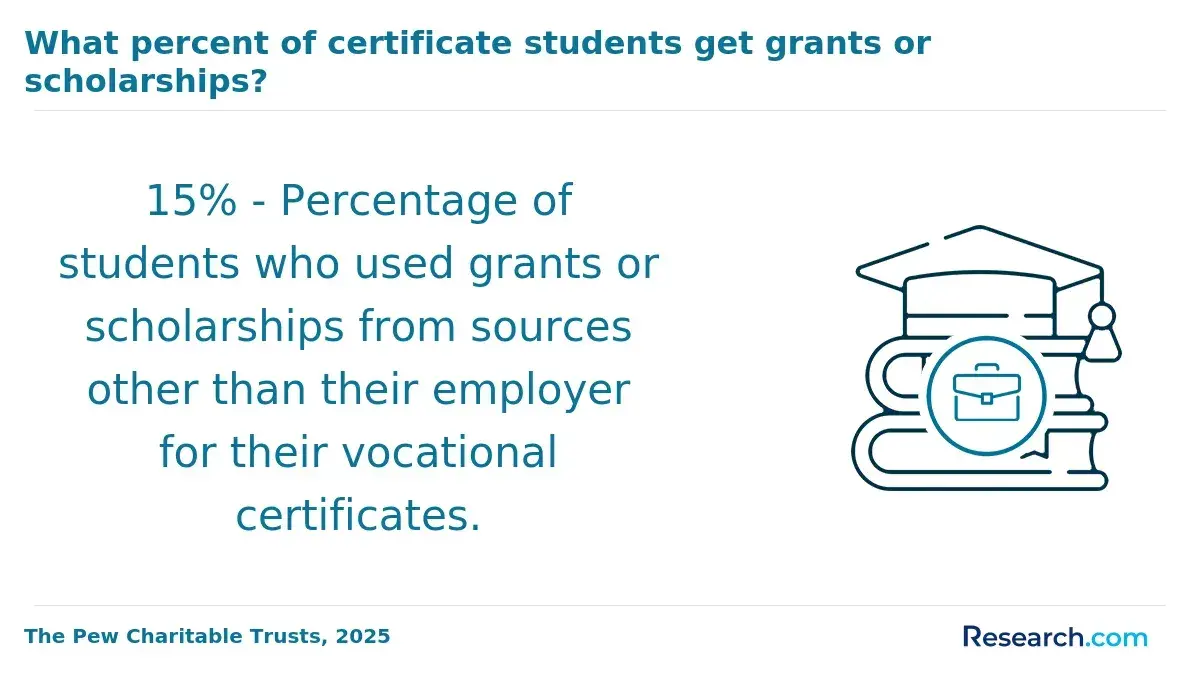
- Graduate Certificates in Food Industry Management: These shorter programs, such as a 12-credit online certificate from the University of Illinois, generally cost about $4,356. Certificates are more affordable and quicker to complete, with financial aid available through scholarships and employer sponsorships.
A graduate of a Food Industry Management degree program shared with me that managing tuition costs was initially daunting, but strategic use of scholarships and part-time work eased the financial burden significantly. She reflected that while the upfront expenses felt substantial, the knowledge and network she gained translated into rapid career progression.
"Investing in this degree was challenging, but the practical skills and support systems made it worthwhile," she noted. Her experience highlights the importance of exploring diverse funding sources early and underscores the tangible career benefits that come from completing a food industry management program.
The level of a food industry management degree plays a crucial role in determining the career opportunities and types of roles graduates are qualified for. Different degree levels prepare students for varying responsibilities, from entry-level supervision to advanced executive management. Below is an outline of common jobs associated with each food industry management degree type to help guide your career planning.
- Associate degree in Food Industry Management: Graduates with an associate degree typically qualify for supervisory or entry-level management roles such as cafeteria manager, kitchen manager, or assistant restaurant manager. These jobs focus on daily operations, staff scheduling, food safety, and customer satisfaction in environments like school cafeterias, casual dining, and healthcare facilities. Students seeking affordable options may explore the cheapest associate degree online.
- Bachelor's degree in Food Industry Management: This degree prepares students for broader management roles such as restaurant manager, catering manager, or food and beverage manager in restaurants, hotels, catering companies, and food wholesalers. Responsibilities include hiring and training staff, managing finances, controlling inventory, and ensuring regulatory compliance. Graduates may also work in account management or sales for food manufacturers or distributors.
- Graduate degree in Food Industry Management (Master's or MBA): Advanced degrees qualify graduates for upper management and executive positions, including food service director, operations manager, quality assurance manager, and product manager within large food corporations or multi-site operations. These roles involve strategic planning, policy development, regulatory oversight, and managing large teams.
Degree level often influences earning potential in food industry management, with higher degrees generally leading to greater salary prospects and career opportunities. Understanding these salary differences can help students make informed decisions about their education and career paths. Below is an outline of typical salary ranges by food industry management degree type, highlighting how pay varies with the level of education.
Here are the typical salary ranges associated with each degree level:
- Associate Degree in Food Industry Management: Entry-level roles such as assistant restaurant managers or supervisors usually start around $40,000 to $55,000 annually. Salary can vary depending on the employer's size and location, with larger companies and urban areas offering higher pay. Advancement to higher management often requires additional experience or further education.
- Bachelor's Degree in Food Industry Management: Graduates typically qualify for mid-level management positions like buyer, supply chain planner, or food service manager, with starting salaries between $45,000 and $76,000. For example, a supply chain planner might earn approximately $76,838 per year. A bachelor's degree generally opens doors to higher-paying corporate or regional management roles over time.
- Master's Degree in Food Industry Management or Related Fields: Advanced degrees allow access to specialized roles such as research and development chef or food scientist, with salaries ranging from $61,000 up to $151,000 depending on the sector and expertise. These degrees are particularly valued in research, product development, and executive leadership.
- Doctoral Degree (PhD) in Food Science or Food Industry Management: Doctoral graduates often work in academia, senior corporate roles, or research, frequently earning above $120,000 annually. Salary growth is influenced by experience, research accomplishments, and leadership roles. Those interested in what are the shortest phd programs can explore options that balance duration with advanced career potential.
There is strong and sustained demand for food industry management degree holders in the U.S. job market, particularly within business and management roles that represent the largest segment of employment opportunities in the food, agriculture, and natural resources sectors. Between 2025 and 2030, an average of 42,855 annual job openings are projected in business and management fields applied to these industries, accounting for over 40% of all sector openings. Food service managers alone are expected to see a 6% job growth rate from 2024 to 2034, faster than the average for all U.S. occupations, with around 42,000 openings annually driven by expansion and replacement needs. Several factors influence these trends, including workforce needs shaped by ongoing shortages, high turnover, and increased competition for skilled management talent as the industry adapts to post-pandemic challenges and rising wage expectations.
Emerging technologies such as automation and data-driven revenue management are reshaping food production, service, and supply chain roles, which increases the need for managers who combine technical knowledge with business expertise. Employers report persistent skills gaps in leadership, financial acumen, and adaptability to regulatory and consumer trends. Regional differences also play a role, with the Midwest, Plains, and South together accounting for nearly 45% of available positions, though demand remains strong nationwide. Entry-level salaries for food service managers average $65,310 per year but vary by sector, geography, and specialization. For students considering their career options, exploring best certificate programs that pay well can also complement degree pathways and broaden job prospects.
Choosing the right degree level in food industry management is a critical decision that aligns your education with both your career goals and personal circumstances. The degree you select will influence not only the knowledge and skills you acquire but also your starting opportunities and career advancement within the industry. To make an informed choice, consider the following key factors:
- Career goals: Your desired roles within the food industry should shape the degree level you pursue. Entry-level positions may require an associate degree or certificate, while management and executive roles typically demand a bachelor's or higher.
- Curriculum focus: Different programs emphasize aspects such as business management, food science, or a combination of both. Ensuring the coursework aligns with your specific interests, like marketing or supply chain management, helps prepare you for targeted job opportunities.
- Practical experience: Programs that offer internships or cooperative education provide hands-on learning and industry connections, which can enhance employability after graduation.
- Time commitment: Consider how much time you can dedicate to your studies. Associate degrees take 1-2 years, bachelor's degrees generally require four years, and online options may offer flexibility for those balancing other responsibilities.
- Accreditation: Selecting an accredited program guarantees recognized quality and eases credit transfers or further education, which is important for both employers and academic progression.
- Salary potential: Higher degree levels usually correspond with greater earning potential, with bachelor's graduates often earning median salaries near $55,000 and specialized graduate degrees opening doors to $70,000 or more in senior roles.
What Food Industry Management Graduates Say About Their Degree and Salary
- Jamal: "Completing my degree in food industry management was a transformative journey that opened doors to a wide array of career paths in hospitality and food production. The program's emphasis on sustainable practices gave me a unique perspective that employers highly value, especially in today's environmentally conscious market. I now work as a supply chain analyst, ensuring quality and efficiency from farm to table, and I feel proud knowing my role supports both economic growth and community health. This degree didn't just teach me technical skills-it also ignited a passion for innovation and ethical leadership in the food sector."
- Sophia: "After earning my bachelor's in food industry management, I was able to jumpstart my career as a food safety consultant with a reputable firm. The comprehensive curriculum covering regulations, quality control, and risk management gave me the confidence to advise businesses on maintaining the highest standards. Professionally, I've grown tremendously, taking on leadership roles that allow me to mentor others entering this critical field. Reflecting on my journey, I appreciate how the degree challenged me to think critically and communicate effectively with diverse teams."
- Diego: "One of the most rewarding aspects of my master's in food industry management has been the ability to influence community nutrition programs and food access initiatives. The program's blend of business acumen and social responsibility prepared me to collaborate with nonprofit organizations and local governments effectively. Personally, this education fueled my commitment to making positive impacts in underserved populations by improving food supply chains and outreach. The challenges of balancing economic viability with social good keep me motivated every day as a professional in this evolving industry."
Other Things You Should Know About Food Industry Management Degree Programs & Salaries
Prerequisites for enrolling in a food industry management degree in 2027 typically include a high school diploma, standardized test scores such as SAT or ACT, and, in some cases, relevant work experience or prior coursework in business or food sciences.
In 2027, food industry management degrees include Bachelor's in Food Science, Master's in Agribusiness Management, and MBA in Food and Beverage Management. Entry-level graduates can expect salaries ranging from $40,000 to $55,000, while those with advanced degrees may earn between $70,000 and $100,000.
- BBA Culinary Industry Management https://www.cordonbleu.edu/london/culinary-industry-management-bba/en
- Agriculture - Food Industry Management https://illinoisstate.edu/academics/food-industry-management/
- Culinary Industry Management | University of West London https://www.uwl.ac.uk/course/undergraduate/culinary-industry-management
- How to choose a culinary and restaurant management course? | By Morgane Dumollard https://www.hospitalitynet.org/opinion/4120719.html
- Food Industry Management (B.S.) https://www.canr.msu.edu/afre/undergraduate/food_industry_management
- Food Industry Management major map - Students https://students.usask.ca/major-maps/food-industry-management.php
- 13 Great Careers in the Food Industry https://www.escoffier.edu/blog/culinary-pastry-careers/13-great-careers-in-the-food-industry/
- MSc in the field of Food Industry: Management and Marketing https://www.scifac.hku.hk/prospective/tpg/FoodInd
- How to choose a culinary and restaurant management course? https://hospitalityinsights.ehl.edu/choosing-culinary-and-restaurant-management-course
- The Salary of a Person With a Degree in Food Industry Management https://work.chron.com/salary-person-degree-food-industry-management-3503.html