2027 Is a 2-Year Food Industry Management Degree Worth It: Accelerated Bachelor's ROI & Time Trade-Offs

Co-Founder and Chief Data Scientist
Many prospective students face uncertainty about committing two years to an accelerated bachelor's degree in food industry management. According to the National Center for Education Statistics, graduates with industry-specific bachelor's degrees see a 15% higher employment rate within six months compared to associate degree holders. Yet, accelerated programs demand a significant time investment, potentially limiting work experience opportunities. This article examines the balance between the accelerated degree's time trade-offs and its financial return on investment. It will help readers assess whether this educational path aligns with their career ambitions and financial goals in the evolving food industry landscape.
Key Benefits of a 2-Year Food Industry Management Degree
- Accelerated 2-year food industry management degrees enable quicker entry into the workforce, reducing opportunity costs compared to traditional 4-year programs.
- Graduates often experience a strong ROI, with entry-level salaries rising 15% faster than non-degree holders in food production and supply chain roles.
- The condensed curriculum focuses on practical skills, allowing graduates to gain relevant experience sooner and improve long-term career growth prospects.
How Do 2-Year Food Industry Management Programs Work?
Two-year accelerated food industry management programs offer a streamlined path for students aiming to earn a bachelor's degree rapidly while preparing for careers in food production and management. Understanding the structure of these programs is crucial for those weighing the demands of an accelerated degree against their career and financial goals. Below is a breakdown of the core elements that define how these programs operate.
- Accelerated Pacing: These programs condense a traditional four-year curriculum into two years by increasing the course load and shortening term lengths, enabling students to complete their degree faster.
- Year-Round Enrollment: Instead of the typical academic year, students enroll continuously throughout the year, including summer terms, to maintain steady progress without extended breaks.
- Condensed Course Terms: Terms often last between 8 to 10 weeks, compared to standard 15-week sessions, which intensifies the pace and requires strong time management skills.
- Credit Load Expectations: Students typically take between 15 and 18 credits per term, higher than the usual 12 to 15 credits in traditional programs, reflecting the increased workload per session.
- Instructional Format: Programs mix online, in-person, and hybrid courses to offer flexibility-especially beneficial for working adults balancing education with other responsibilities.
- Assessment Methods: Evaluation is usually performance-based and ongoing, including projects, case studies, and exams designed to simulate real-world challenges within the food industry.
- Curriculum Progression: Advancement depends on mastering essential competencies in food production, supply chain logistics, operational management, and regulatory compliance, all critical for leadership roles.
Food industry management degree admissions and coursework workload often attract students seeking an efficient route without sacrificing educational quality. The National Center for Education Statistics notes these accelerated programs can save approximately two years, potentially lowering tuition costs. Moreover, the U.S. Bureau of Labor Statistics projects about 7% job growth in food service management by 2032, indicating strong demand for graduates. For those comparing options, exploring related fields can be useful-some might consider pathways such as an online DNP to diversify their expertise or career options.
What Are the Admission Requirements for a 2-Year Food Industry Management Degree?
Choosing an accelerated bachelor's in food industry management requires close attention to admission requirements, as they set the foundation for success in such an intensive program. Knowing these criteria upfront helps prospective students assess their eligibility and better prepare their applications. Below is a concise overview of typical expectations for a 2-year food industry management degree admission requirements.
- Prior Education: Most programs expect applicants to have a high school diploma or an equivalent credential. Successful candidates often demonstrate a minimum GPA ranging from 2.5 to 3.0 to show they can handle college-level coursework.
- Prerequisite Courses: Some programs require foundational classes in biology, chemistry, or basic math. These prerequisites ensure students possess essential knowledge for specialized food industry management studies.
- Standardized Tests: While SAT or ACT scores are less frequently mandated for community colleges or technical schools offering two-year degrees, some institutions may still consider them during the admissions process.
- Work Experience: Practical experience in food service or related fields is usually optional but can enhance an application by demonstrating industry familiarity and motivation.
- Additional Documentation: Applicants might need to submit official transcripts, letters of recommendation, or personal statements, depending on each program's requirements.
These aspects highlight the balance between accessibility and the need for a solid academic or experiential background in many accelerated food industry management program eligibility criteria. For those interested in fast-tracking their career in related healthcare fields, reviewing medical assistant programs may also provide useful insights into accelerated credentialing options.
What Does a Typical Week Look Like in a 2-Year Food Industry Management Program?
Knowing how a typical week is structured and the workload involved is crucial for anyone considering an accelerated Food Industry Management degree. This understanding ensures students can realistically evaluate if they can handle the program's swift pace and intensive demands. Below is a breakdown of the usual weekly elements that shape this focused two-year curriculum.
- Class Sessions and Lectures: Students usually attend several sessions each week that blend traditional lectures with interactive activities such as case analyses and practical projects. These cover essential industry topics including supply chain operations, food safety standards, and marketing techniques.
- Assignments and Assessments: Weekly work often consists of research papers, data interpretation tasks, and reflective writing. These assignments are designed to deepen comprehension and provide ongoing evaluation of student progress.
- Collaborative Group Work: Team projects are frequently integrated to simulate real-world work environments where communication and meeting deadlines with peers are key to success.
- Independent Study: Outside of class, students dedicate considerable time to reading detailed materials, revising content, and prepping for exams or presentations, supporting sustained mastery of complex concepts.
- Instructor Support: Engagement with professors extends beyond class time through email, office hours, and discussion forums, helping clarify challenging subjects and offering career guidance.
- Time Management: Managing coursework alongside internships or employment requires rigorous scheduling and prioritization skills due to the condensed timeframe.
When asked about what a typical week felt like during his accelerated degree, a professional graduate shared how demanding yet rewarding the experience was. "Balancing intense coursework with a part-time job pushed me to develop strict routines," he recalled. "I often found myself reviewing lecture notes late into the evening while preparing group presentations. It was stressful at times, but knowing every assignment connected directly to industry practices kept me motivated." This firsthand perspective highlights the adaptive mindset needed to thrive in such a program.
Choosing the right delivery format is crucial for students pursuing an accelerated food industry management degree, as it directly impacts flexibility, accessibility, and effective time management. Online options enable students to fit studies around work and personal commitments while maintaining momentum toward completing their degree. Below is an overview of key aspects shaping these 2-year programs.
- Fully Online vs. Hybrid Formats: Programs may be entirely online, allowing students to complete coursework remotely, or hybrid, blending online study with occasional in-person sessions for practical learning and labs. This mix caters to various preferences and learning styles.
- Asynchronous and Synchronous Learning: Asynchronous courses let students access materials at any time, offering convenience for busy schedules. Synchronous classes involve live sessions, fostering real-time interaction with peers and instructors, which can boost motivation and engagement.
- Technology Requirements: A stable internet connection and a capable device are essential. Learning management systems support content delivery, assignments, and communication, creating a structured virtual learning environment.
- Student Support Services: Online students often have access to advising, tutoring, and career counseling, ensuring they receive guidance and help comparable to traditional campus services.
- Pacing and Engagement: Accelerated formats allow faster completion than typical semester timelines, with some programs reducing degree length by up to two years. Interactive components in online courses help maintain student involvement and academic progress.
Evaluating the total cost of a 2-year food industry management degree is essential to determine its return on investment. Accelerated programs offer a faster path to earning a bachelor's degree, which can reduce overall expenses and time away from the workforce. These savings make it important to carefully analyze how tuition and related costs stack up before committing.
- Tuition and fees: Tuition fees for accelerated food industry management program formats tend to be higher per credit due to their intensive nature, but the total cost may be lower since fewer semesters are needed to graduate.
- Textbooks and learning materials: These expenses remain stable regardless of program length but can add up due to required up-to-date industry resources and digital access fees.
- Technology and lab fees: Specialized software, lab equipment, and hands-on materials necessary for food industry management studies can increase costs beyond basic tuition and textbooks.
- Living expenses and opportunity costs: Finishing the degree in two years reduces time spent out of the workforce, helping to lower living expenses and mitigate lost income compared to traditional four-year programs.
In addition to these factors, accelerated degree students often save significantly on time, leading to earlier workforce entry and higher lifetime earnings. Those interested in related fields might explore options like medical billing and coding certification online for complementary career pathways that also balance cost and time efficiency.
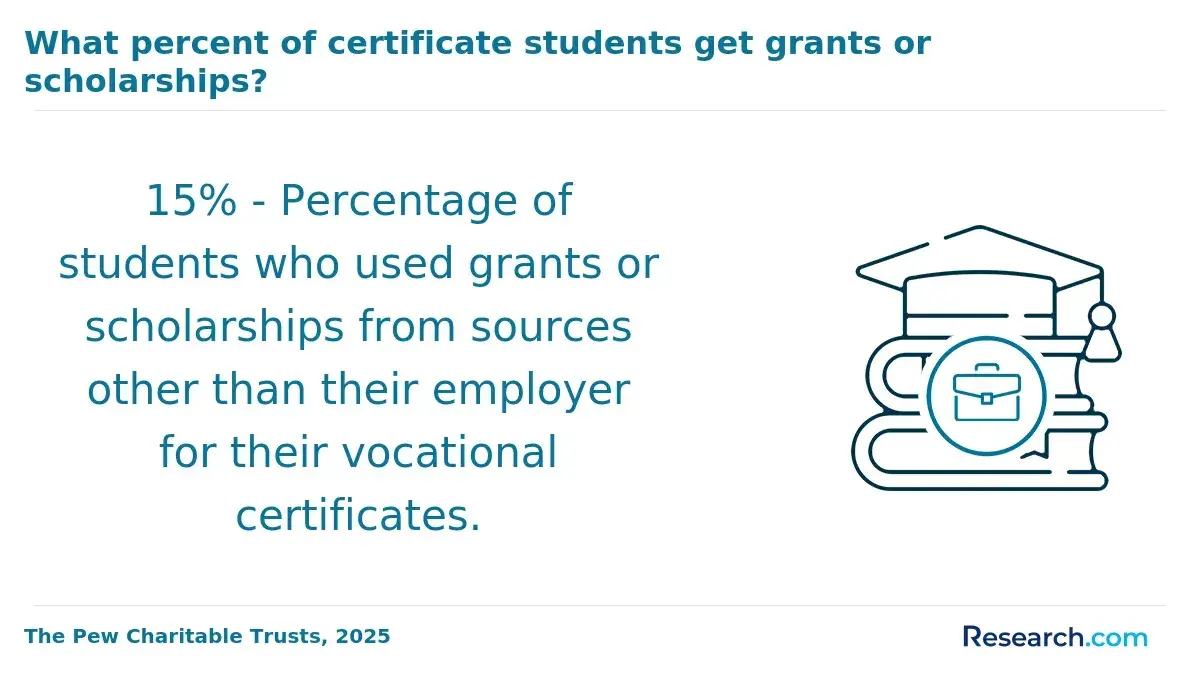
Financial aid is a critical factor for students considering accelerated food industry management programs, as it can significantly influence affordability and return on investment. Since these programs often involve condensed schedules and intense credit loads, understanding available funding options-and how accelerated pacing affects them-is essential to financial planning. Below is a breakdown of common aid types and considerations for those pursuing a two-year path.
- Federal Student Aid Eligibility: If the institution is accredited and participates in Title IV funding, students can access Pell Grants, Federal Supplemental Educational Opportunity Grants (FSEOG), and Direct Loans. Accelerated programs may affect how aid is disbursed since funding is usually allocated based on credits per term, requiring careful timing to maintain eligibility throughout the shorter semesters.
- Scholarships and Grants: Targeted scholarships for food industry, hospitality, or management students can supplement costs. These awards often consider merit or financial need, providing critical support especially in accelerated settings where traditional aid timelines may not align perfectly.
- Employer Tuition Assistance: Some employers provide tuition reimbursement or assistance programs as part of professional development, which benefits working adults balancing study and career responsibilities. This option can help alleviate financial pressure without adding loans.
- Payment Plans: Schools may offer tuition payment plans that divide total costs into smaller, more manageable installments. This flexibility helps students handle expenses without requiring large upfront payments, which is useful when accelerated pacing condenses financial obligations.
A professional who completed an accelerated bachelor's degree in food industry management shared her journey and financial aid experience. She recalled that navigating federal aid was initially confusing due to the fast pace; "I had to stay in close contact with financial aid advisors to sync my enrollment and payment schedules." Despite the challenge, she found that a mix of Pell Grants and employer tuition reimbursement made finishing in two years financially feasible. "Juggling work, study, and loan paperwork was tough, but having those supports meant I never had to pause my education." She also appreciated the availability of flexible payment plans to smooth out tuition timing. Reflecting on her path, she noted, "Financial aid is totally viable for accelerated programs if you're proactive about understanding the rules-and it makes completing the degree in two years not just a dream but a practical reality."
Assessing career opportunities with an accelerated food management degree is crucial for those weighing the time and financial commitment of earning a 2-year food industry management degree. Understanding the types of food industry management jobs after 2-year degree programs helps clarify how graduates can enter the workforce efficiently and build a strong foundation in the sector. Below is an overview of common career paths and how this accelerated format prepares students for success.
- Food Service Manager: Graduates often begin as food service managers, overseeing daily operations in restaurants, cafeterias, or catering companies. This role demands leadership skills and a grasp of food safety and customer service standards.
- Quality Assurance Assistant: In quality control roles, graduates help ensure that food products meet regulatory and safety requirements. This entry-level job emphasizes attention to detail and compliance knowledge developed through targeted coursework.
- Supply Chain Coordinator: Managing logistics from production to distribution, supply chain coordinators play a vital role in maintaining efficiency. Accelerated degrees focus on supply chain logistics, giving students practical skills applicable here.
- Production Supervisor: Early-career supervisors in food manufacturing plants or warehouse settings use their training to optimize workflow and staff coordination. The applied learning focus of these programs supports readiness for such operational responsibilities.
The rapid pace of an accelerated program can save students significant time compared to traditional studies, allowing for earlier career engagement and reduced tuition costs. This time efficiency may increase the return on investment, a key consideration when exploring career opportunities with accelerated food management degree programs. Moreover, employment growth in food-related management roles remains steady, supported by industry trends.
For those interested in exploring related fields, examining the cheapest online healthcare management degree options can also provide insights into cost-effective management education paths in other sectors.
Salary outcomes are a critical factor when evaluating the return on investment (ROI) of accelerated versus traditional degree paths in food industry management. Understanding the earnings trajectory helps prospective students weigh the benefits of shorter programs against potential long-term gains. The following points detail key salary comparisons relevant to those considering these educational routes.
- Early-career earnings: Graduates with a 2-year food industry management degree typically start with a median salary around $50,000, which is lower than the approximately $65,000 median starting salary for individuals holding traditional bachelor's degrees. These figures reflect widely reported industry averages and highlight immediate income differences.
- Long-term earning potential: Bachelor's degree holders often see their median salaries rise above $80,000 within ten years as they take on expanded responsibilities and leadership roles. This wage growth illustrates a greater upward mobility over time compared to associate degree holders.
- Employer perception and career progression: Employers frequently favor traditional bachelor's degrees for upper management and specialized positions, leading to faster advancement. Although 2-year degree holders gain earlier workforce entry, the perception gap may impact promotion opportunities and salary increases.
- Faster workforce entry impact: Completing a 2-year program allows graduates to enter the job market sooner, potentially accumulating two or more years of experience compared to four-year graduates. This earlier start can partially offset the initial salary gap and may boost lifetime earnings if the individual's career advances steadily.
- Accelerated bachelor's degree benefits: Accelerated bachelor's programs in food industry management, usually completed within 2.5 to 3 years, blend quicker completion with salary levels comparable to traditional bachelor's graduates. This option helps balance cost, time, and income potential effectively.
For working adults and students comparing paths, it is useful to consider these salary trends alongside the broader financial and career goals. Some prospective students also explore related options such as cheap RN to BSN online programs as part of their overall education investment strategy.
Evaluating the return on investment (ROI) for accelerated food industry management degrees is essential for students planning their educational and career paths. Making an informed choice ensures that the time and money invested align with future earnings and job prospects. Several pivotal factors contribute to understanding the real value these programs offer.
- Time-to-completion: Accelerated programs shorten the typical four-year duration, often halving it, which enables students to enter the workforce much earlier. This faster completion reduces overall education time and allows for earlier salary accumulation.
- Tuition and total cost: Although the cost per credit may be higher in intensive programs, the overall expense frequently decreases because students attend fewer semesters. This balance can result in lower total tuition compared to traditional degree timelines.
- Opportunity cost savings: Graduating sooner means beginning a career earlier, which translates to additional income that might otherwise be lost during extended study periods. Given the median salary for food service management roles hovers near $59,000 annually, these savings can be substantial.
- Employment outcomes and salary growth: Graduates often gain in-demand skills such as food safety, supply chain management, and leadership, positioning them for steady career advancement and income increases over time.
- Industry demand: Food industry management careers are projected to grow steadily, enhancing job security and prospects for those holding relevant qualifications.
- Transferability of skills: The competencies developed-including budgeting, operations, and management-are applicable across various sectors, improving long-term career flexibility and adaptability in a changing job market.
When deciding if a 2-year food industry management degree fits your needs, evaluate your learning preferences and capacity for a fast-paced curriculum. These programs compress material typically covered in four years, requiring sharp focus and strong time management skills. If you have limited availability or immediate career ambitions, this accelerated option can significantly shorten your educational timeline.
Consider how well you adapt to intense study periods and whether you can balance other life commitments alongside your coursework. Your professional goals and urgency to enter the food industry workforce should also influence your choice.
Financially, accelerated degrees might seem costly per credit but often reduce total expenses by shortening time spent in school. Median salaries for food service managers hover around $59,000 annually, increasing with experience and advanced qualifications, so assess if this aligns with your anticipated return on investment.
Employers tend to value practical experience combined with formal education, so gaining hands-on skills alongside the degree is important. Lastly, think about how this pathway affects future academic opportunities, as some accelerated routes may limit options for advanced study compared to traditional degrees.
What Graduates Say About Their 2-Year Food Industry Management Degree
- Indal: "Choosing the 2-year accelerated food industry management program was the best decision I made for my career. The fast-paced schedule was challenging, but it forced me to stay organized and focused, which prepared me well for the industry's demands. With the average cost of attendance being reasonable, I was able to graduate debt-free and quickly move into a managerial role. I'm enthusiastic about how this degree set me up for success."
- Sage: "I chose the 2-year food industry management program because I wanted a practical, streamlined education without spending extra time or money. Balancing the intense course load with part-time work required careful planning, but I appreciated how every class was directly relevant to my career goals. Reflecting on my journey, I see how this degree accelerated my path into leadership positions and increased my industry insight."
- Timo: "The decision to complete a 2-year accelerated bachelor's in food industry management was strategic; I needed to enter the workforce quickly yet with solid credentials. Managing a dense schedule wasn't easy, but it cultivated discipline and time management skills that have been invaluable professionally. The degree's impact is clear in my career advancement, proving that an efficient, cost-effective program can produce capable industry leaders."
Other Things You Should Know About Food Industry Management Degrees
Students should confirm whether the program requires a supervised internship, co-op, or practicum, since many employers expect 1 term of field experience before graduation. Ask how many hours are required, when placement begins, and whether the school partners with food manufacturers, distributors, or retail chains.
Work experience significantly enhances the value of a 2-year accelerated degree by providing practical skills and industry contacts that complement academic knowledge. Many programs encourage or require an internship, which directly improves employability and ROI. Without relevant work experience, graduates may face more challenges entering higher-level positions despite the faster degree completion.
Networking opportunities in accelerated Food Industry Management programs might be more limited due to the compressed schedule, which reduces time available for extracurricular activities and building long-term connections. Traditional programs often provide more chances for internships, student organizations, and events. However, motivated students can still build strong professional networks if programs offer career services and industry engagement.
- Food industry finance https://onemoneyway.com/en/blog/food-industry-finance/
- Food Industry Careers & Jobs | General Mills Careers https://careers.generalmills.com/career-areas
- Apply to Financial Aid and study at the MMCI Culinary Institute | EN https://www.mmci.edu/en/site/financial-aid
- 5 best two-year degrees for international students in the UK https://studyinternational.com/news/two-year-degree-uk/
- Food Industry Management https://programs.usask.ca/agriculture-and-bioresources/food-industry-management/index.php
- Find the Right Restaurant Management Degree | All Culinary Schools https://www.allculinaryschools.com/restaurant-management/choosing-restaurant-management-degree/
- How to measure ROI for innovationâyour complete guide https://www.strategyzer.com/roi-for-innovation
- BBA Culinary Industry Management https://www.cordonbleu.edu/london/culinary-industry-management-bba/en
- Two year accelerated degrees https://www.staffs.ac.uk/courses/undergraduate/study-options/two-year-accelerated-degrees