2027 Accelerated vs. Traditional Food Industry Management Degrees: Pros & Cons

Co-Founder and Chief Data Scientist
Choosing between accelerated and traditional food industry management degrees involves weighing speed against depth of study. Accelerated programs, popular among working adults and career changers, offer faster completion times, with recent data showing a 35% increase in enrollment nationwide. Traditional degrees provide a more flexible pace, allowing for in-depth academic engagement and comprehensive skill development over several years.
This article compares the time commitment, learning experience, and career outcomes of both paths. It also highlights essential factors students should consider when deciding which program best aligns with their professional goals and personal circumstances in the food industry management field.
Key Points About Accelerated vs. Traditional Food Industry Management Degrees
- Accelerated food industry management programs offer flexibility for working professionals, enabling faster entry into leadership roles and often reducing overall tuition costs by shortening program length.
- Traditional degrees provide deeper academic engagement, fostering comprehensive food system knowledge and allowing students time to develop critical thinking and practical skills at a manageable pace.
- Conventional programs support stronger peer networks through extended on-campus interactions, benefiting those who value collaboration and mentorship for long-term career growth.
What Are the Differences Between Accelerated vs. Traditional Food Industry Management Programs?
Accelerated and traditional food industry management degree formats differ primarily in pacing, scheduling, and learning intensity. These variations shape how students engage with course material and manage their time.
Below is a comparison of key differences between accelerated Food Industry Management program structure vs traditional formats that impact the overall academic experience.
- Pacing and Intensity: Accelerated programs demand rapid absorption of material with compressed schedules and frequent deadlines, requiring strong self-discipline and quick synthesis of complex topics. Traditional programs offer more time to reflect, allowing for deeper mastery and engagement with each subject.
- Peer Interaction and Networking: Higher cohort turnover and condensed group projects in accelerated programs limit the opportunity for lasting peer relationships. Traditional programs favor sustained collaboration and networking, fostering stronger professional connections over time.
- Faculty Access and Feedback: Accelerated students often experience shorter, more frequent bursts of contact, frequently relying on digital communication. In contrast, traditional students benefit from longer, in-person interactions and extended feedback cycles, aiding iterative learning.
- Experiential Learning: Traditional formats generally provide extended internships, industry projects, or capstone experiences, whereas accelerated programs may offer fewer practical opportunities due to time constraints, influencing hands-on exposure.
Students exploring their options for degrees may also consider programs designed for faster completion, such as the best online associate degree in 6 months. Understanding these differences between accelerated and traditional food industry management degrees helps prospective students align their choice with personal learning styles, support needs, and career networking goals.
How Fast Can You Finish an Accelerated vs. Traditional Food Industry Management Program?
Program length varies significantly between accelerated and traditional food industry management degrees. Accelerated formats condense coursework into shorter terms through heavier course loads and overlapping graduate classes, while traditional paths follow a standard academic pace, typically requiring more time to complete.
Understanding these differences helps prospective students gauge the commitment needed for each option.
- Transfer Credits: Students who bring in prior credits or an associate degree can reduce their time to graduation. Transfer credits often allow faster completion in both accelerated food industry management degree duration and traditional program length, although accelerated tracks benefit more from maximizing these credits.
- Full-Time vs. Part-Time Enrollment: Full-time students generally finish faster as they take a standard or heavier course load each term. Part-time students may extend their program duration due to external responsibilities, impacting both accelerated and traditional tracks differently depending on course intensity.
- Course Intensity and Overlap: Accelerated programs typically require summer or intersession courses and allow some graduate courses to count toward undergraduate requirements, shortening the overall timeline. Traditional programs usually follow a four-year bachelor's plus two-year master's pace, without such overlaps.
- Admission Requirements: Accelerated tracks often demand higher GPAs and prerequisite courses, which can restrict eligibility and affect how quickly students start the program.
For example, according to Arizona State University, students can complete an accelerated bachelor's degree in food industry management in three years or fewer, while combined bachelor's and master's degrees may be finished in five years when all criteria are met. Those interested may also explore what is the easiest bachelor's degree to find programs that align with their needs.
What Are the Admission Requirements for Accelerated vs. Traditional Food Industry Management Programs?
Admission requirements for accelerated and traditional food industry management programs often share common standards, such as GPA, test scores, and prerequisite coursework.
However, they differ in how they evaluate academic readiness and professional experience. These variations help tailor each program format to distinct student profiles and educational goals.
The following bullet points highlight key distinctions in admission expectations for each program type:
- Educational Background: Accelerated food industry management program admission requirements typically demand applicants to have completed a significant portion of their undergraduate studies or hold a bachelor's degree. In contrast, traditional food industry management degree entry criteria generally allow admission directly from high school or after basic postsecondary coursework.
- Work Experience: Accelerated programs frequently require current employment in a food industry management role and a recommendation from the employer, reflecting their focus on experienced students ready for an intensive curriculum. Traditional programs usually do not mandate prior industry experience, emphasizing academic qualifications instead.
- Academic Performance: Both formats set minimum GPA standards, but accelerated tracks enforce higher thresholds, often a 3.0 GPA or above. They may also require strong academic standing in both undergraduate and graduate coursework if earning dual credit, while traditional programs have more flexible GPA requirements.
- Prerequisite Courses: Applicants to accelerated programs may need to demonstrate completion of upper-division or industry-related coursework. Traditional degree entry criteria typically require only general education or introductory courses.
- Application Timing: Accelerated programs often accept students after two or more years of undergraduate study, typically in the junior year. Traditional admissions follow standard university cycles, allowing earlier entry points.
Understanding these differences can help prospective students choose between paths aligned to their experience and academic progress. For those interested in financially rewarding educational paths, it's useful to explore top majors that make the most money to guide long-term career planning.
Accelerated food industry management programs condense the same curriculum found in traditional degrees into a much shorter period, demanding a faster pace and greater weekly workload.
These programs usually require full-time, in-person attendance, while traditional courses often offer more flexible scheduling and delivery options. This difference results in varied learning experiences and commitments between the two formats.
- Course Length: Traditional degrees generally take four years to complete, allowing students to balance academics with internships or part-time work; accelerated programs pack equivalent content into one to two years, ideal for professionals wanting faster advancement.
- Weekly Workload: Accelerated formats require a high-intensity schedule with full-time study every week, whereas traditional courses often permit part-time enrollment and more flexible pacing suited for those managing other responsibilities.
- Instruction Style: Accelerated programs focus on hands-on, immersive training led by industry experts to emphasize immediate practical skills. Traditional degrees blend classroom learning with general education, providing broader foundational knowledge.
- Flexibility: Traditional programs offer online or hybrid options and staggered start dates to accommodate diverse student needs; accelerated courses typically demand fixed start dates and consistent full-time presence.
Tuition and overall expenses vary between accelerated and traditional food industry management programs, primarily because accelerated options require less time to complete. This shorter duration often leads to lower total tuition and reduced living costs, even though annual tuition rates can be similar.
Key financial distinctions between accelerated and traditional food industry management programs include:
- Tuition Rate per Credit: Both formats generally charge comparable prices per credit hour, ranging from $243 to $495 depending on the institution in 2025. The price consistency means students pay similar rates for each class regardless of program length.
- Program Duration and Total Cost: Accelerated degrees often finish in 18 to 24 months, compared to the four years for traditional programs. This reduced timeframe decreases total tuition paid and lowers associated expenses like housing and fees.
- Opportunity Cost: Students in accelerated programs return to the workforce sooner, minimizing income lost during study periods. Traditional students face longer gaps in employment, increasing indirect costs.
- Financial Aid Availability: Both program types offer financial aid, but accelerated schedules can affect eligibility and the maximum amount awarded due to condensed course loads.
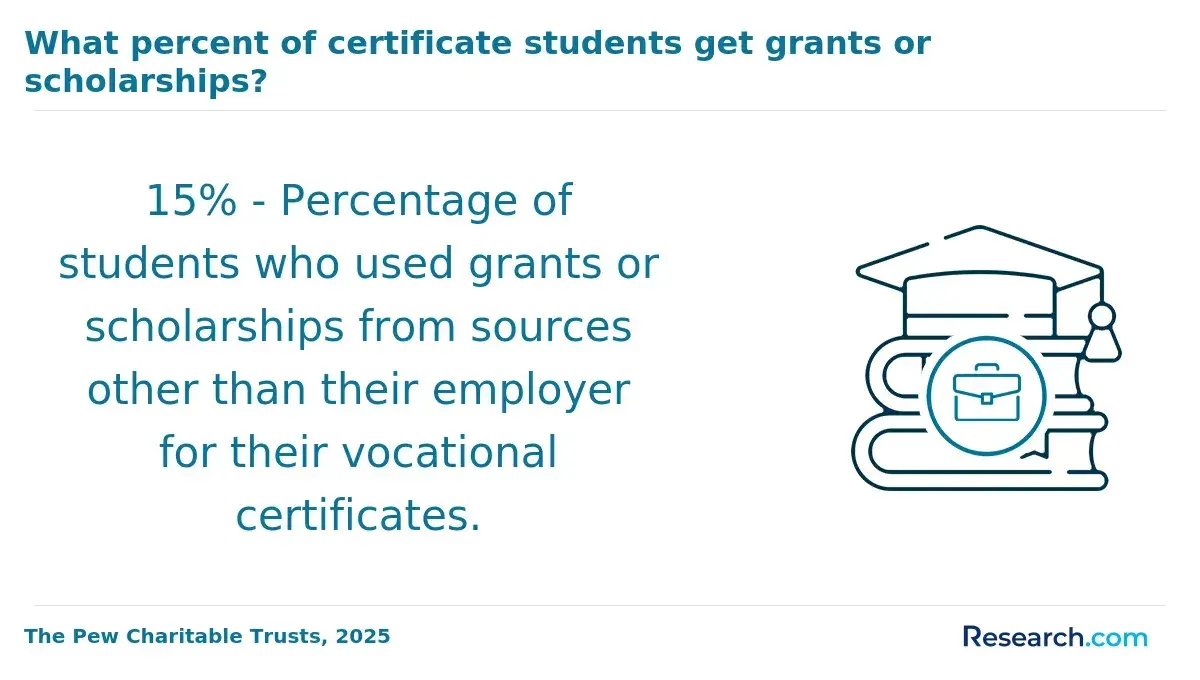
Both accelerated and traditional food industry management degree students in the U.S. may qualify for financial aid, though their eligibility and funding timelines often vary depending on program length and enrollment status. Accelerated programs typically have compressed schedules, which can influence the timing and availability of aid compared to traditional semester-based formats.
Here's how financial aid options differ for each program type:
- Federal Aid Eligibility: Both formats require submission of the FAFSA to access grants and loans, but accelerated students must carefully track their enrollment status since shorter terms can impact funding periods.
- Scholarship Timelines: Industry-specific scholarships are available to all eligible students, yet accelerated learners need to be mindful of earlier application deadlines and faster award cycles.
- Employer Tuition Assistance: Many food industry employers support tuition reimbursement, which can be especially helpful for accelerated students balancing work and study due to the program's flexibility.
- Aid Disbursement and Renewal: Accelerated students may face challenges with aid renewal timing, requiring proactive communication with financial aid offices to ensure uninterrupted funding.
A professional who pursued an accelerated food industry management degree shared how navigating financial aid felt like a race against time. "The fast pace meant I had to apply early and stay on top of every deadline, which was stressful but rewarding," he recalled.
He described frequent calls with the financial aid office to confirm disbursement dates and mentioned that employer tuition help eased the burden, allowing him to focus on coursework. Reflecting on the experience, he said, "Having that support, even if it took some effort to coordinate, made all the difference in completing the program without overwhelming debt."
Student support is essential for academic achievement, with accelerated and traditional food industry management programs offering different approaches to services in timing, format, and availability. These differences impact how students engage with key support systems throughout their studies.
The following bullet points compare the main support options typically found in each program style.
- Academic Advising: Accelerated programs usually provide online advising with flexible schedules tailored for working students, relying on email or video chats for quick but less personalized guidance. Traditional programs offer in-person advising with regular office hours, allowing for deeper, ongoing academic relationships.
- Tutoring: Tutoring in accelerated formats is often virtual and limited to short sessions or specific courses to fit fast-paced curricula, while traditional programs have on-campus centers with group and peer-led options that support more comprehensive learning.
- Career Services: Career support in accelerated programs tends to be streamlined, focusing on digital tools and brief coaching aimed at immediate job placement. Conversely, traditional programs provide workshops, networking events, and long-term mentorship through campus career centers.
- Peer Interaction: Accelerated students may experience limited peer engagement due to remote settings and compressed timelines, whereas traditional programs encourage ongoing collaboration and relationship-building through face-to-face opportunities.
Employment outcomes are a crucial factor when choosing between accelerated and traditional food industry management programs. Both paths offer solid career prospects, yet the speed at which graduates land jobs can vary depending on several elements.
Job placement trends reveal important insights:
- Employer Perception: Traditional programs often receive higher regard due to their comprehensive curriculum, which some employers interpret as indicative of more thorough industry training and readiness for complex roles.
- Career Readiness: Accelerated programs enable quicker entry into the workforce; however, graduates must prove their condensed experience matches the practical skills and leadership development typical of longer programs.
- Industry Demand: With strong hiring needs and only about half of openings filled by degree holders, both types of graduates typically find work promptly, though traditional degree holders may benefit from better access to internships and in-person networking.
- Job Placement Speed: Data shows most graduates from either format secure employment within six months, but those from traditional programs tend to achieve slightly higher rates in management-focused roles.
Reflecting on this, a professional who graduated from a traditional food industry management program shared her experience. She described the job hunt as intense but rewarding, emphasizing how her program's reputation opened doors with several employers during and right after graduation. "The extensive hands-on projects and internships I completed made a difference," she explained.
"I felt confident walking into interviews because I'd already navigated real-world challenges. While it took some persistence, I was able to secure a management position within four months. The network built through the program definitely helped." Her journey highlights that while the path might be challenging, traditional programs can provide an edge in securing a job swiftly in the competitive food industry management field.
Accreditation ensures academic quality and legitimacy for both accelerated and traditional food industry management programs, regardless of pacing or delivery format. This process confirms that degree programs meet rigorous standards for curriculum, faculty, and student outcomes.
Accreditation also plays a crucial role in determining financial aid eligibility, credit transferability, and employer recognition, making it an essential consideration for prospective students. Whether a program is completed on an accelerated timetable or through a conventional schedule, students must be confident that their degree holds value in the job market and education system.
The accreditation standards for accelerated food industry management degrees generally follow the same criteria as traditional programs, though there can be differences in how institutions design coursework to meet these standards within a condensed timeframe. Regional and programmatic accrediting bodies, such as the Accreditation Commission for Programs in Hospitality Administration (ACPHA), apply consistent requirements, including curriculum review and outcome assessments.
However, differences in accreditation between accelerated and traditional food industry management programs often relate to the delivery method and pace rather than academic rigor. Prospective students should verify institutional accreditation before enrolling to ensure their degree is widely recognized. Resources like the U.S. Department of Education or a directory of accredited online colleges non profit can help confirm valid accreditation status.
Choosing between an accelerated and a traditional food industry management degree depends largely on your career goals, schedule flexibility, and preferred learning pace. Both options offer distinct advantages based on personal circumstances and professional priorities.
To decide which path fits you best, consider the following key factors.
- Time Commitment: Accelerated food industry management degree benefits include completing your education in a shorter time, often with a higher weekly workload and condensed schedule. Traditional programs, however, allow for a steadier pace that accommodates more time for reflection and extracurricular activities.
- Learning Style: Accelerated programs are ideal for self-disciplined, motivated learners who thrive in intensive, immersive environments. Traditional degrees serve those preferring a gradual, in-depth approach with opportunities for networking and campus involvement.
- Career Goals: Traditional food industry management degree career outcomes often include broader specialization and research opportunities. Accelerated degrees are best for those seeking immediate employment or rapid advancement in roles like brand manager, district manager, or food entrepreneur.
For students considering online options, it's important to choose programs that are fully accredited; you can learn more about what online colleges are nationally accredited to ensure quality education.
What Students of Accelerated vs. Traditional Food Industry Management Programs Say About Their Degree
- Eddie: "The traditional food industry management program offered a comprehensive curriculum that allowed me to deeply understand every aspect of the field. Although the cost was a bit high compared to other options, the steady pace helped me balance work and study without feeling overwhelmed. This degree has truly opened doors for my career in supply chain management within the food sector. "
- Gilbert: "Enrolling in the traditional program gave me the time needed to absorb complex concepts, but I found that the longer duration stretched out the financial burden more than I anticipated. The learning experience was thorough, and the networking opportunities were invaluable for my professional growth. Reflecting on my journey, the degree has exceeded expectations but required a firm commitment. "
- Diana: "The accelerated food industry management program was intense but rewarding; the fast pace pushed me to stay focused and disciplined. While it was more affordable upfront, the quick turnover of courses meant less breathing room between topics. I feel well-prepared to enter the workforce quickly, and the cost savings definitely helped financially. "
Other Things You Should Know About Traditional vs. Accelerated Food Industry Management Degrees
Yes. Accelerated food industry management degrees often require 30 to 60 transfer credits, while traditional bachelor’s programs usually accept fewer transfer credits at entry. Many accelerated formats also require at least 24 prior college credits or an associate degree before enrollment.
Traditional programs generally offer more time and diverse settings for networking, including extracurricular activities, campus events, and alumni engagement. Accelerated degrees, due to their compact schedules, might reduce these opportunities but can attract highly motivated peers and professionals, fostering a different, possibly more concentrated network. Students should proactively seek networking through industry events outside their programs.
Graduates with accelerated degrees might quickly enter the workforce, potentially increasing their experience sooner. However, traditional program graduates often benefit from more comprehensive training and networking, possibly leading to more strategic roles over time.
- Accelerated Culinary Degrees: Fast-Track Your Culinary Career https://www.reluctantgourmet.com/accelerated-culinary-degree-programs/
- Food Industry Management, B.S. https://catalog.niagara.edu/undergraduate/programs-az/business-administration/management/management-bs-food-industry-management/
- CIA Tuition and Fees | Culinary Institute of America https://www.ciachef.edu/cia-tuition/
- Start Your Degree in Food and Beverage Management at Baker College https://www.baker.edu/academics/affiliated-institutions/culinary-institute-of-michigan/programs/food-and-beverage-management-associate-of-applied-science/
- Business (Food Industry Management), BA https://degrees.apps.asu.edu/bachelors/major/ASU00/BABUSFIMBA/business-food-industry-management
- Discover a One-Year, Career-Focused Master’s Degree in Food Science https://cals.cornell.edu/education/degrees-programs/graduate-field-of-food-sciences-technology/master-of-food-science-mfs