2027 How to Compare Food Industry Management Degree Programs Effectively

Co-Founder and Chief Data Scientist
Choosing the right food industry management degree program often presents a challenge for prospective students, as programs vary widely in curriculum focus, practical experience opportunities, and cost. For instance, some programs emphasize supply chain logistics while others prioritize quality control or marketing.
As the food industry workforce is projected to grow by 7% through 2030, demand for specialized skills intensifies. Navigating these differences without clear benchmarks can lead to mismatched educational outcomes and career setbacks. This article explores key criteria and evaluation strategies to help students effectively compare programs based on alignment with their goals, financial considerations, and scheduling flexibility.
Key Benefits of Comparing Food Industry Management Degree Programs Effectively
- Verify program accreditation to ensure quality education and better employer recognition, as over 60% of food industry hiring managers prioritize accredited degrees.
- Assess curriculum relevance by comparing specializations aligned with current industry demands like supply chain management, sustainability, and food safety.
- Evaluate total costs against potential salary outcomes, considering that graduates report a median starting salary increase of 15% with specialized program credentials.
What Types of Accreditation Should a Food Industry Management Degree Program Have?
Accreditation is essential for prospective students evaluating food industry management program accreditation standards, as it confirms program quality, credibility, and long-term value. Studies indicate graduates from accredited institutions are 15% more likely to find relevant employment within six months, reflecting employer trust in these credentials.
When comparing programs, understanding the types of accreditation involved can clarify differences and benefits.
- Regional Accreditation: This is the most recognized accreditation in the U.S., applying institution-wide to ensure comprehensive educational quality. It facilitates credit transferability between schools and qualifies students for federal financial aid, which is critical for affordability.
- Programmatic Accreditation: Targeted at specific fields, such as business or hospitality management, this accreditation certifies that the curriculum and faculty meet industry-specific standards relevant to food industry management degrees. It enhances program comparability and employer confidence.
- Specialized Industry Accreditation: Less common but highly valuable, this accreditation is connected to food science or food services organizations. It supports licensure eligibility and advanced career pathways, making it important for students focused on specialized professional development.
Accreditation also benefits career changers and working professionals by confirming that credits will transfer smoothly and financial aid remains accessible, aiding alignment with individual career goals. For students exploring different educational paths, including options like an AI degree online can offer additional flexibility and affordability.
What Specializations Are Offered in Food Industry Management Degree Programs?
Specializations within food industry management degree programs provide students with targeted academic focus and help align their education with specific career goals. A recent industry study shows graduates with expertise in supply chain management related to food systems are 20% more likely to attain leadership roles within five years.
These career-focused concentrations within food industry management degrees support students in gaining skills valued by employers. Common options include the following specializations:
- Supply Chain Management: Focuses on logistics, procurement, and distribution of food products, developing skills in efficiency and resource planning that prepare graduates for managerial roles in food supply networks.
- Food Safety and Quality Assurance: Emphasizes compliance with regulations and quality control measures to ensure consumer safety, equipping students for careers in inspection, auditing, and policy enforcement.
- Product Development and Innovation: Centers on creating new food products by combining knowledge of nutrition, marketing, and evolving consumer trends, ideal for roles in R&D and food technology.
- Sustainability and Environmental Management: Addresses sustainable food production practices and waste reduction strategies, appealing to organizations prioritizing environmental responsibility and corporate social responsibility goals.
Prospective U.S. students exploring specialized tracks in food industry management degree programs often weigh how these options relate to their career ambitions, experience, budget, and scheduling needs. Many also consider flexible formats offered by institutions, comparable to offerings in other fields such as online psychology programs, to balance education with professional or personal commitments.
How Can You Compare Courses Across Food Industry Management Degree Programs?
Comparing courses across food industry management degree programs is vital for prospective students to evaluate program rigor, skill development, and alignment with career goals. Research indicates that programs with comprehensive curricula often achieve course completion rates near 85%, better preparing students for real-world challenges.
To effectively assess these programs, consider the following practical strategies.
- Reviewing Course Descriptions: Analyze descriptions to understand the topics covered and how they reflect current industry standards, ensuring relevance to your career path.
- Evaluating Workload and Credits: Consider credit hours and expected student effort, as this reveals program intensity and helps anticipate your time commitment.
- Assessing Skill Development: Look for courses emphasizing hands-on learning, case studies, and internships that build applicable skills crucial for the food industry.
- Checking Goal Alignment: Ensure courses support specific career objectives like quality assurance or operations management, tailoring your education to desired outcomes.
- Investigating Faculty Expertise: Faculty with industry experience are more likely to design practical, up-to-date curricula that enhance learning quality.
Careful comparison using these methods will help students select the best food industry management courses for career outcomes that suit their professional ambitions. For those also exploring affordable options in other fields, programs such as the cheapest psychology degree online can offer insight into balancing quality and cost.
Flexible scheduling is essential for students balancing work, family, and education while pursuing food industry management degrees. Choosing programs with varied scheduling options can help students find formats that suit their individual lifestyles and improve their chances of success.
Key scheduling types include:
- Full-Time Daytime: Traditional weekday classes held during daytime hours provide a structured schedule, ideal for students who can commit to a standard campus routine.
- Part-Time Enrollment: Designed for working professionals, part-time courses allow students to spread their workload over a longer period, balancing education with career and personal commitments.
- Evening and Weekend Classes: These options accommodate those unable to attend during regular business hours, helping students maintain employment while progressing through the program.
- Online and Hybrid Formats: Fully online courses offer flexibility for remote learners, while hybrid models combine virtual study with occasional in-person sessions for interaction and support, ideal for students needing adaptable schedules.
- Accelerated and Extended Pace: Accelerated tracks enable quicker completion by increasing course loads or utilizing year-round enrollment, while extended pacing offers more time for students who require a slower approach due to external responsibilities.
The format in which a food industry management degree is offered plays a crucial role in shaping a student's experience and outcomes. In 2020, about 38% of undergraduate students in the U.S. enrolled in at least one online course, highlighting a shift toward digital learning.
Below is a comparison of the benefits and drawbacks of online versus campus-based programs.
Online Food Industry Management Degrees
- Flexibility: Students can set their own pace, making it easier to juggle work or family commitments alongside studies.
- Accessibility: Online options eliminate geographical barriers, allowing broader access regardless of location.
- Networking Limitations: Reduced face-to-face contact can hinder building strong professional relationships and mentorship opportunities.
- Engagement Challenges: Some learners struggle with motivation due to the lack of a structured environment.
Campus-Based Food Industry Management Degrees
- Structured Learning: Fixed schedules provide consistent routines that can improve focus and discipline.
- Hands-On Experience: In-person classes often include practical activities that enhance skill development.
- Networking Opportunities: Access to clubs, events, and direct interactions with peers and faculty strengthens connections.
- Flexibility Constraints: Rigid timetables and additional costs like commuting and housing can present challenges.
A graduate who completed an online food industry management degree shared his decision-making process: "Comparing programs was overwhelming because I needed something flexible but still credible. I weighed how vital in-person networking was for my goals against the convenience of studying from home."
He emphasized that staying self-motivated without campus structure was tough initially but found that virtual forums and scheduled check-ins helped maintain accountability. "It wasn't just about attending classes; it took real discipline to treat the program like a job," he noted.
His experience underscores how personal circumstances and learning preferences deeply influence the choice between online and campus formats.
GPA requirements are a crucial criterion when evaluating food industry management degree programs because they reflect academic expectations and can influence admission chances. Below are key points highlighting how these requirements vary and what they mean for applicants.
- Threshold Variability: Programs commonly set minimum GPA standards around 2.5 to 3.0 on a 4.0 scale, but these figures can differ widely depending on the institution's selectivity and focus.
- Flexible Evaluation: Some programs look beyond strict GPA cutoffs by reviewing an applicant's overall academic trajectory and context, allowing candidates with slightly lower GPAs to remain competitive.
- Holistic Admissions: Many schools consider additional factors such as relevant work history, recommendation letters, personal statements, and extracurricular involvement, meaning a strong application can mitigate a modest GPA.
- Policy Differences: More competitive programs tend to enforce rigid GPA requirements, whereas those tailored for working professionals or part-time learners may prioritize practical experience over academic metrics.
- Conditional Options: A number of institutions provide conditional acceptance or academic support pathways for students whose GPAs fall below typical thresholds, offering opportunities for those seeking to strengthen their qualifications.
Comparing tuition costs is essential for students exploring food industry management degree programs, as it directly impacts long-term financial commitments. With the average bachelor's degree graduate carrying about $30,000 in student debt, a thorough cost evaluation is indispensable.
Below are key aspects to consider when comparing tuition and related expenses.
- Total Program Cost: Evaluate all charges, including tuition and mandatory fees. Some institutions present a higher sticker price but bundle more services, which can influence overall affordability.
- Cost Per Credit: This metric is crucial for part-time students or those transferring credits. Programs may vary significantly, affecting how much you pay depending on your course load.
- Fees and Expenses: Beyond tuition, additional fees like lab or technology fees can add up. Review these carefully as they differ by school and often impact the final cost more than anticipated.
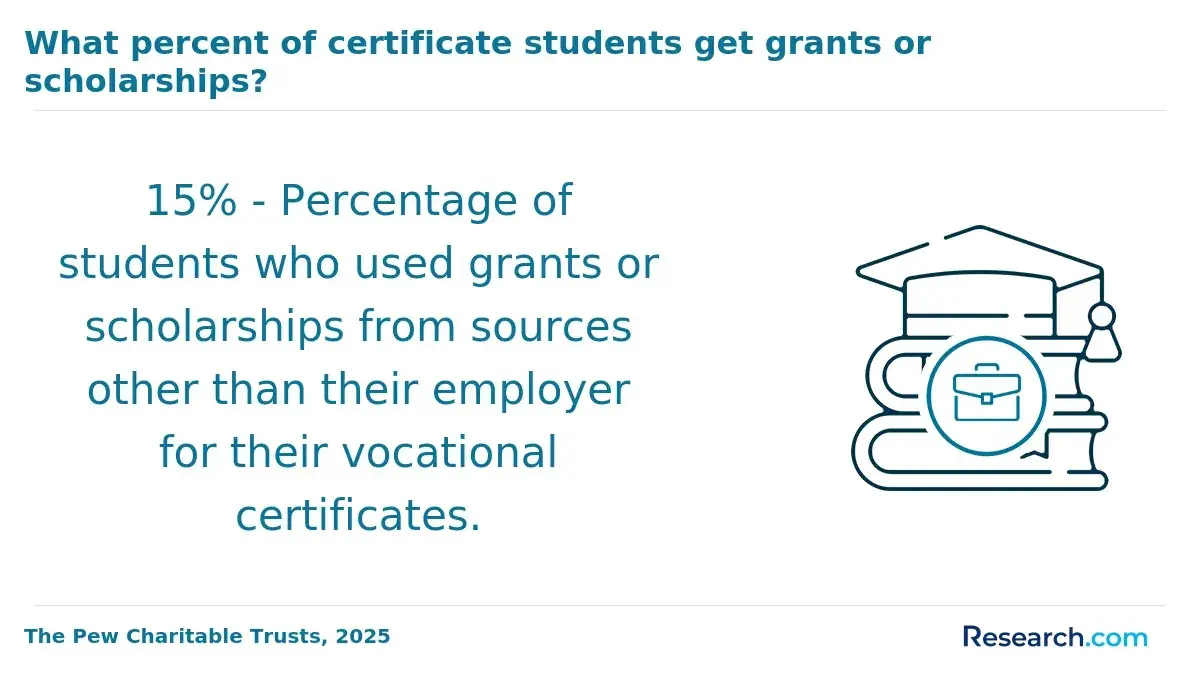
- Financial Aid Availability: Scholarships, grants, and other aid options reduce out-of-pocket costs. Their accessibility varies widely, so comparing what's offered at each program helps estimate your net expenses.
- Employer Tuition Benefits: Some companies offer tuition reimbursement plans, making certain programs more affordable if your employer supports higher education.
- Long-Term Value: Consider outcomes such as career placement rates and salary potential. A program with a higher upfront cost might provide better returns on investment over time.
When I spoke with a graduate who completed a food industry management degree, she shared that comparing tuition was initially overwhelming due to varied costs and hidden fees. She explained how she created a detailed spreadsheet to track total costs, aid opportunities, and potential employer contributions.
"It wasn't just about the price tag but understanding what each dollar covered and how it matched my career goals," she recalled. This approach gave her clarity and confidence during the decision-making process, highlighting the importance of digging deeper than the surface tuition figures.
Licensure alignment is essential for students aiming to enter regulated roles or change careers within the food sector, ensuring eligibility for professional certifications or required licenses. Nearly 25% of jobs in the U.S. mandate some form of licensing or certification, emphasizing the need to evaluate degree programs carefully.
Key considerations include:
- Curriculum Alignment: Assess whether the program's courses adequately prepare students for relevant state or national licensure exams, focusing on content that meets professional standards.
- Accreditation Standards: Confirm that the program holds recognition from accrediting bodies connected to licensure authorities, which can affect exam eligibility and credential validity.
- State-Specific Requirements: Review whether the program addresses licensing criteria unique to the states where students intend to work, as these can vary significantly.
- Supervised Experience: Determine if internships or practicum components are included to fulfill hands-on experience mandates required by many licensing boards.
- Exam Eligibility: Verify that completing the program qualifies graduates to sit for necessary certification or licensure exams, a critical step for professional entry.
Because these factors differ across programs, careful analysis helps prospective students choose degrees that support efficient and successful licensure in food industry careers.
Career placement rates are a vital indicator when evaluating food industry management degree programs because they reveal how effectively a program prepares students for post-graduation employment. Recent data shows that over 85% of graduates from top food industry management degrees for job placement in the United States secure relevant employment within six months.
Below are key factors prospective students should consider when assessing these career placement rates:
- Employer Partnerships: Programs with formal collaborations with food industry companies often provide direct hiring pipelines. These relationships enhance curriculum relevance and increase opportunities for students to connect with potential employers.
- Internship Opportunities: Regularly integrated internships or cooperative education experiences allow students to gain hands-on training and build professional networks. Access to such experiential learning is linked to higher post-graduate employment rates.
- Alumni Outcomes: An active alumni network can offer valuable insights into job prospects and industry trends. Graduates from programs with strong alumni engagement often share success stories and mentor current students toward career readiness.
- Career Support Services: Workshops on resume writing, interview preparation, and job fairs provided by career services departments significantly boost placement success. Programs that invest in these resources demonstrate commitment to student career transitions.
For students comparing food industry management programs, reviewing updated placement statistics from schools or third-party reports is essential. Additional guidance on selecting programs aligned with your goals and budget can be found by exploring the cheapest EdD programs, which also emphasize affordability with strong career outcomes.
Post-graduation salary outcomes provide crucial insights for prospective students evaluating food industry management degree programs, as they reflect both financial return and career potential. Graduates typically see average wages ranging from $40,000 to over $100,000, depending on various factors.
Below is a breakdown of key salary comparisons for these graduates:
- Role Differences: Entry-level positions such as foodservice supervisors or procurement assistants usually earn between $40,000 and $55,000 annually, while more advanced roles like supply chain managers or quality assurance directors can command salaries from $65,000 to over $100,000 depending on the employer and region.
- Industry Specialization: Graduates working in food manufacturing or large retail chains frequently receive higher wages compared to those employed in smaller foodservice operations or nonprofit food organizations, highlighting the impact of sector choice on earning potential.
- Geographic Location: Salary outcomes vary by region, with metropolitan areas and locations with higher living costs offering greater compensation to offset expenses. These variations reflect average starting salaries for food industry management degree holders by region and cost of living.
- Experience Level: Professionals with five to ten years of experience typically earn 20-40% more than recent graduates, underscoring opportunities for salary growth and advancement that can be expected over time.
According to the Bureau of Labor Statistics, the median annual wage for food service managers was about $59,000 as of 2022, serving as a practical benchmark for evaluating program effectiveness. Prospective students interested in accelerating their career and salary growth may also consider quick online degrees that pay well and complement food industry management competencies.
What Graduates Say About Comparing Food Industry Management Degree Programs Effectively
- Jennifer: "Before pursuing the food industry management degree, I was torn between several options, but the affordable average cost made this program stand out. I was pleasantly surprised at how the education expenses balanced with the quality of learning. Now, with my degree, I've secured a management position that pays well and offers incredible growth opportunities. "
- Desiree: "Choosing a food industry management program was a thoughtful decision, heavily influenced by my budget constraints and the program's reasonable tuition fees compared to other fields. Reflecting back, the knowledge and skills I gained have been invaluable, allowing me to confidently navigate complex industry challenges. This degree truly transformed my career path for the better. "
- Jordynn: "I approached the food industry management degree with a very practical mindset, comparing costs and benefits extensively before enrolling. The program's moderate tuition aligned perfectly with my financial situation, and completing it gave me a competitive edge as a professional. Today, I'm leading projects that directly impact food production efficiency and quality. "
Other Things You Should Know About Food Industry Management Degrees
Capstone projects show whether a program requires students to solve real food business problems before graduation. Compare the project’s length, usually one or two semesters, the client type, and whether it includes a written report, presentation, or industry panel review.
Internships and hands-on learning experiences are essential when evaluating food industry management degrees. Programs that offer structured internships, cooperative education, or partnerships with food companies allow students to apply theoretical knowledge in real-world settings. These opportunities enhance skills, improve employability, and help students build valuable professional connections.
- Agriculture - Food Industry Management https://illinoisstate.edu/academics/food-industry-management/
- Specializations | MiM Guide https://mim-guide.com/specializations
- Ranking of the Best Masters, MS & MBA 2025 https://www.best-masters.com/master-agribusiness-food-industry-management-ranking.html
- Top Food Safety Standards and Certification Programs https://goaudits.com/blog/food-safety-standards-and-certification-programs/
- Engineering and Management in Food Industry https://www.iseki-food.net/curriculum/engineering-and-management-food-industry
- Accreditation of Degree Courses https://www.ifst.org/organisations/accreditation-schemes/accreditation-degree-courses
- Benefits of Taking Online Hospitality Management Classes https://www.reluctantgourmet.com/online-hospitality-management-schools/
- Most Important Food Safety Certifications & Qualifications - FSNS https://fsns.com/food-qualifications-and-certifications/
- Accreditation Commission for Programs in Hospitality Administration - (ACPHA) https://www.chea.org/accreditation-commission-programs-hospitality-administration