2027 Can You Get Into a Food Industry Management Program with a Low GPA? Admission Chances & Workarounds

Co-Founder and Chief Data Scientist
Students with low GPAs often face significant hurdles when applying to food industry management programs, where the average admitted GPA typically falls around 3.0. This creates a stark reality for many hopeful applicants, but it's important to understand how these numbers reflect broader admission trends rather than absolute barriers.
Admission chances can improve through alternative pathways such as relevant work experience, strong recommendation letters, or supplementary coursework. Exploring realistic workarounds and understanding specific program expectations can help low-GPA applicants navigate the competitive landscape of food industry management education more effectively.
Key Things to Know About Admission Chances Into a Food Industry Management Program with a Low GPA
- Strengthen your application by showcasing related work experience, internships, or volunteer roles within the food industry, which 68% of programs value alongside GPA.
- Enroll in relevant additional coursework or certifications, such as food safety or supply chain management, to demonstrate commitment and subject knowledge.
- Craft a compelling personal statement explaining your GPA context and extensive professional experience, enhancing the holistic review process many admissions committees use.
What Is the Minimum GPA Required to Apply for a Food Industry Management Program?
The minimum GPA required for food industry management admissions 2027 applicants typically ranges from 2.5 to 3.0 on a 4.0 scale. Many institutions set a baseline near 2.7, while more competitive programs often expect applicants to have a GPA closer to 3.0 or higher. These requirements vary significantly depending on the selectivity of the school and the popularity of the program.
Recent academic trends, such as grade inflation and adjustments made during the COVID-19 pandemic, have also contributed to some programs adopting more flexible GPA thresholds. According to data from the National Center for Education Statistics, successful applicants in business-related majors tend to have an average GPA around 3.2, though some state schools accept lower GPAs based on other strengths.
Applicants should be aware of several common rules when evaluating food industry management program GPA requirements for applicants. Programs often consider the GPA from prerequisite coursework or the last 60 credit hours instead of overall college grades.
Some schools apply weighted GPAs that emphasize grades in major-related subjects, while others enforce minimum GPA standards only for core courses relevant to food industry or management studies. Additionally, even if a GPA is below the average, a documented upward trend in academic performance can positively influence admissions decisions.
Students interested in accelerating their education might also explore options like the best associate degree in 6 months accredited to enhance their academic profile.
How Do Admissions Committees Evaluate Food Industry Management Program Applicants with Low GPAs?
Admission committees for food industry management programs weigh GPA alongside multiple other components to assess applicant potential accurately. A lower GPA does not automatically disqualify candidates, especially when other elements demonstrate capability and alignment with program demands.
- Coursework Rigor: Completing challenging classes related to business, supply chain, nutrition, or agricultural sciences signals readiness for demanding academic work. This shows subject relevance that can help offset a lower overall GPA.
- Academic Trends: Admissions officers favor applicants whose grades improve over time, particularly recent performance in major-related subjects. A clear upward trajectory or recent strong results indicate growth and maturity despite earlier struggles.
- Relevant Practical Experience: Depth of knowledge in food sectors such as production, quality control, or management, even informal experience, demonstrates practical understanding important for success in food industry management. This can strengthen applications beyond academic records.
- Personal Motivation and Resilience: Insightful statements explain challenges faced and highlight determination. This context helps admission officers appreciate factors beyond numbers alone.
Nearly 25% of food industry management programs show flexibility when applicants provide strong context in these areas despite low GPA concerns. Exploring specialized degree programs for seniors online may also open alternative pathways for admission.
Can Professional Experience Offset a GPA Below the Food Industry Management Program's Minimum?
When academic records fall short of program requirements, relevant professional experience can provide an alternative path for applicants aiming to enter food industry management programs. Admissions committees often evaluate work history alongside GPA to gain a fuller understanding of a candidate's potential.
- Leadership Roles: Holding positions that involve managing teams or coordinating projects within food production or retail demonstrates responsibility and decision-making skills highly valued by admissions panels.
- Industry Experience: Hands-on work in areas like quality assurance, supply chain logistics, or food safety reflects practical knowledge that aligns closely with program goals and can strengthen applications.
- Demonstrated Skills and Achievements: Showing measurable problem-solving success, professional growth, and the ability to handle challenges in relevant jobs helps offset lower academic metrics and signals readiness for rigorous coursework.
When academic records show a GPA below the typical cutoff for food industry management programs, strong standardized test results may enhance the applicant's profile. High scores indicate capability and preparedness for challenging coursework, helping to balance a weaker grade record.
Admissions officers look at several aspects of test performance to gauge potential:
- Score Thresholds: Achieving or surpassing the minimum required test scores demonstrates a baseline proficiency that can offset lower GPA concerns and increase competitiveness.
- Subject Relevance: Excelling in math and science sections signals foundational skills important for data analysis and managerial tasks within the food industry sector.
- Percentile Rankings: Scores ranking in the top quartile nationally indicate strong cognitive abilities and problem-solving aptitude, which admissions committees value highly.
- Consistency: Test results that align with academic records, recommendation letters, or relevant experiences help create a coherent applicant profile, reinforcing trust in their capabilities.
Studies from educational research institutions reveal a minority of programs, roughly 15%, explicitly use test scores to balance lower GPAs, particularly when candidates show an upward academic trajectory or meaningful work history.
When academic records fall below typical thresholds, pursuing additional coursework can offer a strategic way to strengthen an application and signal preparedness. Enrolling in prerequisite classes allows individuals to showcase recent competence and a targeted interest in food industry management despite earlier academic struggles.
- Proving Subject Mastery: Successfully completing prerequisite courses highlights up-to-date knowledge in essential topics, reassuring admissions committees of an applicant's capability to handle core curriculum demands.
- Enhancing GPA in Key Disciplines: Excelling in these classes can raise cumulative performance metrics, balancing out weaker transcripts by contributing stronger grades in relevant subjects.
- Reflecting Commitment and Resilience: Taking proactive steps to address previous academic challenges illustrates motivation and seriousness about succeeding in the field, qualities valued by many programs.
A graduate from a food industry management program shared her firsthand experience with this approach. Facing a cumulative GPA below the preferred 3.0 threshold, she carefully selected prerequisite courses at a local community college, focusing on food science and supply chain fundamentals. "I was nervous at first," she recalls, "worried my earlier GPA would overshadow these new grades."
Yet after earning consistently strong marks, her application was reconsidered more favorably. The program acknowledged her recent academic strides, ultimately offering admission under a conditional status. Reflecting on the process, she emphasizes that while it required extra effort and time, completing prerequisites was crucial in demonstrating her readiness and determination, making the admission outcome possible.
Applying early can provide strategic advantages for candidates with weaker academic records seeking admission to food industry management programs. Early submissions often allow these applicants to stand out before the pool becomes crowded with high-GPA candidates. This timing can be a practical workaround for those looking to enhance their admission chances despite a low GPA.
Key benefits of an early application strategy for food industry management programs with low GPA include:
- Increased Availability of Seats: Early in the admissions cycle, more seats remain unfilled, providing better odds for low-GPA applicants before spots are claimed by candidates with stronger academic performance.
- Holistic Reviews: Admissions officers tend to conduct more comprehensive evaluations early on, placing greater emphasis on diverse work experience, leadership, or personal qualities that can offset lower academic metrics.
- Reduced Competition: Early applicants face a smaller pool of candidates, which can increase the likelihood that their overall profile receives focused consideration instead of being lost among a flood of later, high-GPA submissions.
According to the National Association of Foodservice Management Educators, about 60% of these programs prioritize holistic admissions, meaning early, well-rounded applications stand out more. The Council on Food Industry Careers reports that low-GPA applicants applying early have a 15% higher chance of receiving interview invitations.
Those interested in exploring advanced educational paths might also consider affordable doctoral programs related to food industry management for further career growth.
Conditional admission allows enrollment for students whose academic records do not fully meet the usual GPA criteria, typically set between 2.5 and 3.0. This pathway offers a chance for candidates to prove their capability by meeting additional requirements.
Such admissions aim to balance expanded access with maintaining academic quality. Programs provide opportunities to demonstrate commitment and aptitude before full acceptance.
- Bridge or Prerequisite Courses: Students must complete foundational classes, such as introductory business or food science, to build necessary knowledge. These courses help close gaps from prior academic performance. Successful completion shows readiness for advanced study.
- Minimum Grade Requirements: Enrollees often need to sustain at least a C grade or higher in designated initial classes. This ensures they can handle the curriculum's demands. Maintaining grades is essential to continue in the program.
- Probationary Enrollment Periods: A trial phase is used to evaluate ongoing academic performance and commitment. This allows both the student and the program to assess suitability. Passing probation can lead to full, unconditional admission.
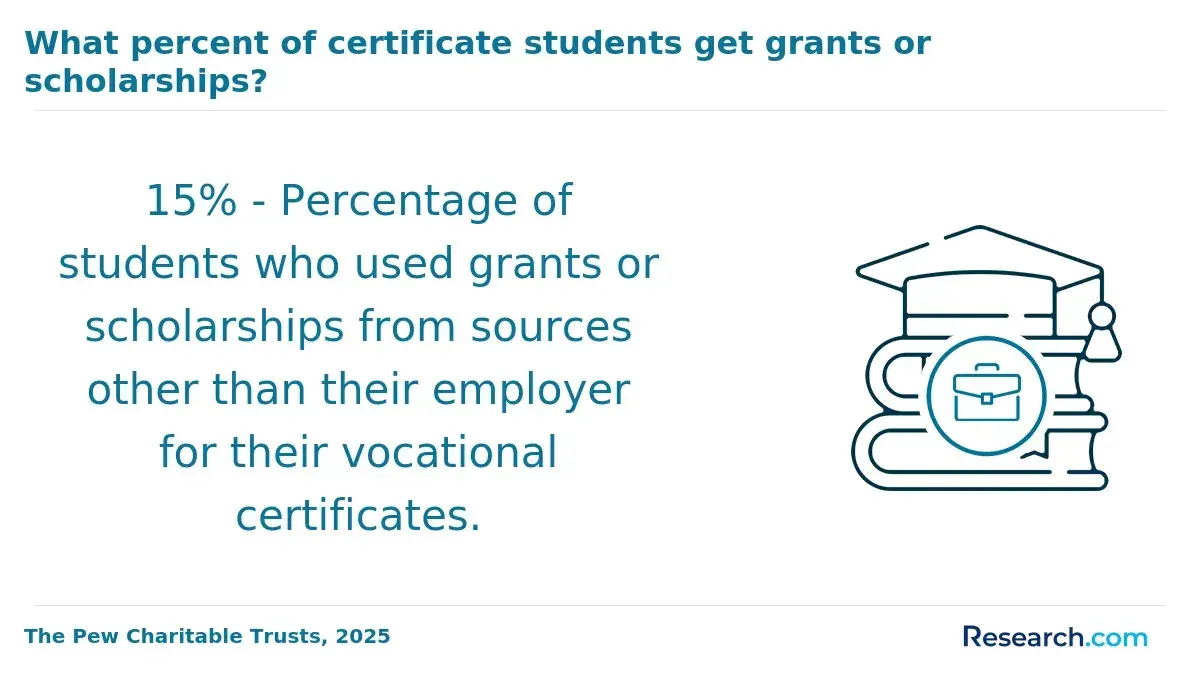
Students with lower GPAs aiming to enroll in food industry management programs often seek financial support to access additional coursework, tutoring, or academic resources that may help improve their academic standing. This financial aid can make it more feasible to strengthen their profiles before reapplying for admission.
- Merit-Recovery Scholarships: These scholarships target students who show potential for academic improvement despite previous low GPAs. The funds are commonly used to enroll in summer classes or certificate programs, which can enhance academic records and increase chances of acceptance.
- Need-Based Grants: Designed to reduce financial stress, these grants cover living expenses or tuition for supplementary courses. By alleviating financial burdens, students gain more focus and time to boost their GPA effectively.
- Funding for Academic Support Programs: Many community colleges and universities offer assistance for tutoring, study skill workshops, or other enrichment programs. Such funded academic support has been linked to noticeable GPA improvements among applicants struggling academically.
According to the National Center for Education Statistics, students participating in funded academic enrichment programs report average GPA gains between 0.3 and 0.5 points, which can be meaningful for food industry management applicants. It is advisable for students investigating 2027 scholarships for food industry management applicants to include local scholarships and institutional aid options tailored to the food and hospitality fields.
Exploring financial aid options for low GPA food industry management students is crucial because such support can cover costs related to skill-building efforts. Prospective applicants should also research reputable educational institutions, including the best accredited online non profit universities, which may offer relevant opportunities for academic improvement and admission.
Guidance from experienced mentors or academic advisors is especially valuable for students with low GPAs pursuing food industry management programs. Personalized mentorship support can help applicants overcome academic challenges by offering tailored strategies that enhance their overall candidacy.
Mentorship or academic advising for low GPA food industry management applicants provides focused assistance that goes beyond motivation, delivering concrete steps to improve academic standing and strengthen the application profile. This support is critical given the competitive nature of admissions in these programs.
- Personalized Study Strategies: Mentors identify specific areas where students struggle and recommend study techniques customized to improve understanding and retention. This approach helps optimize learning efficiency and boosts academic performance.
- Course Selection Guidance: Academic advisors suggest strategic courses, including prerequisites or refresher classes, designed to raise GPA before applying. Picking the right courses ensures that academic records better reflect the student's potential.
- Progress Monitoring and Accountability: Regular check-ins with mentors or advisors keep students accountable and motivated. Ongoing feedback supports steady improvement, which is critical for applicants with lower GPAs.
- Extracurricular and Industry-Related Advice: Mentors help applicants enhance their portfolios by recommending relevant activities and work experiences valued by admissions committees, contributing to a holistic application evaluation.
- Application Preparation Beyond GPA: Advising includes guidance on crafting compelling application materials, such as personal statements and resumes, that emphasize strengths beyond grades.
While many food industry management programs require a minimum GPA around 2.5 to 3.0, mentorship support helps students present a stronger profile despite initial academic challenges. This holistic approach aligns with trends noted by the National Association of Colleges and Employers (NACE) in management-related fields.
Applicants can also explore opportunities through dual university programs that may offer integrated mentorship and academic advising, providing additional pathways to strengthen admission prospects.
What Graduates Say About Getting Into a Food Industry Management Program with a Low GPA
- Paula: "Despite starting with a low GPA, I was determined to pursue a food industry management degree and found a program that valued my passion over my past grades. The cost was surprisingly reasonable compared to other fields, making it easier to commit financially. Today, this degree has opened doors for me in supply chain management, and I feel confident steering complex food production projects."
- Meredith: "When I first looked into food industry management, I worried my GPA would hold me back, but I discovered many programs consider experience and motivation equally. The investment was worth it, especially since the average tuition cost wasn't as steep as I anticipated. Reflecting on my career growth, the skills I gained have been crucial for leadership roles in food safety and quality assurance."
- Stuart: "Feeling professionally stuck with a low GPA, I enrolled in a food industry management degree program after thorough research on costs and outcomes. The overall expense was manageable given the specialized knowledge that the curriculum provided. This degree significantly enhanced my strategic understanding of product development and has been instrumental in advancing my career in food business consulting."
Other Things You Should Know About Food Industry Management Degrees
Yes. Many food industry management programs review prerequisite courses such as biology, chemistry, nutrition, or statistics separately from the overall GPA. A strong grade of B or higher in 12 to 18 credits of recent coursework can offset a weaker cumulative GPA and show current academic readiness.
A compelling personal statement is crucial for applicants with low GPAs in food industry management programs. It provides an opportunity to explain academic challenges and highlight passion for the industry. Well-articulated goals and reflections on experience can positively influence admissions decisions.
Yes, strong letters of recommendation from professionals or instructors familiar with the applicant's work ethic in food industry contexts can enhance admission prospects. These letters offer credible endorsements of potential, skills, and readiness for the program beyond GPA metrics.
Involvement in food-related internships can significantly impact admission chances. In 2027, programs often value practical experience, as it demonstrates real-world skills and commitment to the field. Such experiences can help offset a lower GPA by showcasing your dedication and ability to thrive in relevant environments.
- Food Industry Management (B.S.) https://www.canr.msu.edu/afre/undergraduate/food_industry_management
- Online Bachelor of Arts in Business – Food Industry Management https://asuonline.asu.edu/online-degree-programs/undergraduate/bachelor-arts-food-industry-management/
- Food Industry Management Program https://business.cornell.edu/centers/fimp/
- Agriculture - Food Industry Management https://illinoisstate.edu/academics/food-industry-management/
- Industry Scholarships - OTC Culinary Arts and Hospitality Management https://academics.otc.edu/cul-hsm/industry-scholarships/
- Can I Get a Master's Degree with a Low GPA? https://www.coursera.org/articles/masters-degree-with-low-gpa