2027 How Much Does a Food Industry Management Degree Program Cost? Tuition, Fees & Total Expense Breakdown

Co-Founder and Chief Data Scientist
Estimating the true cost of a food industry management degree program can be challenging due to varying tuition rates and additional fees. In recent years, tuition for these programs has increased by an average of 4. 2% annually, making it difficult for students to predict expenses accurately. Understanding these costs is crucial for effective budgeting and school comparison.
This article breaks down tuition, fees, and other expenses associated with food industry management degrees, helping students avoid unexpected costs. With clear data on program costs, readers can make informed decisions and better prepare financially for their education journey.
Key Benefits of Knowing the Food Industry Management Degree Program Cost in 2026
- Knowing the total cost of a food industry management degree helps students budget accurately, avoiding unexpected financial burdens during their studies.
- Understanding the detailed breakdown of tuition, fees, and other expenses aids in comparing programs effectively, ensuring informed decisions that align with career goals.
- Detailed cost awareness supports planning for financial aid and scholarships, maximizing funding opportunities typically available for food industry management students.
What Expenses Are Included in the Full Cost of a Food Industry Management Degree?
Understanding all cost components is essential for accurate financial planning when pursuing a food industry management degree. The full cost breakdown food industry management degree 2026 includes various expenses beyond tuition, each contributing significantly to the overall investment required.
- Tuition: This is typically the largest expense, ranging from $10,000 to $40,000 per year. Costs vary based on whether the institution is public or private and if the student qualifies for in-state or out-of-state tuition.
- Mandatory fees: These cover campus services such as student activities, health services, and technology infrastructure, usually amounting to $1,000 to $3,000 annually.
- Books and supplies: Specialized textbooks, software, and sometimes safety equipment are necessary for food industry management courses, totaling between $1,200 and $2,000 each year.
- Technology requirements: A laptop or tablet compatible with course software may add an upfront cost of $500 to $1,500.
- Laboratory or clinical fees: Programs with hands-on components in food safety, quality assurance, or production management might charge several hundred dollars per semester for lab access.
- Living expenses: Housing, food, transportation, and personal costs vary widely, with on-campus living averaging around $11,000 annually, while off-campus costs fluctuate depending on the location.
Students budgeting for a food industry management degree should consider these hidden expenses food industry management program 2026 to avoid unexpected financial challenges. For those exploring alternative short-term educational pathways, exploring the best paying 6 month certificate programs online may offer valuable options with different cost structures.
What Is the Average Total Cost of a Food Industry Management Degree Program in 2026?
The average total cost of a food industry management degree program in 2026 ranges widely, typically between $60,000 and $150,000 for the entire course of study. This total cost includes tuition, fees, supplies, housing, and other living expenses, all of which are essential for students to consider when planning their academic and financial futures.
Tuition and fees at public four-year institutions for in-state students generally run from $10,000 to $25,000 annually, while private nonprofit colleges often charge between $30,000 and $50,000 per year. Specialized food industry management programs may also add extra costs for labs, internships, or certifications, which contribute to overall expenses.
When examining food industry management degree program expenses in 2026, factors such as institution type, program format, and geographic location significantly influence costs. Online or hybrid formats can lower tuition and living expenses, while programs in the Midwest and Southern U.S. usually cost less than those on the coasts. Additional costs like books and housing can add $8,000 to $15,000 yearly.
Total expenses might include $40,000-$75,000 for in-state public tuition, $120,000-$200,000 for private college tuition, and $25,000-$45,000 for other costs. For students seeking alternative options with good financial returns, exploring certificate courses that pay well may be beneficial.
What Mandatory Fees Do Schools Charge for a Food Industry Management Program in 2026?
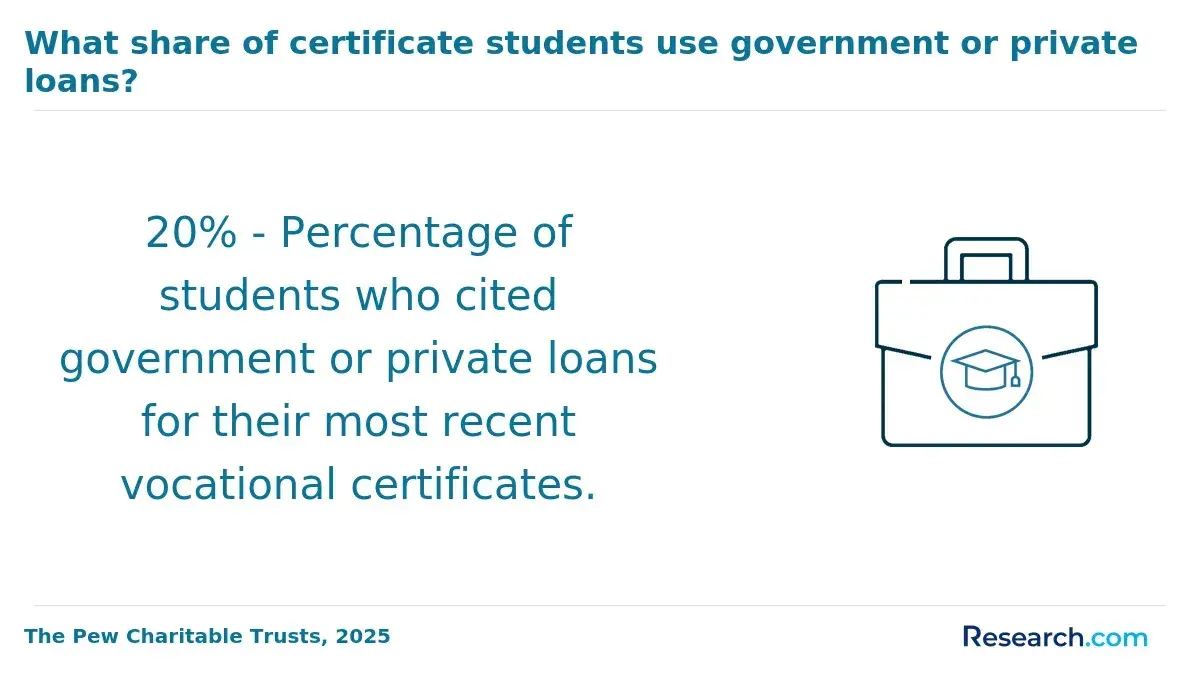
Mandatory fees in food industry management degree programs are separate from tuition and cover essential services, resources, and facilities that support students' academic and practical experiences. These fees vary by institution, reflecting the specialized nature of the program. Below is an outline of common fees students pursuing a food industry management degree can expect in 2026.
- Technology fee: This fee ranges from $100 to $400 per semester and supports online learning platforms, software licenses, and campus Wi-Fi necessary for coursework and remote access.
- Lab or clinical fees: Often between $200 and $600 per term, these fees cover specialized equipment, ingredients, and safety materials for hands-on experiences integral to food industry management.
- Student services fees: Averaging $150 to $300 per semester, these fees fund campus amenities such as counseling, career services, and student organizations.
- Assessment or testing fees: Typically adding $50 to $200, these cover costs of certification exams or specific course assessments required within the curriculum.
- Campus facilities fees: Ranging from $100 to $250 per semester, these fees contribute to maintaining classrooms, dining halls, and recreational centers.
Overall, these 2026 food industry management program mandatory school fees can add several hundred to over a thousand dollars annually to the total cost of attendance, as noted by recent university disclosures and reports from the National Center for Education Statistics. Prospective students should account for these fees when comparing affordability across programs. Understanding these expenses is crucial for those seeking degree programs among college majors that pay well.
Students pursuing a food industry management degree in 2026 should anticipate additional program fees beyond standard tuition and general university charges. These supplementary costs vary but commonly apply, affecting overall budgeting. Below is an outline of typical extra fees associated with this major:
- Specialized Lab Fees: Charges ranging from $100 to $300 per semester to support use of food science laboratories and hands-on equipment necessary for skill development.
- Program-Specific Software Costs: Annual fees of $50 to $150 for software tools related to supply chain management or data analysis integral to coursework.
- Licensing and Certification Preparation Fees: Expenses between $100 and $250 for alignment with certifications such as ServSafe or HACCP, often required in professional settings.
- Required Equipment and Supplies: Costs typically between $200 and $500 per academic year for uniforms, safety gear, and textbooks essential to program participation.
- Fieldwork and Practicum Expenses: Potential travel and lodging costs dependent on placement locations necessary for experiential learning components.
According to national education data, these additional fees can increase total program costs by approximately 10-15%, an important factor for students to consider when planning for their education in food industry management.
Accurately estimating the cost of supplies and equipment is essential for proper budgeting in a food industry management degree program. These expenses can significantly affect the total cost of attendance and vary depending on program requirements.
The following list outlines common items students should expect to purchase:
- Protective gear: Includes lab coats, gloves, and safety goggles required for hands-on food safety labs, typically costing between $50 and $150 annually.
- Technical tools: Devices such as digital thermometers and pH meters used for practical experiments, generally priced from $100 to $300.
- Lab kits: Specialized kits for microbiology or quality assurance courses, often necessary for coursework, with costs ranging from $100 to $250.
- Specialized software licenses: Programs for food processing simulations, inventory management, or nutrition analysis that enhance practical skills, costing approximately $50 to $200 per year.
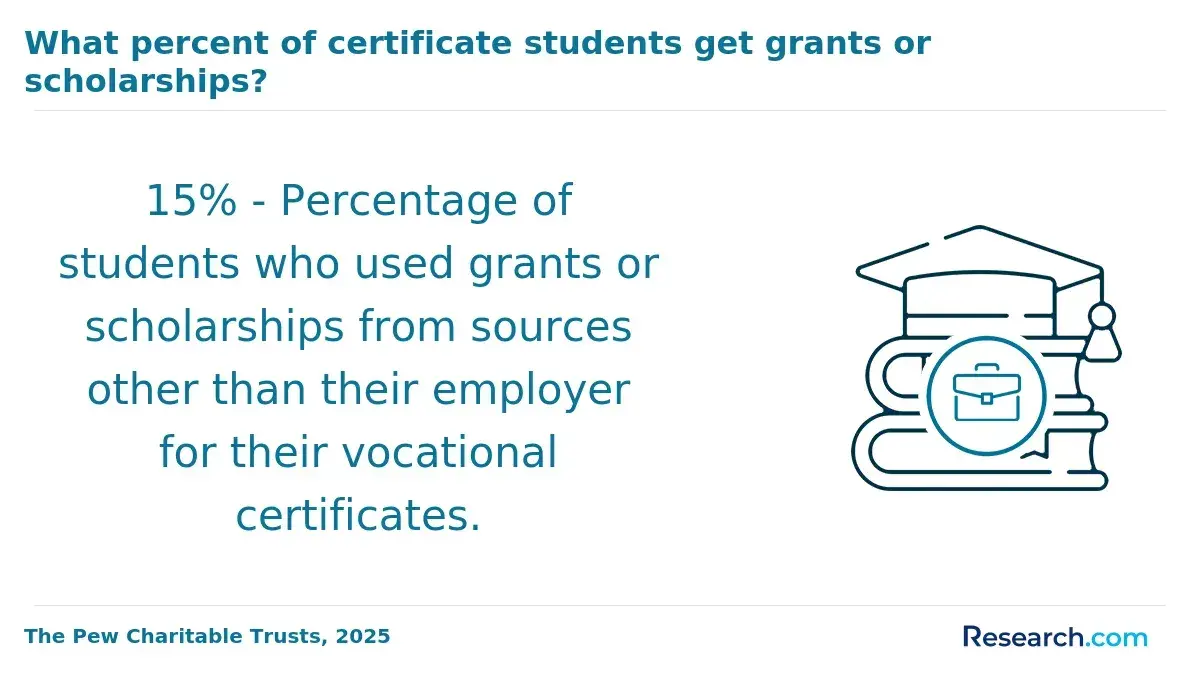
Living, food, and travel expenses represent a significant portion of the overall cost for students pursuing a food industry management degree. These costs fluctuate widely depending on factors such as geographical location and individual lifestyle choices, impacting the total budget needed alongside tuition and fees. Below is a breakdown highlighting key expenditure areas students typically face.
- Housing and utilities: Costs vary by whether the student lives on campus, shares an apartment, or remains at home, with urban areas usually demanding higher rent and utility expenses.
- Groceries and dining: Monthly spending on food ranges considerably, influenced by choices between cooking independently or utilizing meal plans, alongside local food prices.
- Local transportation: This includes public transit fares, fuel and maintenance for personal vehicles, or alternative options like biking, all dependent on commute distance and urban infrastructure.
- Travel for internships and breaks: Funding may be necessary for trips home during breaks or relocating temporarily for internships, with domestic travel averaging several hundred to over a thousand dollars annually.
- Miscellaneous personal expenses: Items such as toiletries, clothing, and other essentials add to the overall budget and should not be overlooked.
When I spoke with a student enrolled in a food industry management program, she shared how balancing these expenses demanded constant attention. She mentioned, "I had to carefully track what I spent on groceries each week, especially because cooking meals from scratch helped me save compared to eating out." Managing rent meant opting for a shared apartment close to campus, reducing commuting costs, though occasional trips home still stretched her budget. "Traveling for internships was tough financially, but I planned ahead and applied for small grants when possible," she added. Her experience highlights the importance of detailed budgeting and the flexibility required to manage living, food, and travel expenses throughout the degree journey.
Many food industry management programs include mandatory internships or residencies to provide practical experience, enhancing students' skills and career readiness. These experiential components typically take place in settings such as food production companies, supply chain operations, or culinary establishments.
Residencies may involve hands-on project work or research supervised by faculty. Because these experiences are integral to applying classroom knowledge in real-world situations, they often form a required part of the curriculum and contribute to the overall program cost.
Additional expenses linked to internships or residencies can vary widely, including travel to remote sites, temporary housing, specialized clothing or safety equipment, and liability insurance mandated by certain employers. Students may incur costs ranging from a few hundred to several thousand dollars depending on location and duration.
Prospective students should consult program coordinators about typical internship-related fees, allocate budgets for travel and accommodations, and investigate scholarships or grants designed to offset these supplementary costs.
Students enrolled in food industry management programs can often switch between part-time and full-time status, though this depends on each institution's policies. Typically, switching requires submitting a formal request and obtaining approval from an academic advisor.
Factors influencing the decision include the student's current academic standing, financial aid eligibility, and whether the courses needed are available under the new enrollment type. Since full-time status is often a requirement for certain financial aid programs, switching to part-time may affect funding. Institutions usually weigh these considerations carefully before approving a change.
Common limitations include ensuring the student remains in good academic standing to qualify for the switch and confirming that the adjusted schedule fits degree requirements. Course availability can vary greatly between full-time and part-time terms, potentially delaying graduation.
Advising support is essential to navigate these issues, as is understanding any changes in tuition or fees linked to enrollment status. Switching enrollment status may also impact graduation timelines, often extending the time needed when moving to part-time study.
When I spoke with a graduate of a full-time food industry management program who had initially enrolled part-time, he described the shift as both challenging and rewarding. "Balancing work and study was tough at first, but switching to full-time allowed me to immerse myself more deeply in the coursework," he recalled. He emphasized the importance of proactive communication with advisors and careful planning to manage the transition smoothly. Though the process required adjustments, he found that the full-time format accelerated his learning and helped him graduate sooner than expected.
Cost differences between full-time and part-time enrollment in food industry management degree programs significantly impact financial planning and enrollment decisions. Knowing how tuition, fees, and other expenses vary by course load helps prospective students budget effectively.
Below is a structured comparison that explains the primary distinctions between full-time and part-time study formats based on recent 2026 tuition comparison for food industry management programs.
Full-time Food Industry Management Programs
- Tuition per credit: Full-time students typically pay between $400 and $700 per credit, depending on the institution.
- Total program cost: Taking 12 to 15 credits per semester, full-time students can expect overall tuition around $30,000 to $45,000.
- Mandatory fees: Registration, lab, and equipment fees range from $1,500 to $3,000, applied once or limited times across the program.
- Supplies and equipment: Additional costs such as software and materials usually add $2,000 to $4,000, which are similar regardless of enrollment status.
- Living and travel expenses: On-campus attendance often raises housing and commuting costs compared to online options.
Part-time Food Industry Management Programs
- Tuition per credit: Part-time students generally pay the same or slightly higher per-credit rates but enroll in fewer credits (6 to 8) per semester.
- Total program cost: Although per-credit costs are similar, extended program duration may increase overall tuition due to added cumulative fees.
- Mandatory fees: Fees incurred each term can accumulate to a higher total since the program lengthens over more semesters.
- Supplies and equipment: These costs remain comparable to full-time students, but longer enrollment may mean more gradual expenses.
- Living and travel expenses: Part-time programs, especially online, can reduce living expenses and provide flexibility for working professionals.
These cost dynamics are important for those comparing full-time vs part-time food industry management degree cost 2026 in order to select the best pathway that fits their financial and professional situation. Many students also explore options offered by low cost accredited online colleges to optimize affordability while pursuing their degree.
What Graduates Say About the Cost of Their Food Industry Management Degree
- Eddie: "Pursuing a food industry management degree was a significant investment, with the average cost of attendance around $20,000 per year. Balancing tuition and living expenses taught me invaluable budgeting skills that have helped me both personally and professionally. The return on investment has been worth every penny, as I landed a management role at a leading food company shortly after graduation."
- Sage: "The cost of a food industry management degree initially felt overwhelming, but learning to manage living expenses carefully made it feasible. The experience challenged me to be resourceful and disciplined, which are crucial traits in the food sector. Reflecting back, the degree opened doors to numerous opportunities that boosted my career growth and salary potential dramatically."
- John: "From a professional standpoint, the financial commitment required for a food industry management degree was justified by the education and network I gained. Handling living expenses while studying demanded strategic planning and sacrifice, but the comprehensive learning experience prepared me well for real-world challenges. Ultimately, the ROI is clear: my degree directly contributed to my promotion and increased earning capacity."
Other Things You Should Know About Food Industry Management Degrees
Scholarships and financial aid can significantly reduce the cost of a food industry management degree program. Many students qualify for merit-based scholarships, need-based grants, or industry-specific awards that are designed to support this field of study. It is important to research and apply early, as funding availability varies and can cover tuition, fees, or even living expenses.
Yes, private institutions typically charge higher tuition rates for food industry management programs compared to public colleges and universities. Public schools often offer in-state tuition rates that make the program more affordable for residents. Prospective students should compare tuition fees and consider residency status when estimating overall expenses.
Most bachelor’s programs require about 120 credit hours, and tuition is charged per credit at many colleges. A $350-per-credit rate puts tuition at about $42,000 before fees, books, and housing. Programs with 60 credits for an associate degree cost much less.
In 2027, accelerated food industry management programs can reduce costs by shortening the time to degree completion. However, they may have higher per-credit rates and require you to pay tuition over a shorter period, impacting your budget and requiring efficient financial planning.
- Cost of Online College vs. Traditional | Champlain College Online https://online.champlain.edu/blog/cost-of-online-education-vs-traditional-education
- Food Production Management MSc https://www.nottingham.ac.uk/pgstudy/course/taught/food-production-management-msc
- Baking Tips and Techniques | Institut Disciples Escoffier https://www.institutescoffier.com/culinary-school-costs/
- Study Food Industry Management in the USA https://www.studyusa.com/en/field-of-study/395/food-industry-management
- Food Business Management https://www.ciachef.edu/cia-new-york-food-business-management-bachelors-degree-program/
- BSc (Hons) Food Business Management Degree | Undergraduate https://www.harper-adams.ac.uk/courses/undergraduate/201254/food-business-management
- Living Expenses : Business School Life https://gmatclub.com/forum/living-expenses-36165.html
- Culinary Industry Management | University of West London https://www.uwl.ac.uk/course/undergraduate/culinary-industry-management
- Restaurant and Food Industry Management Associate Degree https://www.ferris.edu/business/restaurant-and-food-industry-management-associate/homepage.htm
- Request info and fees - School of hospitality management food service and culinary arts https://en.institutlyfe.com/request-info-fees/