
2027 Best Online Degree Programs With Part-Time Study Options

Co-Founder and Chief Data Scientist
Can you earn an online degree without putting work or family responsibilities on hold? The answer depends less on whether classes are online than on whether the program offers a workable part-time schedule. The decision matters in growing fields. The U.S. Bureau of Labor Statistics (BLS) projects 29% employment growth for information security analysts from 2024 to 2034, though a degree alone does not qualify someone for every role.
This guide compares online degree options, with particular attention to master's programs, and shows how to check schedules, costs, accreditation, and career requirements before enrolling.
Key Things You Should Know
- The best part-time option is one that offers the courses you need in a predictable sequence, not merely a program advertised as online.
- Compare total required credits, fees, and in-person requirements; a lower per-credit price does not necessarily mean a lower completion cost.
- For licensed careers, confirm state eligibility before applying. Online coursework does not remove clinical, supervised-practice, examination, or licensing requirements.
Top 10 Best Online Degree Programs With Part-Time Study Options
Business Programs
Online MBA, accounting, and business analytics master's programs can suit employed students seeking advancement or a change in specialty. Part-time MBA students should check whether foundational courses, group projects, or live meetings fit their schedules; an asynchronous lecture does not make a team assignment self-paced.
Accounting applicants pursuing CPA licensure should compare their state's education requirements with the program's coursework. If you need a specific technical skill rather than a broad management credential, a focused master's or certificate may cost less and take less time.
Healthcare Programs
Online master's options include public health, healthcare administration, and health informatics. These programs serve different goals: public health emphasizes population-level work, administration focuses on organizational operations, and informatics connects healthcare processes with data systems.
Many nonclinical courses can be taken remotely, but internships, practicums, or scheduled group work may still apply. Applicants seeking patient-facing clinical practice should not assume a healthcare management degree provides clinical eligibility. Compare concentrations and local experiential requirements before choosing a part-time plan.
Information Technology Programs
Online IT master's programs commonly cover cybersecurity, cloud infrastructure, networking, or IT management. They can work well part-time when labs use remotely accessible environments and required courses run regularly. Ask whether live labs, team exercises, or a capstone require fixed weekly hours.
An IT degree may support a move into a specialty, but security and leadership jobs often require relevant experience; employer-valued certifications may also matter. Choose coursework that matches the systems and responsibilities you want to handle.
Computer Science Programs
Online computer science master's programs typically build advanced skills in algorithms, software systems, or artificial intelligence. They can be a strong fit for students with substantial programming and mathematics preparation. Career changers should check for prerequisites or a separate bridge pathway before estimating time and cost.
Part-time students also need to examine course sequencing: an advanced elective offered infrequently can delay graduation. A portfolio of completed technical work can complement the credential, but neither guarantees a software job.
Nursing Programs
Online MSN and RN-to-MSN pathways may suit licensed nurses seeking education, leadership, or advanced-practice preparation. Admission and clinical requirements differ sharply by pathway; an RN-to-MSN applicant may need an eligible nursing credential, while advanced-practice tracks require specialty-specific clinical training.
Part-time study does not necessarily make clinical placement flexible. Confirm whether you or the school arranges local placements and whether the program meets the licensing rules where you plan to practice. A nonclinical MSN should not be mistaken for nurse practitioner preparation.
Psychology Programs
Online psychology master's programs may emphasize research, applied behavior, or preparation for further study. They are not interchangeable with clinical mental health counseling programs or doctoral training. If your goal is to provide therapy, check your state's license requirements and the program's supervised-practice and accreditation status before applying.
Part-time research or thesis work may depend on faculty availability and scheduled milestones. A general psychology master's can be useful for research-related or adjacent work, but it does not automatically confer psychologist licensure.
Education Programs
Online M. Ed. programs often serve practicing educators interested in curriculum, instructional design, or leadership. A degree for licensed teachers may have different admission requirements from an initial-licensure pathway.
If you need your first teaching credential, or a school administrator credential, verify state approval, fieldwork, and examination rules. Part-time students should ask when required courses run and whether student teaching or practicum hours can be completed alongside their jobs. An M. Ed. alone does not necessarily change a teacher's license or pay.
Criminal Justice Programs
Online criminal justice master's programs may cover policy, leadership, criminology, or public safety administration. They can fit professionals whose work experience informs class projects, provided any live sessions suit shift schedules.
Compare research and applied capstones if you hope to move into analysis rather than operations. The degree does not automatically qualify someone for law enforcement, federal service, or promotion; agencies set their own hiring and training standards. Applicants focused on forensic laboratory work may need a more specialized science background.
Engineering Programs
Online engineering master's programs can offer working engineers advanced study in areas such as electrical, mechanical, or systems engineering. Admission commonly depends on relevant quantitative preparation, and some programs require an engineering background.
Remote simulations may be convenient, but specialized labs, design teams, or a thesis can impose scheduled commitments. For professional engineer licensure, check your state board's rules; a master's does not replace required examinations or qualifying experience. Compare a practice-oriented nonthesis option with a research pathway according to your goals.
Social Work Programs
Online MSW programs can prepare eligible students for social work practice, but required field education takes place in person. That makes placement hours the central scheduling test for part-time applicants. Students with an eligible accredited BSW may qualify for a separate advanced-standing pathway; others generally need the standard curriculum.
Check Council on Social Work Education accreditation, placement support, and your state's licensing rules. The MSW is an educational step toward clinical licensure, not a substitute for supervised post-degree practice or exams.
What Are the Best Online Degrees for Part-Time Students?
For part-time students, the strongest online degree program is the one whose required courses, deadlines, and experiential work fit a sustainable weekly schedule while meeting the intended career's requirements. There is no universal winner across fields or education levels.
This comparison shows where flexibility tends to break down. Use it to narrow your options before asking schools for a sample part-time course plan.
| Program family | Potential part-time advantage | Requirement to check closely |
| Business, IT, or computer science | Many academic tasks can be completed remotely | Live teamwork, technical labs, prerequisites, and course rotation |
| Healthcare administration or public health | Coursework may fit around employment | Internships, practica, and concentration availability |
| Nursing, education, or social work | Online classes can reduce travel for coursework | Clinicals, student teaching, field placements, and state approval |
| Engineering or research-focused psychology | Advanced study may build on current work | Labs, thesis supervision, and required background |
Start with the credential your goal actually requires. If you already hold a bachelor's degree, compare master's programs by prerequisite work and the courses offered each term, not by claims about the easiest online masters degree. Ease is subjective; a manageable schedule and appropriate curriculum are more useful measures.
How Do You Verify Accreditation for an Online Degree Program?
Check institutional accreditation in the U.S. Department of Education's accreditation database and confirm the school's current status with its listed accreditor. Then check whether the specific field calls for programmatic accreditation, such as Council on Social Work Education accreditation for an MSW. Institutional accreditation alone does not establish that a program satisfies professional licensing rules.
Before paying an application deposit, ask the program to identify its accreditor, explain any pending accreditation status, and state whether its curriculum meets educational requirements in the state where you intend to work.
For a regulated profession, verify that answer with the state licensing board. Be cautious of vague claims that a school is "recognized" without naming the accrediting organization or the credential covered.
Are Online Degrees as Valuable as Campus-Based Degrees?
Accredited online degrees can be valuable, but delivery format alone does not establish quality or employer acceptance.
Compare an online and a campus program on the same fundamentals: curriculum, faculty access, assessed work, experiential training, total cost, and fit with the job you want. A campus option may be preferable if you need hands-on facilities or local recruiting access; online study may be preferable if commuting would prevent consistent enrollment.
Ask to see a syllabus for a required course. It should clarify whether classes are asynchronous or live, how participation is graded, and when assignments are due. Do not assume that "online" means self-paced or that an accredited degree guarantees employment.
Which Online Degree Programs Lead to In-Demand Careers?
Technology, nursing, and some specialized healthcare paths offer career possibilities, but demand is for occupations and skills, not for degree titles in isolation. BLS projects 29% employment growth for information security analysts from 2024 to 2034. That signals a growing occupation, not a promise that a new IT graduate can enter it without relevant experience.
Work backward from job postings in your target location. Note recurring requirements for technical tools, clinical experience, licenses, or portfolios, then compare them with the program's required coursework. A broad business degree may serve a management goal; a technical role may call for deeper specialization. Regulated practice generally requires more than an online classroom credential.
What Are the Admission Requirements for Part-Time Online Programs?
Requirements depend on degree level and field. Bachelor's applicants generally need a high school diploma or equivalent; master's applicants generally need a bachelor's degree.
Individual programs may also require prerequisite courses, a minimum GPA, professional experience, a license, recommendations, or a portfolio. Do not infer that a school's general admissions policy applies to a selective nursing or engineering program.
Ask admissions to evaluate your transcripts against the specific program before you commit. If you already have college credit, request a written explanation of which credits meet degree requirements and which count only as electives.
An applicant considering a fast track associates degree online should check the prior-credit assumptions behind any advertised timeline; graduate coursework normally follows different credit rules.
How Long Do Part-Time Online Degree Programs Take to Complete?
Part-time completion time depends on remaining credits, the number of courses taken each term, and how often required courses are offered. A thesis, prerequisite sequence, or local clinical placement can extend a program even when online lectures are available year-round. Schools may also define "part-time" differently, so request a term-by-term plan based on your intended course load.
If speed matters, compare accelerated online degree programs for working adults with a conventional schedule. Shorter terms can mean more intense weekly work rather than less work overall. Check whether a faster advertised completion time assumes eligible transfer credits, advanced standing, or uninterrupted enrollment, and whether that pace is realistic alongside your other responsibilities.
How Much Do Online Degree Programs Cost for Part-Time Students?
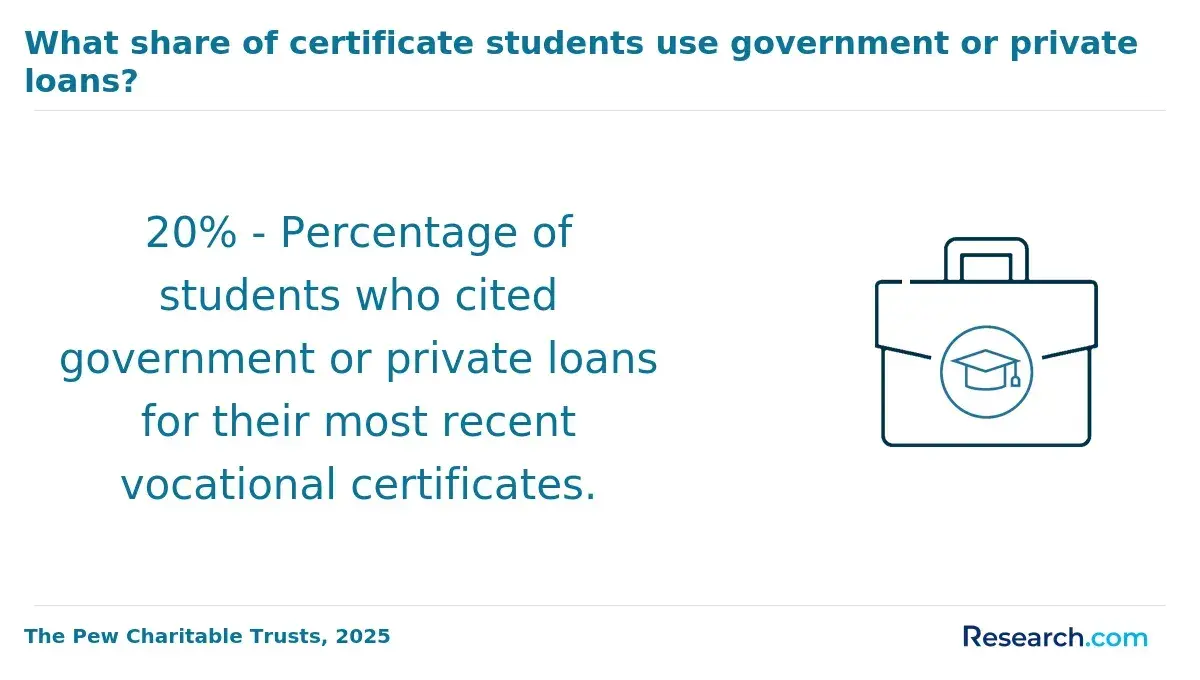
Estimate total completion cost, not just tuition per credit. Multiply the tuition rate that applies to you by your remaining required credits, then add mandatory, program, technology, and graduation fees. Include books, equipment, proctoring, travel, and any unpaid field-placement hours that may affect your earnings. Part-time enrollment can spread payments over more terms, but recurring fees can increase the final bill.
Ask for a written cost estimate based on your transfer evaluation and planned pace. Compare employer tuition assistance, scholarships, and payment plans, and check enrollment requirements for federal aid before relying on it.
The shortest masters degree may reduce living or recurring-term costs, but only if its prerequisites, workload, and remaining credits fit your circumstances; a compressed schedule is not automatically the least expensive choice.
What Careers, Salaries, and Job Outlooks Follow Online Degrees?
Career outcomes depend on the occupation, location, experience, and required credentials. These BLS figures describe U.S. workers in the occupations, not salaries earned by graduates of any particular online program.
| Occupation | BLS 2024 median annual pay | Important qualification distinction |
| Registered nurse | $93,600 | Requires nursing licensure; an MSN alone does not confer it |
| Information security analyst | $124,910 | Employers commonly seek relevant IT experience and skills |
Use occupational pay as context rather than a return-on-investment promise. Compare the jobs you could realistically pursue after completing the program with the jobs available to you now, then weigh the likely benefit against tuition, time, and forgone earnings. For licensed or senior roles, account for any further supervised practice or experience needed.
Which Online Degrees Require Licensure or Professional Certification?
Nursing, clinical social work, school teaching, and certain counseling or psychology roles are examples where a degree is only part of professional eligibility. State boards may require an approved curriculum, supervised hours, examinations, background checks, or an existing license.
Engineering students seeking professional engineer licensure should likewise check board rules for education, examinations, and experience. Business and IT certifications may be valued by employers but are not interchangeable with state licenses.
Before enrolling, identify the exact occupation and state where you plan to work. Ask the program which requirements its graduates are prepared to meet, then confirm the answer directly with the relevant licensing board. A common and costly mistake is choosing a convenient online program first and investigating license eligibility only near graduation.
Other Things You Should Know About the Best Online Degree Programs
Some programs permit it; others require a minimum course load or sequence. Ask for a term-by-term plan showing required-course availability.
No. Programs may require live meetings, fixed deadlines, or in-person placements. Check the schedule for required courses, not just the program description.
Only if the school accepts them and applies them to remaining requirements. Request a program-specific evaluation that identifies electives, prerequisites, and credits still needed.
Confirm accreditation, part-time course rotation, total estimated cost, in-person requirements, and - if relevant - eligibility for licensure in your intended state.
References
- Pell Grant Enrollment Intensity and Cost of Attendance | ed.gov https://fsapartners.ed.gov/knowledge-center/fsa-handbook/2025-2026/vol7/ch3-pell-grant-enrollment-intensity-and-cost-attendance
- Chapter 3 - Courses and Enrollment, Full Course of Study, and Reduced Course Load | USCIS https://www.uscis.gov/policy-manual/volume-2-part-f-chapter-3
- Types of Financial Aid: Grants, Work-Study, and Loans | studentaid.gov https://studentaid.gov/understand-aid/types
- Program Registration Guidance Documents | nysed.gov https://www.nysed.gov/book/export/html/3735
- Tuition | Office of the Bursar - Pennsylvania State University https://www.bursar.psu.edu/tuition
- 4 Flexible Ways to Earn a College Degree on Your Schedule | stjohns.edu https://www.stjohns.edu/news-media/johnnies-blog/4-flexible-ways-earn-college-degree-your-schedule-0
- Common Online College Terms Explained | WVU Online https://online.wvu.edu/news-and-stories/common-online-college-terms-explained/
- When to Apply | Harvard Extension School https://extension.harvard.edu/registration-admissions/degree-program-admissions/when-apply/
- Financial Aid for Non-Traditional and Part-Time Students | sandiego.edu https://usdkb.sandiego.edu/s/article/Financial-Aid-for-Non-Traditional-and-Part-Time-Students
- Online and Hybri d Programs - UChicago Professional https://professional.uchicago.edu/find-your-fit/remote





