2027 Best Online Majors for In-Demand Careers

Co-Founder and Chief Data Scientist
Choosing an online major means looking beyond job demand: the degree must also fit the work you want to do and meet any licensing requirements. The U.S. Bureau of Labor Statistics (BLS) reports a May 2024 median annual wage of $93,600 for registered nurses, but an online nursing degree alone does not qualify someone to practice. This guide compares career-focused fields, explains where online study works well and where hands-on training remains essential, and helps you check the full path from enrollment to employment.
Key Things You Should Know
- Business, IT, and computer science offer routes into multiple occupations; choose by the work you want to do, not the major's name alone.
- BLS reports a May 2024 median annual wage of $133,080 for software developers. That is an occupational figure, not an expected salary for computer science graduates.
- Nursing, teaching, social work, and some psychology careers require state-specific credentials or supervised training beyond online coursework; verify eligibility before enrolling.
Top 10 Best Online Majors for In-Demand Careers
Business Programs
Online MBA and specialized master's programs in accounting, finance, analytics, and supply chain management suit professionals seeking broader responsibilities or a career shift. An MBA emphasizes cross-functional decisions; a specialized degree offers deeper preparation for a particular function. Compare employer relevance, quantitative prerequisites, team-project schedules, and total cost. Management roles commonly require experience, so a master's is not a substitute for a work history.
Healthcare Programs
Online master's programs in public health, health administration, and health informatics prepare students for population-health, operational, or data-focused work rather than direct patient care. An MHA may fit experienced healthcare staff pursuing administration; informatics suits applicants interested in clinical systems and data governance. Check whether a program includes a field placement and whether its curriculum matches the jobs you want. Healthcare experience may matter more than the degree alone for leadership positions.
Information Technology Programs
Online master's programs in IT, cybersecurity, and information systems focus on deploying, securing, and managing technology. They can suit systems administrators or network professionals seeking specialized work. Compare hands-on labs, current security practices, and any required technical prerequisites. A cybersecurity degree does not automatically qualify a graduate for a senior security role; employers may also expect practical experience and relevant certifications.
Computer Science Programs
An online master's in computer science typically emphasizes algorithms, software systems, and advanced computing; concentrations may include AI or machine learning. It best fits applicants prepared for substantial programming and math. Career changers should check whether bridge courses add time and cost. Compare projects and technical depth rather than assuming every program provides the same preparation for software development or research-oriented work.
Nursing Programs
Online MSN programs serve licensed nurses pursuing areas such as education, leadership, or advanced practice. Admission commonly requires an active RN license; some tracks require nursing experience. Nurse practitioner pathways also require supervised clinical hours and additional certification and state licensure. Verify whether the school can arrange placements where you live and whether its program meets your state's requirements. An MSN is not an entry-level route into nursing.
Psychology Programs
Online master's programs in psychology may support research, behavioral-health-related work, or preparation for further study, but their purposes differ sharply. A general psychology master's usually does not qualify someone to practice independently as a psychologist. Counseling-oriented programs have distinct clinical and licensing requirements. If therapy is your goal, compare the exact credential and your state board's rules before choosing a broadly titled psychology program.
Education Programs
Online master's programs in education can focus on curriculum, instructional design, leadership, or teacher preparation. Some are intended for licensed educators; others admit career changers. A master's for working teachers may not lead to an initial teaching license. If licensure is the goal, confirm state approval, student-teaching arrangements, and exam requirements. Scheduled fieldwork can make an otherwise online program difficult to fit around a full-time job.
Criminal Justice Programs
Online master's programs in criminal justice commonly cover policy, leadership, research methods, and the justice system. They may fit experienced public-safety staff seeking advancement or applicants interested in analysis and administration. Many entry-level law-enforcement roles do not require a master's, and hiring standards vary by agency. Compare a program's internship options and employer relevance against less costly experience-based routes before enrolling.
Engineering Programs
Online engineering master's programs offer advanced study in specialties such as electrical, mechanical, or systems engineering. They generally suit applicants with substantial math and engineering preparation; prerequisites can extend a career changer's timeline. Check whether labs, exams, or projects require campus attendance. An engineering master's does not replace state professional-engineer licensing requirements where a licensed engineer must approve work.
Social Work Programs
An online MSW can prepare students for advanced social work practice, but required field education takes place in person. Advanced-standing options are generally designed for eligible graduates of accredited bachelor's social work programs; other applicants follow a longer foundation route. For clinical practice, graduates typically need additional supervised experience, an examination, and state licensure. Confirm placement support and licensing eligibility in the state where you intend to work.
What Are the Best Online Majors for In-Demand Careers?
The best online major is the one that prepares you for a specific occupation at a cost and pace you can sustain. For a first degree, compare bachelor's majors; for specialization or advancement, compare master's fields and their entry requirements. The table shows where each field tends to fit - and where the major alone may fall short.
| Field | Good fit for | Important limitation |
| Business | Operations, finance, or management-track interests | Leadership jobs often require experience |
| IT and computer science | Systems, security, data, or software work | Employers assess technical skills and projects |
| Healthcare and nursing | Health operations or patient care | Patient-care roles may require clinical training and licensure |
| Education and social work | Teaching or helping professions | Field placements and state credentials may be required |
| Psychology and criminal justice | Behavioral science or justice-system interests | Some desired roles require further education or agency training |
| Engineering | Technical design and problem-solving | Labs, prerequisites, or professional licensure may apply |
Start with a target job description, then work backward to its usual education and experience requirements. Once you know the right field and degree level, compare the actual majors offered by best online colleges rather than treating a school-wide reputation as proof of career fit.
Which Careers Offer the Strongest Job Growth and Salary Potential?
Software development offers strong wage potential, while healthcare provides several distinct career paths. BLS occupational wages describe people already working in a role - not the earnings of new graduates or evidence that one major causes a particular salary. Location, experience, specialization, and employer affect individual pay.
Use BLS growth projections to assess demand, then check the entry requirements for the specific occupation. For example, software development can be reached through computer science or related preparation, but a competitive portfolio and technical experience matter. Registered nursing requires an approved nursing education pathway and a license; health administration is a different career, even though both are in healthcare. A growing occupation is worth considering only if its work, credential requirements, and likely starting opportunities fit your goals.
What Education and Training Do In-Demand Careers Require?
Entry requirements vary more by occupation than by industry. A bachelor's degree can prepare applicants for many business and computing jobs; employers may also consider projects, internships, and prior experience. Registered nurses must complete an approved nursing program and meet state licensure requirements. Teachers and clinical social workers generally face state-specific preparation and licensing rules. Independent psychology practice ordinarily requires further graduate education and licensure.
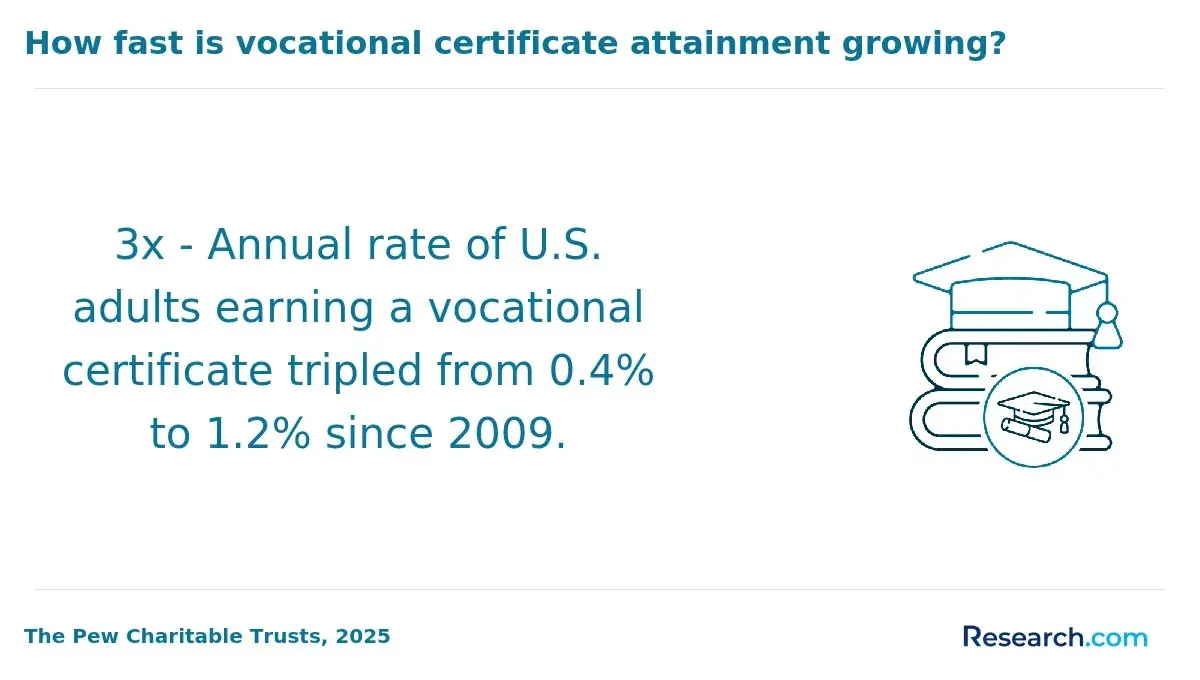
If you already hold a bachelor's degree, a master's can provide specialization, but first ask whether the job requires it. A short program is useful only if it covers the preparation you need: compare prerequisites, course sequencing, and any fieldwork before considering 12 month master's programs online. A certificate, employer training, or entry-level experience may be a better first step for some career changes.
How Do Online Degree Programs Compare With Campus Programs?
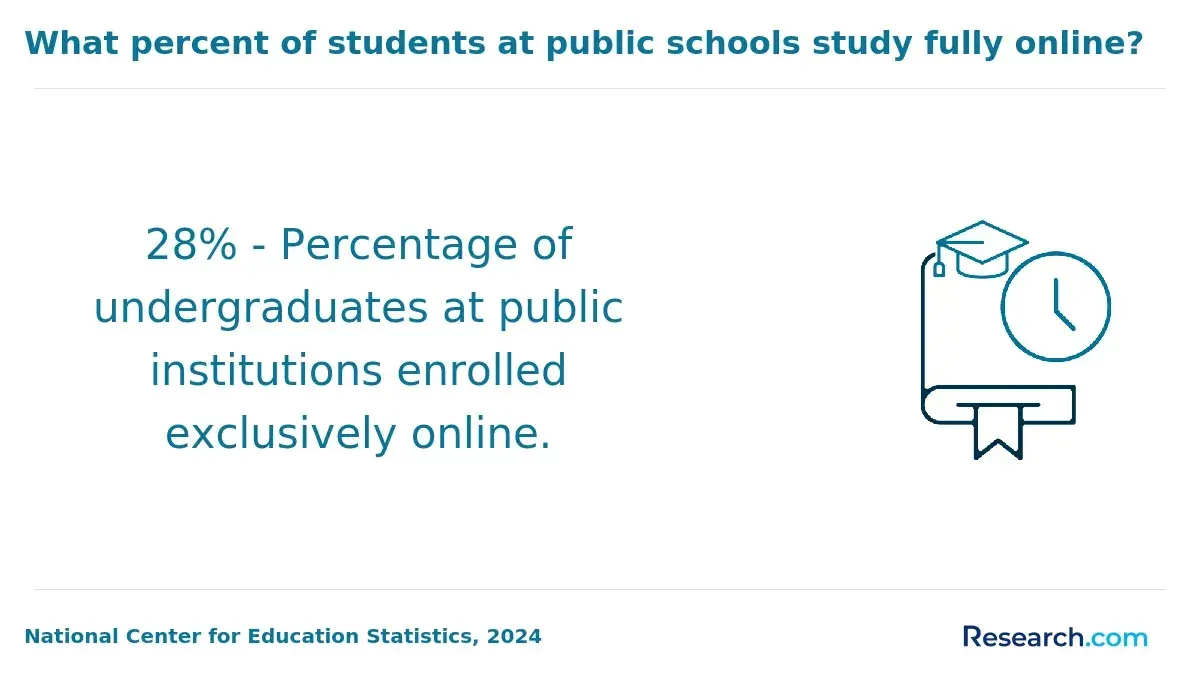
Online study can reduce commuting and make it easier to access a suitable major, but it does not necessarily mean self-paced study. Courses may have live meetings, group work, fixed deadlines, or proctored exams. Nursing clinicals, social work placements, student teaching, and some engineering labs still require in-person participation.
Choose online study when its schedule and local placement arrangements work for you. Consider campus or hybrid study if you need frequent access to equipment, face-to-face instruction, or placement networks. Compare the requirements of the specific program, not just the school's description of its online learning platform.
What Courses Do Online Majors Typically Include?
Most majors combine foundational courses, advanced courses, and an applied project or other culminating work. Business students may study accounting, operations, and analytics; computer science students may take programming, algorithms, and software design; healthcare administration students may study finance and health systems. Nursing, education, and social work programs may add supervised practice.
Read the full curriculum before applying. An appealing concentration name is less useful if required courses do not build the skills your target job demands, or if prerequisites delay your start.
What Are the Admission Requirements for Online Degree Programs?
Bachelor's applicants typically submit previous academic records; transfer applicants should request an evaluation showing how credits apply to general education and the major. Master's applicants generally need a bachelor's degree and transcripts, while some programs also require prerequisites, experience, a license, recommendations, or an interview. Selective nursing and licensure-track programs can impose requirements beyond general university admission.
Check the current admissions page for the exact program and applicant category. If upfront application costs matter, free online college application options can help you build a shortlist - but confirm that any fee policy applies to your program before submitting.
How Long Do Online Degrees Take and What Do They Cost?
A bachelor's degree generally takes longer than a master's, but your remaining coursework - not a program's advertised pace - determines your timeline. Accepted transfer credits may shorten a bachelor's path; prerequisites, course sequencing, part-time enrollment, and clinical or field placements can lengthen either degree. Graduate advanced standing is available only when a program's eligibility rules allow it.
Compare total completion cost: remaining credits multiplied by applicable tuition, plus mandatory and program fees, books, equipment, travel, and placement-related expenses. Ask for a written transfer evaluation and cost estimate before committing. Published tuition at affordable online colleges is a starting point, not proof that your particular major will have the lowest total cost. Check federal aid eligibility and employer assistance where applicable.
Which Certifications and Licenses Do Graduates Need?
Licenses grant legal permission to practice in regulated occupations; certifications can demonstrate specialized skills but do not usually replace a required license. Requirements depend on both the role and the state. Nursing graduates seeking RN licensure must meet state board requirements and pass the NCLEX-RN. Teacher preparation must align with the intended state's certification rules. Clinical social work and counseling typically require graduate preparation and supervised post-degree practice.
In IT, certifications may help demonstrate skills, but their value depends on the employer and role. Do not pay for a degree on the assumption that a credential is included: ask which examinations, supervised hours, and fees remain after graduation.
How Can You Choose an Accredited Online Program?
Start by confirming that the institution holds recognized accreditation. For a regulated career, also check the applicable program approval or accreditation and confirm eligibility with the licensing board in the state where you plan to work. Institutional accreditation alone does not establish that a particular online program meets professional licensing requirements.
Then compare the program's curriculum, online attendance rules, placement support, transfer evaluation, total cost, and career relevance. A useful next step is to ask admissions for written answers about required in-person work and state eligibility, then compare those answers across programs. Use best online colleges only as a starting point for that program-level review.
Other Things You Should Know About
There is no universal choice. Computer science can prepare students for well-paid software roles, but hiring depends on skills and experience. Compare occupational requirements with total education cost rather than choosing by median wage alone.
You may complete academic coursework online, but nursing, teaching, and social work programs commonly require in-person clinical or field training. Confirm both placement arrangements and state licensure eligibility.
Choose based on your existing education and the target job. A master's may suit someone who meets its prerequisites; a bachelor's, bridge pathway, or shorter credential may be more appropriate when foundational preparation is missing.
Estimate the cost and time remaining after any accepted credits, then compare them with the target occupation's entry requirements and realistic job opportunities. Do not treat an occupation's median wage as a promised graduate outcome.
References
- Employment Projections Home Page | bls.gov https://www.bls.gov/emp/
- Undergraduate Retention and Graduation Rates - COE https://nces.ed.gov/programs/coe/indicator/ctr/undergrad-retention-graduation
- DAPIP | Homepage - Office of Postsecondary Education (OPE) https://ope.ed.gov/dapip/
- Forms and FAQs | NC DPI https://www.dpi.nc.gov/educators/educators-licensure/forms-and-faqs
- New Pathways to a College Degree: How Transfer Credits Save Time | University of Arkansas Grantham https://www.uagrantham.edu/blog/transfer-college-credits-online-pathways-degree/
- Understanding State Licensure Requirements | Relay GSE https://support.relay.edu/kb/article/953-understanding-state-licensure-requirements/1
- Which Online Degrees Offer the Most Transferable Skills and Career Opportunities? | University of the People | https://www.uopeople.edu/blog/online-degrees-for-multiple-career-paths/
- Explore CHCP's Hybrid and Online Healthcare Programs https://www.chcp.edu/locations/online-school/
- Are online degrees respected by employers? | University of Illinois Chicago https://onlineprograms.uic.edu/news-stories/are-online-degrees-respected-by-employers/
- The Importance of Transfer Credits in an Education Plan | Walden University https://www.waldenu.edu/financial-aid/resource/the-importance-of-transfer-credits-in-an-education-plan