2027 Best Degrees With Scholarship Options

Co-Founder and Chief Data Scientist
Choosing a master's degree is difficult enough without guessing whether scholarships will make it affordable. The right choice depends on both the funding you can actually receive and the career the program prepares you for. The U.S. Bureau of Labor Statistics (BLS) reports that software developers had a 2024 median annual wage of $133,080 - an occupational figure, not a promised salary for computer science graduates. This guide compares ten degree fields, explains where funding may come from, and shows prospective graduate students how to check costs, career requirements, and award terms before enrolling.
Key Things You Should Know
- For scholarship opportunities, start with awards tied to your field and career plans: nursing service scholarships, research fellowships, educator funding, and university departmental awards have different eligibility rules.
- Career pay matters, but it is not graduate pay: BLS reports a 2024 median annual wage of $93,600 for registered nurses, a role available through multiple educational pathways.
- Compare the remaining cost after confirmed funding, not the advertised scholarship amount; check renewal rules, required enrollment, and any service commitment.
Top 10 Best Degrees With Scholarship Options
Business Programs
MBA, accounting, and business analytics master's programs suit different goals. An MBA often emphasizes leadership and may favor applicants with work experience; accounting programs may require foundation courses and can help students meet state-specific CPA education requirements. Universities may offer merit awards, employer partnerships, or graduate assistantships, but awards vary by program. Compare tuition with expected career use: a costly MBA is harder to justify if your target role does not require it. Ask whether a scholarship covers summer courses, fees, and the full program.
Healthcare Programs
Master's options include public health, health administration, and clinical fields, but their outcomes differ. An MPH can support population-health work; a health administration degree may serve experienced professionals seeking management roles. Clinical programs can require prerequisites, supervised placements, and separate licensure. Look for departmental awards, employer tuition assistance, and funding tied to underserved communities. Before accepting an award, confirm whether its service requirement matches where you want to work and whether required fieldwork limits paid employment.
Information Technology Programs
Master's programs in information technology, cybersecurity, and information systems typically emphasize applied infrastructure, security, or organizational technology. They may suit professionals changing specialties, though some technical roles can be entered through experience and certifications instead. Relevant funding may include university STEM awards, employer assistance, and assistantships; eligibility depends on the specific program. Compare prerequisite courses, hands-on labs, and whether a scholarship applies to online enrollment. Do not assume a cybersecurity degree alone qualifies you for a security clearance or a senior role.
Computer Science Programs
A computer science master's can deepen skills in algorithms, artificial intelligence, systems, or research. Some programs admit career changers with bridge coursework; others expect substantial prior computing study. Thesis-based programs may offer research assistantships, while course-only professional programs may rely more heavily on merit awards or employer funding. The National Science Foundation's Graduate Research Fellowship Program is worth investigating for eligible research-oriented students, but it is not a general scholarship for every computing master's. Check the total cost of any required bridge courses.
Nursing Programs
MSN pathways include nurse practitioner, education, leadership, and other specialties. Applicants commonly need a nursing license, and clinical tracks may have additional experience or prerequisite requirements. The federal Nurse Corps Scholarship Program can support eligible nursing students in exchange for service at an approved facility; eligibility and funding are competitive. An online classroom does not eliminate clinical placements. Verify programmatic accreditation, state authorization, placement support, and the specific licensure requirements for your intended advanced-practice role before committing.
Psychology Programs
A psychology master's may support research, organizational work, or preparation for doctoral study, but a general psychology degree usually does not by itself qualify someone for independent clinical practice. Counseling and related licensure-oriented degrees have different curricula and supervised-experience requirements. Departmental awards and assistantships may be more relevant than broad psychology scholarships. Check your state board's approved educational pathway before choosing a program, and ask whether required practica, thesis work, or doctoral preparation affect both funding and completion time.
Education Programs
Education master's degrees can focus on teaching, curriculum, special education, or school leadership. A degree designed for licensed teachers may not provide an initial teaching license. District tuition assistance and university awards can help; an eligible TEACH Grant is not a scholarship and can become a loan if its service obligation is not met. Ask whether funding applies during student teaching or part-time enrollment. Verify state approval and any separate classroom-experience requirements if licensure or an administrative credential is your goal.
Criminal Justice Programs
A criminal justice master's may cover policy, criminology, public administration, or research. It can be useful for particular analytical and advancement goals, but many law-enforcement jobs do not require a graduate degree, and agency hiring rules vary. Departmental awards and public-employer tuition benefits deserve attention. Choose research-heavy coursework if you want policy analysis, or applied coursework if you need management skills. Compare the program's cost with your employer's actual promotion criteria rather than assuming the credential brings a raise.
Engineering Programs
Engineering master's programs range from research-focused degrees with a thesis to professional programs built around advanced technical coursework. Research assistantships can be valuable, but they may require substantial lab time and are not available in every specialization. Some programs expect an engineering bachelor's degree; others allow related quantitative backgrounds with prerequisites. If professional engineering licensure matters, review your state board's education and experience rules separately. Compare laboratory access, employer reimbursement, and whether an award covers required research terms.
Social Work Programs
An accredited MSW is a common educational step toward clinical social work, but independent practice also requires state-specific supervised experience and examinations. Applicants with an eligible accredited BSW may qualify for advanced standing, subject to the school's rules; other applicants generally need the standard pathway. Field placements can make a low-tuition program costly in lost working hours. Look for university awards, employer support, and service-based funding, then confirm CSWE accreditation, placement expectations, and your state's licensing requirements.
What Are the Best Degrees With Scholarship Opportunities?
The best scholarship-friendly degree is the one that offers funding you qualify for, a manageable remaining cost, and a credible path to your intended work. No field guarantees an award. The comparison below shows where prospective master's students can begin looking and the main condition to check before treating funding as affordable.
| Master's field | Funding worth checking | Key decision |
| Business | Merit awards; employer assistance | Will the degree change your opportunities enough to justify its cost? |
| Healthcare | Department awards; service funding | Is the program matched to your intended role? |
| Information technology | STEM awards; employer assistance | Would a degree add value beyond experience or certification? |
| Computer science | Research fellowships; assistantships | Do you meet technical prerequisites? |
| Nursing | Nursing scholarships; service programs | Will clinical and licensure requirements work in your state? |
| Psychology | Department awards; assistantships | Does the degree lead to the practice you want? |
| Education | District assistance; educator funding | Is it an initial-licensure or advancement program? |
| Criminal justice | Employer assistance; department awards | Does your target employer value a master's? |
| Engineering | Research assistantships; employer assistance | Does the specialization fit your technical goal? |
| Social work | University awards; service funding | Can you manage field-placement and licensing demands? |
A shorter program is not necessarily cheaper or easier to fund. Students considering 12 month master's programs online should check whether the advertised timeline assumes full-time study, completed prerequisites, and uninterrupted course availability.
Which Degrees Offer the Strongest Career Outcomes and Job Demand?
Computer science, nursing, engineering, and some healthcare fields can connect to occupations with strong pay or demand, but the occupation - not the degree title - determines the relevant labor-market comparison. BLS projects employment of software developers to grow 17% from 2023 to 2033. That national projection signals opportunity, not a guaranteed opening for an individual applicant; skills, experience, location, and competition still matter.
Start with a target occupation, then check its entry requirements. A nursing graduate pursuing advanced practice faces a different licensing path from a nurse seeking an education role. A business graduate seeking management may need substantial work experience. For psychology and social work, confirm whether the intended job requires supervised practice or a different credential. If the target role does not reward a master's, a less expensive path may offer better value.
How Can Students Find Scholarships for Their Degree Programs?
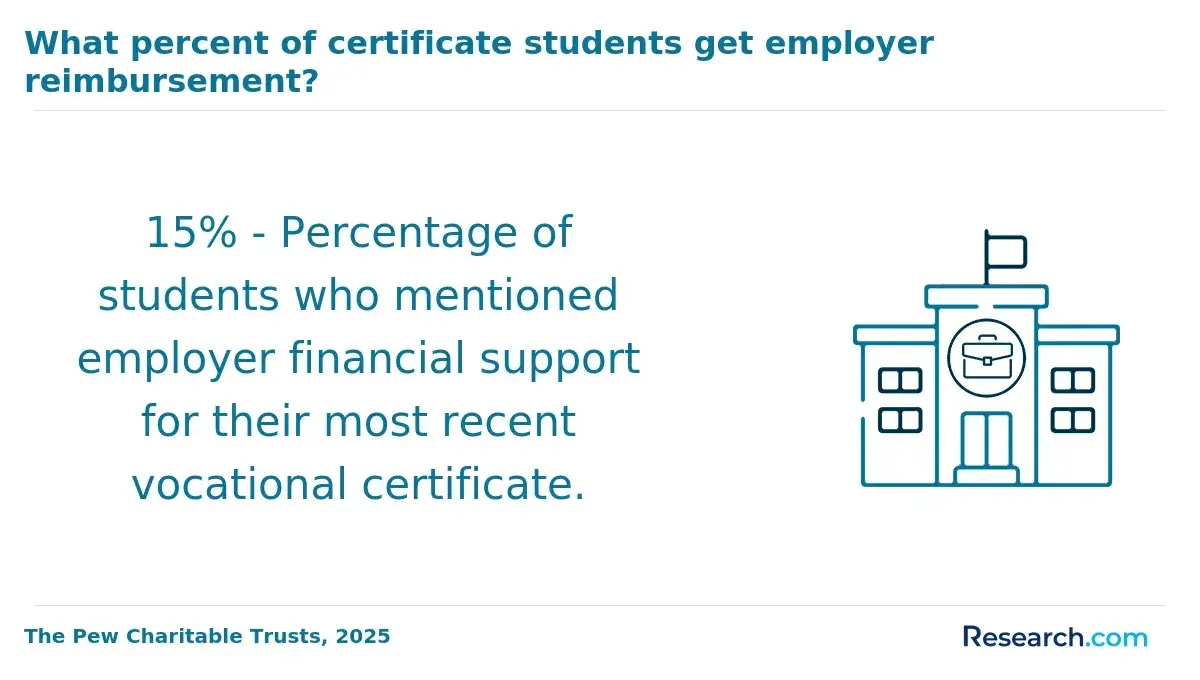
Search for funding by program, profession, and eligibility, not just by the phrase "graduate scholarships." University departments may award assistantships; employers may reimburse approved study; government and professional programs may target research or service in particular communities. Awards can be merit-based, need-based, or tied to work after graduation.
A focused search is easier to manage when you follow the same sequence for each prospective school:
- Ask the department for its current award list, assistantship application, deadlines, and rules for online or part-time students.
- Check professional associations and government programs against your exact field, credential, citizenship or residency status, and career plans.
- Submit the FAFSA when applicable and ask the financial aid office to distinguish grants and scholarships from loans.
- Request written terms covering renewal, minimum enrollment, fees, tax treatment questions, and any employment or service obligation.
Apply early, but do not build a budget around an award until it is confirmed. Be wary of scholarship searches that charge an application fee or promise an award in exchange for payment.
Which Accredited Schools Offer Affordable Scholarship-Eligible Programs?
No university is affordable for every master's student: residency, program fees, assistantships, and individual aid offers can change the result. Public universities such as Florida International University and the City University of New York are reasonable places to investigate graduate tuition and department funding; Western Governors University offers a different, competency-based model to compare. These are research starting points, not verified scholarship offers or a ranking. Confirm that each school currently offers your intended program, format, and funding.
Check institutional accreditation through the school's accreditor and, where relevant, programmatic accreditation such as CSWE for social work or nursing accreditation accepted by the applicable licensing board. Request the current program-specific tuition schedule, mandatory fees, scholarship criteria, and total required credits. A low published rate does little good if you cannot receive the award or complete required placements near home.
What Degree Pathways Lead to Licensed or Certified Careers?
A scholarship can reduce the cost of preparation, but it cannot replace a required license. Common pathways include an accredited MSW followed by state-required supervised practice and exams for clinical social work; an eligible nursing program followed by the applicable certification and state authorization for advanced practice; and a state-approved educator pathway for teaching or school leadership. Engineering licensure may require board-approved education, examinations, and qualifying experience. Requirements differ by state and role.
Before enrolling, ask the relevant licensing board whether the specific program and delivery format meet its education rules. If your goal is an entry-level technical role rather than a licensed profession, compare degree costs with experience and short certificate programs that pay well online. A certificate can teach useful skills, but it does not substitute for a degree or license where one is required.
How Do Online and Campus Degree Programs Compare?
Online study can reduce commuting and relocation costs; campus study may offer easier access to labs, faculty, and local placements. Neither format is automatically more flexible or more scholarship-eligible. Online courses can still have live meetings, fixed deadlines, proctored exams, residencies, clinical hours, or student teaching.
The most useful comparison is your weekly schedule against the program's actual requirements. The table highlights constraints to confirm before accepting an offer.
| Format | Potential advantage | Constraint to verify |
| Online | Study without routine travel to campus | Live sessions, local placements, campus visits, and award eligibility |
| Hybrid | Mix of remote study and in-person activities | Frequency and cost of required travel |
| Campus | Direct access to on-site facilities and activities | Commute, housing, and class schedule |
What Do Students Learn in High-Value Degree Programs?
High-value programs teach skills tied to a defined goal and give students a way to demonstrate them. Computer science students might build and evaluate software systems; public health students might analyze population data; social work students practice assessment under supervision; and education students apply instructional methods. The useful question is not whether a catalog sounds impressive, but whether its required coursework and final project match the work you want to do.
Master's degrees commonly combine core courses, electives or a concentration, and a thesis, capstone, exam, or supervised experience. Required credits and completion time vary. Research-focused students may benefit from a thesis and assistantship, while working professionals may prefer an applied capstone - provided its funding and schedule are workable. Ask for a degree plan showing prerequisites, course sequencing, and any terms when an award will not apply.
How Much Do Scholarship-Friendly Degrees Cost to Complete?
The meaningful price is total cost to completion minus confirmed, usable funding. Published tuition is only one component: mandatory and program fees, books, technology, travel, required placements, and income lost to unpaid fieldwork can materially change the calculation. An assistantship may lower the bill but also require work hours; a service scholarship may restrict where you can work afterward.
Use the same cost categories for every offer so a larger headline award does not hide a more expensive degree. This table identifies the amounts to request directly from each school rather than suggesting a single price that applies across programs.
| Cost or funding category | What to confirm |
| Tuition | Rate for your residency and format; credits still required |
| Mandatory expenses | Program and technology fees, supplies, travel, and placements |
| Confirmed funding | Scholarship or assistantship amount, covered terms, and renewal conditions |
| Financing | Employer contribution, savings, and any loans you would need |
If speed is part of your plan, compare the full degree timeline - not just course length. Guides to accelerated online degrees concern bachelor's pathways; their transfer-credit or pacing assumptions should not be applied to a master's. At the graduate level, prerequisite courses, research, and clinical requirements can extend both time and cost.
What Salaries Can Graduates Expect After Earning These Degrees?
Salary figures help test whether a career goal can justify a program's remaining cost, but they describe workers in occupations, not new graduates or the effect of a master's degree. BLS reports the following U.S. median annual wages for 2024. These occupations have different entry routes and experience requirements, so compare each figure with the job you can realistically pursue.
| Occupation | 2024 U.S. median annual wage | Important qualification |
| Software developers | $133,080 | A computer science master's is not universally required. |
| Registered nurses | $93,600 | Multiple nursing education pathways lead to RN eligibility. |
| Medical and health services managers | $117,960 | Relevant professional experience is commonly important. |
| Social workers | $61,330 | Clinical roles have additional state licensing requirements. |
These medians include workers at different career stages. For a personal return-on-investment check, compare your likely starting opportunities and current earnings with the program's remaining cost, time away from work, and any loan payments. Do not use an occupation-wide median as a promise of your first salary.
Other Things You Should Know About
Yes. Universities, professional organizations, employers, and some government programs offer funding, but eligibility and availability vary by program. Ask each department about awards and assistantships before applying.
There is no reliable universal winner. Nursing, education, research-oriented STEM fields, and social work have recognizable profession-specific funding paths, but your eligibility and the school's offer matter more than the field name.
Sometimes. Check the individual award's enrollment, campus, and program rules; an online degree is not automatically included or excluded.
Not necessarily. Compare what you must still pay to finish, how long the award lasts, and any work or service obligation. A smaller award at a lower-cost program may leave you better off.
References
- Packaging Aid | 2026-2027 Federal Student Aid Handbook https://fsapartners.ed.gov/knowledge-center/fsa-handbook/2026-2027/vol3/ch3-packaging-aid
- Eligibility Requirements | Federal Student Aid https://studentaid.gov/understand-aid/eligibility/requirements
- 2025-2026 Scholarship Terms and Conditions | University of Arizona Office of Scholarships & Financial Aid https://financialaid.arizona.edu/2025-2026-terms-and-conditions
- Institutional Scholarship Renewal Requirements | WVU Hub https://hub.wvu.edu/types-of-aid/scholarships/renewal-reqs
- Different types of scholarship opportunities | citizensbank.com https://www.citizensbank.com/student/articles/different-types-scholarship-opportunities.aspx
- College Scholarships https://www.scholarships.com/financial-aid/college-scholarships
- Fulbright U.S. Scholar Program | Fulbright Scholars https://fulbrightscholars.org/us-scholar-awards