2027 Best College Degrees for Students With Some College Credit

Co-Founder and Chief Data Scientist
If you have college credits but no degree, the best next step is not necessarily the major you started. It is a degree that puts your existing coursework to use and supports the career you want.
The stakes are real: the U.S. Bureau of Labor Statistics reports a May 2024 median annual wage of $93,600 for registered nurses, but becoming an RN requires an approved nursing pathway and licensure - not just transferred credits. This guide compares degree fields, shows where previous coursework may help, and explains how to estimate the time and cost still ahead.
Key Things You Should Know
- Business, information technology, and some psychology or criminal justice programs may offer more room for previously earned electives; nursing, education, engineering, and social work often have more tightly sequenced requirements.
- A bachelor's degree commonly requires around 120 semester credits, but the number you already have matters less than how many fulfill requirements in your intended major.
- Compare written transfer evaluations, remaining credits, total cost, accreditation, and any licensure requirements before choosing a program; a generous transfer maximum alone does not establish your completion date.
Top 10 Best College Degrees for Students With Some College Credit
Business Programs
A bachelor's in business administration can suit returning students whose earlier courses include accounting, economics, statistics, or general education. Broad electives may also accommodate credits that do not match a specialized major. Compare concentrations in accounting, finance, marketing, or operations against your goal: accounting roles may require specific coursework, and CPA eligibility has separate state rules. Ask how many of your credits satisfy major requirements, not merely electives. Choose a focused major if your target job calls for specialized preparation; choose general business if flexibility and advancement across industries matter more.
Healthcare Programs
Healthcare administration and health sciences bachelor's degrees can fit students with prior biology, general education, or allied-health coursework. Administration emphasizes operations and policy; health sciences may build on an existing clinical credential. Neither degree, by itself, qualifies you to practice a licensed clinical profession. If you already hold a healthcare license, look for a completion pathway designed for your credential and confirm which courses it waives. If you want direct patient care but have no qualifying credential, compare entry-level clinical programs instead.
Information Technology Programs
An IT bachelor's degree typically covers networks, systems, databases, security, and applied projects. It may suit students with prior technical coursework or related work experience, but experience earns academic credit only through a school's published evaluation process. Check whether older computing courses still satisfy current major requirements. IT can be a strong fit for systems or support careers; compare it with computer science if you want a more mathematics-intensive software-development path. Certifications may strengthen an application or résumé, but do not assume they replace required courses.
Computer Science Programs
A computer science bachelor's degree emphasizes programming, algorithms, data structures, and mathematics. General education credits may transfer readily, while major courses often form prerequisite sequences. That can leave substantial time to completion even after a school accepts many credits. Review calculus and programming prerequisites, course availability, and whether labs or exams require attendance. Choose computer science if its technical depth matches your goals; an applied IT or software-focused program may be more practical if you need a different curriculum or a shorter remaining sequence.
Nursing Programs
Nursing pathways depend on your starting credential. Licensed RNs can compare RN-to-BSN programs that recognize prior nursing education; applicants who are not RNs generally need an approved prelicensure program with clinical training. Anatomy, physiology, and other science courses may face grade or recency rules. Admission to a college does not necessarily mean admission to its nursing major. Before enrolling, confirm clinical placement expectations, nursing-program approval, and eligibility for licensure in the state where you plan to practice.
Psychology Programs
A psychology bachelor's degree can make use of prior general education, statistics, and social science credits. Coursework commonly covers research methods, development, and behavior. It can support roles in human services or preparation for graduate study, but a bachelor's alone does not qualify someone to practice as a licensed psychologist. If you want a specific role, compare its entry requirements before selecting electives. Students seeking a direct path into licensed practice should expect additional education and supervised training.
Education Programs
Education bachelor's programs may lead toward teacher licensure, but requirements vary by state, subject, and grade level. Previous coursework can cover general education or subject-area requirements, while methods courses and student teaching may remain sequential. A nonlicensure education degree serves different goals and should not be mistaken for a teaching credential. Ask whether the program meets your state's preparation rules and where field placements occur. Students unable to accommodate daytime classroom placements should examine that commitment before applying.
Criminal Justice Programs
A criminal justice bachelor's degree studies law, institutions, policy, and research. It can be an accessible completion option when prior social science and elective credits apply, though acceptance varies by school. Do not assume the degree is required for - or grants entry into - policing, federal service, or investigative work; agencies set their own hiring and training standards. Compare the curriculum with your intended role, and consider whether a more specialized degree would better serve careers in cybersecurity, accounting-based investigations, or social services.
Engineering Programs
An engineering bachelor's degree may appeal to students with strong prior math and science coursework, but calculus, physics, labs, and design courses often build on one another. Transferred credits may therefore reduce the credit total without shortening the sequence much. If professional engineering licensure is a goal, examine the specific program's accreditation and your state's licensing rules. An engineering technology degree has a different curriculum and may have different licensing implications. Request a course-by-course plan before assuming earlier technical credits will satisfy engineering requirements.
Social Work Programs
A bachelor of social work (BSW) combines social work coursework with supervised field education. Prior social science courses may help, but field-placement hours and program-specific requirements generally remain. Check whether the BSW program is accredited by the Council on Social Work Education, particularly if you may pursue an advanced-standing master of social work later. A BSW can prepare students for some entry-level roles; clinical social work requires further education and state licensure. Compare placement schedules with your work and caregiving commitments.
What Are Degree Completion Programs for Students With Some College Credit?
Degree completion programs are pathways designed for students who have already earned eligible college credit and want to finish a credential, usually an associate or bachelor's degree. They may offer part-time study, online courses, or credit evaluation tailored to returning students. They do not waive requirements automatically: the school determines which credits apply to general education, the major, and electives.
Most readers with some college credit are considering undergraduate study. A master's program normally requires a completed bachelor's degree, so easy masters degrees online are a possible later step, not a substitute for finishing an undergraduate credential. If you already hold an associate degree or professional license, ask about a pathway built for that starting point.
How Do You Transfer Existing College Credits Into a Degree Program?
Start with an official evaluation for your intended degree - not a verbal estimate of how many credits the institution accepts. Transferable credits can count only as electives even when the major still requires extensive coursework. Schools may also apply minimum-grade, course-equivalency, or recency rules, and require a portion of the degree to be completed there.
These steps help you compare the remaining work at each school:
- Request official transcripts from every college attended and identify any examination, military education, or professional credentials the school will evaluate.
- Ask for a written degree audit showing accepted credits by requirement, unmet prerequisites, and the institution's minimum credits to be completed there.
- Check limits on transfer and prior-learning credit, grade and age rules, and whether the evaluation is available before you commit to enrollment.
- Compare the remaining course sequence and its actual offering schedule, including labs, clinicals, internships, or capstones.
Credit for work or military learning is not automatic; where offered, it may require an approved examination, portfolio, credential review, or another assessment. Confirm how any award applies to your specific degree.
Which College Degrees Offer the Best Career Opportunities After Completion?
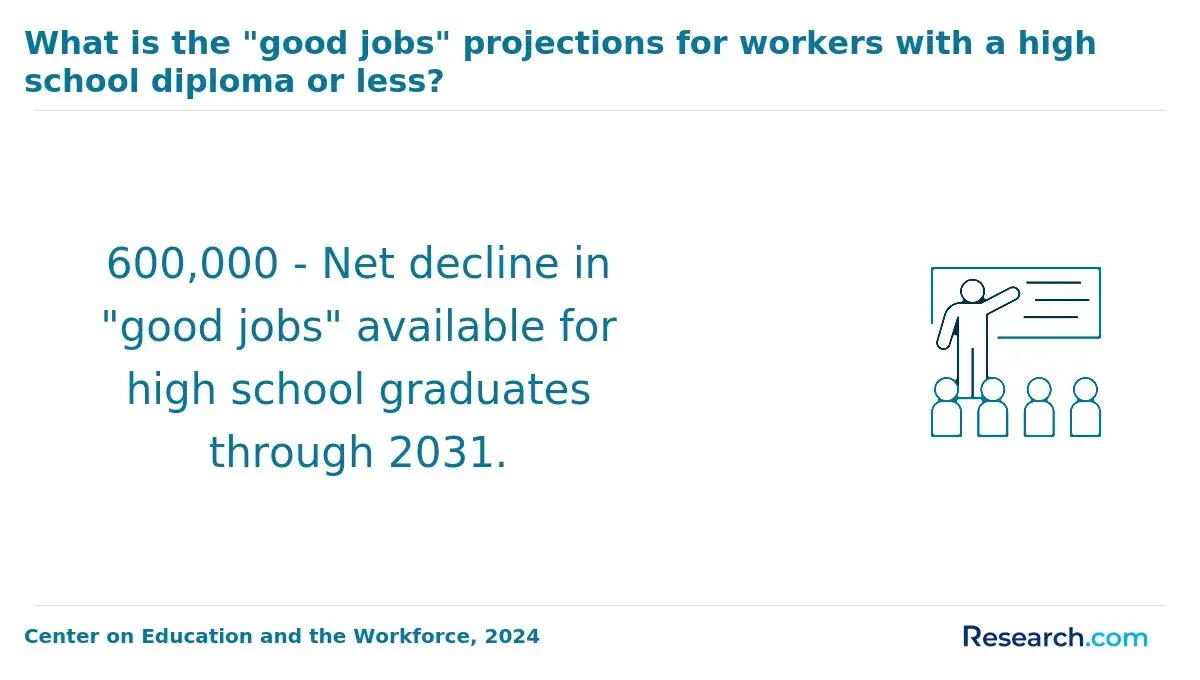
The best career opportunity is one that matches both your intended occupation and a realistic path from your current credits. Nursing has a defined licensed route; business and IT offer broader job options but often require relevant skills and experience. Computer science can support software careers, although a degree alone does not secure a developer role. Psychology and social work require additional credentials for certain professional positions.
For context, the Bureau of Labor Statistics reports a May 2024 median annual wage of $133,080 for software developers. That is an occupational figure, not the expected salary of computer science graduates or new entrants. Use wage data - including comparisons of the top 10 highest paying degrees - alongside job requirements, your remaining education cost, and local opportunities rather than treating salary as a promise.
Are Online or Campus-Based Degree Programs Better for Returning Students?
Online study may make it easier to keep working, while campus study can provide in-person labs, advising, and a fixed routine. Neither format is automatically faster or more flexible. An online course can still have live meetings and firm deadlines; a hybrid program may require travel. Nursing clinicals, education student teaching, social work fieldwork, and some science or engineering labs require location-specific planning regardless of where lectures occur.
Choose the format around the courses you still need. Ask when each required course is offered, whether part-time enrollment is possible, and where experiential work takes place. A convenient format is valuable only if it lets you complete the whole degree.
What Admission Requirements Apply to College Degree Completion Programs?
Requirements vary by school and major. A returning student may need an application, transcripts from every prior institution, and evidence of required prerequisite courses. A program may review GPA or require satisfactory grades in particular subjects. Selective nursing, education, engineering, or social work majors may have a separate application, background-check conditions, or placement requirements after general admission.
Ask admissions which rules apply specifically to transfer applicants and to your intended major. If your grades are uneven, find out whether recent coursework can demonstrate readiness and whether conditional admission is available. Do not assume that admission to the institution reserves a seat in a limited-enrollment program.
How Long Do Degree Completion Programs Take and How Much Do They Cost?
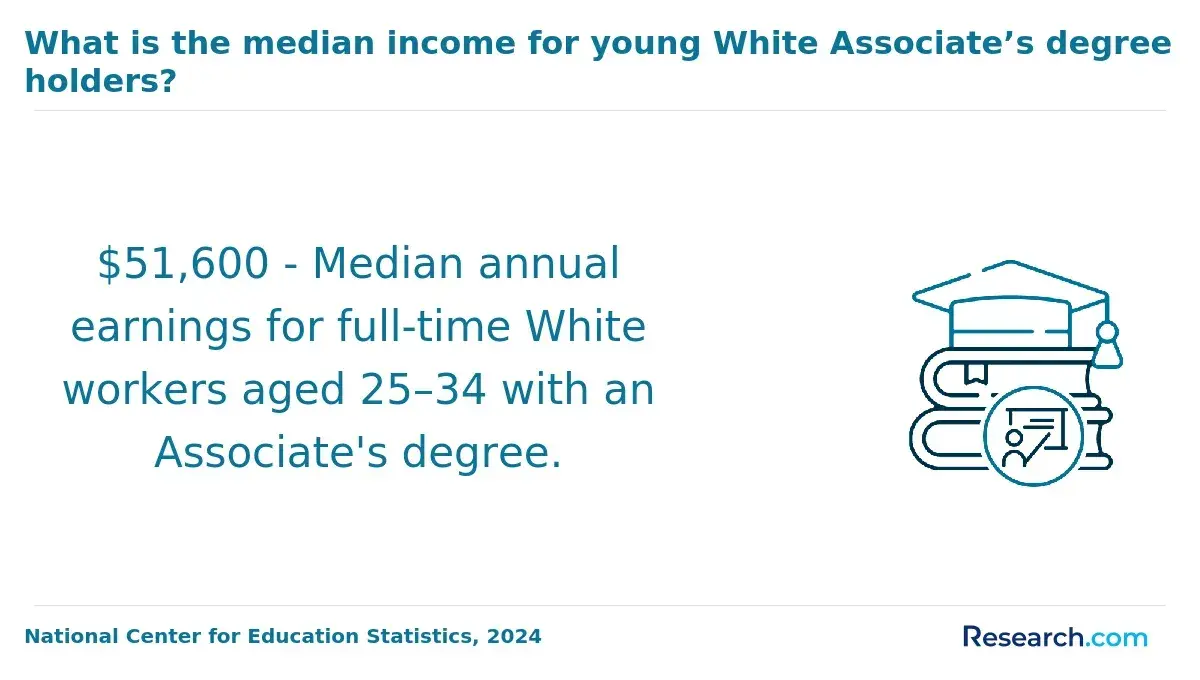
Time and cost depend on credits that fulfill requirements, enrollment pace, prerequisite sequences, and courses that are available when you need them. A student close to completing a broad business degree may have a different timeline from one entering a clinical or engineering sequence with the same number of prior credits. An advertised completion time may assume an associate degree, RN license, or other specified preparation.
Estimate cost using the remaining credits at the school's applicable tuition rate, then add mandatory and program fees, books, equipment, travel, and any required placement expenses. Compare financial aid eligibility and employer tuition assistance before calculating what you would pay. If a full degree is unnecessary for your goal, compare 12 month certificate programs that pay well; check whether their training meets employer or licensing requirements and whether credits could apply to a later degree.
What Courses Do Students Take in Popular Degree Completion Programs?
Most bachelor's completion plans combine any remaining general education with major courses and, often, a culminating project or applied experience. Business students might take accounting and operations; IT students may study networking and security; computer science students typically progress through programming, algorithms, and mathematics. Psychology often includes statistics and research methods.
The differences become especially important in regulated fields. Nursing includes clinical education, teacher-preparation programs include supervised classroom experience, and social work programs include field education. Ask for a personalized course plan showing prerequisites and which courses are offered each term. A catalog list alone will not show whether you can take the remaining classes in the order your schedule allows.
Which Careers Require Licenses or Professional Certifications After Graduation?
Graduation and permission to practice are separate milestones. Registered nurses must meet state licensing requirements and pass the applicable licensure examination. Public school teachers generally need state certification; clinical social workers need further education and state licensure. Psychologists typically need doctoral-level education and licensure. Engineering licensure depends on state rules and the work performed, and accounting graduates pursuing CPA licensure face separate state education and examination requirements.
Other roles depend more on demonstrable skills and employer standards than a professional license. If work style matters to your choice, lists of good jobs for introverts may suggest possibilities, but verify each role's actual duties and entry requirements. Before enrolling, check the licensing board in the state where you intend to work - especially if the degree is offered across state lines.
How Can You Choose an Accredited and Reputable Degree Completion Program?
First, confirm that the institution holds recognized accreditation and that its credits and degree meet your needs. Then check relevant programmatic accreditation or approval: it can be particularly consequential for nursing preparation, social work, and some engineering paths. Accreditation alone does not establish that an online program meets every state's licensing rules.
Compare schools using written degree audits, required course schedules, total estimated cost, placement arrangements, and support for transfer students. Warning signs include a quoted completion date without a credit evaluation, unclear clinical-placement responsibilities, or a tuition estimate that excludes required fees. The strongest choice is the program that applies your previous learning to the right credential while leaving an affordable, workable path to graduation.
Other Things You Should Know About
Often, yes. Send transcripts from each institution, then ask your prospective school which courses count toward the intended degree and which remain electives.
Schools may accept older credits but decline to use some of them for current major or science requirements. Ask about course-specific recency rules.
Not always. Some accept students with qualifying college coursework but no credential; others are designed specifically for associate-degree holders or licensed professionals.
There is no universal answer. Request degree audits for a few career-relevant majors and compare remaining required courses, sequencing, cost, and any fieldwork or licensing obligations.
References
- Answers to Questions Transfer Students Ask | pa.gov https://collegetransfer.pa.gov/Student/Common-Questions
- Certification Procedures - Questions and Answers http://www.ed.gov/laws-and-policy/higher-education-laws-and-policy/certification-procedures-questions-and-answers
- COE - Postsecondary Outcomes for Nontraditional and Traditional Undergraduate Students https://nces.ed.gov/programs/coe/indicator/ctu
- What is the time commitment for different degree options? | Penn State World Campus https://www.worldcampus.psu.edu/about-us/news-and-features/what-is-the-time-commitment-for-different-degree-options
- Transfer Credit - College of LSA - University of Michigan https://lsa.umich.edu/lsa/academics/lsa-academic-policies-and-procedures/transfer-information---residence-policy.html
- How Do Transfer Credits Work? A Guide for Adult Learners | Whitworth Online https://online.whitworth.edu/news-articles/how-do-transfer-credits-work-when-you-go-back-to-school/
- Transfer Credit Policy | sunyempire.edu https://sunyempire.edu/policies/transfer-credit-policy.html
- Tuition & Fees - UF Online - University of Florida https://ufonline.ufl.edu/tuition/tuition-fees/
- Effective Practices that Support Adult Learners | acenet.edu https://www.acenet.edu/Research-Insights/Pages/Student-Support/Effective-Practices-Adult-Learners.aspx
- What is a Degree Completion Program? | Notre Dame de Namur University https://www.ndnu.edu/articles/guides-tips/what-is-degree-completion-program.html