2027 Fastest Online Degree Programs

Co-Founder and Chief Data Scientist
The fastest online degree is not necessarily the one with the shortest classes. What matters is how many requirements you have left, how quickly you can take the required courses, and whether a practicum or license is part of your goal. For career context, the U.S. Bureau of Labor Statistics reports a 2024 median annual wage of $133,080 for software developers - but earning a related degree does not guarantee that job or pay.
This guide helps prospective students, especially those with prior college credit, compare fast pathways across fields without overlooking cost, accreditation, or professional requirements.
Key Things You Should Know
- For a new student, an associate degree generally requires about 60 credits, a bachelor's about 120, and a master's commonly 30-60; applicable prior credit can change the remaining workload.
- An advertised fast completion time may assume a prior degree, transferable courses, full-time study, or professional credentials. Short classes alone do not shorten every degree requirement.
- Before enrolling, confirm the credits you have left, the course schedule, total price, online and in-person requirements, accreditation, and any state licensure rules.
Top 10 Fastest Online Degree Programs
Business Programs
Online MBA and specialized business master's programs, such as accounting or management, can suit experienced professionals seeking advancement. Some allow a full-time student to move quickly through a fixed course sequence; others add foundation courses for applicants without a business background. Compare required credits, whether courses run year-round, and the capstone or internship. An MBA is not automatically the fastest choice: a narrower master's may require less coursework, while certain accounting career goals depend on state CPA education and experience rules.
Healthcare Programs
Online master's programs in healthcare administration or public health often serve professionals moving toward management, policy, or population health. A prior degree may satisfy general graduate admission requirements, but some programs expect relevant experience or prerequisite coursework. Accelerated schedules can reduce time in class, yet internships, applied projects, and limited course availability may extend completion. These degrees do not, by themselves, qualify graduates to practice a licensed clinical profession.
Information Technology Programs
Online master's programs in information technology commonly cover systems, cybersecurity, cloud infrastructure, or IT management. They may fit professionals who already have technical experience and can meet programming or networking prerequisites without extra courses. A project-based, non-thesis track may be easier to schedule than a research track, though neither is inherently faster. Check whether the curriculum teaches the tools relevant to your target role; a degree is not a substitute for every employer-requested certification or work experience.
Computer Science Programs
An online master's in computer science may suit someone advancing in software, data, or computing research. Applicants without prior computing coursework may need foundational classes before entering an accelerated sequence. Compare prerequisites, required credits, course rotation, and whether a thesis or project is mandatory. Fast study is most realistic when your preparation matches the curriculum and the courses you need are offered when you need them.
Nursing Programs
Online RN-to-MSN and MSN programs can offer shorter pathways for eligible nurses, but they are not entry-level routes into nursing. Admission usually requires an appropriate nursing credential and an active RN license; advanced-practice tracks may add clinical hours and placement requirements. Compare the exact track, prerequisite degree, clinical arrangements, and state authorization before relying on a published timeline. An MSN alone does not replace the certification and state approval required for advanced practice.
Psychology Programs
Online psychology master's programs can support research, behavioral-health administration, or preparation for further study. Their timelines depend partly on research projects, practica, and whether applicants need prerequisite psychology courses. Do not assume a general psychology master's qualifies you to practice independently as a psychologist or counselor. Those occupations have distinct state-regulated education and supervised-practice requirements; match the program to the specific role before prioritizing speed.
Education Programs
Online master's programs in curriculum, instructional design, or educational leadership may work well for employed educators. Programs intended for initial teaching licensure are different: they can require student teaching, background checks, and state-specific coursework. A short online course calendar will not eliminate those obligations. Ask whether the degree is designed for licensed teachers, whether fieldwork is required, and whether it meets the rules where you intend to work.
Criminal Justice Programs
Online criminal justice master's programs often emphasize leadership, policy, analysis, or public administration. Working professionals may find a non-thesis option easier to schedule, but required projects and course sequencing still determine the finish date. Compare the curriculum with the role you want: a graduate degree can deepen expertise but does not replace academy training, background screening, or experience for occupations that require them.
Engineering Programs
Online engineering master's degrees can serve engineers pursuing a specialty or technical leadership, particularly when they already meet mathematics and discipline-specific prerequisites. Laboratory work, a thesis, or a final project may affect whether a program can be completed entirely online and how quickly it can be finished. Verify the exact engineering discipline and delivery requirements. Professional engineer licensure follows separate state rules concerning education, examinations, and experience.
Social Work Programs
An online MSW may offer advanced standing to applicants with an eligible bachelor's in social work; that shorter route is not generally available to applicants from other majors. Field education remains a substantial scheduling commitment even when coursework is online. Check the program's accreditation, advanced-standing eligibility, placement support, and your state's clinical licensure rules. A fast MSW does not remove post-degree supervised-practice or examination requirements where those apply.
What are the fastest online degrees to complete?
For most students, the fastest online degree is the one with the fewest remaining, schedulable requirements - not a particular major. A transfer student near the end of a bachelor's program may finish sooner than a new student starting an associate degree. At the graduate level, a qualified professional may finish a coursework-focused master's sooner than a program requiring extensive fieldwork.
The comparison below shows why a headline completion time needs a starting-point check. Credit figures are common planning benchmarks, not requirements for every program.
| Pathway | Typical starting point | Main constraint on speed |
| Associate degree | New student or transfer student; often about 60 total credits | Remaining general education and major courses |
| Bachelor's completion | Student with applicable prior college credit; often about 120 total credits for the degree | How credits apply to the major and institutional residency rules |
| Coursework-focused master's | Applicant with an eligible bachelor's degree | Prerequisites, course rotation, and final project |
| Advanced-standing professional master's | Applicant with the specific qualifying prior degree or credential | Eligibility and required clinical or fieldwork hours |
Explore accelerated programs by comparing the credits you would still owe. An admission or transfer evaluation is more useful than a school's best-case timeline.
How long do accelerated online degree programs take?
Completion time varies with entry qualifications and enrollment intensity. A full-time student commonly plans around two years for an associate degree, four for a bachelor's, or roughly one to two years for many master's programs. Some students finish sooner through accepted transfer credit or an eligible advanced-standing route; part-time study, prerequisites, and fieldwork can make any route longer.
An accelerated course term describes the length of a class, not the entire degree. Ask for a term-by-term plan showing every remaining course, its next available start, and any required capstone, clinical placement, or residency. Confirm that the proposed course load is permitted and manageable alongside your other commitments.
Are accelerated online degrees accredited and recognized?
An accelerated online degree can be accredited and recognized, but speed and accreditation are separate questions. Confirm that the institution holds accreditation recognized by the U.S. Department of Education and that the accreditation covers the period in which you will study. When your goal is a regulated occupation, also check any required programmatic accreditation and your state licensing board's rules.
Recognition for employment is not identical to eligibility for licensure or acceptance of credits by another school. Get written confirmation of program-level requirements if you plan to seek a license, transfer again, or apply to a later degree.
Which online degrees lead to the best-paying careers?
Software development, engineering, and some advanced healthcare occupations offer strong pay potential, but the degree most closely associated with a field is not a guaranteed route into its highest-paying job. The Bureau of Labor Statistics' 2024 median annual wage for software developers was $133,080. That figure describes employed software developers - not new computer science graduates - and employers may also weigh technical skills and experience.
Compare a likely entry role with your actual qualifications before paying for a faster credential. Research-oriented careers may call for doctoral study rather than another master's; if that is your goal, compare the full training commitment as well as cheap online PhD programs.
What admission requirements do fast online degree programs have?
Requirements depend on the credential and program. Undergraduate applicants generally need a high school diploma or equivalent, while master's applicants need an eligible bachelor's degree. Programs may additionally require a minimum GPA, prerequisite courses, references, a résumé, an interview, or - in fields such as nursing - professional licensure. Test policies and admission standards can differ between programs at the same university.
Before applying, request the requirements for your exact program and entry route. If application expenses matter, compare online colleges with no application fee, then verify that the waiver applies to your degree and applicant category.
How much do accelerated online degree programs cost?
There is no single reliable price for an accelerated online degree. The useful comparison is the estimated cost to finish your remaining requirements, not tuition per credit alone. Accepted transfer credit may lower the bill, while intensive enrollment can concentrate tuition payments into fewer months.
Build a written estimate using the components below. This makes a fast program comparable with a slower alternative that may have a lower total price.
| Cost component | Why it changes the comparison |
| Remaining tuition | Depends on required credits, applicable transfer credit, and pricing structure |
| Mandatory and program fees | May apply per credit, term, course, or clinical placement |
| Books, technology, and travel | Can include software, equipment, residencies, or local fieldwork |
| Financing | Grants, employer assistance, and loans affect out-of-pocket cost differently |
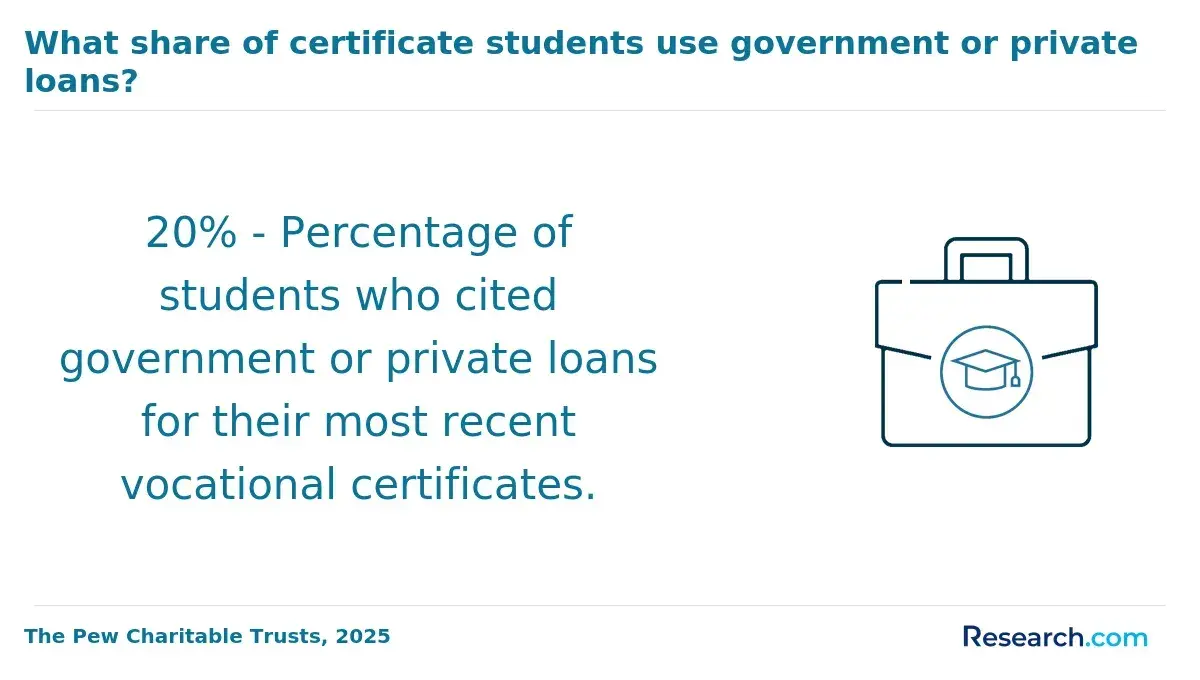
Compare the school's estimate with best affordable online colleges if you are seeking a bachelor's. Confirm financial aid eligibility and calculate any borrowing costs before deciding that faster is cheaper.
How do online degree programs compare with campus programs?
Online study can remove a commute and expand your choice of schools, but it is not automatically self-paced. Campus study may make in-person labs or regular faculty contact easier. Neither format changes the need to complete the program's academic requirements.
This comparison highlights scheduling questions that matter most when time to completion is your priority.
| Feature | Online program | Campus program |
| Class attendance | May be asynchronous or require live meetings | Usually tied to scheduled on-site meetings |
| Practical work | May require local placements, labs, or campus visits | Often arranged around campus facilities or nearby sites |
| Potential time savings | Less commuting; depends on course access and pace | May offer easier access to required in-person components |
Choose the format whose required classes and practical work you can actually attend. A hybrid option may be faster than a nominally fully online choice if it makes a required lab or placement easier to complete.
Which careers require licenses or professional certifications?
Nursing, teaching, clinical social work, counseling, and professional engineering are examples of paths where a degree and a license are separate requirements. Accounting roles involving CPA licensure also have state-specific education, examination, and experience rules. Required preparation can include an approved program, supervised hours, a background check, and examinations.
Before selecting a fast program, check the licensing board in the state where you intend to work. In particular, confirm that the specific online track meets its education rules and that you can complete any required clinical or field placements. A general degree in the same field may not qualify.
How can you choose a reputable accelerated online degree program?
Start with your career goal, then request a written evaluation of your prior coursework and a complete plan for finishing the degree. Transfer acceptance alone is not enough: a course counted as an elective may leave a required major course untouched. Ask about credit age and grade rules, minimum credits completed at the institution, and whether professional training can be evaluated for credit.
Next, compare the course-by-course timeline, total cost, accreditation, and any in-person requirements. Treat an unusually short advertised timeline as a prompt to ask what prior credits or credentials it assumes. Avoid enrolling on the strength of a ranking, a short class length, or a verbal promise about transfer or licensure eligibility.
Other Things You Should Know About
Possibly, if you enter with enough applicable credit or qualify for a short graduate pathway. A new student should not assume that a one-year advertisement applies to them; request an individual degree audit.
No. Short terms can compress the same required work into fewer weeks, making weekly deadlines more demanding.
Only if the school has an applicable prior-learning policy and awards credit after evaluating your experience or related training. Credit must also apply to your degree requirements.
Get written confirmation of your remaining courses, expected schedule, total charges, accreditation, and any required campus visits or fieldwork. For a licensed career, check state eligibility separately.
References
- Credit for Prior Learning - PA College Transfer https://collegetransfer.pa.gov/Administrators/Credit-for-Prior-Learning
- Certification Procedures - Questions and Answers http://www.ed.gov/laws-and-policy/higher-education-laws-and-policy/certification-procedures-questions-and-answers
- Education Requirements | texas.gov https://www.tsbpa.texas.gov/applicants/education/
- Semester Course Load and Student Performance - PMC - NIH https://pmc.ncbi.nlm.nih.gov/articles/PMC7568764/
- Measuring Student Success In IPEDS: Graduation Rates (GR), Graduation Rates 200% (GR200), And Outcome Measures (OM) https://nces.ed.gov/ipeds/use-the-data/measuring-student-success-in-ipeds
- Programmatic Accrediting Agencies | congress.gov https://www.congress.gov/crs_external_products/R/HTML/R43826.web.html
- Cost of Attendance (Budget) | 2025-2026 Federal Student Aid Handbook https://fsapartners.ed.gov/knowledge-center/fsa-handbook/2025-2026/vol3/ch2-cost-attendance-budget
- Tuition & Fees | National University https://www.nu.edu/admissions/tuition/
- Credit for Prior Learning (CPL) | farmington.edu https://catalog.farmington.edu/content.php
- State Authorization FAQs - nebraska.edu https://nebraska.edu/offices/provosts-office/resources-regulations/nu-online/state-authorization-faq