2027 Best Online Career Programs for Parents
Audited and Verified:
Our Editorial and Data Verification Process
Research.com uses government datasets, official education statistics and primary institutional information to support its career and degree guides. Our review process checks factual accuracy, occupational definitions, source dates and the requirements associated with the credentials discussed.
How This Article Was Fact-Checked
Our editorial team verifies salary estimates, employment projections, education requirements and program information against original data providers and official organizations. Salary figures are checked against the relevant occupational definitions and reporting periods. Information about licensure, accreditation and required in-person training is reviewed separately.
Fact-checked and verified on:

Co-Founder and Chief Data Scientist
Choosing a career program while raising children means finding time to study, not just finding a course online. The potential payoff varies by field: the U.S. Bureau of Labor Statistics (BLS) reports a May 2024 median annual wage of $133,080 for software developers, but an online credential alone does not qualify someone for every developer job.
This guide compares career-focused master's program families by scheduling demands, training requirements, costs, and career fit so parents can identify a realistic path before enrolling.
Key Things You Should Know
- For parents who already have a bachelor's degree, business and some technology master's programs may offer more location flexibility than nursing, education, counseling, or social work programs with required fieldwork.
- "Online" does not mean self-paced: check live meetings, weekly deadlines, campus visits, and local placements before applying.
- Compare total cost and the credential a job actually requires; the BLS May 2024 median wage for registered nurses was $93,600, but an RN license requires an approved nursing pathway and examination, not simply an online master's degree.
Top 10 Best Online Career Programs for Parents
Business Programs
Online MBA and specialized master's programs in accounting, analytics, or management can suit parents seeking advancement without a required clinical placement. Many admit applicants with a bachelor's degree; some require foundation coursework or professional experience. Compare part-time course availability, live group projects, and any residency before choosing a program. An MBA is most useful when its curriculum supports a specific goal, such as moving into operations or finance. It does not guarantee a management position, and accounting licensure has separate state education and examination rules.
Healthcare Programs
Online master's programs in healthcare administration, public health, and health informatics prepare students for different work: organizational leadership, population health, or health data systems. A bachelor's degree is generally required, while certain tracks expect healthcare experience or prerequisites. Administration coursework may be easier to schedule around caregiving than a public health program with a practicum, but both can involve team projects and fixed deadlines. Choose by target role, not by the broad "healthcare" label; clinical jobs usually require separate professional preparation or licensure.
Information Technology Programs
Online master's programs in IT, cybersecurity, and information systems can help parents build technical or leadership skills while studying part time. Programs may accept applicants from other fields but require introductory programming, networking, or bridge courses. Hands-on labs can be online yet still have scheduled assessments. For someone seeking a first IT job, a focused certificate, certification, or entry-level experience may be a less costly starting point. Check whether projects demonstrate the skills employers request; the degree itself is not a professional certification.
Computer Science Programs
An online computer science master's typically emphasizes algorithms, software engineering, artificial intelligence, or data systems. It may fit parents with prior programming and mathematics preparation who want deeper technical work. Applicants changing fields should check prerequisite courses and their added time and cost. Coding projects can often be completed at home, but group work, proctored exams, and fixed submission dates still affect flexibility. A portfolio and relevant experience matter alongside the credential; some software roles do not require a master's degree.
Nursing Programs
Online MSN programs may serve licensed registered nurses pursuing education, leadership, or advanced practice. Admission commonly requires an RN license and qualifying nursing education; an RN-to-MSN bridge has different entry requirements from a conventional MSN. Advanced-practice tracks include supervised clinical hours and state-specific licensure requirements, even when classes are online. Parents should confirm who arranges placements and whether shifts can accommodate childcare. An MSN is not an entry route to RN licensure for applicants who lack the required nursing preparation.
Psychology Programs
Online psychology master's programs may focus on research, applied psychology, or related subjects, while counseling programs follow a distinct professional pathway. This difference matters: a general psychology master's does not automatically qualify someone to practice as a licensed counselor or psychologist. Applicants should check prerequisites and whether a thesis, research project, or practicum is required. For parents seeking clinical work, verify the exact state license, required degree, supervised hours, and examinations before treating an online program as a viable route.
Education Programs
Online master's programs in curriculum, educational leadership, and teaching serve different applicants. Some are designed for licensed teachers; initial-licensure programs may accept career changers but require classroom placements and state approval. Coursework can be online while student teaching occurs during school hours, a substantial constraint for working parents. Ask whether the program meets requirements in the state where you plan to work and whether part-time enrollment is possible during fieldwork. A master's degree alone does not grant a teaching or administrator license.
Criminal Justice Programs
Online criminal justice master's programs often cover policy, research methods, leadership, and public safety administration. They may suit parents already working in justice-related roles who need a degree for a particular advancement goal. Many positions, however, depend more on agency hiring standards, experience, background checks, or academy training than on a master's. Look for flexible research or capstone options, and confirm whether any internship can be completed locally. Applicants seeking counseling or forensic clinical work should investigate those professions' separate credential requirements.
Engineering Programs
Online engineering master's programs can help working engineers specialize in areas such as systems, electrical, or mechanical engineering. Admission often depends on substantial mathematics and engineering preparation, so career changers may face prerequisite courses. Remote simulations can reduce travel, but some programs require laboratories, proctored assessments, or a campus component. Parents should check course rotation before assuming part-time study will be uninterrupted. Professional engineer licensure is separate from earning a master's degree and depends on state rules, examinations, and qualifying experience.
Social Work Programs
Online MSW programs prepare students for social work practice and may offer advanced standing to eligible applicants with a qualifying bachelor's degree in social work. That pathway is not available to everyone. Even online students complete supervised field education, which can be difficult to schedule around paid work and caregiving. Ask about placement assistance, required daytime hours, and eligibility in your state. Clinical social work practice generally requires additional supervised experience, an examination, and state licensure after graduation.
What Are the Best Online Career Programs for Parents?
The best online career program for a parent is the one that fits both the intended occupation and the hours the family can reliably protect for study. The fields below are program families, not a ranking of individual schools. Most master's programs require a bachelor's degree; entry-level certificates or bachelor's pathways may be more appropriate for parents starting a new field.
This comparison highlights the scheduling constraint most likely to change a parent's decision. Individual programs can differ, so confirm the actual format and requirements before applying.
| Program family | Potential fit | Scheduling issue to check |
| Business | Advancement in an existing career | Live classes and group projects |
| Healthcare administration or informatics | Nonclinical healthcare roles | Practicum or employer-based projects |
| IT or computer science | Technical specialization | Prerequisites and fixed project deadlines |
| Nursing | Licensed nurses changing or advancing roles | Clinical placement hours |
| Education | Teaching or school-based advancement | Student teaching or school-hour fieldwork |
| Psychology or social work | Research or human-services careers | Licensure eligibility and supervised practice |
| Criminal justice | Policy or agency leadership goals | Internship and agency requirements |
| Engineering | Specialization for prepared engineers | Prerequisites and possible labs |
Speed should be a secondary consideration. A fastest online master's degree option is useful only if its course load, prerequisites, and final project fit the time a parent actually has.
Asynchronous, part-time programs with predictable weekly deadlines often offer the strongest scheduling fit. Asynchronous means students can access class materials without attending every lesson live; it does not mean assignments are self-paced. A program can be entirely online and still require evening discussions, weekend sessions, or full-time fieldwork.
Before enrolling, ask for a sample term schedule and the timing of all required courses. Confirm whether reduced course loads are allowed, how often essential courses run, and what happens if a child's illness interrupts a term. Parents who relocate frequently can also review military spouse friendly online colleges, while checking each program's state authorization and placement rules separately.
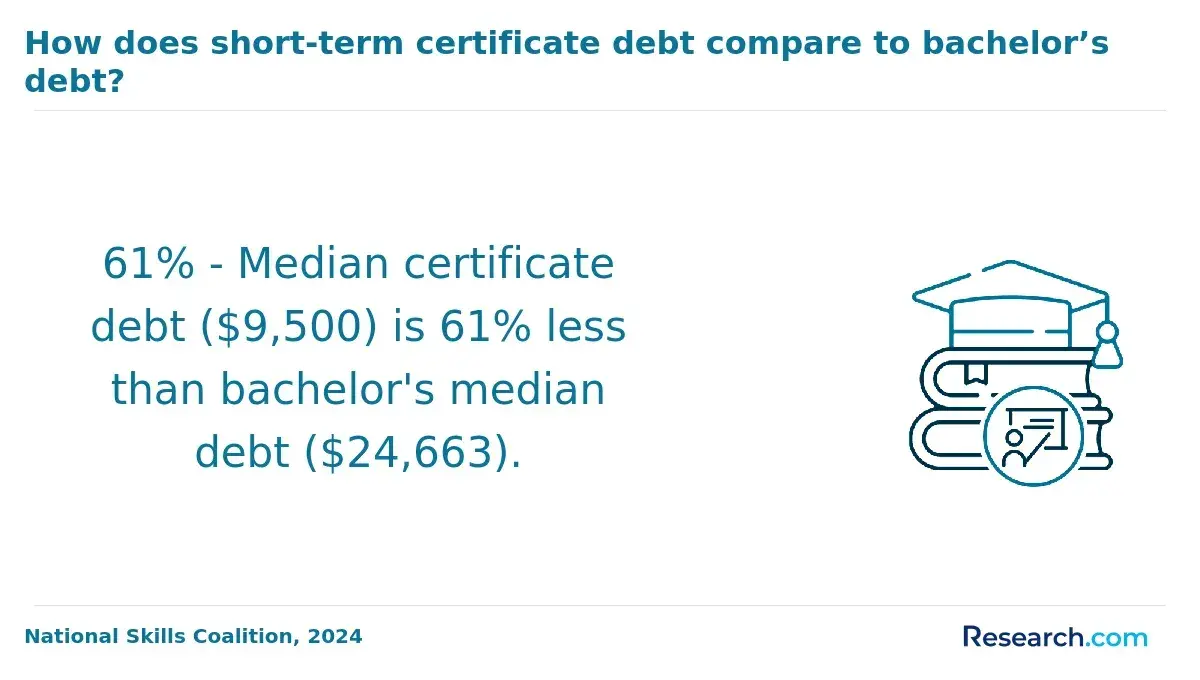
There is no reliable single price or completion time for online career programs. A short certificate, a part-time master's, and a clinical degree have different credit and placement requirements. Published tuition is only one part of the cost; finishing sooner may also mean taking a course load that is unrealistic for a working parent.
These cost and time factors help explain why two programs with similar advertised tuition can have very different family budgets.
| Factor | What it can change |
| Required credits and prerequisites | Total tuition and number of terms |
| Mandatory, technology, or program fees | Amount owed beyond tuition |
| Residencies, labs, or field placements | Travel, childcare, and missed-work costs |
| Part-time course availability | Whether the planned graduation date is feasible |
| Accepted prior coursework | Remaining requirements, if credit applies to this program |
Request an itemized estimate based on your expected course load and ask when each required course is offered. Compare grants, employer tuition assistance, and borrowing only after checking eligibility. Lists of online colleges that pay you to attend are not a substitute for your own aid offer: grants and refunds depend on individual eligibility and charges.
Accreditation and federal aid eligibility must be checked for the specific school and credential. Confirm that the institution is accredited by an agency recognized by the U.S. Department of Education and that the program qualifies for federal student aid if you plan to use it. Institutional accreditation alone does not establish that every certificate is aid-eligible.
For licensed occupations, check the additional approval or programmatic accreditation required by the relevant state board or profession. Nursing, educator preparation, counseling, and social work pathways warrant particular scrutiny. Ask the school to identify the approval that applies to your program, delivery format, and state; do not infer licensure eligibility from a general accreditation badge.
Start with the job's entry requirements, then work backward to the credential. Business, IT, and computer science roles may accept several educational routes, depending on the employer and the work. Teaching, nursing, and clinical practice have more prescribed sequences involving approved education, field training, examinations, or supervised experience.
For a master's program, compare bachelor's-degree eligibility, prerequisite subjects, any professional license required at entry, and the remaining coursework. Ask whether an internship, capstone, thesis, lab, clinical placement, or student-teaching assignment must be completed locally. Prior coursework may shorten a path only after the school evaluates it and confirms where it applies; graduate credit and professional experience do not transfer automatically.
A career program can prepare someone for a credential without awarding the credential itself. RN licensure, teaching licensure, and clinical social work licensure each have requirements set by state authorities. Advanced-practice nursing and counseling may also require particular coursework, supervised practice, examinations, and continuing obligations. Requirements can change and can differ across states.
Professional certifications are different from state licenses. A cybersecurity or project-management program, for example, may teach relevant material while a separate certification body sets its own examination and experience rules. Before paying a deposit, identify the exact license or certification you want and obtain written confirmation of how the program addresses its education requirements in your intended state.
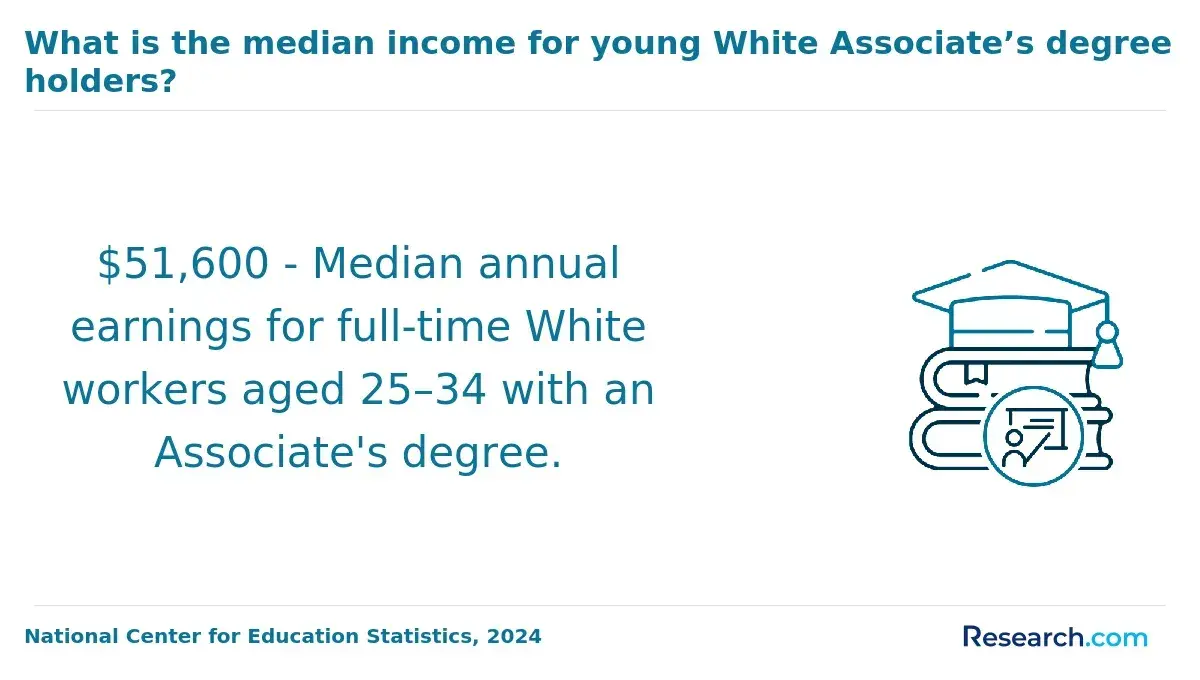
Career earnings depend on the occupation, location, experience, and employer - not simply on completing a program. The BLS occupational medians below offer context, not predictions of what a new graduate or career changer will earn.
These May 2024 U.S. wage figures cover employed workers across experience levels. The final column clarifies why the associated online program may be only one part of the path.
| Occupation | Median annual wage | Important qualification |
| Registered nurse | $93,600 | Requires qualifying nursing education and an RN license |
| Information security analyst | $124,910 | Employers may expect relevant technical experience |
| Software developer | $133,080 | Skills and experience matter; a master's is not universally required |
Parents comparing a new master's with an earlier-stage degree can also explore bachelor degrees that pay well. Weigh likely job requirements against tuition, time away from work, and any debt rather than choosing solely by an occupational median.
Technology, healthcare, and some human-services roles offer promising opportunities, but field-level growth does not guarantee an individual job. BLS projections for 2023-2033 estimated 33% employment growth for information security analysts. For parents considering cybersecurity, that supports investigating the field, but it does not establish that a master's is necessary for an entry-level opening.
Look beyond a national projection to job postings in the location where you expect to work. Note required experience, licenses, work hours, and whether remote work is genuinely available. AI-related changes can also alter the tasks employers value; programs that develop demonstrable technical judgment and adaptable skills may be more useful than one built around a single tool.
How Can Parents Choose a Reputable Online Career Program?
Choose a program only after confirming that its requirements fit your career goal and an ordinary week of family life. Rankings and a low per-credit price cannot answer those questions for you.
Use these checks to turn a shortlist into a decision:
- Identify a target job and verify its usual entry credential, experience, and state licensing requirements.
- Request the current program plan, sample weekly schedule, and details of every live session, campus visit, and placement.
- Ask for a written estimate of all required credits, fees, and likely completion time at your planned course load.
- Confirm institutional accreditation, any necessary program approval, financial-aid eligibility, and how previous coursework would apply.
- Compare the answers with your childcare and work schedule, then ask what support is available if you must pause enrollment.
Major red flags include vague answers about clinical placements, claims that online study automatically leads to licensure, and advertised completion times that assume unmentioned transfer credit. Get program-specific answers before committing.
Other Things You Should Know About
Sometimes. Business and technology coursework may have no routine campus attendance, but a particular program can still require live sessions or proctored activities. Nursing, teaching, and clinical pathways commonly include in-person placements.
Generally, yes, for the master's program families discussed here. Parents without one can investigate entry-level certificates, associate degrees, bachelor's programs, or eligible bridge pathways instead.
Many programs permit part-time enrollment, but required courses or fieldwork may not fit every schedule. Check course rotation, placement hours, and any minimum enrollment rules before applying.
Aid eligibility and award amounts vary. Ask the school's financial-aid office whether its cost-of-attendance calculation can account for eligible dependent-care expenses and what documentation it requires; an adjustment does not guarantee additional grant funding.
- Types of Financial Aid: Grants, Work-Study, and Loans | studentaid.gov https://studentaid.gov/understand-aid/types
- Cost of Attendance (Budget) | 2025-2026 Federal Student Aid Handbook https://fsapartners.ed.gov/knowledge-center/fsa-handbook/2025-2026/vol3/ch2-cost-attendance-budget
- FAQs for Clinical Courses: Practicum, Internship, & Field Experience - Wake Forest Department of Counseling https://counseling.wfu.edu/faqs-for-clinical-courses-practicum-internship-field-experience/
- College Financing Plan | usc.edu https://atweb.usc.edu/FaoWebStat/ShoppingSheet.aspx
- Practicum Education Manual - VI. Practicum Education Placement Policies, Procedures, and Processes https://socialwork.wayne.edu/practicum/manual/policies
- How Internships, Practicums, and Clinicals Actually Work | Florida National University (FNU) https://www.fnu.edu/internships-practicums-clinicals-explained/
- ISO - Certification https://www.iso.org/certification.html
- Understanding College Costs | Georgia Student Finance Commission https://www.gafutures.org/federal-aid-scholarships/financial-aid-basics/understanding-college-costs/