
2027 Best Online Degree Programs for Working Adults

Co-Founder and Chief Data Scientist
Choosing an online degree while working means finding a program you can finish - not simply one you can access from home. The stakes can be substantial: the U.S. Bureau of Labor Statistics (BLS) reports a May 2024 median annual wage of $93,600 for registered nurses, but a nursing degree alone does not confer a license or that salary.
This guide compares ten master's-level program families, then shows how to check schedules, costs, admissions, and career requirements. Use it to narrow your options before committing your time and money.
Key Things You Should Know
- The best fit depends on your existing degree, career goal, and ability to meet scheduled classes or in-person requirements; "online" does not necessarily mean asynchronous.
- A bachelor's degree commonly requires about 120 semester credits, while graduate requirements vary by program. An official credit evaluation - not an advertised completion time - shows what a returning student has left to complete.
- BLS projects 15% employment growth from 2024 to 2034 for software developers, quality assurance analysts, and testers combined. That outlook can inform a technology choice, but it does not guarantee a job for any graduate.
Top 10 Best Online Degree Programs for Working Adults
Business Programs
An online MBA or specialized business master's can suit adults moving toward management, finance, analytics, or operations. Compare general management courses with concentrations and applied projects; the right choice depends on the work you want to do next. Some programs welcome applicants from other majors, while others require foundation courses or relevant experience.
Before enrolling, confirm whether classes meet live, whether group projects require fixed meeting times, and whether an internship or campus residency is required. A business master's may support advancement, but it does not replace the experience an employer expects for a leadership role.
Healthcare Programs
Online master's programs in healthcare administration or public health serve different goals: administration emphasizes healthcare operations, while public health may focus on population health, policy, or epidemiology. They can fit professionals seeking nonclinical roles, but neither automatically qualifies a graduate for a licensed clinical occupation.
Check prerequisite coursework, whether a practicum is required, and whether you must arrange a local placement. Adults changing fields should also ask which entry-level roles accept the degree and which management jobs require prior healthcare experience.
Information Technology Programs
An online MS in information technology often emphasizes systems, cybersecurity, cloud infrastructure, or IT management. It may suit someone with technical experience who wants to specialize or coordinate larger projects. A career changer should check whether the curriculum includes introductory programming and networking or assumes those skills on entry.
Compare hands-on labs, team projects, live sessions, and any required proctored activities against your work schedule. For some roles, a focused certification and practical experience may be a less costly first step than a master's degree.
Computer Science Programs
An online MS in computer science generally goes deeper into algorithms, software systems, or computing research than a broad IT program. It is a stronger match for software-focused goals, provided you can meet its mathematics and programming prerequisites. Some programs offer preparation courses for applicants without a computer science bachelor's degree; these can add time and cost.
Look for substantial coding projects and check whether a thesis is optional, required, or replaced by a capstone. A degree alone is not a substitute for demonstrable technical skills.
Nursing Programs
Online MSN programs typically serve licensed registered nurses seeking advanced practice, education, leadership, or another specialty. Admission often requires an active RN license and a qualifying nursing degree; an RN-to-MSN bridge has separate eligibility rules.
Although coursework may be online, clinical hours can require substantial local, scheduled attendance. Verify who secures placements, whether the program accepts students in your state, and whether its specific track meets applicable certification and licensure requirements. The shortest-looking program is not useful if its clinical schedule conflicts with your job.
Psychology Programs
An online master's in psychology can support interests in research, human behavior, or related workplace roles. It should not be confused with a program designed for a particular counseling license. Psychologist licensure generally requires doctoral-level preparation, and counseling licensure has its own state-specific coursework and supervised-practice rules.
If clinical practice is your goal, verify the precise license the program prepares students to pursue and account for any in-person practicum. Otherwise, compare research methods, applied projects, and the experience employers request for your target role.
Education Programs
Online MEd programs may focus on curriculum, instructional design, educational leadership, or teacher preparation. Choose by intended role: a master's for practicing teachers is not necessarily a route to an initial teaching license. Ask whether your state recognizes the relevant preparation pathway and whether student teaching, school-based fieldwork, or scheduled observations are required.
Teachers balancing classroom duties may prefer predictable part-time terms, even when they take longer. For leadership roles, check whether the program meets separate administrative certification requirements and whether professional experience is expected.
Criminal Justice Programs
An online master's in criminal justice may emphasize policy, administration, criminology, or applied analysis. It can be useful for experienced public-safety professionals seeking broader responsibilities, but a graduate degree is not a universal entry requirement for law enforcement or corrections. Compare coursework with the hiring and promotion standards of your intended agency.
Some programs offer internships or research projects that demand time outside ordinary online classes. Applicants should also check role-specific background, training, and certification requirements separately from admission requirements.
Engineering Programs
An online MEng or MS in engineering can help an engineer deepen technical expertise or move toward project leadership. The MEng is often practice-oriented; an MS may offer a stronger research pathway, although curricula vary. Check for required undergraduate engineering preparation, laboratories, team design work, a thesis, and any campus visits. Online availability also varies by specialization.
If professional engineer licensure matters, review your state board's education and experience rules rather than assuming a master's degree independently establishes eligibility.
Social Work Programs
An online MSW is a practice-oriented option for adults pursuing social work roles that require graduate preparation. A traditional pathway may admit students without a social work bachelor's degree; advanced standing is generally intended for qualifying BSW graduates and has separate eligibility rules. Both pathways can include substantial, scheduled field placements despite online coursework.
Confirm program accreditation, state licensure alignment, field-placement support, and whether you can complete hours near home. Previous employment in social services does not automatically replace required field education.
What Are the Best Online Degree Programs for Working Adults?
The best online degree program for a working adult is the one that fits a specific career goal and remains feasible during the busiest parts of the year. The ten families above are master's-level options, not a ranking of individual schools.
A master's makes sense when the target role calls for graduate preparation or the curriculum adds skills you cannot gain as effectively another way. If you need an undergraduate credential first, compare bachelor's-completion programs using the same schedule and cost tests.
The comparison below groups these program families by their most consequential scheduling constraint. It is a starting point; requirements differ among individual programs.
| Program families | Potential fit | Constraint to verify |
| Business; information technology; computer science | Career advancement or technical specialization | Live meetings, team projects, prerequisites, and applied work |
| Healthcare; criminal justice; engineering | Field-specific administration, analysis, or technical work | Prior experience, laboratories, internships, or residencies |
| Nursing; education; social work | Profession-specific advancement or preparation | Licensure alignment and scheduled clinical or field placements |
| Psychology | Behavioral research or related nonclinical work | Whether the curriculum matches the intended role or license |
A shorter credential may be preferable when you need one defined skill rather than a full degree. If speed is central to your decision, compare accelerated career programs against the remaining coursework and prerequisites you would actually face. Do not treat a short course term as proof of a short overall program.
How Do You Choose an Accredited Online Degree Program?
Start with institutional accreditation, then check any programmatic accreditation relevant to your occupation. Accreditation supports a school's recognized academic standing; programmatic accreditation may matter separately for professional preparation. Neither replaces a state licensing board's determination of eligibility.
Use these checks before applying so that an attractive schedule does not obscure a credential problem:
- Confirm the institution's current accreditation through the accreditor or the U.S. Department of Education's accreditation records.
- For nursing, social work, teaching, or another regulated goal, identify the relevant program accreditor and ask whether the exact online pathway meets requirements in the state where you intend to practice.
- Request written confirmation of required campus visits, supervised placements, and any restrictions on enrollment from your state.
- Ask for an official review of previous coursework and a degree plan showing which requirements remain, including any minimum credits that must be completed at the institution.
A common mistake is checking a university's accreditation but not the particular professional pathway. Another is assuming accepted transfer credits will satisfy major requirements; credits awarded only as electives may do little to shorten the degree.
How Much Do Online Degree Programs Cost for Working Adults?
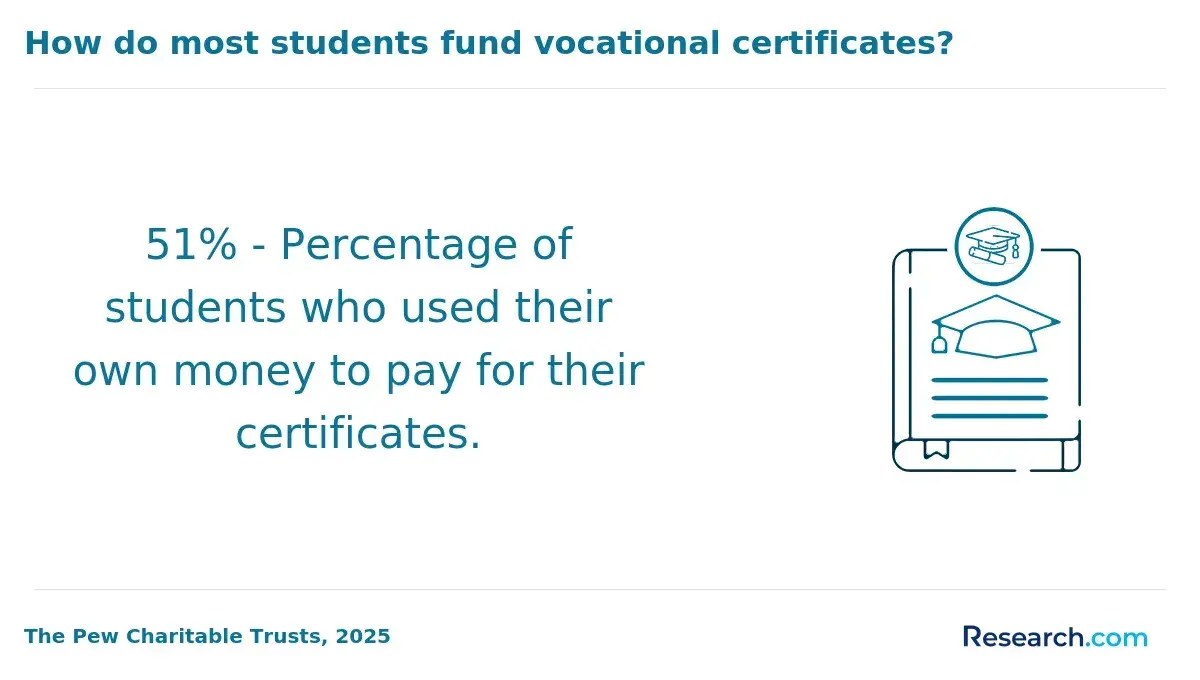
Online tuition is only one part of the cost. Compare the estimated price to finish: remaining credits multiplied by the applicable tuition rate, plus required fees and expenses tied to the program. Request a personalized estimate because transfer decisions, enrollment pace, and state residency can change the total.
These cost categories explain why the lowest advertised per-credit rate may not produce the lowest final bill:
| Cost category | Why it can change the comparison |
| Tuition and mandatory fees | Rates may vary by program, enrollment status, or residency; technology and course fees may be additional. |
| Required in-person work | Travel, parking, placement-related expenses, or time away from paid work may apply. |
| Remaining prerequisites and credits | Foundation courses or credits that do not apply to the degree increase the amount left to pay for. |
| Books, software, and equipment | Technical courses and supervised practice may require purchases beyond tuition. |
Ask the financial aid office about federal aid eligibility for the specific program, then compare grants, employer tuition assistance, scholarships, and borrowing. Employer benefits can reduce your cost but may require passing grades or continued employment. A less expensive program may still be poor value if its schedule makes completion unlikely.
Which Online Degree Formats Best Fit a Working Adult's Schedule?
Asynchronous courses usually offer the most control over when you study, but not over when work is due. Scheduled online classes may provide more immediate interaction but can conflict with shifts or caregiving. A hybrid or placement-heavy program may be the right professional pathway even if it offers less flexibility.
This comparison separates where coursework happens from when you must participate:
| Format | Scheduling advantage | Trade-off |
| Asynchronous online | View materials outside scheduled class meetings | Weekly deadlines, group work, and examinations may still be fixed |
| Synchronous online | Real-time discussion and instructor access | Attendance may be required at set hours |
| Hybrid or online with placements | Some academic work can be completed remotely | Labs, clinicals, practicums, or campus sessions require location-specific time |
Before committing, request a sample course calendar and ask whether required courses run in the terms when you expect to take them. Part-time enrollment can make weekly work manageable but may lengthen completion, particularly when a course is offered infrequently.
What Are the Admission Requirements for Online Degree Programs?
Admission requirements depend on both the degree level and the specific program. A bachelor's-completion applicant may need previous college transcripts; a master's applicant generally needs a completed bachelor's degree. Programs can additionally require prerequisites, a particular academic record, professional experience, an interview, or a portfolio. Practice-oriented tracks may require an active license or a qualifying prior degree.
Ask admissions staff to evaluate your actual record rather than relying on a university-wide admissions summary. Find out whether prerequisite courses can be completed before entry, whether graduate coursework can transfer, and when you will receive a written credit evaluation. Do not assume undergraduate credit will count toward a master's degree.
If a background record could affect your plans, distinguish college admission from field-placement rules and occupational licensing. Readers exploring an undergraduate starting point can review best associate degrees for felons, then confirm the policies of the intended school, placement site, and licensing authority individually.
What Do Online Degree Programs Teach in High-Demand Fields?
High-demand fields teach different kinds of work. Computer science may emphasize programming, algorithms, and software design; IT may prioritize networks, systems, and security operations. Healthcare administration focuses on organizational decisions, while nursing prepares licensed nurses for track-specific professional responsibilities. A field's employment outlook does not tell you whether an individual program teaches the skills a particular employer seeks.
Read required-course descriptions rather than relying on a concentration name. Look for projects that let you practice relevant work, and identify the culminating requirement: it might be a capstone, thesis, laboratory, internship, clinical experience, or student teaching. For a career change, inspect the first-term courses closely. A curriculum that assumes substantial prior knowledge may require extra preparation even if admission is possible.
How Long Does It Take to Complete an Online Degree?
Completion time is the result of remaining requirements and the pace at which you can complete them. A conventional bachelor's degree often totals about 120 semester credits, but a returning student may have fewer credits left after an official evaluation. Master's programs vary substantially in required coursework and experiential hours. Prerequisites, course sequencing, enrollment intensity, and placement availability can all extend a timeline.
Ask for a term-by-term plan that includes every remaining requirement, not just the number of online courses. For advanced-standing MSW, RN-to-MSN bridge, or bachelor's-completion pathways, check the qualifying credential and credit assumptions behind any advertised timeline. Previous employment or coursework does not automatically confer advanced standing.
Readers comparing quick online degrees should weigh the full time to qualification - including any separate license or certification - not just time to graduation.
What Careers and Salaries Can Online Degrees Lead To?
Online degrees can prepare students for roles in technology, healthcare, education, and other fields, but the connection between a degree and a job varies. BLS occupational wages describe people employed in those occupations - not earnings promised to graduates of a particular program. The figures below provide U.S. labor-market context for two different pathways.
| Occupation | BLS May 2024 median annual wage | Important qualification |
| Registered nurse | $93,600 | Requires nursing education and state licensure; an MSN is not the usual entry credential. |
| Software developer | $133,080 | Employers evaluate relevant technical preparation and skills; a computer science master's is not universally required. |
These medians should help you assess a possible occupation, not calculate a guaranteed return on tuition. Compare the program's total cost with your current earnings, the qualifications in local job postings, and the experience you can bring to the role. If earnings are a major consideration, most profitable college majors offers another way to explore fields - but a high-paying occupation may have entry requirements beyond the degree you are considering.
Which Online Degrees Require Licensure or Professional Certification?
Nursing, social work, teaching, counseling, and some other practice-focused paths involve licenses or professional credentials separate from the degree. Engineering licensure applies to particular professional practice, while many business, IT, and computer science jobs do not require a state occupational license. Requirements vary by occupation and state, and a program's availability to an online student does not establish eligibility for practice where that student lives.
Check the relevant licensing board's education rules before enrollment, especially for a program with clinical or fieldwork components. Ask the school which specific license or certification its pathway is designed to support, where graduates may seek eligibility, and what examinations, supervised experience, or additional applications follow graduation. Avoid assuming that a broadly named master's degree - particularly in psychology or education - leads to the license you want.
Other Things You Should Know About
An online degree can be a credible credential when it comes from an appropriately accredited institution. Employers may also consider the program's relevance, your skills, and your experience; delivery format alone does not establish quality.
Often, but feasibility depends on course deadlines, live attendance, and any required placements. Request a sample term schedule and compare it with your busiest work weeks before choosing an enrollment pace.
They may. The school must evaluate them and determine whether they satisfy specific degree requirements. Ask for a written plan showing remaining courses and any credits you must earn at that institution.
Not always. Clinical hours, practicums, student teaching, laboratories, or residencies may require in-person participation. Check the requirements of the exact program and track, not just its "online" label.
References
- Cost of Attendance (Budget) | 2025-2026 Federal Student Aid Handbook https://fsapartners.ed.gov/knowledge-center/fsa-handbook/2025-2026/vol3/ch2-cost-attendance-budget
- Department Expectations: Curriculum | New York State Education Department https://www.nysed.gov/college-university-evaluation/department-expectations-curriculum
- Federal Regulations - State Authorization Network - WICHE https://wcetsan.wiche.edu/resources/federal-regulations
- Frequently Asked Questions | harvard.edu https://pc.hms.harvard.edu/faq
- 4.1.21 Instructional Modalities and Distance Education | Illinois State https://policy.illinoisstate.edu/academic/4-1-21
- State Authorization, Accreditation & Student Complaint Process | Robert F. Wagner Graduate School of Public Service https://onlinemha.wagner.nyu.edu/state-authorization


